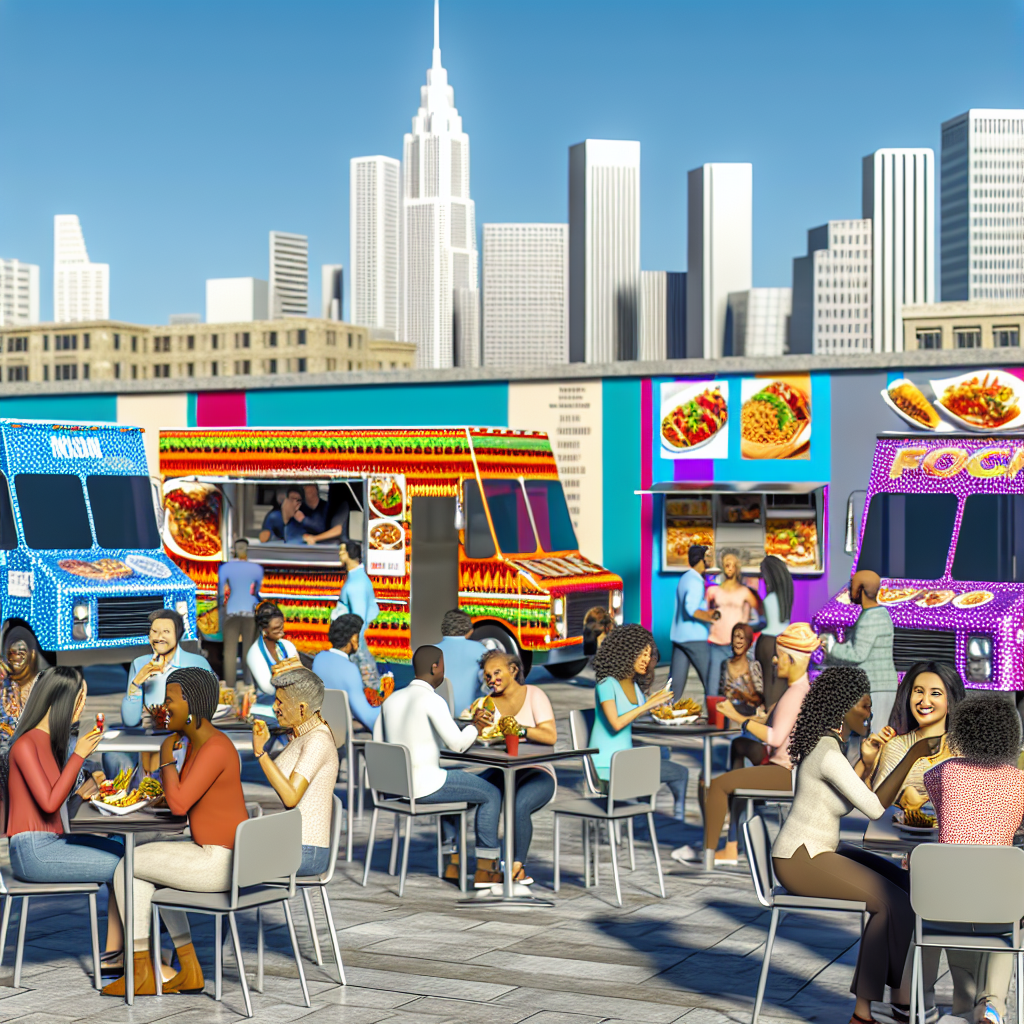
Across bustling campuses, construction sites, boardrooms, and neighborhood street corners, food trucks have become a vibrant thread in urban life. The term food truck is widely understood in English-speaking communities, but the conversation around mobile kitchens is richer than a single label. In the United States, the phrase itself conveys a vehicle that cooks and sells food, offering flexibility, variety, and often accessible prices. In the United Kingdom, Ireland, and parts of Canada, you’ll hear phrases like mobile catering vans, street food trucks, or simply “the truck” when vendors roll into a festival or market. The common thread is mobility: a kitchen on wheels that can relocate to where the people are, whether that’s a bank of office towers at lunch, a park at sunset, or a festival with thousands of hungry guests.
For event planners and organizers, corporate HR and admin teams, local community groups, and individual food enthusiasts, these mobile kitchens are more than flavor in a hurry. They’re logistics partners, cultural ambassadors, and sometimes engines of local economy. They can provide everything from casual crowd-pleasers to chef-driven, restaurant-like experiences, all while fitting into a flexible schedule and budget. Modern food trucks routinely blend craft, technology, and story: kitchen crew members who chant orders over the hiss of a griddle, social media teams that announce where the truck will appear next, and owners who map a route that builds a loyal following.
As urban dining culture evolves, the role of the food truck has expanded from novelty to essential piece of the ecosystem. The best operators think not just about what’s on the menu, but where the truck can pull up, how to communicate hours and location in real time, how to maintain safe, efficient operations, and how to contribute positively to the neighborhoods they serve. This article dives into five interconnected chapters that illuminate what English speakers mean when they say food truck, explore the historical roots and cultural impact, unpack the business dynamics, examine the technological and day-to-day practices, and finally reflect on broader societal, policy, and geopolitical considerations. By weaving together definitions, real-world practice, and forward-looking trends, we’ll offer practical takeaways for planning events, engaging communities, and savoring the best of mobile cuisine.
In the chapters that follow, you’ll see how each facet reinforces the central idea: mobile kitchens are not just vehicles for meals, but active, adaptive hubs of culture, commerce, and community. Whether you’re coordinating a large conference, stewarding a company wellness event, rallying neighbors for a festival, or simply chasing new flavors, recognizing the nuances of naming, history, economics, technology, and policy will help you leverage food trucks with confidence and curiosity.
On Wheels in English-Speaking Cities: Defining Food Trucks, Their Scope, and Their Relevance
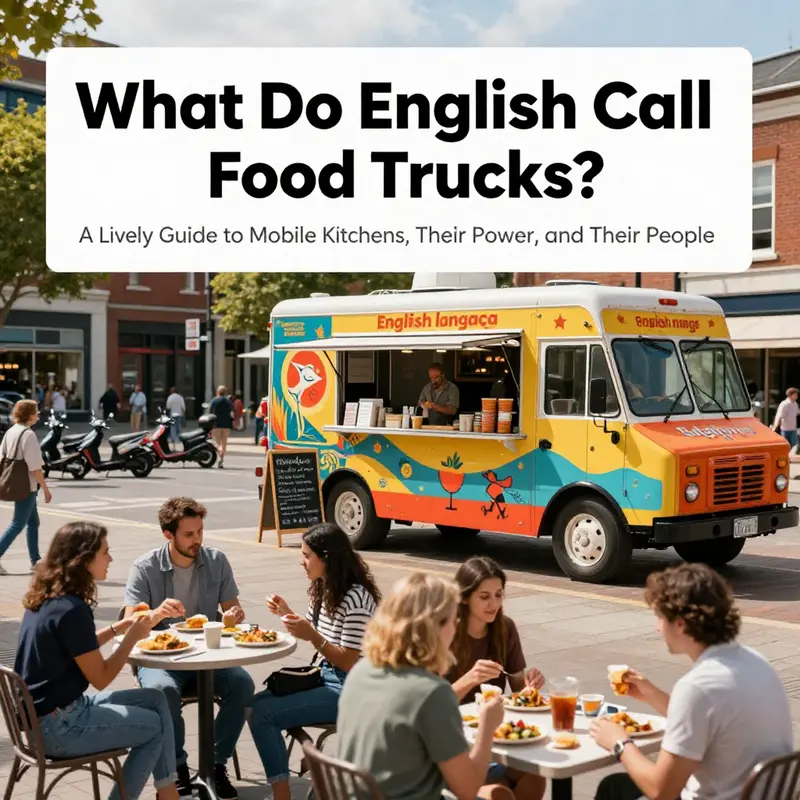
A food truck, in the simplest terms, is a mobile kitchen that carries the means to cook and sell food from a vehicle. The Cambridge Dictionary frames it as a vehicle in which food can be cooked and sold, that moves from place to place. This mobility is more than a logistical trick; it is a strategic posture. It allows cooks to meet people where they are, from busy downtowns to construction sites, parks, stadiums, and festival grounds. What began as a practical answer to the need for accessible meals for workers has evolved into a sophisticated and diverse sector that sits at the intersection of culinary craft, urban life, and entrepreneurial risk-taking. The modern food truck is a compact kitchen on wheels, but its power lies in what it can do with that mobility: it can chase demand, rotate menus, and adapt to changing tastes with a speed that fixed restaurants often cannot match. In that sense, the definition expands beyond a simple description of a vehicle to a statement about culinary possibility: cooking on the move, and selling from a window, while shaping the rhythm and flavor of the places it visits.
The scope of English-speaking food trucks stretches far beyond the idea of quick bites. They now offer a remarkably wide array of cuisines. There are gourmet street-food concepts that emphasize technique and seasonal ingredients, ethnic specialties that bring neighborhood flavors into public spaces, and plant-forward or allergen-conscious options designed to meet diverse dietary needs. Some trucks spotlight wood-fired pizzas that travel with their flame, others serve tacos that fuse regional influences, while still others deliver creative takes on vegan comfort food or gluten-free staples. This breadth matters because it reframes the truck not as a temporary concession but as a mobile platform for culinary experimentation and quality, capable of competing with brick-and-mortar spaces on taste, technique, and presentation.
As a scope-defining feature, the mobility of food trucks also shapes the dynamics of urban dining. They arrive at the moment when a city’s food scene seeks spontaneity and accessibility without sacrificing craft. They thrive in the interstices of city life—near office districts during lunch hours, adjacent to parks on weekends, and beside venues that host concerts or sports events. Their temporary nature invites a sense of discovery: a new flavor profile, a chef’s signature dish, or a limited-time collaboration with another local business. In this sense, food trucks function as itinerant culinary laboratories, lowering the barriers to entry for aspiring chefs and entrepreneurs who might not have the capital to launch a traditional restaurant. The financial calculus is different but equally real: a lower upfront cost, modular equipment, and a built-in feedback loop from customers who improvise on the fly can translate into sharper, more responsive menus and a quicker path to profitability.
The relevance of English-speaking food trucks grows from their capacity to reflect and shape community tastes. They are emblematic of a broader shift in how people eat and how urban spaces are used. Social media has become an essential tool in this ecosystem, turning a simple location update into a dynamic public event. An operator can post a photo of a dish, announce a new location, or tease a pop-up collaboration, and the crowd follows. This immediacy encourages experimentation: chefs can test new ideas with a relatively small audience, gauge reactions, and iterate rapidly. The visibility afforded by digital platforms also connects trucks to broader conversations about local sourcing, seasonal ingredients, and culinary storytelling. In neighborhoods with dense food ecosystems, trucks can introduce residents to unfamiliar flavors while providing a mobile stage for cultural exchange. The result is a dining experience that feels both intimate and communal, a shared moment in which the street becomes a dining room and the city itself a neighborhood pantry.
The relevance extends beyond taste and performance to the economies of cities and the livelihoods of individuals. For many operators, a truck is a springboard into entrepreneurship, a way to build a brand, and a path toward more scalable business models. It creates employment, fosters entrepreneurial resilience, and contributes to local tax bases through business activity. In festivals and markets, trucks are not merely vendors; they are participants in the social economy that blends entertainment, craft, and food. The visibility of successful trucks in mainstream media—whether in documentaries, televised competitions, or feature articles—speaks to a larger narrative about innovation, risk, and the democratization of culinary opportunity. Yet this relevance is not guaranteed. It depends on the ability of operators to manage quality, safety, and consistency while navigating a shifting regulatory landscape that can influence where trucks park, what they can serve, and who may legally operate in a given space. The balance between freedom and oversight often determines not only individual success but also the long-term viability of a vibrant, mobile food culture in a city.
Technology remains a catalyst within this ecosystem. Real-time location updates, digital menus, contactless payment, and data-driven marketing enable trucks to respond to demand with agility. A truck can carry a rotating roster of dishes, adjusting ingredients in response to what vendors can source locally and what customers crave at a particular moment. The urban environment—dense, diverse, and constantly evolving—becomes a living menu, curated by cooks who listen as much as they cook. This feedback loop is accelerated by communities that thrive on food-centric experiences: street corners that become seasonal marketplaces, neighborhoods that celebrate a weekly truck lineup, and partnerships with local farms, roasteries, and bakeries that supply ingredients with traceable provenance. The narrative here is not just about selling meals; it is about shaping a shared sense of place through food that travels.
With these realities in mind, the scope of what a food truck is can be understood as a flexible system rather than a fixed model. It encompasses the vehicle, the kitchen equipment, the menu philosophy, and the logistical dance of where and when a truck appears. It includes the training and identity of the people who operate it—the cooks, the managers, the drivers who keep the wheels turning, and the teams that manage social media, permits, and health compliance. And it encompasses the communities that welcome these mobile kitchens, which see them as convenient options, as palate-openers, and as signals of a city’s willingness to celebrate culinary diversity. In short, English-speaking food trucks have grown into a resilient, adaptable, and culturally significant segment of the food service landscape. They demand a nuanced understanding of how food, mobility, and urban life intersect, and they invite us to consider how cities cultivate environments that welcome experimentation while safeguarding public health and safety.
As regulations, licensing, zoning, and safety standards shape what a truck can serve and where it can operate, operators must navigate a patchwork of rules that vary by city, county, and country. This is where practical knowledge becomes essential. The ability to harmonize kitchen safety with roadworthiness, to source compliant ingredients, and to maintain consistent hygiene practices is as important as culinary skill. For readers exploring this topic, it helps to view regulations not as barriers but as frameworks that guide responsible growth and protect the people who rely on these services. A concise way to explore this dimension is through dedicated resources that map the regulatory terrain and offer practical guidance for newcomers and seasoned operators alike navigating food truck industry regulations.
In sum, the English-speaking food truck is defined not merely by a vehicle or a window, but by a holistic approach to culinary mobility. Its scope spans the breadth of cuisines, the cadence of urban life, and the realities of entrepreneurship. Its relevance rests on the ability to deliver high-quality, authentic, and innovative food in an accessible format while contributing to the vitality of communities and the dynamism of cities. The chapter that follows will turn to the specifics of how this mobility is organized, how chefs plan and execute their itineraries, and how communities can cultivate a thriving ecosystem where food trucks enhance rather than complicate the urban dining experience. For readers seeking a broader frame on the regulatory and logistical sides of the craft, the linked resource offers a practical starting point for navigating the evolving landscape of food-truck operations. And as the conversation continues, the focus shifts from what a food truck is to how it functions within the architecture of modern cities and the imaginations of the people who travel with it. External perspectives, including journalism and cultural analysis, help situate the phenomenon within a wider discourse on food, work, and urban life:
External reference: How Food Trucks Are Changing Urban Dining Culture — Slate Magazine.
From Food Van to Food Truck: The Linguistic Path and Urban Pulse of English-Speaking Street Cuisines
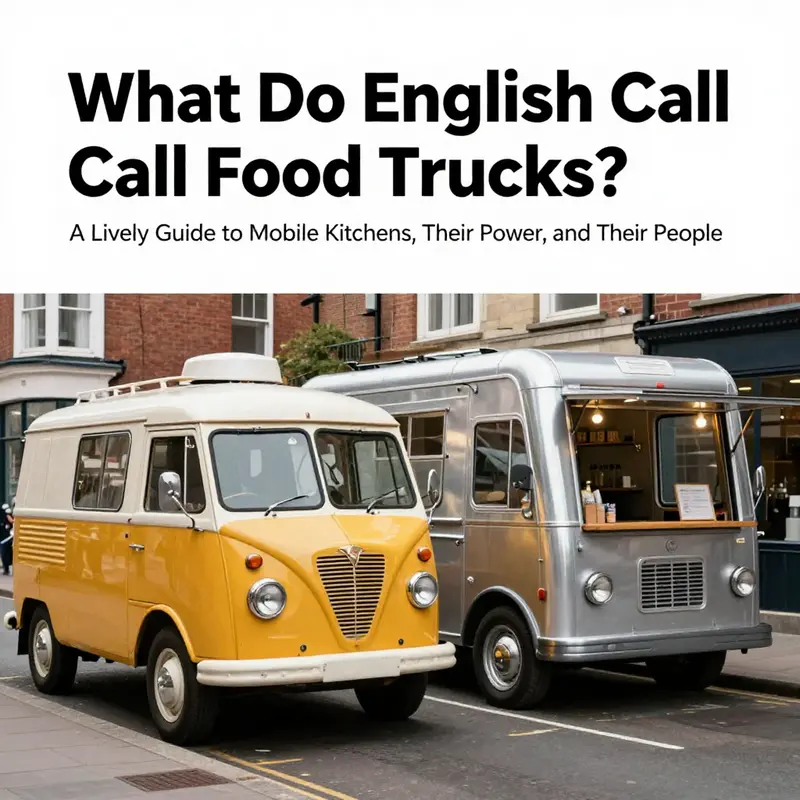
In English, the mobile kitchen on wheels is commonly called a food truck. In British English you might hear food van or mobile kitchen. The terminology signals differences in regulation, urban rhythm, and social expectations, while the core idea remains the same: a flexible, on-demand way to bring meals to people where they gather. The modern revival of food trucks began in the late 20th and early 21st centuries, spreading from American cities to major centers worldwide. Social media, branding, and a culture of fast, high-quality street food transformed a simple cart into a brand and a micro restaurant on wheels. Food trucks now participate in city life as dynamic, rotating venues that adapt to neighborhoods, events, and changing tastes. The surrounding environment—permits, health codes, parking rules—shapes operations and spurs creative solutions, such as routes that maximize foot traffic and collaborations with events. In many places, the scene is a social space where diverse cuisines meet, travelers discover new flavors, and local economies gain flexibility. The language around this phenomenon reflects a larger trend: hospitality on the move, where speed, taste, and storytelling converge on city streets.
Wheels of Change: Economic Models and Mobility in English-Speaking Food Trucks
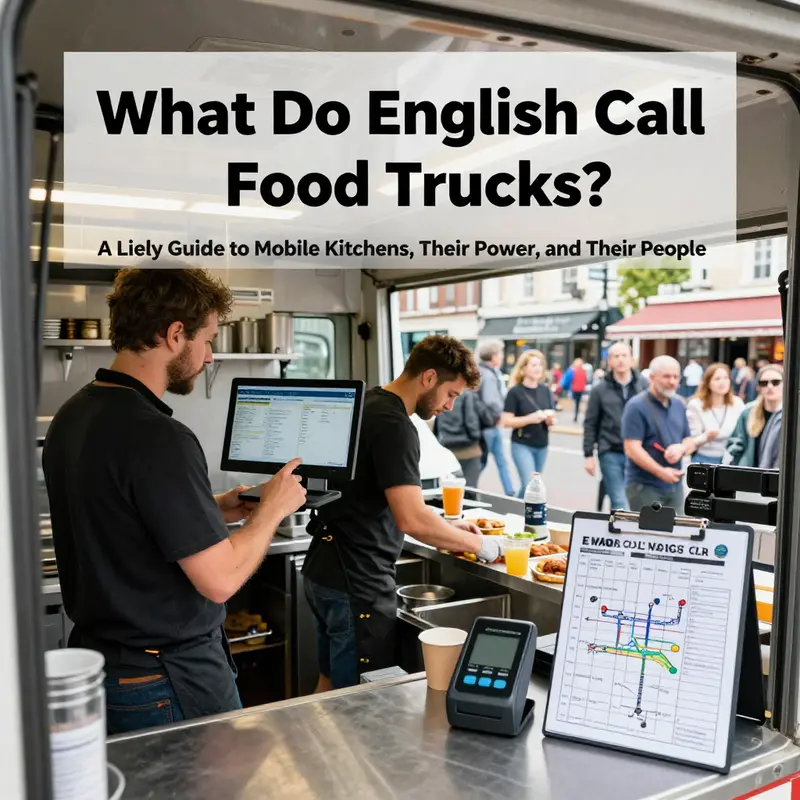
An image of a food truck in motion is not just a scene of cuisine; it is a compact business model that blends craft and commerce in urban space. In English-speaking markets mobility lowers entry barriers, enables rapid testing of ideas, and aligns with the cadence of city life. This chapter examines the economics behind mobile kitchens, what makes them viable, and where they face the greatest risks and opportunities. It is a survey of lean startups that depend on real time data, strong operations, and flexible branding to turn short windows of customer attention into sustainable revenue. The core insight is that mobility amplifies both the upside of fast experimentation and the cost of misaligned capacity and timing.
In the United States the lean cost base centers on ownership and predictable operating costs. Startups purchase or lease a truck, secure a permit package, and assemble a compact menu that can be tested in multiple neighborhoods. The advantage is agility: a truck can pivot from one concept to another in days based on what customers indicate via sales and social channels. Revenue comes mainly from on site sales and increasingly from event appearances and partnerships. Active branding and social media drive location choices and repeat visits, while collaborations with festivals and business districts broaden exposure and smooth demand when a single venue underperforms. The practical upshot is a lower barrier to market entry paired with a need for disciplined inventory control, cost tracking, and route planning.
Across the Atlantic in the United Kingdom the market remains flexible but sits among a tighter web of permits, parking rules, and health and safety checks. Growth has been steady in major cities as operators cluster around transport hubs, cultural venues, and office zones. The regulatory environment adds friction but also predictability, helping operators anticipate costs and routes. Typical cost structures include truck purchase or lease, ongoing compliance, fuel, insurance, staff wages, and maintenance. Demand is highly seasonal and event driven, which makes route design and staffing planning essential. Even so, the UK model rewards clear positioning, strong local partnerships, and a capacity to scale through new licenses and routes without overextending capital.
Despite regional differences some shared challenges emerge. Data limitations, short planning horizons, and the complexity of permits can constrain long term profitability. Pricing and procurement must adapt to volume swings, supplier reliability concerns, and fluctuating fuel costs. A market friendly to mobile dining often relies on a narrative that reinforces value, freshness, and community connection while delivering predictable quality and speed.
Climate risk and resilience add further layers. Changes in crop yields or transport costs can affect ingredients, while extreme weather can constrain outdoor operation windows. Operators that diversify suppliers, build flexible menus, and maintain transparent pricing are better positioned to weather such shocks. Flexible branding also matters; a strong, consistent story across locations helps customers follow a truck through changing markets and seasons.
What follows in practice are several actionable threads. First, embed real time data analytics into demand forecasting, pricing, and inventory control to sharpen responsiveness. A mobile model can shift locations, adjust portion sizes, and reallocate staff as sales trends emerge. Second, build resilient supply chains with multiple vendors and contingency plans for price spikes or shortages. Third, maintain a compelling brand narrative and robust digital presence to convert casual passersby into repeat customers. This combination creates a cycle where analytics, resilience, and branding reinforce each other, enabling rapid concept validation and selective scaling.
The result is a business designed for movement rather than a fixed storefront, a form that can expand by testing new routes and venues while keeping overhead lean. The chapter closes by noting that mobility multiplies opportunity when paired with disciplined operations, clear cost controls, and a customer focused approach. Operators who adopt this blend of speed and structure can navigate the evolving urban food ecosystem and translate episodic sales into sustainable growth.
On Wheels and Online: The Technological and Operational Life of English-Speaking Food Trucks
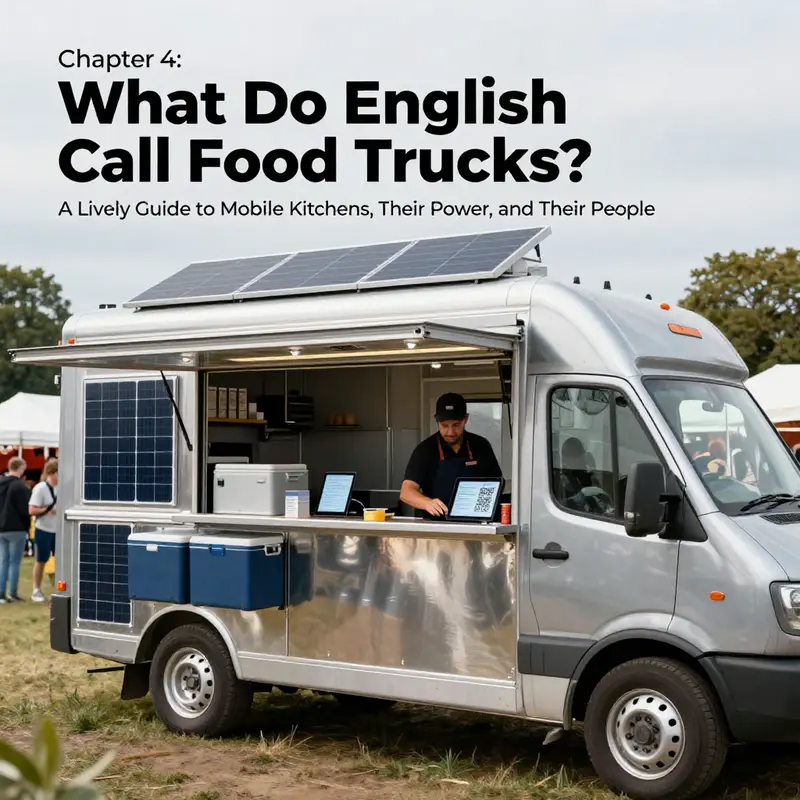
The mobile kitchen has evolved from a simple serve-and-mellowness into a finely tuned system that blends culinary craft with digital intelligence. In the English-speaking world, food trucks are not merely vehicles with burners and fryers; they are agile, customer-facing micro-businesses that balance food artistry with the precision of modern operations. At their core lies a purposive integration of tools and habits that allow a dispersed, often unpredictable, street economy to feel coherent, reliable, and even comforting to a broad audience. What distinguishes today’s trucks is not only the breadth of their menus but the sophistication with which they use technology to connect with people, manage their day-to-day processes, and navigate a landscape of rules and expectations. The result is a resilient form of commerce that can flex with foot traffic, adapt to neighborhood tastes, and scale when conditions allow it.
A defining feature is the strategic embrace of the social-local-mobile paradigm. Operators cultivate a strong online presence through social channels, actively engaging with communities, and signaling where they will be at any given moment. This social engagement creates a living identity for a moving business, where a post about a new dish or a timely note about a change of location can translate into a surge of attention and a queue. The local dimension is equally important; trucks anchor themselves in neighborhoods that value quick, fresh, and affordable fare and in spaces where people gather—parks, office districts, event sites, and construction camps. The mobile aspect ties everything together, enabling real-time updates, spontaneous sightings, and the promise of a balance between convenience and quality. When customers can see a truck’s exact position on a map, plan for a stop during a work break, and then share that experience with friends, the experience becomes part of a broader social ritual rather than a one-off encounter with a vendor.
This linkage of social media, location intelligence, and mobile ordering is not an accident. It is a deliberate operational choice that optimizes visibility, reduces idle time, and builds a culture of immediacy around the brand. The visual identity that travels with the truck—the color scheme, the typography, the logo on the side panels, and the consistent styling of menu boards—amplifies this effect in every post, tweet, and story. It is not merely branding; it is a pattern of presence that reassures customers that the kitchen will be there when they want it and that the craft behind the food will be carried along with it. The digital footprint feeds back into physical traffic. When a truck posts a location update, a wave of curiosity can ripple through nearby workers or lunchtime crowds, translating into higher footfall during peak hours. The payoff is continuous if the operation maintains credibility—consistency in hours, menu quality, and the reliability of location signals.
Behind the scenes, the operational backbone of these trucks rests on cloud-based tools that synchronize every moving part of the business. Point-of-sale systems, inventory tracking, and scheduling platforms work in concert to minimize waste and ensure compliance with a multitude of standards. This is not about replacing the chef’s hand with a machine; it is about giving the kitchen breadth and discipline. Inventory software tracks perishable ingredients, alerts managers to stockouts, and provides data that supports menu planning and pricing strategies. Scheduling tools optimize staffing for the unpredictable rhythms of street service, aligning labor with forecasted demand during lunch hours, events, or seasonal spikes. In a world where permits, zoning rules, and sanitation requirements frame what is possible, such digital governance helps operators maintain consistent workflows, lower the risk of violations, and preserve cash flow. The flexibility is real: a truck can pivot from a lightly attended lunch service to a bustling dinner run, adjust portion sizes based on demand, and re-route to the next hotspot with a few taps.
The physical shell of a modern mobile kitchen is also steeped in safety, efficiency, and regulatory awareness. The best trucks invest in compact, robust equipment designed to deliver restaurant-quality meals within a tight footprint. Induction cooktops provide clean, safe, and efficient heat sources, while refrigeration units keep ingredients cold and controlled. Exhaust systems are engineered to manage smoke and odor, a nontrivial concern when operating in urban spaces or at crowded events. These components must meet safety and environmental standards that are detailed in national and local guidelines, underscoring that a food truck is both a kitchen and a motor vehicle under the law. In some jurisdictions, formalized engineering and health regulations guide these setups, ensuring consistency and safety across operators. Even in places where standards are still evolving, a shared commitment to safe handling, proper sanitation, and traceability remains a common thread. This is why many operators pursue cloud-enabled systems and precise workflows: they provide the evidence necessary to demonstrate compliance, support audits, and reassure customers.
Technology also reshapes the way menus evolve. The feedback loop between kitchen output, customer response, and data-driven refinement becomes more transparent and faster. A dish that performs well in one district might be altered in another to reflect local tastes or ingredient availability, while still preserving a core identity that travelers recognize. The best operators treat a truck as a laboratory on wheels, where small adjustments in recipe, pacing, or presentation can be tested with real customers and measured against sales and satisfaction signals. In this sense, the culinary craft and the business operation are not antagonists but partners—each informs the other through data, observation, and direct interaction with the audience.
As the industry matures, the trajectory of technology points toward broader automation and smarter analytics. Artificial intelligence, when integrated responsibly, can help calibrate menus to audience demographics, forecast demand more accurately, and optimize energy use in the compact kitchen, all while preserving the hands-on, human-centered experience that customers expect. Contactless payment technologies, enhanced by secure, seamless interfaces, reduce friction at the point of sale and improve safety and speed during busy periods. Meanwhile, discussions about sustainable energy solutions—such as energy-efficient appliances and portable power sources—signal a broader shift toward resilience in urban food economies. For operators, these developments are not luxuries but strategic tools that help maintain reliability, control costs, and expand reach without sacrificing the sense of craft and community that defines the mobile food experience.
The chapter of the mobile kitchen in the English-speaking world is, in many ways, a story about navigation—through laws, through neighborhoods, through preferences, and through the changing tempo of city life. It is also a story about connection: connecting the cook’s skill with a diverse customer base; connecting a street-side operation to a digital audience; connecting a temporary outpost to a larger network of suppliers, regulators, and fellow entrepreneurs who share a common interest in safe, tasty, accessible food. In this sense, the modern food truck stands as a microcosm of urban culinary culture—an adaptable, accountable, and increasingly intelligent system that persists through change by remaining legible to both regulators and regulars. The future will likely bring deeper layers of analytics and more seamless interaction between gas, gear, and gauge in the compact workspace, but the core appeal remains the same: a portable dining experience that travels with a brand, a story, and a community.
For readers seeking more on the standards that govern mobile kitchens and their practical applications across different contexts, a detailed technical overview is available at the external resource linked below. And for operators looking to deepen their local footing while staying compliant, a deeper dive into navigating the regulatory landscape can be found via the internal resource linked here: Navigating food-truck industry regulations. This existing knowledge base frame helps explain how technology, regulation, and culinary expertise converge to sustain a business on wheels that is both resilient and beloved by its communities. The combination of social engagement, local anchoring, and mobile reach continues to redefine what it means to serve food in public spaces, turning the sidewalk into a stage for culinary experimentation and community building.
External resource: For a technical, international perspective on standards and practical applications, see https://www.foodtruck.com/technical-standards-food-trucks
Wheels of Fusion: English-Californian Food Trucks and the City’s Global Pulse
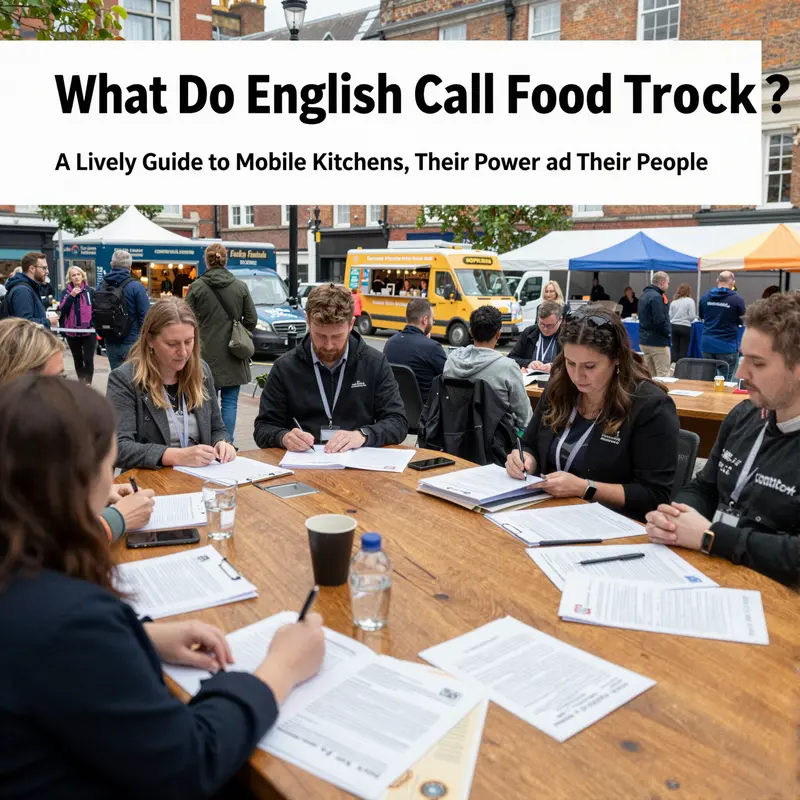
The rise of mobile food trucks blending English, Californian, and immigrant influences reveals more than taste. They travel across neighborhoods, bridging cultural memory with urban speed, turning curbside service into a shared experience. In doing so they fold British technique, Californian pragmatism, and local flavor into a rolling menu that feels both playful and purposeful. The trucks become social spaces as much as kitchens, places where neighbors chat about work, weather, and the city while meals are prepared within arm’s reach. The speed and flexibility of these mobile kitchens reflect a broader shift toward casual, craft-minded dining that values accessibility, personal connection to cooks, and a sense of community on the street. The way operators use smartphones and social feeds to locate customers in real time turns geography into branding, and makes the curb a stage for micro-encounters around food.
Behind the gloss, policy and planning decide what this mobility can look like. Local ordinances, health inspections, zoning rules, and licensing regimes create a patchwork that varies block by block. Some cities welcome food-truck parks and streamlined permits, while others constrain curb space, hours of operation, or parking access. This regulatory tension is less about red tape than about balancing innovation with public health, traffic flow, and neighborhood character. When well designed, rules can align incentives, reduce friction for operators, and open space for temporary markets that enliven streetscapes. When misaligned, they can push activity underground or price it out of existence.
Geopolitically, the English-Californian fusion travels with people and goods just as much as with flavors. Tariffs, supply-chain disruptions, and shifts in migration affect the availability and cost of ingredients—British condiments, artisanal cheeses, or specialty grains—shaping menu adjustments and supplier choices. Operators often draw on transnational memories and family recipes, turning grand narratives of globalization into tangible, local meals. The mobile format thus becomes a small-scale expression of cross-border exchange, illustrating how global currents flow through everyday dining.
Economically, mobile food projects lower barriers to entry, enabling first-time entrepreneurs and minority-owned ventures to test ideas with relatively modest risk. Direct feedback from customers, flexible locations, and scalable routes allow operators to refine offerings and grow without a fixed storefront. For communities, this can expand access to diverse flavors and create new job opportunities. The challenge is to sustain a vibrant ecosystem without overwhelming transit corridors, public spaces, or local merchants. Thoughtful licensing, community engagement, and thoughtful urban design are essential to keep mobility a force for inclusion rather than disruption.
Taken together, the story of English-Californian food trucks offers a lens on urban life: how people move, how policy adapts to new models, and how global and local flavors fuse in daily practice. As planners, cooks, workers, and residents learn from one another, the street becomes a laboratory for taste, culture, and community, proving that mobility can be compatible with equity, safety, and shared spaces.
Final thoughts
Food trucks are more than a fast meal on a curb; they are adaptive, ensemble actors in the urban economy and social fabric. The English-speaking world uses a spectrum of terms—often simply food trucks, but sometimes mobile catering vans, street food trucks, or market carts—yet the underlying idea remains consistent: a portable kitchen that travels where demand gathers. As you plan events, engage communities, or explore new culinary concepts, grounding decisions in clear definitions, historical context, economic realities, operational practices, and policy considerations will help you maximize value while honoring local culture and safety. The chapters above map a holistic understanding: from why these mobile kitchens matter to how they operate and how they shape and respond to the cities they serve. Embrace the mobility, and you’ll unlock new possibilities for flavor, connection, and shared experiences.