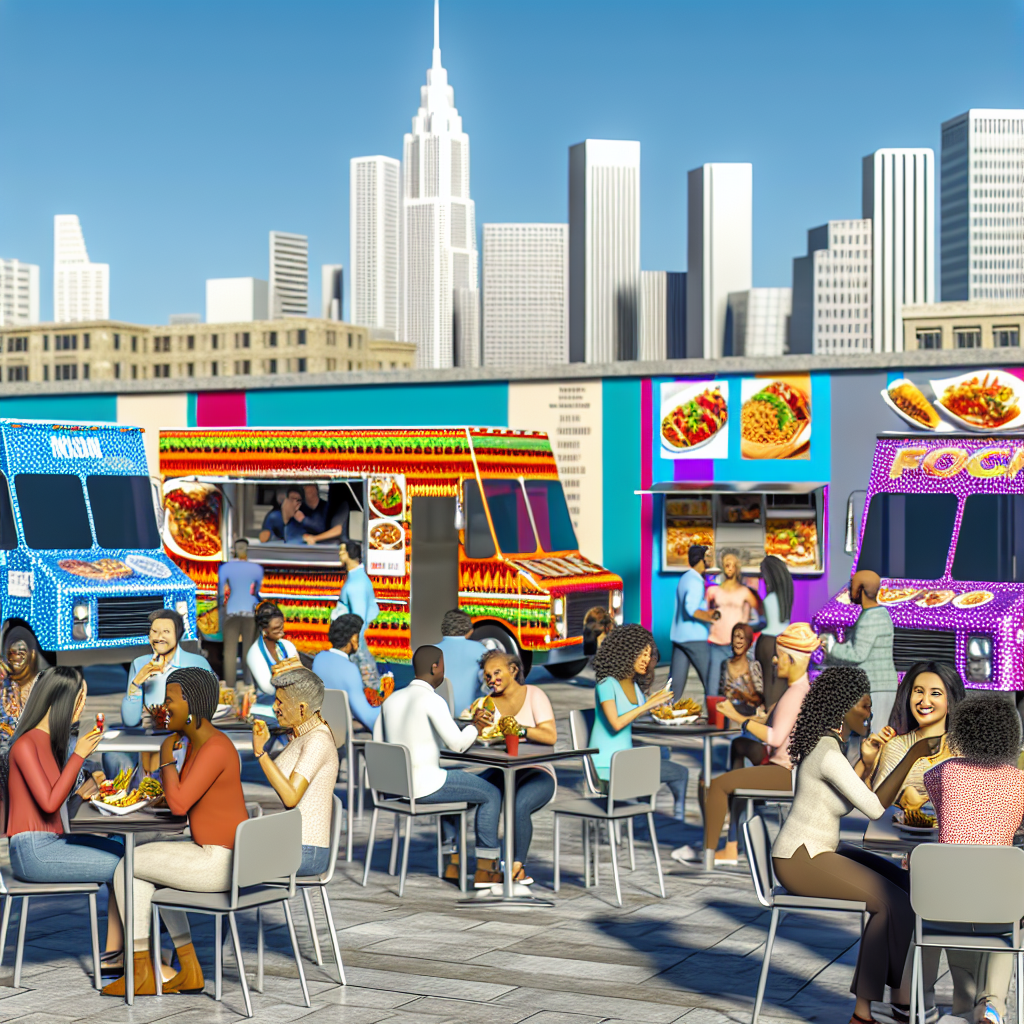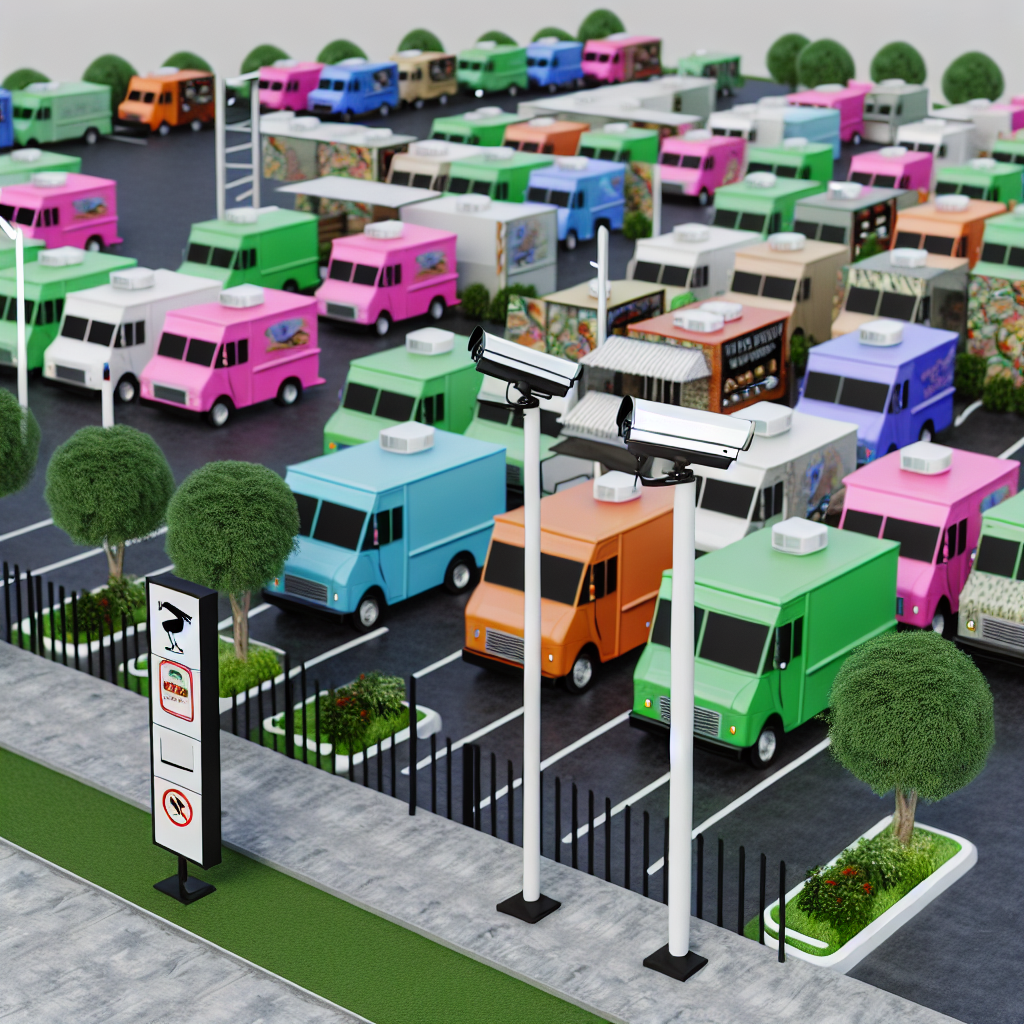
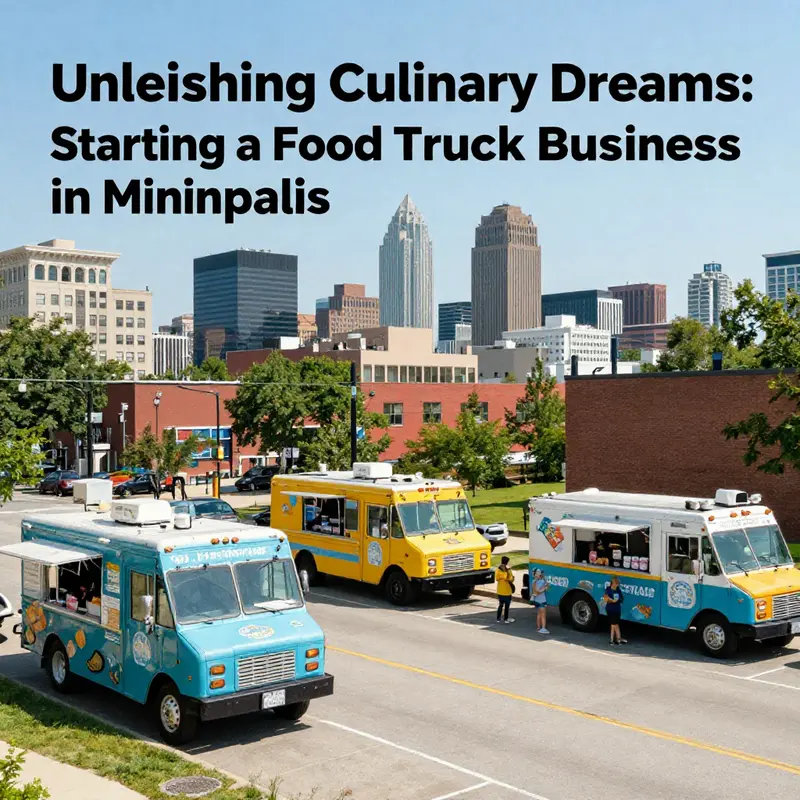
Minneapolis boasts a dynamic food scene, where creativity meets cuisine on wheels. If you’ve ever dreamed of launching your own food truck, it’s a thrilling journey filled with opportunities and challenges. This guide is tailored for event planners, corporate teams, community groups, and passionate food enthusiasts, providing a roadmap through every step—from strategic business planning to ensuring legal compliance, and operational insights for thriving once you hit the streets. Together, we’ll explore how to craft and execute your unique vision within this bustling city.
Blueprint on Wheels: Strategic Planning for Launching a Minneapolis Food Truck
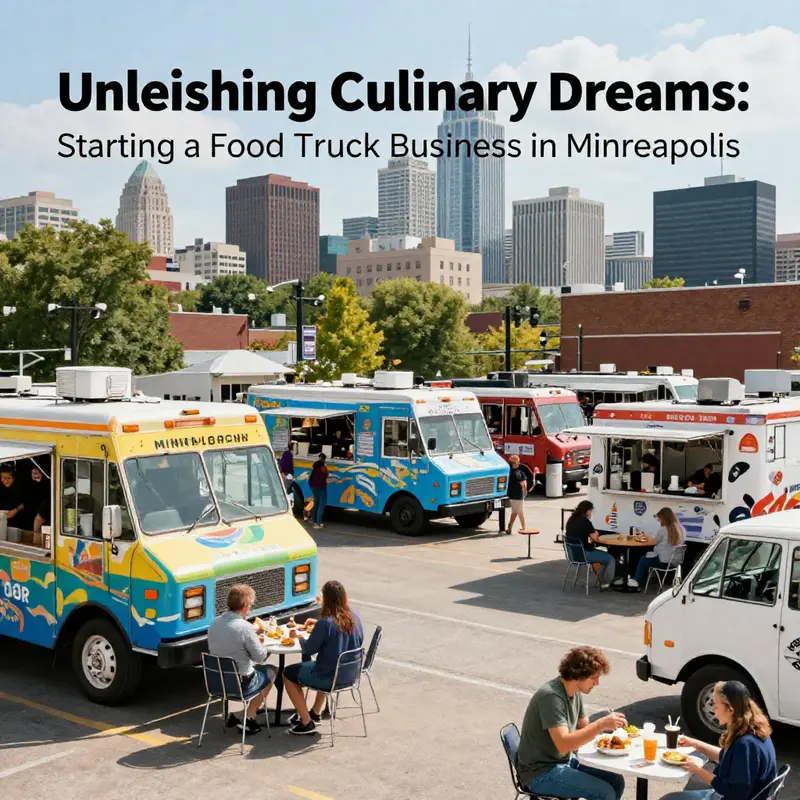
In Minneapolis, the street economy hums with possibility, and a food truck can be the front line of a culinary venture that feels like a neighborhood gathering on wheels. Yet The first mile is rarely the most glamorous. It is the hour of decision, risk, and disciplined planning. A robust strategy rests on more than a clever recipe or a catchy name; it rests on a map of regulations, a realistic financial forecast, and a clear path to operating legally and sustainably in a city renowned for both its vibrant food scene and its exacting standards. The journey from idea to bustling service window begins with a deliberate, grounded approach to business planning that sits at the intersection of culinary ambition and municipal framework. Before you bolt a badge on a truck or pin a logo to a wrap, you draft a plan that translates vision into numbers, compliance, and a cadence of operations that can endure the weather, traffic, and competitive pressure Minneapolis throws at any newcomer.
A practical strategy emerges only after you enlist trusted local guidance. A timely conversation with a Small Business Development Center, or counsel from an attorney who understands food and mobility in urban spaces, can illuminate the path. Minneapolis-specific regulations, zoning quirks, permit requirements, and the hidden hurdles of an intense, walkable market are not always obvious at the outset. An early consult helps you map out designated vendor zones in parks, festival corners, and downtown corridors where trucks are welcome, while also clarifying constraints that can scuttle a well-planned schedule if you try to push through with a “best guess” approach. This proactive research has a compound effect: it prevents delays, reduces capex waste, and aligns the business model with a feasible operating footprint.
The planning discipline that serves a food truck in a city like Minneapolis is both analytic and strategic. It begins with a concept, but the concept must be tethered to a location strategy that recognizes where foot traffic concentrates, how people move through the core, and where crowds assemble for events, concerts, or outdoor activities. The local environment matters as much as the menu. The concept becomes a plan when you ask practical questions: Where can you park legally each day of the week? When are the blocks busiest, and how long can you stay in a single slot? How does weather influence demand, and can you pivot quickly from peak to shoulder hours? These questions push you to translate culinary curiosity into operating times, crew rosters, and a revenue model that matches the city’s rhythms.
Regulatory groundwork anchors the plan. You will typically navigate a chain of approvals that starts with the business entity itself. Most operators in mobile food share a preference for a structured entity, often an LLC, because it provides a shield against personal liability and can project credibility to lenders and partners alike. The choice of structure should be aligned with long-term ambitions, whether that means pursuing multiple trucks, establishing a branded fleet, or seeking external financing to scale. Parallel to this is the registration process: a formal business name filing with the state, and if you operate under a name that differs from your legal name, a DBA filing. An Employer Identification Number from the IRS will become your tax spine, particularly if you hire staff, manage payroll, or collect sales tax. These steps might feel bureaucratic, but they are the scaffolding that supports growth, protects assets, and legitimizes you in the eyes of customers and suppliers.
But the heart of the plan stays anchored in the regulatory realities of food service. In Minnesota, the Food Service Establishment Permit, issued by the Minnesota Department of Health, is a non-negotiable credential for any mobile vendor. It is not merely a stamp of approval; it is a comprehensive standard for health and safety that tells you what equipment you must have, how you store and handle ingredients, how you manage waste, and how you train staff to avoid contamination. You register for the permit with an understanding of its ongoing expectations: regular health inspections, documented sanitation practices, and a readiness to adapt to any findings that the inspector might raise. In tandem with that permit, you secure a tax registration with the Minnesota Department of Revenue to collect and remit sales tax. The local layer adds its own texture: the City of Minneapolis may require a mobile vendor license or specific permits to operate in certain zones or at prescribed events. Fire safety is another axis of compliance, ensuring your truck carries a compliant suppression system and that you are prepared for the kinds of emergencies that, while rare, demand immediate and effective controls.
All these regulatory threads influence the operating plan and must be planned with confidence, not guesswork. The timeline for acquiring permits, aligning with local permit windows, and coordinating inspections often determines when you can launch and how quickly you can scale. The contingency plan should anticipate potential delays and arrange alternatives for important weekends or festival dates so that a delay in one permit does not stall the entire business launch. As you thread these requirements into your schedule, you begin to see how the financial model integrates with compliance. Costs accumulate on multiple fronts: application fees, health inspections, license renewals, insurance, and the ongoing cost of meeting health and safety standards. If you underbudget these items, the business can quickly drift toward precarious cash flow. The most successful operators build a cushion that covers unforeseen compliance costs and methodically allocates a portion of revenue to continuing education, staff training, and equipment maintenance.
While permits set the boundaries of what you can do, the market determines what you should do. Minneapolis is a city of neighborhoods, each with its own personality, and the most effective plan respects that reality. The planning phase should therefore include a deliberate location strategy. It is not enough to choose a mouthwatering menu; you must identify a footprint that can be economically sustainable. Downtown corridors, Nicollet Mall surroundings, and the Northeast corridor each offer distinct advantages and constraints. The next chapter of the plan is not a scattershot approach to parking in prime places; it is a disciplined evaluation of where your cuisine will resonate, how to reach those who are likely to buy, and how to build a routine that makes sense for your crew. You may discover informally designated vendor zones in parks or at events that are not in the business district but still yield high foot traffic. Understanding these zones, their hours, and their approval processes is as important as understanding the cost of gas or the price of ingredients. A well-structured plan does not assume you will own the city; it acknowledges you will navigate it, respect its rules, and earn a place in its bustling street economy.
The financial spine of the plan deserves close attention. A common misstep many food truck ventures fall into is undercapitalization. A realistic financial forecast must cover both startup costs and ongoing operating expenses with precision. Startup costs include the vehicle itself, whether purchase or lease, kitchen equipment, signage and branding, initial inventory, and the fees associated with permits and inspections. Ongoing expenses form a steady stream: fuel, maintenance, insurance, staff wages, and regular ingredient sourcing that keeps your menu consistent and fresh. Cash flow projections should extend at least the first year, with monthly granularity to capture seasonality, event-driven spikes, and the lull periods that often follow major festivals. A robust plan includes a break-even analysis that translates the daily or weekly sales volume into a measurable target. It answers the practical question: how many items must you sell each day to cover all fixed and variable costs? The answer becomes a daily benchmark, a checkpoint against which you measure performance and adjust tactics.
Beyond the obvious line items, the plan should account for commonly overlooked expenses that quietly erode margins. Compliance costs are not one-time; health inspections and license renewals recur on cycles that must be forecasted. Liability insurance tailored to mobile operations is essential to protect the business from the unpredictable: a careless spill, a customer injury, or a traffic incident. Marketing and branding are not optional; in a crowded Minneapolis market where dozens of trucks vie for attention, a deliberate spend—ranging from a distinctive wrap to social media engagement and event partnerships—drives awareness and repeat business. If you neglect brand-building in the early days, you may find yourself competing on price rather than on value, which makes long-term profitability harder to sustain. Your marketing plan should be integrated with the location strategy: you should have a plan to maintain visibility when you are in a high-traffic zone and a different plan for a slower neighborhood, where partnerships with local institutions, parks departments, and event organizers can supply a steady cadence of activity.
The planning discipline extends to people. Hiring and training are responsibilities that begin before the truck hits the street. You want crew members who embody your brand values, who understand food safety as second nature, and who can operate efficiently in a fast-paced environment. Training should cover not only standard food handling practices and customer service but also the unique routines of a mobile operation: how to manage line flow in tight space, how to handle waste and cleanliness during a shift, and how to execute quick, high-quality service in imperfect weather or crowded events. The plan should specify a shift schedule, a hiring ladder, and a strategy for onboarding new cooks and front-of-house staff as you expand to multiple units. It is a testament to the plan’s thoroughness when you can articulate the training modules, the testing criteria, and the ways you will measure service quality. A culture of safety and consistency is often the competitive advantage that sustains a truck through crowded seasons and unexpected events.
The strategic design of your brand and menu is not merely an exercise in aesthetics. It must be aligned with your financing and operations. A strong concept is one that can be executed consistently in a small, mobile kitchen while delivering a distinctive experience. In Minneapolis, where public markets, parks, and festival environments demand adaptability, you may tailor portions, timing, and pricing to fit a range of contexts—from a busy lunch crowd near corporate campuses to a late-afternoon queue at a neighborhood festival. The ability to adapt without compromising safety or quality is the bittersweet edge of successful mobile dining.
To translate strategy into action, many operators rely on external resources that provide practical, localized guidance. Engaging with the Minneapolis Economic Development Corporation can connect you to permits, vendor applications, and mentorship programs that help you navigate the city’s business ecosystem. The value of such guidance increases when paired with a disciplined internal plan that you can present to lenders and partners. A well-documented plan signals seriousness and reduces perceived risk, which improves your chances of securing financing or favorable terms with suppliers. For readers who want a structured overview of regulatory navigation, helpful guidance is available in resources that focus on navigating food truck industry regulations, which can serve as a complementary map to the specifics of Minneapolis rules and processes. Navigating Food Truck Industry Regulations. Integrating this guidance with local competencies gives you a robust framework for launching and growing in a city where the pace is relentless and the opportunities are tangible.
In practice, the plan is not a one-time document but a living framework. It should be revisited quarterly, with updates that reflect new permits, shifts in local zoning preferences, evolving health guidelines, and changes in your menu or pricing. The living nature of the plan keeps you focused on the fundamentals while allowing flexibility as opportunities arise. It also ensures you stay aligned with a broader strategy that may include additional trucks, expanded service areas, or partnerships with local businesses and community events. The best planners anticipate seasons and events, diversify revenue streams, and cultivate relationships that make a brand more than a truck on a street corner. As you move through these phases, you will learn to balance ambition with realism, preserving the craft of cooking while embracing the discipline of business metrics. The city rewards this balance with opportunities to grow that feel both achievable and sustainable. The more you invest in a strategy that respects regulations, honors safety, and elevates customer experience, the better positioned you are to turn a mobile kitchen into a durable enterprise.
Finally, the strategic plan should articulate a clear path to evaluation and adaptation. In a city like Minneapolis, where the food scene evolves as rapidly as weather patterns shift, you need a feedback loop that tracks sales, customer feedback, and operational bottlenecks. That loop translates into decisions about equipment upgrades, menu updates, or scheduling changes. It also informs decisions about additional permits or new locations. By building a culture of measurement and continuous improvement, you ensure that every shift contributes to a more resilient and scalable business model rather than simply delivering meals for the day. The plan becomes a compass rather than a rigid script, guiding you toward opportunities that align with your financial targets, regulatory requirements, and the city’s dynamic urban fabric. When you approach your launch with this integrated, strategic mindset, the truck you build is not just a vehicle for food but a carefully engineered platform for growth, community connection, and lasting value in Minneapolis’s powerful street economy. For more concrete context on how regulatory navigation informs everyday practice, consider exploring additional guidance on navigating food truck industry regulations and the practical steps involved in securing permits and approvals.
External resource for continued guidance: Minneapolis Economic Development Corporation. https://www.minneapolisedc.com/
Licenses on Wheels: Navigating Minneapolis’ Legal Roadmap for a Successful Food Truck
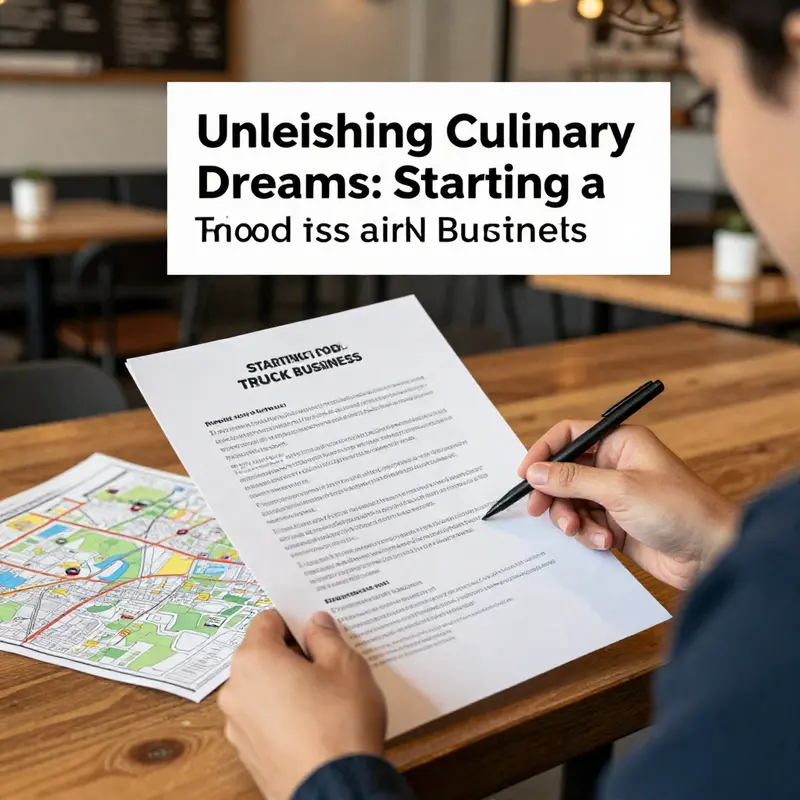
In Minneapolis, turning a bright idea for a mobile kitchen into a steady, legal business is as much about understanding rules as it is about crafting a tempting menu. A thriving food-truck scene sits on a foundation built from permits, licenses, and zoning decisions that keep food safe, streets orderly, and communities protected. The path to launch is not a single checkpoint but a sequence of requirements that must align before the first sizzle hits the pan. For many aspiring operators, the payoff is clear: a flexible, resilient business model that can roam neighborhoods, parks, office corridors, and festival grounds while staying compliant and credible. A careful, patient approach to permits and licenses is not a barrier to entry; it is the framework that preserves public health, ensures fair competition, and helps your brand earn trust from customers and partners alike.
The core of this pathway begins with the Minnesota Department of Health’s Food Service Establishment Permit. This isn’t just a form to fill out; it is a rigorous checkpoint that your mobile kitchen must pass to demonstrate sanitation, safe food handling, proper storage, and clean facilities. An inspector will review your truck’s structure, including ventilation, refrigeration, handwashing stations, waste management, and the separation of raw and ready-to-eat foods. The permit is the public health promise that what leaves your window is prepared under standards designed to protect Minnesotans who trust you with their meals. Expect a detailed walkthrough of the truck’s layout, a review of temperature logs, and a plan for maintaining traceable records of delivery and storage. The process can be lengthy, but it is a nonnegotiable credential in a city that prizes hygiene and consistent quality.
Beyond health, Minneapolis requires a City business license to operate within its municipal boundaries. The Business License acts as the city’s formal acknowledgement that your venture exists, pays taxes, and complies with local commerce rules. It functions as a baseline credential that suppliers, landlords, and even event organizers look for when engaging with a mobile operation. The application can touch on several practical pieces—your legal business name, ownership structure, and internal controls that reassure lenders and partners you are serious and properly organized. It is worth noting that your choice of business structure will influence not only liability and taxes but also perceived credibility with customers. For many food-truck owners, forming an LLC provides a shield against personal exposure while signaling stability to financial backers.
In addition to the health and city licensing, there are permits tied to where and when you can park and serve. The Temporary Use Permit, issued by the Department of Transportation, is essential if you plan to operate on public streets or sidewalks. It helps regulate street vending in a way that preserves traffic flow, pedestrian safety, and city planning goals. The permit process often considers factors like the duration of a season, the specific street or district, and the hours during which a truck can operate. The DOT’s approach is pragmatic: it acknowledges that mobile kitchens contribute to vibrant street life, but they must do so without compromising city infrastructure or public safety.
Another layer comes from the City’s Police Department through the Street Vendor Permit. This permit addresses the more direct street vending scenario—selling directly from a truck on public spaces. The permit signals to authorities and the public that you are operating within a regulated framework, with attention to health, safety, and congestion. Requirements may include product presentation standards, waste disposal practices, and a clear method for line management to prevent blocking sidewalks or disrupting foot traffic. While the Street Vendor Permit might feel distinct, it dovetails with the broader licensing ecosystem.
Zoning and parking regulations are not the footnotes of the process; they are central to your ability to serve in a given area. Minneapolis has designated zones and rules that guide where a food truck may legally park, how long it may stay, and which public or private spaces it may access. The interplay between zoning, street access, and special event permits means you will need to map your initial routes and anchor points with care. This is more than a map of locations; it is a strategic plan for visibility, accessibility, and risk management. The most common mistake is assuming a popular daytime hub can be used at will. In reality, a successful operator treats zoning as an evolving conversation with city staff, event coordinators, and property owners, staying agile about permits, calendars, and security needs.
The consequences of not securing the proper permits can be severe and immediate. Fines, vehicle impoundment, or orders to shut down a site are not speculative warnings but real outcomes that can derail a launch and complicate future applications. The city’s enforcement stance underscores the importance of early preparation: starting the permit process well before launch reduces the risk of surprises during the first weeks of operation. More quietly, insufficient permitting can limit access to certain event series, reduce ability to bill clients or partners, and undermine the trust that customers place in a business that appears unready or disorganized. As you map out your plan, you will want a clear backup strategy for licensing delays, including alternative routes, backup commissaries, and a communications plan that keeps your audience informed about where you are and when you will be open.
The practical path to compliance is not merely filling out forms; it is about assembling a coherent administration that you can sustain through growth. Gather your foundational documents early: a business formation paper trail, a registered DBA or legal name, and an Employer Identification Number (EIN) to simplify tax reporting and payroll, if you plan to hire staff. A complete health plan is not a one-off exhibit; it is a living document that records temperature logs, cleaning schedules, pest control arrangements, and a maintenance calendar for the equipment that keeps your kitchen safe. Your interior layout and operations manual should reflect a disciplined approach to food safety, with clearly defined steps for receiving inventory, storing perishables, preparing ingredients, cooking, plating, and serving. A consistent routine in these areas strengthens your case when inspectors review your operation and demonstrates that compliance is embedded in daily practice, not just a checklist.
The process of securing the necessary permits also invites you to consider the larger ecosystem that supports a food truck’s success. Local authorities, health departments, and licensing offices are not restricting rivals; they are partners who help you manage risk and protect customers. When you approach the application process with a long view, you can anticipate questions and prepared responses that make the journey smoother. For example, the MDH permit review often appreciates a well-labeled kitchen workflow and a clearly defined cold chain plan that aligns with food safety guidelines. The City license reviewers, meanwhile, look for an consistent revenue model and a robust business structure. The DOT and street-vending authorities want to see a practical plan that minimizes disruption to traffic and pedestrians while maximizing open, accessible service. The more you can demonstrate forward-thinking in these areas, the more confident reviewers will be in approving your operation.
One way to begin weaving these threads into a coherent narrative is to treat the permit sequence as a single project with milestones rather than a grab-bag of independent tasks. Start with a comprehensive concept and a robust business plan. Align your legal structure to the level of liability protection and lender confidence you want to achieve. Draft a simple, clear narrative of your truck’s design—where it cooks, where it stores, and where it serves—and attach this to the MDH and City applications. Build your internal compliance calendar to reflect permit renewals and health inspections, ensuring you never miss a critical date. If you are unsure about a requirement, do not hesitate to reach out to the relevant department. In Minneapolis, staff are generally accessible and prepared to guide applicants through the specifics that may vary by district or season.
As you prepare, you can also lean on community experiences and practical playbooks. For a deeper, field-tested perspective on the regulatory landscape, consider the guidance available through resources that synthesize these rules into actionable insights. For a sense of how the regulations fit into the broader industry context and how other operators approach compliance, see Navigating Food-Truck Industry Regulations. This resource, written with practical emphasis on compliance and operations, can help you anticipate questions inspectors might ask, and prepare the right supporting documents. The link is a useful companion to the official channels and can help you translate legal language into a concrete operations plan.
Ultimately, the goal is to thread the legal requirements into a definition of your business that is both safe and scalable. When you align operations with health standards, local ordinances, and zoning rules, you set a foundation for reliable service across neighborhoods and events. This alignment pays dividends in trust: customers who see a truck that presents hygiene, transparency, and professionalism are more likely to become repeat guests. Event organizers and parking coordinators also respond positively to operators who show a disciplined approach to licensing and safety, because it reduces their own risk and simplifies logistics. It is not glamorous, perhaps, to think about dates and permits instead of flavors and sauces, but the discipline behind compliance is the quiet strength that allows you to grow.
To stay current in a changing city landscape, commit to ongoing reviews of licensing requirements and regulatory updates. Permit processes can evolve with new health guidance, traffic management policies, or shifts in the city’s strategic priorities. A simple, proactive habit can be to schedule a quarterly check-in with the relevant offices or to subscribe to city alert channels about permit changes. This habit will help you avoid last-minute surprises that can derail a busy event calendar. It also positions you to respond quickly to new opportunities, such as large festivals or neighborhood celebrations, where a well-documented compliance profile becomes one of your strongest competitive advantages.
In the orchestration of all these elements, the path from concept to legal operation is not a straight line but a carefully managed arc. It requires patience, organization, and a willingness to negotiate space on the city’s streets in a way that respects both the public and your business ambitions. The payoff is more than mere legality; it is the assurance that your food travels with the same care and discipline as your brand. If you keep your eyes on the long horizon, you will build a business that can pivot between downtown rush hours and weekend community markets without compromising safety, quality, or consistency. And when that happens, your truck is not just a vehicle; it is a traveling storefront that customers trust and remember.
For readers who want a consolidated look at this regulatory landscape, consider exploring the broader regulatory conversations that shape food-truck operations. You can also link to additional practical resources that help with the permit workflow, as well as case studies from operators who have navigated similar cities and rules. The external reference below provides official context and updates to help you stay aligned with the Minneapolis framework while building your own operational playbook.
External resource: https://www.minneapolis.gov/business
Rolling Toward Regulation and Revenue: Operational Mastery for a Minneapolis Food Truck Startup
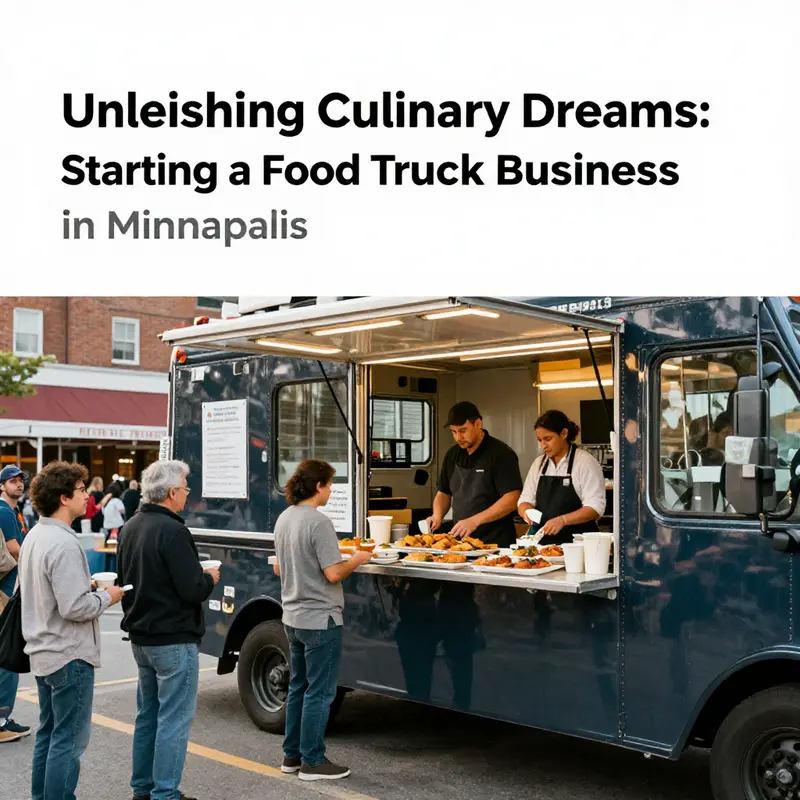
Across Minneapolis, a food truck is more than a kitchen on wheels; it is a moving expression of a business idea, a mobile front line for customer interaction, and a testing ground for how well you can blend culinary imagination with disciplined operations. In a city that prizes neighborhood flavor as much as efficiency, the real edge comes from how smoothly you can navigate the regulatory terrain while delivering consistent quality, timely service, and a brand that customers feel they can trust. The most successful trucks begin with a clear operational spine: a plan that translates every rule into a practical habit, a network of reliable partners, and a cadence of activity that fits the city’s rhythms. Before menus, before neon signs, there is a system for compliance, a method for locating optimal spots, and a structure for keeping food safe, costs controlled, and people inspired. This chapter traces that spine in the Minneapolis context, showing how to turn regulatory awareness into daily performance that can weather the citys busiest lunch hours and the seasonal surges of festivals and outdoor markets.
In Minneapolis, the path to a thriving food truck starts with the right permit framework and periodic attention to health and safety standards. The core permits are not barriers but a map. The food service establishment permit, issued by the state health authority, verifies that your mobile kitchen meets the required standards for sanitation, temperature control, and facility design. Once you have this foundation, you attach the operational fabric: a business registration, a tax registration to collect and remit sales, and any local permits that authorize parking at certain zones, times, or events. The city also requires fire safety measures, including a properly installed suppression system. The process is cumulative rather than sequential; each approval opens a new lane of opportunity, not just a checkbox to tick. The discipline of keeping licenses current and documenting safety checks becomes part of your daily routine, so you spend less time chasing paperwork and more time cooking and engaging with customers. This harmonization of compliance with everyday practice is the quiet engine of growth, especially in a city where public health and street operations intersect with culture and community life.
Where the truck parks matters as much as what it serves. Minneapolis offers a dynamic mix of high-footfall corridors, corporate campuses, parks, and event zones that can deliver steady flow if you align with city guidelines. A practical approach is to view the calendar of city events and the hours when office workers and residents are most likely to explore the street food scene. During weekdays, proximity to office districts and transit hubs can yield reliable lunch crowds, while weekends call for locations near parks, markets, or arts districts where visitors linger and explore. The citys official mobile food service permit system can be used to identify permitted parking windows and to apply for spots that match your menu and service style. By coordinating with the Department of Public Works and, if needed, the office that handles permits for special events, you can secure a predictable operating pattern that minimizes last-minute relocations and reduces stress on the crew. This is where strategy meets street reality, because even the most delicious concept falters if the truck cannot legally operate where customers expect it to be.
Once the legal framework is in place, the operational craft begins with the vehicle and the kitchen inside it. A Minneapolis truck must function as a fully compliant health care facility on wheels in terms of safety and sanitation, with reliable refrigeration, appropriate cooking equipment, and waste disposal systems that prevent leaks and contamination. A sturdy fire suppression system that complies with local codes is non-negotiable, as is a clean, efficient layout that supports consistent preparation, plating, and service. The goal is not only to pass inspections but to make safety an everyday reflex for the crew. This means clear labeling of temperatures, routine cleaning schedules, and a well-documented maintenance log that can be reviewed by inspectors at any time. The physical setup must also enable quick, hygienic service from a limited counter space, so the team can maintain speed and accuracy during peak hours without compromising standards. Equipment decisions should be guided by careful planning around capacity, energy use, and reliability, with a plan B for field repairs and a margin for seasonal demand spikes. In other words, the truck becomes a disciplined workspace where culinary craft and process discipline reinforce each other rather than compete for attention.
A second pillar of operational mastery is people. Hiring the right crew and building a culture of safety, courtesy, and accountability translates directly into repeat business. Front-of-house staff should be trained not only to explain the menu but to convey the brands story and safety practices. Back-of-house technicians need a shared language for food safety temperatures, cross-contamination prevention, and equipment care. In a city that values community ties, the team should be prepared to adapt to rapid location changes, weather shifts, and new events with the same calm, professional approach. Training becomes a continuous loop: onboarding that covers health and safety, regular refresher modules, and practical drills that simulate busy service. A strong team also helps you manage the inevitable day-to-day variance that comes with mobile operations, from a miscalibrated thermocouple to a last-minute parking permit change. When staff feel prepared and supported, service remains steady, customers feel seen, and the truck earns a favorable reputation across neighborhoods.
A robust supply chain underpins both quality and cost control. Local sourcing is not only a marketing hook but a practical way to reduce transit time, preserve produce freshness, and support the citys food ecosystem. Build relationships with local farms, markets, and trusted distributors who can provide reliable delivery windows and crop rotation options that keep your menu fresh without tying up capital in excess inventory. Keep a lean inventory that matches the typical turnover for your most popular items, and implement short, predictable reorder cycles to prevent waste while ensuring you never run out during a lunch rush. The right suppliers also enable you to tell a compelling sustainability story to customers who value traceability and neighborhood support. As you fine-tune your procurement, build contingency plans for weather-related disruptions, equipment downtime, or a supplier shortage. This resilience is the quiet backbone of profitability, reducing spoilage costs and safeguarding the path from concept to consistent cash flow.
Technology and process automation form a modern operating core, yet the aim is to simplify the human experience, not complicate it. In practice, this means adopting digital payment platforms and order management that streamline transactions, reduce errors, and give the brand a modern, accessible face. A simple, reliable checkout flow minimizes wait times and captures data that helps you tailor menus and promotions. Scheduling software can optimize the crew roster to match traffic patterns, event calendars, and peak periods, while inventory software ties directly into purchasing orders and waste tracking. The emphasis is on cohesion: the payment system, the order flow, and the kitchen activities should all talk to each other, leaving the team free to focus on speed, accuracy, and hospitality. In Minneapolis, where foot traffic is concentrated in certain blocks and at specific times, this synchronization matters even more because it translates directly into higher service levels and a more precise forecast of revenue. In conversations with operators who have scaled successfully, the common thread is a willingness to iterate: test a new layout in a busy weekday, measure throughput, and adjust the station design, staffing, or menu items accordingly. The goal is not to reinvent the wheel with every event but to polish the engine so that it runs smoothly across dozens of shifts and a calendar full of opportunities.
Brand identity emerges as a strategic asset that must align with operations rather than collide with them. A strong brand helps customers recognize your truck in a crowded line and feel confident choosing you among the options. It informs your color palette, signage, menu design, and even the tone of your social media posts. The operating realities of a mobile kitchen require that branding be legible from a distance, adaptable to different spots, and consistent across all touchpoints—from the truck exterior to the packaging and to the digital presence. As you craft your visual identity, consider the practical implications of color contrast for signage, the durability of decals in changing weather, and the flexibility of your menu to accommodate variations in supply or location. A cohesive identity reduces decision fatigue for both customers and staff, helping you focus on delivering a reliable experience every time. For those who want to integrate branding with a practical playbook, a resource that offers a comprehensive approach to graphics and identity can be a valuable companion. Branding on Wheels: the Ultimate Guide to Food Truck Graphics and Identity offers a framework to think through the visual language and the operational realities of presenting a mobile kitchen to the city’s diverse audiences. The spine here is not flashy design alone; it is a design that supports consistency, visibility, and trust wherever the truck travels.
Beyond the margins of the legal and physical setup lies the ongoing practice of refinement. Compliance is not a one-time hurdle; it is a living process. Maintain a proactive cadence of inspections, training refreshers, and periodic audits of your waste management, cleaning schedules, and temperature controls. Keep a clear trail of documents in a way that inspectors can quickly review during surprise visits or routine checks. Track incidents, even minor ones, and turn lessons learned into revised procedures. This disciplined mindset is what keeps a mobile business from drifting into risky territory and ensures you can scale into more days, more spots, and more menus without compromising safety or service. A city like Minneapolis rewards operators who respect regulations and invest in the details that influence customer perception: accurate order fulfillment, clean stations, fast service, and visible compliance practices. When customers observe that the truck obeys the rules and cares for their well-being, trust is established quickly, and word-of-mouth becomes a powerful catalyst for growth.
Operational mastery also means embracing the citys unique rhythm and the community it serves. Minneapolis has a vibrant mix of neighborhoods, festivals, and markets that can amplify a trucks reach when approached with respect for local cadence and collaboration. Establish relationships with event organizers, neighboring food businesses, and community associations to learn about permissions, preferred service formats, and shared marketing opportunities. Collaboration can yield cross-promotion during large gatherings and access to additional feeding zones that align with your brand promise. The practical upshot is a smarter, more resilient calendar: a schedule that respects city regulations, maximizes revenue opportunities, and keeps the crew motivated by varied environments rather than monotonous routines. In this sense, operating in Minneapolis becomes not merely about selling food but about participating in a living city ecosystem that values entrepreneurship, hospitality, and responsible business practice.
As you chart the course from concept to steady cadence, you will likely revisit the core questions of where to locate, how to staff, and how to finance the venture. The answers are rarely static; they shift with seasons, events, and the evolving economy. The most capable operators treat these shifts as data to inform the next round of adjustments—whether that means tweaking the menu to match local supply, revising pricing to reflect true costs, or reconfiguring the kitchen layout to improve throughput. You keep the customer at the center, yet you ground every decision in a framework of compliance, efficiency, and sustainability. The citys environment rewards those who combine culinary curiosity with disciplined process and honest communication with regulators and the community. Through this balanced lens, a Minneapolis food truck becomes more than a business with a clever concept; it becomes a reliable platform for growth, community connection, and enduring value for owners, staff, and guests alike.
Final thoughts
Embarking on your food truck venture in Minneapolis is not only about serving delicious bites; it’s about crafting experiences that resonate with the local community. Equipped with a solid business foundation, a clear understanding of legalities, and effective operational strategies, you’re poised to make a meaningful impact in the Minneapolis food scene. Remember, the journey is just as essential as the destination—stay flexible, connect with your customers, and thrive on creativity. Your food truck story awaits!