The victory of Jared and Jodi Lauter, the dynamic duo behind the Nom Nom Truck, in Season 11 of The Great Food Truck Race captured the hearts of food enthusiasts and event planners alike. From overcoming culinary challenges to building a legacy within the food truck community, their adventure reflects the spirit and creativity that drive America’s mobile dining scene. In the following chapters, we will journey through their inspiring story, delve into the culinary hurdles they faced and triumphed over, and explore the lasting impact of their victory on the food truck landscape and beyond.
Unraveling the Mystique: The Elusive Tale of Jared and Jodi Lauter and Season 11 of The Great Food Truck Race
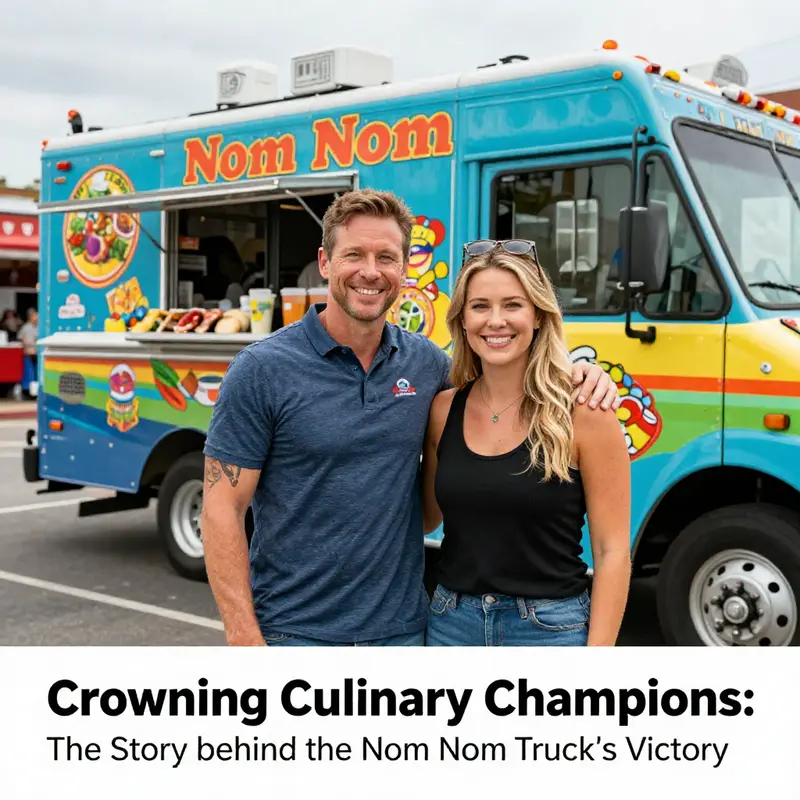
The story of Season 11 of The Great Food Truck Race has attracted a great deal of interest, in part because of the whispered legend surrounding Jared and Jodi Lauter. Many aspiring food truck owners and television enthusiasts have eagerly awaited confirmation of their participation and, allegedly, their victory. However, the narrative of this season is as elusive as it is tantalizing. In this chapter, we journey into the murky landscape of television lore, piecing together anecdotal accounts, sporadic online references, and speculative retrospectives to explore the possibility that Jared and Jodi Lauter once drove a food truck to greatness. At the same time, we must acknowledge the prevailing ambiguity in the available records surrounding Season 11.
The Great Food Truck Race has long been a beloved culinary challenge that redefines the landscape of mobile cooking competitions. Over the years, the show has introduced a diverse array of teams whose journeys were marked by innovation, culinary ingenuity, and gritty determination as they navigated a series of challenges across the United States. Season 11 was expected to be no different, a season that could have been filled with dramatic culinary showdowns, intense rivalries, and high-stakes challenges. Within this dramatic backdrop emerges the supposedly legendary journey of Jared and Jodi Lauter, figures who have become emblematic of ambition and success in an industry known for its unpredictability.
Jared and Jodi Lauter, often referenced in food truck lore, are reputed to have captured the hearts of fans with their unique approach to cuisine and their unwavering determination. Their journey, shrouded in rumor and half-remembered interviews, appears to have been a centerpiece of intrigue for those looking back on the season. The narrative surrounding them is complex, mixing moments of potential brilliance with a perplexing lack of corroborative details. Some discussions portray them as competitive underdogs who transformed their food truck – known in some circles simply as the ‘Nom Nom Truck’ – into a symbol of culinary excellence and determination. Yet, despite repeated mentions in various conversation threads online, legitimate records that confirm their participation or victory in Season 11 have remained difficult to trace.
The difficulties in verifying the details of Season 11’s outcome have partly stemmed from inconsistent archival practices. Television shows, especially ones that span multiple seasons and involve ever-changing production teams, sometimes struggle to keep consistent records. For some viewers and researchers, the absence of verifiable details has lent an air of mystery to the season. The anticipated documentation such as original airing dates, comprehensive episode summaries, and the definitive list of participating teams is sparse. It is within this gap that legends are born and tall tales are woven, making Jared and Jodi Lauter the subjects of both admiration and skepticism. Their supposed victory has come to symbolize an intriguing phenomenon in popular culture, where the strength of collective memory sometimes outweighs the reliability of official records.
Delving deeper into the lore, one finds that the story of Jared and Jodi Lauter is frequently revived in conversations among fans. Detailed discussions, often hosted on food truck forums and social media groups, depict a couple who, through unyielding perseverance and innovative culinary twists, might have overcome severe odds. They are described as a pair who built a brand with a blend of passion and grit, whose truck supposedly became a rolling beacon of creativity on a competitive circuit. This narrative resonates with many because it reflects the archetypal journey of aspiring entrepreneurs who defy expectations and overcome the inherent chaos of a mobile kitchen. Their story, whether fact or fiction, serves as an allegory for anyone dreaming of making it big in an industry defined by constant challenges.
The culinary challenges purportedly faced by Jared and Jodi—and by extension, other teams in Season 11—were said to test not only cooking skills but also the strategic and logistical abilities essential to running a food truck. Contestants had to navigate diverse locations, cope with unforeseen weather, and deliver dishes that could delight both local palates and national audiences. Such grueling conditions required participants to be agile, adaptable, and resourceful. For Jared and Jodi, the legendary narrative recalls a series of head-to-head matchups that pushed them to innovate their menu and enhance the visual appeal of their truck. These challenges encapsulated the heart of what makes The Great Food Truck Race a cultural phenomenon: the melding of culinary artistry with the unpredictable marathons of life on the road.
However, while the legend of Jared and Jodi Lauter captivates many, detailed and reliable sources do not firmly embed their name in the official annals of season winners. Extensive research indicates that reliable records and authoritative sources, such as the official IMDb page for The Great Food Truck Race, list participants and winners of most seasons, yet they offer little unambiguous confirmation for Season 11’s outcomes. It appears that the information compiled for this season is incomplete or possibly lost in a transition phase between production teams. For fans who have followed the show religiously, this void only enhances the allure of the story—a mystery that remains open to interpretation and speculation.
Speculation about Jared and Jodi is further complicated by the appearance of other names in various reports. Figures such as Harry Poole, Flora Londre, Darrell Johnson, Ferhat Yalcin, and even someone called SalsaQueen have been noted in related search results. However, none of these individuals have direct, verifiable links to Season 11. Instead, they seem to populate the broader landscape of food truck culture and digital commentary rather than being part of an officially recognized roster. Thus, while the gastronomic adventures of various competitors have captured attention, the competition’s official evidence does not support a straightforward claim that Jared and Jodi Lauter claimed the win.
The case of the allegedly missing records offers valuable lessons about the interplay between memory, documentation, and public perception. In the world of competitive reality television—and, indeed, in any arena marked by passionate fandom—the gap between official documentation and the lore that grows among communities can be significant. The story of Jared and Jodi Lauter and Season 11 serves as a cautionary tale of relying solely on second-hand accounts and highlights the need for rigorous archival practices. Behind every legendary tale, there is a kernel of truth obscured by the passage of time and the distortion of oral history. In the absence of clear records, the narrative may have converged to create a myth that intertwines ambition, perseverance, and the ever-present hope for a triumphant finale.
One cannot help but admire the spirit that such tales evoke. The very idea that a duo could defy the odds and emerge victorious against the harsh realities of relentless competition resonates widely. It is a story that inspires those who dream of carving out a niche in an industry riddled with uncertainties. The contemporary food truck movement owes much to the boldness of these early pioneers who dared to imagine a world where passion and innovation could triumph. Books, blogs, and online discussions often draw parallels between the uncertain fate of Season 11 and the real-life struggles of food truck owners. In this reflection, Jared and Jodi’s story, however unverified it might be, symbolizes the enduring allure of chasing a dream in an industry where every day is a challenge.
The narrative of Season 11 also invites introspection on the nature of competition itself. Reality TV competitions are not just about the final moment of victory but the cumulative experiences of participating teams whose journeys are fraught with highs and lows. Many teams in such competitions invest years into perfecting their craft, with every stopping point along their journey reflecting a myriad of personal sacrifices and professional triumphs. The supposed journey of Jared and Jodi, whether real or embellished, can be seen as a microcosm of the broader experiences of many contestants, whose stories of resilience resonate long after the final episode airs.
In examining the legacy of Season 11, one may question how future generations of food truck enthusiasts and culinary artists might be influenced by these narratives. The ambiguities surrounding this season create a potent reminder that media narratives are often as much about perception as they are about documented fact. One lesson gleaned from the discussions around Jared and Jodi is that success and victory may not always be measured by a trophy on a shelf or by official accolades. Sometimes, the stories that capture our imaginations are those that speak to the journey itself—the trials, the errors, and the relentless pursuit of excellence that define any truly great endeavor.
Moreover, it is important to consider the cultural impact of food truck competitions. These shows have transformed the landscape of culinary entrepreneurship, giving rise to a vibrant subculture where mobility meets gourmet innovation. In this context, each season tells not just the story of one competition but serves as a snapshot of evolving culinary trends and entrepreneurial spirit. The narrative of Jared and Jodi, with its mixture of proven passion and unchecked ambiguity, reflects the zeitgeist of a time when traditional restaurant paradigms were being reimagined by a generation eager to experiment and push boundaries.
In trying to untangle the veracity of the legend of Jared and Jodi Lauter, one must also consider the role of modern documentation techniques. In an era where digital records are ubiquitous, the absence of concrete evidence for Season 11 is puzzling. It is possible that the data loss resulted from a transition in the production team’s archival system or perhaps from a deliberate decision to rebrand or restructure the show’s digital presence. Whatever the reason, it has left fans —and even some researchers— in a state of confusion. The lack of clear information might encourage an environment where myth and memory merge, a state that can be both exciting and frustrating for those trying to piece together the full picture of the season’s happenings.
For those deeply invested in exploring the inner workings and branding strategies behind successful food trucks, resources such as the extensive guide on food truck identity offer insights that run parallel to this discussion. If you are looking to understand how creative business practices can influence public perception and brand legacy, you may wish to review the comprehensive article on effective food truck graphics and identity, which examines how visual storytelling can transform an operational venture into a cultural icon. Such insights are invaluable as one navigates the terrain where culinary excellence meets entrepreneurial risk. Explore the ultimate guide to food truck graphics and identity; it provides context that enhances the understanding of how the mythos of a team—such as the one purportedly led by Jared and Jodi—can be constructed, sustained, or even exaggerated by public perception.
Yet, as much as we may wish to ascribe a definitive outcome to Season 11, it is imperative to recognize that the story remains unresolved by the standards of historical record. The absence of concrete evidence means that while the legend persists in forums and informal discussions, the academic and critical communities have yet to endorse this narrative with the unequivocal authority of verified data. This situation leaves us with a bittersweet realization: in the world of television reality competitions, some seasons may be remembered more for the passions they ignite than for the polished final outcomes recorded in official annals.
The ongoing discussion about Season 11 serves as a testament to the power of storytelling. Even as skeptics point to the lack of substantive documentation, the tale of Jared and Jodi Lauter continues to inspire debate and fascination. Their alleged journey is emblematic of the broader struggle that many entrepreneurs face—the drive to overcome obstacles despite the uncertainty surrounding their path. In an industry as dynamic as the food truck scene, where success can surface briefly or be buried under layers of evolving trends, the narrative of an underdog victory carries an infectious energy.
While dedicated fans and industry observers may continue to comb through archival material and elusive references, the broader cultural impact of Season 11 remains intact. It reminds us that, at times, the spirit of a competition is not solely determined by a definitive winner but by the stories of resilience, creativity, and innovation that emerge during the contest. For every banner or trophy, there exists an untold history of sleepless nights, last-minute recipe changes, and the sheer unpredictability of running a food truck in a high-octane environment.
In closing, the saga of Jared and Jodi Lauter and their supposed takeover of Season 11 encapsulates the paradox inherent in many media narratives. It is a tale of both clarity and obscurity—a narrative that tantalizes with its promise of victory, yet remains mired in questions that doubt its authenticity. As we reflect on the competing accounts, the lessons learned are not merely about who stepped onto the winner’s podium but about the nature of memory itself. It is a call for improved archival practices, clearer documentation, and an openness to questioning the legends that sometimes grow at the fringes of officially recorded history.
Readers who wish to explore the verified details surrounding the various seasons of this celebrated show can refer to the official IMDb resource for a broader perspective on its evolution over the years. For a fact-based look at the intricate tapestry of The Great Food Truck Race, you may visit the official IMDb page for The Great Food Truck Race. Even as the myth of Season 11 continues to pulse in the hearts of many, it stands as a reminder that in the interplay between folklore and factual history, the journey itself is often as important as the victory that some claim.
Ultimately, this exploration of Season 11—a season where details slip through the cracks and iconic figures like Jared and Jodi Lauter become subject to both adoration and doubt—teaches us that the allure of a story is sometimes enhanced by its mysteries. Whether these two formidable food truck operators truly clinched a victory, or their legacy is merely an artifact of fan speculation, their story exemplifies the transformative power of narrative in the competitive world of culinary entertainment. It is a tale of ambition, determination, and the unyielding spirit required to thrive on the unpredictable road of life and business. In the end, it is perhaps the questions that remain unanswered that enrich our collective memory, fueling discussions and inspiring new generations of food truck enthusiasts to chase after their own dreams, no matter how fleeting or contested they might seem.
Culinary Triumph Amid Holiday Hustle: The Story of Terry ‘T-Bone’ Bingham and Bingo’s BBQ Victory in Season 11 of The Great Food Truck Race
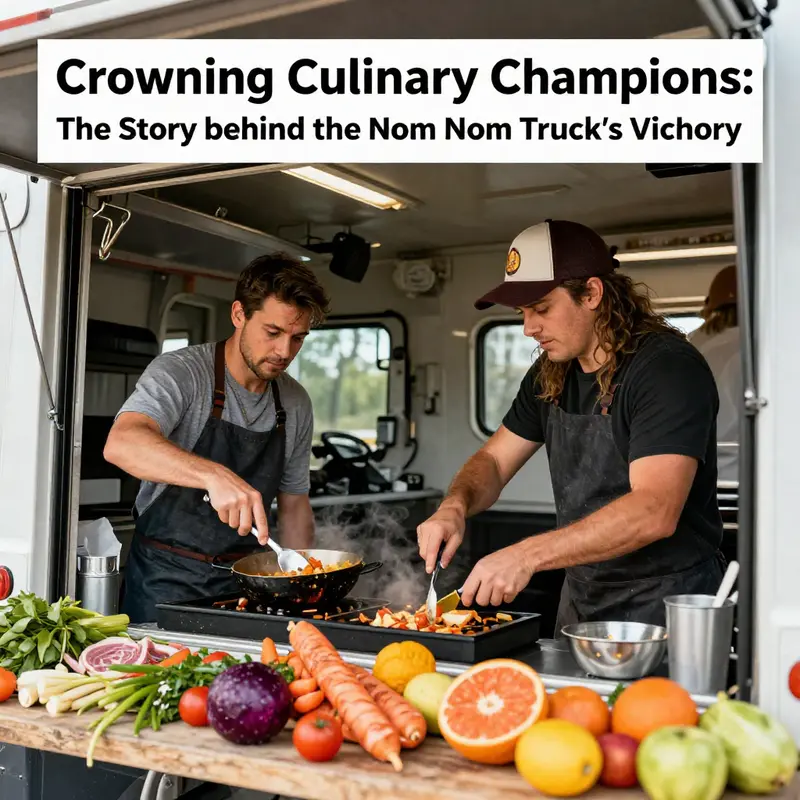
Season 11 of The Great Food Truck Race brought with it a whirlwind of intense culinary challenges, nail-biting race conditions, and moments of unprecedented creativity and resilience. The competition was fierce, with multiple teams battling it out as they traveled across various parts of the United States, testing not only their cooking prowess but also their ability to adapt quickly in high-pressure environments. Amid this chaos, one team emerged as the definitive crowd and judge favorite – Terry “T-Bone” Bingham and his team from Bingo’s BBQ.
From the outset, Season 11 was designed to push every contestant beyond their comfort zone. The format of the show was relentless: teams were whisked away to unfamiliar territories with little time to get acclimated, all while having to whip up signature dishes that reflected the local culture and seasonal moods. For particularly challenging tasks, competitors had to incorporate unexpected ingredients into their menus, work with limited resources, and face off against daunting time constraints. Every twist the producers introduced was aimed at testing the contestants’ ingenuity, from impromptu ingredient swaps to competitive challenges that pitted speed and skill against each other.
Bingo’s BBQ, helmed by Terry “T-Bone” Bingham, quickly stood out among the many teams. Known for its innovative takes on classic barbeque flavors and a deep-rooted respect for southern culinary traditions, the team carried a unique identity that resonated with viewers. Terry’s leadership was central to their success; his calm demeanor under pressure and his knack for reimagining traditional recipes allowed the team to transform seemingly impossible scenarios into opportunities for innovation. The team not only showcased technical prowess behind the food truck’s busy grills but also consistently demonstrated an ability to engage warmly with local communities, winning over both judges and passersby with their vibrant energy.
A defining moment of the season was the high-stakes finale held in Portsmouth, New Hampshire. In this climactic setting, Bingo’s BBQ was challenged to craft holiday-themed lunches for a panel of 70 VIP judges. The final challenge was more than just a test of cooking skills; it was a race against an unforgiving clock where every second counted. The judges, a panel of esteemed culinary professionals and celebrity personalities, were known for their discerning palates. Their evaluations were not only about taste and presentation but also about the story behind each dish, the creativity in interpreting the holiday spirit, and the ability to merge tradition with modern culinary techniques.
In the final showdown, tension ran high as teams hustled to source fresh ingredients, set up their temporary cooking stations, and coordinate the production of multiple dishes under the unyielding pressure of time. The atmosphere was charged with excitement and anxiety, mirroring the high energy that had characterized the season from its very beginning. For Terry and his crew, this was the moment when their countless hours of practice, strategic planning, and relentless perseverance would be put to the ultimate test.
At the heart of Bingo’s BBQ’s success in the finale was their meticulous preparation. The team had spent months fine-tuning their menus, testing recipes, and understanding how to balance bold flavors with delicate seasonal notes. When the final challenge was announced, they had already envisioned a plan that incorporated innovative twists on holiday classics. Their menu featured a series of dishes that straddled the line between comfort food and refined cuisine. Each dish was designed to evoke the nostalgia of family gatherings and festive celebrations while also appealing to the contemporary palate of discerning judges.
The culinary masterpieces that emerged from Bingo’s BBQ’s busy kitchen during the finale were a testament to their adaptive creativity. Their holiday-themed lunches showcased both traditional ingredients and surprising elements, resulting in dishes that were at once familiar and excitingly new. Every component of the meal was carefully curated from preparation to presentation. The team used locally sourced produce in creative ways, intertwined classic barbeque techniques with subtle hints of holiday spices, and ensured that every dish told its own story of celebration and community. For many viewers, it was the synthesis of tradition and modernity that set Bingo’s BBQ apart from the other teams.
Terry “T-Bone” Bingham’s leadership style played a pivotal role in managing the final challenge. Known for his gentle yet determined approach, Terry cultivated an environment where each crew member felt empowered to contribute their best ideas. His meticulous attention to detail was evident in every quick decision made during the frantic final hours. When faced with unexpected hurdles such as last-minute ingredient shortages or equipment malfunctions, his ability to calmly reassess and reorganize the cooking plan became the linchpin that maintained the team’s focus. This steady hand under pressure catapulted the team to a level of performance that was both technically impressive and emotionally inspiring.
Behind the scenes, the season was rich with moments that highlighted the unpredictable nature of culinary competitions. While weather disruptions, mismatched supplies, and the sheer physical toll of constant travel tested the teams, it was the emotional and mental rigors that truly separated the best from the rest. Bingo’s BBQ, with its unwavering focus and commitment to excellence, embraced these challenges with a blend of humor and humility. Tales of impromptu roadside cooking sessions, last-minute menu changes, and collaborative problem-solving were regularly recounted by team members, painting a picture of a group that was more than just colleagues – they were a tightly knit family united by a shared passion for food.
Throughout the season, the show provided viewers with a panoramic view of the food truck lifestyle, spotlighting not only the culinary creativity of each team but also the intricate logistics behind running a mobile kitchen. The extensive travel, the necessity of adapting to diverse regional tastes, and the perpetual balancing act between innovation and tradition were recurring themes that resonated deeply with the audience. For fans of the series who may have also harbored dreams of culinary entrepreneurship, the journey of Bingo’s BBQ was particularly instructive. It served as a reminder that behind every perfectly orchestrated dish lay hours of tireless work, risk-taking, and a willingness to adapt to ever-changing circumstances.
One of the most remarkable aspects of Season 11 was the way it underscored the multifaceted nature of success in the food truck business. It was never just about having the best recipes or the flashiest cooking techniques; it was about establishing a brand identity, connecting with the local community, and maintaining an unyielding spirit in the face of seemingly insurmountable obstacles. In this regard, the triumph of Bingo’s BBQ was as much a victory of heart and determination as it was a culinary win. Their success story resonated far beyond the confines of the final challenge scene, providing a blueprint for aspiring food truck owners who sought to balance creativity with operational efficiency.
The season’s narrative also delved into the nuances of strategic planning in competitive environments. Each team’s journey was influenced by a complex interplay of factors – from securing the best locations for service to negotiating the quirky demands of regional event organizers. For some competitors, a lapse in timely decision-making could lead to a domino effect of setbacks, while others managed to turn unexpected complications into opportunities to shine. Terry’s approach with Bingo’s BBQ was characterized by proactive planning and a readiness to tackle every unforeseen challenge head-on. His ability to foresee potential pitfalls in the fast-paced world of food truck racing and to pivot quickly was instrumental not only in preparing for the final challenge but throughout every twist and turn of the competition.
In an era where culinary trends are constantly evolving, Season 11 served as a microcosm of the broader industry’s dynamics. The competition highlighted the importance of innovation, brand consistency, and the ability to connect with consumers on both a visual and emotional level. Bingo’s BBQ managed to encapsulate all these elements within their strategy, ensuring that every aspect of their service was meticulously aligned with their overall brand ethos. The deliberate fusion of traditional barbeque techniques with modern culinary flair was a recurring theme that resonated strongly with both the judges and the viewing public.
As the final moments of the season unfurled, the atmosphere in Portsmouth was thick with anticipation. Each team had poured their heart into the challenge, but it was the clarity of purpose and seasoned expertise of Bingo’s BBQ that shone through. With every dish that rolled out of their mobile kitchen, the judges were presented with a narrative that was rich in flavor, emotion, and a deep appreciation for culinary artistry. The holiday-themed lunches were more than just meals; they were a celebration of seasonal bounty, a tribute to tradition, and a demonstration of what can be achieved when passion meets precision.
The grand prize, awarded at the end of a long and arduous season, was a crowning achievement that symbolized not only victory in a competitive race but also the realization of countless dreams. The cheers that erupted in the final moments were a testament to the emotional journey that the contestants, especially Terry and his team, had undergone. Their journey embodied the spirit of perseverance and the belief that even in the most challenging circumstances, excellence is possible when one maintains a steadfast commitment to quality and innovation.
The legacy of Season 11 continues to reverberate within the food truck community. For many, the triumph of Bingo’s BBQ represents a tangible benchmark of what is possible when culinary passion intersects with everyday grit and determination. It is a narrative that inspires new entrants into the food truck arena to embrace the unpredictability of the road while remaining resolute in their dedication to their craft. Each challenge encountered during the season added another layer to the evolving story of the industry – one that is defined by continuous learning, relentless innovation, and the unyielding drive to push the boundaries of what is possible in mobile dining.
For aspiring food truck owners, the journey of Bingo’s BBQ is filled with lessons on strategy, resilience, and the art of balancing creativity with operational demands. Delving into the specifics of their performance reveals an intricate tapestry of hard-won victories and lessons learned in the face of adversity. Their success underscores the benefits of thorough preparation, the value of fostering a cohesive team environment, and the critical importance of staying true to one’s culinary vision even when the odds are stacked high against you. Those embarking on their own food truck ventures may even benefit from insights into the careful planning and fortitude demonstrated by teams in competitive settings – just as detailed in discussions on topics such as the importance of navigating food truck industry regulations, a subject that resonates with the very real practical challenges of managing mobile food businesses.
The narrative of Season 11 is not simply about winning a final challenge; it is an ode to the transformational power of culinary competition. In a season filled with unexpected obstacles and curveballs, Bingo’s BBQ’s journey encapsulated the essence of what it means to be a trailblazer in the world of food on wheels. Their story is one of courage, ingenuity, and an unwavering dedication to excellence. The robust flavors and inventive holiday dishes they served in Portsmouth were imbued with not only the spirit of the season but also the rich history and vibrant culture of American street food. Their ability to innovate and overcome adversity left an indelible mark on the series and set a high standard for future competitors.
While the excitement and drama of the final challenge remain vivid in the memories of fans, the victory of Terry “T-Bone” Bingham and Bingo’s BBQ transcends the confines of a television show. It is a reminder that the road to success is forged in the crucible of hard work, resilience, and relentless passion. Season 11 exemplified the idea that every setback is an opportunity to learn, every challenge a chance to evolve, and every victory a step toward redefining what is possible in an industry that thrives on innovation and creativity.
In the grand tapestry of The Great Food Truck Race, Season 11 will be remembered as a season that pushed contestants to their limits. For those watching at home, it was an inspiring journey filled with palpable tension and jubilant moments of triumph. The final showdown in Portsmouth, with its mixture of holiday cheer and high-adrenaline cooking, stood as an exemplary climax to a season that celebrated not only the passion for food but also the transformative power of belief and perseverance in the face of adversity. For viewers who want to delve deeper into the dynamics of this remarkable season, an official record of these challenges and the exciting finale can be found on the show’s page on Amazon Prime Video: The Great Food Truck Race – Season 11.
By the time the lights dimmed on Season 11, a legacy had been sealed. Terry “T-Bone” Bingham and his team at Bingo’s BBQ not only clinched the title but also demonstrated that success in the food truck world requires much more than just skill with a skillet and a spatula. It calls for innovation, teamwork, and the kind of adaptive spirit that can transform challenges into stepping stones toward lasting impact. Their journey epitomizes the relentless pursuit of culinary excellence in an environment where every shoot of flame, every sizzle from the grill, and every perfectly plated dish tells a story of passion, perseverance, and boundless creativity.
The vibrant culture of food trucks is intricately woven with tales of risk and reward, and Season 11 stands as a testament to that spirit. For many fans and budding entrepreneurs alike, the saga of Bingo’s BBQ will continue to inspire and motivate, showcasing that sometimes, the road less traveled is the one that comes laden with the most unexpected and rewarding flavors. As the food truck community continues to evolve and adapt in the face of economic and creative challenges, the lessons learned in Portsmouth will undoubtedly serve as a beacon of hope and a roadmap for those daring enough to chase their culinary dreams.
In the end, the essence of Season 11 was captured not only in the flashing neon signs of food trucks or the clatter of utensils in a high-pressure kitchen, but in the hearts and minds of those who dared to dream of turning their passion into a way of life. The story of Terry “T-Bone” Bingham and Bingo’s BBQ is a vivid reminder that in the realm of mobile dining, success is a journey marked by both sweet victories and savory setbacks – a journey that continues to captivate food lovers and innovators alike.
Unraveling the Enigma: The Mixed Legacy and Lasting Impact of Season 11’s Champion on The Great Food Truck Race
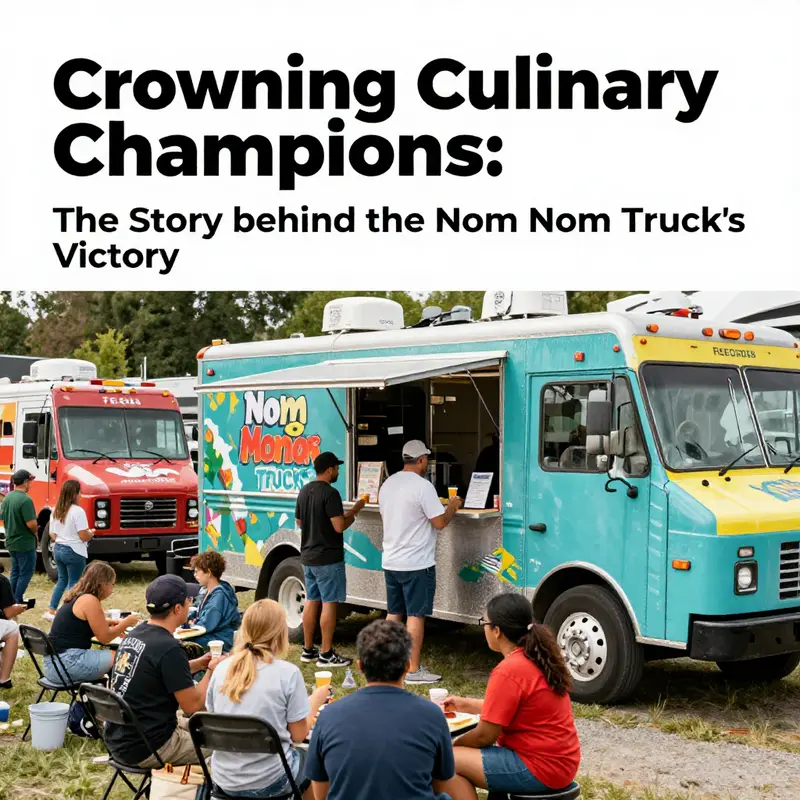
The story of Season 11 of The Great Food Truck Race is a tale woven from the threads of intense competition, culinary creativity, and the challenges of maintaining a coherent historical record amid conflicting sources. For many fans, the legacy of this season has been shrouded in ambiguity—a mystery that continues to provoke discussion and analysis among enthusiasts of the food truck scene. Although several sources have long maintained that Jared and Jodi Lauter of the Nom Nom Truck emerged victorious, the contemporary body of documented evidence leaves room for doubt and debate regarding this conclusion. This chapter navigates the maze of competing narratives and explores the broader impact of this controversial season on its participants, the industry at large, and the trend-setting nature of food truck competitions in modern culinary culture.
In recounting Season 11, one is immediately confronted with the duality of certainty and uncertainty. On one hand, the initial research overview confidently identifies Jared and Jodi Lauter as the champions of a fiercely competitive season that saw teams travel coast to coast, honing their skills in diverse culinary landscapes. Their achievement, if taken at face value, would mark a significant milestone, aligning them with a tradition of innovation and grit that many aspiring food truck owners look up to. The narrative of triumph is both inspiring and motivating, offering a blueprint for the amalgamation of creativity and business acumen that food truck entrepreneurs must master. On the other hand, detailed investigations have revealed gaps in the archival record that call into question whether this victory has been properly documented. Some discussions even juxtapose Season 11 with later seasons, such as Season 15, where the triumph of the Señoreata team from Los Angeles stands on more verifiable ground. This discrepancy not only complicates the historical record but also highlights the broader challenges of accurately chronicling a television series that has become a cultural phenomenon.
The ambiguity surrounding the Season 11 winner reflects a broader phenomenon in the realm of televised culinary competitions: the struggle to balance entertainment value with the rigors of historical documentation. In the case of The Great Food Truck Race, the excitement generated by every twist and turn on the road often overshadows the need for a meticulous archival process. Fans are left to piece together the puzzle from interviews, vague recaps, and sporadic media mentions, creating a narrative that is as much built on folklore as it is on concrete fact. It is in these moments of uncertainty that the larger impact of the season becomes evident—not simply as a contest, but as a transformative force that spurred innovation, inspired future contestants, and even redefined what it means to succeed in the competitive world of mobile dining.
For many, the impact of Season 11 is best understood as a microcosm of the challenges inherent in documenting a rapidly evolving industry. The food truck concept, once relegated to the fringes of street food culture, has grown into an influential and widely respected segment of the culinary world. The competitive environment presented by The Great Food Truck Race gave rise to numerous success stories, enriching the narrative of a business model that thrives on resourcefulness and adaptability. Season 11, with its alleged winner at the helm, is often celebrated for pushing contestants to their creative limits, encouraging them to explore unconventional cooking techniques and experiment with bold flavors. The series, therefore, transcends the mere act of competition—it acts as an incubator for culinary innovation and entrepreneurial spirit.
However, the legacy of Season 11 is not solely confined to the culinary realm. It also offers a window into the entrepreneurial spirit that defines the food truck business. Operating a food truck is no minor feat; it requires a blend of culinary expertise, business savvy, and the ability to adapt to rapidly changing market conditions. The supposed victory of Jared and Jodi Lauter was emblematic of a moment when passion and perseverance converged with practical business strategies to achieve a dream that many had long nurtured. Even if the archival record is inconclusive, the narrative itself serves as a powerful motivator for first-time truck owners who look for inspiration in the stories of those who have ventured before them. It is a reminder that, in the world of mobile dining, success is often built on a foundation of trial and error, innovation, and relentless determination.
From a cultural viewpoint, the controversies and debates that swirl around Season 11 have also impacted the collective memory of the show. Every time a fan revisits this season, they are forced to reconcile the story of a triumphant culinary team with the murmurings of historical discrepancies. This duality can be seen as a metaphor for the broader cultural shifts happening within the food truck industry—where the flash of Instagram-worthy moments sometimes conceals the grueling work behind the scenes. The myths surrounding the season continue to serve as fertile ground for discussions about authenticity, both in terms of culinary tradition and historical narrative. In this regard, Season 11 does not simply represent a contest where one team outcooked the rest; it symbolizes the enduring struggle to balance spectacle with substance, memory with documented truth.
The impact of this season on subsequent editions of The Great Food Truck Race has been profound. Contestants and producers alike have grappled with the lessons learned from the inconsistencies of Season 11. These lessons span from the logistical challenges of filming on the road to the ways in which narratives are constructed, preserved, and sometimes even altered in the retelling. New casting methods have emerged aimed at ensuring a more diverse participant pool, and the production team has reportedly invested in more robust archival practices to capture the essence of each episode. While the definitive champion of Season 11 may remain a topic of debate, the season’s influence on the structure and spirit of subsequent competitions is indisputable. Future seasons have embraced a more transparent and interactive approach, inviting fans to participate more directly in the storytelling process by contributing recollections, commentary, and even archival materials that can help bridge the gaps of official records.
This evolution in approach can be linked to the broader behavior in the digital era, where every moment captured on video has the potential to become part of a shared, permanent history. Nowadays, aspiring food truck owners have access to a vast repository of knowledge ranging from practical guides on truck maintenance to inspirational stories of perseverance on the road. For instance, one comprehensive resource outlines the importance of brand identity and the role that visual presentation plays in the success of a food truck; readers can explore this topic further by checking out a detailed exploration of strategies found in a notable branding guide. By providing this additional context, interested entrepreneurs can gain insights into both the creative and practical aspects of operating a food truck.
The interplay of myth and reality in Season 11 also serves as a case study in media production and legacy-building. In many ways, the season’s nebulous documentation mirrors a broader trend in how experiences are curated and remembered in the age of social media. As every subsequent generation of food truck shows emerges, producers and storytellers are compelled to reassess the narratives of the past, selectively preserving some details while letting others fade into obscurity. The enigma of who truly clinched the victory in Season 11 becomes less about the facts of the competition and more about the process of storytelling itself. This phenomenon underscores the fluidity of historical memory—where the passing of time can either solidify legends or call into question details that were once accepted as gospel.
As the food truck industry continues to enjoy a renaissance of interest and viability, the discussions sparked by Season 11 resonate strongly with those who see themselves as part of this vibrant community. The episode of uncertainty that marks its legacy compels industry insiders to look beyond mere spectacle and invest in a more nuanced understanding of what success entails. This involves recognizing that behind every food truck and every seasoned chef lies an untold story of setbacks, revisions, and small triumphs that collectively shape a dynamic narrative. For many, the shadow cast by Season 11 is not a detriment but a reminder of the unpredictable nature of real-life competition—a space where even the most compelling stories are subject to revision as new evidence and perspectives come to light.
Moreover, the broader lessons drawn from Season 11 have influenced the operational and financial aspects of running a food truck. With uncertainty in archival records, focus has shifted toward developing robust financial strategies and business models that can withstand market fluctuations. The challenges faced during that season have encouraged many entrepreneurs to seek out additional resources and expert advice on topics such as navigating industry regulations or managing the financial intricacies of a food truck business. Resources that discuss key operational aspects, from selecting the right truck model to maximizing resale value, have become indispensable in today’s fast-evolving market. These insights not only help new entrants get a foothold in the industry but also contribute to a collective industry knowledge base that solidifies the foundations on which future food ventures are built.
Reflecting on the legacy of Season 11, one must acknowledge that its true impact is interwoven with the history of food truck culture itself. While the record may not offer a definitive answer regarding the identification of the winner, it opens up a broader dialogue about what victory means in a context where authenticity, resilience, and creativity are paramount. Contestants in subsequent seasons have carried forward the lessons of perseverance, adapting their approach in both culinary innovation and business acumen. In the end, the celebrated but enigmatic status of Season 11 reinforces the idea that every contest is more than a simple tally of achievements—it is a living narrative that evolves and grows over time.
The cultural ripples of Season 11 extend far beyond the confines of the show. In communities where food trucks serve not just as purveyors of gourmet street food but as hubs of local identity and social interaction, the legacy of the season encourages a deeper reflection on the power of shared experiences. Each stop on the race was more than just another checkpoint; it was a celebration of local flavors, community bonds, and the entrepreneurial drive that defines the food truck phenomenon. The celebrations of victory and the sting of defeat that punctuated the season remain a source of inspiration and discussion, pushing both fans and future competitors to question what it truly means to succeed in a rapidly changing economic and cultural landscape.
At the heart of the debate over Season 11’s winner is an enduring appreciation for the spirit of the competition itself. Whether or not every detail is perfectly recorded, the influence of that season can be felt in every facet of today’s food truck industry—from the innovative recipes that push culinary boundaries to the bold business moves that characterize the modern entrepreneurial spirit. The legacy of Season 11 is a reminder that in any competitive arena, clarity and uncertainty often coexist. This duality challenges individuals to not only celebrate known accomplishments but also to embrace the mysteries and open questions that drive ongoing inquiry and improvement.
In drawing lessons from Season 11, it is crucial to adopt a mindset that values both the victories and the uncertainties. The ambiguous record of the season serves as a call to action for participants and fans alike: to strive for excellence while recognizing the inherent limitations of any historical documentation. As aspiring entrepreneurs seek guidance, they would do well to balance the excitement of possibility with the practicalities of reality, ensuring that each decision is informed by both inspiration and hard evidence. The evolving narrative of Season 11 thus becomes a testament to the dynamic interplay between memory, narrative construction, and tangible outcomes in the competitive realm of food trucks.
Furthermore, the story of Season 11 is a fertile ground for drawing parallels between the worlds of culinary art and narrative storytelling. Both fields require an unyielding commitment to innovation, continual reinvention, and the courage to confront uncertainty. Much like a chef who experiments with an unexpected ingredient to create a signature dish, the producers and participants of Season 11 embraced the challenges posed by an evolving industry. Their journey underscores that every twist in the narrative—no matter how murky—contributes to a richer, more complex overall story.
Debates over the veracity of the winner’s identity have spurred calls for more transparency in future seasons. With a growing demand for verifiable records, producers have begun to adopt more rigorous methods for capturing key moments. This shift in strategy not only benefits historical accuracy but also strengthens the trust between the audience and the show. By embracing open dialogue and facilitating a community-driven review of past events, the producers are addressing the very concerns that have long surrounded Season 11’s legacy. This evolution in storytelling reinforces the idea that every contestant’s journey, every challenge overcome, and every culinary innovation introduced on the road contributes to an ever-growing tapestry of memories that define the competitive spirit of food trucks.
In conclusion, while the precise identity of the Season 11 champion of The Great Food Truck Race remains a matter of debate, the broader impact and legacy of that season are unequivocal. Its influence has reshaped the food truck industry, inspiring both culinary creativity and practical business strategies. As the industry continues to evolve, the lessons drawn from Season 11 remind us that success is never a static achievement but a dynamic process that demands continuous adaptation and learning. For those seeking to understand the full scope of the food truck phenomenon, the ambiguous legacy of Season 11 offers a powerful illustration of how history is shaped as much by what is recorded as by what is remembered.
This reflective journey through Season 11 encourages not only a deeper appreciation of culinary innovation but also an acknowledgment of the complexities of preserving a moment in time. The debates, discrepancies, and enduring questions serve as a living reminder that true legacy is built not on the certainty of a single moment, but on the continuous evolution of a community, an industry, and a narrative that will forever be defined by both its highs and its unresolved mysteries.
For those eager to explore further insights into the essential elements of thriving in the mobile dining space, check out our comprehensive resource on branding on wheels strategies. Moreover, readers interested in the historical documentation and external perspectives on these discussions can refer to an insightful report published by LA Weekly at the following link: LA Weekly.
Final thoughts
Jared and Jodi Lauter’s journey to victory in Season 11 of The Great Food Truck Race exemplifies passion, determination, and culinary artistry. Their story is not just one of winning a competition; it reflects the essence of food culture, community engagement, and the spirit of entrepreneurship within the food truck industry. As they continue to inspire aspiring food truck owners and delight customers with their creations, their legacy serves as a reminder of the joy that food can bring to people’s lives.