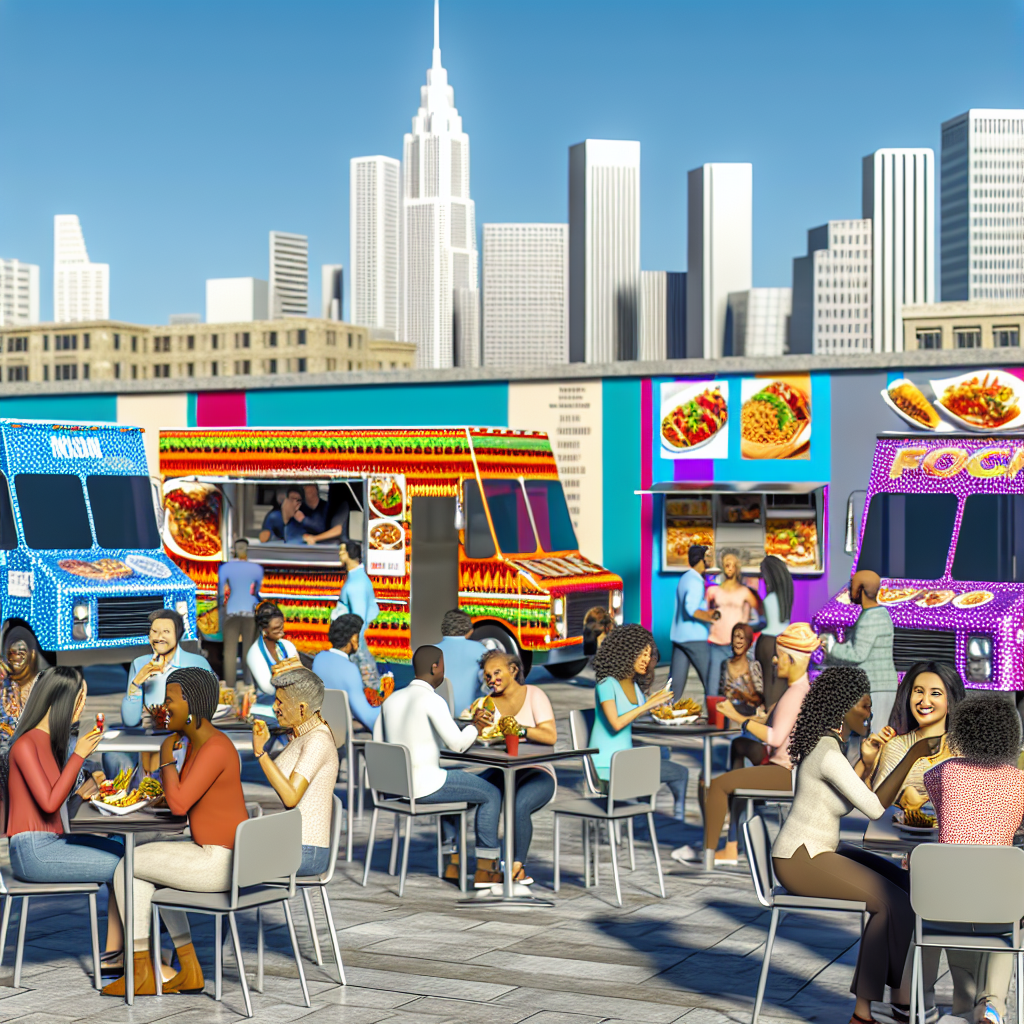
Across continents and cultures, the most popular food trucks have become more than just mobile kitchens; they are dynamic engines of community, innovation, and shared moments. From the bold bulgogi tacos that launched a Korean–Mexican fusion trend in Los Angeles to iconic street platters that made The Halal Guys a global name, mobile chefs are rewriting how cities eat, celebrate, and connect. Event planners gain a flexible catering partner able to scale for festivals, conferences, and neighborhood gatherings. Corporate HR and Admin teams discover engaging ways to boost morale, showcase diversity, and host memorable breakouts without sacrificing quality or safety. Local community groups leverage these mobile kitchens to celebrate neighborhood identity, support small-business ecosystems, and create inclusive, appetizing experiences for residents and visitors alike. Food enthusiasts chase not just flavor but storytelling—how a truck’s menu, branding, and social presence turn a quick bite into a shared memory. This article dives into five interconnected chapters that illuminate who the most popular food trucks are, how they achieve virality and lasting engagement, how regional flavors shape the landscape, the economics that sustain them, and the regulatory and logistical foundations that keep them moving smoothly at events and in daily street life. Each chapter builds toward a holistic view: these trucks succeed because they blend culinary courage with people-centered operations, and they matter most when planners, teams, and communities align around authentic, accessible dining experiences.
Global On Wheels: The Underscoring Story of What Makes Food Trucks the World’s Most Popular Mobile Kitchens
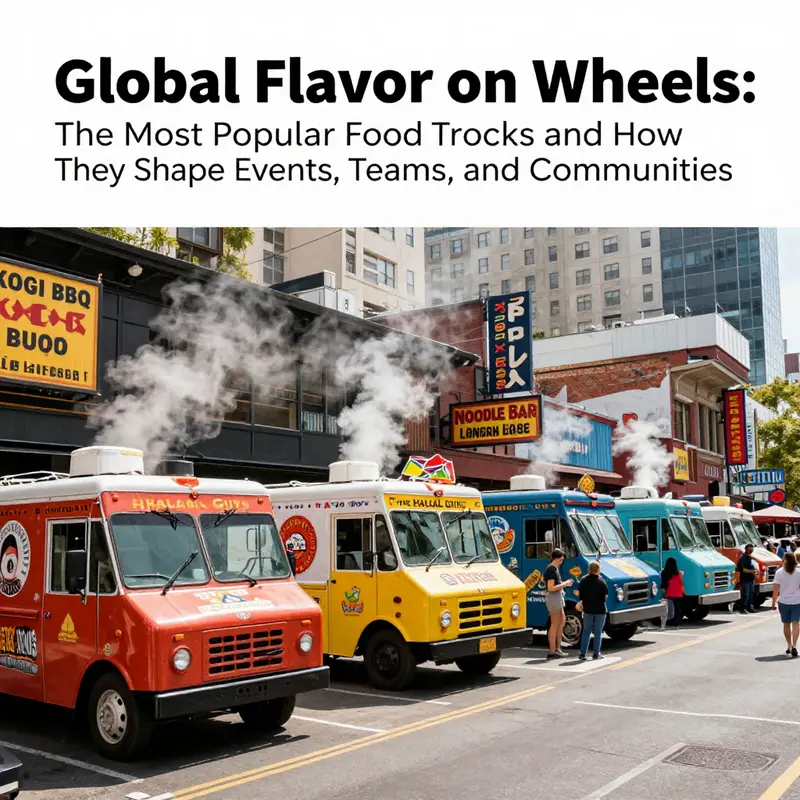
Across cities and continents, food trucks have earned a reputation not just for the meals they serve, but for the way they punctuate urban life with immediacy, personality, and a touch of culinary daring. They are mobile theaters where local appetite meets global curiosity, where a single lunch can turn into a conversation about what a place feels like when its flavors rise to the curb. The most popular trucks around the world tend to share a few core traits: relentless commitment to quality, a willingness to experiment with ingredients and techniques, and a model that centers speed, accessibility, and community connection as much as taste. When you watch a crowd orbit a bright metal box with steam and smoke curling into the air, you’re watching a modern ritual in which place, taste, and timing coalesce into something contagious. This is not merely about good food; it’s about the social gravity that makes a truck a destination, a sign that the city is a living menu rather than a static set of storefronts.
From one hemisphere to the other, the most celebrated trucks trace a trajectory that starts with a clear idea and then multiplies that idea across a rotating cast of dishes. At the heart of many popular trucks is a fusion impulse—an approach that fuses techniques from different kitchens to create something that feels both novel and deeply satisfying. A pioneering on-wheels concept once popularized a Korean-Mexican blend, marrying the sweet-savory depth of bulgogi with the beloved shape and portability of a taco. The result is not merely a novel appetizer; it becomes a definitive statement about how global flavors can intersect in public spaces. In another echelon, a street vendor in a major metropolitan market built a reputation around hearty platters of rice and carefully seasoned meats, accompanied by sauces that became a signature rather than an afterthought. This is the beauty of street food as scale: you can scale a single recipe into a system of plates, each a small ambassador for a larger philosophy about quality, balance, and consistency.
In cities where street life blends with a thriving culinary scene, the best trucks do more than feed. They tell stories through menus that evolve with the seasons and the local palate. A Seattle burger truck may push creative combinations that honor craft beef, local greens, and a bold sauce profile, while a Portland-based taco truck could weave Latin American techniques with fresh, regional produce to deliver a bright, punchy, and entirely contemporary bite. These trucks demonstrate how a focused concept—a limited, high-impact menu—can become a cultural magnet. The strategy is simple in intent but demanding in execution: create a signature dish or a small cluster of dishes that can be prepared consistently under pressure, then layer in small innovations that keep regulars curious without alienating first-time visitors. The result is a brand built not on a one-off novelty but on a dependable experience that travels well, travels far, and travels with the weather of the day.
Internationally, the scene expands in exciting directions. A Bangkok-based truck that specializes in Thai-style pork buns and street snacks shows how affordability and accessibility can sit beside culinary charm. A London mobile kitchen that focuses on handmade noodles or comforting bowls of pho translates the idea of “comfort food on wheels” into a portable dining room, inviting both locals and visitors to sample a sense of place in a few bites. These examples illuminate a common thread: the most popular trucks succeed because they translate home cooking into a portable form that invites social gathering, even when the crowd is standing shoulder to shoulder with strangers. They are not merely selling meals; they are curating moments—moments of aroma at a curbside stall, moments of review on a social feed, moments when a line becomes a suggestion box for the next week’s menu.
The social dimension of popularity cannot be overstated. Early viral fame in the mobile dining world often began on platforms that rewarded persistence and personality. A truck can become a beacon through a few robust photos, a memorable caption, and a habit of sharing real-time updates about locations, obstacles, and triumphs. What looks like casual feed posting is, in truth, a carefully choreographed flow of information that helps people plan, participate, and linger. The best operators treat social media not as an afterthought but as a core part of the experience, a way to invite feedback, celebrate community, and keep the kitchen’s energy alive long after the wheels roll away. And when the food itself maintains a steady rhythm of excellence—fresh ingredients, precise seasoning, clean presentation—the online conversation becomes a natural magnifier of quality rather than a distraction from it.
Beyond flavor and fans, successful trucks show a disciplined approach to operations. They source locally when possible, manage inventory to minimize waste, and design their workflow to maximize speed without sacrificing taste. The staff on a busy corner is not merely a team; they are the frontline faces of a cuisine’s story, translating memory and culture into something you can hold in your hand. It’s a performance of efficiency—prepped components standing by like musical notes ready to be struck, a sandwich or taco assembled with a minimum of motion but a maximum of impact. The design of the truck itself matters, too. Bright colors, clear typography, and a legible menu help shorten the moment of decision, guiding curious onlookers toward a satisfying choice. The look is part of the flavor; the menu is a script that tells customers how to participate in a shared culinary experience.
As the scene has grown, so has the understanding that popularity is not a static measure but a dynamic balance of flavor, logistics, and community. Balance is achieved when a truck is flexible enough to adapt to regulatory environments, weather, and supply chain realities while staying true to its core promise. It means refining cooking methods that travel well and developing a kitchen ethos that can scale from a single cart to a fleet while maintaining consistency in taste and service. It also means cultivating a sense of belonging—the feeling that you’ve discovered something special, a local story delivered with pride and shared joy. In this sense, popularity is relational as much as reputational: it grows from word-of-mouth conversations in markets and neighborhoods, from repeat visits by locals who become ambassadors, and from visitors who leave with a plan to return when they next visit the city.
Visual identity and storytelling have become indispensable levers in this landscape. A cohesive branding approach on wheels can turn a transient meal into a lasting impression. The way a truck presents itself—from logo to color palette to the choreography of packaging—speaks to a broader ambition: to make simple food feel like a crafted experience and to invite people to become part of a narrative rather than mere consumers. For readers curious about turning a strong concept into a recognizable visual identity, there is a useful resource that distills the philosophy behind “branding on wheels” into practical guidance. branding on wheels—the ultimate guide to food truck graphics and identity.
The landscape of popularity also thrives on curated rankings and real-time data. Industry observers routinely track top performing trucks across regions, recognizing those that maintain high standards in cuisine, consistency, and community engagement. A credible reference point in this regard is a respected industry snapshot that updates its Top 100 every year, highlighting trucks that excel in menu creativity, operational resilience, and audience appeal. While the specifics shift with each season and market, the underlying story remains clear: the trucks that rise to the top do so by combining craft with accessibility, turning a curb into a stage and a bite into an invitation to explore more. The latest wave of rankings provides a valuable lens for readers who want to understand what audiences are rewarding in today’s mobile dining culture.
For readers seeking a real-time, market-oriented view of which trucks are moving the most people in the United States, a detailed, year-end compilation offers a data-driven picture of the current landscape. This resource aggregates profiles, menus, locations, and reviews, helping readers map the geography of popularity and the patterns that drive it across cities. It’s a reminder that, in a world where tastes travel quickly, the most enduring mobile kitchens are those that blend a confident culinary voice with a practical, scalable approach to making and sharing food. And while the names of individual trucks can change from season to season, the core idea endures: popularity comes from a consistent promise delivered with speed, warmth, and a dash of risk-taking that invites the city to taste what it feels like to be in the moment with a plate in hand.
For a deeper, data-driven snapshot of the US market and to explore current rankings in a more granular way, see the industry resource that regularly updates its list of top trucks. It provides a comprehensive view of the sector’s pulse and how it ebbs and flows with urban life, supply chains, and social media currents. The conversation around what makes the most popular food trucks is a conversation about how cities eat, how communities gather, and how entrepreneurs transform a humble cart into a cultural beacon that travels without leaving its city behind.
External reference: https://www.foodtrucknews.com/top-100-food-trucks-us-2025
Chapter 2 — On Wheels and in the Spotlight: Popular Global Food Trucks, Virality, and the Craft of Customer Engagement
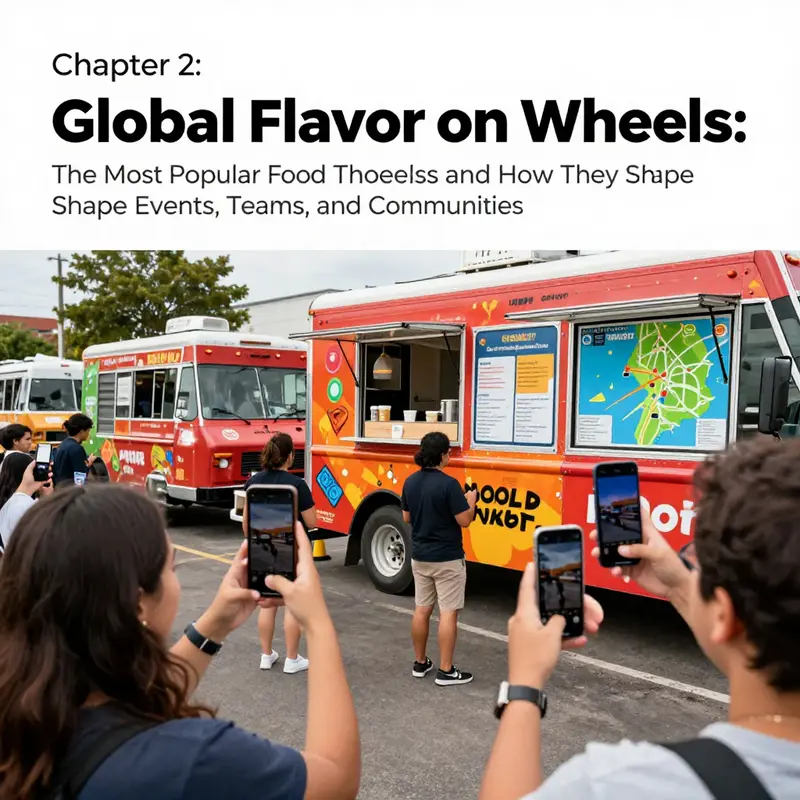
Across continents, the most popular food trucks share a common heartbeat: they translate local flavors into mobile, accessible experiences while weaving storytelling and community into every bite. They move through neighborhoods not merely to serve meals but to create moments of shared appetite, curiosity, and discovery. The rise of these mobile kitchens reflects more than a taste for novelty; it mirrors how people navigate urban life today—seeking convenience without sacrificing quality, craving social connection, and embracing food as a cultural signal that travels as quickly as a post can travel across a feed. The trucks that endure and expand do so not just by offering memorable menus, but by aligning their choices with the rhythms of their places. In places where Tex-Mex, barbecue, gourmet burgers, or bold fusion concepts dominate the scene, trucks gain traction by leaning into regional flavors while keeping menus portable and high in quality. A brisket-focused barbecue truck in a Texan city, for example, thrives on tender cuts, house-made sauces, and toppings that can be assembled quickly for crowds. A fusion kitchen on wheels might pair spicy salsas with contemporary burger builds or reinterpret traditional street snacks with modern techniques. The genius of these mobile operations often lies in their ability to switch gears with the city’s mood, the season, or a local festival, delivering both familiarity and surprise in a single visit. The same thread runs in international markets, where street-level innovation meets local palates. A Bangkok-based truck serving Thai-style pork buns and bite-sized street snacks folds warmth, aroma, and affordability into each order. Across the Atlantic, a London street kitchen that streams handmade noodle soups and Vietnamese pho to the curb demonstrates how the idea of comfort can be portable and shareable, turning a simple bowl into a communal ritual during a city’s busy days. These examples underscore a broader principle: top food trucks succeed by marrying quality with accessibility, place with a narrative, and speed with attention to detail. They win trust through reliable execution—fresh ingredients prepared with care, consistent portioning, and clean presentation that looks just as good in a photo as it tastes in the mouth. The more a truck can convey its story through visuals, the more it reinforces its identity. A dish photographed with vibrant colors, a clearly defined set of textures, and an immediate sense of aroma can travel faster than a long menu and become a signal that draws crowds. The social dimension matters as much as the plate. A well-crafted presence on digital channels allows operators to test ideas, reveal behind-the-scenes moments, and invite the audience to participate in the brand’s journey. The virality equation here is not a single lucky post; it is a disciplined synthesis of storytelling, timing, and community invitation. A video that captures the sizzle of a pan, the precision of a knife, or the drama of a final garnish can spark conversation and curiosity, while a quick, candid reel about a kitchen hack or a flavor origin can invite viewers to share their own memories linked to similar dishes. In practice, this translates into a few core patterns. First, the most popular trucks use visuals that emphasize color, texture, and freshness. Bright greens, deep char, glossy sauces, and steam rising from a hot pan all read well in tiny screens and entice shares. Second, they publish content that feels authentic rather than polished to perfection. Behind-the-scenes clips of sourcing ingredients, testing a new flavor combination, or packing orders with care humanize the brand and invite followers to become part of the process. Third, they incentivize participation through interactive campaigns. Hashtags that encourage followers to post their own photos, contests with limited-time menu items, and loyalty programs that reward repeat visitors create a loop of engagement that extends beyond a single meal. In this ecosystem, even a newcomer can gain traction if they deliver a genuinely new idea with consistent quality and visible passion. Real-time location updates, although sometimes criticized for encouraging crowding, can be reframed as a service that helps people plan spontaneous visits and discover hidden gems. When a truck announces its current spot, the menu changes, or a limited-offer appears, it invites the audience to act quickly and share the experience with friends. This sense of immediacy is powerful in dense urban environments where choices abound and a stop on wheels feels like a discovery rather than a routine meal. The interplay between local flavor and digital storytelling creates a broader sense of community around the brand. Regulars can feel connected to the truck’s journey, while newcomers learn the rhythms of where to find it, when to expect it, and what the cuisine stands for. A well-executed digital strategy complements the physical experience, extending the truck’s reach beyond the curb to a wider audience that may never encounter it in person but will carry its story forward through memory and recommendation. The narrative becomes a key asset, and branding—across logo, colors, packaging, and voice—works together with the food to shape perception. A striking visual identity on a truck’s exterior, paired with a cohesive menu language and responsive service, helps a brand become recognizable in a cluster of street-food options. The practical side of that identity manifests in operating choices that support scale and resilience. Many successful trucks emphasize efficiency: modular menu items that can be assembled quickly, suppliers who can deliver dependable ingredients, and a kitchen layout that minimizes waste while maximizing consistency. They also invest in learning from data, observing which items travel best, which times attract the largest crowds, and which neighborhoods welcome new flavors. The result is not a single viral moment but a stream of steady, expanding visibility—a reputation built one delicious order at a time. For readers seeking a framework for understanding how these patterns translate into real-world performance, the literature on regional food-truck ecosystems provides a useful lens. It highlights how local ingredients and culinary heritage inform menu design, how flexibility and speed unlock repeat visits, and how a well-told story can turn a common street snack into a beloved ritual. The emphasis on adaptability—balancing tradition with invention—helps explain why some trucks become enduring favorites while others rise quickly and fade just as fast. Readers can also explore how the same principles apply to planning and branding beyond the curb, including thoughts on model selection, financial resilience, and the strategic role of marketing in a highly competitive mobile dining landscape. For a deeper dive into the types and performance dynamics of regional food-truck ecosystems, see this external resource: https://www.foodtrucktexas.com/types-properties-industrial-performance. And for a practical, on-brand guide to visual identity on wheels, consider this deeper dive into branding and graphics that accompanies the broader narrative of food-truck storytelling: branding on wheels. The fusion of delicious, reliable food and a compelling, shareable story remains the most powerful driver of popularity in the world of mobile dining. Keeping a finger on the pulse of local tastes while inviting customers to participate in the brand’s ongoing journey creates a feedback loop that sustains momentum and expands a truck’s footprint far beyond its first street corner. In this sense, the most popular food trucks are not just food vendors; they are small, mobile cultural movements, each with a flavor story that travels as fast as a post and lingers in the memory of a late-afternoon crowd, ready to be revisited next time the map points to the curb. The chapters that follow will continue to chart how these dynamics unfold in different markets and how operators can translate virality into lasting value for their teams, their communities, and the diverse audiences they serve.
Global Cartography of Popular Food Trucks: How Regions and Cuisines Shape the Wheels
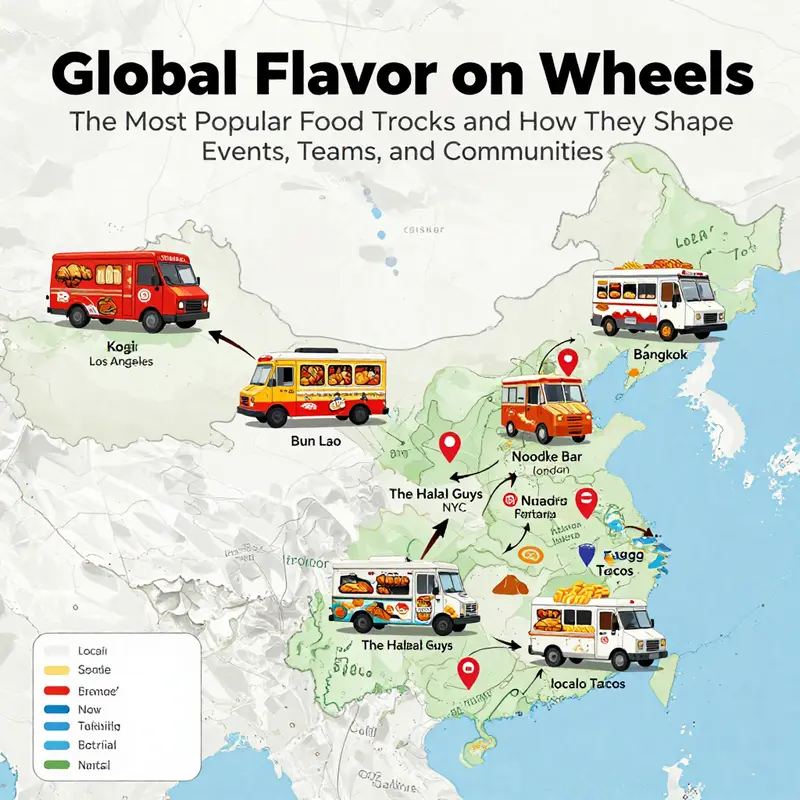
Across the world, food trucks are more than places to grab a quick bite. They are mobile embodiments of regional tastes, urban rhythms, and the cultural conversations that happen when a cart rolls into a square. Popularity, then, is not a single badge but a map—a living tapestry that shifts with festivals, seasons, regulations, and the serendipity of social media. Picture a multi-layered chart where heat and glow indicate not only how many people stop by but how deeply a cuisine resonates in a city’s daily life. A thriving truck scene emerges when culinary identity, service efficiency, and community ties reinforce one another, turning a simple meal into a shared experience. The chapter that follows invites readers to read that map as a story of neighborhoods, flavors, and how mobility magnifies local traditions into regional phenomena.
To understand what drives a truck’s ascent on this map, it helps to start with a practical lens on popularity. The most robust indicators blend reach with fidelity: social engagement that extends beyond a single post, the consistency of positive reviews, and the strength of a footprint that includes regular routes and participation in major events. A rising truck might dominate in a cluster of neighborhoods for a season, while an established operation sustains a broader presence through steady quality and a capacity to adapt menus without sacrificing core identity. Awards and media features punctuate success, but the most enduring stories hinge on repeat visitors, a track record of delicious meals, and the ability to respond quickly to evolving tastes. When a truck pairs exceptional technique with accessibility—clear signage, fast service, and a menu that travels well across blocks and boroughs—popularity gains a practical momentum. It becomes easier to reach new audiences, and the map tilts toward neighborhoods that reward that combination of speed and flavor.
Globally, regional flavors imprint distinct contours on the map. In North America, a ferment of cross-cultural concepts—fusion entries that borrow from multiple culinary lineages—thrives alongside more traditional street staples. A Korean-Mexican approach, for instance, can achieve viral reach through striking visuals and bold palate hints, while still sustaining strong in-person queues because the concept translates well to handheld meals. In this same space, bowls and plates inspired by Middle Eastern spice profiles or Latin American grilling concepts often anchor neighborhood scenes, drawing loyal followings through reliability and bold taste. Europe tends to showcase a similar tension between comfort and novelty. Here, diners respond to ramen and other Asian comfort foods presented with crisp execution and efficiency, alongside regional favorites reimagined with contemporary technique. The appeal in European markets frequently stems from a balance of familiar textures and surprising depth—characters that feel both rooted and adventurous, served in a format designed for quick consumption and high turnover.
In Asia-Pacific, the most popular trucks often echo enduring street-food instincts: speed, seasonal freshness, and a menu that communicates clearly through aroma and appearance. Dumplings, noodles, and fragrant soups promote a sense of nostalgia while still rewarding curiosity with novel fillings or sauces. The region’s top operators frequently win attention by translating street culture into a safe, sanitary, and accessible dining moment—quality and provenance become visible in a short exchange between cook and customer. Latin America adds another layer, where vibrant ingredients, comfort-forward techniques, and festival energy converge. Mobile kitchens thrive in plazas and markets, where social rituals of sharing meals amplify word-of-mouth recommendations. Across Africa and the Middle East, edges of the map light up with spicy profiles, grilled specialties, and slow-building reputations founded on hospitality, consistency, and attention to local sourcing when possible. Across all these regions, a unifying thread remains: the most popular trucks are those that respect local flavors while offering something unmistakably distinctive enough to travel with them beyond borders.
To translate these observations into a usable form, the concept of a map with layered data becomes essential. A heat-bubble map can house a regional hierarchy—Global, Continent, Country or City—while encoding cuisine type and popularity on separate layers. The primary cuisine layer highlights clusters like tacos and fusion bites or ramen and pho, whereas the fusion layer captures cross-cultural experiments that attract curious eaters. The popularity layer can be displayed as a composite score, created by combining reach, footprint, and sentiment, with the caveat that some regions publish richer data than others. Overlays such as major food-truck rallies, regulatory environments, and accessibility to public spaces help explain why certain regions shine while others stay steady in a lower glow. The map becomes not just a visualization but a narrative tool, guiding readers through the logic of urban food culture—why a city embraces a handful of trucks as street-food anchors, and how that affirmation spurs more operators to experiment, collaborate, and show up at the right corners at the right times.
The story of popularity is also a story of reliability and community. Beyond the metrics, the most compelling chapters hinge on operators who weave sustainability into their practice, source locally when possible, and participate in neighborhood events that turn meals into social gatherings. A truck that invests in compostable packaging, for instance, may earn a favorable nod from city dwellers who value stewardship alongside flavor. A team that collaborates with local producers to highlight seasonal produce not only refreshes the menu but also strengthens ties with the community, turning casual patrons into regulars who anticipate the next limited-time offering. These relationships matter because they shape the city’s memory of street food. The map records not only where heat concentrates but why—because people want to feel connected to the place they eat, and because food on wheels is at its best when it becomes a catalyst for communal experiences rather than a solitary choice.
For readers seeking practical touchpoints, a few grounded signals stand out. Festivals and weekly markets that host a diverse mix of cuisines tend to lift the entire ecosystem, giving new trucks a stage and seasoned operators a chance to test ideas in front of large crowds. Menu rotation aligned with seasonal ingredients keeps dishes vibrant and relevant, while clear schedules and location updates reduce friction and invite return visits. Regulatory friendliness—permitting that supports safe, reliable operations without stifling creativity—often correlates with richer, more visible clusters of popular trucks. In short, the map’s energy reflects a city’s culinary ambition as much as the chefs’ skill, the quality of ingredients, and the speed with which a crew can serve a steady stream of hungry people.
For those who want to explore real-world snapshots while keeping the analysis grounded in shared patterns, one resource is worth a visit. For ongoing snapshots and industry conversations, see the LosChifaDostoTruck blog. This link serves as a portal to practitioner perspectives that illuminate how regional tastes travel on wheels, how operators balance speed with savor, and how communities rally around the best stands on busy streets. External readers may also consult widely used consumer guides to compare ratings and reviews across cities, such as those found on popular review platforms. External resource: Yelp. https://www.yelp.com
As the map of popular trucks evolves, a final note matters: regional dynamics, festival calendars, and local regulations will continue to shape which trucks rise in prominence and which ones stay in steady, trusted rotation. The chapter’s map is a framework to read those shifts, not a fixed inventory. It invites researchers, operators, and curious readers to trace lines from neighborhood life to global menus, to see how a single sizzling bite can spark a neighborhood conversation, and to recognize that the most beloved trucks—like the cities they serve—are always growing, adapting, and moving forward on the road ahead.
null
null
Chapter 5: The Road to Popularity — Regulatory, Logistics, and Infrastructure That Power Mobile Kitchens
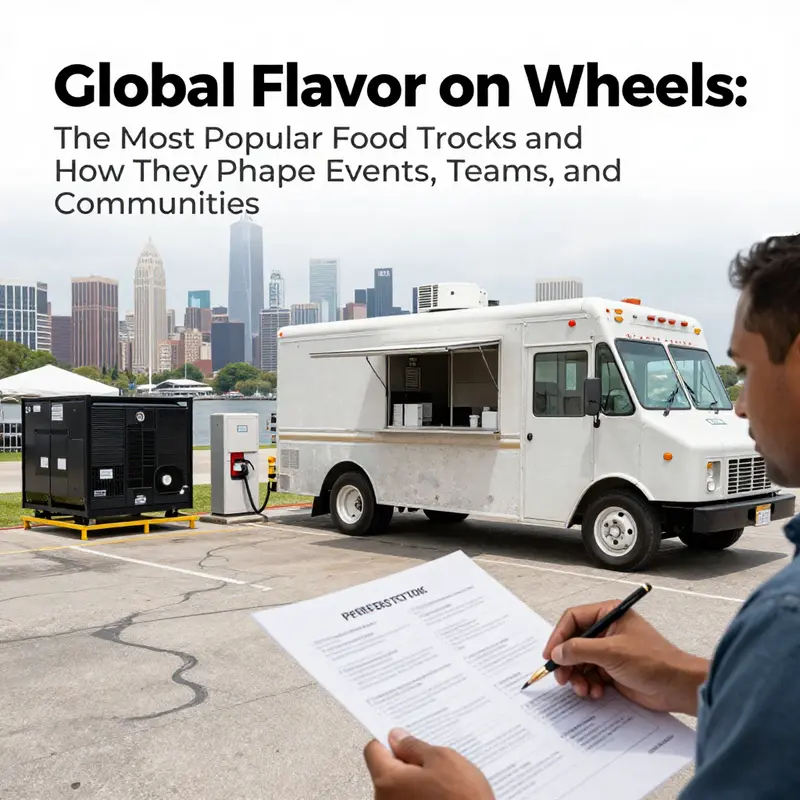
The appeal of popular food trucks lies not only in their flavor or creativity, but in the way they move through cities with surprising ease. They adapt to changing urban rhythms, pivot to new neighborhoods, and respond to the crowd in real time. Yet the very flexibility that makes them so compelling also gates their success. The most popular mobile kitchens are those that weave regulatory savvy, logistical discipline, and practical infrastructure into a single, reliable operating system. This is the backbone of why some trucks become familiar urban fixtures while others fade from sight. In many ways, the mobile kitchen is a small, highly specialized business that must dance with rules as deftly as it handles heat, air, and water. The current landscape shows three interlinked strands shaping success: regulatory clarity, logistical efficiency, and access to infrastructure that supports steady, safe, and scalable service. Each strand can amplify or erode a truck’s appeal depending on how well it is managed, and together they determine not only where a truck can operate, but how often, how long, and with what margin. When a truck can park in the right places, serve in the right conditions, and remain compliant under evolving rules, it earns the trust of customers and the confidence of venues. The contrary path—where compliance lags, supply chains stall, or infrastructure falls short—creates a fragile operation that loses days to permitting, fuel runs, or waste management headaches. It is in the best operators’ interest to view the regulatory, logistical, and infrastructural arenas as a single ecosystem rather than as disparate checklists. The most effective systems align permissions with paths and facilities with menus, so a truck can move from a busy business district to a campus, event, or transit hub without breaking the rhythm of service. Take the regulatory frame first. If a city keeps a clear map of where trucks may legally park, what licenses are required, and how health and safety standards will be enforced, operators can plan routes and budgets with confidence. Permits are not merely obstacles; they are the scaffolding that defines where a kitchen on wheels can exist. The process typically involves multiple layers: health department approvals for food safety, planning authorities for land use and periodic inspection, and sometimes transportation or fire authorities for fuel storage and fire protection. Each layer has localized rules, and those rules can shift with political climates or public health priorities. The most successful operators approach compliance as a design problem. They build kitchen layouts that conform to health and safety standards, document traceable food handling practices, and maintain records that can withstand audits. They also keep a close eye on location restrictions—distance requirements from fixed restaurants, proximity to schools or parks, and designated zones that cities may designate to manage street food ecosystems. In practice, that means choosing routes and parking spots with an eye toward consistency rather than opportunism. It also means building relationships with city officials, venue managers, and event organizers so that a set schedule becomes predictable, not arbitrary. The human element matters as much as the legal one. A driver who understands local ordinances, a manager who can anticipate permit renewals, and a cook who can adapt recipes to regional health codes all contribute to a smoother operation. The second pillar—logistics—stitches the journey from concept to customer. Modern mobile kitchens rely on just-in-time procurement, reliable maintenance, and efficient energy and water planning. On the supply side, the choice of equipment, the proximity of suppliers, and the efficiency of the build influence both cost and quality. The most resilient trucks lean into standardized components and modular layouts, so repairs can be quick and upgrades can be staged without shutting down service. The global footprint of manufacturing also matters here. In a broad sense, procurement ecosystems matter: some regions offer faster production cycles and shorter lead times for customized installations, while others benefit from vast supplier networks that can reduce costs. When a truck can be built and retrofitted with predictable timelines, operators can set rolling schedules, launch new concepts quickly, and take advantage of peak demand periods without sidelining the business for months. On-the-road operations are equally crucial. Power management—whether through generators, grid connections, or increasingly efficient electric systems—directly affects menu reliability and food safety. Water storage and waste disposal demand careful planning; a truck cannot sustain service without a clean, continuous water supply and a hygienic path for effluents. Fuel strategy, too, is part of the calculus. In many markets propane remains common, while electric and hybrid solutions are growing in popularity, particularly in dense urban cores that impose noise and emissions limits. Each fuel choice reshapes maintenance needs, cost structures, and scheduling. The third pillar—the infrastructure surrounding a truck’s physical footprint—often decides whether a given location is financially viable. Parking infrastructure matters as much as a city’s traffic patterns. Trucks need designated spaces equipped with water hookups, electricity access, and waste receptacles. In the most developed urban ecosystems, municipalities provide these resources within curated zones that enable steady, repeatable service and simplify regulatory compliance. Where such infrastructure is sparse, operators must bring their own solutions—portable water tanks, power inverters, or waste containment—adding cost and complexity but also creating opportunities for nimble operators who can thrive in less conventional spaces. Climate and environmental realities shape material choices as well. In humid coastal regions, interiors benefit from corrosion-resistant constructions; in colder climates, insulation and heating become essential to maintain food safety and staff comfort. The build quality matters not just for aesthetics or longevity, but for the consistency of service. A well-constructed truck keeps refrigeration stable, reduces downtime, and supports a broader menu that can withstand shifts in demand or weather. All of these dimensions—regulatory clarity, logistical discipline, and infrastructural access—converge on a simple aim: to deliver dependable, safe, and flavorful experiences wherever people gather. The most popular mobile kitchens are the ones that anticipate problems before they arise, invest in robust systems, and cultivate a culture of compliance and care among their crew. They do not chase trends in isolation; they engineer a platform that can adapt to new neighborhoods, new events, or new rules without losing its core identity or its financial footing. The path to sustained popularity is not about a single clever trick, but about a coherent operational philosophy. It asks: Where can we park, when can we operate, how do we maintain safety, and what infrastructure do we need to support high-quality food at scale? It invites operators to balance ambition with pragmatism, to plan for the long season ahead rather than the next weekend, and to view regulatory and infrastructural realities as assets rather than obstacles. For readers who wish to explore the regulatory dimension more deeply, a practical doorway to that landscape is available in a guide focused on navigating the industry regulations. This resource emphasizes the importance of aligning permits, kitchens, and locations into a compliant workflow that protects customers and staff while enabling growth. As you follow the thread of popular mobile kitchens across regions, you can see that the trucks that rise to the top share a disciplined approach to the three interlocking pillars discussed here. They treat compliance as a design constraint, plan logistics with a systems mindset, and seek infrastructure that scales with demand rather than limits it. The result is not just a successful truck, but a sustainable microbusiness that can endure regulatory shifts and urban evolution while remaining a vibrant part of the city’s culinary fabric. For a broader regulatory landscape, consult an international compliance guide to experiences and best practices across regions and markets. External compliance guide. To explore a targeted discussion on navigating the regulatory maze and aligning operations with local rules, you can start with a comprehensive overview at this resource: navigating food-truck industry regulations.
Final thoughts
The world’s most popular food trucks succeed by marrying fearless flavor with disciplined execution. They win fans not only with bold menus but with smart branding, reliable logistics, and a willingness to adapt to local tastes while maintaining a recognizable identity. For event planners, HR teams, and community groups, these trucks offer a scalable, memorable, and inclusive dining experience that can elevate a festival, a conference, a neighborhood celebration, or a casual weekend gathering. The common thread across leaders—from iconic cases to regional champions—is their ability to turn a simple meal into a shared moment, foster conversations, and build lasting memories. As you plan your next event or community initiative, consider how these mobile kitchens can align with your goals: taste, culture, accessibility, sustainability, and a can-do spirit that makes guests feel welcome and excited to return.