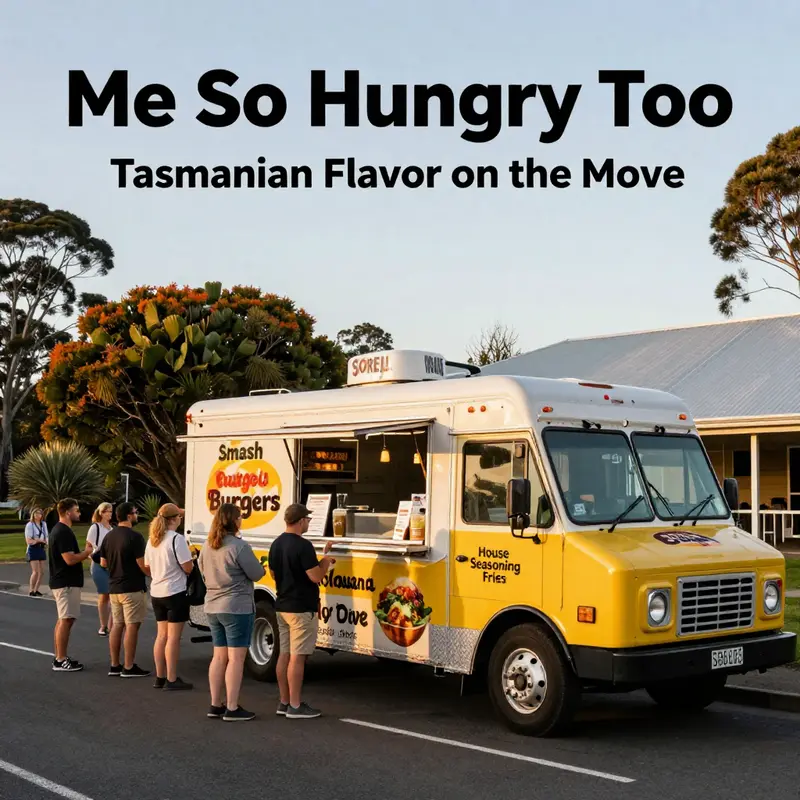
Across Tasmania, movement is flavor. Me So Hungry Too Food Truck is a bright example of how a mobile kitchen can energize a region, turning a simple lunch into a community moment. Based in Sorell, this truck has become a favorite for locals, visitors, event planners seeking reliable catering, HR teams organizing memorable team lunches, and food enthusiasts chasing bold, comforting flavors. The crew crafts smash burgers with a crispy crust and juicy center, delivering a signature experience through a simple but deeply satisfying fry—fries dusted with a house seasoning that locals swear by. The truck’s roadside operation is a well‑oiled routine: a small, welcoming team moves quickly, a grill stays hot, and a serving window keeps lines moving while preserving warmth and hospitality. The reception from first‑time visitors is consistently positive: diners praise the aroma of beef on the sizzling griddle, the bright crunch of fries, and the way a well‑executed smash burger feels both familiar and refreshingly new. In the three chapters that follow, we’ll explore Me So Hungry Too’s location and customer reception in Sorell, its signature dishes and cooking techniques, and the broader economic, tourism, and community impact it cultivates across Tasmania. For organizers planning tastings or corporate lunches, the truck offers a flexible, authentic option that travels with the island’s rhythm. For local groups and travelers, it’s a moving invitation to taste, connect, and participate in Tasmania’s evolving food story.
Me So Hungry Too Food Truck: Location, Offerings, and Customer Reception in Sorell, Tasmania
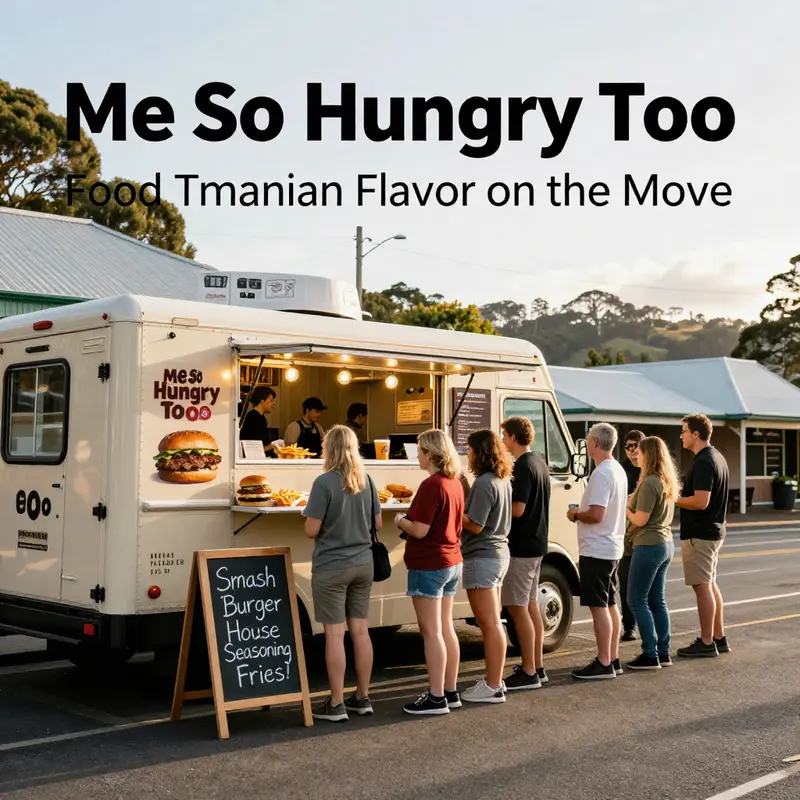
In a landscape where the coast gathers the wind and the hills frame a patchwork of farms, a small, nimble kitchen on wheels parks itself in Sorell, Tasmania, turning a corner of the town into a temporary dining room and a meeting point for locals and travelers alike. The scene is unpretentious but compelling: a compact vehicle with a linear menu board, steam rising from the grill, and a subtle aroma that suggests something satisfyingly familiar but distinctly bright. This is not a banquet hall or a high-end restaurant, yet within a few minutes a crowd forms, drawn as much by the ritual of the street-food experience as by the promise of a hearty bite after a day of errands, gallery visits, or strolls along a quiet Tasmanian afternoon. The setting matters here because the food truck’s appeal in Sorell hinges on more than the food itself; it hinges on a sense of accessibility, reliability, and a menu that respects the rhythm of life in a small town while offering something a little more ambitious than standard fare.
The first thing people notice, after the initial whiff of sizzling meat and fried edges, is the portion size. In conversations that bubble up in the queues and at the tables that neighbors bring out from their cars, the feedback centers on how the plates feel deliberately generous. It is not merely about quantity; it is about the value of what you receive for your money. In many reviews and word-of-mouth notes—gleaned from what customers post online and what regulars affirm when they drop by—the impression is consistent: there is a confidence in the portioning. This is not a truck that aims to tread lightly; it wants to ensure a meal that leaves you satisfied and, perhaps, a little surprised by how much flavor and substance were packed into a compact plate. If someone is pressed for time, the order still lands with a sense of intentional fullness, an attribute that endears the truck to people juggling work, errands, and family responsibilities.
Readers and diners alike describe the core offerings in terms that highlight both technique and balance. The meat is cooked with care, maintaining moisture and character through a straightforward approach that favors a crisp exterior and a tender interior. The approach to seasoning—conservative on the surface, thoughtful in effect—lets the natural qualities of the meat shine through while a proprietary blend underscores the edges with a nuanced warmth. Fries or fried sides arrive in a manner that feels consistent with the main courses: crisp, with a finish that hints at a home-cooked sensibility rather than something mass-produced. The aim seems to be comfort—comfort delivered with a kitchen-aesthetic precision that makes the familiar a touch more exciting than expected. This is the sort of experience that reward-minded diners remember, especially in a place where the surrounding options can be as simple as a coffee stand or as temporary as a seasonal market booth.
In Sorell, a region known for its open spaces and a pace that suits a weekend lunch as much as a midweek bite, the arrival of a mobile kitchen is more than a convenience. It is a nod to the way communities curate their own food culture, mixing casual efficiency with a sense of discovery. The truck’s presence soon becomes a familiar marker on the map of the town’s regular stops, a place to drop in when the mood strikes and when the line of cars collects at a pace that feels manageable. The social texture around this truck is telling. Patrons talk about the warmth of the service, the quick suggestion of menu choices by staff who remember familiar faces, and the ease with which a hurried afternoon can transform into a small, unhurried moment of nourishment. In this sense, the experience extends beyond the plate to become a moment in time when strangers transition into acquaintances, if only for the length of a meal together.
A crucial part of the story is how the truck navigates the tension between novelty and reliability. For a mobile eatery in a small town, consistency is not a luxury; it is a necessity. Diners rely on a familiar rhythm: the same friendly welcome, a predictable level of quality, and a reasonable wait. In the feedback that surfaces on local listings and review platforms, these elements come through with clarity. People appreciate not only the flavor and the portion size but also the sense that the business operates with a steady hands-on approach. They speak of staff who remember regulars by name, who offer friendly guidance on the best options of the day, and who explain the cooking process with a casual confidence that invites trust. This combination—reliability paired with a touch of culinary curiosity—helps cultivate a loyal following, a rare currency in a world where people are constantly weighing options and comparing experiences.
The reality of this truck in Sorell is that it exists at the intersection of several contemporary trends in food culture. There is a growing appetite for street-food concepts that deliver quality without the formality of a dine-in setting. Such concepts thrive on speed, efficiency, and the joy of choosing from a small menu that has been engineered for consistency and flavor. In a town where people know each other, the social dimension matters as well. A well-regarded truck becomes a part of the community’s routine, a reliable option after a morning at the gallery, a pause between errands, or a late lunch that fits into a day otherwise spent outdoors—perhaps exploring local parks, chatting with neighbors, or planning a weekend trip along the coast. The experience is not only about the meal; it is about the small rituals that make the moment feel personal and the town feel connected.
Of course, the landscape for any mobile kitchen includes the realities of how the business is perceived online and how it handles the inevitable mix of praise, suggestions, and constructive critique. In the case of this particular truck, a widely cited resource has highlighted a generally positive reception, describing the service as friendly and efficient, with a clear sense of focus on delivering a good value experience. Reviewers have praised the generous portions and the straightforward approach to flavor. One can sense a shared expectation that, when a visitor orders, they will receive something comforting but well prepared, with a confidence that reflects the kitchen’s hands-on approach. The online chatter also recognizes the potential for improvement in some areas—such as including more greens or a broader salad option to balance the plate—an insight that reveals a community that cares about the overall balance of a meal as part of a larger dining experience. Even when suggestions surface, they come across as thoughtful rather than punitive, indicating a relationship built on mutual respect between the cook on wheels and the people who rely on it for a reliable meal during daily life.
Another layer of the story emerges when one considers the naming and branding of mobile eateries within a small regional ecosystem. In Sorell and nearby towns, there are several trucks and pop-up sets that crowd the field, sometimes with surprisingly similar names or overlapping menus. This creates a moment of reality for the consumer: a reminder to verify the exact truck, its current location, and its operating hours, especially if the name is easy to misremember or mix up with a neighboring business. The local landscape emphasizes how important precise naming and digital presence can be. In the current climate of online discovery, a customer’s first contact often occurs through a listing, a map pin, or a review. A misidentification can lead to confusion about where to queue, what exactly is on offer, or who is cooking the food. The experience in Sorell demonstrates why clarity matters. The kitchen on wheels that regularly earns praise for portion size and seasoning must compete with similarly named neighbors who may not share the same consistency or service style. In practice, this means that the business’s online footprint—menus, hours, and place—needs to be precise enough to guide a curious customer directly to the right window, especially on a busy weekend when the town’s appetite is not quite as patient as the queue might imply.
The narrative around the truck in Sorell is also intimate with the everyday logistics of operating a mobile kitchen. Parking space, street layout, and queue management become small but meaningful considerations for both the crew and the customers. The best days, as observed in feedback from patrons, are when the truck lands in a spot that minimizes the need for a long wait while maximizing the chance of good airflow and a comfortable dining experience. The weather, as a constant companion in Tasmania, influences the rhythm as much as the calendar does. A crisp winter day, a breezy afternoon, or a warm summer window can change not only how many customers show up but how they perceive the meal itself. A well-timed pause in service when the breeze picks up can be the difference between a customer who leaves satisfied and one who sticks around to chat longer than planned. In this sense, the success of a mobile kitchen in a place like Sorell relies on the craft of cooking and the art of hospitality—on knowing when to fade into the background and when to step into the space with a guiding smile and a ready recommendation.
To readers who may be considering the broader implications of this case, the tale of a street-side kitchen in a rural-adjacent town offers a lens into how food culture evolves in smaller communities. It underscores how the mobile format can adapt to a recurring audience that values speed without sacrificing quality, how the social contract between the cook and the diner is renewed at each service, and how the local ecosystem—encompassing galleries, parks, weekend markets, and the quiet streets between them—creates a natural stage for this kind of culinary performance. The reception, while clearly positive, is not an uncritical praise; it is a nuanced dialogue in which the community offers both appreciation and suggestions, a dynamic that ultimately strengthens the craft and the business alike. The truck becomes not just a place to eat but a catalyst for conversations about portion, flavor, and the small touches—like a hint of tang in the sauce or the precise sear on a patty—that elevate everyday meals into something worth recalling and sharing.
In the end, what makes this truck matter in Sorell is not simply the food or the owner’s expertise. It is the way the vehicle, the people behind it, and the town itself engage in a quiet, ongoing negotiation about what a good, straightforward meal should feel like in the modern moment. There is a comfort in knowing that, when you pass through town on a weekend or a weekday, you may find a friendly face behind a portable kitchen, a generous plate in your hand, and a sense that the meal has been prepared with care and attention to someone’s appetite and time. The experience aligns with a broader movement toward accessible, well-executed street foods that respect local tastes while inviting a bit of culinary curiosity. It is precisely this blend of generosity, technique, and community responsiveness that often tips a vehicle from novelty to staple, from mere convenience to a recognized stop on the town’s map of everyday delights.
For readers who want a broader sense of how such mobile operations navigate the regulatory, logistical, and cultural landscapes, it helps to look at the general framework within which many of these kitchens operate. These systems are not opaque; they require a set of permissions, health considerations, and practical adaptations that shape what is possible in a given place. The local audience, in turn, responds with feedback that is both practical and emotional: a mix of practical praise for value and taste, and a hopeful note that the experience remains a reliable, friendly touchstone in the town’s weekly rhythm. This synergy—a blend of dependable service, generous portions, and a sense of place—defines the Me So Hungry Too Food Truck’s presence in Sorell and makes it a meaningful chapter in the broader story of Tasmanian mobile dining. In this sense, the truck embodies a contemporary, community-centered approach to food, where the street becomes a stage for flavor, conversation, and shared meals.
To further explore the practical side of operating this kind of business, curious readers can consult broader industry guidance on regulatory environments and best practices. For readers curious about how local authorities shape these kitchens, consider Navigating food-truck industry regulations.
External resource: https://www.tripadvisor.com/RestaurantReview-g293846-d10751518-Reviews-MeSoHungryTooFoodTruck-Sorell_Tasmania.html
Me So Hungry Too on Tasmanian Roads: Signature Dishes, Craft, and the Roadside Rhythm
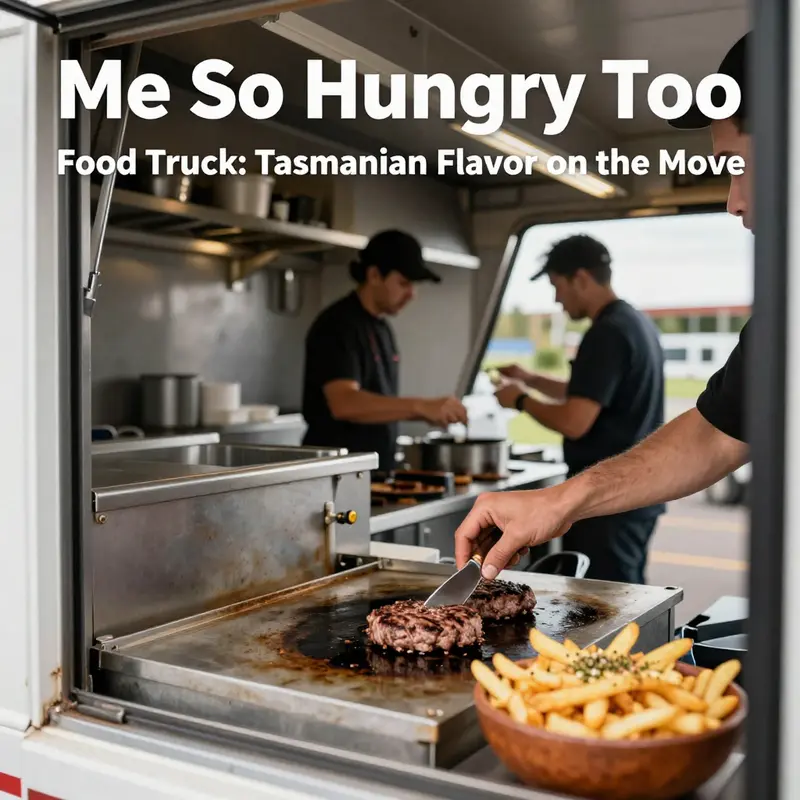
A story unfolds on the sun-washed shoulders of Tasmania’s roads, where a compact kitchen on wheels tucks into the curb like a hungry heartbeat. Me So Hungry Too Food Truck is more than a portable grill and a few sizzling pans; it is a moving banquet, a roving stage where weather, foot traffic, and local flavors choreograph a surprisingly cohesive performance. In Sorell, the truck finds its rhythm in the interplay between familiar textures and bold experiments, from a well-seared patty to a house seasoning that clings to fry edges. The menu reads like a living map of influences, blended in a single steaming pan.
From the first whiff of sizzling meat to the last bite of a crisp fried treat, the truck crafts an edible diary of home comforts and adventurous edges. Its standout offerings—the Marinated Short Ribs, the Monster Burger, and the Ramen Burger—are not mere menu items but statements that mobility can exceed stereotypes. Each dish speaks to a philosophy of abundance with care, where technique and timing meet a roadside tempo that invites another bite, another taste, and another moment of delight.
The production line behind the curb is a study in logistics, a choreography of mise en place that begins with sourcing ingredients and ends with the moment a plate meets a fork. The kitchen space is a canvas, and the crew treats it with discipline: marination, frying, grilling, assembly, and final seasoning converge under a unifying house seasoning. The branding—color, type, and hospitality on wheels—completes the experience, inviting passersby to trust a new flavor adventure as readily as they trust a familiar street-food ritual. In Sorell, the truck’s strategic spots near galleries and cafés deepen the connection between culture, appetite, and place, making a curbside stop feel like a small, shared festival of flavor.
Me So Hungry Too stands as a compact case study in mobile dining: craft, speed, and hospitality coexisting with a sense of place. The dish ideas invite curiosity and reward repeat visits, while the service turns a quick bite into a story shared between cook and diner. As travelers trend along Tasmania’s byways or locals squeeze in a lunch hour, the truck offers not just sustenance but a moment of connection—a reminder that great food can arrive with wheels and a smile.
Me So Hungry Too on Wheels: How a Tasmanian Food Truck Catalyzes Local Economy, Elevates Tourism, and Builds Community in a Coastal Frontier
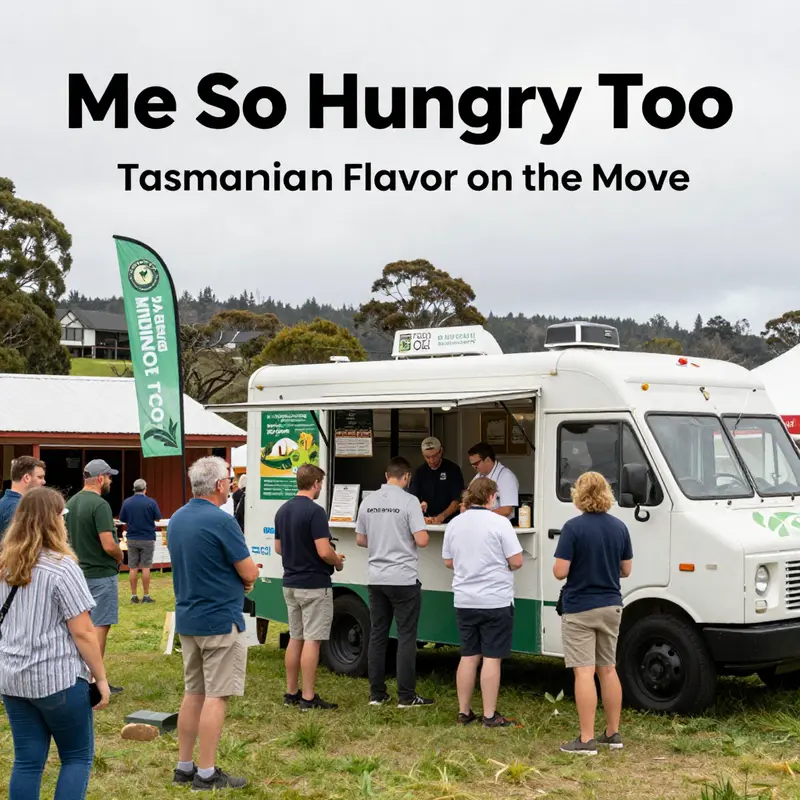
Tasmania’s coastline curves around the southern edge of the continent, a place where the air tastes of salt, pine, and possibility. It is here that a compact, diesel-roar beacon of casual culinary ambition operates—a food truck that has become less a storefront on wheels and more a small economy, a roaming ambassador, and a communal porch where residents and visitors gather to share a quick bite and a longer conversation about place. The truck in question, known locally as the Me So Hungry Too unit, has quietly woven itself into the fabric of Sorell and the broader Hobart region. Its success story isn’t only about smash burgers or a house seasoning that seems to carry the taste of home across a grill. It is a narrative about how a mobile vendor can ripple through employment, procurement networks, and experiential tourism, turning a simple meal into a conduit for regional resilience and cultural exchange.
From the outset, the operational choice to position the truck in strategically navigable, high-footfall locations matters as much as the recipes it curates. In Tasmanian towns where traffic arteries route through tourist corridors and weekend markets, a food truck becomes a predictable, modular node within a larger urban economy. Its presence in or near destinations like Salamanca Market and other popular hubs translates into steady footfall for the business while simultaneously coaxing visitors into a broader exploration of the local food landscape. When travelers stroll from a gallery or a scenic overlook toward a bright, mobile kitchen, they encounter a tactile expression of local flavor that is accessible, affordable, and immediate. The Me So Hungry Too unit exemplifies this, showing how mobility, when paired with quality and consistency, can extend economic activity beyond fixed storefronts to a distributed grid of micro-vents that serve residents and visitors alike.
The economic dimension of this model is not incidental. Tasmanian government research has stressed that mobile food vendors contribute meaningful sums to the regional economy, with direct and indirect effects on small-scale producers and service providers. A 2023 report from the Department of State Growth quantified mobile vendors’ contribution at over AUD $1.8 million annually. The line items behind that figure—local meat suppliers, dairy producers supplying buns or condiments, small-scale farmers providing vegetables for house-seasoning blends, and service providers that maintain permits, waste handling, and street maintenance—form a circular economy around the food truck. Each burger patty handled, each bagged portion, and each container of homemade seasoning travels a short chain from paddock to plate, then back into the community through wages, tips, and re-spending in nearby businesses. In practice, this means the truck is not a standalone anecdote in a city’s culinary tale but a functional component of a local procurement ecosystem, a living example of how regional food systems can be resilient and adaptive.
For a business of this scale, the sourcing choices are as much about quality as about community reciprocity. The Me So Hungry Too crew reportedly leans on Tasmanian farmers, dairies, and independent producers, creating a tightly knit supply chain that supports seasonal variation and local entrepreneurship. When a kitchen relies on nearby fields for onions, herbs, or crusts, it reduces transport costs and emissions while ensuring freshness that customers can taste in a single bite. The economics are not merely about keeping costs down; they are about re-spending within a local economy, fostering a sense of shared success among farmers, chefs, and street-side workers. The effect expands beyond the immediate circle of buyers and sellers. It is visible in the way neighboring businesses notice the truck’s arrivals, in the way markets sell more than meals but stories, and in the way visitors plan future trips around the rhythm of these mobile culinary visits.
Tourism is the outward-facing branch of this economic tree. The Tasmanian tourism strategy emphasizes experiential experiences—moments when visitors engage deeply with local culture through food. In this context, the Me So Hungry Too truck serves not merely as a concession stand but as a touchpoint that connects travelers to place. Its collaborations with venues and event locations—ranging from arts festivals to seasonal fairs—help create a cohesive itinerary that visitors remember long after they leave. The truck’s presence at well-trafficked events provides a reliable, familiar option for those who want to sample local flavors without committing to a longer dining experience. Such arrangements align with a broader strategy to position Tasmania as a place where food and landscape become inseparable parts of the tourism product, inviting exploration by foot, bike, and bus routes through metropolitan cores and coastal towns alike.
This linkage between food and tourism is underscored by survey data from Tourism Tasmania. A 2024 survey found that 67% of international tourists cited street food experiences as a key factor in choosing Tasmania. The Me So Hungry Too unit has consistently ranked among top-rated vendors in tourism circuits because it offers a direct, unpolymerized taste of the island’s culinary memory. Where a traveler might pass by a branded chain, the truck offers an encounter with a local palate and a story of sourcing that speaks to the region’s agricultural rhythm. In practice, this means a front-row seat to how local producers and seasonal ingredients appear in a dish that can be prepared, tasted, and shared within minutes. The speed, affordability, and locality of the experience become a compelling argument for visitors to linger, ask questions, and eventually plan longer stays to immerse themselves in Tasmania’s everyday gastronomy.
The Me So Hungry Too phenomenon also reveals the potential for a mobile business to act as a cultural ambassador. The truck’s menu, often described in local chatter as a smash burger with house-seasoning fries, offers a flavor profile that resonates with many visitors who seek comfort food dressed in Tasmanian authenticity. The ingredients—sourced from nearby farms and dairies—carry a traceable provenance that enhances trust and curiosity. When a traveler tastes the sweet heat of a signature fry and learns a little about where those spices come from, the encounter crosses from a simple meal to a memory of place. This experiential layer—where guests taste, observe, and connect with the supply chain behind their meal—serves as a potent storytelling device for tourism marketing teams and community organizers alike. It is an approach that makes the food truck a practical microcosm of the island’s broader food identity: accessible, locally anchored, and capable of surprising a first-time visitor with the depth of flavor and the generosity of the people behind it.
The brand’s identity in the field matters. A strong, clear on-wheels identity helps customers quickly understand what they are buying and why they should return. The truck’s visual language, its uniform branding, its choice of signage, and the way it presents itself in crowded venues all contribute to trust and recall. A well-considered brand on wheels can become a familiar signal in a sometimes transient landscape of food options. For chefs and designers watching this space, the lesson is not only in the product but in the presentation—the way a mobile unit communicates quality, locality, and warmth in a few square meters of stainless steel and signage. Those who study branding in the world of food trucks often point to the importance of a consistent, legible identity that travels well—from pop-up events to major festivals—and that invites repeat visits from locals who want to see what is new while still feeling a sense of belonging to a familiar, reliable source of nourishment. In this sense, Me So Hungry Too illustrates how a lean operation can translate visual clarity into social capital.
The conversation about identity and branding is enriched by a broader discourse on how food trucks convey sense and story in a crowded market. Designers and operators alike increasingly recognize the value of packaging and typography that communicate not just what is on the plate, but how the plate came to exist. The transportable nature of the business requires an identity that travels well, weathering the rigors of heat, rain, and long hours under a sun that is rarely forgiving. A robust, adaptable identity helps staff move quickly through queues, makes menu changes effortless for customers who want to understand the structure of a rotating menu, and supports a storytelling cadence that keeps visitors engaged as they follow the truck’s itinerary from one event to the next. For operators contemplating growth or replication, a strong on-wheels identity can prove as valuable as the recipes themselves. In this sense, the Me So Hungry Too experience offers a practical case study in brand discipline on the move, a discipline that has meaningful implications for other mobile ventures seeking to balance efficiency, flavor, and cultural resonance.
The local community’s response to the truck’s arrival and ongoing presence has been similarly affirming. The City of Hobart’s recognition via a Community Impact Grant in 2023 for outreach programs signals how mobile food ventures can extend their reach beyond meals into social services, charity, and outreach. From hosting pop-up dinners in underserved neighborhoods to participating in charity drives, the truck becomes more than a commercial entity; it becomes a platform for social connection and inclusion. These activities help bridge gaps within the urban fabric, turning the street into a shared space where people from different backgrounds can gather, talk, and exchange ideas over food. The social dimension can be as consequential as the economic one. When residents see the truck not only as a place to eat but as an ally in community initiatives, it reinforces a sense of local pride and shared responsibility. The truck’s engagement with charities and community events contributes to a broader narrative about how small, nimble businesses can act as civic partners rather than passive market players.
From the perspective of urban planners and policy-makers, the Me So Hungry Too case invites reflection on how street-food ecosystems can be supported without crowding out established venues. Regulations, permits, and seasonal licensing structures shape how often and where a mobile vendor can operate. The balance lies in creating a regulatory environment that protects public space, ensures safety and sanitation, and preserves the character of neighborhoods while still enabling mobility, entrepreneurship, and cultural exchange. The Tasmanian example demonstrates that when policy envelopes align with the practical realities of mobile vendors—shorter permit cycles for seasonal markets, clear guidelines for event collaborations, and straightforward routes for sourcing and waste management—the result can be a more vibrant, inclusive, and resilient local economy. Such alignment does not erode the dignity of traditional eateries; instead, it enlarges the ecosystem so that a larger share of the population can participate in a diverse, dynamic food culture.
Within this broader frame, the Me So Hungry Too story also invites reflection on how experiences are curated at scale. The truck’s partnerships with festival organizers, galleries, and music events illustrate a model where food is the connective tissue between art, culture, and place. In a region where visitors often frame their travels around landscape, architecture, and craft, a mobile kitchen offers a grounded, human-scale moment—a reminder that food remains an essential medium through which communities tell their stories. The truck’s presence at a gallery district, near cultural landmarks such as the three peaks trailhead or nearby art venues, becomes a micro-episode in the larger travel narrative, one that invites visitors to linger, to ask questions, and to participate in a living conversation about Tasmanian foodways. The result is an economy that benefits not only from direct sales but also from the heightened profile that such experiences confer on local producers, venues, and tour operators.
In looking ahead, the question becomes how mobile food ventures can sustain their impact while expanding responsibly. The Me So Hungry Too model suggests several avenues: deepening partnerships with regional farmers to stabilize seasonal supply, investing in staff development to improve customer experience, and experimenting with co-branded pop-ups that align with major tourism events. Each step reinforces a feedback loop in which local production quality elevates consumer satisfaction, tourism growth reinforces market demand, and community programs expand the social value of street food as a public good. The interconnectedness of these elements—economic vitality, tourism appeal, and community well-being—points to a future where mobile food vendors are recognized not simply as convenience offerings but as infrastructure for regional resilience. When the city embraces this view, street-level food becomes a strategic asset, a daily ritual that keeps residents connected to place while inviting visitors to participate in a living, evolving Tasmanian story.
For readers exploring how to translate these insights into practice in other regions, a useful touchstone is understanding how branding influences perception and engagement on the move. Brands that travel well maintain consistency while allowing for local adaptation. A compact, legible identity helps customers recognize the truck in any crowd, and a simple, well-curated menu makes the experience approachable for diverse audiences. The lesson is not merely about design; it is about the strategic alignment of supply chain, event programming, and community outreach so that every dollar spent in a mobile bite carries a story of place, people, and partnership. As you consider how to adapt these principles to your own context, the concept of a strong, portable identity—captured in the idea of “branding on wheels”—offers a practical frame to guide decisions about color, typography, signage, and behavior in the field. For readers seeking deeper analysis of how to craft such an identity for a mobile venture, you can consult branding on wheels: the ultimate guide to food truck graphics and identity.
In sum, the Me So Hungry Too food truck embodies a triad of value: it is an engine of local economic circulation, a catalyst for tourism-driven engagement, and a forum for community connection. Its story illuminates how a single, mobile kitchen can contribute to a more dynamic, inclusive, and resilient regional economy when policy, entrepreneurship, and culture align. The lessons extend beyond Tasmania’s shores, offering a template for how food on wheels can become a legitimate instrument of regional development. The narrative invites ongoing attention to how such ventures adapt to changing tastes, supply chains, and public expectations, ensuring that the culinary street remains a platform for exchange, learning, and shared delight rather than a mere way to fill a quick appetite. As Me So Hungry Too continues to roll through Sorell and beyond, it does more than feed people; it nourishes the idea that small-scale, locally rooted initiatives can ripple outward, leaving a lasting imprint on economy, tourism, and community life.
External resource: For a broader, policy-facing perspective on the economic impact of mobile food vendors in Tasmania, see the Tourism Tasmania research on the subject. https://www.tourismtasmania.com.au/research/economic-impact-of-mobile-food-vendors-in-tasmania
Final thoughts
Me So Hungry Too Food Truck offers a compact, high‑impact example of how a mobile kitchen can become a community touchpoint. In Sorell, it provides reliable catering for events, casual lunches, and informal gatherings—delivering craveable burgers and uniquely seasoned fries with a friendly, efficient service model. The culinary craft—especially the smash technique and the house seasoning—demonstrates how simple components, thoughtfully executed, can elevate street food into a memorable experience. Beyond the plate, the truck’s presence supports local tourism by attracting visitors, sustaining local suppliers, and partnering with nearby businesses. For event organizers, HR teams, and community groups, the truck offers flexibility, reliability, and authentic Tasmanian flavor that travels with the event. For individual food lovers and travelers, it’s a doorway to a vibrant, on‑the‑move dining culture that complements Tasmania’s broader culinary map. In short, Me So Hungry Too isn’t just serving meals; it’s contributing to a broader story of local pride, community connection, and the evolving face of Tasmanian street food.