
Embarking on a food truck venture is an exciting culinary journey that not only tantalizes taste buds but also fuels your entrepreneurial spirit. To successfully manage a food truck business, one must blend a pinch of creativity with a generous dash of strategy. Whether catering to local community groups, serving flavors at corporate events, or satisfying food enthusiasts at festivals, every aspect from planning to operational excellence is crucial. This guide will explore four key chapters: Thorough Planning and Research, Legal Compliance and Licensing, Vehicle and Equipment Management, and Operational Efficiency and Staffing. Each chapter is designed to equip you with the tools necessary for navigating challenges and celebrating successes in the vibrant world of food trucks.
From Market Maps to Menu Momentum: Thorough Planning and Research for Steering a Food Truck Enterprise
A food truck business begins long before the first sizzle of the grill. It starts with a clear concept, a deep understanding of the people you want to serve, and a disciplined plan for turning ideas into reliable numbers. The planning phase is not a one-off checklist but a living framework that connects your vision to every decision you make on the road. When you respect the planning process, your truck becomes a mobile platform for value, not a gamble on chance locations. The journey from concept to wheels is, at its core, a disciplined synthesis of market insight, regulatory literacy, operational design, and financial realism. You can think of it as laying a foundation that sustains every daily choice, from where you park to how you price a bowl and how you train your team to handle the heat of service without compromising safety or flavor.
A successful concept starts with a thoughtful articulation of what you offer and who you serve. Are you chasing gourmet specialties, or delivering reliable comfort food with speed and consistency? Do you aim for bold, new flavors that draw curious crowds, or a streamlined menu that ensures rapid service during peak hours? Once you settle on a core concept, you map its appeal to a target audience. This audience is not abstract; it is built from concrete characteristics—where they work, their meal expectations, their budget, and their values. Market research becomes the compass that points you toward the right locations, the right hours, and the right partnerships. You will need to understand not only what people want to eat but when and where they want to eat. The urban fabric—offices, transit hubs, college campuses, night markets, industrial parks—creates a mosaic of opportunity that, if read correctly, informs a compelling schedule rather than a scattershot routine.
To move from intuition to credibility, you conduct a market analysis that blends quantitative signals with qualitative stories. Surveys give you a pulse on price tolerance, bite-size preferences, and preferred service styles. Interviews with workers in nearby business districts reveal patterns you might miss in a survey, such as the value placed on quick service during short lunch windows or the appeal of a late-evening snack counter in a college town. Online research uncovers competing concepts, their price points, and their busiest days. The result is a living map that marks high-traffic corridors, hours of peak demand, and gaps in the market you can responsibly fill. This map is not static; it updates as you test your hypotheses in the real world. A well-designed market map helps you avoid overreliance on anecdote and instead anchors decisions in observed behavior and reliable signals.
Crucially, planning must integrate a thorough regulatory awareness. Local governments regulate where mobile food vendors operate, how long they stay in a given zone, and what safety standards they must meet. In Shanghai, for example, official measures emphasize designated operation zones and timeframes, with a focus on orderly supervision and public convenience. These rules are not merely bureaucratic hurdles; they shape your route flexibility, parking permissions, and access to neighborhoods with unmet breakfast or lunch options. A clear understanding of such rules prevents expensive missteps and helps you design a schedule that aligns with city expectations without sacrificing availability for your customers. You should also be aware of broader national developments. Recent changes aim to standardize transport and traceability for certain liquid foods, which can influence how you source, transport, and store key ingredients. Even if your truck never handles bulk liquids, the spirit of improved traceability and compliance affects supplier contracts, labeling practices, and how you document temperature control during transit. When you design your planning framework around both market demand and regulatory reality, you create a resilient operation capable of weathering shifts in policy or consumer taste.
With market insight and regulatory literacy in hand, you move to the technical core of planning: the vehicle, the kitchen, and the workflow. The truck is not just a vehicle; it is your principal asset and a flexible platform for your concept. A thoughtful layout supports a seamless workflow—from ingredient receipt to cooking, assembly, and service. Temperature control becomes non-negotiable. Refrigeration must maintain precise temperatures, hot holding must preserve safety and texture, and hands-on processes must minimize cross-contamination. A well-considered layout reduces motion waste, cuts service time, and makes it easier to train new staff quickly. Safety and sanitation standards are embedded in every choice—surface materials that withstand frequent cleaning, handwashing stations, and easy access to cleaning supplies. The design choices you make in the kitchen ripple outward, affecting speed, cost control, and consistency of taste across every shift.
The planning phase also contemplates the people who will keep the operation moving. Staffing is a strategic lever, not a last-minute consideration. You begin by outlining core roles: cooks, expedites, and cashiers, with contingency plans for peak periods and adverse weather. Training covers the basics of food safety, personal hygiene, allergen awareness, and the specifics of your menu. A standardized training framework, combined with a clear execution checklist, helps you deliver consistent quality no matter who is on duty. You also set up a simple, reliable system for inventory management. You choose a method that fits your scale—a lightweight digital tool or a compact manual system—that tracks freshness, order patterns, and waste. The goal is to minimize waste without compromising menu variety or speed. In addition, you implement a feedback loop where customer comments and operational data feed back into ongoing recipe adjustments, portion control, and menu fine-tuning. This loop keeps your food not only tasty but reliably repeatable across days and locations.
Beyond the kitchen and staff, your planning must address the financial backbone. Startup costs are rarely just the price of the truck and a few pots. They include licenses, permits, safety equipment, insurance, initial inventory, payment processing setup, branding, and the costs of first-in, first-out inventory management. The money you allocate to each category should reflect a disciplined forecast built on market data and realistic revenue projections. Your business plan should lay out multiple scenarios—best case, expected, and conservative—so you can respond to fluctuations in foot traffic, weather, or competition. Pricing strategy, too, stems from your planning work. You balance menu cost, perceived value, and local willingness to pay. You anticipate the impact of taxes and the cost of compliance in different jurisdictions, and you build cushions for seasonal variance and emergency repairs. In short, financial planning is not a static document; it’s a living forecast that informs location choices, menu development, staffing levels, and equipment investments.
A robust planning framework also recognizes the importance of digital transformation as a driver of efficiency and accountability. Real-time route optimization, digital scheduling, and integrated point-of-sale and inventory systems turn planning assumptions into on-the-ground discipline. The goal is not to digitize for its own sake but to create reliable data trails that improve consistency, speed, and compliance. When a truck can automatically record temperatures, capture time-stamped service events, and align delivery routes with street-level conditions, you gain a powerful advantage in meeting customer expectations and regulatory requirements alike. The broader regulatory environment increasingly rewards traceability. Whether through consignment notes for key liquids or formal licensing regimes for bulk transport, the ability to demonstrate a transparent, auditable process translates into trust with customers, suppliers, and authorities. This is why planning, at its core, is about creating a dependable system rather than a clever workaround.
As you move deeper into the planning phase, you should also consider how to communicate your plan to a broader ecosystem of stakeholders. Your partners—suppliers, landlords or park managers, local business associations, and city officials—want to see evidence of market demand, a respectful approach to neighborhood impact, and a clear plan for safety and compliance. Your business story should connect the dots between research insights, menu vision, operational design, and risk management. When you can narrate how your concept meets real customer needs, how you will sustain quality under pressure, and how you comply with rules without stalling growth, you establish credibility that makes partnerships easier to secure. The narrative is not mere fluff; it is the bridge between your spreadsheet projections and the lived experience of customers, staff, and regulators on the street.
In the end, the most successful food truck ventures treat thorough planning and research as an ongoing discipline rather than a one-time phase. They build a living document that is revised after each test in the field, updated with new data from customers and city officials, and refined as the business scales. They embrace a culture where questions lead to experiments, and experiments yield insights that sharpen the plan. They see planning not as inertia but as a premium form of foresight—an investment that pays dividends in smoother operations, better guest experiences, and a more resilient enterprise. For readers seeking a practical path, one concrete step is to examine the regulatory landscape not as a hurdle but as a framework that can guide safer, more trustworthy service while still leaving room for entrepreneurial creativity. If you want to explore how this regulatory navigation fits into everyday operations, a detailed resource on navigating food-truck regulations can provide a grounded companion to your planning work. Navigating Food Truck Industry Regulations.
As you scale or pivot, you will also find value in external case studies and thought leadership that emphasize how planning, research, and compliance shape outcomes in real markets. These references can illuminate practical methods for testing concepts, validating demand, and aligning operations with evolving standards. When the plan is embedded in daily practice, your truck becomes a moving laboratory where data-driven decisions replace guesswork. In this sense, thorough planning and research are not just early-stage activities; they are the engine of a durable, legally compliant, and customer-centric food business on wheels. For readers seeking a foundational blueprint to structure their approach, a well-regarded reference on food truck business planning offers a clear, step-by-step guide to translating market insight into a viable, scalable operation. External resource: https://www.strikingly.com/blog/food-truck-business-plan
Licensing on Wheels: A Practical Path Through Compliance for Your Food Truck Business
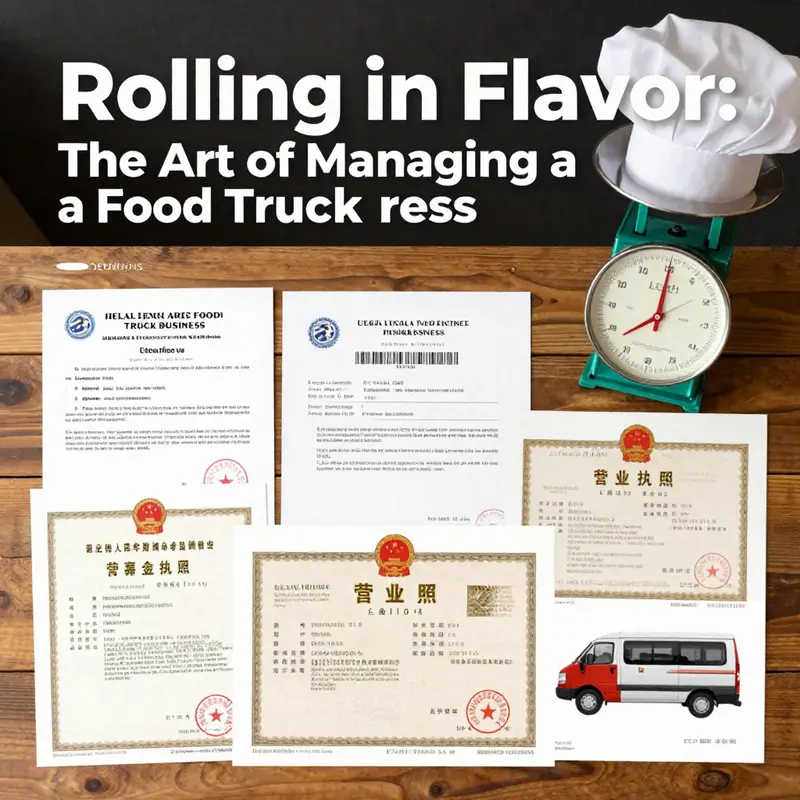
A food truck operates at the intersection of mobility and regulation, a combination that can unlock extraordinary opportunity yet demands disciplined attention to compliance. The moment you roll a truck onto a curbside, you’re not just serving meals; you’re meeting a library of rules designed to protect public health, ensure fair competition, and keep your team and customers safe. The path to reliable, scalable success starts with legal footing that is thorough, organized, and adaptable to the places you park, the events you attend, and the communities you serve. This chapter weaves together the core licensing and regulatory elements you must navigate, showing how each layer supports smooth operations rather than slowing you down. It’s a map of practical steps, grounded in established standards, that helps you build a business that can endure inspections, changes in local policy, and the everyday realities of a busy street schedule. Along the way, you’ll see how a well-structured compliance approach strengthens your brand, protects you from costly missteps, and creates the trust that customers crave when they choose a mobile eatery over a fixed storefront.
The journey begins with the foundation: the general business license. In most jurisdictions, this is the entry ticket to legal operation. It confirms that your enterprise exists, pays its dues, and is recognized as a legitimate business entity. The general license doesn’t replace other permits; it enables them. Think of it as the umbrella under which all the other licenses and registrations hang. Once you have it, you’re positioned to pursue more specialized authorizations that reflect the mobility and specificity of a food truck. The next door you often need to open is the mobile food vendor permit. In many cities and counties, this permit is the backbone of street-food operations. It typically triggers health department review, which is essential because customers entrust you with ready-to-eat meals, and that trust depends on consistent food safety practices. The permit process varies, but it almost always includes some form of inspection to verify that your operation meets established sanitation, equipment, and handling standards. It also signals to city staff and the public that you have met baseline expectations for hygiene and safety.
Behind every permit lies a series of hands-on requirements that keep your operation safely aligned with public health rules. Health and safety compliance is not a one-and-done checkpoint; it is an ongoing discipline. Inspections are routine events, designed to catch potential risk areas such as improper storage temperatures, cross-contamination risks, and inadequate cleaning schedules. The personnel who handle food must be prepared to demonstrate proper practices, and many places require a Food Handler’s Permit for each employee involved in preparation or service. These permits are not mere bureaucratic hoop-jumps; they reflect training in critical competencies—safe temperatures, proper hand hygiene, and effective sanitation protocols—that protect customers and staff alike.
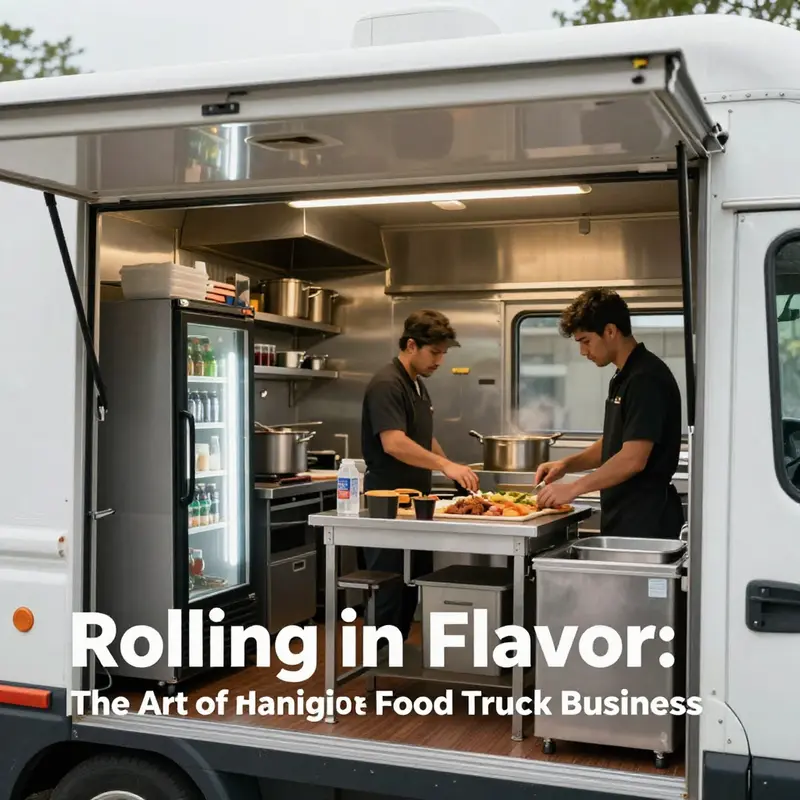
Your truck itself becomes a critical piece of the compliance puzzle. Facilities requirements shape the physical layout of the mobile kitchen and the processes you use every service. A properly equipped truck typically includes a functional handwashing station, reliable refrigeration units, hot holding capabilities when needed, and a waste disposal system that keeps the vehicle clean and odor-free. Temperature control is non-negotiable; spoiled ingredients or mishandled foods can trigger health-code violations, costly fines, or a forced shutdown. The layout matters, too. An efficient workflow minimizes cross-contact risks and makes it easier to keep the space clean, which in turn supports consistent health outcomes and smoother service during peak hours. These elements are not cosmetic choices; they are integral to the way you operate and to the confidence your customers place in your brand.
In parallel with health standards, FDA guidelines shape the overarching framework that informs state and local regulations in many parts of the country. The FDA Food Code serves as a model that informs inspections, facility design, and the daily routines of food preparation and service. While the Food Code itself is not a universal, one-size-fits-all document, it provides a common reference that helps operators anticipate expectations and prepare for inspections across jurisdictions. A practical takeaway is to design your kitchen procedures around temperature logs, clean-in-place routines, and documented training that reflect CDC- and FDA-aligned practices. Training is not only about compliance; it’s a core component of quality that customers perceive in the consistency of your food and your service.
Beyond health and safety, the licensing landscape includes zoning and parking considerations that determine where you can operate and how you can reach customers. Location restrictions are common; many municipalities limit where food trucks may park, and some rules impose distance requirements from brick-and-mortar competitors. This means your route planning must consider not only demand but also regulatory boundaries. Event permits introduce another layer, as festivals, farmers’ markets, and private gatherings often have their own rules, fees, and schedules. A well-timed permit can unlock high-visibility opportunities, while neglecting an event permit can result in fines or a last-minute scramble to relocate. The dynamic nature of mobile service makes proactive permit management essential. It also explains why cultivating good relationships with city departments—commerce, market supervision, and urban management among them—can yield quicker resolutions when plans change or when you seek to expand into new spaces or times.
From a financial perspective, licensing and compliance dovetail with taxes and insurance. A robust compliance program helps ensure that you collect and remit the correct taxes, including sales tax and employment taxes if you hire staff. It also protects you against claims through commercial liability insurance, which is highly advisable and sometimes required to maintain licenses or renewals. Insurance does not merely transfer risk; it signals to lenders, landlords, and partners that you are prepared to meet obligations and handle incidents responsibly. It also provides a safety net for the inevitable surprises that accompany any mobile operation—equipment failures during peak service, customer injuries in rare cases, or accidental contamination issues that can escalate quickly. The net effect is to fortify your business against disruptions that could otherwise threaten cash flow and reputation.
To translate all these requirements into a workable practice, many operators find value in building a simple, living compliance plan. Start with a checklist that mirrors the sequence of licenses and inspections you expect to encounter: confirm your general business license, apply for the mobile vendor permit, schedule initial and follow-up health inspections, arrange staff Food Handler’s Permits, and verify that your truck design meets facilities standards. Maintain a digital and physical file of every permit, inspection report, certificate, and receipt. Having these documents organized makes renewal cycles smoother and helps you prepare for any audit without scrambling for paperwork at the last minute. Create a calendar that flags renewal dates, inspection windows, and training refreshers. Assign ownership for each item so nothing falls through the cracks when seasons change or when you bring in new team members.
Of course, every jurisdiction has its own rhythms, and the scope of requirements can evolve. This reality underscores the value of remaining adaptable and informed. Regulations may tighten with food-safety concerns, or a city may revise street-usage policies in response to urban development or event demand. Staying ahead means following official channels, subscribing to local updates, and, when possible, engaging with city staff through regular, constructive conversations. A practical approach is to dedicate time each quarter to review any regulatory notices and to conduct a brief compliance audit of your truck, your staff, and your records. Even small improvements—such as upgrading handwashing stations, refining cleaning schedules, or updating training modules—can have outsized benefits in inspection outcomes and service reliability.
A key element that often gets overlooked in the rush of launching is the value of clear, accessible communication about compliance with your team and with customers. Internally, a simple, repeatable language around safety and sanitation makes training less daunting and more effective. Externally, you can reassure customers by displaying visible cues of attention to safety, such as sanitized locations for service, clearly posted ingredients and allergen information where appropriate, and a policy that emphasizes cleanliness and careful food handling. These practices not only meet regulatory expectations but also cultivate a brand image of responsibility and care that resonates with today’s health-conscious patrons. The combination of robust procedures, well-documented records, and transparent communication generates a culture of accountability that strengthens every aspect of the business—from operations to marketing to community trust.
For readers seeking a navigable, jurisdictional view, a practical next step is to explore consolidated guidance that maps licensing and regulatory expectations across contexts. A resource that consolidates pathways through licensing and compliance can help you compare requirements, timeline expectations, and renewal cycles without getting lost in scattered notices. This chapter anchors your understanding in the reality that compliance is not a hurdle to overcome once, but a repeating, manageable discipline you embed into daily operations. By treating licensing as a core operational practice—something you plan for, monitor, and adjust—you transform what could be a friction point into a foundation for steadier growth and more predictable service patterns. In this spirit, consider consulting the broader regulatory landscape and connecting with experienced operators who can share practical insights about how they manage permits, inspections, and variations from one jurisdiction to the next.
To further support your journey, a curated exploration of regulatory resources can be a valuable companion. For a structured overview of licensing regulations and practical steps to stay compliant, you can consult the guide on navigating food truck regulations, which offers a concise framework for anticipating and coordinating permits, inspections, and ongoing compliance tasks. This resource helps you translate high-level requirements into day-to-day habits that keep your truck rolling rather than waiting for a situation to force a halt. As you build your playbook, remember that licensing and compliance are not obstacles but enablers. They empower you to serve consistently, scale thoughtfully, and operate with the confidence that you meet the highest standards expected by customers, partners, and regulators alike.
If you want a broader, national perspective, it’s worth reviewing official guidance from a trusted economic-development body on understanding food-truck licensing regulations. These external insights provide a framework that supports your internal processes and helps you benchmark your practices against recognized industry expectations. The central message remains clear: licensing and regulatory compliance are integral, ongoing components of a successful mobile food business. They protect your customers, safeguard your staff, and lend credibility to your brand as you expand, adapt to new markets, or respond to changing policies. When approached with discipline and foresight, compliance becomes not a constraint but a predictable rhythm that you can manage with the same care you apply to recipe consistency, menu evolution, and customer experience.
For deeper exploration of the regulatory landscape as you progress, you can consult targeted resources that summarize licensing requirements and offer practical, jurisdiction-specific guidance. To reinforce the point with a concrete external reference, see the SBA’s comprehensive overview of licensing regulations for food trucks, which outlines the core steps and considerations that most operators encounter as they grow. This external resource is designed to complement the internal strategies discussed here and to help you stay aligned with best practices as you expand into new neighborhoods, events, and cities.
External reference: SBA licensing regulations for food trucks
Internal cross-reference: For a broader look at how regulation interacts with day-to-day operations, you may find useful the article on navigating food-truck industry regulations here: Navigating Food Truck Industry Regulations. This resource offers perspective on how to balance speed, quality, and compliance as you scale.
null
null
Wheels in Sync: Mastering Operational Precision and People Power in a Food Truck Business
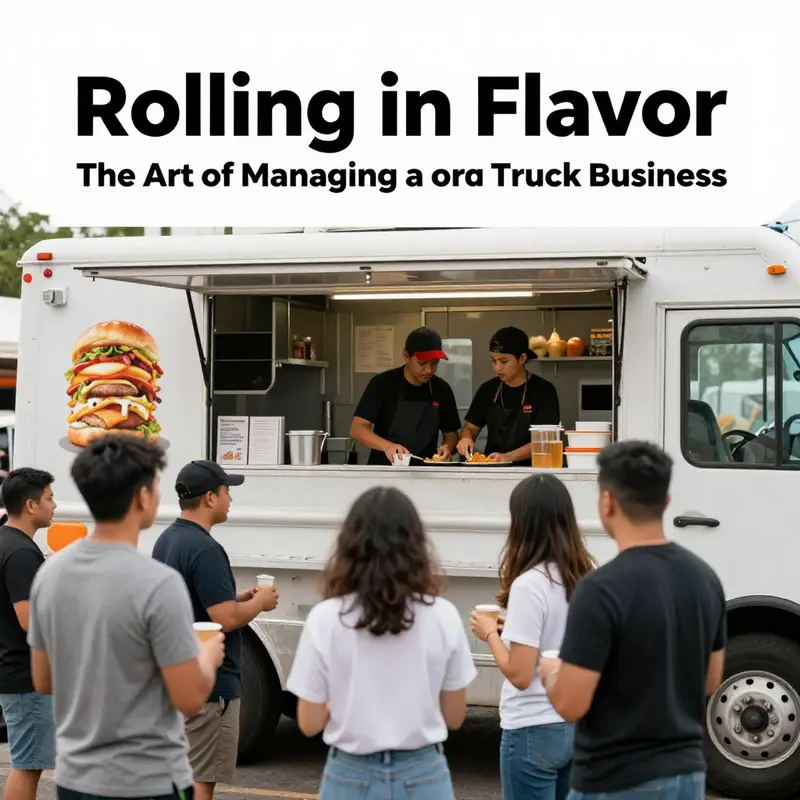
A food truck is more than a cooking station on wheels; it is a compact system where every choice about process, people, and pace ripples through revenue, reputation, and resilience. In this chapter, the heart of a successful mobile operation beats where operations and staffing meet. When these two strands are braided tightly, a truck humms with predictability, adapts to sudden demand, and leaves a steady impression on customers who crave consistency as much as flavor. The tension between speed and quality is real, yet it can be resolved through deliberate design, disciplined routines, and a team that shares a clear sense of purpose. Read as a single thread, the narrative of efficiency and staffing guides a truck from the moment it rolls onto a curb to the final wave goodbye at the end of service, always returning to the same premise: people power the process, and process makes talent shine.
Operational efficiency starts long before the window opens. It begins with data, not guesses. Modern mobile kitchens thrive when operators collect real time signals and translate them into practical actions. A simple dashboard can reveal which items move fastest, which slumps during certain days, and how inventory levels respond to weather, events, or proximity to competing stalls. This data-driven mindset touches every aspect of the operation. It informs menu engineering, ensuring the right items are readily available when they are most in demand. It guides inventory ordering, so there is enough to meet service peaks without overstocking perishables that spoil before they can be sold. It even shapes fuel and route decisions, as movement patterns across a service area influence when to reach a given location, how long to stay, and which items to feature as crowd pleasers.
The physical design of the truck itself is a quiet force of efficiency. A well conceived layout reduces wasted steps, shortens the distance between storage and prep zones, and minimizes the risk of cross contamination. Service windows, ideally placed on the side or rear, create a streamlined flow where staff can pull ingredients from refrigerated storage and deliver finished items to customers without stepping into the main kitchen area. This separation is not merely a matter of organization; it is a hygiene strategy that keeps food preparation more controlled, easier to supervise, and less disruptive to customers during busy periods. A compact, purpose-built workspace supports a lean crew by enabling more tasks to be performed concurrently. Proper temperature control is essential, with reliable refrigeration that maintains safe food temperatures and hot holding that preserves quality. When the kitchen and service spaces feel coherent, even a small team can operate with a rhythm that resembles a much larger restaurant.
The daily grind becomes a choreography when processes are codified and shared. Clear, repeatable standard operating procedures bind a team to a single tempo. Opening and closing checklists, pre-shift briefings, and standardized handoffs between cooks and cashiers prevent gaps that slow service. This discipline does not erase creativity or spontaneity; it anchors it. When the basics are reliable, staff can focus energy on delivering standout customer experiences and creative specials without fear of breaking a workflow that already works. In practice, this translates into predictable order times, fewer mistakes, and a calmer service atmosphere, even on busy weekend blocks where lines snake toward the curb and temperatures spike. The rhythm becomes a competitive advantage because predictability translates into trust. Customers know what to expect, and that reliability becomes part of the brand promise on wheels.
If efficiency is the architecture, staffing is the living foundation. The right people, in the right numbers, at the right times, provide the energy that sustains operations. A thoughtful staffing plan begins with a sober assessment of the truck size, the typical menu complexity, and the locations where service occurs most often. A smaller truck serving a tight menu in a busy urban corridor will require a different balance of roles than a larger rig serving a frequent festival circuit with a broader array of offerings. Once the baseline is established, planning for peak service is essential. The aim is not simply to fill seats but to ensure that the team can handle rushes with grace, keeping orders accurate and guests satisfied. This means a blend of core full-time staff for consistency and part-time or on-call workers who can step in during busy periods or special events. A well-designed staffing plan also anticipates the inevitable gaps, such as staff absence or equipment hiccups, and builds resilience through cross training and flexible roles.
Recruitment should be rooted in clarity. Describe the precise responsibilities and the required competencies for each role, from cooks and preparers to cashiers and expediter staff who manage the flow between window and kitchen. For the busier routes, consider at least two crew members on the line during peak hours, with one additional person handling cold storage and prep, ensuring hands are always free for the next ticket. Even in lean setups, a minimal crew should handle setup, cooking, packing, and customer service without multitask overload. The objective is to assemble a small, capable team that can operate like a well oiled machine rather than a rotating cast trying to improvise under pressure. The hiring process should probe not only culinary skills but also the temperament required for quick service, courtesy under pressure, and the ability to work collaboratively in a tight space.
Training completes the circle, translating potential into performance. A comprehensive program covers culinary fundamentals, equipment operation, and safety protocols tailored to the truck’s layout. It extends to customer service, where staff learn to read lines, manage expectations, and communicate clearly with customers who may have special dietary needs or questions about ingredients. Equipment training is not a one off; it is ongoing, with drills that ensure staff can adapt quickly if a piece of gear fails. Given the mobile nature of the business, training should include procedures for dealing with power outages, refrigeration issues, and heat safety when summer heat presses on a crowded curbside. The fastest way to erode a customer relationship is to deliver mediocre food with a curt or distracted staff. Training, therefore, must emphasize not only what to do but how to do it with hospitality.
Scheduling, the practical grader of efficiency, requires a disciplined approach to labor cost control. Forecasting demand from local events, weather patterns, and historical sales data allows operators to align staffing levels with expected foot traffic. Scheduling should balance reliability with flexibility, providing coverage during the busiest windows while avoiding overstaffing during lulls. A robust scheduling process also respects labor regulations, ensures fair shift distribution, and protects team morale by avoiding excessive overtime. Within this framework, cross training becomes not just an optional perk but a core capability. When staff can switch between prep, cooking, and front of house duties, the operation remains nimble, experiences less downtime, and preserves service quality even when a particular role is temporarily short staffed.
The culture inside a mobile kitchen matters as much as the plan. A lean operation thrives when the team shares a common purpose, communicates openly, and feels valued. Recognition, even in small forms, reinforces a sense of belonging and accountability. Regular, brief feedback loops help staff stay aligned with service standards and evolving menus. A culture that values learning also encourages experimentation in a controlled manner. For instance, if a new seasonal item tests well in a handful of shifts, the team should be empowered to adjust portion sizes or assembly steps to optimize both speed and flavor without compromising safety. The manager’s role becomes one of facilitation rather than command, guiding the crew through changes with clarity and confidence. When workers see their input reflected in the operation, motivation rises and turnover falls, a critical advantage in a fast moving sector that continuously grapples with unpredictable demand and the high tempo of street service.
Technology threads into every layer of this narrative, weaving data, scheduling, and customer engagement into a cohesive fabric. Point of sale systems, inventory trackers, and loyalty programs become integrated tools rather than discrete add ons. A unified approach ensures that when a customer returns, the data surface recognizes their preferences, speeds up the transaction, and perhaps suggests a compelling add on that complements the day’s offerings. This digital backbone also supports the front line by automating mundane tasks, such as restocking alerts when a key ingredient runs low or preemptive maintenance reminders for refrigeration units ahead of a heat wave that can strain cooling systems. The result is a team that can focus more on hospitality and craft, while the system quietly smooths the friction inherent in a mobile business model.
Operational resilience forms the quiet backbone of sustained success. In the street, conditions change in seconds: a sudden rainstorm, a parade route redirected, or a competitor shifting into the next block. A well designed system anticipates these swings. It includes contingency plans for weather, traffic disruptions, or equipment failures. It also incorporates backup suppliers for critical ingredients and a quick, transparent method for communicating with staff and customers about changes in service. Resilience is also about continuity of service at the curb. It means maintaining food safety and quality during any pressure point, from high heat to crowded queues. When teams practice these contingencies through routine drills, the operation remains steady, and customers feel the difference in how smoothly service continues, even when the day throws a curveball.
As a practical note, the interplay between operational discipline and staffing strategy should be visible in every shift report and weekly review. Managers who translate imperfect data into actionable improvements—adjusting prep schedules, refining station layouts, or recalibrating the menu for efficiency—show leadership that drives sustained performance. The most successful operators render the hustle visible in a clearer, calmer environment. They do not simply chase speed; they chase reliability, accuracy, and warmth in every interaction. The customer experience becomes not a series of isolated moments but a consistent flow of quality, speed, and courtesy that earns repeat visits.
For readers seeking a compact synthesis of these ideas, consider how the details—from the layout of the service window to the cadence of a shift handoff—convert plan into practice. The chapter has moved from data to layout to people, yet the thread remains constant: optimize the system to empower the team, and the team will elevate the system. That reciprocal relationship creates a lean, adaptable operation capable of thriving in crowded urban environments and during temporary events alike. The more the truck’s design, processes, and people align, the more predictable and profitable the business becomes, not by shoehorning speed at the expense of quality but by harmonizing speed with precision and care.
If you want a practical dose of guidance on how to translate staffing and operations into real world improvements, a deeper dive into parking and placement challenges can be revealing. See Mastering food-truck parking challenges for insights into optimizing curb appeal and logistical footprint on busy streets. External resources can further inform the journey toward skilled staffing and efficient operations. A robust framework for hiring and training staff in a mobile context is described in detail in a respected professional resource that outlines best practices for attracting, onboarding, and retaining capable team members. This external perspective complements the hands on approach described here and provides a broader view of people management in a dynamic environment. You can explore the guidance at the linked external resource: https://www.linkedin.com/pulse/how-hire-train-staff-food-truck-james-sullivan
Final thoughts
Managing a food truck business is more than just serving delicious food; it requires strategic planning, adherence to legal requirements, proper equipment management, and efficient staffing. From the initial stages of market research and business planning to ensuring your vehicles are compliant and operationally sound, every step aids in creating a successful culinary experience on wheels. As you embark on this journey, remember that flexibility and continuous adaptation to customer preferences and regulations can ensure your food truck flourishes in a competitive landscape. Build relationships within your community and stay invested in your culinary passion, where every meal served is a testament to your dedication.