Keeping Food Frozen for Truck Drivers: A Cold-Chain Necessity
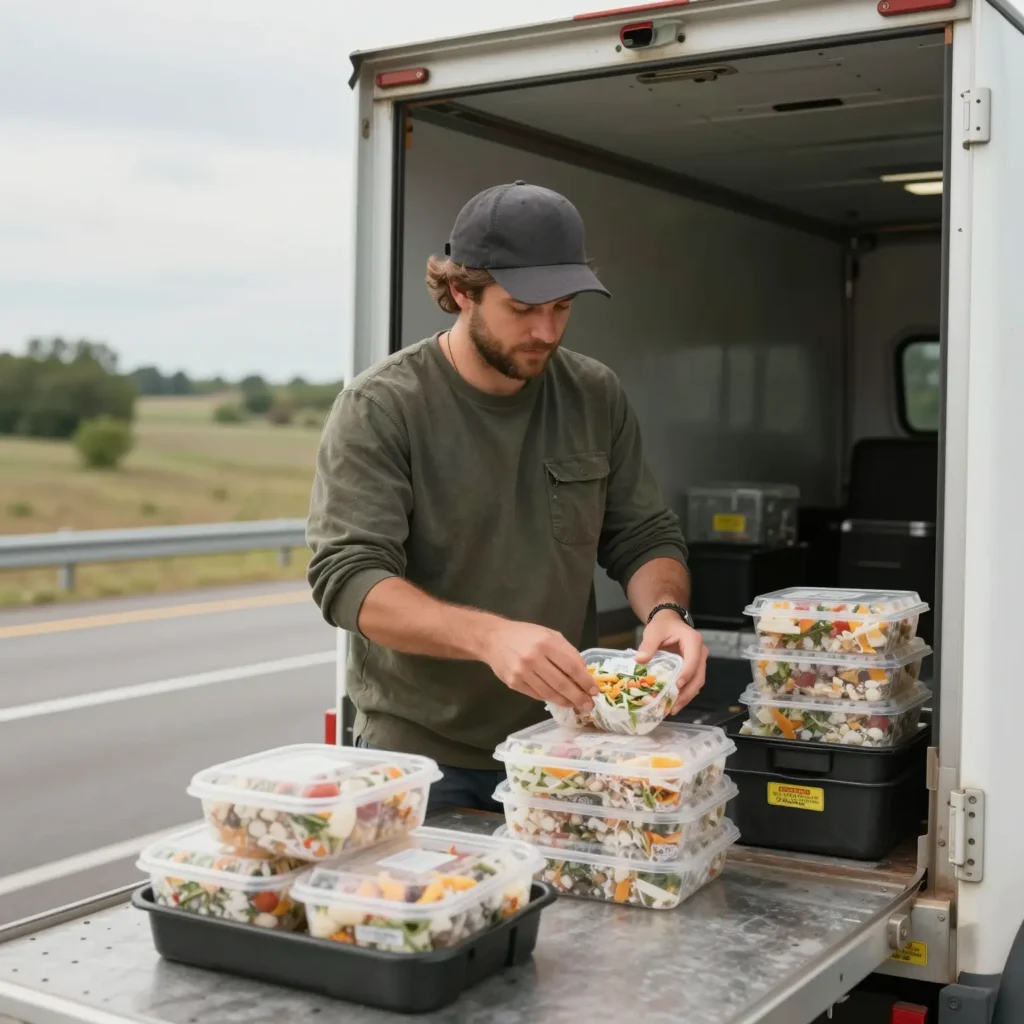
For truck drivers, the open road is not just a journey; it’s a lifestyle filled with adventure, unexpected stops, and the joys of culinary exploration. However, maintaining the freshness of food while on the move is a critical task, especially when it comes to frozen meals and ingredients. Imagine driving across states, knowing that the hearty lasagna or luscious berries you planned to enjoy are sitting safely in the cold, rather than risking spoilage in a warm cab. Keeping food frozen isn’t merely about convenience; it’s about health, safety, and satisfaction on the road.
In the world of trucking, where time is often of the essence and efficiency is key, ensuring that your meals stay frozen can make all the difference. With a mix of innovative cooling solutions, proper storage techniques, and an understanding of how to optimize your food management, drivers can enjoy delicious and safe meals anywhere the journey takes them. So, buckle up and read on as we dive into the essentials of preserving your food, making your long hauls a little tastier. Whether you’re an event planner packing meals for your team or an individual truck enthusiast, you’ll find tips that keep your food perfectly frozen and your taste buds satisfied!
learn more about the trucking lifestyle and how to make the most of your meals on the go.
Challenges Truck Drivers Face in Maintaining Frozen Food
Maintaining frozen food during transportation is a rigorous task for truck drivers, presenting various challenges:
- Temperature Monitoring: Drivers must regularly inspect refrigeration units to ensure cold chain integrity. Failure to do so can lead to spoilage.
- Equipment Failure: Malfunctions in refrigeration units can occur, which requires immediate action to prevent food thawing.
- Constant Vigilance: Drivers need to be vigilant about temperature fluctuations that can reduce the shelf life of items significantly.
- Loading and Unloading Practices: Ensuring that frozen goods remain in a cold environment during loading and unloading can be tricky and time-consuming.
- Road Conditions: Traffic and weather can affect travel time, pushing the limits of the refrigeration system’s efficacy.
These challenges highlight the critical balance truck drivers must maintain to deliver frozen goods safely. Learn more about the importance of proper food storage.
Tips for Effective Food Freezing Methods for Truck Drivers
Keeping food frozen while on the road is essential for truck drivers who want to maintain freshness and quality during travel. Here are several practical tips to help you effectively freeze food:
1. Temperature Control
Maintaining the right temperature is crucial. Ensure your freezer is set at or below 0°F (-18°C). This stable climate is vital for preventing food spoilage. If your truck is equipped with a temperature monitor, use it to keep an eye on the conditions inside your freezer.
2. Proper Packing
When packing food to freeze, always use airtight containers or heavy-duty freezer bags. This prevents freezer burn, which can compromise both taste and texture. Remove as much air as possible from bags before sealing them to maintain food quality. Learn more about choosing the right food truck model here.
3. Efficient Organization
Label and date all your food items. This simple practice helps keep track of what needs to be consumed first. Consider keeping a list of items frozen, along with their freezing dates to make meal planning easier.
4. Freezing Duration Guidelines
Different foods have different freezing timelines. For instance, meats can be stored for up to six months, while fruits and vegetables can last up to a year. Always check your food beforehand and discard anything that’s past its recommended freezing duration to avoid foodborne illnesses.
5. Safe Thawing Practices
When you’re ready to use your frozen food, it’s essential to thaw it safely. The best methods include thawing in the refrigerator overnight, using cold water, or utilizing the microwave. Avoid thawing at room temperature, as this can lead to bacteria growth. Explore more food storage tips here.
6. Utilizing Quick Freezing Techniques
For foods like soups, consider flat-freezing them in bags. This method allows food to freeze faster and saves space in your freezer. You can stack these bags in your freezer or arrange them flat for easy storage.
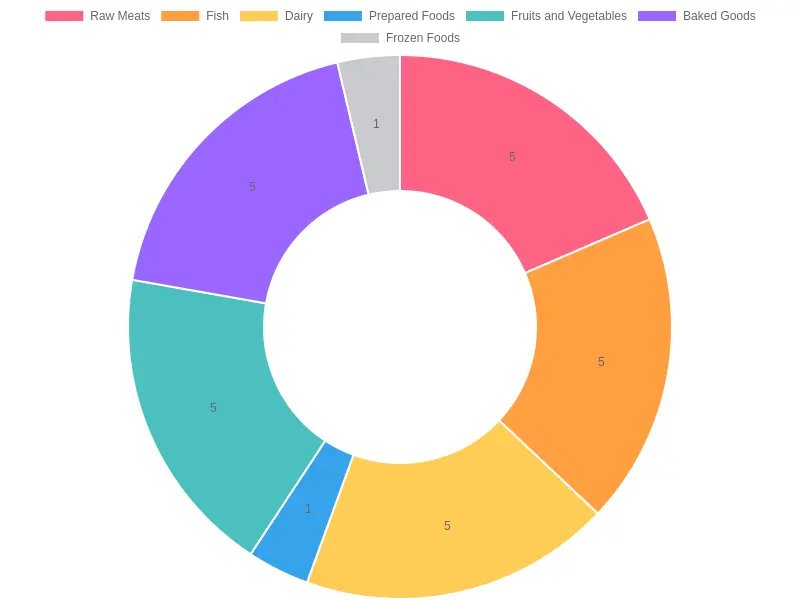
Visual Guide to Freezing Tips
Here’s a visual representation of effective freezing methods:

Chart showing various categories of freezing tips such as temperature control, proper packing, and more.
Conclusion
Following these tips will help truck drivers keep their food frozen and safe while on the road. Prioritize temperature management, adequate packing, and safe thawing to enjoy quality meals, no matter how far you travel. With a little preparation, you can turn your truck into a mobile kitchen that meets your needs!
By implementing these actionable strategies, not only will you enhance your sustenance, but you can also ensure a better overall driving experience!
Food Storage Solutions for Truck Drivers
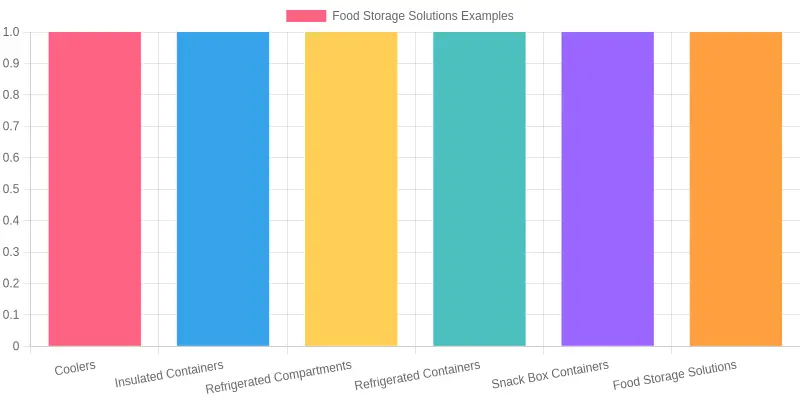
Keeping food fresh is critical for truck drivers who spend long hours on the road. Below is a table comparing different food storage solutions, including their pros, cons, and optimal use cases:
| Solution | Pros | Cons | Optimal Use Case |
|---|---|---|---|
| Coolers | – Portable and easy to use. | – Requires ice packs for cooling. | Ideal for short trips or daily use when refrigerated items are needed. |
| Refrigerated Boxes | – Keeps food at a consistent temperature. | – More expensive than traditional coolers. | Perfect for long-haul trips where extended food freshness is essential. |
| Food Warmers | – Can heat food while driving. | – Limited to hot meals; not for cold foods. | Best for maintaining meal temperatures during long hauls. |
| 12V Mini Fridges | – Provides a dedicated cooling solution. | – Requires constant power source; may consume battery quickly. | Great for overnight stops or when parked for extended periods. |
| Airtight Containers | – Prevent contamination and keep food fresh. | – Not meant for temperature control. | Excellent for storing prepped foods for quick access. |
These varied options offer truck drivers flexibility based on their needs and routes. Truck drivers can benefit from understanding the specific advantages and disadvantages of each solution, depending on their personal preferences and travel requirements. For more information on choosing the right food truck model suitable for your needs, check out choosing the right food truck model.
Also, if you’re navigating food truck regulations, you may want to learn more about naming styling and branding your food truck.
Food Spoilage and Waste During Transportation: The Importance of Addressing the Issue
Food spoilage during transportation is a major concern, particularly for fresh produce and perishable items. As the industry continues to evolve, including the booming food truck market, understanding the statistics surrounding food waste becomes vital.
Key Statistics
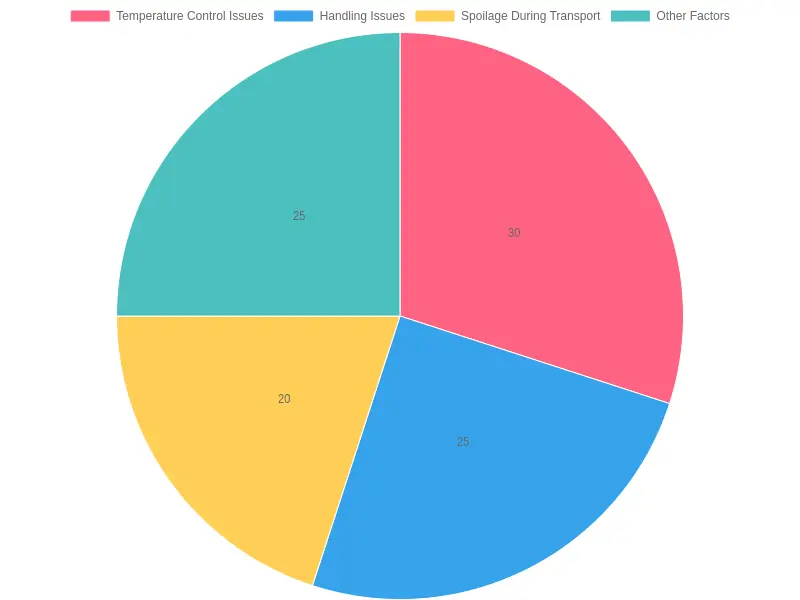
According to recent studies, approximately 30% of food waste is attributed to temperature control issues in transportation. If temperature-sensitive products are not kept at optimal conditions, they can spoil rapidly, leading to significant waste. Here’s a breakdown of food waste statistics in transportation:
| Issue | Percentage of Food Waste |
|---|---|
| Temperature Control Issues | 30% |
| Handling Issues | 25% |
| Spoilage During Transport | 20% |
| Other Factors | 25% |
Why It Matters
In 2023, the Rockefeller Foundation emphasized that addressing food waste could potentially feed over a billion people facing hunger globally by 2050. In addition, the USDA states that food waste during transportation incurs significant economic loss and waste of labor and resources, ultimately affecting climate change due to increased landfill waste.
Technological Solutions
The application of technology like IoT in logistics has proved beneficial in reducing spoilage. For instance, real-time monitoring ensures that goods are kept under optimal conditions, thus preventing loss from temperature fluctuations. This could be particularly valuable for food truck operators focused on quality and safety.
To ensure your operation is effective and sustainable, learn more about selecting the right food truck model. Additionally, understanding how to handle goods can help reduce waste during transit.
By addressing the issue of food waste through better practices and technology, we can significantly reduce spoilage during transportation and contribute to a more sustainable food system.
Best Practices for Stocking a Truck with Food
Stocking a food truck, especially with frozen food, is an art that combines efficiency, organization, and accessibility. Here are some top practices to get your truck ready to roll while keeping everything fresh and easily accessible.
1. Organized Layout
- Categorize Items: Group similar products together, like meats, vegetables, and desserts. This not only saves time but also ensures that you know exactly where everything is.
- Label Clearly: Clearly labeling shelves and bins can speed up your workflow, allowing you and your crew to find items without hassle.
2. Adopt FIFO System
- Implement the First In, First Out (FIFO) rule by placing newer items behind older ones. This helps in using up ingredients before they spoil, minimizing waste.
3. Strategic Accessibility
- Eye Level Storage: Place frequently used items at eye level for easy access. Items that are used less often can go on higher or lower shelves, keeping your workspace fluid and functional.
4. Temperature Control
- Use a reliable thermometer in your freezer to maintain the proper temperature and ensure food safety, preventing spoilage and foodborne illnesses.
5. Regular Inventory Management
- Perform regular checks on your stock to keep an eye on usage rates and freshness. This will also help in making timely orders to avoid running out of essential items.
6. Portable Storage Solutions
- Utilize portable bins or containers that can be easily moved in and out of the freezer. This is especially helpful for events where quick setup and breakdown are crucial.
Implementing these best practices will not only help keep your food fresh and organized but also streamline your operations, allowing you to focus on delivering delightful culinary experiences to your customers.
For more insights on efficient food truck operations, check out choosing the right food truck model to help maximize your setup.
In conclusion, keeping food frozen for truck drivers is not just a matter of convenience; it’s about ensuring safety, quality, and sustaining a healthy lifestyle on the road. By adhering to best practices such as regularly checking temperatures, using high-quality coolers, and pre-freezing food, truck drivers can drastically reduce the risk of spoilage and foodborne illnesses.
The significance of maintaining the cold chain cannot be overstated, as it directly impacts the freshness and safety of the food transported. With effective temperature control being vital in preserving the integrity of frozen goods, implementing strategies outlined in the article is essential. Explore more about essential temperature control tips to ensure a successful haul.
To make the journey enjoyable, try foods that not only pack well but also retain their taste and texture when defrosted, such as pre-cooked meals or well-packaged fruits. By integrating these tips into your routine, you won’t just eat better; you’ll also contribute to your overall well-being on the road. So gear up, plan ahead, and give these strategies a try-your body will thank you, and your culinary experiences will be much richer!
Let’s make every mile delicious!
The Importance of Food Storage for Truck Drivers
For truck drivers, maintaining a healthy diet while on the road is crucial, not just for health but also for safety and performance. Well-stored food can prevent spoilage and help truckers stay energized during long hauls. According to Factor Loads, “Proper food storage improves health and energy levels, benefitting overall performance in driving situations.”
Moreover, Joe, a seasoned truck driver, emphasizes:
“Without proper food storage, you might end up eating junk food or starving during long hauls. It’s vital to keep your meals fresh so you can focus on the road and your safety.”
Adopting effective food storage solutions will not only save you money but will also keep you healthy on the road. For more details on ensuring you’re driving healthy, check out our guide on choosing the right food truck model.