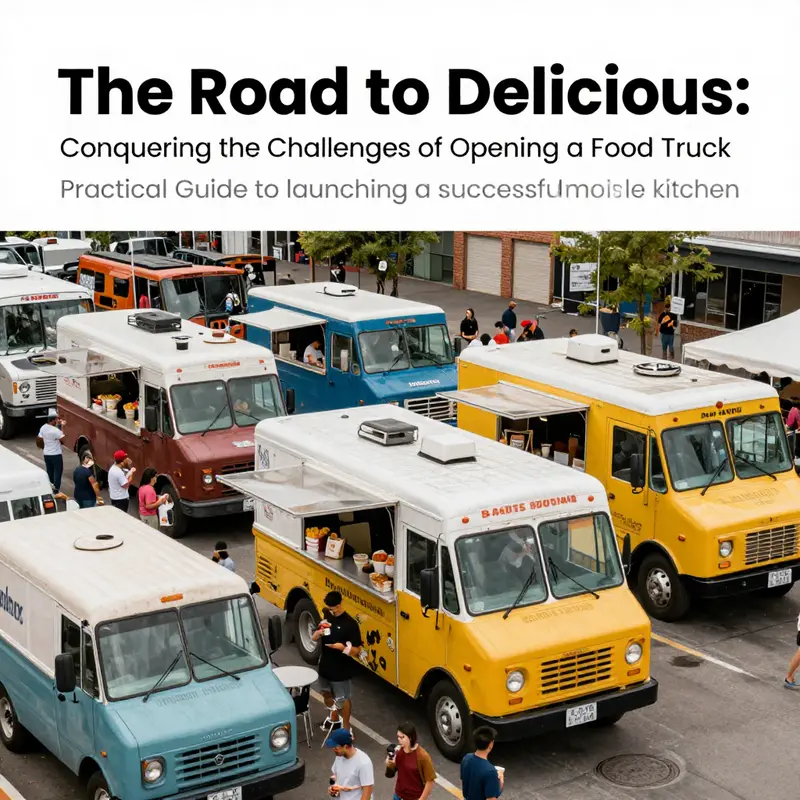
Imagine the aroma of freshly grilled food wafting through the air as you create mouth-watering meals from the convenience of a mobile kitchen. Opening a food truck can be enticing, but is it as easy as it sounds? From navigating complex regulations to understanding financial commitments, every aspiring food truck owner faces unique challenges. This guide explores whether it is hard to open a food truck, breaking the journey into five chapters: regulations, finances, logistics, market demand, and keys to success, offering practical insights for the modern mobile chef.
Regulatory Roadways: How Hard Is It to Open a Food Truck?
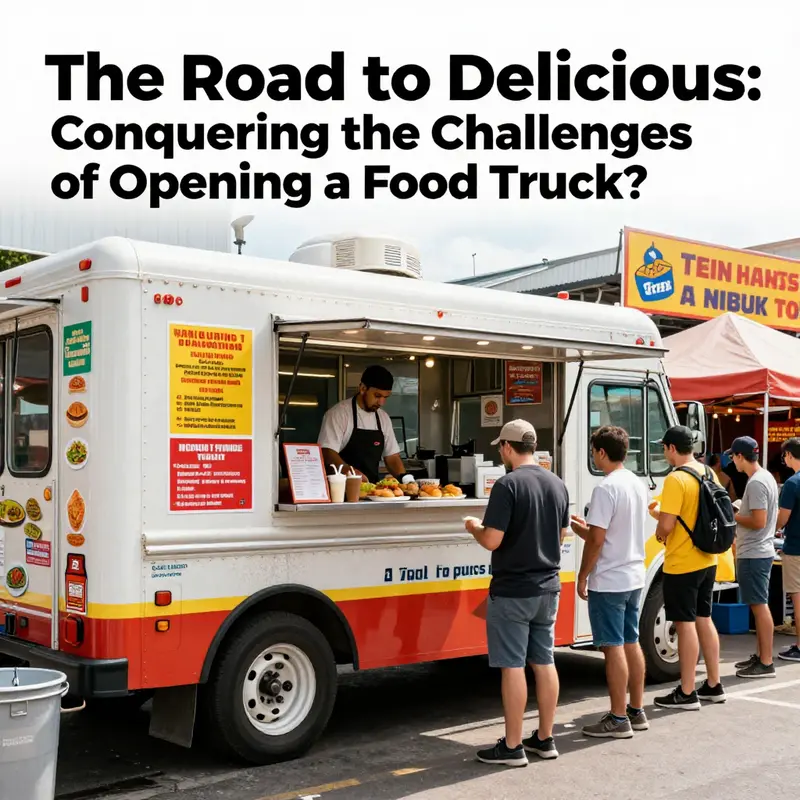
The idea of a food truck often grows from a simple appeal: mobility, flavor, and the lure of meeting customers where they are. Yet the road to that curbside service is paved with a dense network of rules, licenses, and inspections that can feel like an ever-shifting landscape. This is not merely about cooking great food on wheels; it is about proving to officials, landlords, insurers, and neighbors that your operation is safe, legal, and sustainable. The work begins before the first fire is lit and continues long after your first service has packed up for the day. Understanding this reality is essential if you want to avoid the costly delays that erode margins and crush momentum before a truck ever truly hits the streets. The practical truth is that opening a food truck is doable, but it demands disciplined navigation through a regulatory maze that is as localized as the neighborhoods you plan to serve.
In the United Kingdom, the regulatory picture is structured but varied by location, and that variation is your first test. You will typically need a Food Hygiene Certificate, often bundled into a Food Safety Level 2 qualification, which signals your competence in safe handling and storage. Alongside that, a Food Business Registration confirms that your enterprise exists in the eyes of the local authority. If you are operating as a limited company, you may also need to register your trading name with Companies House. And because the vehicle itself is a mobile operation, a vehicle license becomes a non-negotiable requirement in many councils. Beyond these core steps, the local council may impose additional parking restrictions or designated zones for mobile vendors, and those rules can differ from one town to the next. The impression many newcomers have is that once you’ve earned a certificate and registered a name, you’re home free. The reality, however, is that the jurisdictional patchwork continues to influence where you park, what hours you can operate, and how you manage waste and disposal. The UK system, with its emphasis on hygiene and formal registration, offers a strong baseline of safety and accountability, but it also introduces friction that can slow momentum for a new operator.
Across the Atlantic, the regulatory terrain can feel even more sprawling, precisely because it is layered across federal, state, and local authorities. In the United States, the journey often starts with a business license and a food handler’s permit, followed by a mobile food vendor permit, and a health department inspection that tests everything from temperature control to glove use. The variation is stark: some cities require a separate mobile unit permit, others rely on a general business license that covers a broader category of vendors. Health and safety standards demand a kitchen that can maintain correct refrigeration temperatures, a handwashing station that is both accessible and consistently stocked, and a waste disposal plan that meets city codes. The process is not just about passing inspection; it is about maintaining compliance on a daily basis, which means continuous monitoring of refrigeration, cleaning schedules, and the ways in which you store and rotate inventory on the move.
The financial aspect of these requirements is a recurring theme that often surprises first-timers. Fees for permits and inspections can range from a few hundred dollars to several thousand, depending on the jurisdiction and the scope of the operation. The application process can stretch over weeks or months, particularly in places where backlogs exist or where inspectors must physically verify your setup. This is where many aspiring operators underestimate the timing and overestimate the speed at which a business can begin serving customers. The National Restaurant Association, along with the broader industry ecosystem, emphasizes a principle that bears repeating: proper planning and early, thorough research into local regulations can greatly reduce these hurdles. The cost, time, and administrative effort are real, but they are also quantifiable and schedulable once you commit to a realistic timetable.
One layer that often travels beneath the surface of the main permit stack is insurance. Nearly every municipality requires some form of liability coverage, and many cities also expect workers’ compensation and vehicle insurance when the truck is on the road. Insurance premiums, particularly in dense urban areas, can be significant because the policy is not just about the kitchen; it also covers the unique risks of a mobile business, from accidents on crowded sidewalks to potential damage to parking spots or neighboring properties. Zoning laws add another practical constraint. Even when you obtain every permit, you may find your operation constrained by where you can park, how close you can be to brick-and-mortar restaurants, or even the times of day you can set up shop in certain districts. The cumulative effect of these factors is that your business plan must be built with zoning considerations in mind from day one, or you risk expensive reconfigurations later.
Despite this complex barrier, many operators succeed by treating regulation not as an obstacle but as a framework that protects customers and builds trust. The experience of those who have navigated similar paths shows that the key is not to rush but to align every element of the business with regulatory expectations before you commit to the truck. Engaging with local business development centers or chambers of commerce can be particularly helpful. These organizations often offer workshops, checklists, and direct assistance to help you understand the rules, anticipate gaps, and prepare for inspections well in advance. They can be a practical lifeline, turning a potentially destabilizing process into a series of actionable steps. The path often involves a mix of good recordkeeping, clear standard operating procedures, and a proactive approach to compliance rather than a reactive one.
As you plan, you will quickly see that the design of your mobile kitchen matters as much as its menu. The layout should accommodate the precise needs of health and safety codes: proper refrigeration that maintains safe temperatures for perishable ingredients, a designated handwashing station with a continuous supply of soap and paper towels, and waste disposal that does not create slip hazards or cross-contamination risks. These features are not cosmetic; they are the daily guardrails that keep a small business running smoothly in a crowded urban environment. And because regulations lie at the intersection of safety and business practicality, you should expect to iterate on your plans. A stall that passes the initial inspection might require small adjustments to storage or workflow to stay compliant as you scale or as city rules evolve. In this sense, the regulator and the operator share a continuous, if sometimes tense, negotiation—one that ultimately aims to protect customers and keep the industry vibrant.
For any reader who wants a grounded path through the maze, a practical approach is to start with credible, government-backed guidance and then translate that guidance into a concrete, auditable plan. The starting point is to map out every permit and license you will need, sequence them logically, and attach realistic timelines to each step. This is not merely a bureaucratic exercise; it forms the backbone of your launch plan. It also helps to keep a living document that evolves with the business. Changes in hours, new health requirements, or shifts in parking policy can ripple through your setup. If you treat the regulatory work as a dynamic part of the business rather than a one-time hurdle, you protect your brand from costly delays and ensure compliance as you grow.
When the moment comes to move from planning to execution, you can leverage online and in-person resources to stay current. For readers seeking a focused, situation-specific resource on navigating the industry regulations, there is a dedicated guide that delves into the regulatory landscape with practical examples and checklists. It provides concrete steps you can take, from initial research to securing the necessary approvals, and it reinforces the idea that compliance is a strategic advantage rather than a box-ticking exercise. If you want to explore this topic further through an industry-focused lens, you can consult the dedicated article on navigating food truck regulations, which offers a cohesive overview aligned with the realities described here. While the chapter has covered the core principles, this resource serves as a helpful continuation for readers who want to deepen their understanding and refine their launch plan. navigating-food-truck-industry-regulations
Ultimately, the journey to opening a food truck is a test of patience, foresight, and meticulous preparation. The regulatory framework—though exacting—exists to safeguard consumers and to create a predictable playing field for operators who commit to compliance. If your objective is to bring good food to urban spaces without becoming entangled in avoidable delays, the answer to whether it is hard is nuanced: yes, the regulatory pathway is demanding, but it is navigable with a disciplined plan. You mitigate risk by starting with the most stringent requirements on day one, budgeting for licensing and insurance from the outset, and designing a commissary or kitchen setup that aligns with health and safety expectations. You reduce friction by engaging with local business networks that can offer guidance, templates, and a sympathetic ear when timelines stretch. And you sustain momentum by treating compliance as a continuous responsibility rather than a one-time hurdle. That mindset—paired with a well-structured plan and a readiness to adapt—turns regulatory complexity from a potential roadblock into a framework that supports a resilient, lawful, and vibrant food business on wheels. For a broader, government-backed overview of the process and status checks you should perform early in the journey, consider consulting the official guidance available in the sector. The pathway may be complex, but with clarity, organization, and community support, that complexity becomes a mapped route rather than a maze. External reference to the governing guidance can provide additional assurance about the steps and standards you will encounter as you move toward launch: https://www.sba.gov/business-guide/plan-your-business/start-food-truck-business
Rolling the Ledger on Wheels: The Financial Reality of Opening a UK Food Truck
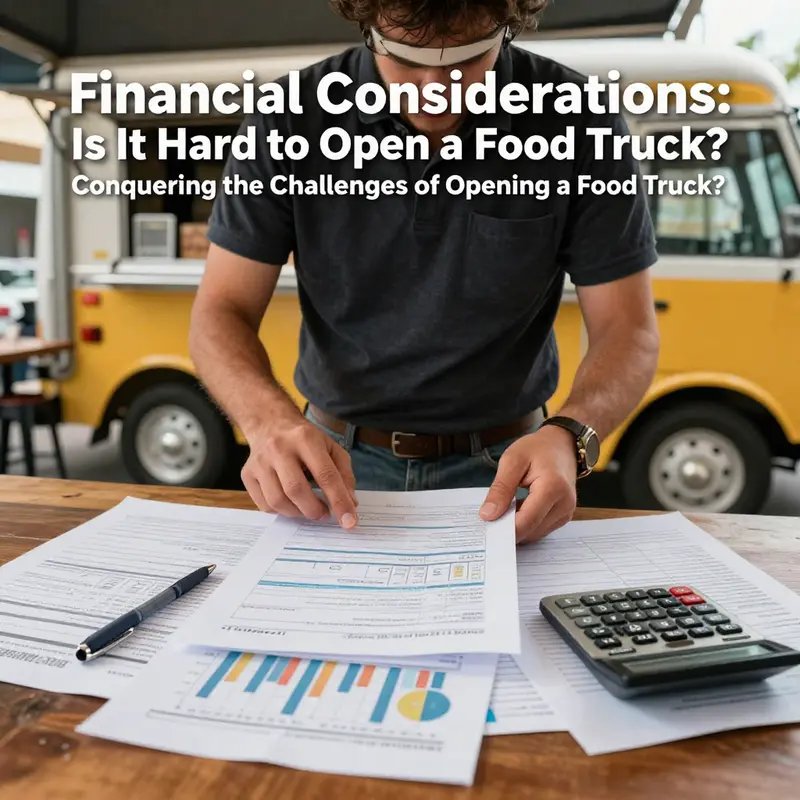
Launching a food truck is often romanticized as a cheaper, simpler route into the world of hospitality, but the financial truth remains nuanced. The upfront promise of lower overhead compared with a bricks-and-mortar restaurant can be appealing, yet it comes with substantial hidden costs and a calendar of ongoing expenses that demand careful planning. The initial outlay is not limited to the vehicle itself. Aspiring operators must account for customization, kitchen fit-out, and the installation of reliable cooking, refrigeration, and storage systems. These components must meet strict food-safety standards, which adds layers of complexity and cost. In a 2024 guide from a leading UK consultancy, the observation that “although starting a food truck may be easier than opening a traditional restaurant, cafe, or bar, newly launched food trucks still face complex challenges” is not merely cautionary; it is a reminder that the financial groundwork must be robust. This is especially true when the aim is to deliver consistent quality across a range of locations, weather conditions, and demand patterns.
Beyond the vehicle, there are essential licenses and registrations that shape the financial landscape from day one. A Food Hygiene Certificate, typically part of a Food Safety Level 2 qualification, is not just a box to tick; it is a credential that underpins the ability to operate legally and to reassure customers. A Food Business Registration is required to lawfully run the enterprise, while a trading name registration, via Companies House if operating as a limited company, clarifies ownership and liability structures. If the truck is treated as a mobile business, a vehicle license becomes a prerequisite, and local council rules about where and when a truck can park or serve customers can significantly influence revenue potential. The net effect is that the business edges into a regulatory space as much as a culinary one, and every license or permit adds to the initial cash outlay and to ongoing compliance costs.
In practical terms, the financial picture expands quickly. The upfront investment is rarely a single sum; it often unfolds as a bundle of capital requirements. You must budget for insurance, maintenance, and ongoing vehicle depreciation, which can be substantial for a high-mileage fleet. Then there are operating costs that recur with regularity: fuel, routine servicing, and consumables, plus the payroll to cover cooks, servers, or helpers during busy periods. High-quality ingredients demand careful budgeting to maintain consistent flavor and menu integrity, especially when supply routes are fragile or prices fluctuate. The ability to secure a reliable supply chain, even for fresh items, becomes a cornerstone of financial stability. An international case study from 2025, though not UK-specific, shows a similar pattern: even as a delivery-focused operation scales, securing a suitable vehicle that balances cost, quality, and comfort can require a larger upfront investment than anticipated. The takeaway is universal—the vehicle is not merely a kitchen on wheels; it is core business capital with a long-term financial value and risk profile.
Regular operating costs further complicate the math. Fuel costs will rise and fall with traffic patterns and the seasonality of the market. Maintenance costs creep in as the vehicle ages and as components wear from frequent use. Insurance, which protects against accidents, theft, and liability, remains a mandatory line item and can vary widely based on coverage, vehicle type, and driver experience. Staff wages, even for a lean operation, must be accounted for, particularly if the business aims to offer consistent service during peak hours and in diverse locations. Then there is the cost of goods sold: sourcing ingredients of reliable quality, managing perishable stocks, and avoiding waste. Weather conditions can dramatically affect foot traffic, shifting the balance of supply and demand and testing the flexibility of pricing and menu planning.
The financial narrative of a mobile food business is not just about keeping costs down. It is about building resilience into the model. The best operators treat the venture as a sophisticated asset, with a long-term plan that rises above the day-to-day hustle. This means creating a sustainable business model that accounts for unexpected repairs, seasonal lulls, and the need for targeted marketing to cultivate a loyal customer base. It also means acknowledging that the most attractive feature of a food truck—the ability to move to where the customers are—still requires strategic budgeting for relocation, permits, and potential changes in local rules. When you couple the upfront capital with ongoing operating expenses, the financial picture becomes a full-spectrum exercise in cash flow management, pricing strategy, and risk mitigation.
To navigate this landscape, many operators turn to budget-conscious, strategy-driven planning rather than hope and hustle alone. It helps to treat the project as a long-term investment and to build in a contingency fund that can cover repairs or an unexpected drop in footfall. Pricing needs to reflect not just food costs but the total cost of doing business, including travel time, fuel, and the opportunity cost of not being in another location. Branding and marketing also deserve a line item, because attracting and retaining customers in a competitive landscape requires consistent, value-driven messaging. The insight shared by industry observers in the UK is clear: the lean start-up mindset works well, but it cannot ignore the scale of the financial commitment and the volatility of revenue streams.
For aspiring operators seeking a practical pathway, one entry point is to explore dedicated budgeting resources tailored to first-time truck owners. A concise, practical guide to financial planning for first-time operators can offer actionable steps for estimating startup costs, pacing expenditures, and building a realistic runway before breakeven. This kind of resource can translate a daunting sum into manageable milestones, helping you map out when and how to allocate funds for the most critical elements, from licensing to kitchen equipment upgrades. You can find thoughtfully structured tips at this resource: financial tips for first-time truck owners.
The broader guidance is mirrored in professional literature that emphasizes the value of thorough due diligence before you commit. As the UK government’s official guidance on starting a food business notes, compliance, hygiene standards, and operational requirements form the backbone of any mobile food operation. The interlocking web of regulations—licensing, registrations, vehicle standards, and local controls—means that the financial plan must accommodate compliance costs alongside capital expenditure and operating expenses. This approach not only reduces the risk of sanctions or shutdowns but also helps maintain steady delivery of quality food, which in turn supports revenue stability. For official guidance, see the government resource on starting a food business, which consolidates up-to-date rules, licensing steps, and best practices for mobile operations: https://www.food.gov.uk/business-guidance/starting-a-food-business
Putting all of this together, the financial question—Is it hard to open a food truck?—has a layered answer. It is not merely about whether you can raise the cash for a vehicle, but whether you can sustain a viable business model over time. That model must absorb the upfront costs of vehicle, equipment, and licenses, while also accommodating recurring overheads, fluctuating demand, and the ever-present possibility of regulatory change. The best outcomes come from disciplined financial planning that recognizes the truck as a moving business asset, not just a kitchen on wheels. It means planning for the long haul with a realistic timeline to profitability, and it means building strong supplier relationships, robust inventory controls, and disciplined cost management. For those who commit to this approach, the rewards can be meaningful: the freedom to navigate to diverse markets, the chance to serve fresh, local offerings, and the opportunity to develop a brand that travels as reliably as the vehicle itself. If you are looking for more precise budgeting strategies and practical steps to implement them, there is value in visiting the resource mentioned earlier on financial planning for first-time operators and applying its guidance to your unique market conditions. Together, these principles create a stronger foundation for a venture that, while challenging, can offer sustained opportunity and growth as you learn to balance speed, taste, and the economics of mobility.
Routes, Permits, and Pantries: The Real Work Behind Opening a Food Truck
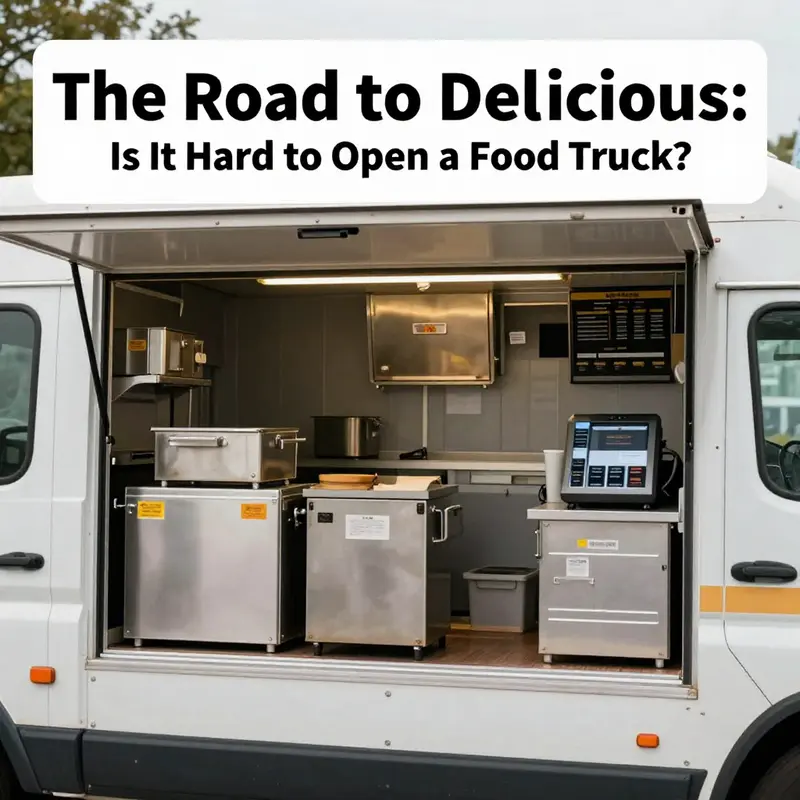
The romance of a food truck often centers on the quick sizzle of a skillet and the aroma of something new greeting hungry passersby. Yet behind that inviting flame lies a web of logistics that can make the leap from dream to daily reality more complex than it looks. The practical truth is that opening a food truck tends to be more approachable than a bricks-and-mortar restaurant in terms of upfront cash, but the day-to-day discipline required to stay compliant, keep the kitchen humming, and secure consistent footfall is substantial. The UK context—where regulations are explicit and enforcement can vary from council to council—exemplifies how the practical challenges rest less on appetite and more on paperwork, planning, and periodical pivots. It’s not merely about having a good recipe; it’s about mapping a route through a set of gates that determine where you can park, when you can serve, and how you prove you’re serving food that is safe and trustworthy.
The first hurdle most would-be operators encounter is permits and licenses. This is not a single stamp but a bundle of prerequisites that can differ markedly by location. Health department approvals establish that the food you serve meets safety standards before it ever reaches a customer. Business licenses authorize you to operate in the legal sense, and a mobile vendor permit is typically needed to transition from a kitchen on wheels into a street-level business that can actually pull up to a curb and serve. In many places, you also need a parking or operating zone permit to claim a legitimate spot for your truck. The paperwork is not just a one-off task; it can require repeated documentation as you expand to new locations or adjust your menu. The process rewards meticulous record-keeping and patience, because delays often hinge on the readiness of forms, the speed of inspections, and the tempo of local administrative calendars.
In the UK, this regulatory texture is layered with both national requirements and local nuances. A Food Hygiene Certificate, frequently part of a Food Safety Level 2 qualification, sits at the core of your food safety credentials. A Food Business Registration with the local authority typically precedes any kitchen activity, confirming that you’ll be handling, storing, and cooking food in a way that minimizes risk to customers. If you operate under a trading name as a limited company, you may need to register the name with Companies House as part of your corporate identity. And because your vehicle is the primary workspace, a vehicle licence or other mobile-operating certification is often necessary to prove that your truck is compliant with road and health-safety standards. The local council’s rules can also dictate where and when you can park, how long you can stay in a particular area, and what signage or waste disposal arrangements you must maintain. Taken together, these requirements create a map you must learn to read before you can reliably position yourself in the market. You may find it helpful to consult official guidance from government sources to stay current with any changes in policy or procedure. The official guidance for starting a food business, including mobile operations such as food trucks, is an indispensable resource for newcomers in 2026.
Even once you have the permits moving, the vehicle and kitchen setup present their own distinctive set of constraints. A food truck has to function as an efficient, fully capable kitchen on wheels. That means selecting equipment that is compact enough to fit within the truck’s footprint while robust enough to withstand daily wear and travel. You will need commercial-grade grills, refrigeration units, and water systems that meet sanitation and safety standards. Power needs, waste management, and ventilation all demand careful planning. The challenge is not just about buying equipment but about ensuring it travels well, remains reliable, and remains easy to clean up at the end of service. A misjudgment in space planning can cascade into constant rearrangements, maintenance delays, or, worse, a failure to meet health inspections because a poorly arranged kitchen creates cross-contamination risks or fails to meet temperature management requirements.
With the kitchen and the permits in mind, inventory management becomes your next big test. Storage space on a truck is precious, so you must design a system that minimizes waste while maximizing freshness. This requires menu discipline—identifying a core set of items that travel well, resist spoilage, and align with the equipment you can maintain reliably on the move. It also demands supply-chain choreography: frequent deliveries, reliable suppliers, and a buffer strategy for unexpected demand or weather disruptions. When a cold snap hits or a festival shifts its schedule, stock reliability becomes a determinant of your ability to serve consistently. The on-truck logistics of inventory are not glamorous, but they underpin every successful service period. You’ll also find it helpful to forecast customer demand by season and by event type, which guides both menu decisions and purchasing schedules. The better you model your inventory, the less stress you will feel in the peak hours when a line grows and the pressure to deliver quality quickly climbs.
Finding locations represents a shifting landscape of opportunity and constraint. Prime spots—downtown cores, near transit hubs, or at late-evening venues—offer high foot traffic but often come with steep competition and strict regulatory gatekeeping. In many cities, competition for those spots is fierce, and the best operators cultivate flexibility: they adjust their schedule to align with events, crop up at busy markets after lunch, or partner with venues that host regular crowds. The art of location strategy is not just about chasing the highest-traffic zone; it is about building a stable rhythm. That rhythm depends on a social-media cadence that announces when and where you’ll be serving, as well as relationships with event organizers, market coordinators, and property managers who understand the value a dependable vendor brings to a gathering. The result is a cycle where announcements lead to commitments, which lead to repeat customers, which then reinforce your ability to secure better locations on a more predictable basis.
Weather, seasonality, and the unpredictability of supply all pose separate but related risks. Foot traffic can swing with weather patterns, and a single rainy week can alter your daily revenue dramatically. Smart operators prepare for this by maintaining a lean operating plan, diversifying site locations, and preserving cash reserves that can bridge slower periods. They also build resilience by diversifying supplier networks and maintaining a relationship with multiple channels for ingredients and packaging. The variability of outdoor service amplifies the importance of safety protocols, from food temperatures and cold-chain integrity to clean-as-you-go routines that minimize hazards on a mobile workspace. The combination of weather sensitivity and supply variability helps explain why many operators treat the business as a marathon rather than a sprint: it’s about building a flexible model that can ride out the fluctuations rather than hoping for perfect conditions every day.
Despite the hurdles, the long-run picture remains encouraging. The food truck sector continues to expand, driven by consumer demand for convenient, fresh food and the appeal of lower overhead compared with traditional brick-and-mortar concepts. Planning well, investing in reliable equipment, and establishing a workflow that balances quality with speed are the levers that convert regulatory and logistical complexity into a sustainable operation. In practical terms, this means budgeting for the upfront costs of vehicle purchase or lease, kitchen outfitting, insurance, and ongoing maintenance while setting aside funds for permit renewals and inspections. It means actively cultivating a brand that communicates reliability as much as taste, and it means leveraging location strategy and marketing to create predictable traffic over time. A well-structured plan integrates permits, kitchen design, inventory discipline, and site strategy into a coherent cycle that enables growth instead of letting friction erode momentum.
To readers who want a more tactical pathway through the regulatory maze, a useful touchstone is the practical guidance on navigating food truck industry regulations. It offers a grounded overview of the steps you’ll encounter from registration to daily compliance and provides a real-world sense of how others have turned these steps into a repeatable operational routine. By treating compliance as part of your daily workflow rather than as a one-off hurdle, you can translate the abstract requirements into concrete actions—schedules, checklists, and routines that keep you on the right side of rules while you stay focused on serving great food. For those beginning their journey, recognizing that the regulatory landscape is as much about consistent process as it is about specific permits can reduce the sense of overwhelm and help you build a plan that scales with your ambition.
Finally, market inspiration should not be mistaken for instant replication. The sector’s momentum—when paired with disciplined operations—offers genuine opportunity. A broader industry perspective highlights how adaptability matters: being able to move between locations, adjust menus, and respond to demand with speed. The path to success is a blend of regulatory literacy, kitchen practicality, and the art of location logistics, all stitched together with a brand that customers can trust. In that sense, the question Isn’t simply whether it’s hard to open a food truck, but whether you are prepared to map, manage, and evolve a compact business engine that runs smoothly in a crowded, variable world. As you plan, you’ll likely find the process less about a single moment of opening and more about establishing a durable cycle of permits, equipment, inventory, and site strategy that keeps your wheels turning and your customers coming back.
External reading: for a broader view of sector opportunities and practical strategies, explore the Shopify guidance on food truck ideas and growth: https://www.shopify.com/blog/food-truck-business-ideas-2026
Rising Appetite, Crowded Ranks: Navigating Demand and Competition in the Food Truck Market
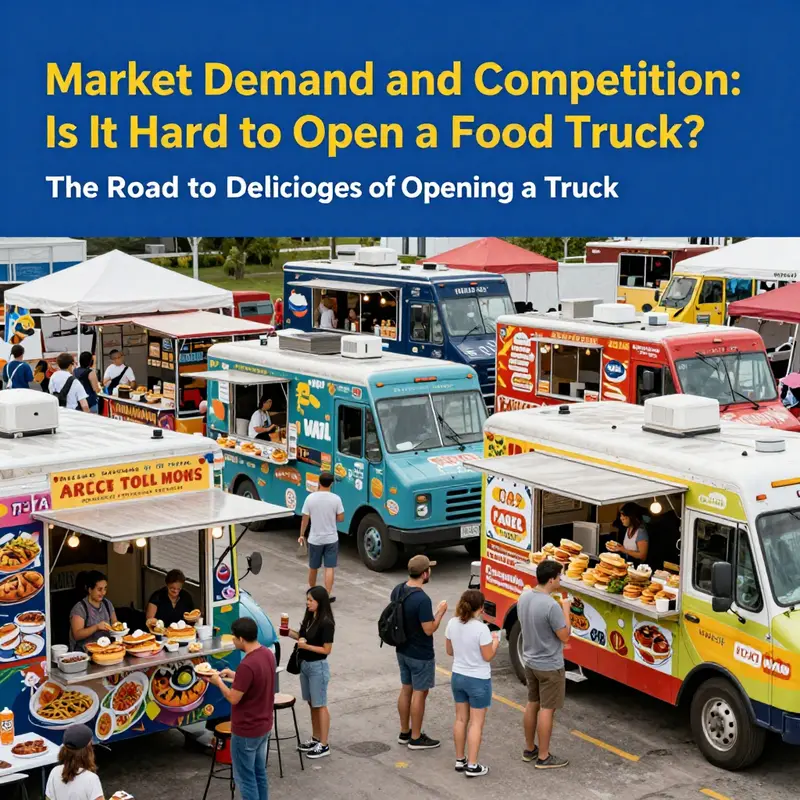
Demand in the mobile food space has shifted from a novelty to a staple of urban life. People crave convenient, varied meals that still feel fresh and, ideally, locally connected to the places they work, study, or socialize. In many markets, the appetite for edible mobility is resilient, with growth signals pointing to a healthy expansion of the sector. Industry observers report an annual growth rate in the neighborhood of six percent, a pace that underscores both opportunity and competition. The appeal is plain: a food truck can deliver flavor, speed, and place-specific appeal without the heavy fixed costs of a brick-and-mortar restaurant. Yet growth does not erase friction. The same dynamics that pull new operators to the curb—the chance to reach high-footfall areas, the ability to test concepts quickly, and the appeal of lower upfront investment—also invite more entrants and heighten the stakes for those already in the field. For anyone considering a first foray, the question is less about whether demand exists and more about how to align a concept with the realities of a crowded market. Understanding demand means reading the room across time and space—recognizing when foot traffic peaks in business districts, near universities, or at festivals; noticing how weather, seasons, and local events shape appetite; and acknowledging that different neighborhoods can demand different menus and service styles. In urban cores, demand can be predictable during lunch hours and evenings, yet highly volatile when a sudden event or weather swing disrupts regular patterns. In suburban corridors, demand may be steadier but thinner, requiring careful route planning and a menu tailored to quick-service needs. Demand also ebbs and flows with demographics. Health-conscious professionals might seek lighter, plant-forward options, while families and festival-goers might crave bold flavors and substantial portions. The operator’s job becomes matching supply to these shifting preferences while maintaining quality, speed, and consistency. The ability to observe, adapt, and scale becomes the distinguishing feature of success in a market that is increasingly attuned to the convenience curve that mobile food brings. Beyond taste, the real test of demand is whether a concept can attract a steady stream of customers across multiple locations and occasions. Here, the intersection of demand with competition matters most. The same city that offers abundant foot traffic also hosts a growing crowd of mobile vendors, each vying for the same precious minutes of a passerby’s attention. In this setting, differentiation is not a luxury; it is a prerequisite. Distinguishing a truck in a busy market involves more than a compelling menu. It requires a story conveyed through branding, a consistent quality experience, and a delivery that feels native to a place and its people. A strong concept is one that translates well across locations and events, rather than one that excels only in a single park or street corner. This is where the practicalities of competition begin to shape strategy. Differentiation can come through several channels: a unique culinary niche that you execute flawlessly, a distinctive visual identity that makes the truck instantly recognizable, or a carefully choreographed logistics plan that ensures reliability even when the weather or the crowd behaves unpredictably. The most successful operators treat location not as a backdrop but as a partner. They study pedestrian flow, proximity to office districts, schools, and nightlife hubs, and they build routes that leverage recurring patterns—weekly farmers’ markets, monthly corporate events, or seasonal fairs—that align with customer habits. Focus on quality acts as a force multiplier in crowded markets. When many devices are charging toward the same goal, customers notice the trucks that consistently deliver taste, freshness, and value. Sourcing plays a pivotal role here. Local ingredients and visible, traceable supply chains can translate into a competitive edge, especially when customers from urban professionals to festival-goers value transparency and sustainability. In many markets, this emphasis on quality becomes a key driver of repeat business, turning first-time visitors into loyal customers who seek out a particular truck because the experience aligns with their values and expectations. The business potential of a well-positioned truck emerges not from a single clever game but from a coherent system that blends planning, branding, and daily execution. Strategic planning is essential. It starts with a clear menu and a defined service model that can be replicated as volumes grow. It extends to understanding local regulations—health codes, licensing, zoning, and parking restrictions—that govern where and when a truck can operate. These rules shape location strategy and, over time, influence a concept’s scalability. In the United Kingdom, for example, operators often contend with a patchwork of requirements, such as food hygiene certification, business registration, and vehicle licensing, alongside local ordinances about where a truck can park and operate. While these hurdles can feel daunting, they are not insurmountable—they simply demand careful due diligence, early preparation, and robust compliance processes. The friction of regulation is a natural counterbalance to growth in any regulated food industry. It acts as a barrier to entry, but it also legitimizes the mobile market in the eyes of customers who seek safety and trust along with convenience. Markets with clear, predictable regulatory frameworks tend to attract more disciplined operators who can deliver a dependable customer experience over time. Alongside regulatory awareness, a vibrant marketing approach matters more than ever. Social media has become a primary conduit for establishing visibility, building a following, and driving foot traffic. A well-crafted presence can turn a single location into a launchpad for a broader network. Customers who learn to anticipate your stops, who follow your menu updates, and who share their experiences with friends are the lifeblood of growth in a crowded field. Yet even with robust marketing, a truck’s success still hinges on the consistency of the daily operation. Reliable staffing, efficient prep and service, and disciplined stock management ensure that demand translates into revenue rather than frustration. Inventory on the move presents its own challenges: perishables, varying supplier reliability, and the friction of maintaining fresh ingredients across multiple locations. This is why many operators treat supply chain discipline as a strategic asset rather than a back-office task. A well-planned stock strategy can prevent spoilage, minimize waste, and protect margins when demand spikes. All of these factors—the demand signals, the competitive landscape, and the operational discipline—combine to form a practical framework for evaluating whether opening a food truck makes sense in a given market. The decision becomes less about chasing every available opportunity and more about selecting a path that aligns with a concept, a location strategy, and a customer base that you can reliably serve. It also means recognizing when to adjust or narrow a concept to fit the market rather than stretching too thin across too many locations. In practice, this often translates into a staged approach: launch with a focused concept in a couple of well-chosen locations or events, measure performance with simple metrics, and scale only when the data supports broader deployment. When considering growth, operators frequently reference a few core questions: Where is the demand strongest, and is it sustainable? What gaps exist in the current market that a new truck can fill without cannibalizing existing players? How can we differentiate through menu design, branding, or location strategy while remaining adaptable to weather and events? And perhaps most crucially, what level of investment, in vehicle, equipment, and compliance, is required to support a scalable model? The answers hinge on thoughtful planning and honest market assessment. They also hinge on one practical lever that often separates winners from the rest: the willingness to align concept with customer expectations while building a brand that communicates reliability and quality. For readers who want a concrete direction, consider how a specific model choice affects the ability to meet demand across locations. The right model can influence everything from preparation space to service speed to the kinds of menus that travel well. Think about it as a toolkit: the truck, the kitchen setup, the menu design, and the route all must harmonize to deliver a consistent experience. If you’re curious about how to map these choices to demand, explore resources that help you compare different truck configurations and their implications for capacity and flexibility. For a practical discussion on selecting the appropriate truck model, you can read more about the process here: Choosing the Right Food Truck Model. In the end, market demand and competition are not obstacles to be defeated but realities to be understood and integrated into your plan. A successful entry recognizes the demand signals, differentiates in meaningful ways, and builds an operation that can withstand the weather, regulations, and seasonal shifts that shape every market. When these elements come together, a food truck line can transform from a hopeful concept into a durable, scalable business that thrives in a crowded, dynamic landscape. For readers seeking a broader perspective on market trends and practical ideas for turning a concept into a thriving venture, an external resource that rounds out the picture is available here: https://www.shopify.com/blog/food-truck-business-ideas.
On Wheels and Under Pressure: The Realities and Success Factors of Opening a Food Truck
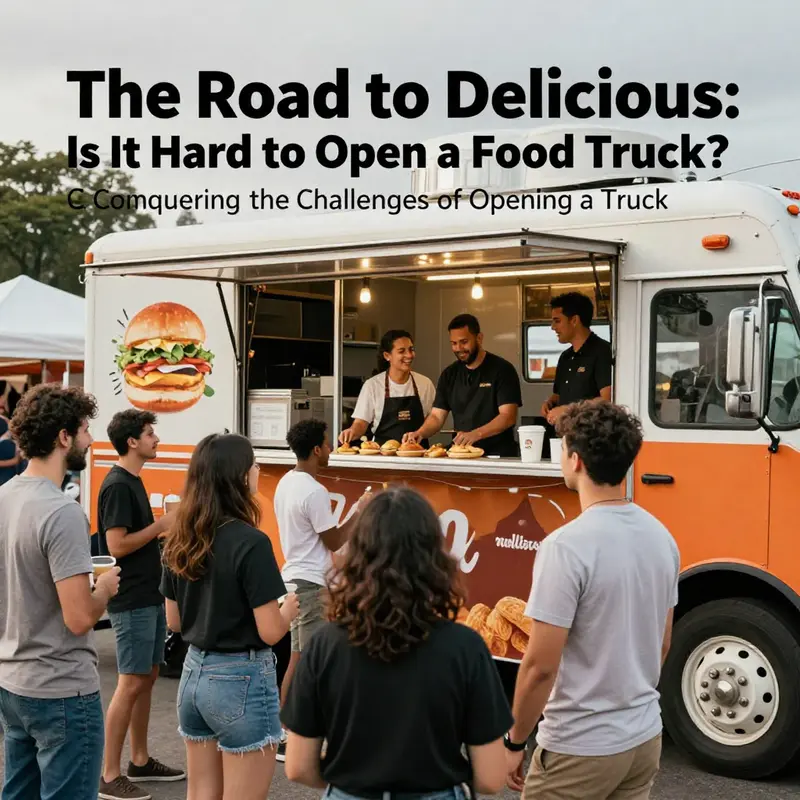
The lure of a food truck is real. It promises momentum instead of a long, brick-and-mortar climb, the chance to chase peak moments of customer energy, and the flexibility to move with the weather, events calendar, or even shifting tastes. Yet the romance hides a practical load of challenges that can turn a clever concept into months of firefighting if you enter unprepared. In many places, including the UK, the appeal sits side by side with a maze of licenses, registrations, and vehicle-specific requirements. A food truck is not simply a kitchen on four wheels; it is a regulated mobile business that must meet hygiene standards, prove consistency, and comply with local rules about where you can operate and when. The initial outlay covers more than a glossy plan and a shiny chassis. You’ll be paying for a suitable vehicle, outfitting it with kitchen gear, and shouldering ongoing insurance, maintenance, and fuel. It’s not unusual for seasoned operators to wrestle with inconsistent supply chains, the headaches of inventory management on the move, and the way weather can hollow out foot traffic. The practical math matters as much as the culinary idea, and it will force you to be precise about every part of the operation, from airflow and waste handling to the cadence of deliveries and the rhythm of service during busy lunch hours.
The regulatory landscape, particularly in the UK, makes this more than a culinary experiment. You will need a Food Hygiene Certificate, typically embedded in a Food Safety Level 2 qualification, to show you understand how to keep food safe from prep to plate. A Food Business Registration is a prerequisite to operate, and if you plan to trade under a name separate from your own, you’ll need to register that trading name with the appropriate agency. If your business structure is a limited company, you must also handle trading-name registration via the Companies House. A vehicle license is often essential when your operation is considered a mobile business, along with local council permissions about where you can park and serve. Each city or town can have its own nuance, which means risk assessment, site scouting, and ongoing liaison with local authorities become a core part of the daily routine. The cost of entry, then, is not only the vehicle and the kitchen equipment, but also the time and resources to understand and navigate these requirements before you turn a single wheel.
That planning burden is balanced by the practicality of starting lean. A food truck lets you pilot a concept with limited risk. You can host pop-up events at public venues or partner with existing venues to gauge appetite without committing to a fixed storefront. This approach lets you observe customer reactions to your menu, test service flow, and refine a concept before sinking funds into a long lease. It’s a form of controlled exposure: you learn what resonates in real time and you adjust quickly. It’s one of the main reasons people choose this route, especially when a strong, repeatable concept can be demonstrated in multiple micro-environments—from office corridors to festival grounds to farmers’ markets. The mobility writes its own kind of intelligence into your brand, enabling you to observe which places deliver the best footfall and how different audiences respond to your price point and your signature dishes.
Competition, however, is never far away in urban spaces. In many markets, prime locations inside a city are scarce and coveted, and new entrants must compete with established operators who already own trust and habitual customer flows. Market differentiation becomes not an optional extra but a survival tactic. From research conducted in recent years, a distinctive, well-delivered menu helps you carve out a niche, but it won’t suffice if you neglect the broader picture. You must map the terrain: who is nearby, what cuisine is underserved, and how your price and value proposition compare. The most successful trucks treat differentiation as a constant discipline rather than a single launch tactic. They invest in a brand identity that travels with them—an aesthetic that communicates quality and a set of talking points that translate into quick, memorable customer interactions. Their marketing is deliberate, not accidental; they cultivate a following on social channels and lean into real-time engagement that reflects the energy of the street food scene.
Culturally, food trucks have demonstrated an enduring appeal. Their mobility makes them agile ambassadors of culinary experimentation. In many markets, they became cultural icons through a pattern of high-quality, inventive offerings that could reach diverse audiences—from office workers seeking a quick, satisfying lunch to festival-goers hungry for a standout experience. The rise of gourmet food trucks after economic downturns has shown that customers are receptive to fresh ideas when they feel that the experience is worth stopping for. But this cultural allure does not relieve the hard work of execution. A strong concept must be matched by a reliable operation. A unique and well-executed menu is essential, but it must be paired with robust branding and disciplined marketing. A truck can turn heads, but it needs to convert attention into repeat visits. The branding must be instantly legible from a distance, the menu must translate well to quick service, and the kitchen workflow must be resilient enough to handle peak times and sudden weather shifts without collapsing.
Operationally, success rests on discipline and foresight. Vehicle maintenance is not glamorous, but it is nonnegotiable. A truck that breaks down during a lunch rush becomes a magnet for lost revenue and frustrated customers. Efficient staffing is another cornerstone. You need people who can multi-task under pressure, keep food safety in the foreground, and maintain the warmth of customer service even when the queue is long. Inventory management on the move is a particular art. You can’t stockpile like a stationary restaurant, so you must establish reliable supplier relationships, predictable delivery windows, and a cadence for restocking that aligns with your service schedule. The best operators treat logistics as a core competence, not an afterthought. They also design risk mitigation into every layer of the plan, from alternate supply options to contingency plans for weather disruptions or event cancellations. In short, every operational decision—where you source, how you schedule staff, how you train for service speed—contributes to a reliable customer experience.
From a strategic perspective, the key to thriving is not merely having a good recipe but building a business that can continuously adapt. A strategic location choice has to blend foot traffic with accessibility, reasonable competition, and an understanding of local ordinances that might affect hours or permissible activities. The idea of a single “best spot” often dissolves into a moving target as crowds change with seasons, events, and even municipal policies. In this sense, the business demands ongoing market research and a willingness to pivot. For those who want to ground this agility in a solid framework, a look at model choice offers practical clarity. Different truck configurations affect kitchen layout, power needs, and licensing footprints, all of which influence cost and capability. A thoughtful exploration of model options—how much equipment you need, how easy it is to retrofit, and how the design impacts service speed—can make the difference between a sustainable operation and a perpetual struggle. A practical way to approach that decision is to consider it as part of a broader planning conversation: what concept are you testing, what scale do you anticipate, and how does the truck shape your ability to reach the right customers at the right times. For readers who want a concrete starting point on this topic, see the guide on choosing the right food-truck model. It provides perspectives on how size, layout, and workflow influence feasibility and cost.
This whole pursuit—concept, compliance, operations, and market dynamics—points toward a central truth: opening a food truck is not simply about good food; it is about building a disciplined, adaptable enterprise that can survive the uncertainties of street-level commerce. Your readiness will be tested by how you blend regulatory compliance with practical execution, how you manage your cash flow to cover both predictable costs and unexpected expenses, and how you create a brand that travels with consistency and credibility. The UK’s regulatory framework reinforces this balance. It demands that you demonstrate safety and competence while also delivering a compelling, reliable customer experience. It is entirely possible to succeed in this space, but the path requires meticulous preparation, a willingness to iterate, and a strategic sense of where to place your truck and when to move it. The journey is real, and the payoff— a thriving, mobile food business—depends on aligning culinary ambition with rigorous planning.
For readers seeking structured guidance applicable to the UK, the official framework provides a comprehensive starting point that maps out the essential steps, from registrations to hygiene practices and ongoing compliance. Understanding this resource can help you frame the earliest decisions with clarity and reduce costly missteps as you move from concept to operation. If you’re curious about how to translate a promising menu into a durable, compliant operation, it’s worth exploring further guidance on the path to launch and growth. A practical way to begin is to consider the model you’ll employ and how it shapes costs and capabilities—an area covered in resources like Choosing the right food-truck model. The journey then continues with hands-on planning, supplier relationships, and an ongoing feedback loop with customers as you refine your offering. The end result is not a single moment of launch but a continuously evolving business on wheels.
In sum, success hinges on a blend of ingenuity and discipline. The initial temptations of lower overhead and mobility must be matched with a robust understanding of regulatory requirements, a strategic menu, and a plan to navigate a competitive landscape. If you approach the venture with a clear road map—one that anticipates licensing, location strategy, and the practicalities of on-the-move service—you can convert the dream of a food truck into a sustainable, adaptable enterprise that can thrive in varied places and seasons. For ongoing, practical insights, consider consulting official guidelines and industry resources, and remain prepared to adjust course as you gather data from real-world operations. The wheels turn fastest when your planning is precise, your operations are resilient, and your brand resonates with customers wherever you roll.
External resource for regulatory guidance: you can consult the official UK guidance on starting a food business for up-to-date requirements, hygiene standards, and best practices for mobile operations like food trucks at https://www.food.gov.uk/business-guidance/starting-a-food-business.
Final thoughts
Opening a food truck is a journey filled with obstacles, yet it is also immensely rewarding for those who blend creativity with practical planning. By understanding and tackling the regulatory environment, financial commitments, logistical details, market dynamics, and the keys to success, aspiring food truck owners can smooth the launch and increase their chances of success in this thriving industry.