In the bustling world of food trucks, standing out from the crowd often feels like an uphill battle. With countless mobile kitchens vying for attention, a strong and recognizable brand is essential for success. While digital tools and automation can streamline operations and enhance outreach, the heart of a thriving food truck business lies in its people. To truly carve out your niche in this competitive industry, it is vital to invest in people over digital tools. Building genuine connections with your customers, training staff to provide exceptional service, and establishing a cohesive team culture can elevate your brand beyond mere transactions. As we dive deeper into effective branding strategies, let’s explore how focusing on human capital not only enriches your food truck’s identity but also fosters loyalty and community engagement.
The Importance of Strong Brand Identity for Food Trucks
A well-defined brand identity fosters customer loyalty, ensuring sustainable success in a competitive market landscape.
The Importance of Strong Brand Identity for Food Trucks
A well-defined brand identity fosters customer loyalty, ensuring sustainable success in a competitive market landscape.
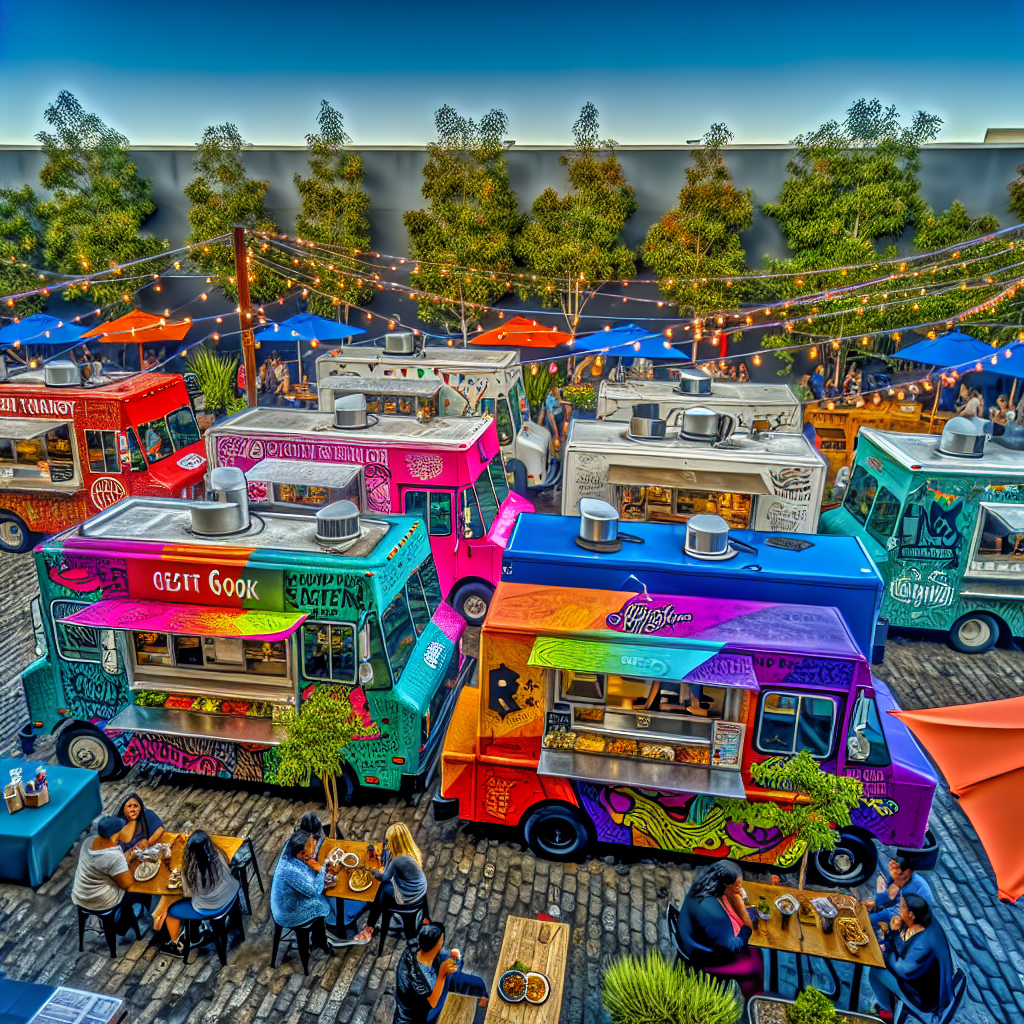
Differentiating Your Food Truck
In the competitive world of food trucks, establishing a unique identity is crucial. A key step in differentiating your brand is identifying your Unique Selling Proposition (USP). This USP should clearly state what makes your food truck special. It could be a specific style of cuisine, signature dishes, or an innovative service model like a pop-up experience or chef collaborations. Whatever it is, it’s important that your USP resonates with your target audience to attract and keep customers.
Company culture also plays a big role in brand differentiation. A food truck that creates a positive and inclusive work environment reflects this culture in its interactions with customers. Your staff becomes your brand ambassadors, shaping how clients view your truck. Happy employees often create happy customers, leading to goodwill and loyalty in the community.
Using digital innovation can also help your food truck stand out. Utilizing social media for marketing and customer interaction enhances the customer experience. Engaging content like behind-the-scenes cooking videos or customer testimonials keeps your audience excited.
Additionally, digital tools streamline operations. Apps for ordering and customer feedback can improve efficiency and show your food truck is modern and customer-focused. As you use digital innovation for engagement, always seek customer feedback to improve your menu, services, and overall experience.
A strong USP, a positive company culture, and effective digital strategies will not just differentiate your food truck. They will also build lasting connections within your community, ensuring long-term success.
Insights from Industry Experts on Investing in People
Industry experts consistently emphasize the need for food truck businesses to prioritize their human resources alongside the implementation of digital tools. Tyler Johnson, an expert in the field, stated, “While social media and apps are important, the real brand is built by the people serving customers daily. A friendly face and memorable interaction will bring customers back far more effectively than any digital coupon” (FoodTruckEmpire, 2022). This sentiment echoes across the industry, highlighting that the personal touch offered by employees can significantly influence customer loyalty.
Maria Rodriguez, a food truck owner, reinforced this idea when she remarked, “You can have the best POS system and Instagram strategy, but if your team isn’t engaged, passionate, and well-trained, your brand suffers” (Street Food Magazine, 2023). This points to the value of investing in staff training and development as a way to cultivate a dedicated workforce that enhances the brand experience.
Moreover, branding consultant David Lee noted, “In an industry as personal as food trucks, investing in people isn’t just an option—it’s a necessity” (QSR Web, 2021). Lee’s insights are a reminder that while digital automation can improve operational efficiency, it lacks the ability to forge genuine connections that a well-trained and passionate team can create.
This perspective is essential in navigating the challenges of modern business, where human engagement is often what sets a brand apart.
References
The Role of Customer Engagement Strategies in Building Brand Recognition
Engaging with customers effectively is essential for building a recognizable food truck brand. By investing in customer engagement strategies, food truck owners can create meaningful connections that foster loyalty and increase brand visibility.
Loyalty Programs
Loyalty programs have become increasingly important in retaining customers and improving brand recognition. Research from Bond Brand Loyalty indicates that consumers are 75% more likely to recommend a brand with an effective loyalty program, transforming satisfied customers into brand advocates. For instance, Starbucks’ loyalty program claims to contribute over 50% of total sales, highlighting how strategic rewards can boost customer engagement significantly. Personalized offers within these programs can enhance participation by 45%, ensuring that customers return for more. These statistics underscore the value of implementing a tailored loyalty program within a food truck operation to nurture repeat business.
Community Involvement
Active participation in local community initiatives also enhances brand recognition and goodwill. Forbes reports that 77% of consumers prefer brands that engage in community efforts, leading to a remarkable 40% increase in brand recognition. Food trucks that participate in local events or support charitable causes can build genuine connections with their customers and the community. For example, brands like Patagonia have leveraged their commitment to local initiatives to enhance trust and foster loyalty among consumers. This community-focused approach can boost customer lifetime value, making it a worthwhile investment for food truck operators.
Social Media Presence
A strong social media presence is crucial for engaging customers in today’s digital age. Research from Sprout Social shows that 78% of consumers are more likely to remember a brand with a robust social media strategy. Engaging content, such as behind-the-scenes posts and customer interactions, can enhance recall rates by up to 50%. Brands like Nike utilize interactive campaigns to drive engagement, creating a vibrant online community that reinforces their brand identity.
In conclusion, implementing effective customer engagement strategies such as loyalty programs, community involvement, and an active social media presence is essential for food trucks aiming to build a recognizable brand. Each strategy not only enhances customer retention but also weaves a network of loyal advocates that can drive long-term success. By investing in these approaches, food trucks can thrive in a competitive atmosphere, establishing themselves as cornerstones in their communities.
| Engagement Strategy | Statistic | Impact |
|---|---|---|
| Loyalty Programs | 75% more likely to recommend a brand with an effective program | Transforms satisfied customers into brand advocates |
| Community Involvement | 77% of consumers prefer brands involved in community efforts | Leads to a 40% increase in brand recognition |
| Social Media Presence | 78% of consumers are more likely to remember a brand with a robust social media strategy | Enhances recall rates by up to 50% with engaging content |
| Branding Strategy | Cost Range | Expected Returns |
|---|---|---|
| Traditional Advertising | $1,000 – $5,000 | Increased brand visibility and awareness |
| Social Media Marketing | $500 – $2,000 | Higher customer engagement and loyalty |
| Event Sponsorships | $2,000 – $10,000 | Direct interaction with customers, brand recognition |
| Printed Collateral (Menus, Flyers) | $200 – $1,500 | Physical reminders of brand; potential increased visits |
| Website Development | $1,000 – $8,000 | Online presence, customer reach, and orders |
| Loyalty Programs | $250 – $1,000 | Increase in repeat customers and referrals |
| Digital Ads (PPC, Social) | $300 – $5,000 | Targeted reach, measurable results, increased traffic |
Conclusion
In the vibrant and competitive food truck industry, building a recognizable brand extends beyond flashy marketing tactics and digital tools. While automation and digital strategies can enhance efficiency and outreach, the core of any successful food truck lies in its people. Investing in staff training, fostering a positive company culture, and prioritizing meaningful customer interactions create lasting bonds that resonate with patrons.
When employees are engaged and empowered, they become authentic brand ambassadors, driving loyalty and community support. As the saying goes, it is a long game; nurturing human connections rather than relying solely on technology paves the way for sustainable growth.
Therefore, to carve out a successful niche in this bustling market, food truck owners must acknowledge that true brand recognition comes from the heart, emphasizing a people-first approach as a long-term strategy for success. The investment in people ultimately fosters a richer experience for customers, ensuring that your food truck stands out not just for its offerings but for the passion and dedication behind every dish served.
Creating a recognizable brand is not just about eye-catching designs or catchy slogans; it revolves around meaningful connections that resonate with your audience. In a crowded market, food trucks must cultivate an identity that reflects not only their culinary offerings but also their story and values. By fostering authentic relationships with customers, food truck operators can differentiate themselves from competitors. This is where the human element plays a pivotal role. Staff who genuinely connect with customers leave lasting impressions; a smile or a passionate recommendation can make all the difference in the dining experience.
Furthermore, involving your food truck in the local community enhances brand recognition and builds goodwill. Participating in events, supporting local charities, and collaborating with neighboring businesses showcase a commitment to the community that customers appreciate. These initiatives turn patrons into advocates, as people are more inclined to support brands that contribute positively to their locale. Hence, it is vital for food truck businesses to embrace such connections as integral components of their branding strategy. As your brand grows more recognizable, it will not just stand out for its food but also for its genuine engagement and connection with the community.
Insights from Industry Experts on Investing in People
Industry experts consistently emphasize the need for food truck businesses to prioritize their human resources alongside the implementation of digital tools. Tyler Johnson, an expert in the field, stated, “While social media and apps are important, the real brand is built by the people serving customers daily. A friendly face and memorable interaction will bring customers back far more effectively than any digital coupon” (FoodTruckEmpire). This sentiment echoes across the industry, highlighting that the personal touch offered by employees can significantly influence customer loyalty.
Maria Rodriguez, a food truck owner, reinforced this idea when she remarked, “You can have the best POS system and Instagram strategy, but if your team isn’t engaged, passionate, and well-trained, your brand suffers” (Street Food Magazine). This points to the value of investing in staff training and development as a way to cultivate a dedicated workforce that enhances the brand experience.
Moreover, branding consultant David Lee noted, “In an industry as personal as food trucks, investing in people isn’t just an option—it’s a necessity” (QSR Web). Lee’s insights are a reminder that while digital automation can improve operational efficiency, it lacks the ability to forge genuine connections that a well-trained and passionate team can create.
This perspective is essential in navigating the challenges of modern business, where human engagement is often what sets a brand apart.