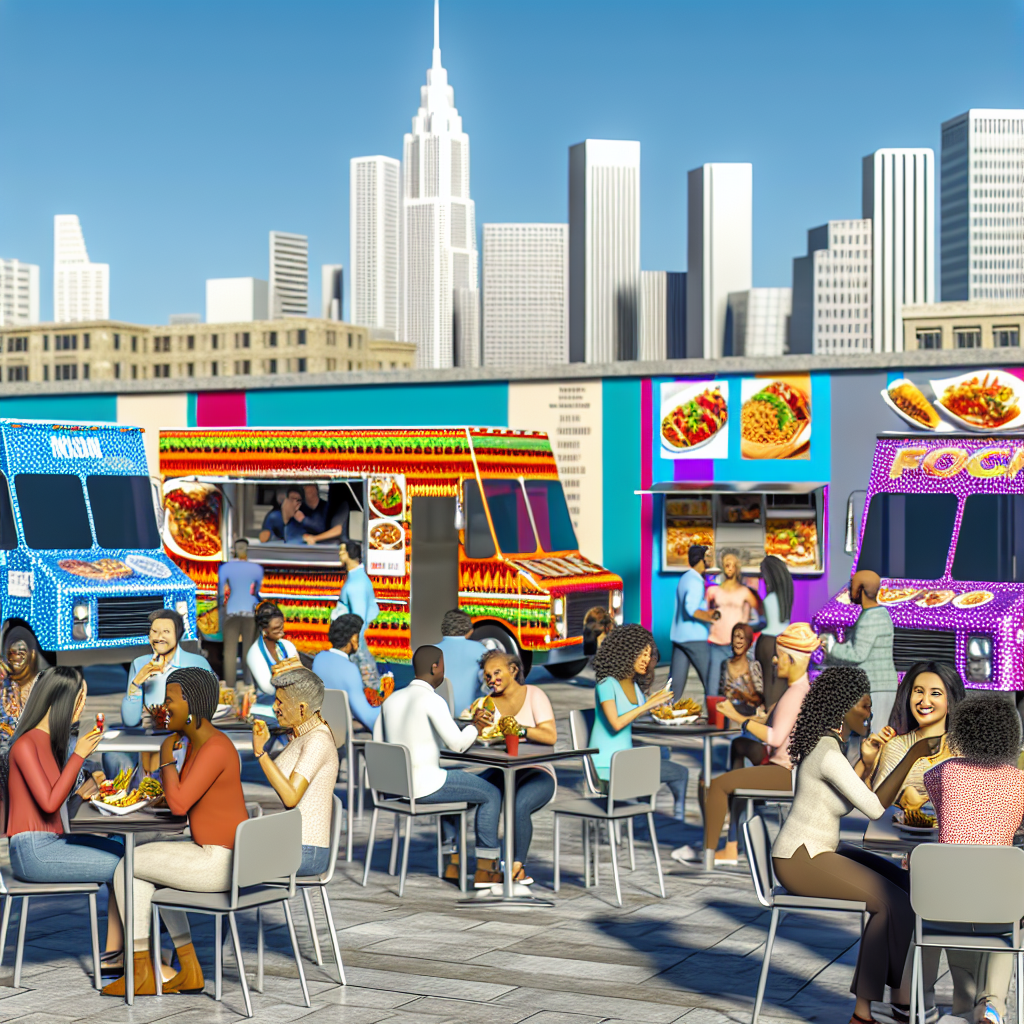
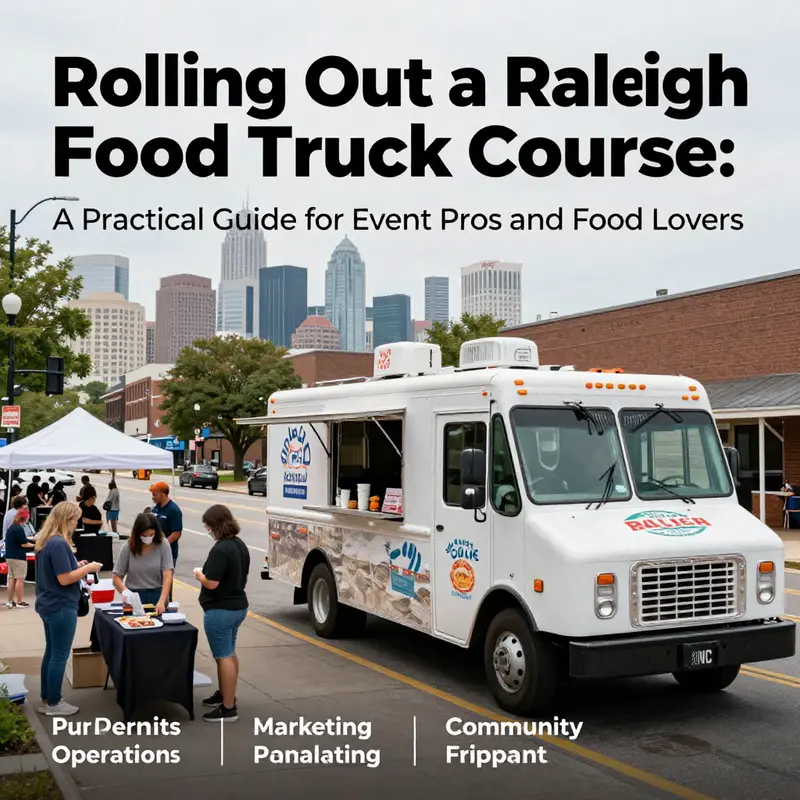
Raleigh’s vibrant street-food culture is the perfect backdrop for a structured food truck course. Whether you’re an event planner coordinating immersive tasting experiences, a corporate HR or admin team building in the kitchen, a local community group seeking hands-on entrepreneurship, or a curious individual hungry for culinary business skills, this guide offers a practical blueprint. The journey unfolds across four chapters that connect the dots between regulatory realities, kitchen operations, staffing, and savvy outreach. You’ll see how to translate a bold idea into a compliant, market-ready program—from navigating health and mobile vending permits in Raleigh to designing a hands-on curriculum, sourcing equipment, assembling a capable team, and crafting a compelling marketing plan. Each chapter builds on the last, weaving together audience needs, local regulations, and real-world logistics. By the end, you’ll have clarity on scope, required permits, essential gear, budgeting, and how to present your course to partners and participants. Ready to roll? Let’s explore how Raleigh’s dynamic food scene can become an accessible, community-driven learning experience.
Chapter 1: Charting Raleigh Roads to a Food Truck Course — An Immersive Overview and Practical Objectives
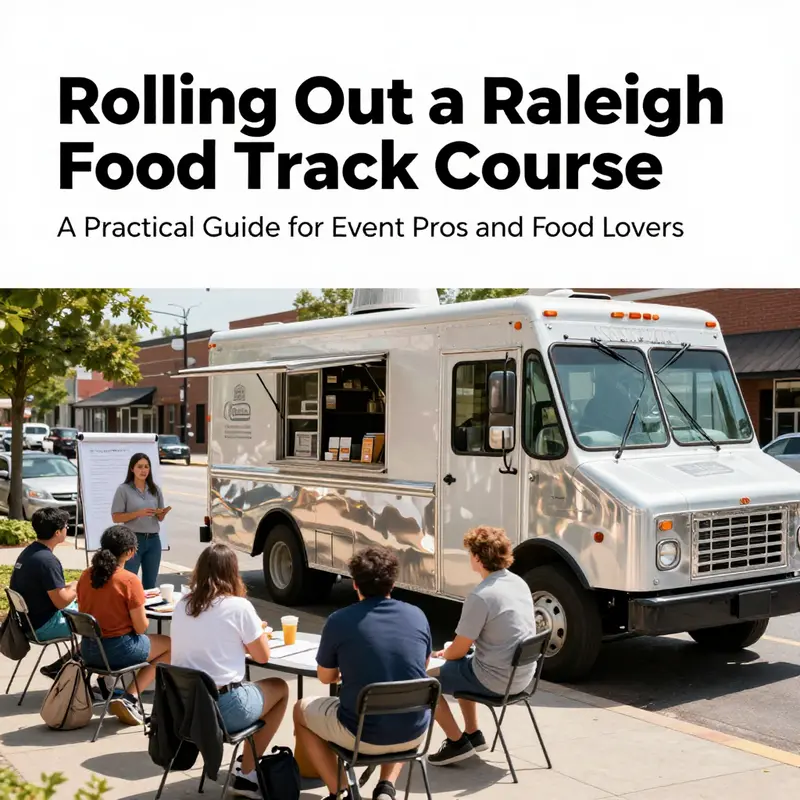
Raleigh is more than a city with bright buffers of white noise from a bustling business district; it is a place where open skies meet a crowd hungry for new flavors, quick service, and local stories told through food. A course that teaches how to start a food truck in Raleigh, NC sits at the intersection of craft and compliance, of kitchen creativity and city code. It invites would-be operators to transform a dream into a mobile kitchen that can move with a season, a festival, or a busy Thursday night. The aim of this chapter is not merely to recite a checklist but to anchor learners in a practical mindset. It blends strategic thinking with the tactile realities of Raleigh’s regulatory landscape, ensuring that participants emerge with a coherent plan and a lucid path forward. The result is a course that does more than illuminate steps; it builds confidence by weaving the city’s rules, markets, and opportunities into a single, navigable route from concept to street corner success.
To begin, a solid business plan sits at the core of any launch. A course that centers Raleigh-specific realities must encourage a clear concept, an anchored menu, and a realistic sense of where in the city the truck will operate. Local density of foot traffic, proximity to office clusters, university campuses, and event calendars all influence menu design and pricing. In Raleigh, where residents prize fresh ingredients and regional flavors, the plan should emphasize local sourcing, seasonal rotations, and a brand narrative that resonates with the city’s diverse neighborhoods. A well-crafted business plan acts as the compass; it serves both as a blueprint for the first year of operation and as a tool to attract potential partners, investors, or lenders. And because the city’s regulatory framework is explicit about what operates where and when, the plan should also map permit timelines, insurance requirements, and compliance milestones alongside financial projections.
Students walk through the core structure of the enterprise as if sketching a blueprint for a street-legal kitchen on wheels. The concept must be simple enough to execute without sacrificing texture, aroma, and identity. The course emphasizes menu development not as an isolated culinary exercise but as a module tightly coupled with cost, storage, and hot health realities. A Raleigh menu should maximize efficiency without dulling personality. It should leverage local ingredients and celebrate a point of view that can be delivered quickly and consistently in a mobile format. When budgeting, learners align ingredient costs with predicted portions, taking into account waste, boil-overs, and the inevitable variability of a street environment. This is where a realistic pricing model, coupled with a robust marketing plan, can make the difference between a cash-flow obstacle and a thriving operation.
Choosing the right business structure is the next critical turn on the route. In Raleigh, an LLC is often recommended for food trucks because it provides liability protection while keeping management flexible enough to adapt to evolving city requirements. The course emphasizes the practical consequences of each option—how ownership, tax treatment, and personal exposure interact with a mobile business that must meet health, safety, and fire codes. Learners practice outlining the implications of a sole proprietorship versus a partnership, an LLC, or a corporation, then translate those implications into a concrete decision sheet that mirrors their growth trajectory. The objective is not to prescribe a single path but to illuminate the tradeoffs clearly so a participant can choose with confidence, knowing how the structure will support or constrain future expansion, partnerships, and financing.
Registration and licensing are not merely administrative hurdles; they are the gateways through which the city signals trust, accountability, and safety. The course integrates a practical journey through Raleigh’s and North Carolina’s official channels. To register a business in North Carolina, one begins with naming the venture, verifying availability with the state, and completing the Secretary of State filing when necessary. An Employer Identification Number from the IRS is indispensable for payroll taxes and formal reporting, and it becomes the machine that powers banking relationships, supplier accounts, and insurance premiums. The course uses a hands-on exercise: learners draft a mock filing packet, check name availability, and annotate a calendar that marks each step toward issuance of a business license. The emotional payoff comes when the class surveys the timeline and sees the path from a fledgling idea to a legally operating entity begin to take shape.
Permits and licenses, however, are the practical hinges that connect a concept to the street. A food service establishment permit from the state health department ensures a kitchen meets stringent sanitation standards. In Raleigh, this process is complemented by a local business license and a mobile food service permit that governs where and when a truck may operate. The course walks through the layers of compliance, stressing that a well-prepared operation will pass health inspections with flying colors. This emphasis on sanitation and safety is not mere ritual; it is an assurance to customers and a foundation for consistent quality. Learners study equipment layouts, food storage, waste disposal practices, and cold-chain integrity as part of the health-inspection readiness. The chapter frames health compliance as a business advantage—well-run systems minimize downtime, avoid closures, and enable smoother service during peak hours.
Insurance, too, deserves the spotlight. The course treats insurance not as a line item to be checked off but as a strategic instrument that aligns with risk management. General liability, property, and auto coverage protect the vehicle, the crew, and the recipes that draw people to Raleigh’s streets. Learners simulate insurer conversations, compare quotes, and compile a risk register that maps potential incidents to preventative measures. This practice demystifies the cost of risk and helps students forecast annual expenditures with greater accuracy. A well-insured operation can secure better terms from lenders and vendors, creating a virtuous circle wherein protection supports growth.
With the legal and financial groundwork in place, the course turns to the tangible side of launching. Finding a mobile unit—either purchasing a used truck or leasing one—becomes a logistical puzzle rather than a purely technical decision. The practical emphasis lies in understanding how equipment configuration affects menu feasibility, service speed, and cleaning routines. The learning pathway includes a candid review of kitchen layouts, refrigeration needs, ventilation, and fire-suppression systems. The goal is to empower students to evaluate candidates against a checklist that aligns with their culinary concept and service model. An essential skill the program cultivates is the ability to negotiate with vendors, lenders, and lessors who recognize Raleigh’s demand for reliable, compliant, and safe mobile kitchens. This process is reinforced by case studies and expert interviews that illustrate how real operators adapted to shifting regulations or scaled their fleets in response to community events, farmers markets, and college town rhythms.
Market visibility becomes a core driver of success as the course transitions from back-end readiness to front-end engagement. Branding on wheels demands a clear identity that can travel across neighborhoods and neighborhoods’ many micro-communities. Participants build a brand narrative that respects Raleigh’s culture while leaving room for evolution. They learn how to craft a story that resonates with local diners—stories of sourcing, of time-honed recipes, and of service that feels personal rather than transactional. The marketing module pulls in modern tactics: a consistent social presence, engagement with community events, and strategic partnerships with other local businesses. The aim is to cultivate a presence that travels with the truck, turning chance encounters into repeat visits. The course coaches learners to track their marketing ROI, test different messages, and refine their outreach to align with the city’s diverse audiences.
Operational excellence bridges the initial setup with ongoing performance. The chapter emphasizes the practical mechanics of daily life on the road: inventory management, cash flow, scheduling, and staff training. ServSafe or equivalent food-safety certifications for team members are not just credentials; they are assurances to customers and a barometer for the team’s competency. The course integrates a hands-on module on crew readiness, ensuring those who operate with the truck know how to maintain cleanliness, calibrate cooking times, and communicate effectively during rushes. A lean operating model is encouraged: minimize waste, maximize yield, and keep the pace steady without compromising quality. Learners develop a simple but robust standard operating procedure for service that can scale with growth, then translate it into a practical training plan for any future hires. This approach keeps the focus on sustainable operations rather than episodic bursts of success.
The Raleigh landscape offers a dynamic testing ground for a new food truck, and the course uses that to its advantage. Local zoning and parking rules shape where the truck can legally stand, how long it can stay in a given spot, and how noise, waste, and traffic interplay with neighbors. The chapter avoids presenting these constraints as barriers and instead frames them as opportunities to design smarter routes, optimize hours, and partner with venues or organizers who want mobile cuisine as a draw. Learners practice mapping a weekly schedule that balances peak demand with regulatory windows, while still leaving time for maintenance, restocking, and community engagement. The endgame is a mobile operation that feels seamless to customers, that respects the city’s rhythm, and that can adapt to the season without losing its distinctive flavor.
Within this immersive framework, the course builds in a resource network. A curated set of local experts—health inspectors, city planners, reputable lenders, and seasoned operators—provides practical guidance and feedback. The aim is to give learners an insider’s view of how Raleigh’s machine runs, so they can anticipate snags and respond with grounded judgment. The narrative of the course remains forward-looking: what does a thriving Raleigh food truck business look like in year two, year five? How do you recalibrate a menu to reflect shifting tastes, new festival lines, or changing health codes? The chapter keeps the focus on process, not just product, because the most resilient operators are those who can translate culinary talent into a reliable, legally compliant, and financially sound venture.
For readers seeking a direct path to deeper regulatory clarity, the course consciously integrates a practical pointer to official resources. A dedicated section encourages learners to consult the City of Raleigh’s Mobile Food Vending guidelines, which lay out the exact requirements, forms, and contacts for licensing and permitting. This reference is designed to prevent detours caused by outdated interpretations or assumptions about local rules. By linking theory to the actual procedures, the chapter reinforces a culture of due diligence and professional respect for the city’s regulatory ecosystem. As learners progress, they develop a habit of verifying details through authoritative sources, knowing that state and city agencies periodically update rules to reflect new food safety science, urban planning goals, and community feedback. This habit is not hesitation; it is a shield against costly rework and a lever for smoother expansion.
Throughout the narrative, the course keeps a steady emphasis on practical outcomes. Learners are encouraged to treat Raleigh as a living laboratory where every permit application, every menu test, and every service shift is a data point. They are asked to maintain a living document—a dynamic plan that records lessons learned, recipes tested, suppliers contacted, and the outcomes of marketing experiments. The goal is not to produce graduates who memorize a static protocol but to cultivate operators who can read a shifting cityscape, respond with creative and compliant solutions, and maintain a sustainable pace that honors both the craft and the customers they serve.
To enrich the learning experience, the chapter invites engagement with a resource that dives into the broader terrain of industry regulations. Learners can explore additional guidance on navigating food truck industry regulations through a carefully chosen internal link that compiles practical insights and real-world scenarios. See the linked resource for a deeper dive into the regulatory landscape and how seasoned operators interpret and respond to it in daily practice. Navigating food truck industry regulations.
As the chapter closes, it becomes clear that starting a food truck in Raleigh is less about a single moment of ignition and more about a disciplined journey. It is about building a business that respects the city’s policies while delivering a product that delights people on the street. It is about planning for the long haul by translating culinary curiosity into a structured, scalable operation. It is about turning a canvas of mobility into a reliable platform for creativity, community, and sustainable commerce. The pathway charted here invites every learner to imagine a future where their food truck becomes a recognizable, beloved fixture in Raleigh’s vibrant food scene. The chapter leaves the reader with a practical sense of direction and a robust toolkit—one that blends planning, regulatory literacy, market strategy, and day-to-day discipline into a coherent route from idea to ongoing success.
For up-to-date, city-specific requirements and forms, learners are encouraged to consult the official City of Raleigh information hub. The site provides the latest guidance on mobile food vending, including application processes, fees, and contacts. Access to these resources helps ensure that courses stay grounded in current reality and that graduates leave with not only ambition but also credible, actionable steps to launch and sustain a food truck venture in Raleigh.
External resource: For current regulations and official guidance, refer to the City of Raleigh’s business services platform at https://www.raleighnc.gov.
Chapter 2: Charting Raleigh’s Regulatory Route to Launch a Food Truck Course — Permits, Health, and Zoning in Practice
A food truck course in Raleigh begins not with a menu but with a map. The city sits inside Wake County, and every bite you serve travels a network of rules designed to protect public health, ensure fair competition, and maintain orderly streets. For students in a Raleigh-based program aimed at building successful, compliant mobile kitchens, understanding this regulatory landscape is as essential as learning to balance a punchy menu with steady cash flow. The journey from concept to rolling kitchen moves through a sequence of registrations, permits, inspections, and ongoing compliance, each tethered to a different agency and a different kind of standard. The chapters of that journey unfold like a well-planned route: start with a lawful business foundation, then secure the health and safety supports that let you operate with confidence, and finally align zoning, parking, and commissary requirements so your operation can grow without friction. To frame this journey, it helps to think about three interconnected layers: the state-side framework that sets the ground rules, the city- and county-level licenses that allow you to operate, and the practical infrastructure—like a licensed commissary and reliable waste management—that turns a vehicle into a compliant kitchen on wheels.
If you’re building a course around Raleigh’s system, begin with a narrative that anchors students in both the why and the how. Why these rules exist and how they shape every decision from truck design to serving hours. That framing makes it easier to explain the sequence of steps and the rationale behind each requirement. The practical takeaway for a trainee is clear: success in Raleigh hinges on preparation, documentation, and ongoing demonstrations of cleanliness, safety, and accountability. The path begins with business formation and tax considerations, then moves to health and safety permits, and concludes with zoning, parking, and the all-important commissary requirement. Along the way, students learn to anticipate inspections, prepare for renewals, and build a brand that signals trust as loudly as a sizzle sound off a grill.
Consider the regulatory layers as a fixed structure you cannot circumvent, but you can navigate with a well-planned detour strategy. The first anchor is business registration. Regardless of the chosen legal form, a food truck venture in Raleigh typically starts by registering the business with the state, and then securing a local business license. In Raleigh, the city’s licensing division handles the local business license process. This step confirms that your venture is recognized as a legitimate business entity, enabling you to open a bank account, hire staff, and integrate with tax collection systems. The next anchor is the tax backbone. In North Carolina, sales tax collection is a core part of operating a prepared-food business, and a sales tax permit from the state Department of Revenue ensures you can legally collect and remit tax. The online registration pathway is straightforward, but it requires careful attention to where your sales occur and how you categorize your offerings. In the classroom, students practice mapping a menu’s components to tax rules, learning how different items might trigger different tax treatments and how local jurisdictions can adjust the overall rate.
With the business and tax framework in place, Raleigh’s health and safety landscape takes center stage. A mobile food operation is subject to a health permit that confirms the vehicle, its equipment, and its operations meet public health standards. In Raleigh, the health department’s environmental health division requires a completed plan, including the layout of the truck, the placement of cold and hot storage, the method of waste disposal, and the provision of clean, potable water for handwashing and food preparation. Before a single cart can roll, the kitchen on wheels must pass a health inspection. That inspection assesses everything from temperature control and cross-contamination prevention to the maintenance of the vehicle and the sanitation of surfaces. The goal is not to catch you failing, but to ensure every unit in the field can consistently keep food safe from preparation to service.
A crucial concept that often confuses newcomers is the commissary requirement. Raleigh’s model uses a central base facility—a licensed commissary—that mobile vendors must use for activities like washing equipment, storing supplies, and sometimes even food preparation beyond basic assembly. The idea is straightforward: it provides a regulated, shared space that ensures proper sanitation, waste handling, and reliable access to potable water and waste disposal. The distance constraint is part of that safeguard: the commissary should be reasonably close to the truck’s operating area, making daily routines practical while maintaining hygiene and safety. In a classroom setting, students explore mock commissary layouts, learn how to evaluate whether a facility can support their truck’s workflow, and discuss the implications of distance requirements for route planning and event scheduling. This exercise translates theory into the real-world nuance of daily operations and campus-to-market cycles.
Zoning forms another essential polygon in Raleigh’s regulatory mosaic. The city’s zoning ordinance designates where a food truck may park, move, and operate. In practical terms, this means understanding whether a given lot or street is in a zone that permits temporary food service uses, and what conditions apply. The rules typically address parking proximity to residences, the need to avoid blocking sidewalks or driveways, and a prohibition on conflict with nearby, similar offerings. A chapter in the course would walk students through a zoning map, demonstrating how to locate permissible operating streets near a university, a business district, or a transit hub. Students practice translating zoning classifications into permit paths, learning to identify what additional approvals might be needed for high-traffic areas or special events. The overarching lesson is that compliance touches every location decision, from a weekday lunch spot to a weekend festival.
One practical thread that threads through all of Raleigh’s rules is the interplay between health compliance and the vehicle’s design. The vehicle itself becomes a moving code: it must accommodate a ready-to-eat area, a clean and organized workflow, appropriate waste management, and a handwashing setup with potable water. The classroom exercises can center on a vehicle blueprint that demonstrates how a base layout supports health standards while allowing efficient service during peak hours. This is not merely about avoiding penalties; it’s about building a resilient operation that can scale—from a single food truck to a small fleet serving neighborhoods and events across the region. And because Raleigh often hosts events in public spaces, the course should include how to coordinate with event organizers, secure permits for temporary locations, and schedule around school meals, farmers markets, and seasonal fairs. The broader objective is to teach students how to align a compelling culinary concept with a robust regulatory backbone, ensuring consistency in quality, safety, and customer experience.
To connect theory with practice, the course also looks outward to the wider regulatory ecosystem that touches Raleigh. North Carolina’s health and safety mandates operate at the state level but are administered through local health departments. The state provides overarching guidelines on mobile food units, while local agencies implement inspections, licensing, and enforcement. Students learn how to gather the necessary local contacts, prepare the documentation, and maintain ongoing communication with inspectors to preempt issues. They study how to organize temperature logs, equipment maintenance records, and cleaning schedules so that audits become a routine, not a crisis. The emphasis is on building habits that support reliability and trust, since the public health framework rewards transparency and consistency more than speed alone.
Another layer is the licensing ecosystem that ties into the financial engine of the business. In Raleigh, after you secure the health permit, you still must navigate the city’s licensing and business registration processes. In many cases, this includes securing a city business license and confirming that your vehicle and operation meet any local parking and standby requirements. The end-to-end process also includes aligning insurance needs—general liability and vehicle coverage—to protect the business and its people. A well-designed curriculum discourages the notion that compliance is a one-off hurdle. Instead, it presents compliance as a core competency—one that supports risk management, access to capital, and the ability to operate across diverse neighborhoods and events. When students understand how a permit, a plan, and a policy work together, they gain the confidence to negotiate with landlords, event organizers, and health inspectors with clarity and poise.
It is also helpful to acknowledge the broader state and regional provisions that influence Raleigh’s approach. North Carolina’s Department of Health and Human Services outlines mobile food unit guidelines and access to a range of resources for operators. The North Carolina Department of Agriculture and Consumer Services runs its own Mobile Food Unit program to extend healthy options into communities with limited access to traditional groceries. While these state-level programs sit outside the city’s direct permit workflow, they shape the environment in which Raleigh vendors operate. For students, this is a reminder that what happens in Raleigh is part of a larger system where public health priorities, agricultural policy, and rural-urban food access intersect.
Within the course, the structure of a successful Raleigh food truck program in practice is not just about acquiring permits but about building a culture of compliance. It requires a disciplined approach to documentation, ongoing staff training, and routine self-audits. The chapters can include simulated inspections where students role-play as inspectors and operators, trading places to understand the tensions between operational efficiency and safety constraints. The aim is to foster an mindset that sees health, safety, and zoning as enablers of growth rather than obstacles to be endured.
To bring the Raleigh experience to life, instructors can weave in location-specific scenarios—for example, planning a route that serves a downtown office district during lunch, a university campus during a game day, and a neighborhood festival on a weekend. Each scenario tests different permit requirements, parking rules, commissary access, and waste disposal logistics. The course can also incorporate a practical field exercise: a guided visit to a licensed commissary or a local health department office to expose students to the workflow of permit applications, inspection checklists, and the critical document trail that accompanies every successful operation. In addition, students gain insight into the importance of selecting a vehicle layout that aligns with Raleigh’s health codes and zoning constraints, a choice that will influence menu design, service speed, and the locations where the truck can operate.
In documenting these lessons, the narrative should stay practical and grounded. The goal is not to overwhelm learners with jargon but to illuminate how each decision—whether to locate near a certain zone, whether to operate only during daylight hours, or how to manage waste streams—affects the business model. The chapter should emphasize the rhythm of compliance: planning, documenting, inspecting, adjusting, and renewing. It’s a cycle that repeats as the business grows, as new permits come due, and as the operator expands to new territories within the Raleigh area. The ability to manage that rhythm is what distinguishes a culinary concept with real staying power from a one-off street food sensation.
For those assembling the course materials, a compact repository of core references can anchor each module without bogging learners down in paperwork. The City of Raleigh’s guidance on mobile food vending, and the state health department’s mobile unit guidelines, provide the official baselines. Trainees can be assigned to read specific sections and then translate them into practical checklists: a health inspection readiness checklist, a commissary readiness checklist, a zoning-and-parking readiness checklist, and a tax-and-licensing readiness checklist. The exercise helps students internalize how a well-run operation translates the letter of the law into everyday practice on the street. The more they practice, the more the compliance workflow becomes a natural part of day-to-day operations, not an afterthought embedded in the legal appendix of a business plan.
As readers of this chapter, you may notice the connective thread to other chapters in this course. The regulatory and permitting landscape is not a static map; it evolves with city priorities, health concerns, and the growth of the food truck ecosystem. A strong course weaves this dynamic into ongoing updates, inviting students to monitor official channels and to understand how policy changes can alter operating zones, permit fees, and inspection frequencies. The course should also guide students in cultivating professional relationships with local health staff, city planners, and fire officials. Those relationships often translate into smoother permit renewals, faster responsiveness during permit audits, and clearer guidance when venturing into new neighborhoods or large events. Learning how to communicate effectively with the agencies that oversee mobile food operations becomes as valuable as mastering a signature dish or a proven service workflow.
Ultimately, the Raleigh-focused curriculum aims to balance culinary ambition with regulatory discipline. Students emerge with a practical playbook: how to design a truck that aligns with health and safety standards; how to assemble the required paperwork and maintain it in an organized, auditable state; how to navigate the city’s zoning and permitting pathways; and how to create a service model that thrives in busy streets and community gatherings. The knowledge extends beyond mere compliance. It offers a framework for resilience—one that supports responsible growth, customer trust, and a track record of safe, delicious food.
To connect this narrative to broader reading, consider exploring our article on navigating food-truck industry regulations, which expands on how regulators, operators, and educators can collaborate to create a robust, scalable framework for mobile food entrepreneurship. This resource provides deeper insights into the regulatory logic and practical steps that help aspiring operators translate policy into a thriving business on Raleigh’s streets. For further reading, you can refer to the external city guidance linked at the end of this chapter.
For deeper, official guidance on Raleigh’s mobile food operations, consult the City of Raleigh’s health and permitting resources. These sources outline the exact forms, fees, and contact points you’ll need as you translate this course into real-world readiness. Official channels emphasize accuracy and currency, ensuring that your curriculum stays aligned with current requirements and enforcement practices. As you design and teach this course, your goal is clear: equip students with the competency to launch and sustain a compliant, safe, and vibrant mobile food enterprise that contributes to Raleigh’s dynamic culinary landscape. The path is purposeful, and the outcomes extend beyond a single truck—creating operators who can adapt to changing rules, grow responsibly, and serve communities with confidence and care.
External resource: Official Raleigh mobile food unit guidelines and permit information provide essential context for the course. Access the city’s guidance here: https://www.cityofraleigh.com/health/human-services/environmental-health/food-safety/mobile-food-vendor-permits
Internal link example for course material expansion: To deepen understanding of regulatory navigation, see our detailed overview at navigational link: navigating-food-truck-industry-regulations. It complements the Raleigh-specific content by connecting broader regulatory considerations with practical classroom exercises.
Raleigh on Wheels: Mastering the Core of a Food Truck Course—Operations, Equipment, and Staffing
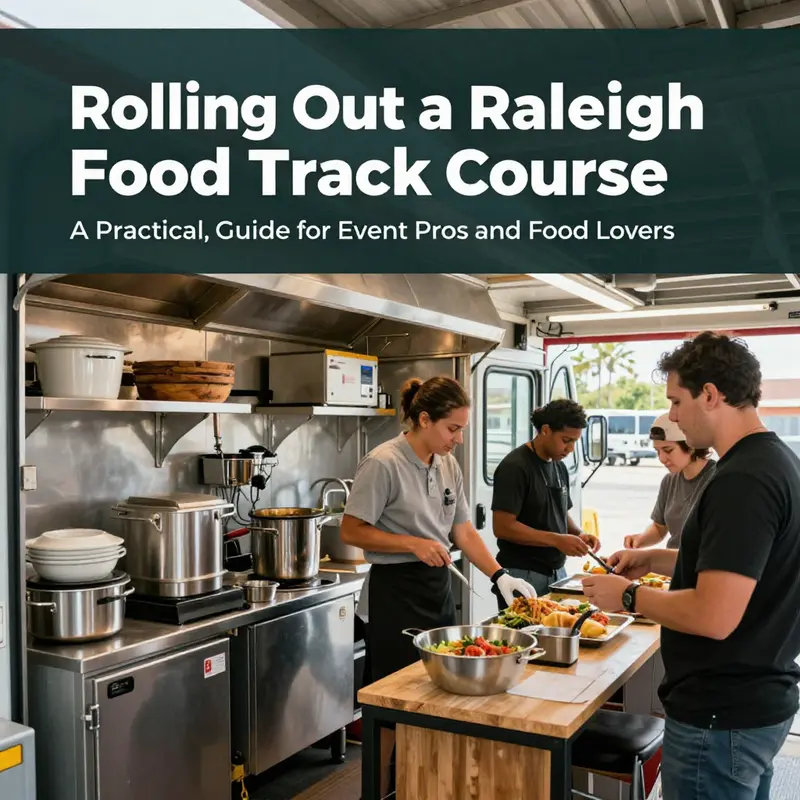
In Raleigh, a food truck is more than a kitchen on wheels; it is a moving classroom where theory meets the grit of on-the-ground practice. This chapter threads together the practicalities of daily operations, the demands of reliable equipment, and the people who bring the concept to life. The aim is to transform a bold idea into a smoothly running enterprise, one that adheres to local rules while delivering memorable, delicious experiences to diners who discover you at a pulse point across the city. A successful course in this space treats regulatory understanding not as a hurdle but as a vehicle—one that teaches students to plan, execute, and iterate with confidence. The journey from concept to curbside becomes a coherent narrative where operations, gear, and personnel interlock to sustain and grow a Raleigh food truck venture.
The first layer of any robust course is a clear grasp of the environment in which a Raleigh food truck must operate. Local health requirements, zoning constraints, and the city’s licensing processes define the boundaries within which creativity can flourish. The regulatory landscape is not a barrier to innovation but a framework that protects both the business and the public. In practice, this means students learn to map out the permit pathway, understand where a truck can park and serve, and anticipate the inspections that ensure every bite is safe. A module within the course centers on navigating these realities, and the recommended entry point is a focused examination of the regulatory landscape. Learners are guided through the maze with practical exercises that resemble real-life scenarios: applying for the required health permits, aligning business registration with a chosen structure, and preparing a kitchen that passes a health inspection on the first attempt. To anchor this exploration, the course presents a core resource for understanding the regulatory maze: Navigating Food Truck Industry Regulations. This reference helps students see how local requirements intersect with state and county rules, and it encourages proactive planning rather than reactive scrambling.
Behind the regulatory scaffolding lies the heartbeat of daily operations. A food truck functionally operates as a compact, mobile kitchen, so the course emphasizes a streamlined, repeatable workflow that starts the moment a team arrives on site. It is about translating a concept into a predictable rhythm: pre-shift checks, ingredient sourcing, batch cooking versus on-demand preparation, service timing, and post-shift turnover. The day’s operations should feel like a choreography where each role knows its cue. For learners, this means developing checklists that cover sanitation, equipment functionality, inventory levels, and waste management. It means practicing how to divert from the plan when weather, traffic patterns, or a schedule change demands agility, without compromising food safety or guest experience. In Raleigh, where mobile vending can hinge on where you park and when you operate, the course also underscores the importance of flexible routing and location scouting. A well-designed operation plan anticipates peak hours at different neighborhoods and events, coordinates with other vendors for sustainability or cross-promotion, and records outcomes to refine future decisions.
A crucial pillar of the course is the choice and arrangement of equipment. Mobile kitchens demand equipment that balances power, efficiency, reliability, and durability. Learners explore the core components necessary for a fully functional truck: commercial-grade refrigeration units to keep perishables safe while minimizing energy use, induction cooktops or other compact cooking surfaces that deliver reliable heat with efficient energy profiles, sturdy grills or skillets suited to a versatile menu, and a robust sink setup that supports safe washing, dish handling, and handwashing. The kitchen design should also accommodate an effective workflow—from receiving ingredients to staging finished dishes for service. A disciplined emphasis on safety features is non-negotiable. Fire suppression systems must meet applicable standards, ventilation should prevent heat buildup in a small space, and robust storage solutions must protect both staff and product during movement and city streets. The discussion extends to maintenance and resilience: how to select equipment that can handle Raleigh’s street conditions, how to schedule routine servicing, and how to plan for contingency replacements without interrupting service. The course highlights the value of energy-efficient choices, not only for operating costs but also for the reliability of the truck on long shifts or busy event days. By focusing on energy-performance and practical durability, students learn to assess total ownership costs, not just upfront prices.
Staffing, the third pillar, completes the triad of operations, equipment, and policy. A Raleigh food truck enterprise thrives on people who blend culinary craft with customer service finesse and a collaborative spirit. The course structures hiring strategies around distinct roles—kitchen leads who oversee cooking and food safety, drivers who manage route planning and vehicle safety, and front-of-house staff who deliver guests a welcoming experience. Training is a continuous thread, anchored in food safety fundamentals, with ServSafe certification or equivalent training presented as a baseline expectation. Yet the curriculum also recognizes the human dimension of a mobile business: shift coverage, cross-training, and the development of a positive, supportive work culture can dramatically reduce turnover and elevate service quality. The program guides learners through practical staff management topics, including payroll compliance, scheduling practices that respect labor laws and worker well-being, and the use of scheduling software that scales with growth. A well-trained crew can adapt to last-minute changes—an important trait when park permits, weather windows, and event calendars shift frequently in the Raleigh area.
To translate these elements into concrete outcomes, the course integrates hands-on experiences that connect classroom theory to street-level execution. Students begin with a capstone-style project that simulates the lifecycle of a Raleigh truck—from concept refinement and menu design to securing permits and launching a test run. They prepare a mini operations playbook that outlines daily routines, a maintenance calendar for equipment, and a staffing plan tailored to anticipated service levels. The playbook becomes a living document, revised after each field exercise to incorporate feedback from mentors and peers. Instructors emphasize that the goal is not merely to pass inspections but to cultivate a dependable, customer-centric operation. The emphasis on reliability extends to inventory management: how to track ingredients, forecast demand, handle spoilage, and implement waste-reduction strategies that align with local health codes and sustainability values. The course also nudges learners toward supplier relationships that support local sourcing where feasible, underscoring how a thoughtful supply chain strengthens both the practical and the ethical dimensions of the business. In Raleigh, where food scenes are vibrant and constantly evolving, the capacity to adapt while maintaining consistency is a competitive advantage.
The practical side of staffing is never abstract in this course. Learners practice interviewing and onboarding procedures, design role-specific training modules, and simulate payroll processes in line with regulations. The objective is to embed professional standards from day one: clear communication, accountability, and a team-oriented mindset that aligns with the fast-paced, service-driven realities of street-side dining. The training sequence includes scenario-based drills—handling a surge in orders, managing a miscommunication in the kitchen, or rerouting service when a preferred location becomes unavailable. In each scenario, the instructors foreground safety, customer experience, and operational continuity. The result is a cohort of future operators who understand not only how to cook and serve but also how to lead, manage, and sustain a small business in a city that rewards originality as much as it requires compliance.
The interdependence of these elements becomes evident when you watch a course participant translate a concept into action on a test run. A recipe is not just about flavor; it is a component of a broader system that includes procurement timelines, temperature control, labeling and traceability, and waste streams that must be disposed of correctly. Equipment choices influence service speed, which in turn shapes staffing needs and scheduling. A single change—adding a second induction burner, swapping to a more efficient refrigeration unit, or adjusting the layout to reduce step counts between stations—cascades through the entire operation. The course treats this interconnectivity as a core learning objective. Students learn to model how each decision affects costs, customer satisfaction, and compliance. They learn to communicate those trade-offs to potential investors or mentors, translating kitchen minutiae into a narrative that persuades stakeholders of the enterprise’s viability.
Beyond the mechanics of running a truck, the course invites students to cultivate an entrepreneurial sensibility that suits Raleigh’s distinctive market. The city hosts a variety of events, neighborhoods, and outdoor spaces where a truck can perform, each with its own rhythms and audiences. The curriculum encourages strategic outreach and brand presence—how to present a mobile brand with clarity, how to align menu items with local tastes, and how to leverage partnerships with nearby businesses to create a street-level ecosystem. Marketing, in this framework, is not merely a promotion plan; it is an operational discipline. It includes coordinated social media updates that reflect location schedules, rotations through event calendars, and timely responses to guest feedback. The hands-on marketing exercises connect directly with the operational side—every promotional moment must be executable within the truck’s capacity and compliant with health and safety guidelines.
In the final synthesis, learners emerge with a cohesive vision of a Raleigh food truck business that integrates operations, equipment, and staffing into a living system. They arrive at the conclusion that a successful venture hinges on three pillars working in concert: a disciplined operational rhythm that can withstand the pressures of a moving kitchen, equipment that is reliable, energy-efficient, and easy to maintain, and a team that embodies culinary skill, service excellence, and collaborative spirit. The course uses real-world scenarios, feedback loops from mentors, and field experiences to cultivate a practical intelligence. This is not a static education; it is a preparatory journey for a venture that will navigate Raleigh’s regulatory environment, respond to changing customer preferences, and endure the logistical demands of a mobile service.
The value of integrating these elements into a single, cohesive program is that it equips learners to explain their plan with clarity and confidence. When a student presents a concept for a Raleigh truck, they can show how permits will be obtained, how the kitchen will perform safely, how inventory will be tracked, and how their crew will operate in a manner that sustains quality across shifts and locations. They can illustrate how equipment choices will mitigate downtime and how staffing decisions will scale with demand. In short, the course helps translate a vision into a disciplined, repeatable operation that can be tested, refined, and expanded. The Raleigh context—with its permitting nuances, diverse neighborhoods, and dynamic event calendar—provides fertile ground for developing this competency. By weaving together the strands of operations, equipment, and staffing, the program not only teaches the mechanics of running a food truck but also instills the adaptive mindset essential for long-term success on Raleigh’s streets.
For students pursuing the practical path in Raleigh, the roadmap forward is illuminated by concrete steps and thoughtful preparation. Start with a robust operations plan that anticipates the city’s constraints and opportunities. Pair that with equipment choices that prioritize reliability, efficiency, and safety, and build a staffing framework that supports consistent, high-quality service. Pair these fundamentals with ongoing regulatory education and a culture of continuous improvement. As the course unfolds, learners will discover that the true art of a successful mobile kitchen lies in the seamless integration of every moving part—from the spark of an induction burner to the cadence of a well-timed service and the morale of a well-led team.
For those seeking official, up-to-date requirements to accompany this learning journey, consult the City of Raleigh’s Mobile Food Vending resources. This official page offers detailed guidelines, forms, fees, and contact information that align with the practical exercises described in the course. The link below points to the exact department responsible for permitting and compliance related to mobile food service in Raleigh: https://www.raleighnc.gov/Departments/Planning-and-Development/Permitting/Mobile-Food-Vending.
Wheels, Wallets, and Permits: A Raleigh Roadmap for Marketing, Finance, and Compliance
In Raleigh, where a good idea often travels as fast as the weather holds, turning a food dream into a steady, street-ready operation demands more than a tasty recipe. It requires a careful orchestration of three interlocked strands: marketing savvy that draws people from busy blocks and weekend markets; financial discipline that turns a bold concept into a profitable routine; and compliant practices that keep the wheels turning without a single permit-ending snag. When you thread these strands together, you won’t just launch a food truck—you’ll cultivate a recognizable, responsible presence in a city that loves its visitors almost as much as its local flavors. The journey begins with a plan that looks beyond the first pop-up and stays anchored to a realistic map of Raleigh’s rules, markets, and networks.
A solid business plan is the heartbeat of your venture. It starts with a clear concept—what you serve, who you serve, and why your menu moves people in the way only your truck can. In Raleigh, the palate is diverse and curious, from Southern classics reimagined with bold twists to globally inspired street food that travels well and tastes even better after a short ride. Your plan should translate that concept into a menu that is both adventurous and practical to execute in a mobile kitchen. Pricing needs to reflect the costs of fresh ingredients, waste, labor, and the realities of location-based sales. But a plan is more than numbers. It’s a narrative that maps your target audience, the events and locations you plan to serve, and the path you’ll follow to establish repeat customers. A well-structured plan also outlines milestones—permitting dates, truck readiness, initial marketing pushes, and the first six months of cash flow. In Raleigh, this plan is not merely a document; it is your negotiation tool with lenders, partners, and mentors who can help you navigate a market known for both opportunity and competition.
As you shape that plan, you’ll confront the question of formality: what business structure protects you and your crew while simplifying tax time and growth. An LLC is commonly recommended for a food truck because it offers liability protection and a straightforward path to future expansion or partnership arrangements. The choice influences everything from personal risk to how you file taxes and how you bring in investors or co-operators. With your structure in mind, you move to the essential step of registering your business—naming it, registering with the North Carolina Secretary of State, and obtaining an Employer Identification Number from the IRS. These steps are not merely bureaucratic hoops; they’re the foundation that legitimizes your operation in eyes of suppliers, customers, and lenders.
No Raleigh venture can run without navigating the permitting maze that keeps the city’s health standards high and its streets orderly. The heart of that maze is the health and safety framework that oversees what travels as food on wheels. You’ll pursue a Food Service Establishment Permit through the state Department of Health and Human Services, Division of Public Health, and you’ll pass a health inspection that scrutinizes everything from the truck’s cleanliness to the handling and storage of ingredients. That inspection validates your daily practice—how you store raw and cooked foods, how you manage waste, and how you prevent cross-contamination. Weaving this compliance into your daily routine is easier when you treat the permit as a benchmark that pushes you toward consistent quality rather than a final hurdle to cross.
Beyond health permits, Raleigh requires a Local Business License and, crucially for food trucks, a Mobile Food Service Permit. The logistics here are location-aware: the city’s ordinances determine where you can park, for how long, and at what times. The interplay of parking rules, safety codes, and nearby operations means you must build mobility into your plan, not as a nuisance but as a strategic asset. You’ll learn early that the right stop—whether it’s a bustling business district at lunch, a park during a weekend festival, or a partner venue for a cross-promotional event—depends on your ability to align with the city’s calendar, the neighborhood’s rhythm, and the recurring needs of your customers.
Insurance is the quiet pillar that supports growth. A robust policy suite, including general liability, property insurance, and commercial auto coverage, doesn’t just protect you; it reassures lenders and keeps your operations steady when the unexpected appears. Some financing avenues require proof of insurance before they’ll consider a loan or line of credit, so this element isn’t optional—it’s a nonnegotiable part of a professional setup. With the business anchored by structure, permits, and protection, the next element of the Raleigh equation becomes your mobile kitchen itself. Decide whether to purchase a used truck or lease a pre-equipped model. Either path demands a kitchen designed for a high-output, high-frequency service environment: dependable cooking equipment, reliable refrigeration, and efficient storage. The vehicle you choose should reflect not only the menu you’ve planned but the realities of where you’ll operate—from the city’s center to its growing suburban corridors and the many venues that welcome vibrant, rotating concepts.
Despite the romance of rolling to new spots, staffing decisions anchor everything. If you’re leading a team, invest in training that emphasizes food safety—certifications like ServSafe or equivalent become more than a credential; they are a shared language that keeps your service predictable even on the busiest days. In Raleigh, where a day’s schedule often blends a few different venues, a small, well-trained crew can maintain speed without compromising standards. Even if you start solo, you should plan for scalable growth. The goal isn’t simply to operate; it’s to create a dependable system that can gracefully absorb more events, more routes, and more customers as your brand becomes familiar in the local ecosystem.
Marketing follows closely behind the operational backbone. Raleigh’s market rewards brands that tell a story, not just a menu. Start by identifying a niche that resonates with the city’s varied demographics and aligns with your kitchen’s strengths. A halal-certified or locally sourced concept might tap into fast-growing niches, while a fusion concept can attract curious eaters who seek something new yet comforting. Your branding should communicate clearly what makes you different—your story, your standards, and your promise of consistency across every stop. Visual identity isn’t cosmetic; it informs how people remember you, how partners engage with you, and how you stand out in a crowded scene.
Online presence becomes the most practical extension of your physical footprint. A simple website or a storefront-ready page can list your menu, your planned schedule, and your locations for upcoming days. In Raleigh, social media is a living map of where you’ll be and what you’re cooking. Post high-quality photos, share behind-the-scenes glimpses of prep, and highlight daily or weekly specials to drive anticipation. Real-time updates—announcing a stop at Glenwood South, or a pop-up at a community event—help followers plan their own routes to your truck. A strong online profile also broadens opportunities for pre-orders, which can streamline service during peak hours and reduce on-site pressure. For a practical sense of how other Raleigh vendors approach branding and customer engagement, you can explore the broader landscape of the local scene through independent guidance that emphasizes practical branding strategies and storytelling on wheels.
The regulatory and operational environment in Raleigh makes understanding zoning and parking rules essential. You cannot operate anywhere you wish; city ordinances determine where and when a mobile unit may park, what permits apply to specific districts, and how to coordinate with local events. This isn’t a one-time checkbox but a recurring discipline—every new location or partnership may require additional permissions or scheduling considerations. Staying in balance with zoning rules helps ensure you don’t face last-minute revocations or costly fines. Your plan should include a regular review of the mobile vending ordinance, and as your schedule grows, you’ll want to maintain open lines of communication with the city’s permitting offices. The goal is to be a cooperative neighbor—clear about your routes, mindful of foot traffic, and responsive to community concerns.
In practice, the three pillars—marketing, finance, and compliance—must bleed into one another. Marketing informs pricing and menu development by revealing what customers want at different times and places; finance translates that data into cash flow forecasts that guide investment decisions in equipment, labor, and marketing. Compliance keeps both of those pillars honest by setting the boundaries within which you operate. When everything moves in harmony, your truck becomes more than a place to eat; it becomes a reliable traveler in Raleigh’s culinary map. A disciplined approach to permits, health inspections, and insurance keeps your operation from stalling, while robust marketing and sound financial planning ensure you have the means to sustain growth when opportunities arise.
To help you connect with the regulatory texture and to keep your team focused on the most pressing compliance tasks, consider how a practical, ongoing dialogue about regulations can shape operations. For an accessible overview of navigating the regulatory landscape for food trucks, you can refer to Navigating Food-Truck Industry Regulations. This resource offers a grounded perspective on how to interpret and apply local rules without losing momentum. It’s not a substitute for the city’s official guidelines, but it acts as a practical companion for day-to-day decision-making, from choosing locations to planning your permitting calendar.
As you move through Raleigh’s cycle of markets, festivals, and business districts, remember that the strongest operators treat compliance not as a hurdle but as a foundation for trust. Customers feel confident when a truck shows up clean, on schedule, and ready to serve safely. Partners appreciate consistency and predictability in location plans and menus. Lenders see reliability in a business that carries proper insurance, keeps meticulous records, and demonstrates a steady growth path. When you blend the market’s hunger with a smart financial framework and a disciplined compliance program, you don’t just launch a truck—you launch a credible, repeatable, scalable business that can adapt as Raleigh’s food scene continues to evolve.
The next chapters will build on this foundation by turning emphasis toward the ongoing calendar of events, community partnerships, and seasonal strategies that help your truck sustain traction through changing weather, festival lineups, and new neighborhood openings. You’ll learn to read the city’s rhythms, align your crew’s energy with peak service windows, and refine your operations to minimize waste while maximizing guest satisfaction. The road ahead in Raleigh is alive with possibility, and the most enduring path is the one that treats marketing, finance, and compliance as a cohesive system—one that keeps your wheels turning and your menu memorable across the city’s streets.
External resource for further insight: Shopify’s Financial Planning Guide offers practical templates and models tailored to food truck operations in U.S. cities, including startup cost breakdowns and profitability forecasting that you can adapt to Raleigh’s unique market dynamics. https://www.shopify.com/blog/food-truck-financial-planning-2025
Final thoughts
Together, these four chapters form a cohesive blueprint for launching a Raleigh-based food truck course that serves event planners, corporate teams, community groups, and curious food lovers. By starting with clear objectives, navigating Raleigh’s regulatory landscape, building robust operations, and aligning marketing and compliance, you create a scalable program rooted in local needs and practical realities. The result? A vibrant educational offering that accelerates mobile culinary entrepreneurship while strengthening Raleigh’s dynamic food culture.