Minnesota is a thriving tapestry of festivals, corporate events, farmers markets, and community gatherings hungry for flavorful, memorable experiences. A mobile kitchen can turn those moments into lasting connections, whether you’re coordinating large-scale events, supporting an HR team’s wellness day, or delighting local food enthusiasts. The journey to a successful food truck in Minnesota isn’t just about great grub—it’s about a thoughtful blend of market insight, compliant operations, smart equipment choices, reliable suppliers, and steady growth. This guide translates the practical, step-by-step path into five clear chapters, each building on the last to help you launch with confidence and keep momentum as you scale. You’ll learn how to pinpoint a compelling concept that fits Minnesota’s tastes and schedules, secure the permits you actually need, prep a vehicle that meets health and safety standards, assemble dependable gear and teams, and design a sustainable operating rhythm with marketing that resonates from downtown office parks to neighborhood gatherings. Whether you’re an event planner lining up catering for a conference, a corporate HR team planning a lunchtime treat, a local community group seeking a fundraiser, or a food enthusiast chasing the next great pop-up, this playbook speaks your language. By the end, you’ll have a holistic view of the journey—from first spark of an idea to steady, compliant operation that brings crowds, credibility, and consistent revenue to Minnesota’s dynamic food truck scene. Let’s dive into each chapter and map your path from concept to cart, with practical steps you can action this week.
Chapter 1 — Market Research in Motion: Designing a Minnesota Food Truck Concept That Connects
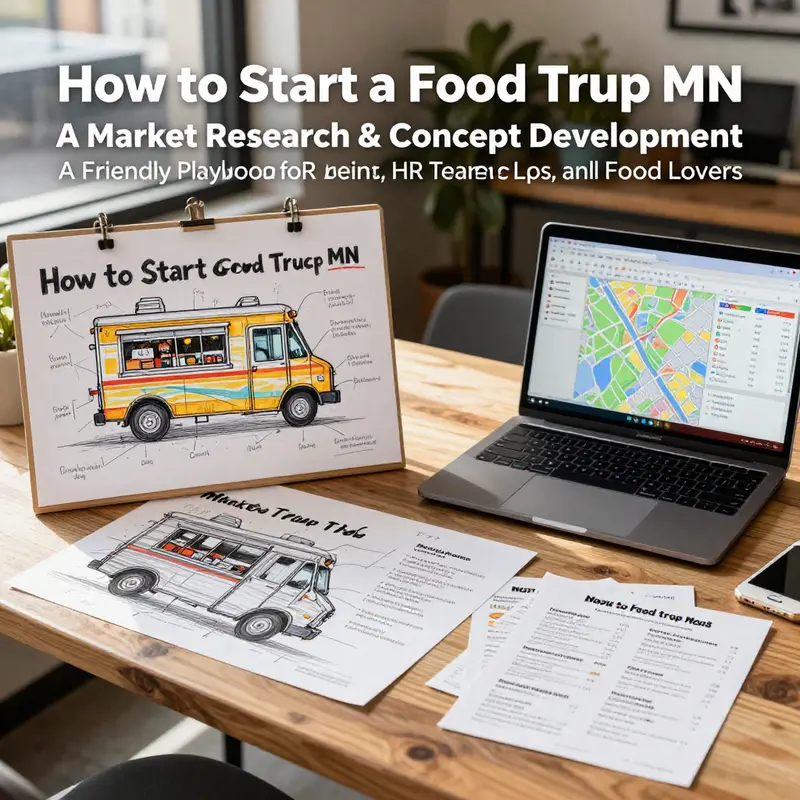
Market research in motion is the quiet engine behind every successful food truck startup in Minnesota. It is not glamorous, but it is essential. The goal is simple on the surface: understand who will buy your food, where they live or work, and how your idea can fit into a city and a season that can be unpredictable. In Minnesota, the weather is a practical variable that shapes consumer habits just as much as price or flavor. Winter downtowns, summer festivals, and the steady churn of college campuses create a tapestry of opportunities and constraints. The concept you land on must feel native to the climate, the pace of urban life, and the evolving tastes of nearby communities. When you begin with solid market research, you create a compass that guides location decisions, menu development, and how you tell your story to potential customers. This is the backbone of a venture that can survive the winter lull, capitalize on summer hunger for novelty, and build a loyal following through repeat encounters at markets, jobs sites, and events across the state.
To start, look closely at the people who populate the places you intend to serve. Minnesota is diverse, but even within a single city there are micro cultures. Office corridors tend to demand quick, affordable meals that travel well and keep pace with a hurried lunch hour. University neighborhoods crave value-driven options and late-night snacks that fit into student budgets and study rhythms. Stadiums and sports venues pull appetite toward crowd-pleasing fare during peak times. Farmers’ markets, festival grounds, and community gatherings offer the chance to test energy, crowd flow, and a concept’s staying power without the heavy cost of a full fleet deployment. The data you collect should translate into a concrete menu philosophy. If the surrounding diners prize speed and price, your concept might focus on compact, reliably cooked items. If there’s appetite for healthier options or bold flavors that reflect regional roots, you can build a signature around a limited number of hero dishes that travel well and leave room for seasonal twists.
The value of seasonality cannot be overstated in a land of extreme weather. A concept that leans into Minnesota’s cycles—hot soups in late winter, vibrant salads and grain bowls in spring, hearty wraps as construction season peaks, and lighter, snackable offerings in the heat of summer—stands a better chance of staying relevant. Seasonal offerings also create talking points for social media and one-to-one engagement with customers who want to feel they’re part of a living menu instead of a static billboard. In practice, this means planning a core, reliable set of items that cover a broad range of dietary preferences, then layering in rotating specials that reflect local events, harvests, and cultural celebrations. When the menu feels dynamic yet coherent, customers are drawn in with curiosity and stay for consistency.
A crucial element of market research is studying the competition without turning it into a pivot away from your own vision. Start by mapping the trucks and stalls that already serve the areas you’re considering. What items appear most often? Where do prices cluster, and how do vendors present themselves—through the food, the setup, or the brand voice? The aim is not imitation but differentiation. If the market already leans heavily toward fried comfort foods, a grain-based or plant-forward option can fill a gap. If most trucks offer quick bites that are heavy on calories, there is room for a lighter, fresh take or a fully plant-based menu. Positioning should emerge from what you learn about gaps and the emotional resonance of certain flavors. Your concept becomes more than a list of recipes; it becomes a response to a need customers express, often indirectly, through what they buy, how long they queue, and how they talk about food on social media.
In the real world, even a solid concept can falter if the business model isn’t aligned with the lived rhythms of the market. That is why early testing matters. Pop-up events at farmers’ markets, informal campus standouts, or a single-weekend setup in a busy neighborhood park can yield invaluable feedback with limited risk. Use simple survey tools, QR codes, or quick conversations with customers to learn about taste, portion size, and price sensitivity. A practical example from a similar urban setting shows how bundled value can lift average order value and customer satisfaction. When a breakfast-focused concept paired a savory item with a popular beverage at a bundled price, customers perceived greater value, and orders tended toward higher totals than standalone items. The takeaway is not to copy this exact approach, but to recognize the power of packaging ideas that create perceived value and simplify the customer decision at the point of purchase.
Aligning your concept with local opportunities also means understanding regulatory and zoning realities, even at the research phase. Minnesota’s field is real and with its own constraints—permits, health regulations, and local parking rules all shape where and when a truck can operate. The broad lesson from this landscape is to design a concept that can flex to different venues without losing its core identity. If you imagine a truck that can pair with farmers’ markets in the morning, college campus snack moments in the afternoon, and festival clusters in the evening, you’re thinking in terms of adaptability rather than rigidity. This flexibility is not just about hours of operation; it’s about how the menu scales, how the service model adjusts for crowd size, and how branding remains legible from a distance as you move between venues.
Another aspect of market research is storytelling—the narrative that makes your truck memorable. A strong concept communicates a clear origin, a visible value proposition, and a promise that customers can feel in the first bite and in the last line of your social caption. In Minnesota, stories that nod to local ingredients, regional comfort flavors, or a nod to the state’s seasonal character tend to resonate. The Best practice is to keep your hero products tightly defined—one or two signature items with a secondary array that supports the menu without diluting the brand. Seasonal offerings then act as ambassadors, inviting people to try something new while reaffirming the truck’s core identity.
As you refine your concept, plan the early steps for validation and scale in a way that respects time, capital, and risk. The best research yields a menu and a go-to-market approach that feel inevitable once customers taste them. The process should also illuminate where you will operate and when. A concept that is tuned into the realities of Minnesota’s climate, the rhythms of work and school schedules, and the social calendars of communities will naturally find a foothold. In the chapters that follow, you’ll translate these insights into concrete licensing steps, vehicle preparation, and a practical timeline that keeps momentum without sacrificing quality. You will also find a path to building a brand that people recognize and trust, a brand that makes a first visit feel like a returning invitation.
For ongoing insights that reflect the broader learning from operators who’ve walked this path, see loschifladostruck.com/blog/. This resource can provide context, case studies, and tips that complement your own field research as you move from concept into action. The journey from insight to inventory is short when you have a clear concept anchored in real needs and a practical plan for serving them in Minnesota’s diverse urban and rural landscapes. And as you design your concept, remember that the market is not a static backdrop—it is a living conversation with potential customers who are ready to tell you what works and what doesn’t, if you listen closely enough. The next phase will bring those insights into the formal steps of registration, compliance, and vehicle readiness that turn a well-researched idea into a working truck that meets the highest standards and delivers on the promise of flavor and service.
External reference for broader context on how urban markets regulate mobile vendors can be found in the Shanghai Municipal Government guidelines, which illustrate how cities manage permits, hours, and designated spots for street vendors. This helps underscore the importance of designing a concept with adaptability in mind, so it can thrive under different regulatory frameworks while you implement the Minnesota-specific plan. Shanghai Temporary Street Vendor Management Guidelines (2024).
Chapter 2: From Paperwork to Permits: Securing Licenses for a Minnesota Food Truck
The leap from a great concept to an actual food truck hinges on something less exciting but absolutely essential: the paperwork. In Minnesota, the path to a legally operating mobile kitchen begins with establishing your business on paper and then layering on the licenses that prove you meet state and local health and safety standards. This chapter follows that practical, foundational journey, showing how to move from a name on a napkin to a permit in hand without getting tangled in red tape. It’s not just about ticking boxes; it’s about building a solid framework that protects customers, puts your brand on stable ground, and clears the way for reliable daily operation.
First comes recognition of your business in the eyes of the law. You’ll register with the Minnesota Secretary of State, which codifies your enterprise and clarifies the legal form it will take. If you intend to operate under a name different from your own personal name, you’ll file a DBA—doing business as. The process is straightforward, and the fees, which most municipalities see as modest, typically run from a few dozen to a couple of hundred dollars depending on location. This step isn’t merely bureaucratic; it creates the formal identity that lenders, suppliers, and customers can trust. With your legal name secured, you’ll obtain a federal Employer Identification Number from the IRS. An EIN opens the door to opening a business bank account, hiring staff, and meeting payroll or tax reporting needs. It also helps keep your personal finances separate from the business, which is a prudent risk-management move as you scale.
On the state side, a Minnesota sales tax permit is essential if you’re selling taxable goods. Registering with the Minnesota Department of Revenue ensures you collect and remit sales taxes correctly, which protects you from penalties and aligns your books with state requirements. Even if your first months are lean, the permit is a foundational piece you’ll rely on as your traffic grows and you broaden your menu. An EIN and a sales tax permit together establish a clean, auditable financial footprint that makes seasonal spikes and festival runs easier to manage.
With foundational registrations in place, the next crucial piece is the Mobile Food Unit—MFU—license from the Minnesota Department of Health. This license is the formal green light for operating a mobile food operation in the state. The MFU license ensures that your truck meets state health and safety standards designed to protect public health in fast-paced street and event settings. The MFU process emphasizes a plan for how you prepare, store, and transport food; a detailed layout of the vehicle showing storage, cooking, and waste areas; and proof of food-safety training, such as ServSafe certification. Expect the application to require a commissary agreement as part of the package; the MDH views the commissary as a licensed facility where you can clean, restock, and store supplies between shifts, ensuring that your operation maintains proper sanitation and inventory flow. The application review can take a couple of weeks, and inspections may be required as part of the final approval. This stage can feel technical, but it’s the guardrail that keeps your kitchen operations consistently safe and compliant as you move across different neighborhoods and venues.
In parallel with state licensing, you’ll likely encounter city or county permits depending on where you plan to operate. Minnesota municipalities regulate mobile food operations with varying degrees of stringency. Some cities require a dedicated mobile vendor permit in addition to state licenses, and rules often cover where you can park, what hours you can operate, and how close you can set up near borders of residential areas or schools. Zoning rules, parking restrictions, and noise limits are common concerns, especially in dense urban cores, university campuses, or near nightlife districts. The goal here is not to complicate your launch but to anticipate the locations you intend to serve so you aren’t surprised by a late-night permit denial or a curbside restriction during a busy event. A good practice is to contact the local city or county offices early in your planning so you understand the exact steps, fees, and timelines. This local layer of permits works in tandem with the MFU license, forming a coordinated compliance plan that travels with you from downtown lunch crowds to weekend festivals.
A commissary arrangement—the designated facility where you clean, stock, and restock between shifts—deserves special emphasis. It’s a practical anchor for your operations. Complying with the MFU requirement means you’ll either lease space at an established commissary or partner with a kitchen facility that meets health department criteria. The commissary agreement is not just paperwork; it’s a working agreement that defines your daily rhythm: storage capacity, access times, waste disposal, cleaning protocols, and the secure transfer of supplies. Look for facilities that offer reliable electricity, water access, refrigeration space, and a convenient location relative to your typical service zones. Budget for commissary costs as part of your operating model because this line item often influences menu choices, staffing, and daily routing.
As you gather registrations, permits, and licenses, it’s wise to keep a clean, organized trail of documentation. Maintain copies of your licenses, permit numbers, expiration dates, and renewal reminders. If you hire staff, ensure their training certificates—especially food safety training—are current and accessible in case of inspections. The process also rewards a proactive approach: track your vehicle’s registration status and ensure that any changes to your address or contact information are promptly updated with the relevant agencies. Keeping an up-to-date file not only helps you stay compliant but also creates confidence with suppliers, landlords, and events managers who rely on your professional posture.
The licensing maze can feel intricate, but there is value in seeking a practical, how-to perspective that translates theory into daily action. A resource that distills these complexities into actionable steps can be a useful companion as you navigate requirements and hiccups during your early months. For instance, a detailed overview of how different jurisdictions handle mobile vending and the practical realities of keeping a MFU license current can offer concrete guidance as you map out your first six to twelve months of operation. Navigating food-truck industry regulations provides a grounded look at the kinds of compliance hurdles you’re likely to encounter and how other operators have built resilient processes around them. This kind of reading complements the official channels and helps you stay ahead of changes in local policy that could affect your permitted operating hours or preferred venues.
Finally, while you focus on licenses and permits, stay mindful of the cadence of renewal and ongoing compliance. MFU licenses typically require periodic renewals, and local permits may carry annual or multi-year timelines. Maintaining a calendar of renewal dates, inspection windows, and required trainings helps you avoid the stress of last-minute renewals, which can disrupt a busy service calendar. The end goal is not merely legal compliance but a smoothly run, safe, and dependable operation that guests can rely on wherever you pull up for lunch or dinner. With these foundations in place, you’ll be positioned to move forward with vehicle readiness, menu development, supplier relationships, and a marketing approach that can adapt to the rhythm of Minnesota’s seasonal appetite. For the most up-to-date, state-specific guidance, you can consult the Minnesota Department of Health’s mobile food unit page, which outlines the official process, documentation, and expectations for MFU licensing. https://www.health.state.mn.us/foodsafety/mobilefoodunit/index.html
Chapter 3: Safeguarding the Wheel: Insurance, Vehicle Prep, and Compliance for Minnesota Food Trucks
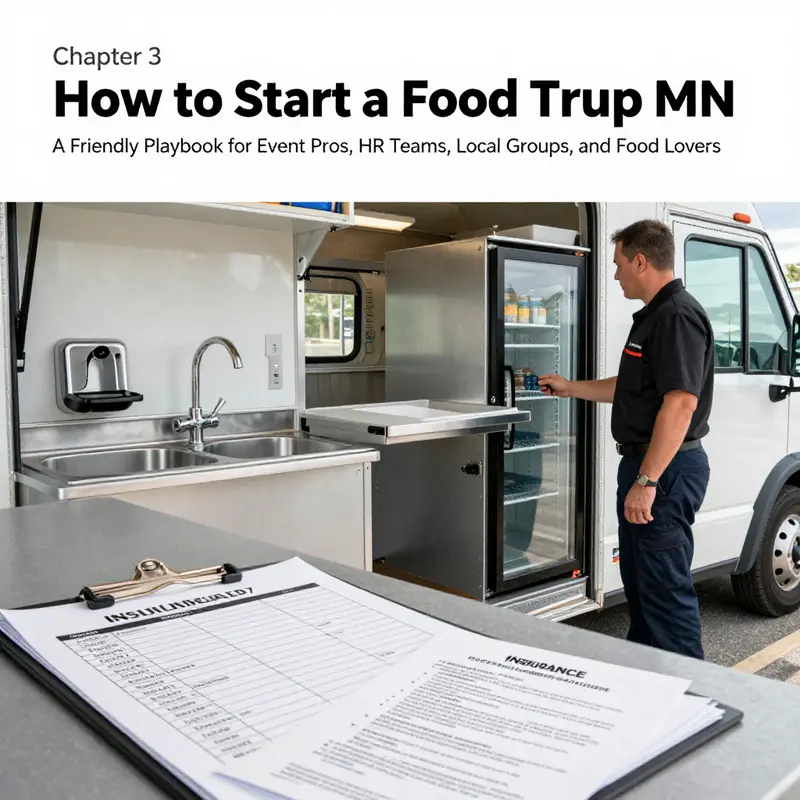
Insurance, vehicle preparation, and compliance are the triad that steadies a food truck from day one. In Minnesota, where winters demand resilience and regulations demand discipline, these elements protect your investment, support safe operations, and build trust with customers, regulators, and lenders. When you start with solid coverage, a kitchen that meets health and safety standards, and a clear map of legal requirements, you create a durable platform for growth. The work is cumulative rather than flashy; each decision reinforces the next, reducing the chance of costly surprises down the road. The goal is to move with confidence through the daily grind of service, not to chase a single flawless launch and hope for luck to carry you through the months ahead. The right insurance, the right vehicle setup, and a disciplined compliance program turn a mobile kitchen into a sustainable business rather than a fragile venture teetering on permit deadlines and inspection visits.
Insurance is the first line of defense and a signal of professional seriousness to partners, landlords, and financial backers. General liability insurance guards you against claims of bodily injury or property damage arising from your operations. A slip on a spill, a customer injury from a hot surface, or a stray grease splash can trigger costly settlements or expensive defense costs if you aren’t protected. Commercial auto insurance is tailored for the vehicle you drive and the risks you face on roadways, including collisions, theft, or vandalism while you are between stops. Property insurance protects the truck’s built-in equipment—grills, fryers, refrigeration units, and storage fixtures—as well as inventory against perils like fire and wind damage. If you have employees, workers’ compensation insurance is often required and helps cover medical costs and lost wages when someone is hurt on the job. Product liability insurance is particularly important in a food business; it defends against allegations that a menu item caused illness or injury. Collectively, these coverages translate into a safety net that makes it easier to weather accidents, equipment failure, or recalls without taking down the entire operation. Working with an experienced commercial broker who understands mobile food risks is not optional—it is practical risk management.
The vehicle itself is the second pillar. Your base choice—a cargo van, a box truck, or a purpose-built trailer—sets the stage for how you’ll cook, store, and ventilate. The conversion must meet health department standards and be designed for rigorous daily use. Plumbing should provide hot and cold running water where required by the health authority, and handwashing stations must be accessible to staff. Refrigeration needs to hold perishable ingredients at safe temperatures, and non-porous, easily cleanable surfaces reduce the risk of cross-contamination. A well-planned electrical system supports equipment without overtaxing the vehicle’s core systems, and high-quality ventilation is not merely a comfort but a safety feature—reducing heat stress and controlling smoke and grease buildup. The hood and fire suppression system, in particular, have moved from optional to essential in many jurisdictions. A properly installed hood and suppression setup minimizes fire hazards and helps you pass health and fire inspections with less friction. Regular maintenance schedules for all mechanical systems—from the refrigeration units to the electrical panels—preserve performance and safety, which translates into fewer disruptions and a longer service life for the truck.
Health and safety compliance ties the insurance and the vehicle together. Before you can operate, you must align with the health department’s expectations and the city’s permitting landscape. This begins with a documented food preparation plan, a clear layout of the vehicle that maps where foods are stored, cooked, and disposed of, and proof that staff undergo food safety training. The inspections that follow evaluate cleanliness, temperature controls, sanitation practices, waste disposal, and procedures to prevent cross-contamination. Health and fire authorities often look for a properly functioning handwashing station, an orderly workflow that minimizes touching of ready-to-eat foods, and a sanitation schedule that is both posted and followed. Zoning and location rules add another layer—these rules determine where you may park and operate, how long you can stay in one spot, and whether you can operate near sensitive venues such as schools or hospitals. Compliance isn’t a one-off checklist; it’s an operating rhythm. Keeping records of inspections, staff training, and any licensing updates helps you respond quickly when a regulator asks for documentation.
A practical thread running through all of this is the idea that compliance protects people as well as profits. The more you document and demonstrate safe practices, the more credible you appear to customers, which in turn affects repeat business and word-of-mouth referrals. In the long run, the combination of sound insurance, well-planned vehicle infrastructure, and a disciplined compliance program contributes to lower risk, fewer shutdowns, and broader operating flexibility. Your approach to risk is visible in the way you design the customer experience: clean lines in the service area, clear labeling of ingredients, and a transparent commitment to safety. You can see why the best operators treat these elements as ongoing investments rather than mandatory hurdles. They create a body of evidence that you are serious about what you are serving and how you serve it.
To stay ahead of the curve, approach licensing and permits as a cumulative system rather than a scattered set of tasks. Obtain the general business license, the necessary seller’s licenses, and any local mobile vendor permits that regulate where you park and what hours you keep. The health department permits tie directly to the safety standards you’ve built into your kitchen design, while the state and local tax authorities ensure you contribute to the community’s fiscal health. As you plan, a practical way to absorb this material without feeling overwhelmed is to view licensing as a living document: keep a folder for certificates, permit numbers, renewal dates, and contact information for the agencies you interact with. Staying organized makes renewals predictable rather than reactive, reducing the risk of lapses that could halt your sales or complicate financing.
For readers seeking a broader perspective beyond Minnesota’s borders, a practical overview of licensing pathways is available via a comprehensive regulatory guide. You can explore a detailed step-by-step framework that addresses licensing, permits, and compliance for food trucks in various jurisdictions. This resource helps you map Minnesota requirements to a national benchmark, supporting a smoother, more informed launch process. And when you need quick actionable guidance on navigating the regulatory terrain, a trusted source in the field emphasizes the importance of understanding local health codes, vehicle standards, and employment laws as central to long-term viability. The combined insight from these sources reinforces the idea that success in a mobile kitchen comes from disciplined preparation and proactive engagement with regulators rather than last-minute scrambling.
The practical takeaway is clear: invest early in insurance and vehicle systems that anticipate risk, then build a compliance routine that integrates with daily operations. This approach yields steadier cash flow, fewer insurance surprises, and the confidence to expand into new locations and events. As you grow, keep a sharp eye on the evolving regulatory landscape and the evolving standards for mobile food operations. Localities may adjust permit fees, add new fire safety requirements, or refine zoning restrictions as communities respond to traffic, noise, and public health concerns. Your business plan should reflect this dynamism by maintaining open lines with regulators, channels for feedback from customers, and a readiness to adjust the truck’s layout or operating hours as needed.
To deepen your understanding of the regulatory map and practical steps for licensing, you can consult navigating-food-truck-industry-regulations. This internal resource offers a grounded, Minnesota-relevant lens that complements broader national guidance. Finally, for a broader perspective on how to finance, license, and launch such an operation with regulatory awareness in mind, consider the larger starter framework provided by the U.S. Small Business Administration. Their guidance outlines the standard licensing and permit workflow and reinforces the idea that preparation and documentation are the foundations of compliance:
External resources for deeper reading include the U.S. Small Business Administration’s Starting a Food Truck Business guide: https://www.sba.gov/business-guide/starting-a-business/starting-food-truck-business. By anchoring your plan in both local specifics and national best practices, you’ll move forward with a clear, enforceable path that minimizes risk and maximizes opportunity as you bring your Minnesota food truck to life.
Chapter 4: Equipping Minnesota’s Food Truck — The Gear, Suppliers, and People That Turn a Mobile Kitchen into a Profitable Operation
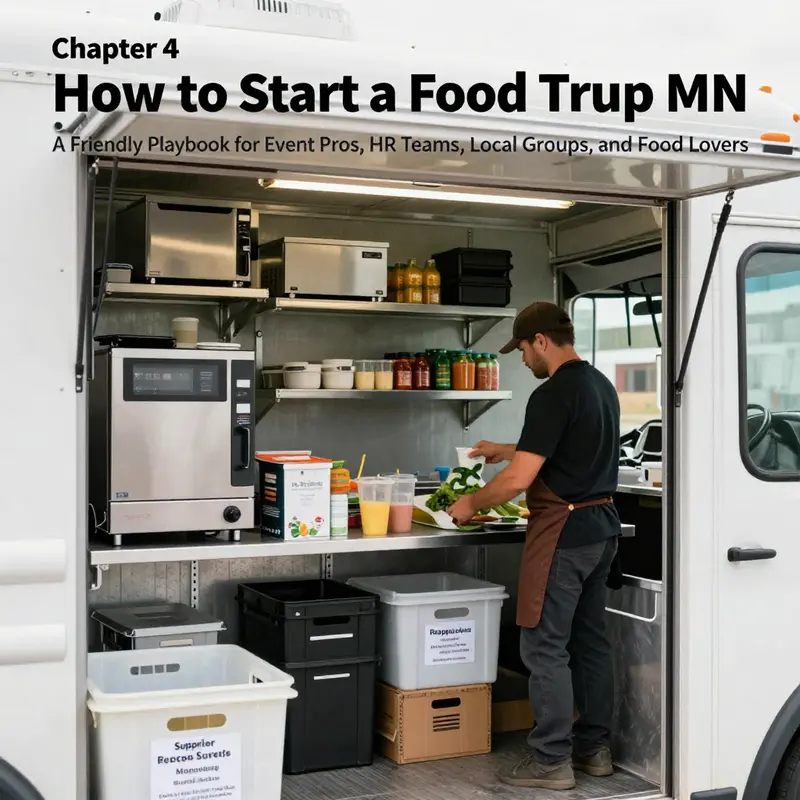
The equipment, the suppliers, and the people who operate the truck form the three pillars of a successful mobile kitchen. In Minnesota you can have a fabulous concept, but if the gear isn’t up to the task, service slows, quality wavers, and customers walk away. A well-planned footprint that fits the truck you choose is essential. Start by visualizing a smooth workflow from prep to service to cleanup. The cooking area should be laid out to minimize motion and avoid cross contamination. Non porous, easy to clean surfaces are non negotiable, as are sinks with hot and cold water and a dedicated handwashing station. A properly designed hood system and fire suppression are not mere options; in many jurisdictions they are mandatory for high heat equipment. The goal is to keep the kitchen safe, compliant, and efficient under the pressure of lunch rushes or festival crowds. When you prioritize safety and reliability, you protect your business and your customers alike, and you build a brand reputation rooted in consistency.\n\nEquipment choice matters as much for durability as for adaptability. Space inside a food truck is precious, so modular and compact equipment designed for mobile kitchens tends to outperform standard commercial gear in this environment. A commercial grade grill and fryer must be paired with a robust refrigeration system and a freezer to handle the demands of daily menus. Key pieces should be built to withstand vibration, temperature swings, and the rough handling that comes with frequent parking, loading, and unloading. A dependable water system and waste management setup are equally critical; plan for waste oil disposal, used water storage, and protocols that minimize odors and clutter around your service window. The ventilation and boiler or burner systems should be sized for the expected output, with professional installation to ensure proper clearance, fuel connections, and exhaust flow. Importantly, the alignment of storage, prep surfaces, and cooking zones should promote a clean path for staff to move between tasks while keeping raw ingredients separate from ready-to-serve items. In this sense the kitchen becomes not just a place to cook but a carefully choreographed workspace that supports speed without sacrificing safety.\n\nIf you’re new to the field, it helps to think in terms of three priority criteria when selecting gear: reliability, serviceability, and flexibility. Reliability means equipment that holds up over long service days and many events. Serviceability is about access to parts and responsive technicians who can fix issues quickly, ideally with local support to reduce downtime. Flexibility touches the ability to swap or upgrade components as your concept evolves or as you add new menu items. With this trio in mind, you’ll want to work with a supplier who offers end-to-end support—from layout planning to installation to ongoing maintenance. In practice, this means looking for a vendor that can provide a complete kitchen layout, including portable or modular units designed for mobile environments, as well as a clear warranty and maintenance plan. A vendor that can also tailor a layout to your truck’s dimensions and electrical capacity will save you time and money during the build.\n\nEquipment sourcing is not just about picking the right machines; it is about building relationships with suppliers who understand the realities of a mobile operation. Seek reputable providers who specialize in mobile food service, because they will be familiar with health department expectations and the unique constraints of a truck kitchen. They should offer comprehensive site assessment, installation support, and post-sales service. Local distributors can be a big advantage. They often provide faster maintenance response, easier parts replacement, and bluntly, less downtime when a piece of equipment needs attention during a busy season. When evaluating potential partners, prioritize those who can demonstrate consistent performance, transparent pricing, and a track record of serving other operators in a similar market.\n\nA solid workflow must link equipment with the people who run it. That means choosing gear that staff can learn quickly and that can be operated safely by a small crew. Training on proper sanitation, equipment use, and emergency procedures is crucial. A strong foundation in food safety helps stabilize your operation from day one. Consider HACCP principles as the backbone of your procedures, outlining critical control points for storage, cooking, cooling, and reheating. A disciplined cleaning schedule and a color-coded system for utensils and cutting boards can prevent cross contamination. Regular calibration of thermometers and routine checks of refrigeration and freezer temperatures become non negotiables when service days stack up.\n\nStaffing complements the equipment, and it should reflect the menu and the pace you anticipate. A typical mobile crew includes a head cook or lead chef who oversees recipe execution, a front-of-house team member who can drive and handle the cash register, and often a dedicated manager if scale demands. Each role benefits from cross training so a single shift can keep running when one person calls in sick. Hiring plans should also account for peak times at events, campuses, and downtown lunch windows. In the interview process, look for candidates who demonstrate not only cooking competence but also comfort with a fast, public-facing workflow. For many operators, the first months are about learning to calibrate speed with safety, learning to manage inventory, and building a rhythm that jives with the truck’s movement and the local schedule.\n\nFinding the right people is about more than filling seats. It is about cultivating reliability and a service mindset. Clear expectations help staff perform with consistency, and that consistency becomes your brand. Establish onboarding that covers the specific health and safety rules for the truck, the menu and the standard prep procedures, and the system you use for taking orders. Background checks are a common best practice, given that staff will interact with customers in a food service setting and manage cash handling. A well-trained team reduces errors and enhances the customer experience, which, in turn, supports repeat business at markets, festivals, and corporate campuses.\n\nIn your search for equipment and people, stay mindful of the total cost of ownership. The cheapest option may save money upfront but can lead to frequent repairs, higher energy use, or a shorter lifespan. A higher quality piece that carries a solid warranty can pay for itself through longer life, fewer service calls, and better uptime. The same logic applies to staff; investing in training and a supportive schedule reduces turnover and increases productivity. Your choice of suppliers and staff will ripple through every service window, affecting speed, accuracy, and guest satisfaction. And when you’ve built a kitchen that is dependable, efficient, and compliant, you have laid the groundwork for growth. If you are unsure about the best vehicle and how it should influence your gear, you can consult resources that cover the integration of vehicle selection with kitchen design by checking out this overview on choosing the right food truck model. Choosing the Right Food Truck Model.\n\nAs you move from planning to procurement and staffing, keep the emphasis on reliability, serviceability, and adaptability. Your equipment should enable consistent menu execution, your suppliers should guarantee timely access to parts and maintenance, and your staff should bring energy, attention to safety, and hospitality to every interaction. When these pieces align, your Minnesota food truck becomes more than just a vehicle; it becomes a mobile kitchen built to perform, day in and day out, in a way that earns trust and repeat business from a diverse range of customers. In the next chapter, you’ll tighten the focus further on operations and customer experience, translating this solid kitchen foundation into repeatable success on the road. For readers seeking deeper technical guidance on equipment safety and compliance, see an external resource linked here: https://www.braunco.com/.
Chapter 5: Operating Smoothly, Marketing Smart, and Staying Compliant—A Practical Path for Minnesota Food Trucks
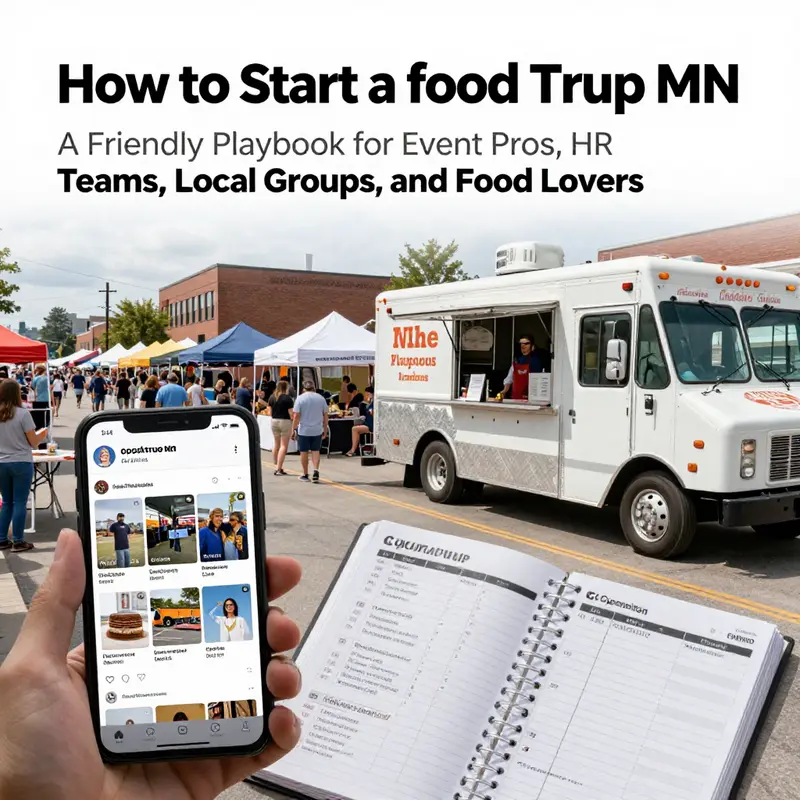
In Minnesota, launching a food truck isn’t just about cooking; it’s about building a lean, resilient operation that can survive weather swings, crowded markets, and evolving rules. This chapter threads together three domains that determine whether a truck becomes a reliable, repeatable source of income: day-to-day operations, smart marketing that sustains interest, and a proactive approach to compliance that grows with your business. The aim is not to reinvent the wheel at every turn but to create dependable rhythms that scale as you gain more sites, more customers, and more confidence in your workflow. When you start with clean routines, a disciplined marketing mindset, and a forward-looking compliance view, what began as a single truck can mature into a brand that shows up consistently where customers live, work, and gather.
Operations form the backbone of any mobile kitchen, and the daily rhythm you establish matters as much as your menu. A well-planned supply chain and inventory approach keeps quality high while minimizing waste. The most successful operators treat inventory like a living system: a three-day rolling forecast helps prevent both shortages and spoilage. Rely on dependable suppliers who can deliver fresh ingredients on a predictable cadence, and build contingency plans for busy weeks or weather-induced slowdowns. On the truck itself, a tight pre-operational routine sets the tempo for service. A concise checklist can cover safety inspections, equipment cleanliness, permit visibility, and a preview of high-demand items prepared in advance. When teams follow a standard flow, service times shrink and customers move through the line with fewer delays. This is not just about speed; it’s about reliability. Customers learn to expect consistent portions, flavors, and service, and that consistency becomes the most persuasive form of marketing a truck has.
From a cost and profitability viewpoint, the mechanics of daily numbers matter as much as the recipes. A practical benchmark comes from recent industry analyses: ingredients typically claim a sizable share of revenue, followed by labor, with other costs distributed across fuel, depreciation, and licensing. In a high-volume zone, a truck that generates around a modest daily sales figure can still produce a meaningful net profit when waste is controlled and labor is optimized. A realistic scenario is a truck that nets a few hundred dollars daily after all expenses, and the path to higher margins lies in smarter purchasing, energy efficiency, and menu design that emphasizes high-margin items during peak windows. The payoff is gradual but real: every percentage point shaved from waste or energy use flows directly to the bottom line, enabling reinvestment in equipment, staffing, or marketing that expands reach.
Operational efficiency also hinges on the daily workflows that keep the kitchen safe and compliant. A consistent routine includes validating that safety systems function—fire suppression, tires, brakes, and general vehicle health—before each shift. Equipment must be clean and calibrated, and all licenses must be current and clearly displayed. Preparation of high-demand items ahead of time reduces bottlenecks during rushes and improves throughput. The discipline here isn’t about rigid rigidity; it’s about predictable patterns that free the team to focus on guest experience, flavor, and speed. When this foundation is solid, the business becomes less fragile and more scalable. The gains aren’t only financial. The peace of mind that comes from knowing you can meet a rush, handle a festival crowd, or shift locations without breaking a sweat is a competitive advantage in markets where customers judge service as quickly as they judge the menu.
Marketing for a mobile operation in a bustling state like Minnesota requires a blend of digital visibility and community ties that transcend a single location. A strong digital presence acts as the anchor for your off-site efforts. Daily updates about where the truck will be and what’s on the menu create a predictable footprint that customers can plan around. Content that invites participation—behind-the-scenes prep, new item previews, interactive polls about menu items—fosters a sense of involvement and loyalty. A simple loyalty approach, delivered through a digital platform, can incentivize repeat visits with a straightforward reward structure. In practice, loyalty programs tend to lift repeat purchase rates by a meaningful margin, especially when paired with timely seasonal offerings. Seasonal or limited-time items revive interest and provide visible data on what customers respond to, which is vital for refining your concept without overhauling the entire menu.
Community engagement is another pillar of durable growth. Sponsors of neighborhood events, collaborations with nearby fitness centers or coffee spots, and participation in farmers’ markets deepen your roots in the local ecosystem. The most successful operators treat these partnerships as investments that compound over time—each event or collaboration generating earned media, word-of-mouth, and a new cohort of future regulars. The logic is straightforward: every touchpoint you cultivate in the community contributes to brand familiarity, trust, and preference at the next checkout. Limited-time collaborations and menu rotations pay off by testing new flavors and collecting customer feedback in real time. A winter-driven example from a Minnesota setting shows how a seasonal spin, such as a spiced cocoa or hot drink option, can triple daily sales during the colder stretch. The key is to balance novelty with core signatures customers expect, ensuring you do not drift so far that your brand identity becomes fractured.
Marketing also requires strategic distribution of attention and a clear plan for growth. A practical approach is to map locations and times where you’ll operate, aligning with where people congregate—downtown lunch hours, event venues, and college campuses when classes resume. A consistent cadence of location updates, plus transparent pricing and a visible menu, helps customers plan a visit rather than chase the truck. As you build a following, a shared narrative—stories about sourcing, the people behind the prep, and your truck’s daily routine—makes the experience tangible beyond the plate. This narrative, paired with a basic loyalty framework and occasional cross-promotions, can cultivate a community around your brand that returns not just for meals but for the story you tell and the vibes you create. The path to scale is incremental: each campaign, each event, each new site adds to brand equity and, over time, translates into steadier volume and more predictable revenue streams.
Compliance, however, remains the steady compass that keeps the ship on course as you grow. Regulatory environments evolve, and mobile food vendors must adapt without losing momentum. The core permits—health and safety licenses, vehicle operation checks, and local permits—are a floor, not a ceiling. As 2026 unfolds, many places emphasize traceability, digital record-keeping, and timely renewals as standard practice. The practical discipline is to treat compliance as a daily discipline rather than an annual chore. Keep inspection records, training certificates, and license confirmations organized and accessible. Set reminders for renewals, track changes in local rules, and stay in regular contact with licensing staff so you’re not caught off guard by a new requirement. A forward-looking operator uses real-time compliance tools to monitor expiration dates and new zoning rules, preventing violations before they occur. The aim is to advance the business without sacrificing safety, quality, or trust with the community.
These three pillars—operational discipline, marketing discipline, and proactive compliance—form a cohesive blueprint for the Minnesota food-truck path. The big win comes not from chasing every new trend but from building reliability, generosity, and trust into daily practice. For a deeper dive into navigating the regulatory landscape and turning compliance into a competitive edge, explore this resource: navigational link to industry regulations. The journey from startup to sustainable brand is gradual, but with clear routines, meaningful community ties, and a readiness to adapt to regulatory changes, your truck can become a recognizable, dependable presence in your city’s food scene. As you advance, you’ll find that the most enduring trucks are the ones that blend clear operations with authentic storytelling and a disciplined approach to staying compliant. That is the surest way to turn a mobile kitchen into a resilient, scalable venture that serves customers today and grows with them tomorrow.
Final thoughts
Launching a food truck in Minnesota blends creativity with careful planning, people skills with regulatory savvy, and local flavor with community connection. By following market insights to shape a strong concept, securing the right licenses, building a compliant kitchen on wheels, equipping your team with dependable gear, and weaving a sustainable operations-and-marketing cycle, you create more than a menu—you build trust, repeat visits, and shared moments at events, workplaces, and neighborhoods across the state. Stay curious, stay compliant, and stay in rhythm with Minnesota’s seasonal pulse. Your mobile kitchen is ready to roll, and your audience is ready to savor it.