Florida is a playground for flavors, festivals, and foot traffic. For event planners, corporate HR teams, local communities, and curious diners, a well-timed food truck can turn a day into a memory and a plan into a thriving micro business. Getting started requires practical steps and a clear focus on your niche, operations, and audience. This guide walks you through five essential pillars designed to help you launch a Florida food truck that travels far and fast. First, market research and niche definition help you tailor menus to Florida’s diverse palate and seasonal tourism. Look at neighborhoods and venues that match your concept, from coastal towns to college towns and business districts that host lunchtime crowds. Next, vehicle selection, equipment, and compliance ensure your kitchen on wheels is safe, efficient, and scalable. Choose the right truck size and power train for Florida heat and traffic, and align equipment with health standards. Permits and regulatory landscape can feel daunting. Start early by mapping local county requirements for business licenses, health permits, and mobile vendor approvals, noting any city-specific rules that apply to events or parking. Branding, marketing, and customer experience create the personality that attracts repeat customers. Crisp branding, engaging social media, simple menus, and friendly service help you stand out in Florida’s busy street food scene. Finally, location strategy, operations, and financial projections tie everything together. Plan strategic sites such as workplaces, campuses, parks, and events; build efficient inventory and cashless payment systems; and forecast profitability across seasons. With these pillars, you can craft a Florida food truck that resonates with planners, teams, communities, and food enthusiasts alike, turning every stop into a story of flavor and community.
Chapter 1 — Sunlit Markets and Strategic Niches: Market Research for Launching a Florida Food Truck
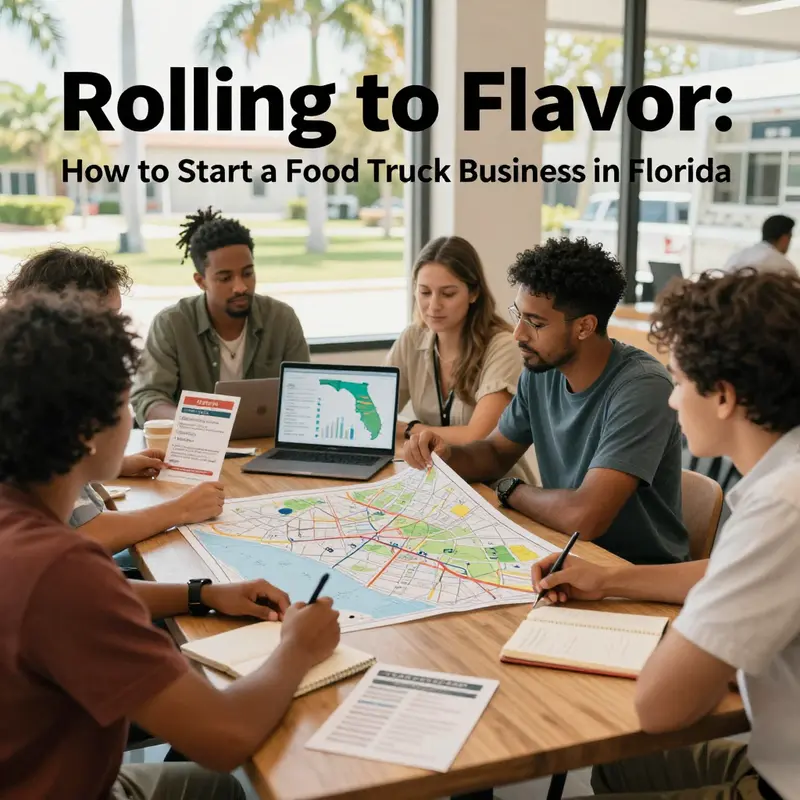
In Florida, market research is the weather and the pulse of neighborhoods that determine whether a truck will bloom or sputter. The state’s outdoor-dining climate invites year-round activity, but the real driver is people: tourists arriving for beaches, theme parks, and festivals colliding with locals who crave quick, delicious, affordable meals. The market is texture-rich: success hinges on knowing not just what you cook, but where you cook it, whom you serve, and how you fit into an ever-shifting rhythm. This chapter outlines three layers: demand, regulatory feasibility, and competitive landscape. Demand is driven by place: Miami, Orlando, and Tampa each offer distinct neighborhoods with high foot traffic and recurring events. The regulatory layer includes FDACS permits, local health permits, business licenses, and event permissions; regulations vary by county, so early alignment with the specific locality is essential. The competitive landscape rewards niches with clear positioning and manageable menus. A few proven concepts include Latin street food with daily specials, seafood-forward trucks tied to the coast, and plant-based menus that appeal to health-conscious guests. The key is a lean menu that preserves speed and margins, plus a brand that communicates the concept and builds loyalty. Finally, connect concept to execution with practical questions: can ingredients be sourced reliably? can the kitchen fit a mobile unit while staying compliant? can the concept scale across sites and seasons? Using these lenses, you can identify a location-driven or cuisine-centric niche or a hybrid that blends regional flavors with a flexible menu. For further guidance, see the practical resources on choosing a food truck model and the Florida health and safety regulations.
Chapter 2: Building a Safe, Efficient Florida Food Truck — Vehicle Selection, Equipment, and Compliance in Practice
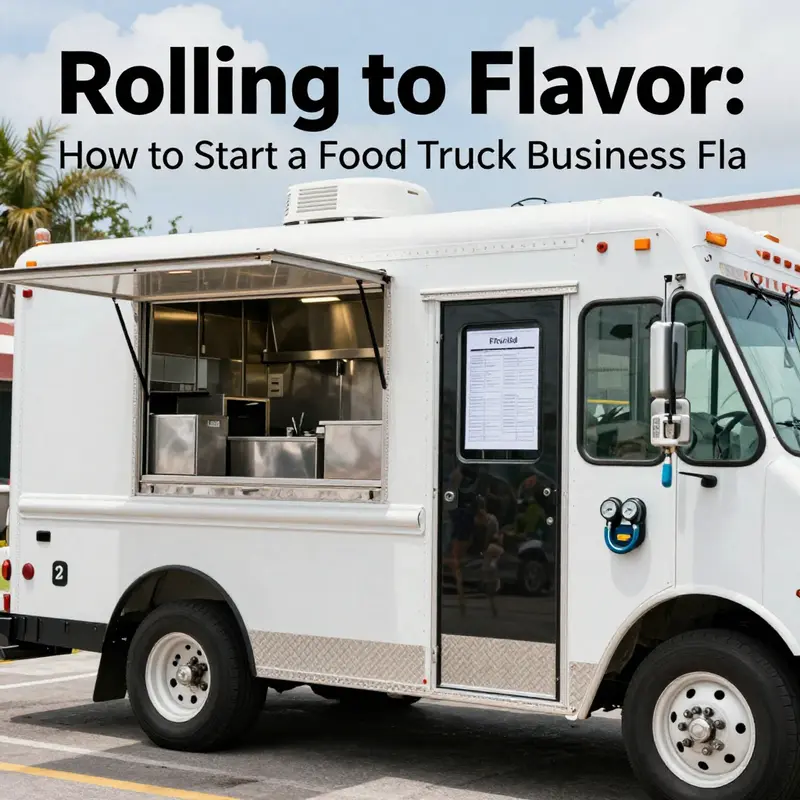
Florida’s food truck scene has blossomed into a resilient and diverse ecosystem, where cooks chase the thrill of the open road and diners chase the next bite of a zesty, vibrant meal. That energy is tempered by a rigorous regulatory framework designed to protect public health while enabling entrepreneurs to innovate on wheels. The core decisions in Chapter 2 center on three interlocking elements: choosing the right mobile unit, equipping it to meet the highest safety and service standards, and navigating the compliance landscape that governs every shift you operate. In Florida, the flow from concept to roll-out is shaped by the Florida Department of Business and Professional Regulation (DBPR) and, at the local level, the county health departments and licensing offices. A recent update from April 16, 2025, highlights a 20% uptick in mobile food dispensing vehicle (MFV) licenses, underscoring both the opportunity and the responsibility that come with operating on Florida’s roads and neighborhoods. This growth signals a healthy appetite for mobile dining, but it also means more scrutiny to ensure every unit meets the same uncompromising standards. As you prepare to invest in a truck, the question isn’t just how to look good on the street; it’s how to perform consistently under the heat, rain, and crowds while staying fully compliant with state and local rules.
Vehicle selection in Florida is not a cosmetic choice. The MFV you pick must satisfy structural and safety standards that support safe operation in a variety of conditions—from the tropical humidity of Miami to the transient heat of outdoor concerts in Jacksonville. Ventilation must be adequate to manage steam and smoke during cooking, lighting must be sufficient for safe work during night and low-light events, and sanitation facilities must exist to facilitate proper handwashing and equipment cleaning. The vehicle should be designed to minimize cross-contamination, with dedicated zones for raw ingredients, ready-to-eat foods, and trash, as well as clearly delineated prep surfaces that are easy to sanitize. Temperature control is non-negotiable. Refrigeration units must keep perishable ingredients cold, hot-holding equipment must maintain safe serving temperatures, and the entire system should support a robust cold chain from storage to service. When evaluating options, many operators consider the typical footprint for MFVs in the 4–6 cubic meter range, balancing maneuverability with sufficient workspace for the kinds of menus Florida diners crave. Each choice carries implications for fuel strategy, maintenance, and long-run operating costs, so the decision should be grounded in a clear sense of planned throughput, peak hours, and your target locations.
Equipping that truck is where craft meets compliance. A functioning refrigeration unit is essential, not optional; hot-holding equipment is equally critical for serving long-wooded gatherings or late shifts. A dedicated handwashing station, compliant wastewater disposal, and an approved prep surface are not merely conveniences—they are regulatory requirements that keep you within the health department’s expectations. Surfaces should be stainless, non-porous, and easy to sanitize, with airflow and drainage designed to prevent splash-back and cross-contamination. The equipment list often reads like a checklist for a small commercial kitchen on wheels: a reliable refrigeration system with temperature monitoring, a steam table or hot-holding cabinet for plates, a sink with an adequate number of basins and a recognizes-clean-water-to-waste-water separation, proper ventilation hoods, and a seedbed of practical, well-placed storage. Power and utility planning plays a crucial role here. Decide whether to rely on a generator, shore power at events, or a hybrid approach. Florida’s climate means you’ll want equipment that not only meets health standards but also performs reliably in heat and humidity. Generators should be sized to handle peak equipment loads, with fuel management that doesn’t jeopardize service during busy lunch rushes or festival windows. Energy-efficient appliances can reduce fuel burn and maintenance, extending the truck’s daily run time between service visits.
The regulatory path is the compass you’ll rely on for every permit, inspection, and renewal. The MFV license is issued and regulated through the DBPR, and you’ll also interact with the local county health department for the Food Service Establishment Permit and, where applicable, the Mobile Food Vendor Permit. The Florida framework requires not only initial licensing but ongoing compliance: inspections, periodic renewals, and documentation to demonstrate that the unit continues to meet the standards for construction and equipment. The DBPR guidelines provide detailed specifications for vehicle construction and equipment. Operators should read them closely, as small deviations in venting, sanitation facilities, or surface materials can trigger compliance concerns during inspections. In practice, this means maintaining meticulous records of equipment ages, service dates, temperature logs, and sanitation schedules, and planning for regular staff training in food safety controls. Florida’s health and safety expectations are designed to be practical and transparent, with clear expectations about how to operate, how to maintain, and how to demonstrate compliance during an inspection.
To navigate these waters effectively, many operators begin with a practical prioritization: establish a vehicle that supports safe, efficient cooking and service; equip it to meet the most stringent health standards; and align with the licensing steps early to avoid bottlenecks. The licensing sequence typically starts with your business setup—entity formation and an Employer Identification Number (EIN) for tax purposes—followed by the MFV license application and the county’s food service permit. You’ll want to secure commercial auto insurance for the mobile unit, general liability coverage, and workers’ compensation if you hire staff. The insurance is often a prerequisite for permit issuance, and it also provides a safety net for the unique risks of on-road and on-site dining. Local jurisdictions may add requirements, so early conversations with county offices can prevent delays. As you plan, consider a phased approach: complete the basics first—vehicle, core equipment, and essential permits—and then layer in branding, location strategies, and customer experience improvements.
The practical path is not just about passing inspections; it’s about building reliability and trust with customers who expect clean, safe, and tasty meals wherever you serve. That reliability hinges on a disciplined record of inspections, a well-trained team, and a culture of sanitation. HACCP principles, while often associated with larger operators, are equally relevant to mobile kitchens. A simple, daily routine—check temperatures on all cold and hot units, verify handwashing station functionality, and confirm waste disposal procedures before service—creates a strong foundation for snowballing quality, consistency, and customer confidence. In a state with a high density of festivals, parks, and office parks, consistency becomes a competitive edge. If a truck can deliver the same high standard at an early morning weekday shift and at a crowded weekend event, it earns repeat business and a robust reputation fast.
For those who want a targeted, practical lens on how to choose the right chassis for your concept, consider the guide on choosing the right food truck models. It complements this chapter by linking vehicle specifications to menu needs and expected throughput. The right model won’t just fit your space; it will align with how you plan to prepare, transport, and present food to Floridian customers. Choosing the right food truck models offers actionable considerations for sizing, layout, and workflow, helping you translate culinary vision into a mobile kitchen that complies with state standards while delivering a consistent guest experience.
As you move from blueprint to dashboard, the most compelling truth remains: Florida’s MFV landscape rewards careful planning, deliberate investment, and unwavering compliance. The 20% rise in MFV licenses signals opportunity—but it also magnifies the importance of submitting accurate plans, maintaining equipment standards, and embracing ongoing training. The state’s regulatory ecosystem is designed to protect the public while enabling entrepreneurs to innovate, and it works best when each operator treats compliance not as a hurdle but as a competitive advantage. In the pages that follow, you’ll see how to translate this framework into a concrete, repeatable operating model: how to calibrate your menu to your kitchen’s capacity, how to lock in locations that support steady traffic while respecting permitting constraints, and how to measure performance so you can iterate toward higher margins and better guest satisfaction.
External resource for further guidance: For authoritative state guidance, refer to the Florida DBPR’s Mobile Food Dispensing Vehicles documentation at https://www.floridasbpr.com/Professions/Mobile-Food-Dispensing-Vehicles.aspx. This page outlines the licensure, inspection cadence, and equipment requirements that shape day-to-day decisions on your Florida mobile kitchen.
Permits on Wheels: Navigating Florida’s Regulatory Landscape to Launch a Food Truck
Starting a food truck in Florida requires more than a tasty menu; it demands a precise choreography of federal, state, and local approvals. The journey begins with the most basic paperwork—the Employer Identification Number from the IRS—a gateway to opening a business bank account, hiring staff, and filing taxes. Without an EIN, you’re running a ship without a flag. From there, you move to the state-level steps that validate your business structure and legal name. Register your business with the Florida Department of State, Division of Corporations to formalize whether you’re a sole proprietor, an LLC, or a corporation. This not only lends credibility but also clarifies liability and tax treatment as you scale.
Then come the sales tax requirements. The Florida Department of Revenue issues the Sales Tax Permit, a critical tool for collecting and remitting sales tax on every bite sold from the truck. It’s easy to underestimate how many moving pieces touch tax compliance in a mobile operation, where revenue pops up in parking lots, festival grounds, and corporate campuses. The permit’s existence is the hinge; it ensures that revenue collection aligns with state law, regardless of whether your kitchen is parked near a high-rise or a beachside festival.
Local laws are the final layer, and in Florida they vary widely. A city or county can set hours of operation, permitted zones, and inspection standards that redefine what is feasible on wheels. Miami-Dade, for example, requires a Mobile Food Vendor Permit, while Orlando may mandate a Mobile Food Truck License. Some municipalities insist on proof of liability insurance, others require a surety bond to guarantee performance and compliance. Because these rules change with political winds and enforcement priorities, it’s vital to map out your intended routes and check the local regulatory map before you commit to a location or a signature recipe.
Health and safety sit at the core of these standards. The Florida Department of Health, alongside county health departments, conducts vehicle inspections and monitors the kitchen’s hygiene, equipment functionality, and waste disposal practices. Kitchens on wheels must maintain proper refrigeration, adequate handwashing stations, and safe hot and cold holding temperatures. The health rules are not theoretical; they influence every operational decision from menu items to how you teach your team to handle leftovers and clean dishes between stops. It’s not enough to have a great tasting sandwich; it must arrive to the customer delivered in a safe, compliant package.
A pivotal part of readiness is staff training. Florida’s health framework expects food handlers to complete a ServSafe Food Protection Manager certification or an equivalent program, with records kept on file at your business. This isn’t a one-and-done credential; it’s a standard that travels with you as you move from one market to another. The certification signals to customers and inspectors alike that your operation understands temperature control, cross-contamination prevention, and personal hygiene. When you are sanctioned to operate in multiple jurisdictions, those credentials can smooth a lot of friction at inspections.
Insurance is more than a formality; it is the safety net that makes expansion realistic. In practice, you should secure commercial auto insurance to cover the truck itself, general liability insurance to protect against accidents or spills on site, and workers’ compensation if you hire staff. Some local authorities require proof of insurance before issuing a permit. The financial protection offered by robust coverage makes it easier to negotiate with park managers, landowners, or event organizers who want reassurance that the operation will not become a financial risk if something goes wrong.
There is also the economics of compliance to consider. Some communities require a surety bond, a form of performance guarantee that adds a backstop if health or sanitation standards slip. The presence or absence of a bond can affect where and how long you can operate in a given space. The bond cost may seem like a friction point at launch, but it’s a small price to pay for stable access to desirable venues and predictable hours. The key is to front-load these obligations: compile the documents, schedule the inspections, and anticipate renewal deadlines well before you need to move to a new neighborhood.
Because the regulatory landscape shifts with policy changes and evolving food safety insights, many operators benefit from a proactive, rather than reactive, approach. Build a relationship with the local health department and the city’s licensing division early. Ask about inspection cycles, what forms and tests you’ll encounter, and how often you should refresh training and certifications. Keep a concise, portable file of essential documents—your EIN confirmation, state registration certificate, sales tax permit, insurance certificates, inspection reports, and training records. When you carry this dossier in your truck or keep an accessible digital copy, you’ll avoid last-minute scrambles and maintain focus on service and quality.
For readers who want a guided walkthrough, a good starting point is the broader framework of navigational resources that discuss how these rules operate across jurisdictions. The chapter Navigating Food Truck Industry Regulations presents a holistic view of how federal, state, and local requirements intersect in practical terms. See the linked resource for deeper context about the regulatory rhythm that governs on-the-road kitchens, and how savvy operators align compliance with growth strategies. Navigating Food Truck Industry Regulations.
As you plot where to park and when to serve, remember that permits and licenses are not mere hurdles but the scaffolding that supports sustainable growth. In Florida, you’ll often begin with federal tax IDs and state registrations, but the real work unfolds at the local level, where permissions, inspections, and conditions of operation shape daily routines. This is where the narrative of your business becomes tangible—where your menus, branding, and customer experience meet the rules that ensure public health and fair competition. The better you understand the seasoning of compliance, the easier it is to scale: more venues, more events, and more regular customers who return because they trust that every bite comes with a clean bill of health.
The path to compliance also intersects with the operational realities that drive profitability. Inspections, while sometimes perceived as burdensome, are opportunities to demonstrate consistency and safety. Once you pass a health inspection, it’s not just a badge of credibility; it’s a signal to partners and event organizers that your operation can handle the pressure of a busy shift, peak service hours, and complex service lines without compromising safety. The permit ecosystem also encourages efficiency: set up checklists for daily temperature logs, waste disposal schedules, and staff hygiene routines so the team can focus on the guest experience rather than on last-minute compliance tasks.
Finally, a practical note on timing. If you’re translating a concept into a business, you must respect the lag between submission and approval. Start the federal and state steps early—EIN, entity registration, and sales tax permits—before you purchase or rebrand a truck. Then chase the local permits with equal vigor, scheduling inspections and collecting certifications ahead of launch. In a market like Florida, where tourism and events drive a large portion of demand, a well-timed permit strategy can shorten the path to first revenue and stabilize cash flow as you season your concept in a variety of neighborhoods.
For readers seeking a concrete reference point on ongoing compliance, consider the Florida Department of Revenue as the official source for sales tax-related steps, and remember that local counties often publish specific guidance that is updated regularly. For quick access to state-level tax guidance, visit the Florida Department of Revenue’s portal: https://www.floridarevenue.com.
Branding on the Move: Forging a Florida Food Truck Identity, Magnetic Marketing, and a Customer Experience that Converts Walk-Ons into Fans
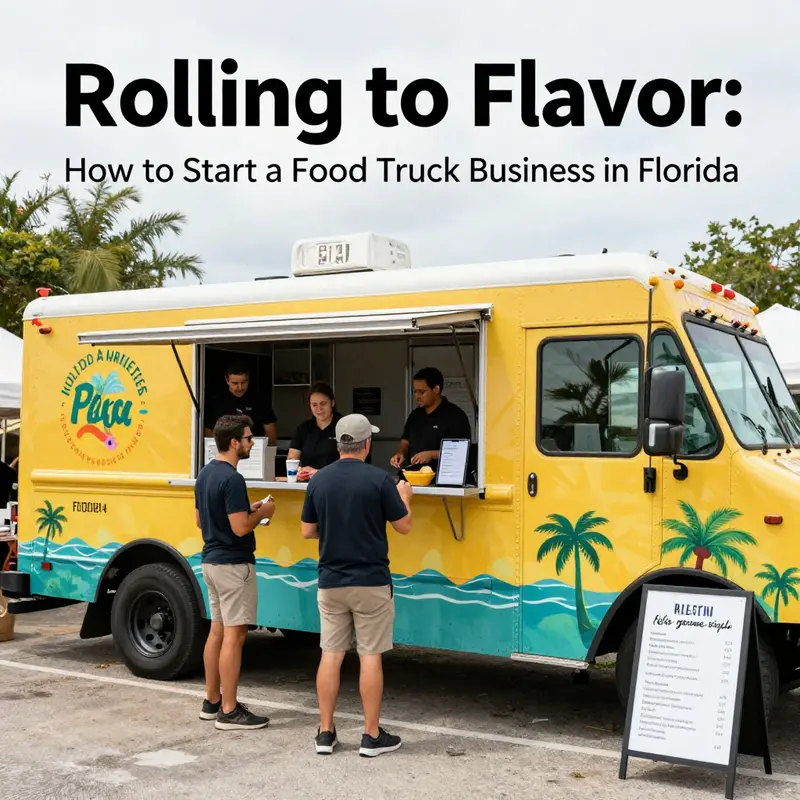
Branding on the Move is less about a single logo and more about an experience that travels with your truck from one sunlit street to the next across Florida’s diverse towns and coastal cityscapes. When you’re starting a food truck business in a place where tourism, urban density, and outdoor dining collide, branding becomes the compass that guides every decision—menu, service style, location strategy, and even the weatherproofing choices you make for hot, humid days or unpredictable storm seasons. The branding you build should feel both authentic to your cuisine and unmistakably Floridian in flavor and energy, so that locals and visitors alike stop not just for what’s on your grill, but for what your truck represents as a friendly stop in their day. A strong brand reduces the cognitive load for customers; it tells them quickly what you stand for, what kind of experience to expect, and why your truck is worth their wait in line.
At the heart of branding is a clear brand core. This is where you define your cuisine, your values, and your target audience. Are you chasing beachgoers craving quick, vibrant bites after a long swim? Are you serving busy professionals near office parks who want flavorful, reliable lunches? Or are you chasing the culturally curious traveler who wants a taste of Latin street food with a modern twist after a day at the theme parks or museums? Answering these questions helps you craft a concise brand story that explains why your truck exists and what makes it different in a crowded market. The Florida market rewards specificity: a well-defined story gives you a handle for every piece of content you publish, every collaboration you pursue, and every menu item you feature as a signature offering. It also provides a sturdy foundation for your visual identity and your voice—two elements that must sing in harmony if you want customers to recognize you in a sea of competitors.
Visual identity is the most immediate signal you send. A memorable name, logo, and color palette should reflect your cuisine and the ocean-salted, sunlit vibes many Floridians associate with outdoor dining. Your visuals must survive the glare of the afternoon sun on a crowded street, the glare of a festival’s neon lights at night, and the way a sandy breeze can blur colors on a truck wrap. Consistency is your ally here. Every touchpoint—the truck wrap, the menu boards, signage at the ordering window, social media banners, and even the merchandise you might sell—should share the same visual language. The goal is not just to be seen, but to be instantly legible and emotionally resonant from a distance. Your brand voice, too, matters. Decide on a tone that fits your concept—whether bold and playful, warm and approachable, or premium and precise—and carry it through your menu copy, your captions, your staff’s scripts, and your community engagements. A short tagline anchored in your brand core can crystallize your positioning in moments when a passerby, scrolling or strolling, decides to stop for a bite.
Practical implementation matters as your truck hits the road. Develop templates for signage and menu boards that accommodate quick changes. In Florida, where events shift from morning farmers markets to late-night street fairs, you’ll need flexible assets that adapt to different spaces and sun exposure. A brand style guide becomes a practical tool for onboarding new team members and keeping consistency as you scale. It should cover color usage, typography, imagery style, photography guidelines, and a few examples of approved social posts. For a deeper dive into how branding can shape a mobile business, see Branding on Wheels: The Ultimate Guide to Food Truck Graphics and Identity. This resource offers a comprehensive look at how graphics, vehicle wraps, and messaging work together to create a unique on-the-road identity. (internal link)
In marketing, the Florida environment creates unique opportunities and distinct challenges. Your online presence should amplify what you’re doing on the street, not contradict it. Focus on visually driven platforms—Instagram and Facebook—where you can showcase high-quality images of your dishes, the sizzle of a grill, and the way the truck looks when the sun sets over the water. Stories and Reels are powerful formats for real-time location updates, menu rotations, and event announcements. A steady posting cadence helps you stay top of mind with communities that live and work near your frequent stops. The content strategy should emphasize ingredients, provenance, and the cooking narrative behind each dish. People love a good story about where something comes from and how it’s prepared, especially when it ties to local farms, markets, or coastal flavors that evoke the Floridian landscape. Encouraging customers to share their experiences and featuring user-generated content builds credibility and social proof, which in turn drives organic reach.
Partnerships are another pillar of effective marketing. Florida’s network of events—street fairs, concerts in parks, university campus gatherings, and bustling office corridors—offers a steady cadence of opportunities. Build relationships with event organizers, but also with neighborhood businesses that host lunch crowds or community gatherings. Co-promotions with nearby vendors, small caterings for corporate offices, or pop-up collaborations at wellness events can broaden your reach without the high costs of broad advertising campaigns. Local visibility also hinges on your presence in maps and searches. Claim and optimize your Google My Business listing, ensure your name, address, and phone number are consistent across platforms, and respond promptly to reviews—both positive and negative. A reputation for reliable service and transparent communication goes a long way in Florida, where residents take pride in supporting local food ventures and where tourists often choose their meals based on trusted recommendations. When a guest leaves a review, a thoughtful reply demonstrates listening and care, reinforcing your brand’s character.
Loyalty and promotions can seal the relationship with first-time visitors who become recurring customers. A well-designed loyalty program rewards repeat visits without diluting your margins. It could be a simple punch card on slow days or a mobile-based program tied to an app you build out gradually. Time-limited specials tied to the region’s rhythms—seasonal fruits, coastal flavors, or a nod to a local festival—create urgency while staying authentic to your concept. The key is to track what drives traffic and what sustains it. Use straightforward promotions and trackable redemption mechanisms such as QR code-enabled discounts or order-ahead links so you can measure the impact of different offers across locations and seasons. This data informs where you should park most often and which menu items deserve increased production capacity.
Customer experience is where branding becomes a lived reality. The first impression begins with the order point and signage. Clear, legible menus with visible pricing and simple cues for mobile ordering reduce friction. A branded exterior that tells your story at a glance helps you stand out in crowded venues, farmers markets, and festival grounds. The ordering flow should accommodate multiple channels—in-person, mobile app, and QR menus for contactless options—without creating bottlenecks. Staff are ambassadors of your brand; train them to explain dishes, ingredients, and customization options with confidence. Fast, consistent presentation reinforces your reliability and builds trust over time. In Florida’s climate, comfort matters. Shade, fans, and access to cold beverages or quick-service items can turn a sweltering shift into a more enjoyable experience for both guests and crew. Some events benefit from small ambiance touches—light background music that respects local noise ordinances and a friendly atmosphere that makes people linger just a moment longer, savoring the moment as much as the food.
Accessibility and inclusivity should shape both menu design and service. Clear access for customers with disabilities and clear labeling of major allergens help ensure everyone can enjoy what you offer. Evaluating your service at peak hours, rehearsing a smooth queue, and maintaining a clean, organized service area are basic expectations. Solicit feedback through quick surveys or social polls, and demonstrate that you act on insights where feasible. Florida’s outdoor-event culture rewards a flexible, resilient approach. Be prepared for long outdoor service hours, portable shelter needs, and the occasional hurricane-related disruption. Contingency planning—routes, back-up locations, and a plan for location changes—keeps guest experience intact even when conditions shift.
Behind the scenes, practical compliance and operations support the brand promise. Your branding effort should align with legal and regulatory obligations in Florida, which include mobile vendor approvals, health department clearances, and appropriate insurance. Establish standard operating procedures for food safety, cleaning, and cash handling, and maintain a routine for equipment maintenance. The cohesion between branding, marketing, and guest experience is not incidental; it’s a strategic design choice that clarifies who you are and how you want to be perceived in a dynamic, outdoor, highly competitive market. It helps you answer the essential question every guest asks when they approach the truck: why should I choose this one? Your answer, delivered through a consistent brand narrative, a distinctive visual identity, memorable customer interactions, and a reliable service model, turns moments of curiosity into long-term patronage.
External resource: Florida Department of Health’s food service regulations provide critical guidelines that shape how your branding and customer experience must translate into compliant operational realities. https://floridahealth.gov/health-topics-and-issues/food-safety/food-service-regulations
Chapter 5 — Florida Food Truck Playbook: Location, Operations, and Financial Projections
Florida’s food truck scene is a climate-tinged audition for entrepreneurial resilience. The state’s mix of dense urban cores, tourist corridors, and seasonal windows creates a vivid landscape where location, smooth operations, and disciplined financial planning intersect. This chapter threads those threads into a practical pathway for starting and growing a mobile food business across the Sunshine State. It begins with how to choose where to operate, moves through how to run the truck like a dependable brand, and lands on how to model revenue, costs, and profitability in a market that shifts with weather, events, and regulations. To navigate this terrain, imagine the truck not just as a kitchen on wheels but as a moving, temporary touchpoint for communities and visitors who crave convenience, quality, and a memorable dining moment. The plan is not a single tactic but a cohesive cycle: select prime spots, operate with rigor, control costs, and build revenue streams that endure beyond a single location or season.
Location strategy in Florida is less about chasing the largest crowd and more about aligning cadence with regulatory realities, climate, and local demand. The diversity of the state means that a downtown Miami route and a university town in Central Florida demand very different approaches. Permit costs, operating hours, and zoning rules can swing dramatically from one county to the next. Downtown Miami, for example, might offer high foot traffic but comes with a denser permit environment and higher fees, while a smaller city or college town may require less upfront investment yet deliver more predictable crowding during weekday lunch hours or weekend events. The key is to map the calendar: winter tourism spikes in South Florida, while summer heat and storm risk compress downtown activity. By studying event calendars, farmers markets, and the rosters of local venues, a savvy operator can plan a route that complements rather than competes with fixed eateries. This is where the old rule of thumb—three strategic circles around workplaces, schools, and parks—still applies, but with Florida-specific nuance. Workplaces in business districts, campuses at state universities, and outdoor venues hosting concerts or festivals can yield durable, high-intensity traffic if you time visits to coincide with peak activity. Yet you must balance that with the realities of parking, rotating spots, and the need for a formal permit to operate in a given lot or district. The bottom line is practical: don’t chase every popular corner. chase the legitimate, repeatable windows where permits, revenue, and brand visibility align. For a deeper dive into the regulatory maze that shapes every move, see our guide on navigating food truck industry regulations.
Operational discipline is the hinge that keeps a Florida truck from becoming a seasonal spin of ideas rather than a sustainable business. The truck is more than a portable kitchen; it’s a brand experience that sets expectations around speed, cleanliness, and reliability. In Florida’s warm climate, refrigeration and temperature control aren’t luxuries—they’re requirements that protect product quality and customer trust. A well-planned setup includes a robust cold chain, a clean, well-organized workspace for the crew, and sanitation routines that keep pace with busier service periods. Training should emphasize not only food safety practices but also customer service, menu consistency, and the ability to adapt quickly to changing conditions—whether a sudden rainstorm or a surge of guests at a popular event. Mobility brings opportunities for experimentation, but it also imposes constraints: you must maintain your hardware and supply lines so that a single blown compressor or a delayed delivery doesn’t derail your day. In practice, this means sourcing ingredients locally when feasible, establishing a reliable commissary partnership, and implementing simple inventory controls that prevent waste and shrinkage. A modest but meaningful improvement in inventory discipline can yield a measurable lift in profitability over a busy season. In Florida, where heat accelerates spoilage, turnover becomes a profit driver as much as sales volume.
Technology and systems play a growing role in turning operations into repeatable performance. A modern truck relies on more than a grill and a fryer; it runs on a tiny, highly coordinated ecosystem: the menu, the order flow, the payment method, and the timing of prep and service. Digital payment capability, order aggregation, and a mobile-friendly menu help reduce wait times and increase throughput. Real-time updates about daily specials or location changes can drive foot traffic and encourage impulse visits. At the same time, data collection—such as which days and locations yield the highest average check—helps refine a route plan and menu decisions. Florida operators should also anticipate the administrative cadence: regular health inspections, periodic renewals of permits, and ongoing compliance with the Florida Food Code as enforced by the state and local health authorities. A practical approach is to adopt a simple, repeatable process for inspections and compliance, treating them as a performance metric rather than a burden. To complement this, consider a strategy that leverages partnerships with local businesses or venues to secure reliable, recurring spaces, reducing the friction of daily location scouting.
Within the operational framework, the commissary requirement deserves particular attention. Florida rules commonly require a licensed facility where the truck can restock, clean, and sanitize between shifts. The commissary acts as the backbone for safe handling of perishables, waste management, and equipment maintenance. It should provide adequate space for dishwashing, refrigeration, and storage of non-perishables, while ensuring proper temperature control and hygiene practices. Securing an approved commissary is not merely a bureaucratic checkbox; it is a critical support system that sustains quality during peak times and in adverse weather. When evaluating potential commissaries, consider proximity to your planned routes, the available capacity to scale as you add more days or trucks, and the compatibility of procedures with your anticipated menu. A thoughtful plan for commissary logistics can prevent bottlenecks that drain margins and erode customer experience.
The financial backbone of the Florida food truck venture rests on realistic projections and disciplined cost management. Start-up costs for a compliant mobile unit typically fall into a wide range, reflecting whether you build new or refurbish, the equipment package you choose, and the permit structure in your county. A practical snapshot for budgeting purposes places capital needs in the tens of thousands to low six figures, with substantial variation by location, vehicle choice, and the level of fit-out. Once on the road, the daily math shifts to how often you can operate at a given location, the average check size, and your ability to align labor with demand. A well-constructed model often shows daily revenue in the vicinity of a few thousand dollars during peak periods, with gross margins around the 60 percent ballpark when COGS are well controlled. The challenge is not merely to achieve a good day but to sustain a steady cadence across weeks and months. That means managing fuel, maintenance, insurance, and permit renewals with a forecast that accounts for Florida’s climate and hurricane season, which can disrupt schedules and complicate planning.
Diversifying revenue streams helps stabilize cash flow across the calendar. Beyond daily street sales, catering for private events, pop-up dinners, or corporate promotions can smooth out the seasonal fluctuations tied to tourism and school calendars. Each of these streams comes with its own cost structure and timing considerations, but they often offer higher margins and greater brand reach. When projecting finances, anchor your assumptions in location- and season-specific data. Start with a baseline like a modest daily footprint that delivers consistent weekend traffic, then layer on event-based opportunities and recurring commissary savings to reach a broader, more resilient earnings trajectory. A robust financial plan also uses sensitivity analysis to test how changes in location mix, menu mix, and labor scenarios affect profitability. The Florida-specific financial projections templates from official state resources can provide a structured path for 24-month cash flow, unit economics, and break-even analysis, helping you refine assumptions before you scale.
Finally, the practical discipline of planning, executing, and reviewing results creates a virtuous loop that drives growth. Operational rigor reduces waste and wasteful spending, while a clearly defined location strategy enhances daily revenue opportunities. The experience you build—the consistency of your service, the clarity of your branding, and the reliability of your supply chain—turns a mobile operation into a trusted option for customers who appreciate convenience and quality. When you couple this with a credible plan for financing, including realistic start-up costs and 24-month projections, you establish a foundation capable of supporting expansion into additional routes or even a second truck as demand grows. In Florida’s competitive food scene, where timing and reliability can outpace flashy menus, the blend of careful location selection, disciplined operations, and conservative yet ambitious financial planning is what separates a transient venture from a sustainable business.
For a deeper regulatory framework and practical checklists, operators should consult the state and local health departments and reference official guidance on food safety and licensing as they map out the first 12 to 24 months of activity. A solid starting point is reviewed in the external resource linked at the end of this chapter, which provides detailed guidance on sanitation, licenses, and inspections that Florida operators must uphold as they deploy a portable dining concept across diverse communities. This integrated approach—where location, operations, and finances align with regulatory expectations—helps ensure that a Florida food truck can thrive, season after season, in a market that values speed, flavor, and reliability.
External resource: For deeper regulatory guidance on sanitation, licenses, and inspections, see the Florida Department of Agriculture and Consumer Services Food Safety guidelines: https://www.fdacs.gov/food-safety.
Final thoughts
Launching a Florida food truck blends creativity with compliance, community engagement with disciplined planning. By grounding your venture in clear market insights, selecting the right vehicle and equipment, navigating permits with confidence, cultivating a welcoming brand and guest experience, and executing a smart location and operations strategy, you build a mobile kitchen that resonates across events, workplaces, campuses, and neighborhoods. Stay adaptable, measure performance, and lean into Florida’s vibrant culture—your truck can become a beloved fixture that feeds connections, fuels opportunities, and grows alongside your goals.