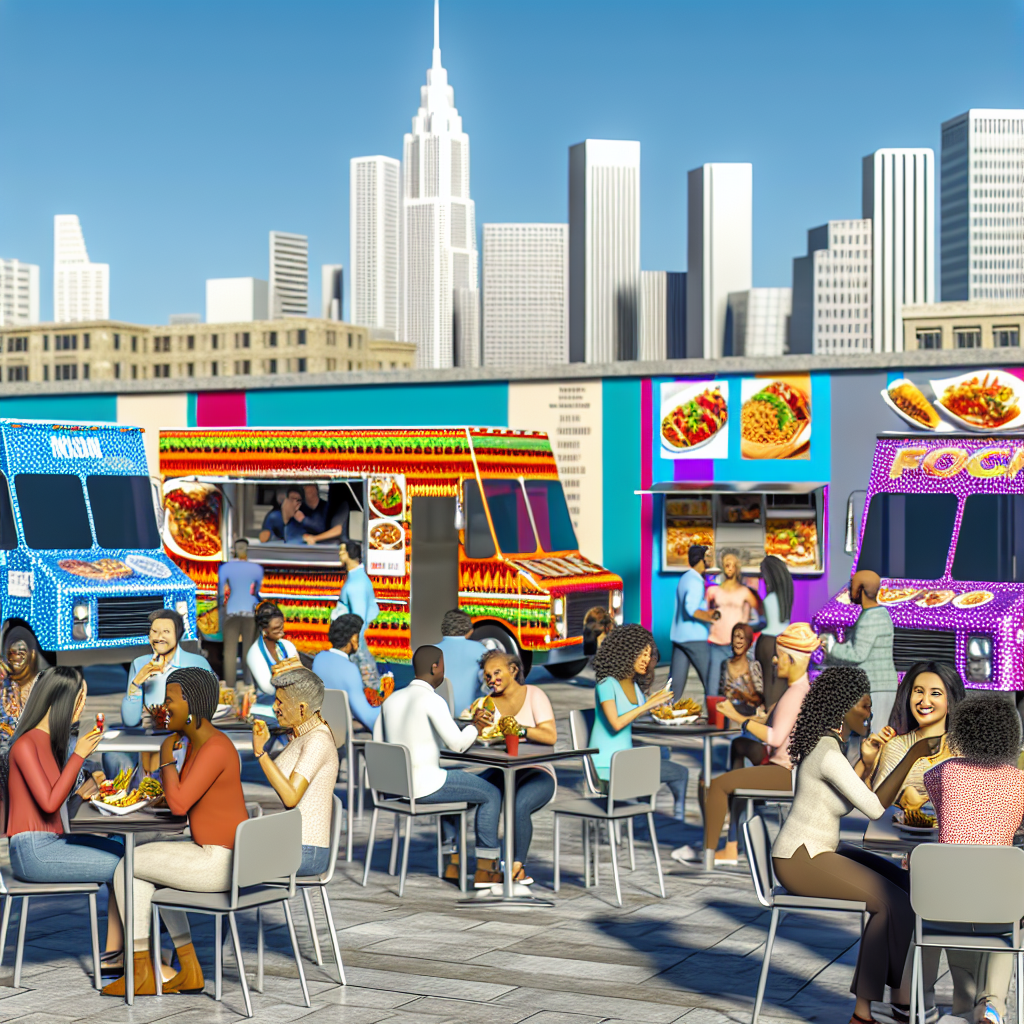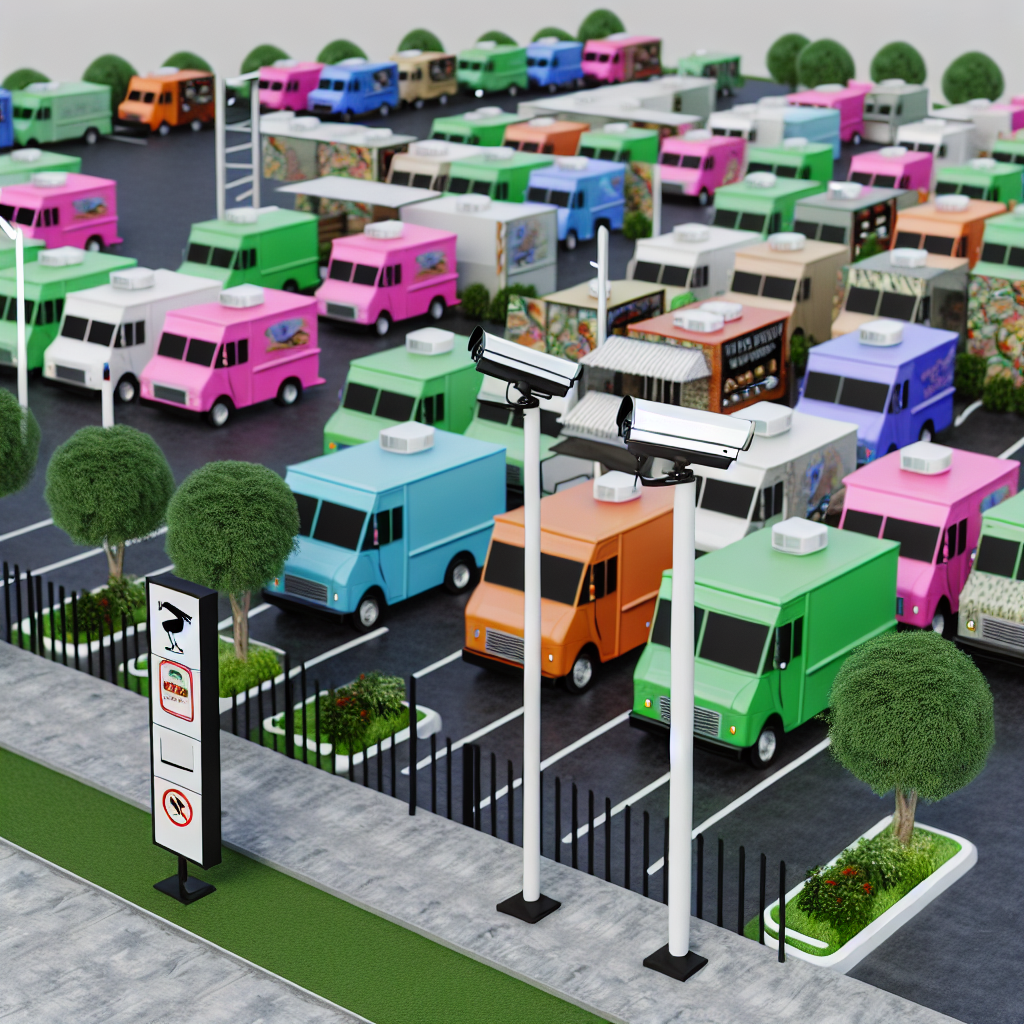
Food trucks have become a vibrant staple in the culinary world, drawing in crowds with delicious offerings and unique experiences. Whether you’re an event planner looking for catering options, a corporate HR team organizing lunch for employees, or just a food enthusiast eager to explore your local scene, understanding what makes a food truck successful can elevate your connection with this dynamic food culture. This guide will cover everything you need to know, from executing thorough planning and securing necessary permits to strategically scheduling your truck’s fixtures and building a memorable brand. Join us as we navigate this energetic world of mobile cuisine and uncover the essentials to success.
Plan Like a Pro: Market Research and Strategy for a Winning Food Truck
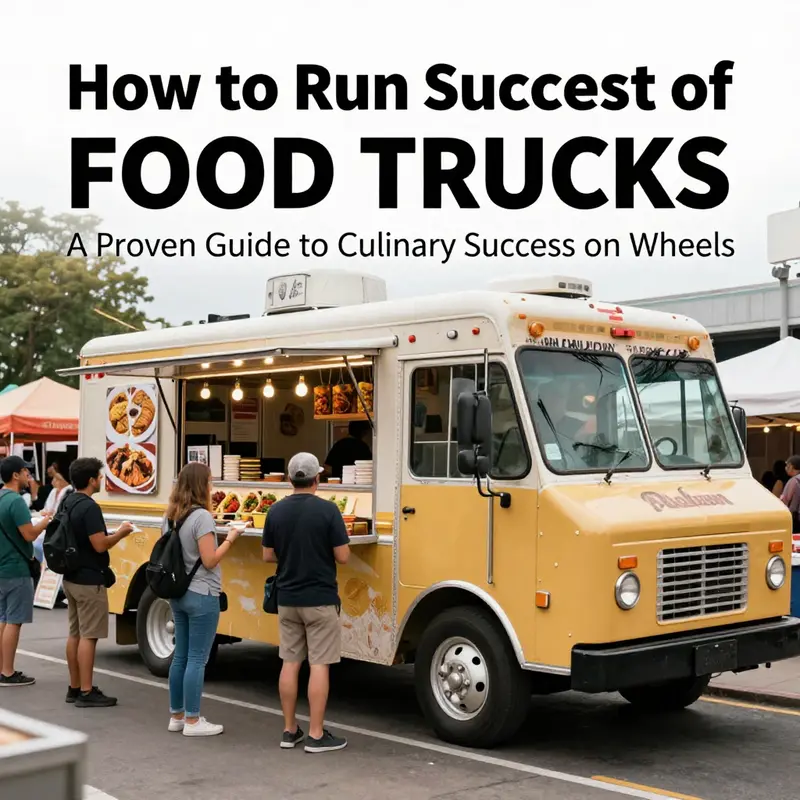
Planning and Market Research: the foundation of a thriving food truck
Every successful food truck starts with a clear map. That map is detailed market research and a planning process that translates customer insight into consistent daily practice. Begin by probing who will buy your food and why. Study local demographics, foot traffic flows, and the eating habits of the neighborhoods you intend to serve. Look beyond broad labels—identify commute patterns, office lunch peaks, student schedules, and weekend festival rhythms. Track what people are buying now and what they wish they could find. This is not guesswork; it’s a disciplined effort to match your concept with demand.
Carve your niche deliberately. A narrow, well-executed concept sells better than a sprawling, unfocused menu. Choose a cuisine or idea that solves a local gap—gourmet sandwiches for late-night crowds, plant-forward bowls near campuses, or handheld comfort food near office parks. Your niche defines everything: equipment, ingredient sourcing, pricing, and operations. It should be distinctive, repeatable, and scalable. Test variations in small batches. Use pop-ups, farmer’s markets, or tasting events to measure interest before committing to a full menu.
Design a menu that balances appeal and efficiency. Limit choices to what you can execute to the same standard, every service, under pressure. Each item should be fast to assemble, cost-effective, and profitable. Build recipes around core ingredients to reduce waste and simplify ordering. Prioritize items that travel well and hold temperature. Keep prep workflows tight so one cook can handle peak periods without sacrificing quality.
Permits and compliance are part of your market research. Understand the local regulatory landscape as an element of feasibility. Different cities impose various rules for mobile vendors—health permits, business registrations, vehicle inspections, and parking restrictions. Factor permit costs and timelines into your launch plan. Some prime locations require special permits or vendor agreements; others have restricted hours. Regulatory friction can sink early momentum, so research municipal rules thoroughly and integrate compliance tasks into your schedule.
Choose the right vehicle and equipment with your concept in mind. Vehicle size, kitchen layout, and appliance selection should reflect your menu and service speed. Think ergonomics—space that allows staff to move without collisions accelerates service. Prioritize reliable refrigeration, efficient cooking systems, and easy-to-clean surfaces. Consider fuel efficiency and maintenance access; both impact daily operating costs. For guidance on matching vehicle models to your plan, review resources on choosing the right truck layout and model to suit menu needs.
Logistics and routing amplify your research. Map high-foot-traffic corridors and schedule stops where your target customers congregate. Use route-planning tools to layer in events, office lunch rushes, transit hub flows, and farmer’s market dates. Consistency builds recognition; choose a few dependable spots and arrive on a reliable schedule. Customers who know where to find you become repeat buyers. Flexibility matters too—track events and adjust when lucrative opportunities arise.
Supplier strategy arises from both menu design and risk management. Identify primary suppliers with dependable quality and delivery. Add secondary suppliers to avoid shortages. Local producers can supply fresher ingredients and strengthen your brand story. Plan deliveries to minimize storage time on the truck. Maintain clear par levels and reorder points tied to sales forecasts. Inventory discipline reduces spoilage and preserves margins.
Cost control starts with granular forecasting. Build a model that accounts for fuel, permits, insurance, labor, ingredients, and maintenance. Include one-time capital expenses like vehicle retrofit and signage. Monitor actuals daily against forecasts and adjust recipes, portion sizes, or purchase frequency to protect margins. Price items based on ingredient cost, labor, and perceived value. Small price adjustments can have outsized impact on profitability if executed without alienating repeat customers.
Branding and marketing are extensions of research. Your visual identity must communicate what you sell and who you are. A memorable name, consistent color palette, and clean, readable truck graphics reduce hesitation when customers first encounter you. Use photography and short videos to show food texture and portion. Invest in a strong social media strategy that posts locations, highlights daily specials, and tells small stories about suppliers and staff. Real-time updates are crucial; customers rely on social posts to find you. Collaborate with nearby businesses or other trucks for cross-promotion and shared events.
Test and iterate relentlessly. Gather feedback through direct conversation, quick surveys, and sales data. If a dish underperforms, analyze whether the problem is price, taste, presentation, or visibility. Use limited-time specials to trial new items without disrupting your core menu. Seasonality matters; adapt ingredients and positioning for summer festivals or winter office lunches.
Plan for contingencies. Weather, equipment failure, or permit delays will happen. Maintain a contingency fund for repairs and emergency supplies. Build redundancy into critical systems—backup power sources, extra propane, or a portable refrigeration plan. Train staff on emergency procedures and customer-facing communication for unexpected closures.
Finally, measure outcomes and refine strategy. Track daily sales by item, location, and time. Use that data to double down on profitable patterns and abandon underperforming tactics. Combine quantitative sales metrics with qualitative customer feedback. Over time, your research evolves into a living playbook that guides scheduling, menu development, and marketing.
A thoughtful market-research and planning phase reduces risk and speeds growth. It aligns your menu, operations, and brand with local demand. The upfront work pays back through predictable customer flows, controlled costs, and a scalable model. For deeper market trend analysis and forecasts, consult the Global Food Truck Market Report 2025–2033: https://www.businessresearchinsights.com/market-reports/global-food-truck-market-2025-2033
For practical guidance on matching vehicle choices to your concept, explore resources on choosing the right food truck models: choosing the right food truck models.
Permits, Paperwork, and Peace of Mind: Licensing Essentials for a Profitable Food Truck
Getting every permit right is the foundation of a sustainable food truck. Without the proper paperwork, you risk fines, forced closures, and lost reputation. This chapter walks you through the licenses and approvals you need, what inspectors will look for, how to streamline applications, and practical strategies to manage permits as your truck grows.
Start with formal business registration. Choose an entity that matches your goals: sole proprietor, LLC, or corporation. Each has tax and liability implications. Register with your state and obtain a federal Employer Identification Number. This paperwork establishes your truck as a legal business and is required by many agencies when you apply for operating permits and insurance.
Next, secure the core food service permit. Almost every jurisdiction requires a Food Service License or Food Operating Permit. Applications vary, but common requirements include a completed form, proof of business registration, insurance certificates, and a detailed floor plan of your truck. The application will often ask for a food safety management plan. Draft a concise plan that outlines food handling, storage temperatures, cleaning schedules, and cross-contamination controls. Keep it practical and implementable; inspectors will expect to see that the plan is in use, not just on paper.
Plan for the health department inspection. Inspectors evaluate refrigeration, handwashing facilities, waste disposal, ventilation, and the general cleanliness of your cooking area. They will also check storage practices for raw and cooked food. When designing or buying your truck, choose equipment that meets local code. Favor stainless surfaces, easy-to-clean corners, and digital thermometers for quick checks. During inspections, demonstrate your cleaning logs and temperature records. Those logs reduce disputes and show commitment to food safety.
A Sales Tax Permit is mandatory to collect and remit taxes. Apply through your state revenue department. If you operate in multiple jurisdictions, register where you earn income. Sales tax rules differ by state and sometimes by city. Use an accounting system that tracks taxable and non-taxable sales in real time. This prevents surprises during tax season and simplifies remittance.
Parking and operating permits deserve special attention. Cities often regulate where food trucks can park and how long they can stay. Some locations require a separate vending permit or authorization for specific streets, parks, and event venues. If you plan to work festivals, secure temporary event permits in advance. For regular routes, map permitted vending zones and create a schedule. Consistency builds a reliable customer base and reduces compliance risk.
Insurance is not optional. Your truck combines vehicle and commercial kitchen risks. Obtain general liability, commercial auto, and property insurance that covers equipment and attached generators. If you use propane or other flammables, confirm coverage for those hazards. Keep policy documents readily available for inspectors and event organizers.
Some operations require specialized licenses. Selling alcohol calls for a liquor license and strict adherence to serving rules. Offering packaged goods, baked items, or regulated products may demand additional certifications. Check with local authorities before adding these items to your menu. If you intend to prepare food off-site in a commissary or shared kitchen, ensure that kitchen is licensed and your documentation reflects that arrangement.
Digital applications are increasingly common and useful. Many local governments accept electronic submissions, digital signatures, and online payments. This saves time and creates an auditable trail. Keep scanned copies of every permit and upload them to a cloud drive. Share digital copies with staff and event partners as needed. For jurisdictions that accept electronic documents, consult the relevant government portal for specific file formats and authentication steps. For guidance on navigating regulatory frameworks, see this piece on navigating food truck industry regulations.
Managing multi-jurisdiction compliance requires a system. If you serve neighboring cities or counties, create a permit matrix. List each jurisdiction, required permits, application fees, inspection frequencies, and renewal dates. Use calendar reminders for renewals and inspections. Missing a renewal can be costly and may interrupt your operations during a crucial season.
Practical tips reduce friction and speed approvals. Photograph the truck layout before inspections. Label critical systems—water shutoff, gas valve, fire suppression controls—so inspectors can find them quickly. Maintain a binder with your business license, insurance certificates, food safety plan, recent inspection reports, and training records for employees. Offer inspectors a quick tour and answer questions transparently. Inspectors are partners in public safety; building a cooperative relationship can ease future inspections.
Expect costs and timelines. Permit fees vary widely. Mobile vendor licenses range from modest to several hundred dollars. Health inspections may carry fees too. Build permit costs into your startup budget and allow lead time for approvals. Some permits require scheduled inspections that may take weeks to coordinate. Apply early for festival or stadium permits; popular events often close applications months ahead.
Common pitfalls to avoid: assuming a permit in one city covers another, skipping formal documentation of commissary agreements, and underinsuring specialized equipment. Also, don’t alter your truck’s layout without notifying inspectors. A seemingly small modification can trigger a reinspection or require new permits.
Finally, treat compliance as ongoing work. Regularly review updates from local health departments. Laws and digital processes change. Subscribe to relevant municipal newsletters and set an annual review of all permits and insurance policies. If your truck expands, hires employees, or changes menu items, revisit your licensing obligations immediately.
Securing the right permits and licenses protects your customers and your business. It demonstrates professionalism and builds trust in your brand. With careful planning, precise record-keeping, and respectful cooperation with regulators, licensing becomes a predictable operational task rather than a threat. For jurisdictions that recognize electronic documentation as legally valid, consult the State Administration for Market Regulation for details on digital submissions: https://www.samr.gov.cn
Strategic Location and Scheduling: Guiding Your Food Truck to High-Traffic Spots at Peak Times
The success of a food truck rests on two interlocking decisions: where you park and when you serve. Location is the compass that points hungry customers toward you, and scheduling is the clock that turns foot traffic into steady, repeatable revenue. Get these two elements right, and a small truck with a focused concept can outperform a larger operation with a scattered presence. The path to mastery starts with a clear view of your target customers and a disciplined routine that meets them where they are, day after day, week after week. As you design that routine, think of your truck not as a single stop but as a moving, adaptive storefront that travels through neighborhoods, campuses, transit hubs, and events with surgical precision.
Strategic location begins with instinct married to data. High-foot-traffic zones are a given, but the real value comes from the harmony between traffic flow, your niche, and the competitive landscape. Office districts during weekday lunches offer predictable streams of potential customers who crave speed and reliability. A practical approach is to identify a handful of preferred spots where office workers routinely gather for lunch and to arrive early enough to secure a line before the crowd forms. In these settings, the ability to serve quickly is as important as the ability to attract attention. A well-timed, efficient service not only satisfies the crowd but also creates a pattern: customers know where you will be, know when you will be there, and remember the experience for the next day.
Beyond daytime business districts, the evening landscape presents different opportunities. Residential neighborhoods with active street life, apartment complexes with dining options scarce after work hours, and mixed-use developments often become reliable sources of repeat traffic. The goal is to position your truck where a core community can easily access it after work, with minimal detours or delays. A practical tip is to situate your operation within view of a main entrance or a well-trafficked pathway so walkers and commuters can spot you from a distance and decide to stop on their way home. This simple visibility strategy compounds over time, turning chance encounters into regular customers who remember your truck as a convenient, friendly option during their routine routes.
Transit hubs—near train stations, bus terminals, or airport pickups—are powerful because they aggregate diverse crowds who value speed and convenience. Travelers, students, and professionals all become potential fans when your offerings provide a quick, satisfying bite at a reasonable price. The risk, of course, is navigating the regulations and parking constraints that govern these arteries. You must map the rules for each location you target: permitted hours, limits on stall length, noise restrictions, and any required vendor permits. In many cities, the most successful operators cultivate relationships with property managers, event organizers, and city officials so that their presence feels like a natural extension of the area rather than a nuisance.
Events and seasonal opportunities deserve a disciplined approach as well. Festivals, concerts, games, and farmers’ markets bring concentrated crowds, high turnover, and the willingness to pay premium prices for quick, tasty options. The payoff is substantial, but so is the competition. If you chase events, do so with intention: secure a spot near entrances or along main thoroughfares that funnel crowds, and position yourself to swap stock quickly if demand spikes or if weather dampens turnout. Your scheduling strategy should mirror this tempo: be prepared with extra staff for peak moments and with a lean, nimble setup for quieter intervals.
The commonly cited challenge with location is saturation. A practical rule of thumb is to avoid clustering where more than three competing trucks operate within a 100-meter radius. This keeps your line manageable and your brand distinctive. It also invites collaboration rather than battle—coordinated shifts among nearby trucks can create a mini-food-cluster that draws more attention than any single truck could alone. When you do choose a spot, consistency becomes a magnet. People like predictability: knowing you’ll be at a certain corner every weekday at 11:45 a.m. or that you’ll rotate through a popular park on Saturdays. A predictable pattern builds loyalty, encourages repeat visits, and makes it easier to forecast sales and adjust inventory without sacrificing the guest experience.
The scheduling piece is equally strategic. Food truck economics reward alignment of offerings with when people want them. For morning crowds, consider coffee-forward items, breakfast burritos, and grab-and-go pastries. Speed remains essential, and turning orders in under a minute can become your competitive edge when traffic is dense. In the lunch window, hot, ready-to-eat items—grilled sandwiches, bowls, tacos, or salads—shine. Value plays a pivotal role here: a well-crafted combo can increase average ticket size and cut service time when you optimize for speed without sacrificing quality. When dinner and post-work hours arrive, the focus often shifts to comfort foods, indulgent snacks, and higher-margin options. This is where creativity and confidence pay off: craft items that travel well, maintain heat and texture, and justify premium pricing in high-demand moments.
Technology and real-time data transform scheduling from a guess into a décisionive practice. Trucks that monitor foot traffic patterns and adjust locations or times accordingly tend to outperform rigid operators. Apps and heatmaps enable you to see where people congregate and when, letting you modulate your route or shift to a nearby lot with better turnover. The payoff is measurable: higher average daily revenue and more stable weekly income, even when conditions fluctuate. You can couple this with a lean inventory system that anticipates peak hours and recalibrates for slower periods, preserving freshness and reducing waste.
To tie these threads together, the interplay of location and time creates a dynamic, customer-centric machine. Your brand should signal readiness and dependability wherever you stand. A clean, recognizable truck wrap and a staff uniform that communicates warmth help people recognize your concept across locations. Your menu design should reflect the constraints of speed and portioning you encounter in the field. The simplest, most reliable items tend to win: fewer SKUs, quicker cook times, and a strong value proposition. As you validate each spot and hour, retain a clear picture of your core customer—the office worker who needs a fast, tasty lunch; the student who wants a cheap, satisfying bite between classes; the local resident seeking a weekend treat. These profiles shape how you price, how you prepare, and how you respond when demand surprises you.
A note on education and adaptability complements all the tactics above. Listen to customers and study the flow of your lines. If a dish doesn’t sell at a given location or time, be ready to pivot. If a location is consistently productive but crowded, consider rotating to nearby blocks with similar demographics to maintain velocity. Think of your schedule as a living document that evolves with the calendar—seasonal markets, school break periods, and weather patterns all influence foot traffic in meaningful ways. The most resilient operators test, learn, and refine constantly.
If you want practical guidance on parking logistics and the nuances of securing space in crowded urban settings, you can check mastering-food-truck-parking-challenges. That resource offers a grounded look at the concrete steps operators take to secure reliable walls on the edge of a city, rather than drifting from one temporary spot to another. And as you grow, keep an eye on the broader landscape. Industry trends consistently show that trucks which pair location intelligence with flexible scheduling achieve higher revenue and more sustainable growth than those who rely on luck and routine alone. In the end, the clock and the compass work best when they point toward the same destination: a consistent, compelling customer experience that makes your truck a welcome stop wherever it rolls.
For broader industry context and market trends, see a trusted source on the current state of the craft: https://www.nationalrestaurantassociation.org/food-truck-trends. This external perspective helps frame your planning within the bigger picture of how mobile food is evolving, from customer expectations to regulatory environments. By anchoring your local decisions in these insights, you build a blueprint that supports long-term profitability and resilience, regardless of where your truck might roll next.
Brand on Wheels: Crafting a Magnetic Identity and Revenue-Driving Marketing for Your Food Truck
A food truck lives or dies by the brand people experience as they encounter it on the street, at events, or in a bustling market. Branding is more than a logo or a catchy name; it is the promise you make to every potential customer and the consistent sensory cue they associate with your food. The choice of cuisine, the story behind your truck, and the way you present yourself in the world all come together to form a cohesive identity that people recognize and remember. When you get this alignment right, marketing becomes less about pushing a sale and more about inviting customers to participate in a recognizable, reliable experience that feels both fresh and familiar.
At the heart of successful branding is a clear Unique Value Proposition. What makes your truck different in a crowded lineup? It might be a signature dish built around a particular technique, a commitment to locally sourced ingredients, or a fusion that sparks curiosity while honoring familiar flavors. Your brand should crystallize that core idea into a lived experience—every bite, every interaction, every photo that people share should echo the same central message. A strong proposition guides menu development, packaging, staff interactions, and even which events you pursue. When a customer can describe your truck in a sentence that feels true, your marketing magic begins: word of mouth strengthens, and repeat visits grow naturally.
To translate that idea into reality, you need a visual identity that is both distinctive and legible from a distance. A reliable logo, a consistent color palette, and a vehicle design that reinforces the brand story are essential. Visual identity isn’t merely aesthetic; it reduces decision time for passersby and signals quality and trust. The Small Business Administration has emphasized that a well-defined brand can drive loyalty and repeat business, a principle that applies as much to a mobile kitchen as to any storefront. When your truck’s wrap, menu boards, uniforms, and signage all tell the same visual tale, you create a coherent first impression that sticks. It’s not about chasing every trend; it’s about crafting a look that captures your essence and stays legible at a glance.
As you develop that look, you should also think strategically about how you bring your brand to life online and in the real world. Social media becomes the storefront window and the kitchen is the stage. Your online presence should mirror the truck’s physical appearance—same colors, same typefaces, same tone. Platforms like Instagram, Facebook, and short-form video apps are ideal for sharing high-quality images of dishes, behind-the-scenes kitchen moments, and real-time updates about where you’ll be located. People follow because they want a sense of familiarity and anticipation: they want to know when they can find you, what they can expect to taste next, and who is cooking their meal behind the counter. Real-time location posts, seasonal menu hints, and short narratives about sourcing can turn a single post into a reason to visit.
But branding isn’t merely about posting slick photos; it’s about building relationships with the communities you serve. A thriving food truck brand becomes part of local life through partnerships with events, farmers’ markets, and nearby businesses. Community engagement strengthens trust and broadens your audience beyond first-time customers. When a brand is part of a network—an ecosystem of collaborations, sponsorships, and shared goodwill—it becomes easier to attract repeat clients who feel they are contributing to something meaningful beyond a meal. In practice, that means showing up consistently at a few reliable venues, participating in local festivities, and offering a consistent experience that aligns with your brand promise. Consistency is a cornerstone of loyalty; when customers know what to expect and know they will receive it, they become ambassadors who bring friends and coworkers to your window.
A practical route to grounding this consistency is to articulate your brand’s voice and personality. Will you speak with warmth and familiarity, or with a bold, witty edge? The voice should permeate every touchpoint—how the staff talk to customers, how you describe dishes on the board, how you respond to social comments, and how you thank guests at the window. The messaging should not contradict the visual identity; it should amplify it. If your concept leans into sustainability, for example, that narrative should thread through the materials you use, the way you describe ingredients, and the stories you share about suppliers. When your customers encounter your truck, your menus, your packaging, and your online posts, they should feel they are seeing the same brand personified across channels.
From a practical standpoint, branding and marketing require thoughtful, ongoing investment in materials and processes that support growth. Start with a basic yet robust system: a professional logo in multiple formats, a defined color palette that remains legible on the go, and signage designed for quick reads at a distance. Your truck’s wrap, banners, and menu boards should be cohesive, with typography that remains legible in sunlight and at an angle from the curb. Packaging—napkins, bags, utensils—can carry the same brand cues, turning a simple takeout moment into a portable advertisement. The efficiency of your design translates directly into faster service and higher throughput, particularly during peak hours when every second matters.
If you want a deeper dive into translating brand into on-truck graphics and identity, consider exploring resources like branding on wheels: the ultimate guide to food-truck graphics and identity. It details how to align your vehicle aesthetics with your brand narrative and how to maintain consistency across all physical and digital touchpoints. This kind of guidance helps you avoid mixed signals that can confuse customers or erode trust, and it nudges you toward a professional, polished look that signals reliability.
Once the foundation is set, your marketing presence should emerge from a plan that feels organic rather than forced. Content creation can showcase your process: the sizzling sound of a pan, the sizzle of fresh ingredients, a close-up of a finishing drizzle, or a glance at a hand-drawn chalkboard menu updated with a rotating daily special. Real-time updates about locations are crucial, but they should be paired with storytelling—why a dish exists, how it’s assembled, who crafted it, and what it represents for the neighborhood you’re serving. Engaging content is not just pretty pictures; it’s a narrative that invites audience participation. Run occasional contests, invite customers to share photos of their meals, and reward loyal visitors with small incentives that reinforce the brand’s identity and values.
Branding also means building trust through consistency in every point of contact. Your truck design should flow into your online profiles, your website presence, and your event appearances. The goal is a seamless, recognizable experience that makes people feel comfortable choosing your truck when a crowd gathers or when they spot your color palette at a distant corner of a festival. To maintain this consistency, keep a simple brand playbook: define the core visual elements, write a few sentences that capture your brand voice, and set a few guidelines for how staff should greet customers, how you describe dishes, and how you react to feedback. When new staff members join, this playbook becomes their first teacher, ensuring that even new faces carry the brand with the same confidence as the core team.
Above all, remember that branding and marketing are ongoing, not one-off tasks. As you learn what resonates with your audience, your brand can evolve without losing its essential identity. The best brands grow in ways that feel natural to their story, their cuisine, and their community, while staying true to the promises that first drew people to your window. The result is not just a line of customers but a loyal following that advocates for you at events, in the streets, and online. In the ever-shifting world of food mobility, a strong brand is your anchor, a beacon that guides people to your truck and keeps them coming back for more.
External resource: Branding guidance from SBA
Menu as Mission: Designing Flavor, Quality, and Operational Rhythm for a Thriving Food Truck
The path to a successful food truck begins long before the first customer walks up. It hinges on three interlocking disciplines: a compelling menu, unwavering quality, and lean, reliable operations. When these elements align, the truck becomes more than a mobile kitchen; it becomes a recognizable, trusted experience that draws people back again and again. The menu is the heart of your brand, but it is sustained by the discipline of how you source, prepare, serve, and manage the daily rhythm of a mobile business. In practice, this means designing a concept that your target audience craves, testing it with real customers, and then refining it with a steady hand on ingredients, sanitation, and throughput. A well-executed menu anchors pricing, sourcing, and promotions, making every other decision easier.
Start with a focused concept that clarifies who you are and who you serve. The strongest food trucks do more than offer a sequence of tasty items; they offer an experience. Whether you become a gourmet taco specialist, a dynamic fusion concept, or a plant-based quick-serve standout, your concept should be easy to communicate and hard to forget. A clear concept helps you attract the right customers and stick to a manageable scope. In practice, it means committing to a core set of 10–15 items that reflect your concept, the season, and your kitchen’s strengths. This limitation is not a constraint but a strategic advantage. A tight menu reduces complexity, speeds up service, and minimizes waste while maintaining quality. It also makes menu engineering straightforward: you know which items deliver the best margins, which ones drive traffic, and which ones can be altered without compromising your brand.
Consistency follows from intention. Every dish should be designed for reliable replication under kitchen pressures that come with a hot, loud, moving workspace. Start by standardizing recipes with precise portion sizes and step-by-step preparation procedures. Train against these standards so a new crew member can hit the same flavor and texture you promised from day one. Consistency isn’t just about taste; it’s about timing, texture, and plating. The customer’s first bite should convey the same story you told in your branding, every single time.
Innovation should be planned, not spontaneous. The best menus blend reliability with occasional freshness. Stay attuned to broader culinary trends—global street-food movements, plant-based protein options, and sustainable sourcing—but ensure any new item aligns with your core concept. Introduce changes through controlled experiments: offer a limited-time variation to loyal customers, collect feedback, and measure impact on speed, waste, and margins before a full rollout. This approach keeps your brand dynamic while preserving the predictability customers rely on.
Quality is the foundation that makes a strong concept credible. You can have the most compelling menu, but it won’t build loyalty without consistently excellent food. Source ingredients from trustworthy suppliers who meet high safety and quality standards. Local and seasonal produce can elevate flavor and support your community, but they require careful planning to maintain supply and price stability. Build relationships with multiple vendors to reduce risk and price volatility. A dual-source approach—local markets for freshness and direct-farm suppliers for reliability—often yields the best balance of taste, cost, and resilience.
Food safety and hygiene must be woven into every cooking decision. This starts with proper storage, temperature control, cross-contamination prevention, and a meticulous cleaning schedule. Invest in staff training that emphasizes not just how to cook, but why sanitation matters for each step of the process. A team that understands safety is also a team that can handle busy periods without compromising quality. Regular equipment checks and preventive maintenance keep the kitchen running smoothly and reduce the chance of an unexpected breakdown during a rush.
Operational efficiency is the engine that translates a good concept into a profitable one. The kitchen layout should be designed to minimize movement, favoring a logical flow from receiving to prep to cooking to service. Standardized prep routines and clearly labeled stations keep the line moving even when the crowd swells. Tracking inventory with a careful eye on usage helps you forecast demand, reduce waste, and protect margins. A lean operation also means you know your true cost per item, including labor, ingredients, utilities, and packaging. When you understand the full cost picture, pricing becomes a precise instrument rather than a guess.
Technology can be a powerful ally. A reliable POS system that tracks sales, inventories, and waste provides insights that help you refine the menu and operations. Integrating online ordering and accepting multiple payment methods increases convenience for customers and can unlock additional sales. As with any tool, the goal is not to replace human service but to augment it—freeing staff to focus on quality and consistency rather than chasing paperwork.
Location and scheduling are inseparable from the menu’s design. Your chosen spots should align with your concept and audience. High-foot-traffic areas, proximity to office workers, campuses, parks, and venues with festival or event calendars, can drive steady weekday and weekend business. Yet success depends on understanding local regulations about parking and duration in each location. Consistency matters; customers should know where and when to find you. Regularly repeating your schedule builds habit and word-of-mouth, turning casual passersby into loyal clientele who anticipate your presence.
Branding ties the menu, quality, and operations into a cohesive story. A strong visual identity helps customers recognize you amid the urban churn and makes your staff feel part of a unified team. The vehicle’s graphics, the menu design, and even the staff’s uniforms convey a consistent mood that reinforces flavor, concept, and reliability. If you’re building this as a long-term business, consider reading about branding on wheels—the ultimate guide to food truck graphics and identity to ensure your visuals reinforce the experience you deliver. branding on wheels—the ultimate guide to food truck graphics and identity.
The customer experience extends beyond the plate. Efficient service, clear communication about items and ingredients, and transparency about sourcing build trust. Solicit feedback through quick digital forms or social media polls, then act on what you learn. The best operators treat each piece of feedback as data to improve recipes, portions, and service speed. If a dish isn’t resonating, consider a pivot that preserves your core concept while meeting customer demand. The aim is to keep your menu exciting without losing the predictability that keeps customers coming back.
Finally, remember that a successful food truck is not merely a rotating menu of items but a disciplined, repeatable system. You begin with a concept and a lean menu. You pair it with consistent quality and a rigorously managed operation. You protect margins through smart sourcing, waste reduction, and the disciplined use of technology. You extend the concept into a brand recognized for reliability and personality. You choose locations that fit your audience and respect local rules, then you show up with a schedule customers can count on. And you stay nimble, ready to adjust to seasonality, trends, and customer feedback without losing the essence of your mission. In this way, the truck becomes not a fleeting fad but a durable, scalable enterprise that serves great food and builds lasting relationships. For readers seeking deeper, practical guidance on turning this framework into a formal plan, a comprehensive roadmap exists in reputable resources on food truck planning and strategy.
External reference for further guidance: https://www.shopify.com/blog/food-truck-business-plan
Final thoughts
From defining your niche to maintaining high operational standards, running a food truck is no small feat, but it offers a unique opportunity to connect with customers and showcase culinary creativity. As you engage with this mobile food movement, keep these essentials in mind: thorough planning, necessary permits, strategic locations, strong branding, and a commitment to quality. Approach each day with energy and authenticity, and your hard work will surely lead to delicious success on the streets.