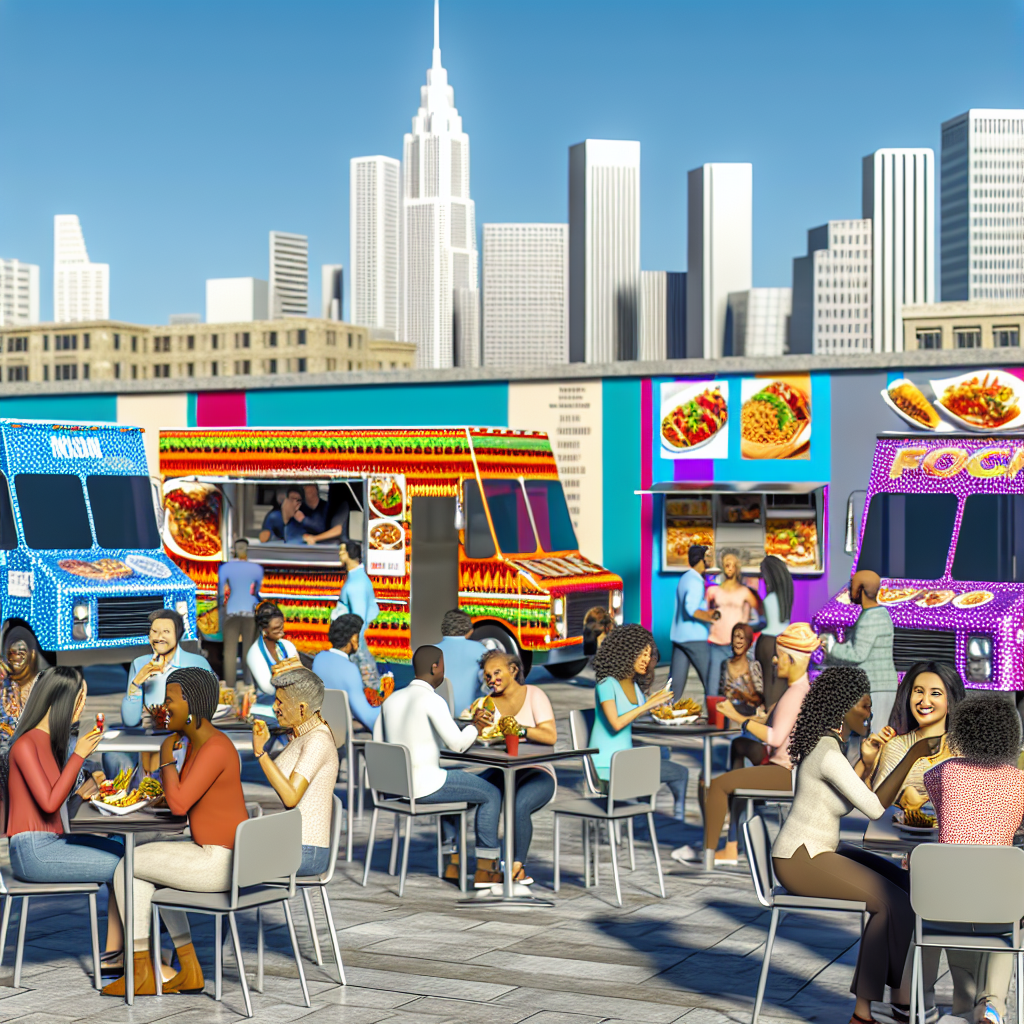
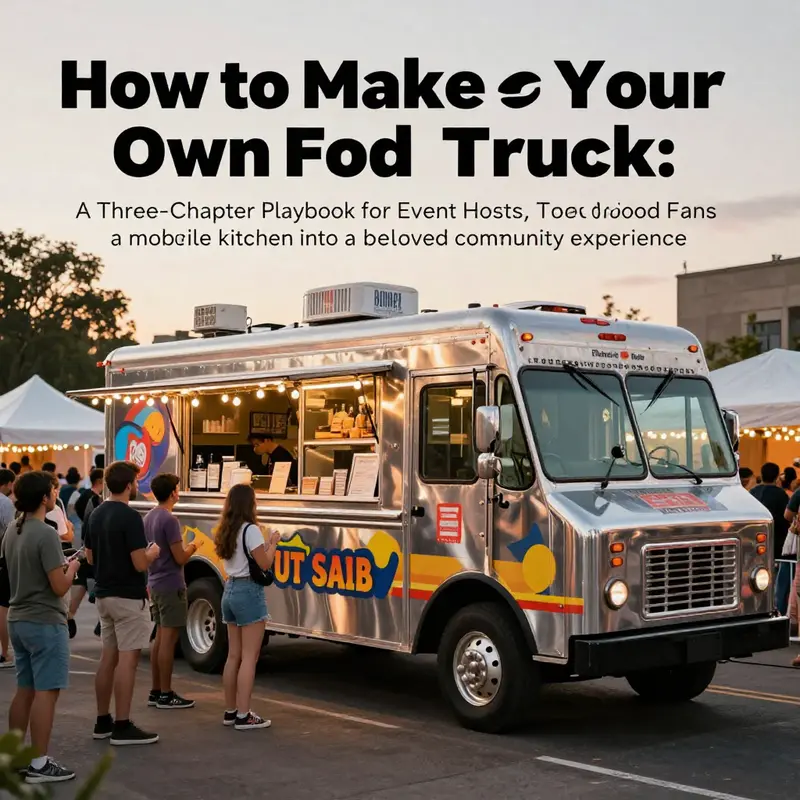
Launching a food truck that resonates with event planners, corporate teams, local groups, and everyday food enthusiasts starts with a clear concept, a solid path through regulations, and a practical build plan. This three-chapter guide is designed to help you move from idea to operation with energy, authenticity, and real-world steps. In Chapter 1, you’ll lock in a concept that fits your audience and brand, then validate it with real-world feedback and market signals. Chapter 2 dives into the regulatory landscape: permits, health requirements, zoning quirks, and insurance—so you can operate confidently and avoid common roadblocks. Chapter 3 translates your concept into concrete hardware and a launch strategy: vehicle selection, kitchen design, build considerations, and a launch playbook that turns taste into traction. Whether you’re coordinating an event, booking corporate tastings, rallying a neighborhood association, or simply sharing your love of great food with a broader audience, this guide helps you align every moving part. By the end, you’ll have a cohesive plan that connects your concept to compliant operations and a functioning, ready-to-serve mobile kitchen. Each chapter builds on the last, so you’ll walk away with a holistic understanding of how to make your own food truck that serves as a memorable experience at any gathering.
From Concept to Street: Defining Vision, Crafting Brand Identity, and Validating Demand for Your Food Truck
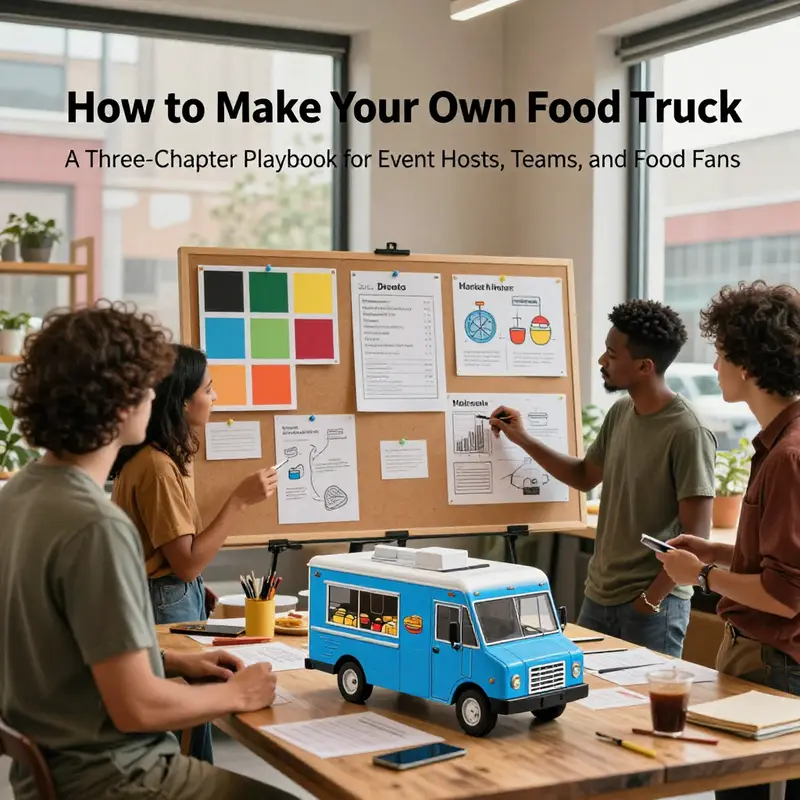
The journey to a successful food truck begins long before the first grill is fired or the first order is taken. It starts with a clear concept, a brand that conveys that concept with precision, and real-world validation that proves there is appetite for what you plan to serve. In practice, this means stepping away from the urge to race to a kitchen on wheels and instead investing time in shaping a vision that your future customers can feel in their bones. A strong concept is more than a menu; it is a promise about what people will experience when they step up to your window. It might be a celebration of a particular heritage, a daring fusion that reimagines familiar classics, or a lean, sustainable approach that highlights local ingredients. The core aim is to identify a niche that aligns with who you are and what the market is missing. This alignment matters because it becomes the compass for every subsequent decision—from the look of your truck to the stories you tell on social media, to the way you train staff and the way you present your dishes to the world. When a concept is genuinely anchored in personal passion and market need, it radiates through every customer touchpoint and creates an experience that people want to repeat.
That search for a distinctive concept should be guided by two practical questions. First, what gap in the local landscape can you credibly fill? Look for menu ideas that either solve a problem or offer a memorable twist that isn’t readily available nearby. Second, how can you translate that idea into a portable, scalable operation? A concept that relies on a single, fragile novelty will not sustain long-term growth. It should translate well to a street setting, withstand the tempo of busy service, and sustain consistency across locations and days. This requires research into food trends without blindly chasing gimmicks. A recent body of work highlights how consumers increasingly crave authenticity and health-conscious choices, especially when those choices feel rooted in local supply chains. That trend provides a valuable lens through which to evaluate your concept rather than simply chasing the latest fad. In practical terms, this means choosing ingredients and dishes you can source reliably in your region, designing a menu that can be executed quickly without sacrificing flavor, and building a story around your sourcing, your methods, and your culinary voice.
With a concept taking shape, branding becomes the second pillar of your street-ready identity. Branding is not merely a logo and a color palette; it is the gravity that pulls people toward your truck and then keeps them engaged after the moment of first contact. The goal is to create a cohesive, recognizable presence that communicates your concept at a glance and invites curiosity at every interaction. Your truck’s name, its logo, the color scheme, the typeface on the signage, the packaging, and even the uniforms—each element should tell a consistent story. A strong brand does more than help customers find you; it helps them remember you, talk about you, and seek you out again. A 2024 discussion in this field emphasized that brand identity is a critical step for new food trucks because it helps convert casual passersby into repeat customers and advocates. A well-crafted brand is not a superficial flourish; it is a framework for every operational and creative decision you will make as you scale.
If you want to see branding treated as a practical craft rather than a cosmetic afterthought, you can explore a thorough treatment of branding and graphics here: branding-on-wheels-the-ultimate-guide-to-food-truck-graphics-and-identity. This resource illuminates how a disciplined approach to visuals supports your cooking and service with consistent signage, packaging, and vehicle graphics that reinforce the concept you chose.
Branding also shapes how you communicate with your customers before they even step to your window. The name should be legible from a distance, the logo should be adaptable across small and large formats, and the color scheme should evoke the mood of your cuisine while standing out in a crowded street lineup. It’s easy to underestimate the impact of packaging and signage, but these are the first physical encounters a customer will have with your concept. A cohesive approach reduces cognitive load for customers: they should be able to identify your concept, remember it, and place it into their memory bank as a reliable choice when they crave that kind of dish again. In practice, this means choosing packaging that not only preserves food quality but also communicates your story, whether through a hand-sketched motif that nods to a regional tradition or a modern, minimalistic look that signals a contemporary, health-forward approach.
Concept and branding dovetail with market validation in a practical loop that saves you time, money, and risk. Validation is not a single test; it is a process of learning by doing. Before you commit substantial capital to a truck build, you want to validate that there is real demand for your concept in the places you intend to operate. This can be achieved through a spectrum of low-commitment experiments. Pop-up events, farmers’ markets, and local food festivals offer a sandbox to test your menu, prices, and service flow in front of live customers who can provide immediate feedback. Social media polls and lightweight pre-launch menus allow you to gauge interest and willingness to pay while you observe how people respond to your branding and concept. The key is not to chase a flood of data but to seek signals that indicate genuine appetite and willingness to adapt. In observing the local environment, you should study foot traffic, timing, and what competitors are offering in the same blocks or at similar hours. An effective market validation plan recognizes that downtown districts, food hubs, or weekend markets may offer different customer personas; understanding those nuances helps you tailor not just what you serve but where and when you serve it.
Market validation has a practical, almost choreographed dimension. You want to validate not only the dishes but the service flow and the kitchen footprint you will later install. If a concept tests well in pop-ups but cannot be delivered quickly at scale, it will stall at the point of expansion. The opposite is true as well: a concept may win in a controlled setting yet fail in the wild if it requires equipment or space that you cannot reasonably secure in a real truck environment. The validation should mirror the constraints you expect in the field: how long it takes to prep each item, how many orders you can complete per hour, and how much space you need for storage and workflow. This is where your concept becomes tangible: it reveals the true limitations and the genuine opportunities of a mobile kitchen. The best validation programs produce a confidence interval: a realistic sense of how often you can be profitable given the operational realities of a truck window and the rhythms of your chosen location.
As you weave concept, branding, and validation together, you also build a framework for your regulatory and operational steps. The truth is, many aspiring owners underestimate how much the legal environment shapes the kitchen in motion. Depending on your city or state, you may face a mosaic of permits, licenses, health inspections, and zoning rules that all must align with your concept and your equipment. The path to legal operation begins with a deep dive into the local health department’s requirements and the business licensing ecosystem. You should anticipate needing a business license, a food handler’s permit, and perhaps a mobile vendor permit, along with insurance that protects you, your staff, and your customers. The better you understand these requirements at the concept stage, the smoother your later build and launch will be. The aim is not to fear regulations but to view them as the scaffolding that stabilizes your enterprise and protects your brand’s reputation.
This is not a call to wait for perfection before testing the waters. It is a reminder that the most important quality in the early days is adaptability. You should pursue a lean, iterative approach: start with a concept that feels right, build a minimal yet functional branding framework, and validate in ways that yield actionable insights. You might begin with a simple van or a small trailer and a focused menu that highlights your core dishes. That approach minimizes upfront risk while allowing you to demonstrate proof of concept to future lenders, partners, or investors. Start small not to limit your dreams, but to learn what scale you can sustain without sacrificing quality. The stories of successful operators often trace back to this disciplined origin: a clear concept, a cohesive brand that communicates it, and a market test that proves there is room in the city for what you cook.
To summarize, the path to a thriving food-truck venture begins with concept clarity. What are you serving, and why does it matter to the people you want to serve? How will your branding reflect that promise in a way that is legible from across a crowded street and memorable after the final bite? And how will you prove, through controlled experiments, that there is a viable audience that will pay for this experience repeatedly? The answer to these questions rarely comes from the kitchen alone. It comes from aligning your culinary voice with a brand story that resonates and a real-world test that confirms demand. When you achieve that alignment, you lay a solid foundation for choosing a vehicle, planning a layout, and moving toward a launch with confidence rather than guesswork.
As you move from concept to concrete plans, you will find that the concept-branded validation loop becomes a powerful accelerant. The more clearly you articulate the concept, the more precise your branding can be, and the more informative your tests will be about pricing, location, and timing. The lessons you glean from pop-ups and market trials will inform not only the menu but the operational footprint of your truck—the layout, the flow, and the equipment needs that ensure you can deliver the goods at the speed and quality your brand promises. This integrated approach is the backbone of a sustainable business on wheels. It keeps you squarely focused on the customer experience while offering a practical blueprint for growth. It also keeps the door open to future innovation, whether you decide to expand to additional trucks, introduce new seasonal concepts, or partner with local producers to deepen your supply chain and emphasize authenticity.
Finally, remember that your journey into the food-truck world does not happen in a vacuum. It sits at the intersection of culinary craft, small-business acumen, and street-level storytelling. The ambitions you hold for your truck will be reinforced by the relationships you cultivate with customers and neighbors. Attend local events, engage with other vendors, and listen to what the community is saying about the foods they crave. Each interaction is data in disguise: a taste you can refine, a queue you can optimize, or a new dish you can pilot on a sunlit Saturday. In this way, concept, branding, and validation become not three separate tasks but a continuous loop that evolves with your business. The street is your early classroom, and the classroom is filled with opportunities to learn and iterate. If you stay curious, patient, and disciplined, your concept will not merely exist as a theoretical idea; it will take on color, texture, and flavor on crowded sidewalks, in lines of loyal patrons, and in the stories people tell after their meals. This is how you move from a good idea to a beloved local staple on wheels.
To keep you grounded as you navigate the next steps, remember that your safety and compliance should grow in parallel with your brand and concept. Local health departments offer accredited training and certifications that ensure your food safety practices meet public standards. While the journey rewards bold experimentation, it remains anchored in responsibility and quality. Your earliest acts of care—the cleanliness of your workspace, the accuracy of your recipes, and the reliability of your service—are the earliest investments you can make in trust. In the end, a well-conceived concept, a compelling brand, and a rigorously tested market plan are not just prerequisites for a successful launch; they are the engine of long-term resilience in a city where countless trucks vie for attention.
External resource: For official guidance on starting a food truck, see the Small Business Administration’s Start a Food Truck guide. It offers a structured overview of planning, licensing, financing, and compliance to help you translate your concept into a legitimate, thriving business. SBA Start a Food Truck Guide
Regulatory Roadmap: Navigating Permits, Compliance, and the Legal Path to Your Food Truck
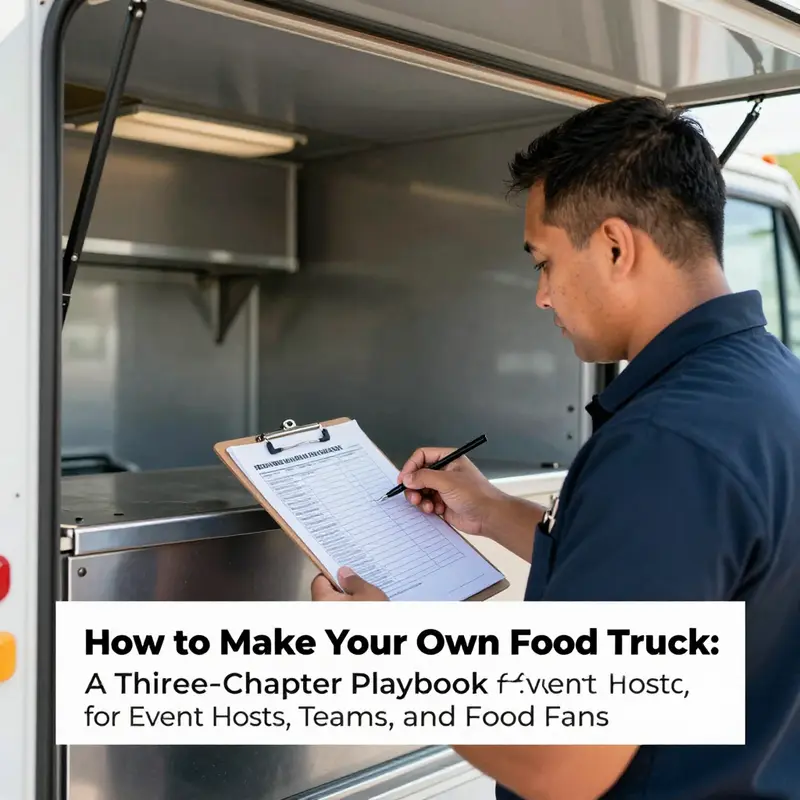
Choosing to launch a food truck is as much a legal and logistical venture as it is a culinary one. The dream of sizzling tortillas, a smoky grill, or a line of smiling customers can be exhilarating, but the path to rolling out a compliant, sustainable operation winds through a dense landscape of rules, permits, inspections, and insurance. In this chapter, we move through that landscape in a way that begins with your concept and ends with a truck that can legally and safely feed your community. The aim is not to overwhelm but to equip you with a measured, practical approach to compliance that protects your business today and scales with you tomorrow.\n\nFirst, you must anchor your plan in local ordinances. Regulations are not abstract; they shape where you can park, when you can operate, and what your truck must look like at closure time. Zoning laws, for example, determine permissible locations for mobile food vendors. Some districts forbid parking near schools or hospitals, others restrict high-traffic zones to certain hours, and a few require you to demonstrate that your operations won’t disrupt residential neighborhoods. This is not a hurdle to bypass but a field to map. The most effective way to begin is to visit your city or county’s official portal and search for mobile food vending or food truck regulations. You’ll likely encounter a trove of documents—from zoning maps to permit checklists to safety standards. Reading these ahead of time helps you align your concept with the regulatory framework rather than trying to retrofit it later.\n\nAs you begin to inventory the legal requirements, you will quickly encounter the core pillars that every mobile vendor must address: permits, registrations, and insurance. A typical foundation includes a business license to operate legally within your jurisdiction, a seller’s permit that authorizes you to collect sales tax, and perhaps a mobile food vendor permit that explicitly covers the mobile nature of your operation. Some regions require a separate health permit in addition to the general business license. In other words, your culinary concept doesn’t exist in a vacuum; it exists inside a permission-based system that validates that your food preparation, handling, and service meet established standards. The process often involves an application, fee payment, and a scheduled inspection. It helps to map these steps on a simple timeline so you can track what must be secured before your first pop-up or grand opening.\n\nInsurance is the practical shield that helps cover the unpredictable realities of street service. A general liability policy with appropriate limits protects you from claims arising from customer slips, minor injuries, or property damage, while a commercial auto policy guards against incidents on the road. If you plan to hire employees, workers’ compensation and unemployment insurance come into play in many jurisdictions, and some regions require you to carry a surety bond or participate in a city-operated insurance program. The financial logic here is straightforward: compliance reduces risk, and risk reduction makes lenders and landlords more willing to work with you. Even if you are bootstrapping, you are better off budgeting for insurance as a core operating cost rather than a late-stage afterthought.\n\nBeyond registrations and insurance, the health and safety landscape contains non-negotiable standards that affect every step of your kitchen design and daily operation. The health department’s inspections will focus on food safety practices, equipment durability, sanitation, and waste management. An orderly, well-documented system for keeping track of temperatures, cleaning schedules, and pest control is not just bureaucratic hoop-jumping; it is the backbone of customer trust. The U.S. Food and Drug Administration’s Food Code serves as a model for many local health codes. Its recommendations—regular cleaning and sanitizing of food contact surfaces, proper handwashing facilities, and reliable temperature controls for hot and cold holding—form the baseline you should expect to meet. In practice, this means your truck needs reliable refrigeration, a handwashing sink in proper proximity to your prep area, and a clean, organized workflow that minimizes cross-contamination. Temperature logs for hot and cold holding units are a practical, enforceable habit: a simple record-keeping routine that demonstrates ongoing compliance and provides an early warning system if equipment falters.\n\nWhen you design your mobile kitchen, you are not merely choosing appliances; you are selecting a system that supports compliance. Equipment must meet recognized standards, such as NSF or FDA guidelines for sanitary construction and safe operation. Your layout should separate clean from dirty zones, ensure easy access for cleaning, and provide sufficient space for workers to move safely during busy service. This is not about luxury; it is about reducing risk and keeping your crew healthy and efficient under pressure. Whether you are retrofitting a van or building a trailer from the ground up, the principle remains: the more you integrate safety and sanitation into the design, the easier it will be to pass inspections, train staff, and maintain a positive customer experience.\n\nAn important practical step is documenting every element of your operation before the truck hits the road. Create a simple, auditable trail that inspectors can follow. This includes safety data sheets for cleaning chemicals, proof of equipment compliance with relevant standards, and a clear menu policy that aligns with your storage and cooling capabilities. If you are unsure how to interpret a particular code or standard, seek clarity early. A brief consultation with a local health department representative or a small business attorney can uncover subtle requirements that are easy to overlook in the excitement of building a truck—such as the need for a dedicated waste disposal plan or a specific sink configuration. In some places, the health department may require a menu review or a demonstration of safe food-handling practices during the inspection. Preparing for these expectations streamlines the process and reduces the risk of last-minute reworks that disrupt launch timelines.\n\nFrom an operational perspective, the link between permits and daily practice becomes most evident during service. The permit you hold is not a passive badge; it translates into ongoing obligations. You will likely need to maintain and renew licenses, submit to periodic inspections, and keep records that prove compliance over time. The seller’s permit, for example, might require monthly or quarterly sales tax filings. Your liability insurance may necessitate annual declarations of your business operations or changes in ownership. Depending on your location, you could also encounter industry-specific mandates, such as a health and safety officer designation, regular staff training requirements, or mandatory pest control contracts. While those terms can feel onerous, they are the practical scaffolding that supports safe, reliable service and can be leveraged when negotiating with venues, landlords, or partners.\n\nThe path toward compliance can be smoother if you start with a structured research phase that helps you align your concept with permissible practices. This includes studying the real-world permitting timelines in your area, identifying the typical inspection schedules, and understanding how other successful operators have integrated compliance into their brand story. Observing fellow vendors who have built reputations for consistency and reliability can illuminate best practices—from how they curate their supply chain to how they document daily checks. The real-world texture of compliance often reveals that the most resilient operators treat regulations as a blueprint for quality rather than a barrier to creativity. For instance, you may discover that certain festivals or markets require additional documentation or proof of training, which can become an opportunity to showcase your team’s professionalism before a large audience.\n\nAs you begin the formal permitting process, consider how your branding and concept can signal compliance and reliability. A clean, professional truck exterior, clear menu labeling, and accessible safety information on the service window communicate a commitment to standards even before customers taste your food. This is not marketing spin; it is a practical strategy to build trust while you navigate the bureaucratic steps. A well-branded operation that presents orderly procedures at the point of sale tends to attract better locations, more reliable event opportunities, and easier collaborations with venues that require proof of compliance.\n\nTo keep this journey grounded, it helps to view compliance as a continuous loop rather than a one-time hurdle. You establish systems, you document them, you routinely train your team, and you periodically review and refresh permits and insurance. The loop tightens as you grow: new staff means refresher training, expanding menus increases inventory and storage requirements, and new locations might impose additional inspections. Each cycle reinforces your operational discipline, which protects your customers and strengthens your brand’s credibility. In practice, this means building simple, repeatable routines—checklists for pre-opening inspections, daily sanitation logs, and a quarterly review of insurance and licensing to ensure no lapse interrupts a busy weekend. These practices create a rhythm that keeps you prepared for unexpected changes in regulations, which do occur, whether through updates to health codes, shifts in zoning enforcement, or new market requirements.\n\nIf you want a guided, practical overview of how to approach this regulatory landscape, you can explore a resource that offers a thorough, field-tested perspective on navigating food-truck regulations. This guide is especially useful if you are transitioning from concept to execution and need a clear map of the steps, the timing, and the common pitfalls that vendors encounter as they move from idea to first event. Navigating Food Truck Industry Regulations provides a concrete starting point for aligning your plan with local expectations while preserving the creative freedom that makes your concept distinctive. It is not about copying another business; it is about learning the practical language of compliance so you can speak confidently with regulators, landlords, and partners.\n\nAs you head toward your first days of operation, the real test of these preparations will come in your ability to maintain a steady cadence of compliance while delivering a high-quality fan experience. The best operators treat permits and inspections not as bureaucratic chores but as a framework that supports consistency, safety, and reliability. You will likely feel the tension between the urgency of opening and the patience required to complete all regulatory steps. That tension, managed well, becomes your competitive advantage: a truck that not only tastes great but also operates with a professional cadence and a documented commitment to safety that customers can trust. In the long run, this discipline is what differentiates a short-lived pop-up from a sustainable micro-restaurant on wheels. Your capacity to manage licenses, to keep equipment in peak condition, and to maintain meticulous records will compound into fewer disruptions, steadier cash flow, and the freedom to explore more ambitious locations, menus, and collaborations across the city.\n\nTo close this chapter with a practical lens: compile a master checklist that travels with you from concept to launch. It should include the specific licenses and permits required in your jurisdiction, the expected certification or inspection dates, the insurance types and limits you must carry, the equipment standards that your kitchen must meet, and a simple procedure for keeping temperature logs and cleaning records. Pair this with a calendar that marks renewal dates and renewal reminders. Finally, recognize that compliance is an ongoing partnership with your community—your inspectors, your customers, and the venues that host you. A well-managed regulatory path reduces risk, strengthens your brand, and paves the way for growth, whether you invest in a larger trailer, expand to multiple trucks, or diversify into festival circuits.\n\nExternal resource for additional guidance on food safety practices for mobile vendors can be found here: https://www.fsis.usda.gov/food-safety/safe-food-handling-and-preparation-tips/mobile-vendors. This material reinforces the practical hygiene and temperature-control practices that underpin your compliance program and support your day-to-day operations, especially during peak service times when edge cases test your systems.\n
Rolling Toward a Sizzling Reality: Vehicle, Kitchen Design, and Launch Mastery for Your Food Truck
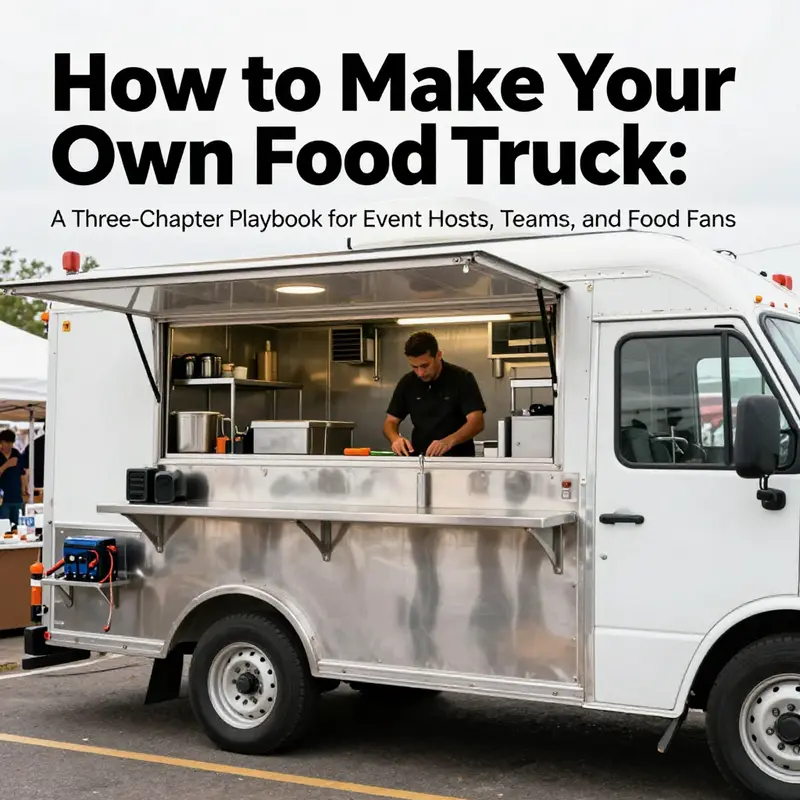
Rolling toward a sizzling reality begins with a decision that sounds deceptively simple: the vehicle you choose will determine almost every other choice you make about your food truck. The footprint you start with, the electrical load you can support, the kinds of appliances you can fit, and the pace at which you can serve customers all hinge on the base you select. In this chapter, we move beyond the glossy fantasies of a perfect menu and explore the practical geometry of a mobile kitchen. We’ll trace a path from selecting a base vehicle to shaping a kitchen that is safe, efficient, and scalable, and finally to launching a truck that can survive the first test of real-world pressure. The aim is not to chase the trend of the moment but to build a durable platform that aligns with your concept, your finances, and your local rules.
The journey begins with clarity about your business model and your menu. If you are envisioning small, fast service—think tacos, sandwiches, or smoothies—the vehicle choice tends toward a compact van or a cargo-style platform. A smaller footprint brings maneuverability, easier parking in tight urban cores, and a lower initial investment. On the other hand, if your concept calls for a more complex kitchen with multiple stations—grills, fryers, ovens, and dedicated cold storage—you’ll likely need a larger, box-style chassis or a purpose-built mobile kitchen. Each path has its own economics. Smaller units emphasize turnover and proximity to high-foot-traffic zones; larger configurations trade that nimbleness for capacity and diversity of offerings. The underlying truth is simple: the vehicle is the heart of the operation, and every other decision grows from its heartbeats.
When weighing the specifics, several factors deserve careful attention. Cargo space and layout top the list. Take precise interior measurements and sketch a workflow that minimizes wasted movement. The goal is a smooth, repeatable process from order to plating to pickup. This is where the kitchen triangle—prep, cooking, and cleaning areas—should become a guiding principle rather than a vague ideal. The layout needs to accommodate not only your current menu but future evolution, because growth often means more equipment, more staff, and more regulatory checks. Weight and legal requirements form the second pillar of the decision. An overweight mobile unit can erode margins through higher fuel consumption, more expensive insurance, and the risk of road-side setbacks. Ensure the vehicle meets local commercial-use standards and that the gross vehicle weight aligns with the planned equipment and staff. Fuel efficiency matters, especially for operators who expect long shifts and frequent relocations. The total cost of ownership—fuel, maintenance, insurance, and depreciation—needs to be run through a realistic forecast to prevent unpleasant surprises down the line. Reliability is another non-negotiable factor. A vehicle with a broad dealer network and robust parts availability reduces downtime and keeps service windows predictable. In the end, the choice should feel like a practical compromise: enough space and capability to serve your concept, a price you can sustain, and a chance to grow without outgrowing your core model.
With the base decided, attention shifts to the kitchen design. A mobile kitchen is not a static kitchen; it’s a fluid engine that must operate within the quirks of a moving venue. The design needs to balance safety, efficiency, and compliance with health standards. The essentials include a cold storage solution compatible with your menu’s demands, a cooking station or two that can handle peak loads without bottlenecks, a reliable sink arrangement with hot and cold water, and a grease management system that meets local codes. Ventilation is critical. Hood systems and exhaust fans must be strong enough to handle the heat, smoke, and odors that come off grills and fryers. It’s tempting to cut corners here for cost, but inadequate ventilation can create unsafe working conditions and trigger compliance failures. Non-slip flooring, bright and accessible handwashing stations, and ample lighting aren’t ornamental—they are the backbone of a safe, efficient service environment. The equipment itself should meet recognized safety and sanitation standards, reinforcing the sense that your truck is as compliant as any brick-and-mortar restaurant.
The appliance mix should be dictated by your menu and projected volume. A typical compact setup might feature a two-burner stove or griddle, a small convection oven for reheating or baking, a deep fryer if fried items are in your plan, a reliable refrigeration unit, and a sink system paired with a grease trap. Each choice must be scaled to your demand without leaving you with idle equipment that drains cash while offering little return. Storage is often overlooked but is just as important as the appliances themselves. Dry storage cabinets, dedicated cold storage, and smart organization for utensils and disposables help maintain speed during busy periods. You should design with maintenance in mind as well: level access for cleaning, easy-to-reach drains, and sealed, corrosion-resistant surfaces that withstand daily use and frequent washdowns. It’s worth noting that compliance goes beyond the kitchen layout. Your plan should anticipate water supply, wastewater management, and proper waste segregation, all aligned with health department expectations. The healthier and safer your kitchen, the more confident your team will be during the busiest moments.
As you move from concept to configuration, you’ll likely revisit the concept of flexibility. A kitchen that can adapt to a shifting menu or a changing customer base is a useful asset. Some operators build modular zones that can be reconfigured depending on the crowd. A 2–3 station layout can be expanded by swapping in a larger oven, downsizing or upgrading refrigeration, or even adding a second small station if the business scales. The ability to scale should be planned from the outset, in part because your builder will use this foresight to wire the vehicle for future upgrades and to install plumbing and electrical systems with future loads in mind. The aim is not to lock yourself into a fixed design but to create a living space that can accommodate plausible versions of your dreams.
This is also the moment to acknowledge the role of builders and craftspeople. A reputable builder who specializes in mobile kitchens will be your most valuable partner. They can translate your design intent into structural realities—frame modifications, electrical wiring, plumbing work, and appliance installation—while navigating safety codes and inspections. The best teams bring experience with local permits, fire-safety systems, and ventilation requirements, and they communicate clearly about timelines and milestones. While cost matters, reliability matters more. It’s worth investing in a builder who can deliver a proven, compliant, and testable space rather than chasing a bargain that folds under pressure once the truck is on the road.
When you reach the stage of building, you’ll discover that durability is not optional. The materials you choose should withstand heat, moisture, and the rigors of travel. Stainless steel and other corrosion-resistant surfaces offer longevity and easy cleaning—qualities you’ll appreciate during back-to-back service. Insulation is not a luxury; it protects the food, reduces energy costs, and maintains a comfortable work environment. Fire-resistant wall coverings and properly installed electrical and gas lines are non-negotiable safety features. It’s also prudent to consider future infrastructure. If you anticipate adding a second station or upgrading refrigeration, you’ll want a layout and utility plan that accommodates additional power and plumbing without requiring a total rebuild. In short, build with an eye to the horizon: you want a kitchen that remains practical not only today but five years from now, when your menu and your team have matured and your ambitions have grown.
Once the vehicle and kitchen are on a solid footing, the launch becomes both a logistical challenge and a story you tell to your future customers. The launch plan begins with permits and inspections—the bureaucratic steps that turn a dream into a licensed business. A robust approach is to prepare a complete packet for the health department, city licensing, and any state registrations required for mobile operations. This includes proof of liability insurance, a business license, and a clear description of your menu and kitchen layout. While this process can feel tedious, it is the gateway that keeps your truck compliant and your team protected.
A thorough test run is essential before taking the first order. You should simulate a busy service: run through the entire menu, test every piece of equipment under load, verify the workflow, and identify bottlenecks. A critical eye during practice shifts helps you refine both the physical space and the operational rhythm. This is the moment to negotiate with your team about roles, timing, and micro-flows of communication. The service flow should feel automatic: greet the customer, confirm the order, produce a consistent product, and deliver promptly. A well-timed test can expose issues that no drawing or model ever could—the path from order to plate is where theory meets the realities of heat, space, and human pace.
Branding and marketing are not afterthoughts; they are integral to the launch narrative. Your branding should align with your truck’s exterior and the interior workflow. A strong, cohesive brand identity helps customers recognize you in a crowded street scene, and a consistent voice across social media, pop-up events, and festivals will drive recall and loyalty. This is a moment to plan a modest but effective launch strategy: announce locations and times on social media, partner with nearby businesses for cross-promotions, and consider a soft-launch in a familiar neighborhood to gather feedback before the main push. A loyalty mechanism—digital or physical—can convert first-time visitors into repeat customers, especially when you couple it with daily specials or rotating menu items that create curiosity and a reason to return.
As you prepare for the public debut, you might explore broader learning opportunities. For instance, an in-depth resource on vehicle models can help you compare the practical implications of different chassis and configurations. A helpful overview may be found in material that details the nuances of choosing the right food truck models, which can illuminate how other operators balance capacity with mobility and cost. You can explore this concept further here: Choosing the Right Food Truck Models. This resource emphasizes the importance of aligning your base with your menu, traffic patterns, and growth goals—and it reinforces the idea that the vehicle is not merely a carrier but a primary differentiator for your brand.
Beyond the mechanics, the launch is a narrative about resilience and adaptation. The most successful operators treat every shift as a learning experience. You’ll fine-tune recipes to suit the equipment you chose, adjust cooking times to the crew’s rhythm, and calibrate the scent and soundscape of a busy kitchen to the mood of the street. You’ll also develop a sensitivity to the local regulations that govern operating hours, parking, and waste disposal. This is not a one-time compliance exercise but an ongoing discipline: as you grow, you’ll revisit permits, update your insurance, reconfigure your space for new menu items, and maintain impeccable hygiene to sustain customer trust. The road from a rolled-out concept to a thriving mobile eatery is long, but it is made navigable by clear planning, practical design, and a steadfast commitment to quality.
In the end, the question is not merely how to assemble a menu or how to dazzle customers with a flashy design. It is how to craft a mobile kitchen that can travel with dignity, serve consistently, and adapt gracefully to demand. The vehicle is the instrument; the kitchen is the orchestra; and the launch is the concert in which your audience becomes your ambassadors. When these elements come together—carefully chosen, meticulously designed, reliably built, and thoughtfully launched—the ordinary becomes possible: a truck that moves through neighborhoods, earns trust, and grows with your ambitions. The journey is pragmatic, not glamorous at every moment, but it is deeply rewarding for anyone who believes that food on wheels can become a beloved, enduring part of their community. If you want more detail on selecting the exact model balance for your concept, remember that one reliable framework is to compare how the base supports your menu, traffic expectations, and long-term scalability; that framework will guide you through the fog of options toward a choice that makes sense today and tomorrow.
External resource for deeper exploration of industry context: https://www.youtube.com/watch?v=example-food-truck-build
Final thoughts
Building a successful food truck that resonates with event planners, HR teams, local groups, and food enthusiasts starts with a clear concept, a compliant path, and a practical build plan. Chapter 1 ensures your idea is differentiated and market-ready by aligning branding with real audience needs. Chapter 2 demystifies permits, health rules, and risk management, so your operation can crew up without fear of red tape. Chapter 3 translates your concept into a tangible, high-quality mobile kitchen and a launch strategy that attracts attention at events and in communities. The throughline across all three chapters is coherence: your concept, your compliance, and your kitchen are all designed to reinforce one another, creating a trusted, repeatable experience. As you move from planning to service, stay curious, test early, and listen to feedback from the communities you serve. With patience, practical design, and a customer-first mindset, your food truck can become a beloved part of events, workplaces, and neighborhood gatherings alike.