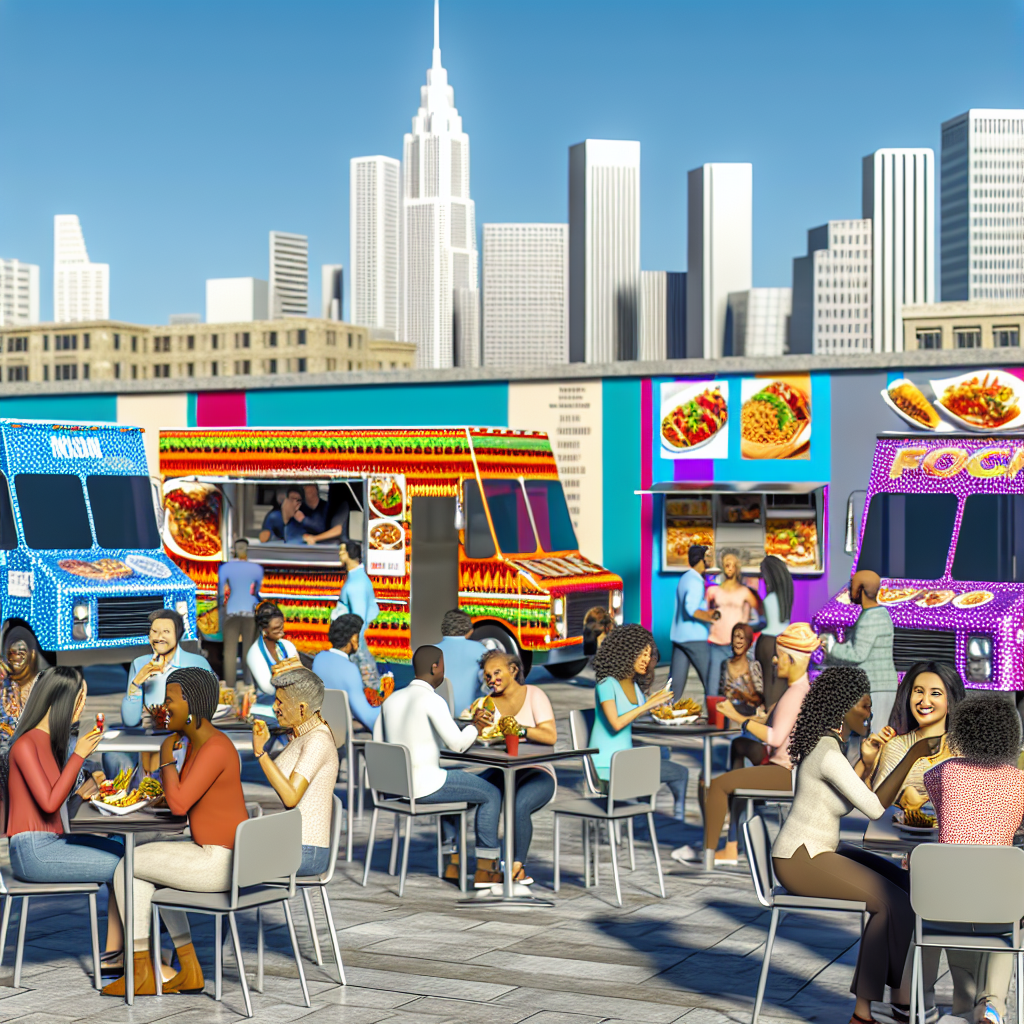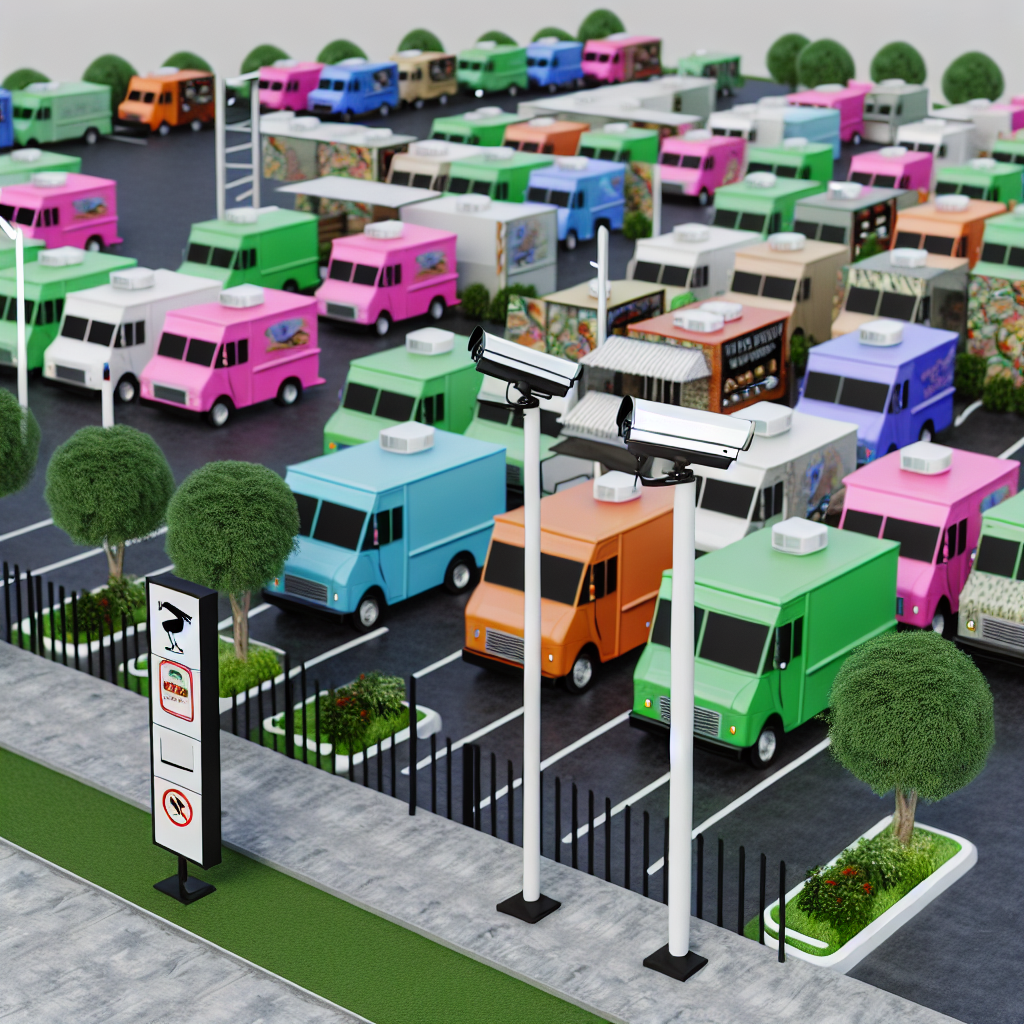
Launching a food truck festival can be an exhilarating journey, melding community spirit with culinary excellence and cultural diversity. This delicious endeavor not only brings together local food enthusiasts but also fosters connections among various stakeholders, from event planners to individual consumers. Throughout this guide, we’ll dive into three pivotal chapters that will help you construct a successful food truck festival: defining your vision and goals, navigating the location and permitting process, and mastering vendor recruitment and management. Prepare to embark on a flavorful adventure that will tantalize taste buds and leave a lasting impact on your community!
Vision First: Crafting a Purposeful, Profitable Food Truck Festival
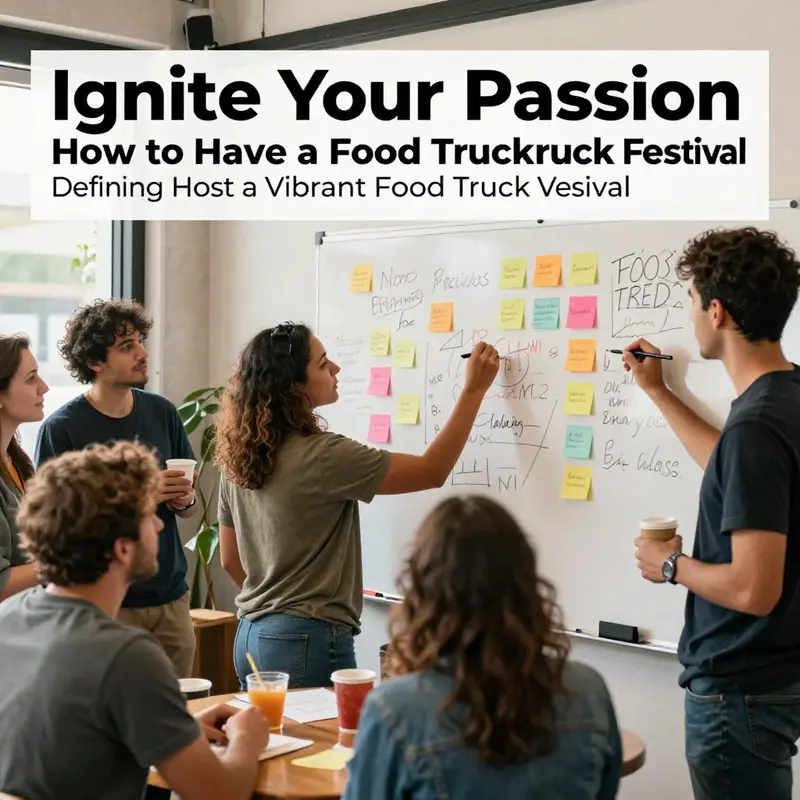
A festival begins long before the first smoke rises from a grill or the first note of a band floats into the air. It begins in a mind, a vision that binds purpose to possibility. When you set out to host a food truck festival, you are not merely assembling a row of trucks and a few tents; you are curating an experience that will linger in memory and shape the community that encounters it. The clearest starting point is to articulate what you want to achieve and why it matters. This is not a bureaucratic exercise in listing tasks. It is the compass that keeps decisions aligned as the plan grows from a concept into a living event. A well-defined vision becomes your organizing principle, guiding everything from which flavors you celebrate to how you measure success when the day ends. And because festivals carry ambitions—economic, cultural, social, yes, even aspirational—you must translate that vision into tangible, testable objectives that anchor every subsequent choice.
To begin, ask the tough questions that reveal the event’s core purpose. Is the festival primarily a celebration of local talent, a boost to small businesses, a vehicle for community bonding, or a platform for diverse culinary storytelling? Some organizers want to anchor the festival in a specific cultural heritage, inviting attendees to taste a constellation of traditions through food, music, and demonstrations. Others aim to strengthen neighborhood connection, inviting schools, nonprofits, and local artisans to participate and benefit from the shared footfall. The best answers do not lie in abstract ideals. They show up in numbers, commitments, and the day-after reflections of vendors and attendees. If your aim is to support local entrepreneurs, your vendor mix should foreground regional operators and your pricing should be accessible to emerging businesses. If you want to attract visitors from outside the city, your collaboration with tourism networks and media should be explicit and robust from the outset. Vision and goals are not decorative. They are the grammar by which the festival speaks to its audience and to its own staff.
A clear vision also frames the tone and atmosphere you want to steward on site. A family-friendly, kid-focused event invites a different rhythm than a sophisticated night market or an all-ages culinary carnival. The atmosphere becomes a practical instrument: it shapes the layout, the scheduling of activities, the kinds of shade and seating you provide, and even the way you present signage. Consider a family-focused festival with a playful aesthetic—bright banners, interactive cooking demonstrations, a dedicated play zone, and kid-friendly samples. That vision will justify investments in safety, cleanable surfaces, accessible restrooms, and gear like handwashing stations and water refill points. In contrast, a theme such as “Taste of Asia” or “Craft BBQ Bash” creates a curated energy that can support higher ticketing or sponsorships but requires a precise alignment of vendors, performers, décor, and messaging. In short, your vision is the north star that keeps the entire enterprise coherent when the calendar fills, permits come through, and the crowd lines up for the first bite.
Once the vision is explicit, translate it into concrete, measurable objectives. These targets should be ambitious yet realistic, and they should be testable at the event’s end. For example, you might set a guest target of 10,000 over two days, a vendor roster of at least 30 diverse options, and a specific economic impact, such as generating $50,000 in local business revenue. These numbers do not exist in isolation; they steer decisions about venue size, vendor vetting, ticketing strategy, and sponsorship outreach. They inform everything from how you price vending slots to how you structure the path through the festival grounds so that congestion remains manageable while dwell time remains meaningful. Importantly, you should establish both input metrics (the number of vehicles staged, the volume of waste diverted to recycling, the square footage of seating shade provided) and outcome metrics (average spend per guest, repeat attendance rate, or vendor retention across consecutive years). The point is not to overwhelm with data but to build a living dashboard that keeps you honest about progress and capable of course-correcting well before gates open.
Theme and branding emerge directly from this vision. If the objective is to spotlight regional cuisine and empower local operators, the branding should celebrate origin, craft, and community resilience. A festival themed around a particular region or style becomes more than a menu; it becomes a storytelling framework. Your promotions, on-site experiences, and even the volunteer scripts should echo the central narrative. A strong vision makes the branding predictable in a positive sense: attendees know what to expect, vendors know how to present themselves, and partners know what value they bring to the table. In practice, that coherence translates into more efficient marketing, more confident sponsorship proposals, and a higher likelihood that the event becomes part of the annual calendar rather than a single-day curiosity. The difference between a scattered, haphazard collection of stalls and a festival that feels intentional is the sustained thread of purpose woven through every decision.
The relationship between vision and logistics is inseparable. The venue choice, for instance, should be a direct outgrowth of what you want attendees to experience. If your dream is a seamless, family-oriented gathering with ample shaded seating, clean facilities, and conspicuously easy movement, you will favor venues that offer predictable access to utilities, robust restroom networks, and defined pedestrian pathways. If your ambition is to create a bustling culinary showcase with multiple surprise pop-ups and late-evening performances, you will plan for power needs, extended after-hours coverage, and perhaps a staged entrance that helps manage crowds while preserving the sense of discovery. The vision also informs safety and compliance. You will define how you balance risk with opportunity, what kinds of permits and health clearances are non-negotiable, and how you structure waste management to align with sustainability goals. This is not a box-ticking exercise; it is a forward-looking discipline that merges aspiration with accountability.
Vivid examples from practitioners can illuminate how to move from vision to reality without losing momentum. Suppose the goal is to become a beloved community event with broad participation and meaningful local impact. In that case, you might allocate a generous portion of vendor spots to first-time operators with affordable entry fees, while reserving a few premium slots for established favorites to anchor draw. You might integrate a buddy system with local nonprofits or schools, offering small sponsorships or in-kind support that align with your mission. The schedule could blend tasting opportunities with live entertainment and hands-on demonstrations, keeping the energy dynamic and the audience engaged without creating bottlenecks. If you want to attract visitors beyond the immediate neighborhood, your vision would call for partnerships with tourism boards, media outlets, and regional influencers, coupled with centralized information hubs and multilingual signage that help strangers feel welcome and informed. The numbers then become a language for communicating expectations to stakeholders and for guiding negotiations with vendors and sponsors. A well-articulated vision, paired with precise objectives, turns potential uncertainty into a shared roadmap.
An important, often overlooked dimension of vision is its capacity to invite collaboration rather than competition. When a festival’s purpose is clearly stated as community enrichment and economic opportunity for small businesses, it invites partners to participate as co-authors of the experience rather than merely as payment recipients. This mindset fosters deeper relationships with neighborhood associations, culinary schools, and cultural organizations that can contribute programming, apprenticeships, or stage management for demonstrations. It also lends credibility when you are negotiating access to spaces, requesting endorsements from local authorities, or inviting philanthropic support. The vision becomes a social contract that stakeholders can trust because it is consistent, aspirational, and anchored in concrete goals. It is not enough to declare that you want to celebrate local food; you must show how the event will deliver value to participants, neighbors, and visitors alike. And that value is measurable in the way you plan vendors, promotions, and on-site experiences.
To bring this home, consider how the vision translates into a practical plan of action that remains faithful to its core. You begin with a vision statement, a concise sentence or two that captures the essence of the festival. That statement then informs the elevator pitch you will use with potential sponsors, volunteers, and media. It guides the selection of a theme that resonates with the audience and confirms the kinds of activities that will populate the schedule. It also clarifies the financial architecture: how much you need to raise, how you will price vendor spaces, what portion of revenue will support community partners, and how you will allocate resources to ensure a high-quality guest experience. Your vision is not a static mural; it is a living framework that evolves with lessons learned from each event. It should be revisited, refined, and revalidated as you progress through planning milestones, always ensuring alignment with the core purpose you defined at the outset.
The research material you bring to the process matters, not as a heavy-handed checklist but as a reservoir to inform and inspire. Practical considerations on food-safety standards, vendor vetting, and the logistics of operating a festival in a Southeast Asian context remind us that vision must be grounded in reality. A well-informed vision respects regulatory boundaries and sets aspirational goals that are achievable within them. It anticipates the need for robust waste management, reliable power and water supplies, clean and accessible restrooms, and a design that accommodates both the spontaneity of street food and the reliability that festival-goers expect. The aim is to pair ambitious, memorable experiences with a governance framework that protects attendees and vendors alike. A festival that truly serves its community balances appetite and responsibility, revelry and safety, novelty and reliability. And the strongest way to safeguard that balance is to weave the vision through every plan, decision, and conversation—so that when the day arrives, people feel the coherence of purpose in every bite, every note, and every shared moment.
As you advance from vision to action, you will inevitably encounter decisions that test the clarity of your goals. Will you open the event to a broader demographic or keep it intimate to protect quality and manage costs? Will you chase a marquee lineup of vendors or curate a diverse mix that guarantees flavor variety without overwhelming attendees? The answers are rarely purely fiscal or purely artistic. They are strategic choices that reflect your vision’s boundaries and ambitions. The most effective festival leaders translate these choices into transparent criteria that vendors and sponsors can understand. A vendor vetting process, for example, should reflect your standards for food safety, service speed, and presentation, all calibrated to the story you are telling. Pricing tiers should reflect visibility and location while remaining fair to emerging operators. Marketing messages should echo the same core narrative, presenting the festival not as a one-off spectacle but as a recurring, evolving celebration of community, cuisine, and culture.
If you pause to imagine the finished day—the gentle hum of conversations, the aroma of seaside herbs or smoky barbecue, the glow of evening lights, the way families linger for a dancing moment before they leave—your vision will feel less abstract and more real. The chapter you are writing is not a standalone blueprint but the spine supporting every paragraph that follows: location selection, permits and insurance, vendor recruitment, on-site management, and post-event evaluation. Your vision is the thread that will keep these elements from becoming disjointed. It is also the invitation you extend to every participant—vendors, volunteers, sponsors, and attendees—to enter a shared purpose. When your goals arc toward economic vitality for local entrepreneurs, a family-friendly atmosphere that invites learning and play, and a sustainable footprint, the day’s trials become solvable problems rather than unsolved tensions. The festival becomes not just a series of culinary stations but a collaborative act of community building, with a clear sense of why it exists and what it stands to achieve.
To reinforce the practical connection between vision and execution, you can embed a single, clear, actionable habit into your planning cadence: a vision check-in at each milestone. After you draft the vision, revisit it at every major planning juncture—the budget draft, the vendor call, the layout design, the safety plan, and the promotional calendar. Ask: Does this decision move us closer to the stated purpose? Does it ensure we deliver the experience we promised? Are we staying true to the audience we want to serve? This habit sounds simple, but it creates a continuous alignment loop. It prevents drift when pressures mount, such as last-minute vendor changes, weather concerns, or unexpected permit delays. It also trains the team to make confident choices quickly, because the answer is anchored in a shared vision that everyone understands.
In the broader landscape of event planning, a well-constructed vision acts as a health check for sustainability and impact. It prompts you to consider how the festival supports local food ecosystems, how it accommodates diverse dietary needs, and how it communicates about safety and inclusivity. It asks you to imagine the long tail of the festival—the relationships with vendors that persist across years, the repeat visitors who become ambassadors, the students who learn from demonstrations and return as cooks or organizers, the small businesses that gain a foothold in a crowded marketplace. A festival that begins with a clear, purpose-driven vision has the potential to grow into something much larger than a single weekend. It becomes a platform for ongoing dialogue about food, community, and shared prosperity. And when you reach the point of public launch, you will possess not only a plan but a narrative that resonates with stakeholders, drawing them into the story you are inviting them to help tell.
For those who want a practical touchstone as they shape their vision, a long breath of reflection can be paired with a short, crisp outline. Write a two-sentence vision statement that captures the essence of the festival and a handful of bullet points for the corresponding objectives. Use these as your anchor wherever you find yourself tempted to stray into enthusiastic but unfocused ideas. In time, the two sentences will crystallize into messaging that passes the “elevator test”—you can describe the festival succinctly to a stranger in the time it takes to ride a short elevator—and the bullet points will serve as a living checklist that keeps your planning on track. With a strong, well-articulated vision as your guide, you are less a planner chasing a moving target and more a conductor guiding a chorus of vendors, volunteers, and attendees toward a single, vibrant moment in time. That is the essence of a festival that matters: a shared vision enacted with care, clarity, and courage.
To tie back to the research foundation that informs these decisions, the practical insights about safety standards, vendor suitability, and the realities of festival operations offer a grounded counterpoint to the aspirational tone of a vision. They remind us that a strong vision respects constraints while shaping possibilities. They remind us that success is measurable, not mythical. And they remind us that the most enduring festivals are those that blend a compelling story with reliable systems, so that every bite, every demonstration, and every glow of the evening lights carries the certainty that the next festival will be even better because the vision was clear from day one. If you carry this awareness into your planning, your festival can become a defining moment for the community—an event that people anticipate, plan for, and remember long after the last truck has rolled away. And as the page turns to the next chapter, the decisions you face will be guided by a vision that is concrete, credible, and alive with possibility.
External Resource: https://www.malaysiafoodtrucks.com/events/food-truck-festival-guide
Internal Reference: For a deeper look at branding and identity on wheels, consider the guidance found at the following resource, which complements the vision with practical design and presentation strategies: branding-on-wheels-the-ultimate-guide-to-food-truck-graphics-and-identity (https://loschifladostruck.com/branding-on-wheels-the-ultimate-guide-to-food-truck-graphics-and-identity/)
Site, Permits, and the Gate of Flavor: Charting Location and Legal Access for a Food Truck Festival
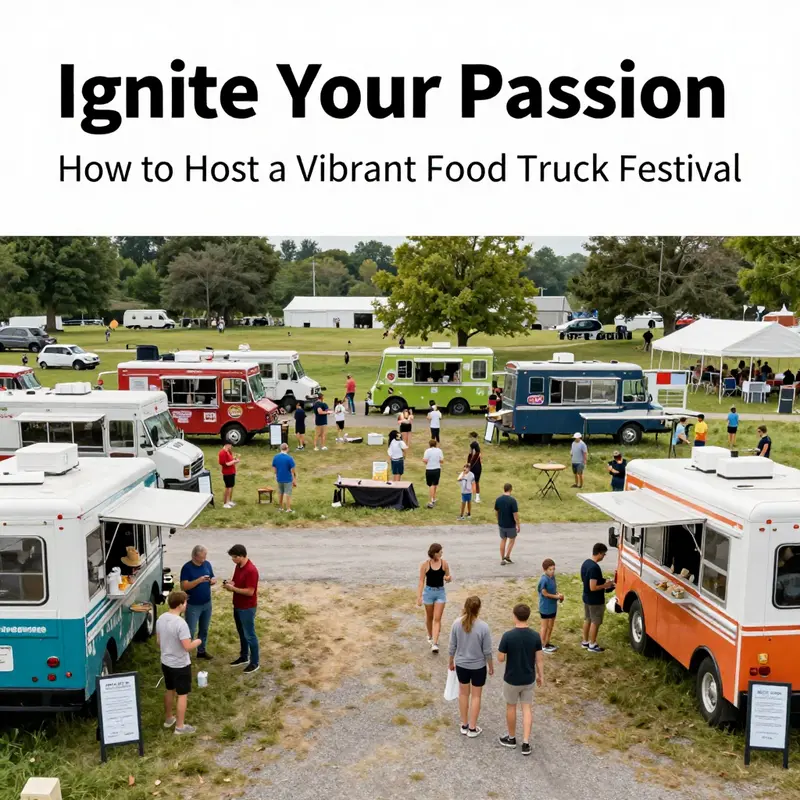
Choosing where to host a food truck festival is not just about a pretty backdrop. The site determines who comes, how smoothly trucks can operate, and how well guests move through the day. The location becomes a quiet driver of the entire experience. A space that looks ideal on a map can unravel if access is poor, utilities are limited, or the permitting path is unclear. Conversely, a thoughtfully chosen site can amplify turnout, simplify operations, and create a perimeter of safety and comfort that lets the food and music speak for themselves. As you begin the planning process, your first map should be a precise overlay of space, permissions, and potential. Sit with it as you would with a complex vendor lineup: every inch of real estate matters, and every requirement has a consequence for flow, service speed, and long-term satisfaction for attendees and vendors alike.
Location decision begins with a clear picture of who you want to attract and what kind of atmosphere you want to cultivate. If the festival aims to be a community celebration, a neighborhood park or a public plaza with strong pedestrian access might be ideal. If the goal includes a broader regional audience, proximity to transit routes or major event hubs becomes more important. Regardless of the target audience, you need a site that can accommodate the practical realities of a food truck festival: a fleet of trucks lining up without turning into a bottleneck, guests weaving through aisles without colliding with service spaces, and a footprint that keeps traffic moving in both directions. The best sites are those that balance charm with function, offering daylight or festival lighting that enlivens evenings, and a surface that can handle the weight and movement of vehicles and dense crowds alike.
Accessibility sits at the top of the list. A venue should be easy to reach by multiple modes of transport, including car, bike, and on foot. Parking capacity near the event site matters, but so does the availability of nearby drop-off zones and clear signage guiding guests to entrances. In the planning phase, map out routes for attendees, for trucks, and for service vehicles. A site that requires guests to weave through narrow alleys or to cross busy roadways laid out with heavy traffic is a site that invites delays and safety risks. Ample, clearly designated parking is essential, as is easy access to restrooms, handwashing stations, and waste disposal areas. If you cannot secure a large, adjacent parking lot, consider partnering with nearby venues that can provide overflow spaces or shared parking arrangements.
Space is another sacred variable. You need enough square footage to accommodate a lineup of food trucks, vendor booths, seating areas, and movement corridors for guests. The trucks themselves require door access for staff, power outlets or generator zones, and a buffer zone that keeps customers from crowding the service windows. The layout should enable smooth queuing, allow guests to browse a variety of offerings without jamming, and still leave room for stages, cooking demonstrations, or kids’ activities if those elements are part of your program. The ideal layout also anticipates future weather contingencies. If you are planning an outdoor festival, a layout with flexible zones—permanent shaded seating, modular tents, and easily reconfigurable vendor plots—can save you from scrambling at the last minute when conditions shift.
Waste management and sanitation deserve careful forethought. A site with built-in waste streams and easy access to sanitation services reduces the risk of spills and crowding around trash containers. Plan for separate refuse and recycling stations, with clear color coding and signage. The sanitation plan should specify the number and location of handwashing stations, the frequency of trash collection, and the process for post-event cleanup. These elements are not cosmetic add-ons; they influence health compliance, guest comfort, and the overall cleanliness footprint of the festival.
From a regulatory perspective, the site must align with local zoning, health, and safety rules. In many places, especially in Southeast Asia and similar regulatory environments, events involving food trucks require oversight by municipal authorities. This oversight defines what types of activities can occur, how long a festival can run, and what kinds of inspections or permits must be secured in advance. The reality is that permits and licenses are not mere formalities; they are the operating backbone that keeps the event within legal boundaries while safeguarding guests and vendors.
In Malaysia, as highlighted in practical guides and industry resources, popular spots for food truck gatherings include night markets, outdoor plazas, and community parks. These venues bring established foot traffic and existing infrastructure that can streamline operations. They also naturally align with the kinds of spaces that can accommodate dense crowds and a cluster of culinary offerings. When you choose such spaces, you should still treat permitting as a parallel track to site selection. The best outcomes emerge when location and permit planning evolve hand in hand, rather than as separate, sequential steps. The synergy between a well-chosen site and a compliant, clear permitting pathway reduces friction and increases the likelihood of a festival that runs on time and within budget.
To operationalize location choices, you must engage early with the local authority. In practice, this often means contacting the municipal council or city hall to understand licenses, permits, and any special conditions attached to public space use. The documented requirements typically include a business license, a food handler’s permit, a health and safety compliance certification, and a temporary event permit. In many jurisdictions, these items sit within a broader framework of regulatory oversight that aims to ensure food safety, crowd management, and environmental protection. Vendors themselves are usually required to hold valid licenses and permits, and organizers bear responsibility for confirming or obtaining appropriate permissions for the festival footprint as a whole. The process is not a single act of approval but a sequence of checks and confirmations that may involve site inspection, safety audits, and compliance verification across multiple departments.
A practical approach is to visualize the permitting timeline as a collaborative project with vendors and venue partners. With advance planning, you can distribute responsibilities: assign a permits liaison to track documentation, a site planning lead to confirm utilities and power needs, and a safety coordinator to coordinate health checks and emergency procedures. Begin the conversation with the local authority as soon as your festival concept takes shape. Explain the proposed dates, expected attendance, the layout you envision, and the specific utility and waste management needs. This proactive engagement often shortens the waiting periods and clarifies what documents require upgrading or additional approvals.
The timeline matters. A typical permitting window begins six to eight weeks before the event date, depending on local rules and the complexity of the site. This window is designed to accommodate document submission, necessary inspections, and any adjustments requested by authorities. The longer you delay in initiating this process, the more risk you incur of late-stage changes that can cascade into budget overruns, scheduling conflicts, or compromised safety plans. Treat these weeks as an essential phase of your festival’s execution rather than a bureaucratic hurdle. Use it to align the expectations of the municipal authorities with the realities on the ground—the exact locations of food trucks, utilities access points, sanitation stations, vendor check-in zones, and emergency egress routes.
Documentation forms a critical pillar in this process. The core set normally includes a business license for the event, a food handler’s permit for each participating vendor, a health and safety compliance certificate that attests to risk management practices and sanitary standards, and a temporary event permit that authorizes the use of public space for the festival. Depending on the city or country, there may be additional requirements such as fire safety clearance, waste management plans, noise permits, or signage approvals. In more regulated environments, organizers may also be asked to provide proof of insurance covering event liability, workers’ compensation, and vendor liability. The exact combination of documents can vary, so the liaison role is crucial to track, verify, and compile the necessary packets for review.
For those organizing in jurisdictions with strong food service oversight, the process often involves the municipal council and the city’s health department. The Majlis Perbandaran or the Dewan Bandaraya are two bodies frequently cited in Malaysia as the gating authorities for use of public spaces and vendor compliance. Understanding who to contact, what forms to fill, and what standards to meet becomes a translator’s job—converting the language of regulation into a practical project plan for logistics, layout, and vendor coordination. You can think of this as building a bridge between creative event design and enforceable safety and operational standards. The stronger the bridge, the fewer anxieties you carry about last-minute revisions, legal exposures, or safety gaps that might disrupt attendance or vendor participation.
It is worth noting that while the regulatory framework can seem daunting, it is also a map that nudges organizers toward best practices. One such benefit is the creation of a consistent baseline for food safety and guest welfare. Standards from health authorities often translate into clearer expectations for vendors about hygiene, food storage, and cross-contamination controls. They also shape the festival’s layout decisions, such as the spacing between trucks to maintain air flow, the location of handwashing and wash-down stations, and the segregation of raw and cooked foods. When these requirements are anticipated and integrated into the early planning phases, the event gains a level of predictability that reduces stress as the date approaches and improves the overall guest experience.
As you prepare for the permitting journey, consider how you will present your site to authorities. A well-drawn site plan that shows truck bays, customer queuing areas, vendor corridors, utility access points, and sanitation facilities is worth more than a thousand words. A simple, professional map signals that you are serious, values safety, and respect the regulatory process. It also helps you negotiate tough questions about footprint, traffic flow, and emergency access. The best plans anticipate potential problem zones—high-traffic intersections, power consumption limits, or limited water supply—and propose practical mitigations such as staggered entry times, additional portable restrooms, or alternative energy options for cooking demonstrations.
Once your site and permit plan are in motion, keep communication channels open with your vendors and site partners. Share timelines, compliance expectations, and the responsibilities everyone must uphold. Encourage vendors to coordinate their own licensing and compliance checks, while you manage the festival-wide permits and overarching safety plan. A cohesive, transparent process reduces delays and helps vendors prepare the proper documentation well ahead of the event. It also fosters trust with the community and with prospective attendees, who will be reassured by a clearly regulated, well-managed festival.
To deepen your understanding of the regulatory landscape, you can explore resources that address navigating food truck industry regulations. For example, a practical guide on this topic offers insights into how similar events manage permits, health inspections, and vendor compliance. This kind of resource can be a useful companion as you tailor the local process to your city or district. Navigating Food Truck Industry Regulations.
In parallel with regulatory preparation, you should also consider the broader experience you want to create for attendees. The site is your stage, but the permits are your backstage crew—quietly ensuring that every element of the production remains safe, legal, and reliable. A well-choreographed permitting process translates into fewer last-minute surprises, smoother vendor check-in, and a festival that respects neighbor concerns and public infrastructure. It allows you to focus your energy on food, performances, and the social energy that makes a festival memorable. And when the moment arrives for doors to open, your guests will sense the difference: a well-lit, safe, and welcoming environment where the food, the music, and the shared experience feel effortless because every permit detail has been anticipated and integrated into the day’s rhythm.
As a final note, keep the process grounded in local realities while remaining adaptable. Permit requirements and site considerations can differ by municipality and country, so treat every jurisdiction as its own ecosystem. Build relationships with the authorities, seek feedback when possible, and document lessons learned for future events. The value of this approach extends beyond one festival. A solid location and permitting strategy becomes a repeatable framework that can scale with your ambitions, enabling you to host bigger or more complex events while maintaining safety, efficiency, and genuine guest delight.
External resource for official guidelines: Ministry of Health Malaysia offers guidelines on food safety, hygiene standards, and licensing requirements for food vendors, including food trucks. More information can be found at https://www.moh.gov.my.
Curating the Culinary Chorus: Recruitment and Vendor Management for a Food Truck Festival
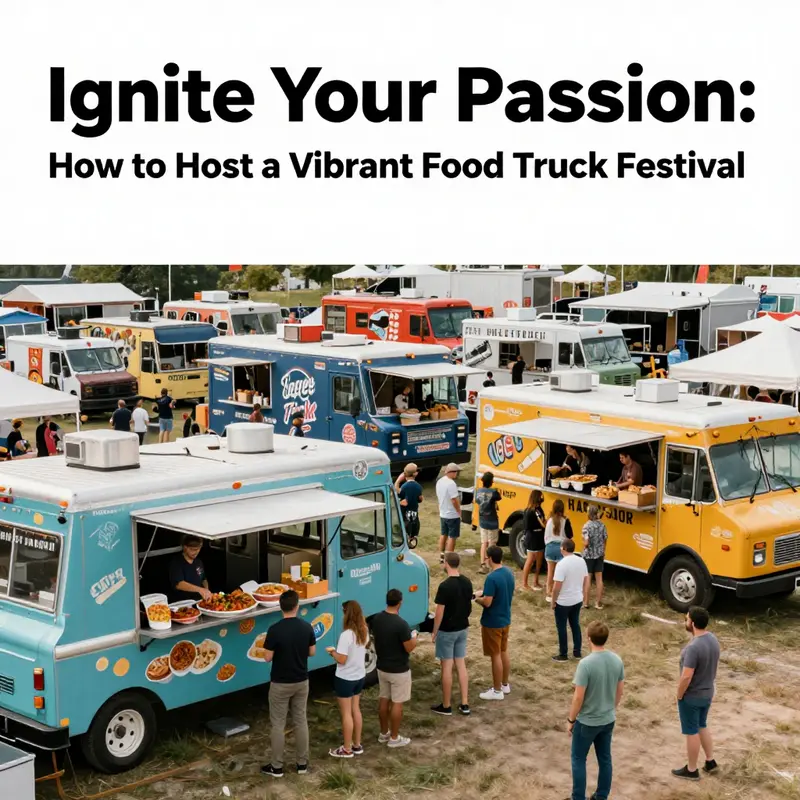
Every great food truck festival is a chorus, and the vendors are its voices. The festival’s flavor, pace, and texture hinge on the people who arrive with carts, grills, dimmed lanterns of hospitality, and the stories they carry about their food. Recruitment and vendor management are not afterthoughts; they are the backbone of a festival that promises variety, quality, and reliability. When done with intention, vendor recruitment becomes a strategic process that aligns the street-food fantasy with the event’s vision, budget, and audience. It is the point where creativity meets discipline, where the thrill of discovery is balanced by the predictability that comes from clear rules and dependable partners. This chapter dives into how to recruit a diverse, high-quality vendor lineup and how to manage those relationships so the day unfolds smoothly from the first vendor setup to the last clean-up crew leaving the site.
Begin with vision, because your vendors must reflect the festival you intend to present. If the goal is to showcase regional flavors and celebrate local producers, your recruitment should actively seek operators who source ingredients locally and tell a story that resonates with your theme. If the aim is a broader international tasting menu, you will need a different mix—one that includes a range of cuisines and a mix of established brands and nimble, newer entrants who bring novelty without sacrificing reliability. In practice, this means defining a target audience and a sensory map for the event: what tastes, what textures, what moments should attendees remember? A well-articulated theme helps you shape the selection criteria, the application form, and the vetting process. The 2025 Guangzhou International Food Festival provides a useful benchmark: a clearly defined zone structure and a strong emphasis on cultural resonance helped guide vendor selection and audience engagement. While that festival sits in a different cultural and regulatory context, the lesson is universal—the clearest guardrails produce smarter, more cohesive vendor participation.
A robust recruitment plan rests on multiple channels and a transparent process. Today’s operators move through networks with ease: social media feeds, industry associations, and specialized platforms can all yield strong leads. When you initiate outreach, present a concise value proposition: what makes your festival attractive to vendors beyond a simple stall fee? Is there guaranteed foot traffic, media exposure, or a particular audience segment that will be drawn to their cuisine? Do you offer flexible times, sustainable packaging options, or shared back-of-house facilities like power and water? The more you sketch the win for the vendor, the more compelling your invitation becomes. It’s wise to assemble a pool of candidates who bring diversity in cuisine, price points, and service models. A well-rounded lineup will include standbys with proven track records and newcomers who push boundaries with innovative concepts, such as plant-based takes on traditional favorites or creative use of technology for ordering and payment. Diversity is not only ethical; it’s practical. A festival that offers different price points and experiences will attract families, foodies, professionals, and casual passersby, extending the event’s appeal across demographics.
Your outreach should be disciplined yet generous. Invite applications through a well-designed form that collects essential details: business name, contact information, copies of licenses, menu highlights, sourcing practices, equipment type, and a brief history of past events. A clear description of required standards helps vendors self-select into the right tier. Tiered booth pricing often works well, with early-bird and priority options reserved for operators who demonstrate consistency in food safety and service quality or who align with the festival’s sustainability goals. A transparent review framework is equally important. Outline the criteria used for selection—food safety compliance, equipment standards, sourcing transparency, past event performance, and alignment with the festival’s theme. In practice, successful juries combine objective checks with a qualitative sense of how an operator’s presence will contribute to the event’s energy. To keep the process fair and efficient, consider a vendor portal or a dedicated communications channel. A single point of contact helps avoid miscommunication and ensures everyone is up to date on timelines, requirements, and changes.
Once applications roll in, the evaluation should balance practicality and possibility. Vetting is about more than flavor profiles; it’s about reliability under pressure. Confirm licenses, food handler permits, and insurance. Review the proposed menu for allergen information, sourcing transparency, and potential cross-contact risks. Consider space planning and how a vendor’s footprint will fit into your layout without causing bottlenecks for guests. The layout matters on several levels: it supports crowd flow, provides sightlines to appealing offerings, and minimizes conflicts between vendors that compete for the same kind of customer. Vendors should be placed in zones that reflect the theme while ensuring accessibility to amenities like restrooms, water, and waste disposal. Communication about setup times and load-in procedures is crucial now so that on the day, vendors can focus on service rather than logistics.
Pre-event coordination goes beyond the contract; it’s a collaborative rehearsal. A well-organized onboarding process helps vendors align with your standards and expectations. Share a pre-event briefing that reviews health and safety protocols, service standards, and housekeeping rules. Provide a detailed site map, signage guidelines, and a clear set of rules regarding noise, smoke, and waste handling. A centralized vendor portal or a dedicated messaging group can serve as the backbone for updates, FAQs, and emergency notices. Regular, calm communication reduces last-minute surprises and helps vendors feel supported rather than policed. A well-timed briefing creates a shared mental model: everyone understands where they stand, what is expected, and how to handle common contingencies.
On the day of the event, on-site management is the quiet engine that keeps everything running smoothly. Assign a core team of vendor coordinators who can guide, troubleshoot, and enforce standards in real time. The ability to respond to a grid outage, a supply delay, or a last-minute change in the layout is what separates a good festival from a great one. A concise, pre-agreed escalation path matters: who to call for power issues, waste management, or medical incidents, and how to document and learn from those incidents afterward. A transparent, vendor-friendly approach helps preserve relationships. Vendors who feel heard and valued are more likely to return and to bring colleagues or friends next year. The day’s rhythm—load-in, service, peak hours, break-down—must be anticipated in 30-minute increments in the plan, with buffers for congestion, weather variations, and independent delays. A well-staffed operations desk, accessible throughout the event, reduces friction and fosters a sense of community among operators, volunteers, and attendees.
Sustainability and inclusivity should thread through every vendor decision. If your festival champions local procurement, prioritize vendors who source ingredients locally and minimize packaging waste. Offer a logistics framework that accommodates reusable or compostable containers and provide clearly labeled recycling and compost stations. Aiming for a lower environmental footprint is not a constraint; it’s a strategic differentiator that resonates with visitors who care about sustainable practices. Include accessibility in the vendor experience, ensuring that vendor areas and guest pathways are navigable for all patrons. This includes clear signage, adequate lighting, and weather-protected zones so guests and operators can stay comfortable regardless of conditions. Diversity in cuisine is essential, but so is diversity in vendor backgrounds. Transparent criteria that welcome women-owned businesses, minority-owned enterprises, and small-scale operators helps widen opportunity and enriches the festival’s narrative. A robust inclusion framework helps build a festival that mirrors the community it serves while expanding the pool of reliable partners.
To manage expectations and deliver consistent outcomes, establish a clear onboarding and post-event feedback loop. After the festival closes, share performance data with vendors when possible, such as foot traffic insights, sales estimates, or customer feedback highlights. Even if precise revenue is commercially sensitive, providing qualitative insights—like popularity of certain cuisines or peak service periods—helps vendors plan for future participation. A formal debrief can be a powerful mechanism for relationship-building: invite vendors to a roundtable or virtual meeting to discuss what went well and where improvement is needed. The goal is to cultivate ongoing partnerships rather than one-off participation. If a vendor repeatedly performs well and aligns with the festival ethos, consider offering preferred supplier status, longer-term collaborations, or reserved slots in future editions. Long-term relationship-building is a practical form of brand investment; it keeps the festival’s quality stable while giving vendors a predictable platform to grow their businesses.
The recruitment and vendor-management process gains strength when it is underpinned by a philosophy of collaboration rather than coercion. Rather than simply enforcing rules, think of yourself as a festival curator who builds a living ecosystem. Invite vendors to share ideas for guest appearances, menu specials, or cross-promotional events with sponsors and local businesses. Allow space for innovation—many of the most memorable festival moments arise from unexpected collaborations: a chef who blends regional specialties with a street-food format, a beverage vendor offering a limited-time pairing, or a dessert maker who couples with a late-evening performance zone. This collaborative posture requires trust, clear documentation, and a shared commitment to customer safety and satisfaction. It also requires discipline: you need to protect the core experience while remaining flexible enough to accommodate the creative impulses that make a festival memorable.
The practical tools of vendor recruitment—from clear application forms to tiered pricing, from on-site support to post-event follow-up—are not mere checklists. They are the architecture of a festival that can scale, sustain, and delight. In building this architecture, remember that the vendor roster is a living map of the community you serve. It reflects the city’s palate, its economic partnerships, and its appetite for experimentation. It should be welcoming to newcomers and trusted by repeat operators alike. A well-curated vendor mix offers something for everyone: comforting familiar options for family groups, daring new flavors for curious eaters, and dependable stalwarts who anchor the festival’s credibility. It also creates a pattern of discovery that invites attendees to explore, compare, and return. The best festivals become fluent in this dynamic: vendors learn to anticipate crowd movements, guests learn to navigate the offerings, and organizers learn to refine the process for future events.
Among the many details that shape success, remember to embed social and cultural awareness throughout your vendor program. Extend invitations to operators who bring authentic voices and stories that align with your theme. Provide space for cultural celebrations, dietary accommodations, and creative expressions that go beyond food alone. When vendors feel respected and included, their passion translates into service quality and memorable experiences for guests. The cumulative effect is a festival that feels alive, coherent, and generous—precisely the kind of event that attendees want to tell their friends about and return to year after year. In practice, this means crafting a vendor experience that minimizes friction: clear setup guidelines, accessible power and water, reliable waste management, and visible branding that respects the guest journey. It means ensuring that the vendor experience is not rushed, but well-paced enough to maintain service quality as foot traffic builds. It means supporting vendors with real-time information and a culture of problem-solving that keeps the day moving forward, even if small hiccups occur.
As you refine your recruitment strategy, keep a watchful eye on the balance between quantity and quality. It is tempting to maximize the number of stalls to claim as many culinary voices as possible, but quantity without quality can dilute the festival’s impact. A smaller, well-curated roster may deliver more consistent service, stronger guest satisfaction, and higher repeat attendance than a larger, fractured lineup. To strike this balance, apply a deliberate selection framework that rewards vendors who demonstrate consistency in food safety, speed of service, and adaptability to your site constraints. This is where a structured pre-event briefing and a comprehensive site plan pay dividends. Vendors appreciate being treated as professionals; they respond to predictable schedules, transparent expectations, and the sense that they are part of a collective undertaking rather than disposable partners in a one-day event.
In short, recruiting and managing vendors for a food truck festival is about storytelling, logistics, and trust. It’s the art of assembling a diverse cast of culinary narrators and giving them a stage that respects their craft while protecting the guest experience. It’s about setting standards that elevate safety and sustainability without stifling innovation. It’s about listening to vendors and attendees alike, learning from every edition, and returning with a stronger, more resonant lineup. When you get this balance right, the festival becomes more than the sum of its parts. It becomes a living, evolving celebration of food culture, a community event that guests plan around, and a platform that supports local entrepreneurs in meaningful, measurable ways. For a broader framework on navigating regulations and ensuring that vendor operations align with local rules, you can explore a resource focused on industry compliance and practical guidance: https://loschifladostruck.com/navigating-food-truck-industry-regulations/.
To anchor these practices in a real-world, forward-looking context, consider how large-scale events coordinate with government authorities and industry bodies to create scalable, repeatable processes. The example of the Guangzhou market, which segmented zones by cuisine, integrated safety and environmental standards, and maintained rigorous vendor criteria, demonstrates how structure and culture can harmonize in a complex ecosystem. While regulatory climates vary, the core principles—clear criteria, fair processes, robust onboarding, dependable logistics, ongoing feedback, and committed relationship-building—translate across locales. For reference to a municipal framework that guides large festivals and showcases a mature approach to vendor recruitment and exhibition design, see the Guangzhou International Food Festival notice and framework online. This external resource illuminates how official guidance shapes vendor zones, design requirements, and the recruitment ethos that sustains one of Asia’s most prominent food showcases: https://www.gz.gov.cn/zwgk/tzgg/yqfw/202510/t20251014_1729824.html.
In the end, the chapter of recruitment and vendor management is the opening verse of your festival’s story. It is the part that invites the cast, sets expectations, and cultivates relationships that will carry the event forward. By communicating clearly, valuing diversity, maintaining rigorous safety and sustainability standards, and fostering collaboration, you create a festival that not only serves great food but also upholds the dignity of every operator who contributes to its success. When those voices come together—seasoned veterans, ambitious newcomers, local favorites, and international flavors—the crowd tastes something greater than a menu. They taste a civic moment, a shared celebration, and a sense of place that lingers long after the last plate is cleared. And as planners, you walk away with more than vendors signed and contracts closed—you harvest a resilient network of partners who will return, year after year, to help you tell the story of your city through its food.
Final thoughts
Hosting a food truck festival can be a rewarding experience that connects communities and celebrates culinary creativity. By clearly defining your goals and vision, ensuring a well-planned location with permits, and fostering strong relationships with vendors, you can create an event that resonates with attendees and fosters a love for local food culture. Embrace the energy and excitement of this vibrant celebration, knowing that your efforts will not only contribute to an unforgettable day but also strengthen community bonds and support local businesses.