
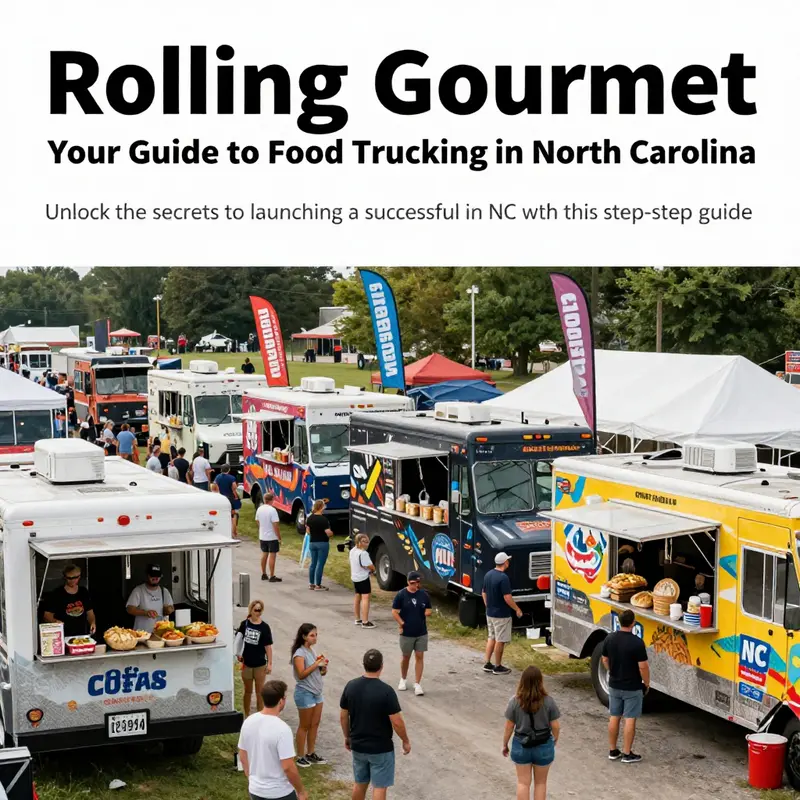
Food trucks are taking North Carolina by storm, offering everything from gourmet tacos to decadent desserts on wheels. If you’re an event planner, corporate HR professional, or simply a food enthusiast, understanding how to successfully launch a food truck can elevate gatherings and cater to diverse tastes. This guide breaks down the entire process, starting from the business setup, navigating licenses, ensuring compliance, understanding insurance needs, and emphasizing health and safety practices. Dive into the detailed chapters below to discover the roadmap that will have you serving up mouthwatering meals in no time!
null
null
null
null
On the Road to a Safe, Street-Ready NC Food Truck: Vehicle Compliance, Safety, and the Path to Legal Operation
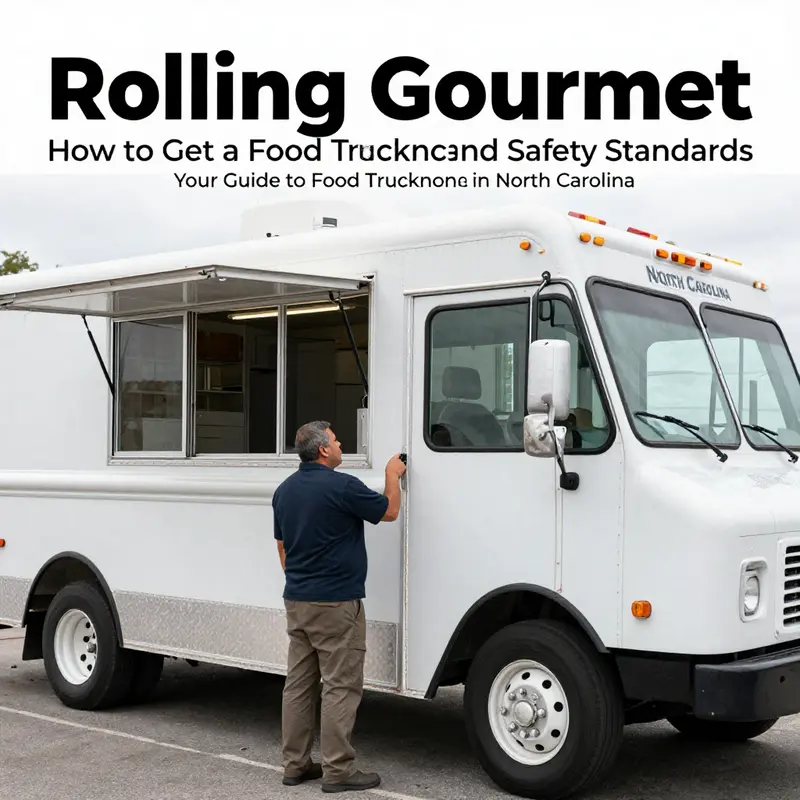
The journey to a legally compliant food truck in North Carolina starts with the truck itself. Vehicle compliance is not a single checkbox but a careful, integrated workflow that keeps you safe, insured, and ready to serve. In NC, the state’s regulations have been streamlined in ways that reward preparedness, but they still demand that your mobile unit is structurally sound, properly insulated, and equipped to handle the realities of street vending. The core idea is simple: a well-built kitchen on wheels must perform like a kitchen in a brick-and-mortar space while standing up to the road, the weather, and the occasional improvisation that comes with mobile service. This means everything from the chassis beneath you to the handwashing sink inside your unit must meet clear standards. The overarching rule is that safety and sanitation are not peripheral concerns but central requirements that affect every inspection, permit, and customer interaction you will encounter as soon as you roll onto a block with steam and sizzle already in the air.
One of the first realities to face is the structure of the unit itself. A mobile kitchen needs a solid frame, proper insulation, and reliable separation between raw and cooked foods. Heat and cold must be controlled with equipment that is appropriately sized for a small space. Refrigeration must hold safe temperatures, and hot holding must be capable of maintaining the temperature until service ends. The sanitation framework is equally critical. A clean, running-water handwashing station with soap and a safe waste disposal setup are not optional luxuries; they are essential for passing inspections and for preserving the health of both crew and customers. Given North Carolina’s climate and the variety of locations you’ll operate in—from busy urban streets to rural pop-up events—a well-insulated unit helps maintain consistent temperatures and reduces the energy drain on generators or power hookups.
The rules around fire safety in NC have seen changes, and understanding them can prevent surprising delays in your timeline. The LP-Gas Code, which governs certain gas-related safety requirements, no longer mandates a dedicated fire extinguisher as part of the code in its 2017 edition. The practical upshot is that you should not assume a fire extinguisher is automatically unnecessary; local jurisdictions can still require extinguishers or alternative fire-safety measures. In other words, while the state code has shifted, a responsible operator always plans for fire safety through best practices such as proper storage of flammable liquids, clearly marked shutoffs, and routine equipment maintenance. Before you finalize any local permitting, check with your city or county health department and fire marshal to understand their expectations. This dual awareness—state guidance plus municipal specifics—keeps you aligned with the widest possible set of rules and reduces the risk of last-minute revisions that derail a launch.
Beyond fire safety, the day-to-day reality of vehicle compliance in NC rests on the fundamentals of roadworthiness and clear documentation. Your truck must be legally registered and insured, with a valid roadworthiness check appropriate for a commercial vehicle if required by your vehicle’s size or weight. In most cases, food trucks stay under the 26,000-pound threshold where a CDL becomes mandatory, but it remains important to verify your GVWR and understand whether any exemptions apply to your specific build. A standard motor vehicle inspection is a baseline check that confirms your truck meets basic safety criteria: functioning brakes, lights, steering, suspension, and tires that are appropriate for commercial use. These checks ensure you can operate legally on public roads and at the venues where you plan to trade.
The vehicle interior itself demands careful attention to how equipment is installed and protected. Electrical systems should be up to code and capable of supporting refrigeration, cooktops, and lighting without overloading circuits. Gas lines, if used, must be properly installed and tested to prevent leaks. The sanitation and pest-control plan should be part of the vehicle’s design from day one. This means not only compliant storage for food and ingredients but also adequate waste handling, prevention of cross-contamination, and an easily cleanable surface layout. In practice, that translates to airflow that reduces moisture buildup, smooth transitions between prep, cooking, and service zones, and a workflow that minimizes backtracking between dirty and clean areas.
As you prepare for inspections, you’ll find that the actual process blends objective standards with the realities of daily operations. The inspection framework looks at your entire operation: the unit’s condition, the food preparation setup, the handwashing capability, the storage and temperature control, and the cleanliness and maintenance practices that will carry your crew through long service days. A prudent operator uses these checks as a proactive design brief rather than a checklist to survive. They build a pre-inspection routine that includes a mock run through a typical service shift, verifying that cold and hot holds maintain safe temperatures, that drains and waste lines are free of clogs, and that cleaning schedules are rigorous but practical. In short, vehicle compliance is not an obstacle but a mirror that reflects the quality and reliability of your business.
Even as you get the mechanics right, the broader compliance ecosystem matters. Local permits for operation in specific streets, parks, or events aren’t mere formalities; they reflect real-world constraints on where you can park, how long you can stay, and what health and safety expectations apply in any given jurisdiction. It’s wise to map out where you’ll operate most often and connect with the relevant city or county offices early in the process. The goal is to anticipate the permissions that will be critical to your daily schedule, not to chase them after you’ve built and branded your truck. For a broader look at how these regulations connect and to understand how others navigate the maze, you can explore resources that discuss navigating food truck regulations in depth, which can help you see the bigger regulatory picture while you take care of the practical steps.
Because the NC regulatory landscape values clarity and accountability, many operators find it helpful to build relationships with other vendors and associations. A collaborative network can provide practical insights on inspection nuances, permit timing, and parking strategies that align with seasonal events and city initiatives. Sharing experiences about what works in different municipalities reduces the friction of the process and helps you tailor your plan to your unique concept and location. In practice, this means engaging with groups or forums that focus on mobile food service in North Carolina, keeping a steady hand on the wheel while adapting to a city’s rhythms.
The practical takeaway is straightforward: vehicle compliance in NC blends structural integrity with disciplined safety practices, while staying attuned to the specific requirements of each community you serve. Your unit should perform like a portable kitchen that travels, not a shell that merely holds equipment. Insulation, refrigeration, waste handling, handwashing, and safe food storage must be designed to support a consistent, high-quality product under varying conditions. The newer reality—one you should embrace—is that a successful mobile kitchen is planned, inspected, and maintained with the same rigor you’d apply to a brick-and-mortar facility, minus the fixed walls.
For readers who want to connect the regulatory dots with broader guidance, the chapter links to broader industry resources that illuminate how these pieces fit together in practice. The aim is to offer a cohesive picture of the required steps—from concept through inspection—so you can translate regulatory language into a workable, safe, and market-ready mobile kitchen. When you’re ready to broaden this scope, you’ll find chapters that cover choosing the right mobile unit, securing permits, and aligning your brand with a resilient operational plan.
Internal link reference: To explore how regulations interlock with operational realities, review the discussion on navigating food truck regulations and how to apply that knowledge to your NC launch, which provides practical context for the steps described here. navigating food-truck industry regulations.
External resource: For a comprehensive, end-to-end guide that complements these chapters, consult the official overview that covers everything from concept to serving your first customer at https://www.foodtrucks.com/ultimate-guide-to-owning-a-food-truck/.
null
null
Health on Wheels: Mastering NC Food Truck Health and Safety for a Safe Launch
In North Carolina, a successful food truck launch hinges on more than a clever menu or a gleaming truck. Health and safety standards are the backbone that keeps a mobile kitchen legal, trustworthy, and ready to operate across cities and counties with varying rules. The North Carolina Department of Agriculture and Consumer Services (NCDA&CS) sets the baseline for sanitation and safety, and meeting—or exceeding—these standards signals to regulators, partners, and customers that your venture is built to last. A careful, thorough approach to health and safety not only protects the public but also reduces the risk of fines, closures, or costly recalls that can sink a fledgling operation before it finds its rhythm. As you plan the route from concept to asphalt, think of health and safety as a design constraint that informs every choice—from the layout of your kitchen to the training you require for your staff and the inspections you prepare for along the way. For practical context on how these rules fit into the broader regulatory landscape, you can explore the concept of navigating food-truck industry regulations through the referenced guide that connects many moving parts of a mobile operation.
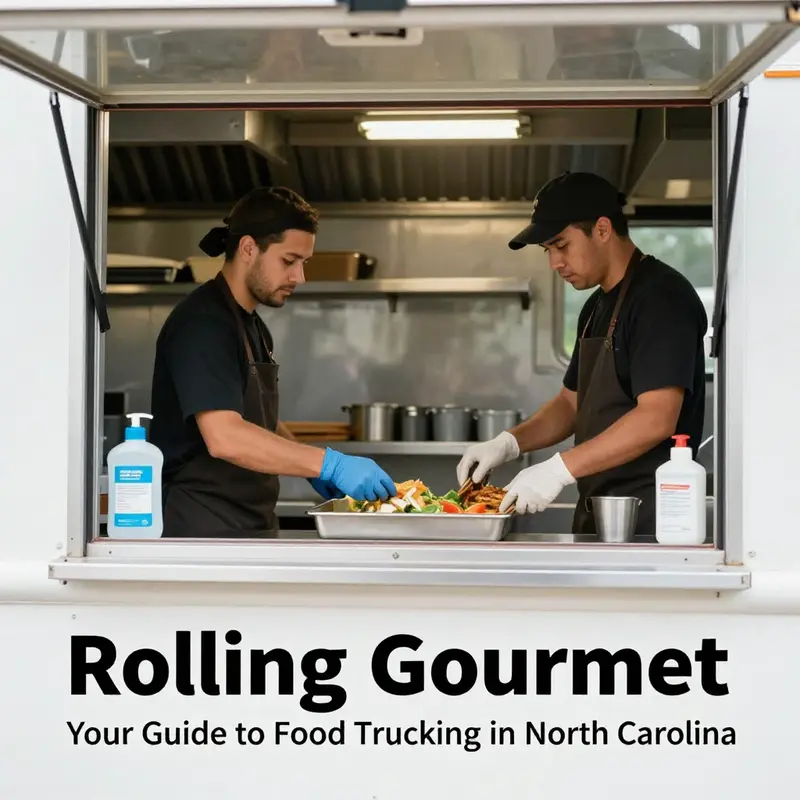
The sanitation framework begins with a clean, functional mobile kitchen. NCDA&CS standards emphasize a clean and properly organized cooking and storage area, where every surface is easy to sanitize and every tool has a dedicated place. The emphasis on a clean, safe area is not merely about appearances; it is a core defense against cross-contamination and foodborne illness. A well-designed truck ensures that food preparation and storage zones remain distinctly separated, with raw and ready-to-eat items kept apart. The layout should support a practical workflow that minimizes backtracking and prevents clutter from becoming a safety hazard. A critical element of this sanitary design is the handwashing station. The rules require a dedicated handwashing facility with running water, soap, and a method for drying hands. This is non-negotiable in most inspections because it serves as the first line of defense against contamination during busy service periods when gloves or utensils alone cannot substitute for clean hands.
Temperature control is another central pillar. Proper insulation of refrigeration units and hot-holding equipment helps maintain safe temperatures throughout the day. Insulated units reduce fluctuation, which in turn reduces the risk of bacterial growth on perishable ingredients. Temperature logs and calibrated thermometers are practical adjuncts that support consistent safety practices. Staff should be trained to recognize safe ranges for different foods and to act immediately when a thermometer signals a deviation. The blueprints of a compliant truck should incorporate accessible cleaning stations, clearly labeled waste disposal areas, and surfaces designed to withstand frequent scrubbing without degradation. The result is not only safer food but a more reliable operation where equipment proves sturdy under the stress of night markets, busy festivals, or a year-round street-food calendar.
Beyond the physical space, the people in the truck are the ones who translate policy into practice. All food handlers must hold a valid Food Protection Manager certification or an equivalent credential from a recognized national program. This certification is a mark that the person in charge comprehends core food safety principles—temperature control, cross-contamination prevention, personal hygiene, cleaning and sanitizing procedures, and the management of food safety during daily operations. In practice, this means your lead handler can articulate a simple, consistent plan for every shift: how to receive ingredients, how to store them, how to cook them to safe temperatures, how to cool and hold food, and how to respond if a shipment arrives late or if a cooler fails mid-service. Training should extend beyond the certification exam, embedding safe practices into the daily routine and building muscle memory for fast-paced service.
Regular inspections are the external reminder that health and safety are ongoing commitments rather than one-time checkboxes. The NCDA&CS conducts inspections to verify that the mobile kitchen complies with state health codes. Inspectors assess a range of factors: cleanliness of the kitchen, condition and placement of equipment, the integrity of temperature control systems, handwashing facilities, and the overall environment in which food is prepared and stored. They also review waste management practices, pest control measures, and sanitation schedules. A positive inspection record is a signal to customers that your truck is a reliable, safe place to eat, which can translate into repeat business and better word-of-mouth in a competitive market.
It is worth noting one notable regulatory update that often influences planning. The LP-Gas Code once required a fire extinguisher as part of its standard. In the 2017 edition, that specific extinguisher requirement was removed from the code governing mobile food operations. However, this removal does not reduce the overall safety obligations. Fire protection remains a critical consideration, but it may be governed by other sections of code or by city-specific enforcement. The takeaway is clear: do not interpret the absence of a single extinguisher requirement as a reason to relax other safeguards. Fire safety remains essential, and local inspectors will look at your fire suppression strategy, the placement of any extinguishers, gas lines, and fuel storage in the context of the entire health and safety framework. If you need precise, up-to-date guidance, consult the official standards division materials and related LP-Gas sections to understand current expectations and changes that may affect your operation.
Preparing your truck for inspection begins long before the inspector arrives. Build a routine that keeps the truck in inspection-ready condition every day. Start with a robust cleaning schedule: wipe down all surfaces with approved sanitizers, sanitize cutting boards after each use, and ensure utensils are cleaned and stored properly. Keep raw and ready-to-eat foods separated and labeled, and ensure that the cold chain is uninterrupted from delivery to service. The refrigeration units should be checked for temperature stability at the start of each shift, and the hot-holding units should be tested to confirm consistent temperatures during peak times. Waste streams, including used oils and food scraps, should be managed in a way that minimizes odors and pest attraction, with clear separation from food preparation zones. PPE and hygiene practices matter, too. Gloves, when used, should be clean and replaced regularly, and staff should wash hands frequently, especially after handling raw ingredients, using the restroom, or taking breaks.
From a training perspective, many operators adopt a hybrid approach that emphasizes continuous learning. A recognized Food Protection Manager certification provides a strong foundation, but ongoing education remains essential. Short, frequent refreshers on topics like safe refrigerant handling, proper cleaning agents for different surfaces, and best practices in preventing cross-contamination can help a team stay sharp even during busy periods. Online training modules and local workshops can supplement on-the-job coaching. The result is a team that not only passes inspections but understands the why behind each rule, allowing them to navigate unexpected situations with confidence. For operators planning to expand to multiple locations, a standardized kitchen setup and a reproducible training program can streamline growth, ensuring that every truck in a growing brand adheres to the same health-and-safety baseline.
To keep this emphasis grounded in real-world practice, some operators use a simple, recurring checklist embedded in their daily routine. Before service, they confirm that the handwashing station is functioning, the sanitizer concentrations are correct, and all cold and hot storage temperatures are within safe ranges. After service, they review any equipment that needed attention and note lessons learned for the next shift. This habit cultivates a culture of safety rather than compliance as a burden. It also creates a transparent narrative for customers who increasingly value trackable safety practices when choosing where to eat on the go.
As you plan the broader steps to obtain permits, licenses, and the necessary permissions, health and safety act as the glue that binds everything together. A robust health-and-safety program communicates professionalism and reliability, two traits that customers and regulators value equally. The NCDA&CS framework is designed to be practical, not punitive, guiding you toward a kitchen that is safe by design rather than patched up after the fact. When in doubt, lean into the standards division materials and the LP-Gas section guidelines to align your truck with the highest standards in the state. An informed plan now reduces friction later and helps your business focus on what makes your food memorable—without compromising the safety of those who dine with you.
Internal resource: for a broader look at regulatory considerations across the industry, see the article on navigating-food-truck-industry-regulations. navigating-food-truck-industry-regulations
External resource: for detailed guidelines on equipment standards, inspections, and safety requirements beyond daily practice, refer to the NCDA&CS Standards Division – LP-Gas Section guidelines: https://www.ncdaes.gov/standards/lpgas
Final thoughts
Launching a food truck in North Carolina is not just about serving delicious food; it’s a blend of passion, compliance, and community connection. By following this guide, you’ll navigate the essential steps from starting your business to ensuring the utmost in health and safety practices. Whether you’re catering an event, planning a celebration, or just bringing joy to your local area with your culinary skills, your food truck can make a significant impact. Embrace the journey, learn the ropes, and get ready to roll your unique flavors onto the streets!