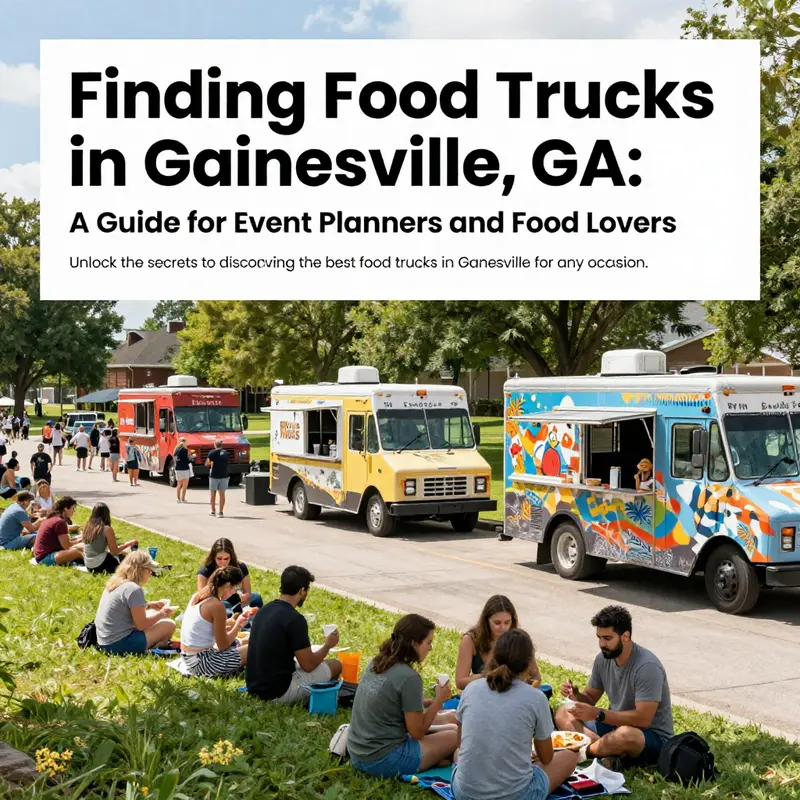
Gainesville, Georgia is renowned for its vibrant food truck scene, offering an array of delectable options that delight locals and visitors alike. Whether you’re an event planner searching for diverse catering solutions, a corporate HR team looking to enhance employee morale, or a food enthusiast eager to explore exciting culinary offerings, knowing how to locate these mobile treasures is essential. In the following chapters, we will delve into practical tips: starting with Yelp’s Top Food Trucks List, navigating local events, harnessing social media, and utilizing truck tracking apps. By the end, you’ll be well-equipped to discover the dynamic food truck experience that Gainesville has to offer.
Tracking the Sizzling Trail: A Practical, Real-Time Guide to Finding Food Trucks in Gainesville, GA
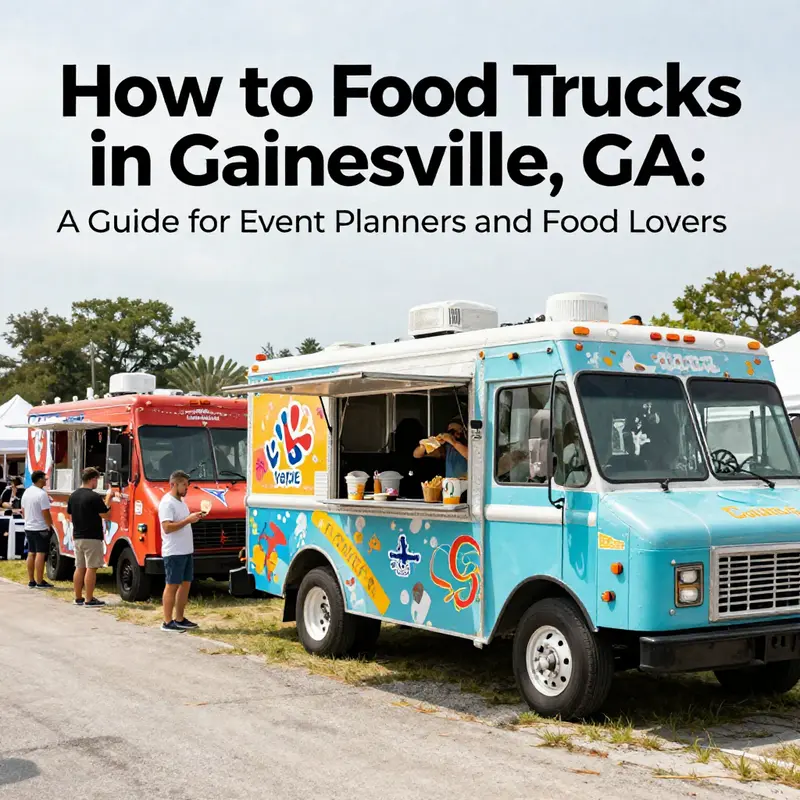
Locating the best bites on the move in Gainesville, GA is less about chasing a single magic list and more about tuning your senses to a city that loves its street food as much as its green spaces and weekend markets. The quest begins with a practical map of reliable signals: a curated list that’s refreshed regularly, the rhythm of local events, and the social channels that trucks use to announce their current routes. When you combine these threads, you don’t just stumble onto great food; you build a dependable routine for discovering it. In Gainesville, that means starting with a trusted, real-time resource that many diners rely on for timely updates. Yelp’s top food trucks list has established a baseline reputation for the area, offering a snapshot of vendors that consistently earn high marks for taste, service, and value. These lists are dynamic, shifting with the seasons, the weather, and the ebb and flow of the city’s outdoor calendars. The practical lesson here is simple: treat Yelp as your anchor point, then let other channels widen your field of discovery. Real-time location, current menus, and recent reviews—these are the aspects that help you decide where to begin, what to order, and when to head out for the next bite.
But the technology that powers the search is only part of the story. Gainesville’s food-truck ecosystem thrives on presence—on the streets and in the spaces where people gather. Local events and community gatherings are the lifeblood of the mobile kitchen economy. Farmers markets, outdoor concerts, and neighborhood fairs create a predictable cadence when you’re hunting for meals on wheels. The HomeTowne Studios in Gainesville, for instance, hosts vendor days and pop-up food happenings that bring multiple vendors into one convenient location. Event calendars become a handy tool because they compress several possibilities into a single plan. If you’re plotting a weekend route, you can align your timing with a nearby market, a street festival, or a community gathering and then sample a few dishes in one afternoon. This approach isn’t just about saving time; it’s about sampling variety—the chance to compare flavor profiles and textures across different vendors without rushing.
Alongside these live signals, a separate, equally powerful stream feeds the hunger for fresh information: social media and truck-tracking apps. The most effective way to stay current is to follow the trucks themselves in real time—on Instagram, Facebook, and other platforms where they post quickly and frequently. These posts reveal not only where a truck is headed but what’s newly on the menu, any changes to hours, and even special collaboration events with other vendors or local businesses. For many Gainesville enthusiasts, a quick scroll before leaving the house or car is enough to decide between a taco night, a southern comfort stop, or a creative vegetarian option bubbling up in a new neighborhood. Location-based apps further sharpen the edge. Tools designed to track food trucks can help you pinpoint the nearest options as you move, offering live updates and turn-by-turn plans that fit your current position. The beauty of this system is its flexibility: it accommodates both the steady, familiar favorites and the surprising, serendipitous discoveries that make evenings memorable.
In practice, this blend of curated lists, live events, and social feeds creates a robust framework for food-truck hunting in Gainesville. You can start by consulting Yelp to set your expectations and identify a handful of consistently praised vendors. Then, you weave in the event calendar to forecast when and where you’ll have the best chances to find them gathered in one place. Finally, you overlay your plan with real-time signals from social media and tracking apps to confirm today’s exact locations and menus. What emerges is a practical, repeatable habit rather than a one-off chase after a single truck. It becomes possible to anticipate the times and places where the trucks are most likely to appear, to gauge what kinds of cuisines you’ll encounter, and to tailor your route to the weather, the crowd, and your own appetite.
If you’re curious about the kind of vehicle and licensing considerations that set a truck up for success in a market like Gainesville, consider the guide on Choosing the Right Food Truck Model. The resource helps frame decisions about kitchen space, equipment needs, and regulatory readiness, which in turn affects how reliably a truck can maintain a consistent presence. It’s not a replacement for real-time sources, but it provides a deeper backdrop for understanding why certain trucks appear where they do and how a truck’s capacity affects its occasional mobility during busy seasons. When you tie that understanding back to Yelp’s top lists, to local events, and to live social feeds, you gain a more resilient, nuanced sense of the food-truck landscape in Gainesville.
The practical method I’ve found most effective is to build a personal, repeatable routine that respects the city’s tempo. Start with a two-step routine: a quick morning scan of Yelp’s Gainesville top trucks and any new entries in the area, followed by a quick check of the HomeTowne Studios event calendar or any local market listings for the day. If the day looks promising, you can plan a short loop that intersects with a few trucks, letting you sample several options without committing to a long pilgrimage across town. In parallel, keep a standby list of social accounts to monitor for last-minute updates—these can signal a surprise pop-up or a late-night appearance that breaks the ordinary rhythm. The method is simple, but it’s powerful because it respects how Gainesville’s food trucks operate: with mobility, spontaneity, and a readiness to adapt to shifting crowds and changing weather. The best food-truck discoveries arise when you’re ready to pivot mid-journey, when an appetizing aroma drifts toward you from a side street, or when a crowd gathers near a park bench and a cheerful chef greets you with a new bite you hadn’t anticipated.
As you refine your practice, you’ll notice patterns. Certain neighborhoods tend to host more frequent appearances, especially near parks, business districts, and weekend markets. The proximity to universities or employment hubs can define the day’s busiest windows. The weather—whether a mild Saturday afternoon or a light drizzle on a weekday—will shape how aggressively the trucks move and where the best lines form. These patterns aren’t ironclad rules, but they inform your expectations and help you decide when to go, what to order, and how to pace your tasting adventure. The more you align your plan with the city’s tempo, the more reliable your food-truck hunts become. Your personal map of Gainesville’s mobile kitchens will grow richer with time, reflecting not only the best menus but the best moments—the trucks you return to when you want comfort, novelty, or a quick bite that fits into a busy day.
The idea of a city as a living, moving pantry is particularly compelling in Gainesville, where community and cuisine weave together. The Yelp list is a useful starting compass, but it isn’t the only star. The real navigational power comes from combining that curated list with the energy of local gatherings and the immediacy of social updates. You can discover a doughy, smoky, or zesty surprise at a farmers market that you wouldn’t encounter on a routine drive, or you might catch a late-night shift that follows a show at a local venue. The more you blend these signals, the more you notice a pattern: the trucks often return to certain weekly rhythms, and those rhythms can guide your choices, ensuring you don’t miss out on the kinds of flavors Gainesville locals love to share.
For readers who want a deeper dive into overall food-truck planning and operations, the internal resource on Choosing the Right Food Truck Model provides a scaffold for understanding the practical constraints and opportunities that shape a truck’s urban footprint. This link should be explored with a view toward how a truck’s design and capabilities influence not only what it can serve but when and where it can show up. The synergy between readiness and mobility matters as much as the bite itself, because a well-equipped truck with predictable hours becomes a reliable partner in your city-wide culinary explorations. The next time you map out a Gainesville food-truck outing, let the blend of Yelp’s curated recommendations, event-driven opportunities, and real-time social signals guide you. The result is not only a tasty meal but a vivid sense of the city and its people, who build community around shared meals and the joy of discovering something new in a familiar place.
External resource note: For a broader snapshot of the local truck landscape and up-to-date listings, consult Yelp’s top Gainesville, GA page, which provides real-time locations, hours, and menus. https://www.yelp.com/search?finddesc=food+trucks&findloc=Gainesville%2C+GA
Chasing the Sizzle: Navigating Gainesville GA’s Local Events to Find Food Trucks
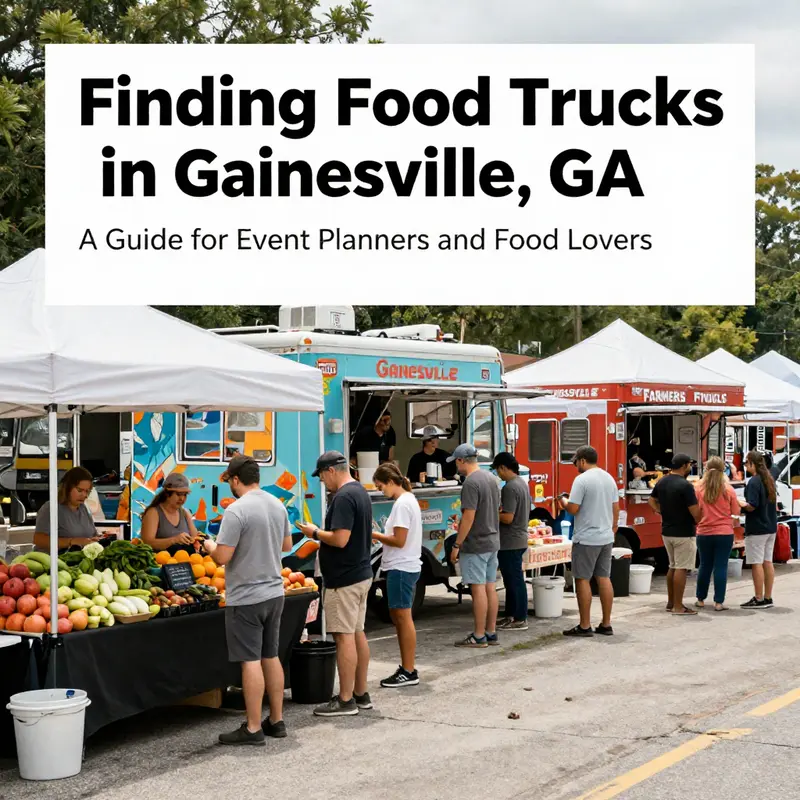
Gainesville, Georgia, comes alive when the town’s calendars fill with markets, festivals, and outdoor gatherings. The sight of canopies popping up along a busy street, the scent of smoke curling from a distant corner, and the buzz of neighbors catching up over a quick bite all signal a simple truth: to find the best food on wheels, you follow the events. This approach turns a casual stroll into a reliable hunt, because food trucks rarely stand alone; they cluster around people who want a good time, good taste, and a welcoming atmosphere. In practice, that means your first move is to learn the rhythm of the place through the event calendars that neighborhoods, venues, and sponsors publish. A weekly farmers market might become a recurring hotspot, a spring festival a seasonal peak, or a community concert series a standing invitation to sample a rotating lineup of trucks. These events create a compact, probability-rich map. If you arrive with a plan, you can sample more cuisines in a single afternoon than you might in a single block on any ordinary weekday. The trick is to treat the event calendar as a living guide rather than a static list. Dates shift, venues move, and some trucks appear only when the weather cooperates or when a sponsor brings in a special guest. Treat every listing as a suggestion rather than a guarantee, and you will preserve your patience for when your favorites finally roll into town. Moist air, laughter, the clatter of plateware, and the sizzle of grills form a sensory breadcrumb trail that leads you from one truck to another, from one neighborhood to the next. In that sense, local events function like a social compass. They point you toward where the crowd gathers and where the food happens to be that day. The more you engage with the calendar, the more predictable the pattern becomes, and the more confident you’ll feel planning a route that maximizes variety without burning out your weekend. The real value of this approach is in its inclusivity. It invites residents and visitors alike to participate in something communal, a reason to linger beyond a single meal and to savor the shared experience. You may arrive for a quick lunch but leave with recommendations from neighbors, concessions that become future favorites, and a sense of how the food truck ecosystem fits into Gainesville’s broader social life. To begin, look for recurring venues that routinely host multiple trucks in the same afternoon. A market square might hold a Saturday lineup, while a park could serve as a regular stage for a rotating cast of cooks. The more venues you identify, the easier it becomes to plan ahead. You’ll notice certain patterns—the trucks that appear when a farmer’s market hits its later hours, or the ones that join a festival for a limited window to serve festival-goers who also browse vendor stalls. You’ll also notice the cadence of the season. Spring and fall often bring the heaviest schedules because comfortable weather invites long afternoons outdoors and crowds tend to linger, giving trucks a chance to connect with diners who arrive hungry and stay for the full experience. The advantage of understanding this cadence is not just practical; it deepens your appreciation for the city itself. The food trucks are not isolated entities but participants in a larger cultural exchange that respects local farms, craftspeople, and musicians. When you understand that, you start looking beyond the obvious standbys and begin seeing how the city’s food culture evolves across different events. This is where the idea of diversification becomes meaningful. Some events emphasize comfort favorites and smoky, hearty fare, while others celebrate global flavors through small, vibrant kiosks that rotate weekly. There is a subtle education in following the trucks from event to event, a way to learn what each kitchen does best and how its menu shifts with the season, the vendor’s own schedule, or the audience’s appetite. The process rewards curiosity and punctuality. If you check a calendar and commit to arriving early, you’re more likely to catch a broader spectrum of offerings before demand dries up or lines lengthen. If you arrive later, you still have a chance to discover last-minute specials that vendors roll out to cap the day with a flourish. Either way, participating in these gatherings makes you part of a live, evolving map rather than a passive consumer wandering through a static storefront. The social texture of Gainesville’s events adds another layer of value. Families with strollers, students chatting on benches, retirees swapping recommendations, and coworkers winding down after a shift all contribute to the communal energy that makes a single truck feel part of something larger. Even when a particular day doesn’t deliver a long menu, the setting itself offers something essential—a sense of place. Food trucks thrive on that sense of place, and their presence signals a community that values local craft, shared meals, and the joy that comes from eating outside with friends and neighbors. To navigate this landscape with intention, you can start with a simple, repeatable ritual. Each week, glance at the event calendars for the venues you already know and mark two or three opportunities that fit your schedule. Then, build a loose plan around those dates: a primary stop for catching a crowd favorite, a secondary pick for something new, and a backup option if weather or timings shift. The beauty of such a ritual is its adaptability. You don’t need to chase every event; you curate a personal trail that keeps meals exciting while remaining manageable. When you do commit to a day, bring a friend or two. The social payoff—the shared discovery of a new flavor or a surprising pairing—often outlasts the meal itself. And if you keep a small notebook or a notes app handy, you can jot down which trucks you enjoyed most, what you learned about their menus, and what to expect when they return to a particular venue. This practice helps you track patterns over time and translates into smarter, more satisfying choices when you revisit Gainesville’s street food scene later in the season. As you gain confidence, you may even start to notice how the trucks plan their own presence around the city’s event ecosystem. Some will align their schedules with the farmers markets, others with the concerts that draw families after work, and a few will time their appearances with festivals that attract visitors from outside the town. Recognizing these affinities can help you forecast where to look next and anticipate peak times. If you want to deepen your understanding of how these kitchens navigate the road, you can explore broader perspectives on the mobile food world. For more perspectives and stories about the people behind the wheels, check the Los Chiflado Truck blog. This resource collects experiences from owners and crews who balance shadowing schedules with hands-on cooking, offering context that makes the Gainesville scene feel more navigable and alive. In addition to the narrative of events themselves, you can broaden your strategy by integrating real-time updates from widely used platforms. Social media remains an indispensable tool for many operators, who post last-minute adjustments to locations, hours, or even menu changes. A quick scan of an accounts feed in the morning can reveal a venue’s plan for the day and help you decide whether to align your visit with the park’s afternoon activities or with an evening market. The dynamic nature of social posts means you should check in regularly but not compulsively. A short daily glance is enough to catch a few weeks’ worth of shifts, especially during festival seasons when schedules tend to pivot around weather windows and crowd management needs. If you pair social checks with a reliable event calendar, you can stay ahead of the curve. Another practical layer is cross-referencing with a few straightforward digital tools that specialize in tracking food trucks. Applications and platforms that aggregate truck routes and hours in real time can be valuable complements to the event calendars. They give you the ability to see where trucks are parked at a given moment and what kind of cuisines are in rotation on a particular day—information that enables you to plan a route that maximizes variety without the need to chase every location. The advantage of this multi-prong approach is resilience. If one source lags, another will likely fill the gap. If a festival postpones, the market may still run, or a pop-up may spring up at a nearby venue. If a truck changes its usual route, a robust system of calendars, social feeds, and tracking apps helps you adapt quickly. When you combine these sources with a spirit of exploration, you transform dining into an ongoing adventure rather than a one-off experience. The balance you seek is between planning and spontaneity. You want enough structure to avoid aimless wandering, but enough flexibility to catch something unexpected and delicious. That balance is also what makes Gainesville’s food truck culture feel inclusive. It invites locals who know the best parking lot and visitors who are discovering the city for the first time to join in, taste, and share. It creates a shared vocabulary around what to eat and where to look when the sun glows warm and the air carries a hint of smoke. If you’re new to the scene, a gentle entry point is to attend a couple of different kinds of events—one market, one festival, and one outdoor concert or community gathering. Over time you’ll notice where the trucks congregate, what cuisines appeal to different crowds, and how the weather, day of the week, or even the time of day shapes the experience. You’ll also begin to see the behavioral cues that distinguish a good day from a great one: long lines that move quickly because staff are efficient, menus that reveal new items as the day unfolds, and a sense of camaraderie among cooks who exchange tips about best times to serve certain dishes. The social dimension matters as much as the food. While the menus provide the immediate reward, the shared energy—the conversations with cooks about ingredients, the laughter from families pairing food with local entertainment, the spontaneous music or entertainment that accompanies the tastings—turns a meal into a memory. And the more memories you collect through Gainesville’s events, the more you come to associate the city with a mobile, communal dining culture rather than with a single restaurant row. As you navigate, you’ll start to form a mental map: where to go for a certain vibe, what trucks tend to appear together, and which venues offer the most predictable schedules. The map won’t be perfect, and that’s part of the charm. It will be updated by new vendors, new partnerships, and new partnerships between venues and chefs who are drawn to the same audience. The result is a flexible, living guide that rewards curiosity and consistency alike. If you want a longer arc to your exploration, you can imagine a season-long trajectory that follows the town’s biggest community moments. Each season brings its own ecosystem of events, and with it a fresh crop of trucks eager to contribute. In this frame, your visits become part of a larger narrative about Gainesville’s identity—the way residents value homegrown crafts, how neighbors celebrate together, and how a simple meal on wheels can become the starting point for conversation, connection, and a sense of belonging. The next time you’re planning a weekend, consider the approach described here: consult the calendars, pick two or three events that fit your mood, and let the experience unfold. Bring someone you enjoy sharing a meal with, pack a reusable bag for leftovers, and approach the trucks with a spirit of curiosity. Ask about the origin of ingredients, about daily specials, and about upcoming appearances. You might discover a hidden gem that offers a dish you never imagined you would crave, or you might find that a familiar favorite has introduced a new, inventive twist. Either way, you’ll leave with a lighter step and a story to tell. The streets of Gainesville exist as a canvas for flavor, and the events are the brushstrokes that color it. By learning to read the event calendar as a living map, you gain not just directions to the trucks but a deeper sense of how the city chooses to eat together. The practice aligns with the broader journey of exploring the food truck world: you don’t simply chase trucks; you chase community, culture, and care—in a way that makes every bite a shared moment rather than a solitary one. External resource: https://www.yelp.com/search?cflt=foodtrucks&find_loc=Gainesville%2C%20GA
Chasing Wheels Through Gainesville: A Real-Time Guide to Finding Food Trucks via Social Feeds and Live Location Maps
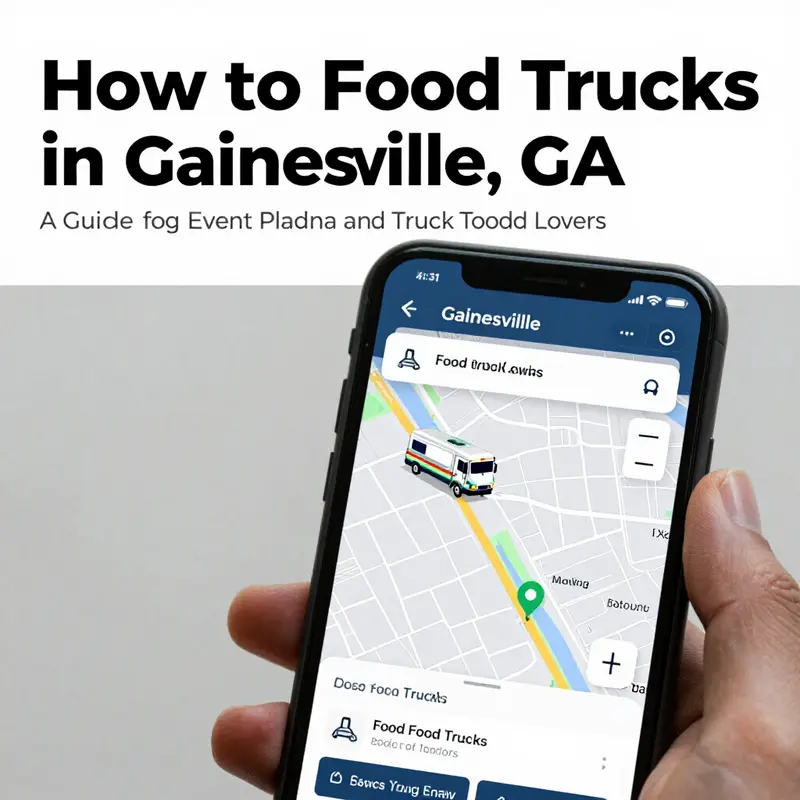
Gainesville, Georgia, isn’t a place where food trucks just appear at a fixed corner. The scene here moves with the day, the season, and the rhythm of local events. A truck could start a run at a neighborhood park in the morning, switch to a farmers market in the afternoon, and close the day at a night market downtown. Because these itineraries change quickly, discovering the best bites requires more than a printed map or a single tip from a friend. It calls for a connected approach that blends social updates with live-location tools. When you put these pieces together, you turn a casual search into a reliable, nearly real-time map of where to eat, what to order, and when to show up to beat the line. The result is a smoother, more enjoyable way to explore Gainesville’s mobile eateries without relying on guesswork or luck.
The core idea is simple: treat food trucks as moving events rather than stationary spots. The trucks respond to demand, weather, and nearby venue schedules. Their most accurate information often lives online, in streams that travel with them wherever they go. Social media feeds become a kind of lightweight travel itinerary, while tracking apps function as GPS-driven guides that tell you exactly when a truck is nearby. Taken together, these tools empower you to chase the scents of spice, smoke, or citrus as they drift through the city rather than waiting for them to drift into your path by chance.
In practical terms, this means adjusting how you plan a food-truck outing. Instead of opening a calendar and hoping a favorite truck is parked somewhere near you, you start by checking social updates for today’s locations, then corroborate that information with live-tracking apps. If a truck posts a location at 11:15 a.m., you don’t simply note it; you set an alert if the app allows it, or jot down the spot and the time, so you’re ready to move when the clock ticks. This approach honors the rotating nature of Gainesville’s scene and reduces the fuel and time spent chasing the next meal.
One of the most powerful aspects of this method is the immediacy of social media. Trucks don’t wait for formal press releases to announce their plans. They post what’s on the menu, what city blocks they’re visiting, and when they expect to be there. Followers gain a front-row seat to the day’s plan. The benefit is twofold: you get up-to-the-minute location data, and you gain a sense of the truck’s personality through their posts. The tone of a post—whether it highlights a new flavor, a seasonal special, or a live event—also helps you decide which truck suits your mood that day. This real-time, narrative-style information is invaluable in a city where each day can bring a different lineup.
Tracking apps complement this by offering a different type of certainty. Real-time GPS data turns a fluid schedule into a navigable map. You can filter by cuisine type if you’re craving something specific, such as smoky barbecue, seafood bites, or vegan street fare. Filters help you cut through the noise when Gainesville hosts multiple trucks in a single weekend, or when a festival brings several vendors to the same park. Some apps also integrate user reviews, which can provide quick insights into a truck’s reliability, serving size, or flavor intensity. This combination of live data and crowd-sourced impressions helps you prioritize which truck to chase first and how early you should arrive.
There’s a practical rhythm to using social media and tracking apps together. Start with social checks in the morning, especially on days when you’re free to roam. A quick scroll through posts will reveal which trucks expect to be near your location and what menus they’re featuring. If a truck announces a lunch stop that aligns with your appetite, you can set a reminder in a tracking app or place a mental bookmark. As you move through the day, the live-tracking tools confirm whether the plan is still intact. A second post might reveal a change in location due to a shift in crowd size or a last-minute festival schedule. In that moment, you adapt. You pivot to a nearby alternative within the same day’s orbit rather than returning home hungry.
A robust strategy for Gainesville begins with relationships built online. Following several widely recognized trucks on social media—without naming them here—gives you a tracker of where the day could unfold. Each truck’s feed becomes a cue for potential tasting adventures: a sandwich that’s been slow-cooking all morning, a crusty shell that signals a new coastal-inspired bite, or a vegan option that proves deeply satisfying in late-afternoon heat. The updates can be subtle—a smiling photo of a new glaze, a note about an open kitchen window during setup, or a reminder of a special event. These signals help you gauge the likely locations and tailor your plan to your appetite and schedule.
The dual approach also invites a sense of discovery that can be uniquely Gainesville. Because trucks rotate locations, you’ll frequently encounter the same crowd at different events and parks, making the scene feel intimate rather than transactional. You’ll start recognizing little patterns: a truck that favors a certain park on Thursdays, a festival that draws a dozen vendors on weekends, or a market that hosts a rotating cast of mobile chefs. This is where the social-media-and-tracking-apps blend shines. Social posts give you the narrative context and daily flavor, while live-location data provides the practical, real-time edge you need to actually find the truck when you’re ready to eat.
To weave these threads into a repeatable routine, consider a simple, repeatable workflow. Before you head out, scan social feeds for today’s near-term appearances. If a truck’s post promises a midday stop in a park near downtown, you can plan a route that minimizes backtracking. Then, check a tracking app to confirm exact coordinates and time windows. If the app shows a slight detour or a time shift, you adjust your plans on the fly. On the way, you might pass a second nearby truck that’s also posting live updates. The proximity creates a serendipitous moment—the kind of spontaneous collaboration you often see when two or more food trucks converge at a single venue, drawing larger crowds and expanding the culinary conversation.
This approach isn’t about chasing perfection; it’s about embracing flexibility with a reliable information scaffold. Social updates provide the qualitative sense of what’s happening and why it matters (the new menu item, the noon opening, the special event). Tracking apps supply the quantitative certainty—where exactly the truck is, how long they’ll stay, and what the estimated wait time looks like. Together, they create a more coherent and enjoyable way to explore Gainesville’s mobile culinary landscape. The city’s vibrant food-truck culture rewards viewers who stay engaged with the scene, and the more you participate, the more you learn about the timing, the hot spots, and the sweet spots where you’re most likely to find something that fits your hunger and mood.
For readers seeking a community-oriented entry point, a quick tap into the broader online ecosystem can be especially helpful. A quick browse to a general food-truck blog or hub offers curated lists and recurring schedules, often with practical tips for beginners. These resources can serve as a gentle onboarding, helping you understand which trucks are staples in the Gainesville scene and which events tend to attract the most interesting lineups. From there, you can tailor your own routine, focusing on the trucks and events you find most appealing, while still leaving room for the welcome surprises that come with a rotating schedule.
The real reward lies in the daily cadence of discovery. When a truck posts a new location, you’re invited to choose whether to chase it or to wait for a future appearance. When the app alerts you to a nearby option, you have a choice about speed, budget, and appetite, all of which make the outing feel like a curated experience rather than a random stop. The best days flow from a harmonious blend of anticipation and responsiveness: you know what you want, you’re attuned to the scene, and you respond to the city’s living tempo with a well-timed bite.
If you want to explore beyond personal experience, there are established channels that can complement your routine. A city-facing portal often aggregates vendor listings, hours, and event calendars, which you can cross-check with the real-time feeds from social media and tracking apps. This triangulation—social updates, GPS-based location data, and official listings—helps you build a robust picture of Gainesville’s mobile-eats ecosystem. It also reduces redundancy and confusion when several trucks cluster at a festival or outdoor concert. The more you rely on multiple sources, the less you’ll miss a crucial update, and the more consistently you’ll land on a satisfying meal that matches your cravings for the day.
As you refine your method, a few practical habits tend to pay off. First, keep a short list of “must-try” cuisines so you don’t get overwhelmed by a crowded field. Second, calendar weekly events that are known to draw larger crowds, such as markets or neighborhood gatherings, so you’re not surprised by longer lines or limited menus. Third, build a flexible mindset about timing. Some trucks open early and close early, others peak late. If you plan around general trends rather than fixed times, you’ll maintain momentum even when plans shift. Finally, honor the social aspect of the scene. A quick comment or a shared post about a new route can lead to recommendations, introductions, and new favorites, turning a simple meal into an experience that connects you with neighbors and visitors alike.
To tie these threads together, it’s helpful to invite the reader to consider a small, replicable habit: check feeds in the morning, load a couple of likely stops into a tracking app, and plan a route that takes you through a couple of neighborhoods before noon. If a truck you haven’t tried announces a location you didn’t expect, you can adjust right then. If nothing stands out, you can still enjoy the day by visiting a park where multiple trucks often congregate, tasting a pair of bite-sized treats from two different vendors, and sharing the experience with friends who are also chasing the scene. This approach keeps the process enjoyable rather than exhausting and preserves the sense of urban exploration that makes Gainesville’s food-truck culture so appealing.
For readers who want a practical starting point, one quick resource that often proves useful is a centralized online listing that aggregates nearby trucks, events, and seasonal menus. Such a resource can help you orient yourself to the local rhythm and can be a dependable waypoint when you’re new to chasing mobile eateries in Gainesville. A broader takeaway is this: the city is dynamic, the trucks are agile, and your plan should be equally adaptable. By combining social media insights with live-tracking tools, you create a flexible framework that respects the city’s tempo while satisfying the appetite for something fresh and delicious. It’s a workflow that grows more efficient with use, turning a casual stroll into a curated culinary expedition that happens to be perfectly tuned to Gainesville’s unique, moving feast.
For readers who want to widen their learning, there is value in exploring community-focused voices within the region. Local blogs and neighborhood guides often share story-driven recaps of events, highlight standout bites, and provide practical tips for navigating busy days. These perspectives can deepen your understanding of where to go, what to order, and how to optimize your time when the city is teeming with mobile kitchens. And as you accumulate trips and memory points, you will start to recognize patterns—the best spots for a post-work quick bite, the venues with the most reliable hours, and the trucks that consistently deliver on flavor after a long day. The joy of this method lies not only in feeding the body but in becoming a familiar, trusted participant in Gainesville’s food-truck tapestry.
In the end, the aim is to make the process feel effortless and enjoyable. You should be able to answer the question, where are the trucks today, with confidence, not guesswork. You should feel the energy of the city in your meals, knowing that you’re part of a moving, evolving scene that thrives on connectivity. The pathway described here—integrating social updates with real-time location data—offers a practical, repeatable approach to discovering Gainesville’s mobile culinary offerings. It respects the city’s tempo, honors the trucks’ itineraries, and rewards you with the spontaneity and discovery that make street food so compelling. For those who want a dependable anchor while exploring, consider a quick look at the Gainesville city listings for food trucks, which can provide a useful backbone to your day-to-day adventures in this vibrant locale. The city’s official directory is a useful companion to your personal scouting, helping you plan around major events, vendor rotations, and seasonal highlights.
Internal resource for further community-driven insights can be found by visiting the Los Chifa Do’s blog, which offers a broad look at food-truck culture and practical guidance for readers new to chasing mobile eateries. You can explore that resource here: loschifladostruck.com/blog/.
External resource with official listings and schedules can support your planning as well. For authoritative, up-to-date information from the city, you can visit the Gainesville city website: https://www.gainesvillega.org/food-trucks. This external link serves as a reliable reference point to confirm locations, hours, and events when you want a grounded, municipal perspective to complement the social and app-based guidance you use daily.
Chasing Gainesville’s Mobile Kitchens: Real-Time Finds, Local Hubs, and a Map to Great Food Trucks
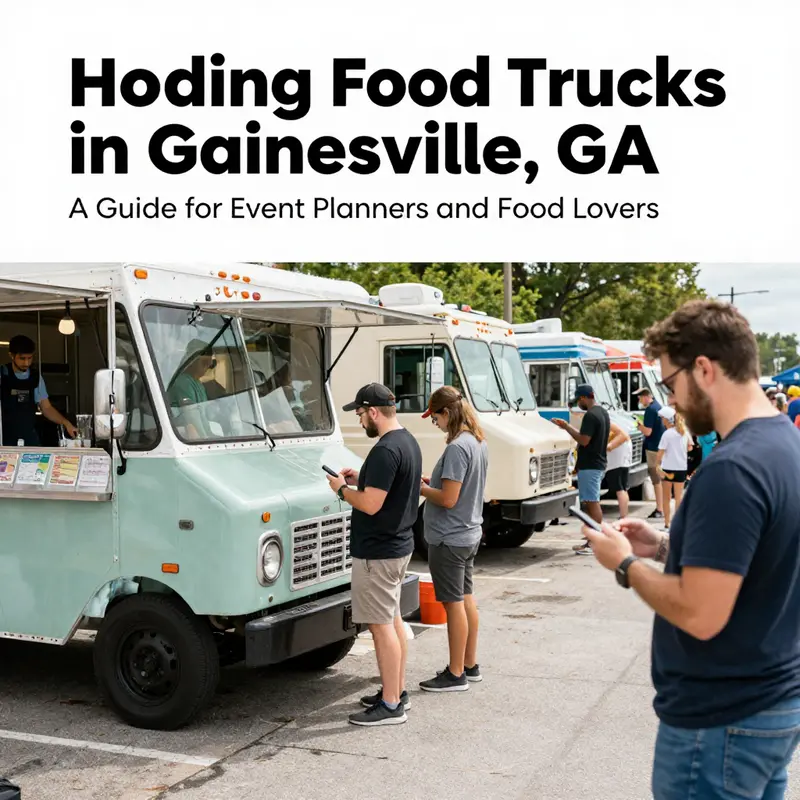
Gainesville, Georgia, has a street-food pulse that beats in rhythm with the day, a moving tapestry of smoke, spice, and sweetness that shifts as the sun climbs and dips. The city’s appetite travels in the same curve as its traffic, which means the best bites often arrive on wheels rather than in fixed storefronts. If you want to taste your way through Gainesville, you learn to plan around a simple reality: the lineup is as fluid as the weather, and the only reliable way to chase it is to combine real-time signals with a local sense of where people gather and why they gather there. In practice, the hunt for great food on four wheels becomes less about hunting a single truck and more about reading a dynamic map—one that shows not just where a vendor is today, but where they’re likely to roll tomorrow and which neighborhoods across town tend to host the most flavorful clusters. The result is less a checklist and more a practiced intuition, a way to arrive hungry and leave satisfied with a story about the city’s evolving palate.
The most dependable compass in this landscape is Yelp’s food trucks category. The platform curates a rolling roster of trucks that are actively serving in Gainesville, and it translates that activity into an accessible live feed: current locations, hours, and recent, candid reviews that hint at what the day’s menu may look like. This is not just a directory; it’s a real-time heartbeat of the mobile food scene. When you open the page, you don’t merely see who was there yesterday; you see who is likely to be where today, based on posted updates and community chatter. To someone new to the scene, the top-rated options described in this feed can feel abstract until you translate them into a short plan: a ride near a park at noon, a stroll through a market square in the late afternoon, or a dinner hour where two or three trucks congregate and turn a single block into a tasting corridor. And because Gainesville’s weather, events, and traffic patterns can push meals to different corners, the ability to cross-reference posts, reviews, and posted hours becomes the practical difference between a disappointing hunt and a satisfying meal on the first try. In this sense, Yelp serves as a living map inside your pocket, a tool that respects the city’s tempo while giving you permission to adapt when conditions shift.
Beyond the platform’s feed, the city’s calendar is a living, breathing map of where the trucks gather. Local events and community gatherings act as magnets, concentrating several vendors in a single place and time. Farmers markets, outdoor concerts, and neighborhood festivals offer predictable windows when the aroma of smoked meat, grilled vegetables, and fresh pastry fills the air for several hours. In Gainesville, a known venue pattern is visible: certain days or evenings attract a cluster of trucks due to parking availability, vendor partnerships, and the utility of a shared stage or open space. Checking these calendars ahead of a weekend or a special event makes the experience feel less like a scavenger hunt and more like a guided tour of the city’s edible landscape. It’s not uncommon to plan a route that begins at a bustling market, carves a loop around a nearby park, and ends with a stop at a late-night corner where a crowd has gathered for a post-event bite. The beauty of this approach is its social flavor as well—the more you attend, the more you sense the informal rhythm of Gainesville’s food truck circuit, and you begin to notice which trucks tend to show up together or rotate through on particular days.
The hunt is also deeply social, stitched together by the threads of social media and purpose-built tracking tools. A growing number of crews post their next stops on Instagram or Facebook, offering sneak peeks of their menus, crowd sizes, and the exact vicinity they’ll be rolling into within the hour. While these updates are personal and sometimes quick, they add a layer of immediacy that complements Yelp’s longer horizon. For someone who wants to combine reliability with spontaneity, following a handful of trusted accounts and keeping the map open in one tab can become a powerful routine. You learned to watch for signals—the sheen of a smoker’s smoke drifting down a street, the line forming near a shaded corner, a cluster of families and workers converging for a midweek bite. Add in mobile-tracking apps that map trucks by distance and live location, and you have a practical toolkit: it lets you decide rapidly which route to take and how to time your arrival to minimize waiting while maximizing flavor. The beauty of this setup lies in simplicity: you pick a radius, you follow the posts you trust, and you let the city’s flow guide your appetite.
If you’re new to this kind of mobile dining, it helps to anchor your adventures with a small, repeatable routine. Start by locating a few anchor spots—the city’s parks, a busy town square, a campus-adjacent lot, or a farmers market that hosts a steady rotation of vendors. Check Yelp for today’s live locations and hours as a baseline, but complement that with social posts and a local event calendar for the especially busy weekends. Weather can be a decisive factor, turning a wide-open street into a sheltered courtyard or pushing cooks toward a shaded lot with easier ingress and egress. Parking matters too; the trucks often cluster where there’s enough space for a line to form without blocking traffic or creating a bottleneck. Carry a modest amount of cash, while keeping digital payments available as a backup—this reduces friction for both you and the crews as lines move along more efficiently. The goal is to arrive with options, not certainty, so you can decide in the moment which aroma or sauce will satisfy your craving most fully.
The narrative of Gainesville’s mobile kitchens extends beyond the moment of a bite. It’s also about the people who build and operate these small businesses, the way they adapt to shifting demand, and the strategies they use to balance peak hours with the quiet stretches that allow for maintenance, menu testing, and community engagement. The real-time feeds you consult aren’t just about today; they reveal patterns over days and weeks—where trucks tend to position themselves on weeknights, which menus attract longer lines, and how new teams find their footing in a bustling local ecosystem. If you’re curious about the broader mechanics—the planning, branding, and regulatory pathways that shape how a truck comes to life and stays on the road—the resource at loschifladostruck.com/blog/ offers extended perspectives that complement the on-the-ground hunt. It’s a reminder that the joy of chasing a good bite is inseparable from understanding the craft, the risk, and the resilience that make these culinary rovers possible in the first place.
In practice, the search becomes a collaborative, city-wide hobby. Friends compare notes after a shift, families scope out a cluster for a weekend stroll, and neighbors exchange tips about which corner tends to host the most inventive combinations. Gainesville’s food-truck scene is, at its core, a social phenomenon that invites participation: you contribute by showing up, you participate by tasting, and you learn by sharing impressions. The experience of encountering a new truck—smoke curling into the air, a worker’s grin as they describe a fresh topping, the moment when a perfectly crisp crust gives way to tender meat—becomes a little event that you carry with you. The more you engage, the more you appreciate how the city’s geography, parks, streets, and transit nodes come together to enable these mobile kitchens to flourish. You begin to sense a balance between predictability and surprise: certain routes and days yield reliable bites, while the occasional surprise truck invites you to alter your plan and pursue discovery in a new direction. This is Gainesville as a living map of flavor, a place where mobility and appetite fuse into a shared urban ritual.
Seasonality and neighborhood character further color the map of Gainesville’s food trucks. Different neighborhoods bring their own flavor and audience, and the seasons nudge the lineup in subtle but meaningful ways. Weeknights in the core districts tend to attract workers and families after work and school, while weekend afternoons often draw students and visitors who want to pair a stroll with a sample platter. The city’s seasonal events—harvest celebrations, art walks, and music nights—tune the lineups, pushing cooks to experiment with limited-edition sauces, fresh produce, or regional inspirations. This variability is not a complication but a feature: it rewards patience, curiosity, and a willingness to explore the city with your nose as a guide. The more you listen to the crowd and the cooks, the more you’ll notice recurring teams that appear at predictable moments, and you’ll also spot the moments when an unfamiliar truck introduces a bold twist to the familiar neighborhood menu. The stories you collect on these nights are part travelogue, part culinary diary, and part social chronicle of a city that wears its flavor on four wheels.
For readers who crave a practical, ready-to-use framework, this approach offers a balanced method: identify a few anchor locations, stay alert to real-time updates, and allow your appetite to lead you through a wandering, delicious map. The real payoff is not merely the hunt for a single memorable bite but the unfolding sense of place you gain as Gainesville’s mobile kitchens roam from one corner of the city to another. You’ll begin to notice that the city’s edges—parks by the river, square-shaped plazas, and college-adjacent corridors—aren’t just transit nodes; they are curated dining rooms on wheels, each with a voice and a signature that can match or even surpass any fixed restaurant. The map becomes a narrative of the city’s appetite, and your role is to sample, observe, and share what you learn, contributing to a community that celebrates local craft, improvisation, and the joy of good food enjoyed together.
To keep the thread of this chapter intact and actionable, remember that the chase is as much about the people as the plates. You are following not only the trucks but the stories of the teams—why they started, the risks they take to keep rolling, and the pride they take in a perfectly balanced plate. With that mindset, you will find that the hunt for Gainesville’s mobile kitchens grows into a daily ritual you look forward to, a way to explore the city that keeps your senses alive and your evenings tasty. And when you do encounter a new combination—the smoky edge of a well-timed rub, the brightness of a citrus glaze, the comfort of a familiar staple elevated by a chef’s creative twist—you’ll understand why chasing food trucks in Gainesville is more than a pastime. It’s a way to read the city’s heartbeat through flavor, to connect with neighbors over shared bites, and to participate in a local culture that thrives on mobility, community, and the courage to bring great food to the street. For a broader lens on the trade—covering the financial, regulatory, and branding aspects that shape these ventures—the in-depth resources linked above offer further context that enriches the map you’re already learning to navigate.
External resource: Yelp’s Gainesville Food Trucks page provides live, real-time listings and crowd perspectives to complement the method outlined here. Explore it to see today’s configurations and to compare the trucks that are turning Gainesville into a rolling banquet: Yelp Gainesville Food Trucks.
Final thoughts
In conclusion, navigating the thriving food truck scene in Gainesville, GA is a delightful adventure that can be tailored to everyone’s tastes—from the excitement of discovering new flavors at bustling events to the convenience of utilizing online resources like Yelp and social media. As you implement the strategies discussed in this guide, whether you’re sourcing food trucks for an event or simply indulging in your next meal, remember that exploring is part of the fun! Engage with these mobile eateries and let your culinary journey in Gainesville be a flavorful one.