
Filling the potable water tank in your food truck is a crucial aspect of ensuring a smooth operation for delicious food and happy customers! This task requires careful attention to detail and adherence to safety practices, especially for event planners, corporate teams, local community groups, foodies, and culinary enthusiasts. In this guide, we’ll walk you through the essential steps and equipment needed to fill your food truck’s water tank. Each chapter will provide you with useful insights—from essentials for safely filling the tank, common mistakes to avoid, to regulatory requirements that keep your operations compliant. You’ll feel equipped and knowledgeable to tackle the task like a pro!
From Tap to Tank: A Thorough, Safe Fill for Your Food Truck’s Fresh Water System
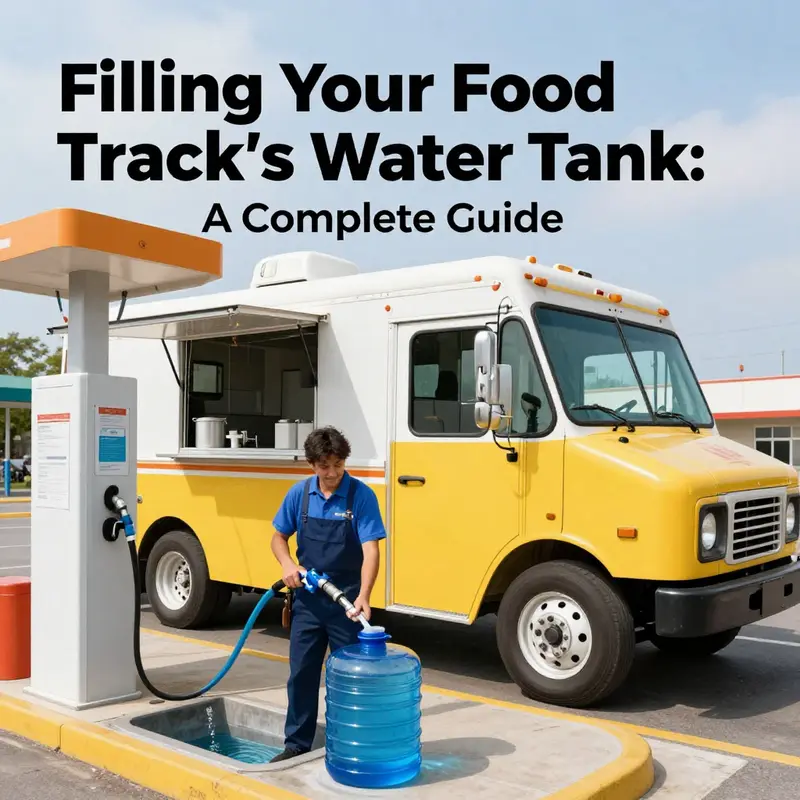
Water is the lifeblood of a mobile kitchen. The moment you turn on a faucet or rinse a pan, clean water must be ready at hand. Filling a food truck’s potable water tank is more than adding volume; it’s a practical ritual that protects safety, sustains operations, and builds trust with every customer who orders a meal. When the fill is done with care—source, sanitation, and the tank’s fittings treated as essential components—the routine becomes seamless, almost invisible, in the rhythm of a busy service day. This chapter walks you through a reliable, repeatable approach that aligns with best practices and food-safety standards, while remaining adaptable to the unique layout of your vehicle. The goal is simple: a consistently sanitary supply of water that feeds every sink, every rinse, and every drink without interruption or risk of contamination. The process, once internalized, becomes second nature, allowing you to focus on the craft of cooking and the experience you create for your guests. In practice, you start with the right mindset: treat each fill as a sanitation step and a maintenance check, not merely a transaction of gallons.
Preparing for a safe fill begins long before the hose touches the fill port. Gather clean, potable water from a source that is certified for use in food preparation. Municipal or other approved supply sources typically meet local health standards and are the reliable backbone for a truck that serves customers across various neighborhoods and events. Avoid water from unknown sources, lakes, rivers, or wells unless you have documentation showing it has been properly tested and treated. Even a seemingly small deviation from a trusted source can introduce taste, odor, or safety issues that undermine your entire operation. With water safety in mind, assemble the equipment you will use: a dedicated, food-grade hose designed for potable water, an appropriate funnel if needed, and a secure connection at the fill port. The hose should be clean and free of contaminants, and it should remain dedicated to drinking water to prevent cross-contamination with other uses. The cap or seal on the fill port should be clean and within easy reach so you can reseal quickly after filling. The same attention to hygiene follows you from the source to the tank: a clean workspace, fresh wipes, and a method that minimizes exposure to dust, debris, or insects.
Locating and preparing the fill port is the next step in a controlled, sanitary fill. On most mobile kitchens, the freshwater fill port is mounted on the exterior of the truck, usually near ground level for easy access, and clearly labeled with a cap or a valve that indicates its purpose. Before you begin the actual transfer, unscrew or unlatch the fill port cap and set it in a clean area where it won’t become contaminated. This is a small, often overlooked step that pays off later with a tighter seal and reduced risk of dirt migrating into the tank during the fill. Attach the hose securely to the fill port, ensuring the connection is tight and leak-free. If you’re using a funnel, place it into the port and pour water slowly to minimize splashing and air entrainment. A clean, snug connection is not merely a matter of convenience; it helps maintain pressure balance within the tank and guards against leaks that could create slippery workspaces or water damage to components of the vehicle.
As you begin filling, the process becomes a careful balance of flow, air management, and level monitoring. Open the water source slowly, allowing water to flow into the tank while you watch for any signs of trouble—leaks at the hose connection, drips around the fill cap, or unexpected sounds that might indicate an air pocket or a closed line. Let the water run for a few minutes after the hose is connected; this flushes the hose and line, expels any air pockets, and helps clear out residual debris that may have collected in the hose during storage. The tank itself often has a sight gauge or a level indicator that helps you judge when it has reached capacity. If your system uses a gauge, keep an eye on it as the tank fills and stop when the gauge indicates it is full. Do not overfill, as overpressure can stress fittings, bend pipes, and even cause leaks that interrupt the workflow in a busy kitchen. Remember that the goal is not simply to reach a number on a gauge, but to achieve a stable, fully filled tank that remains sealed and ready for use.
When the tank is full, the moment of transition is crucial. Close the water source first to prevent backflow or unintended continued filling, then carefully disconnect the hose from the fill port. Immediately replace the cap or seal to keep the tank closed to the outside environment. A tight seal is a guard against dirt, insects, and airborne contaminants that can undermine water quality the moment the system is opened again. After you’ve secured the cap, perform a quick double-check: inspect the fill port and hose connections for any signs of leakage, and verify that there are no drips or damp spots along the connection. A careful post-fill inspection saves time later by catching issues before they become larger problems in the middle of service. The final checks are as important as the initial steps because they confirm that your water supply remains clean and ready for use in sinks, food prep, and beverage service.
Even with a clean fill, there are situations that call for additional sanitation to protect water quality. If the tank has sat empty for an extended period or if it previously held water that was not potable, a sanitation cycle may be necessary before you refill with fresh water. Follow the manufacturer’s instructions for cleaning and sanitizing procedures, and use a sanitizer approved for use in potable water systems. This is not simply about killing pathogens; it is about removing any lingering residues that can alter taste or lead to microbial growth in the tank or lines. After sanitation, rinse thoroughly with potable water and then proceed with the fill, ensuring the system is again free of air pockets and that all connections are tight. Sanitation steps should be integrated into your routine at intervals that reflect how often the tank is emptied or how long it sits unused, especially if you operate in warm climates or high-traffic events where microbial growth can progress more quickly.
Throughout this process, you can benefit from a broader planning context that ties water system choices to the overall business operations. As you plan plumbing and tank configuration, consider consulting resources that discuss best practices for the entire mobile kitchen setup. For example, a guide focusing on choosing the right food truck model can help you align water-handling decisions with the truck’s overall layout, power supply, and storage constraints. This holistic view helps ensure the water system integrates with equipment placement, cleaning workflows, and daily service schedules in a way that minimizes risk and maximizes efficiency. You can explore such guidance here: Choosing the Right Food Truck Model.
Finally, while the day-to-day steps emphasize practical handling, it is essential to anchor the practice in broader safety standards. Water quality and handling fall under food-safety guidelines that emphasize source protection, proper sanitation, and routine inspection. For more detailed, official standards, refer to established guidelines from regulatory authorities. These resources provide comprehensive coverage of water quality, sanitization, and testing that support consistent, safe operation across different settings and events.
In summary, filling your food truck’s potable water tank is a steady process that blends careful preparation, precise connection practices, mindful filling and monitoring, and disciplined post-fill checks. It rewards you with a reliable supply of clean water for handwashing, food preparation, and beverage service—supporting both the quality of your food and the confidence of your customers. When the steps are practiced consistently, the water system becomes a silent partner in your craft, supporting quick service, safer cooking, and smoother business growth. For additional safety standards and detailed guidance, consult the relevant regulatory resources on water quality and sanitation. For external reference, you can review these standards at the FDA’s official safety guidelines: https://www.fda.gov/food/fda-food-safety-standards.
From Tap to Tank: A Practical, Hygienic Guide to Filling Your Food Truck’s Potable Water Tank
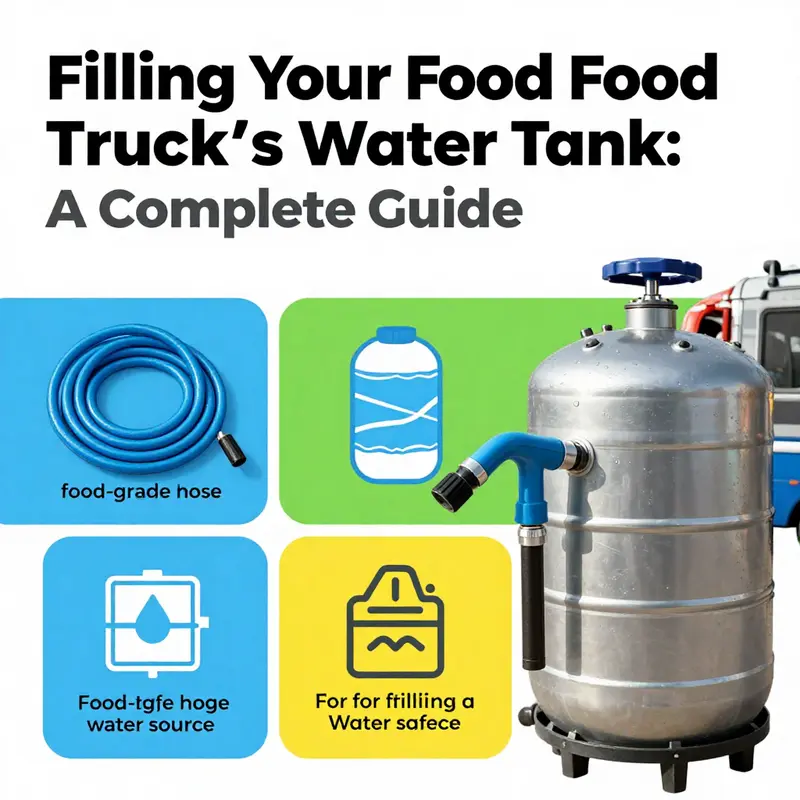
When the sun climbs over the skyline and the sizzle of pans already fills the air, a food truck operator feels a familiar rhythm: cook, serve, repeat. Beneath that rhythm lies a quieter, equally vital routine—the care of the water that flows through the taps, hoses, and tanks that keep customers safe and meals fresh. Filling a food truck’s potable water tank is more than a simple fill-up. It is a disciplined practice that blends hygiene, mechanical awareness, and a respect for public health. The details matter because contaminated water, even in small amounts, can undermine an entire day’s work and, more importantly, put guests at risk. A steady, mindful approach ensures the tank serves as a reliable reservoir of clean, safe water, supporting not just taste and texture but trust.
Begin with a mindset that water is a life-support system for the operation. The first consideration is the source. Always choose potable water from a clean, approved supply. Municipal water lines, when accessible at the service site, are designed to meet local health standards and provide a dependable baseline for safety. Portable water systems, if used, should come from vendors who certify the water as drinkable. The aim is to avoid any water that could carry contaminants, pathogens, or unusual flavors that might alter every dish you prepare. When you are unsure about the source’s quality, postpone filling and seek a trusted tap or portable supply. The goal is certainty, not convenience.
Once the source is chosen, the next focus rests on the equipment you’ll use. Before any connection is made, inspect the tank and its plumbing—visually confirm there are no cracks, leaks, or signs of wear that might compromise the water’s purity. Check that the inlet valve is sealed and that the overflow and drain valves are closed so nothing leaks or backflows during filling. A small effort here pays off in large avoided trouble later. A simple funnel or a dedicated fill hose can minimize splashback, reducing the chance of dirt or debris entering the system. In the tight space behind a truck, splashback is not just messy; it can be a vector for contaminants.
The flow of water itself deserves careful regulation. A rapid onrush of water can create pressure surges that stress the tank and internal plumbing. The instinct to hurry can backfire, leading to damage or misreads on the fill gauge. A slower, steady fill is more forgiving. It allows air to escape from the tank, reduces the risk of air pockets, and makes it easier to notice any anomalies in the water’s clarity or taste as the level rises. If your fill station has a coiled hose or a long run to your truck, pause periodically to inspect the hose for kinks, wear, or residual debris that could travel down the line. Slow fills become a ritual of attention rather than a race against the clock.
As you begin to fill, keep the tank’s fill gauge in view and monitor the level with intention. The moment the gauge indicates the tank has reached its maximum capacity, stop the flow. Overfilling can not only waste water and space but also place pressure on fittings, potentially causing leaks or damage to the tank. When you halt the fill, first close the water source’s tap. Only then should you carefully disconnect the hose from the fill port. Replacing the cap promptly seals the system, keeping dust, insects, and other contaminants from intrusion while the truck moves or sits between shifts.
Even after the physical act of filling, a few checks remain that can preserve water quality and equipment integrity. After disconnecting, perform a quick visual inspection of the fill port and hose connections for any signs of leakage. A small drip might be easy to overlook, but over time it can lead to mold growth, slippery flooring, and wasted water. If leakage is detected, address it immediately before the next use. The cleanliness of the fill port matters almost as much as the cleanliness of the water itself. A tight, clean seal reduces the risk of external contamination during subsequent uses and helps maintain the tank’s internal integrity.
There is also the matter of preparing the tank for use after a period of nonuse or following a previous non-potable fill. In such cases, sanitizing the tank before refilling with potable water is a prudent precaution. Sanitization procedures should follow the manufacturer’s instructions for your specific tank and plumbing materials. The goal is to eliminate any residual biofilms or contaminants that could compromise safety. The sequence—thorough cleaning, sanitizing, thorough rinsing, then filling with fresh potable water—becomes a dependable routine that can be repeated as part of quarterly or semiannual maintenance, depending on how often the truck operates and the intensity of daily use.
Documentation and maintenance add a layer of accountability that protects both staff and customers. Label and date each fill to establish a maintenance cycle. Regular cleaning and sanitizing, typically every three to six months, helps ensure the tank remains sanitary and reduces the likelihood of unexpected taste or odor issues. In a busy service environment, it can be tempting to skip this step, but it is one of the most constructive investments you can make in your operation. A simple log in the water system area, noting the date, source, and any observations from the fill, creates a breadcrumb trail that can be useful for audits, equipment checks, or service planning. This practice also supports consistency—every team member learns the same routine, reducing the chance of skipped steps or rushed decisions that could compromise safety.
Another layer of confidence comes from aligning your process with recognized standards for food safety and water quality. While the practical steps of filling are essential, aligning them with official guidance enhances credibility and ensures you are not missing critical elements. Agencies that oversee food safety emphasize the importance of using potable water from approved sources and maintaining clean, well-sealed tanks and plumbing. The underlying principle is simple: water quality begins with the source and is preserved through deliberate handling, careful connection, and disciplined maintenance. As you integrate these practices into your daily routine, you will notice a smoother service, fewer flavor inconsistencies, and a reduced risk of interruptions due to water-related issues.
To keep the arc of this chapter coherent with broader guidance, consider a cross-reference that encapsulates the philosophy behind these steps. The approach is less about a rigid checklist and more about a culture of cleanliness, precision, and accountability. When you treat water as an essential ingredient, the whole operation becomes more resilient. You are not just filling a tank; you are sustaining the conditions that enable consistent food quality and safe service for every guest who orders from your truck. If you want a concise, accessible overview of the kind of principles that inform these practices, you can explore the Los Chiflado’s Truck blog for practical discussion on water handling in mobile operations: loschifladostruck.com/blog.
As a final integration of these practices, remember that water is part of a greater system of sanitation and safety on a mobile food operation. Staying compliant with guidelines means more than avoiding penalties; it means earning the trust of customers who may rarely consider the water’s journey but will certainly notice when something tastes off. Your attention to the source, your care in the connection, your patience during the fill, and your diligence in post-fill checks all contribute to a reliable, repeatable routine. The water you provide is the baseline upon which your recipes stand, your equipment operates, and your guests feel safe and cared for throughout their experience.
For those who want to connect the practical with the regulatory, the U.S. Food Code offers detailed references on the water supply that are worth reviewing. The guidance covers how water should be supplied, stored, and sanitized in mobile food operations, and it provides a framework that complements the hands-on steps described here. Those seeking an official reference can consult the FDA’s Food Code—Chapter 2, Water Supply—for precise requirements and recommendations. This external resource helps anchor everyday practice in a robust regulatory context, ensuring that the procedures you follow today align with broader public health expectations and can withstand the scrutiny of inspections and audits. External reference: https://www.fda.gov/food/fda-food-code/food-code-2022-chapter-2-water-supply
From Tap to Tank: The Gear and Process Behind Safe, Sanitary Water Filling for Your Food Truck
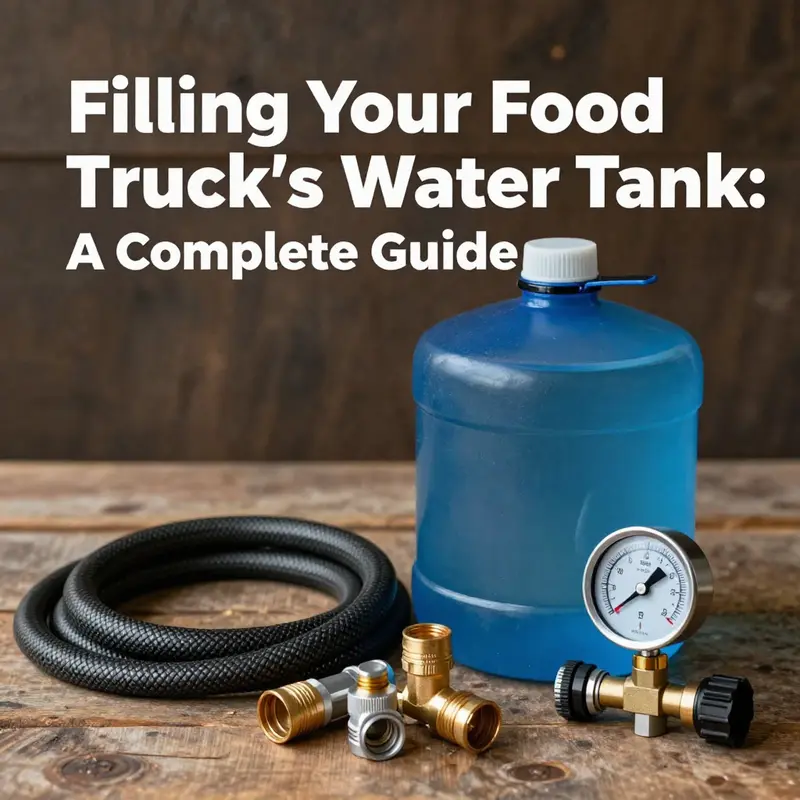
Every food truck runs on a simple, stubborn truth: clean water isn’t just a resource, it’s an ingredient in every dish and a safeguard for guests. Filling the potable water tank with care is not a cosmetic step but a critical part of daily operations. When you move from the tap to the tank, you move from potential contamination to reliable sanitation. The chain that keeps your water safe starts with the right gear, proceeds through disciplined technique, and ends with a tank that holds water you’d be comfortable serving a family with dinner, not drawing a line of questions from health inspectors. Understanding the equipment involved and how it all fits together helps you avoid backflow, leaks, and air pockets that can harbor debris. It also gives you a framework for training staff, documenting procedures, and staying consistent across events, markets, and long tours. In practice, this is a narrative of preparedness as much as it is a routine, a rhythm that keeps your business compliant, efficient, and safer for customers who trust you with every bite and sip.
At the heart of the filling process is a simple but essential truth: use a clean, potable water source. That means municipal water supplied through a regulated system or a dedicated refill point designed for mobile units. It does not mean grabbing water from an untested well, a private pump, or a stream you pass in the hills. The moment you step into a jurisdiction with different standards, you carry not just a bucket of water but potential liabilities. The guidance you follow should be anchored in local health codes and aligned with broader food-safety standards. Before you even turn on a tap, you should have confirmed that the water is safe for consumption and cooking. If your experience takes you to remote locations where water quality might be questionable, bring a portable testing kit and a plan for treating or substituting water when needed. The goal is not to be perfect every moment but to know your sources, verify them, and document whether the water meets baseline standards for chlorine, bacteria, and turbidity. FDA guidelines offer a reference framework for safe water handling and the sanitation of contact surfaces involved in food preparation, which can guide decisions beyond the obvious step of filling the tank.
Equipment first, then procedure. The set of gear that makes filling possible and trustworthy is small in number but large in consequence. Start with the water source itself. A clean, potable supply is non-negotiable. This could be a municipal supply, a dedicated mobile refill station, or a trusted remote source that has been tested. In all cases, you should know what you’re connecting to and be confident that the source’s capacity won’t threaten the tank’s integrity or your workflow. The second pillar is hose and coupling. Use a heavy-duty, food-grade hose designed for potable water. It should be clean, free of contaminants, and long enough to reach from the source to your fill port without creating tension on fittings. The coupling must be compatible with your truck’s fill port—common configurations include standard thread patterns or quick-connect options. A mismatched hose can lead to leaks, backflow risk, or hose kinks that impede flow.
Next comes the fill port and its valve. The fill port should be clearly labeled, exterior to the vehicle for easy access, and equipped with a valve that controls flow and blocks backflow. A ball valve or check valve is a prudent choice because it provides a physical barrier against contamination entering the tank as you disconnect the hose. The connection between hose and port should be tight and secure. Any looseness invites leaks, which are not merely messy but potential pathways for contaminants to enter the tank, especially in environments where vibration from the vehicle or pumping pressure might jar a loose connection.
A pump is highly recommended, even if gravity could work in theory. Gravity can fill a tank from a source that sits higher, but many field scenarios place the water source at roughly the same level as the tank or lower. In those cases, a pump—whether a portable hand pump for backcountry use or an electric submersible pump for speed—helps achieve a steady, controlled fill. The pump does more than move water. It allows you to regulate pressure, reduce air pockets, and limit the time the hose remains connected, which is a practical way to minimize opportunities for contamination during the transfer. If you choose a pump, ensure it is compatible with potable-water use and is easy to sanitize between uses.
Water quality testing kits are perhaps the most important optional equipment that becomes essential when the context is uncertain. A simple, reliable kit can test for bacterial presence, residual chlorine, and key indicators of water quality before you commit it to the tank. This step is not an afterthought. It’s a precaution that aligns with broader food-safety standards and gives you defensible data should questions arise later. If the source checks out, you can proceed with confidence; if not, you pause to identify an alternative source, treat the water, or sanitize the system before use. In practice, you might not test every time, but having the kit and a decision framework—what threshold prompts a stop and what corrective steps follow—adds a disciplined layer to your operations.
In circumstances where you lack access to a pump, or you encounter a remote feed that defies gravity-based filling, a siphon pump provides a viable if slower alternative. While it demands more labor, a siphon remains a practical backup option for emergencies. The key with any siphoning technique is to maintain a clean path, reduce air intake, and monitor the process to prevent contamination. Siphoning is not ideal for everyday use, but it is part of a robust toolkit for operators who travel to markets, fairs, or remote events. The practical takeaway is to embrace a flexible approach: the gear you carry should enable you to fill quickly when a conventional setup is available and to adapt when conditions force improvisation, all while preserving water quality.
With equipment selected, the filling procedure itself must be deliberate and replicable. Begin by confirming that the tank is not full. Overfilling increases pressure and can cause structural stress to the tank or plumbing and make a mess around the fill area. Attach the clean hose securely to both ends. Open the source tap and let the water flow into the tank, then briefly flush the hose to remove any air or debris that might have accumulated inside. As the tank fills, watch the level indicator. Don’t rush; a steady fill reduces the risk of air pockets and ensures the water composition remains uniform. When the tank reaches capacity, close the source tap first, then disconnect the hose. Immediately replace the fill cap to seal the system and safeguard against external contamination.
After disconnection, inspect the fill port and hose connections for leaks. A slow drip can indicate a loose coupling, a worn seal, or a damaged hose. Even a small leak is a sign that the fill procedure isn’t yet airtight, which could compromise water quality and create slip hazards around the truck. If you’ve left the tank empty for an extended period or it previously held non-potable water, sanitization steps should follow. Manufacturers’ guidelines for cleaning and sanitizing must be observed carefully. This is not just a hygiene protocol but a materials compatibility check; some sanitizers can degrade certain tank linings, seals, or fittings if not used correctly. In all cases, a thorough rinse after sanitizing is essential to remove any sanitizer residue before first use with potable water.
A disciplined approach to filling rests on a few practical habits. Keep a dedicated, clean workspace around the fill port to prevent dust and debris from entering the system during connection and disconnection. Label the correct fill source and keep hoses clean and stored properly between uses. Perform routine checks on the valve and port seals as part of your maintenance schedule. Train staff to follow the same steps consistently so that every fill, regardless of who performs it, follows the same safe sequence. Documentation matters too; a simple log noting the source, date, tester readings if used, and any anomalies can prove invaluable when you’re balancing multiple operations across a busy week.
In addition to these hands-on practices, align your process with broader food-safety standards. If you don’t already, reference FDA guidelines for water quality and sanitation to ground your kitchen practices in widely recognized standards. The combination of a clear gear list, a repeatable fill procedure, and an ongoing emphasis on water quality creates a resilient system. It reduces risk, improves consistency, and supports a trustworthy customer experience. For operators who want a further practical reference, the LosChifladoTruck blog offers related setup guides and real-world tips that resonate with daily operations on the road. You can explore the blog at loschifladostruck.com/blog/.
Beyond the internal workflow, consider a mental checklist that travels with your truck. Before a shift, confirm the source is reliable and the hose and fittings are clean. At the site, visually inspect the port area for damage and confirm the cap sits firmly in place after filling. During service, a quick post-fill check for leaks pays dividends by catching issues before they escalate into bigger problems. When markets end and you shut down for the day, purge the tank and the lines if you’ll be parked for a while, or at least rinse and sanitize according to the manufacturer’s directions so that the next fill starts from a clean slate. This discipline is not about rigidity; it’s about creating a dependable rhythm that your team can follow under pressure, when the day’s pace quickens and the queue of customers grows longer.
As you refine your practice, you’ll find the gear list slots into your broader operation seamlessly. The water system is not an isolated component; it interacts with your electrical setup, your cleaning routines, and your inventory management. You’ll want to maintain spare gaskets and seals, keep track of the hose’s age, and schedule routine sanitization based on usage patterns and seasonality. A well-run water-fill routine reduces the chance of contamination, helps maintain consistent taste and quality in beverages and foods, and supports a professional image that resonates with customers and health inspectors alike. The path from tap to tank is thus more than a mechanical transfer of water; it is a stewardship practice that underpins safe food preparation, customer trust, and compliance across every stop you make.
External resources can provide deeper technical grounding for operators who want to explore the topic further. For a detailed, system-level look at water setups, standards, and industrial applications in food trucks, see an external guide on water system design and operation at https://www.foodtrucks.com/food-truck-water-systems-guide. This resource complements hands-on practice with theoretical and regulatory context, helping you connect day-to-day actions with the bigger picture of safety and efficiency. In sum, filling your food truck’s water tank well is a blend of the right equipment, careful technique, and a culture of hygiene that travels with you wherever you park.
Safe Water, Smooth Service: Mastering the Art and Science of Filling a Food Truck Potable Water Tank
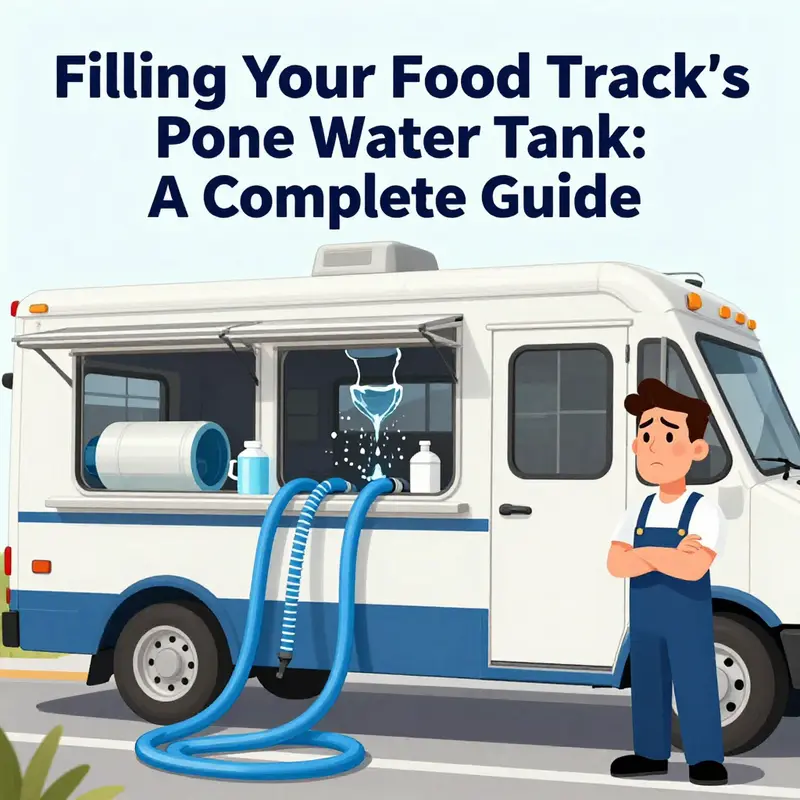
In the fast-paced world of mobile cuisine, a reliable supply of clean water is as essential as any burner or grill. Water is not merely a utility; it is a critical ingredient in food safety, sanitation, and the customer experience. When a food truck pulls up to a crowd, the water tanks beneath the unit quietly do their work, supplying rinse water, ice baths for produce, and, most importantly, potable water for beverages and food preparation. The process of filling that tank well is a small ritual with outsized consequences. Do it right, and it becomes a seamless part of service; do it poorly, and the ripple effects—poor taste, contamination risk, and operational delays—echo across the day. The goal is simple in theory: keep the tank clean, fill it with safe water, and maintain a system that can be trusted to deliver fresh, uncontaminated water to customers and staff alike. The reality, however, demands attention to source quality, connection hygiene, and ongoing maintenance. With a steady approach, operators can turn water management into a dependable strength rather than a constant headache.
The foundation of safe filling begins with the water source itself. The best practice is straightforward: always use a certified potable water source. Municipal supply lines are the standard choice, treated and monitored to meet local health standards. Water from unknown or untreated sources—lakes, rivers, wells—presents a risk that cannot be fully mitigated by rinsing or filtering alone. The rule of thumb is simple: if you wouldn’t drink it straight from the tap at home, don’t introduce it into your tank without proper treatment. In many operations, extra layers of safety are added—points of use with certified, clean hoses and in-tank sanitization routines—but the core remains the same. A clean source reduces the burden on subsequent steps and keeps the workflow smooth for the rest of service.
Before the first drop enters the tank, a quick physical check helps prevent downstream surprises. Verify that the tank is not already full and that the fill port is accessible. A tank that is near or at capacity can pressurize the system, stressing fittings and hoses and increasing the chance of leaks when connections are disturbed. The fill port should be inspected for cracks or damage, and the cap should be present and ready to reseal once fill is complete. This is not merely a precaution; it’s a sanitation discipline. A damaged port or a loose cap can invite dust, insects, or cleaning residues into the tank, defeating the purpose of a sanitary water system. With those checks complete, the next steps unfold in a quiet sequence that preserves water quality and equipment integrity.
A clean, dedicated hose is the conduit that keeps the water uncontaminated from source to tank. The hose should be food-grade and reserved exclusively for potable water. Shared hoses or non-potable lines are a vulnerability that can reintroduce contaminants with every fill. Attach one end securely to the water source—such as a faucet at a service station or a kitchen sink—ensuring that the connection is tight and free of kinks or damage. The other end attaches to the tank’s fill port. The emphasis here is on cleanliness and security: wipe the connections if necessary, and verify that there are no leaks at the juncture where hose meets port. A secure, clean connection reduces the risk of accidental contamination and avoids dripping onto the exterior or the truck’s working areas.
When the water begins to flow, patience pays off. Open the water source slowly to avoid a surge that can disturb the tank’s interior or cause air pockets to form in the line. It is wise to let the water run for a few minutes after the hose is attached. This flushes the hose and any residual air or debris that may have collected in the line. The flushing step is a small investment of time with a direct payoff in taste and clarity of water. While the tank fills, keep an eye on the level indicator. Most potable tanks carry a gauge or a level marker that shows current capacity. Do not push the tank to its maximum all at once; instead, monitor progress and stop at the recommended upper limit—usually around eighty to ninety percent of full—to allow for thermal expansion and to preserve the integrity of fittings, gaskets, and seals.
Disconnection and sealing require equal attention to safety and cleanliness. When the tank reaches the desired level, first close the source tap. Only then should you carefully disconnect the hose from the fill port. Immediately replace the cap on the fill port to protect the interior from airborne contaminants and dust. A moment of caution here prevents a cascade of little problems: leaks in the port, dust settling into the tank, or accidental contamination from the surrounding environment while the truck moves or the hose is coiled for storage.
The moment after filling is a crucial one for evaluating the system’s condition. A quick post-fill inspection should occur to check for leaks at the port, along the hose, and at the connection point. Even small drips can become bigger issues over time, wasting water and inviting biological growth if allowed to sit. If any leak is detected, address it promptly. This may involve tightening fittings, replacing worn gaskets, or replacing a damaged cap. The goal is constant vigilance rather than reactive fixes—a habit that saves time and keeps the water supply dependable through busy service days.
Sanitation, though sometimes overlooked, is a cornerstone of safe water management. If the tank has been empty for a long period or has previously stored non-potable water, sanitization becomes necessary before refilling with potable water. Follow the manufacturer’s instructions for cleaning and sanitizing procedures, using only food-safe sanitizers that meet regulatory standards. After sanitizing, thoroughly rinse the tank to remove any chemical residues. Sanitation should be integrated into a broader maintenance schedule: a routine that includes periodic cleaning, inspection of fittings, and a review of tank integrity. A clean tank reduces the risk of biofilm formation, algae growth, and sediment accumulation—issues that can compromise taste and safety and require more intensive cleaning later.
Beyond the mechanical steps, water quality testing can provide a layer of assurance that is well worth the effort. Periodic testing of water parameters—pH, total dissolved solids (TDS), and microbial presence—helps verify that the water remains within safe limits for consumption. Portable test kits are commonly used by operators who want quick, on-site feedback. A low pH or high TDS reading can indicate contamination or mineral buildup that warrants filtration or system maintenance before the next service. If test results reveal concerns, take action promptly: flush the system, replace filters, or sanitize as needed. The most effective water safety programs treat testing as an ongoing discipline, not a one-off check before a single event.
In addition to direct testing, many operators pursue a multi-layer approach to water safety by incorporating point-of-use treatments and filtration. A basic filtration stage can remove particulates and some dissolved contaminants, while a UV purifier can inactivate microorganisms that may slip through other safeguards. These measures are not universally required, but they provide additional peace of mind for operators who frequently work with high-risk water sources or who rely on a broad range of service venues. When considering filtration or UV treatment, it is important to select equipment designed for food-service use and to ensure it is installed according to the manufacturer’s instructions. A well-chosen filtration or disinfection system, combined with strict sanitation practices, helps maintain the water’s taste, clarity, and safety across back-to-back events.
Operational discipline is the bridge between theory and practice. Keeping a water system reliable is not a single action but a series of routines. Record-keeping can be a surprisingly powerful ally: log dates of fills, sanitization events, test results, and any repairs or part replacements. A running log creates a traceable history that can be invaluable if a complaint arises or if a regulator asks for documentation. It also helps team members stay aligned with standard procedures when multiple people operate the truck. Pairing the log with a simple checklist—confirm source quality, inspect connections, ensure caps are secure, test water if needed, and sanitize when appropriate—offers a practical framework that supports consistent performance, even on the most demanding service days.
As with any safety-critical operation, ongoing education matters. Staff should understand why each step exists, not merely how to perform it. Clarity around the reasons for using a certified potable water source, for example, reinforces the commitment to customer safety and helps new team members absorb the workflow quickly. The habit of checking the tank’s level gauge at the start of every shift, the discipline of flushing hoses after each fill, and the routine of sanitizing when appropriate are all reflections of a culture that values reliability and hygiene over expedience. This is not merely compliance; it is a commitment to quality that customers perceive in the first whiff of fresh water and in the absence of any off-taste or aftertaste in beverages and food preparation.
To weave these practices into daily operations without turning the topic into a burdensome checklist, many operators integrate water management into broader regulatory and safety conversations. For those who want a broader frame of reference on how mobile operations intersect with food safety regulations, there is value in exploring how these guidelines fit into the larger regulatory landscape. You can consult resources on navigating food truck industry regulations for a more expansive view of compliance obligations and recommended best practices. Navigating Food Truck Industry Regulations
Ultimately, the goal is clarity and confidence—knowing that when service begins, the water system is ready, reliable, and safe. That confidence comes from a combination of sourcing from trusted supply networks, maintaining clean and secure connections, following careful fill procedures, and incorporating sanitation and testing into routine upkeep. The water tank is not a passive reservoir; it is an active component of food safety and guest satisfaction. Treated with the respect it deserves, it becomes a quiet partner in the day’s choreography, supporting the crew with calm certainty as orders flow, ice clinks in glasses, and customers experience the simple pleasure of clean, refreshing water. The chapter on water management thus converges with the broader mission of the mobile kitchen: to deliver delicious food with a level of care that reassures guests and empowers the crew to operate with efficiency and assurance. When you approach the task of filling the potable water tank with this mindset, the routine becomes less of a task and more of a practiced, instinctive sequence—one that keeps service rolling and standards intact, no matter how crowded the next window becomes. For operators who want to deepen their understanding of safety and compliance across the mobile food landscape, continuing education and adherence to established codes remain essential companions to hands-on discipline, especially in settings where water safety intersects most directly with daily operations. The result is not only compliant practice but a consistently positive customer experience that begins with a simple, well-executed fill.
External resources offer additional depth for those who wish to explore the formal standards that govern water quality and food safety practices. See the FDA Food Code for official guidelines on water quality and sanitation standards applicable to food-service operations. https://www.fda.gov/food/fda-food-code
Guarding Water, Guarding Health: A Regulatory-Driven Guide to Filling a Food Truck Water Tank
Guarding Water, Guarding Health: A Regulatory-Driven Guide to Filling a Food Truck Water Tank
Water safety in mobile kitchens begins with more than routine hygiene; it rests on a framework of rules designed to protect patrons as they sample beverages or use water for food preparation. Filling a potable tank is not merely a mechanical task; it is a moment of compliance that connects the kitchen to public health governance. The landscape may vary by city and state, but the core principles endure: use an approved source, prevent backflow, maintain sanitary conditions, and document the process so inspections proceed as routine checks rather than alarming events. When these elements come together, the water system becomes a trustworthy backbone for the entire operation, supporting both flavor and safety in every dish that leaves the window. The rules respond to a simple, urgent truth: even a small lapse at the point of filling can cascade into health risks that affect customers, staff, and the business’s license to operate. Forethought and discipline at the tap transform a routine maintenance task into a public health protection measure that travels with the truck to every event, every neighborhood, and every line of customers eager to sample the day’s menu.
The first anchor of compliance is source approval. Most jurisdictions expect that potable water entering a food truck comes from a source that health authorities have evaluated and deemed safe for consumption. Municipal supplies are the standard because they undergo ongoing treatment, testing, and monitoring. In regions where municipal access is limited by geography or scheduling, certified potable water services can bridge the gap, provided they meet local potability criteria. The teeth of the rule lie in ensuring that nothing contaminates the water as it travels from the source to the truck’s interior. This is why the subsequent steps—hoses, ports, caps, and fittings—carry regulatory weight and why the practice of using a dedicated, food-grade hose is not a mere suggestion but a requirement in many inspection checklists. A dedicated hose reduces the risk that a non-potable source leaves residues or contaminants in the line that could later be introduced into the potable tank.
The fill port should be accessible, clearly labeled, and kept sealed when not in use to shield the contents from dust, pests, or airborne debris. The moment you attach the hose and begin to fill, you enter a sequence that is both practical and auditable. A careful approach keeps the system clean and the water clean. The fill should begin with a controlled flush that moves air and any residual particles out of the hose and into the tank. This is not wasteful if done correctly; it is an essential step to ensure the water entering the tank does so from a clean, prepared line rather than from a line that has absorbed air or sediment from previous uses. As water flows, monitor the level indicator closely. The tank’s gauge is more than a gadget; it is a safeguard against overfilling, which can stress seals, cause spillage, or create a pressure scenario that makes leaks more likely. When the indicator nears full, ease off the flow and determine the precise moment to stop. The aim is a full, sealed tank that has been filled with clean water and that shows no signs of overpressure on completion.
The closing sequence is as important as the opening. Turn off the source before detaching the hose, then disconnect carefully and immediately replace the cap on the fill port. This simple ordering prevents back-siphon and keeps the interior protected from environmental contaminants during the transition from fill to service. A postfill check is prudent: inspect the port, hose connections, and caps for leaks, wear, or cracks that could invite contamination over time. If a leak is found, address it promptly or defer service until repairs are completed, because a small leak today can become a major problem when the truck is doing back-to-back events. Sanitation the tank is a central regulatory and operational duty, especially after idle periods or if non potable water was present in the tank previously. Following the manufacturer’s cleaning and sanitizing instructions, select approved cleaners and sanitizers, and ensure thorough rinsing before the next potable fill. This sequence helps eliminate biofilms and residues that can harbor microbes. In some operations, cold or hot water recirculation is used as part of a sanitation strategy. A recirculating hot water loop, when designed and installed according to applicable standards, can help maintain a higher basal temperature in the system, reducing microbial risk and simplifying the sanitation discipline. But the decision to adopt such a system must be weighed against costs, installation requirements, and the regulatory implications of any modification to the water system.
The financial side of compliance is real. While basic, well-documented routines may suffice in smaller venues, expanding to regulated or semi-permanent sites may trigger permit requirements, inspections, and possibly the need for backflow prevention devices. A permit process, where required, typically involves plumbing code compliance reviews, system drawings, and sometimes pressure testing. Even when permits are not needed, the health department or environmental agency may expect a documented plan that outlines the source, the path of water through the system, the point of entry into the tank, and the sanitation protocol that follows. The practical discipline that supports compliance—keeping clean fittings, labeling components, and maintaining a log—often proves the most cost-efficient safeguard. A simple record that notes the water source, the date of fill, the tank level at fill, and the sanitation event can smooth the path during inspections and reassure customers that care is being taken with their water. The log is not a bureaucratic ornament; it is a traceable sum of actions that demonstrates consistent performance. It also helps operators monitor patterns that may signal wear, such as recurring leaks at a particular hose connection or a drop in water quality indicators at certain times or locations.
For operators looking to place their daily practice within a broader regulatory narrative, a broader discussion of industry rules can be explored through navigating the food truck regulations. This internal link provides a broader frame for understanding how local, state, and national expectations intersect with the day-to-day work at the fill station. Of course, the most effective compliance approach blends clear procedure, transparent documentation, and ongoing maintenance. It is rarely necessary to chase perfection. It is necessary to pursue a stable, auditable routine that ensures water entering the truck is what it is promised to be, and that it remains safe through the complete cycle from source to cup or pot. The resting point of best practice is a workflow that operators can repeat in the most demanding conditions, from a crowded festival line to a remote market. It should be clear, simple, and robust enough to withstand the pressure of busy service while still satisfying the expectations of health authorities. When the routine is well designed, the business earns more than compliance; it earns reputation and resilience. By keeping water handling within the line of sight of the health framework, operators can feel confident that their water is not only safe but consistently so, season after season, event after event.
For readers seeking broader reading on the topic, a widely recognized external resource summarizes the regulatory expectations for water systems used in mobile food service: Food Truck Water Systems Regulations. https://www.foodanddrinkeurope.eu/food-truck-water-systems-regulations
Final thoughts
In summary, properly filling your food truck’s potable water tank is vital for food safety and operational efficiency. With the right knowledge and equipment, you can ensure a seamless filling process, avoid common pitfalls, and comply with relevant regulations. Embrace these insights, whether you’re an event planner, a corporate team member, or a food enthusiast, and equip yourself with a reliable water supply for your culinary adventures!