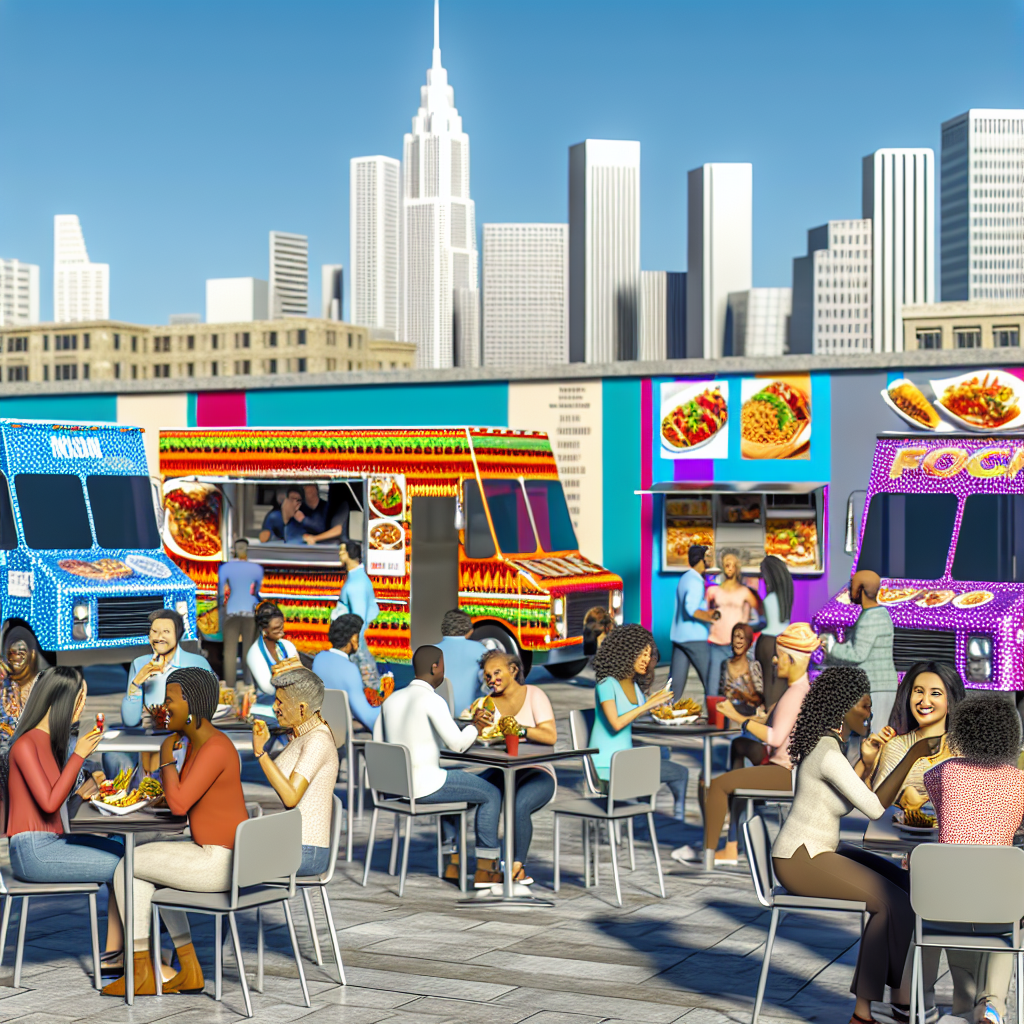
Owning a food truck offers a tantalizing glimpse into the world of gastronomy and entrepreneurship. For event planners, corporate teams, and food enthusiasts alike, the allure of the food truck business lies not only in the savory dishes but also in the potential for considerable income. From generating daily profits to carving out robust revenue streams, the journey of a food truck owner is packed with opportunity. In this exploration, we dive into several core factors influencing profitability, such as diverse revenue streams, operational costs, market demand, menu innovation, and customer engagement strategies. Each chapter will equip you with the insights needed to understand your earning potential and thrive in this dynamic environment.
Revenue Streams that Drive Real Money: How Owning a Food Truck Converts Traffic into Profit
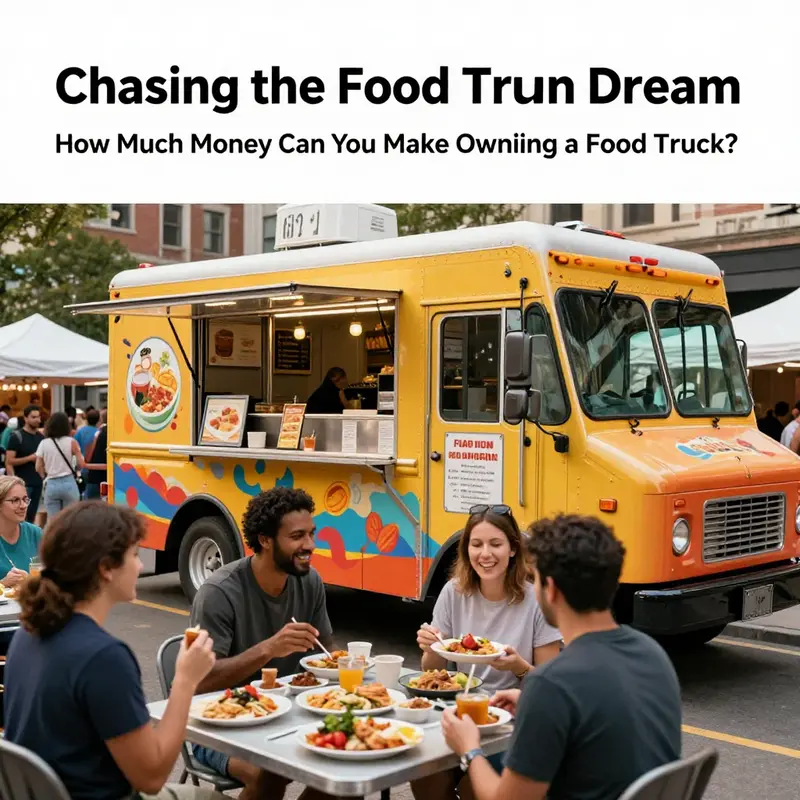
Revenue in the food truck business comes from more than just selling meals. It is a carefully balanced mix of streams that, when managed well, turn busy streets and campus quad traffic into repeat customers, private events, and ongoing revenue. This chapter threads together what the data show with practical, real-world application, illustrating how a truck can grow from a seasonal operator into a steady profit machine. The numbers tell a story that is as much about discipline as it is about flavor. Industry reports from the last couple of years place average annual revenue for a well-run truck in the range of roughly $150,000 to $250,000, with profit margins after expenses commonly sitting between 10% and 25%. Those figures are not set in stone; they shift with location, cuisine, hours, and the strength of the back-end systems. What becomes clear is that the shape of earnings is less about a single moneymaking trick and more about how a truck stacks multiple revenue streams in a way that each supports the others, creating leverage when demand spikes and resilience when it dips.
Direct sales remain the backbone. A successful truck must maximize the number of touchpoints where hungry customers can find and buy food—street locations, festivals, office parks, and events that bring significant foot traffic into the radius of the operation. The best-owner operators don’t just rely on bad weather days or lucky locations; they blend mobility with predictability. They use pre-orders and timed pickup as a way to smooth demand, reduce queue friction, and protect kitchen efficiency. A day that starts slow can still end profitable if there is a loyal base that places orders in advance, and a well-executed pickup window can convert a potential bottleneck into a flow. In practice, that means offering clear, simple pre-order options, communicating promptly with customers, and keeping a tight lid on waste and prep time.
Private catering expands the calendar and diversifies risk. Weddings, corporate events, and private parties can bring in revenue that is less sensitive to daily traffic fluctuations and weather than street locations. A single large catering gig can alter the monthly profit picture, especially when it reflects stable margins after the costs of transportation, staffing, and packaging are managed. This channel rewards operators who keep a scalable kitchen workflow, portable equipment, and a menu flexible enough to be tuned for larger groups without sacrificing the signature flavor that draws repeat business in other settings. The ability to translate a successful street menu into a crowd-pleasing catering lineup requires both culinary adaptability and logistical discipline—two traits that separate the seasonal operator from the sustainable business owner.
Online ordering and delivery form a growing slice of revenue for trucks that master the convenience equation. Customers value speed, accuracy, and reliability, even if delivery adds a layer of commission costs and packaging. The most successful trucks treat online ordering as a channel that complements direct sales rather than a replacement for them. They optimize menu items for transport, invest in secure packaging, and build strong communication practices so customers know exactly when to expect their food. A well-executed delivery strategy can extend a truck’s reach beyond nearby offices or festival grounds, capturing weekend demand from neighborhoods that aren’t within easy walking distance of a physical stop.
Merchandising and branded products offer a smaller but meaningful revenue stream that also serves branding and loyalty goals. Signature sauces, spice blends, or branded apparel provide a tangible reminder of the truck and create additional touchpoints that drive return visits. The margin on merchandise tends to be higher than for food alone when the items are designed with both brand storytelling and practical utility in mind. The real strength of merch is not just the profit per unit, but the way it reinforces customers’ emotional connection to the brand, turning a casual bite into a lasting association that brings people back and spreads word-of-mouth recommendations through social sharing.
Pop-up partnerships with breweries, farmers markets, or other local businesses offer collaborative opportunities that amplify reach without requiring full-scale relocation. A shared event environment can drive foot traffic from partner audiences who may not have discovered the truck otherwise. The economics of pop-ups hinge on the ability to leverage shared space, cross-promote, and coordinate timing so that the combined traffic is greater than the sum of its parts. In a well-planned season, these partnerships create recurring moments where a truck becomes a familiar, trusted option for a new audience, reinforcing the other revenue streams.
Everything above sits on a foundation of operational efficiency. The most profitable operators keep overheads low and predictable—fuel, permits, insurance, maintenance, and labor—without skimping on quality. The cost structure shapes what prices are feasible and how aggressive a pricing strategy can be. A well-managed kitchen with streamlined prep, precise inventory control, and transparent labor scheduling reduces waste and drives closer alignment between sales and costs. Social media and real-time tracking tools help maximize foot traffic by attracting more customers to the truck’s current location or event and by encouraging repeat business through timely updates, loyalty prompts, and seamless ordering experiences. In practice, this means routine cost management and a strong pricing discipline, informed by a clear picture of what customers perceive as value. As a practical touchstone, many operators start with a solid financial framework that emphasizes value-based pricing—charging for the perceived value of the experience rather than simply the cost of ingredients.
The numbers can be sobering, but they also illuminate the path to higher earnings. In high-demand urban settings or college neighborhoods, several operators consistently push into the range of $10,000 to $20,000 per month in gross revenue from direct sales alone, with additional income from catering and partnerships. When you factor in private catering and the potential of online ordering, the total annual revenue can climb toward the upper end of that $150,000 to $250,000 range, and occasionally beyond, depending on scale, season, and market fit. The profit story, however, hinges on margins that reflect disciplined purchasing, efficient labor use, and smart pricing. In a 10% to 25% net profit window after all expenses, a truck can approach a comfortable, sustainable cadence of earnings, even if some months require surgical cost control or creative revenue shifts to weather a slowdown.
One real-world example helps connect the dots. A food truck operator in February 2026 moved from a daily loss of about $300 to a single-day peak of over $1,200. The transformation did not hinge on a single gimmick; it came from a mix of competitive observation—understanding what neighboring trucks offered and how customers perceived value—plus product experimentation, such as refining a batter to achieve consistent crispness and introducing a high-protein, low-fat option that resonated with health-conscious diners. The operator also put humans at the center: building relationships with customers, delivering a reliable “human touch,” and cultivating loyalty. Crucially, they implemented a robust pre-order system that smoothed demand and reduced on-site bottlenecks. Even on a rainy day when cancellation seemed likely, loyal customers and pre-orders kept the day profitable, ending at roughly $1,202. This example crystallizes how a deliberate mix of differentiation, efficiency, and relationship-building can convert traffic and nostalgia for a brand into tangible, repeatable profits.
Understanding the revenue mix is about more than tallying sales; it is about orchestrating a business model that aligns menu, location, timing, and price with the realities of customer demand. It is about recognizing that most trucks do not maximize profits by leaning on a single channel but by creating a portfolio of revenue streams that reinforce one another. For the new entrant or the aspiring operator, the takeaway is clear: start with a plan that emphasizes two or three reliable streams—direct sales, a scalable catering option, and a lightweight online ordering process—then layer in merchandising and strategic partnerships as the base becomes steady. The path to profitability is built on consistent service, a memorable menu, and a pricing approach that reflects the value delivered to customers. For those seeking further practical financial guidance, many operators find it useful to review targeted advice for first-time truck owners, which can lay the groundwork for prudent budgeting and sustainable growth. financial tips for first-time food truck owners. In parallel, seasoned operators should continually refine their understanding of the market and the value of different revenue streams, recognizing that the best truck in the lot is not always the one with the most dazzling dish, but the one that translates demand into dependable, repeatable earnings. For readers looking to expand their strategic view, a broader industry perspective is available through the National Restaurant Association’s discussion of Food Truck Business Trends, which provides context on how market dynamics shape profitability across regions and seasons: https://restaurant.org/research/food-truck-business-trends .
From Operating Costs to Real Profits: How Much Money Can You Really Make Owning a Food Truck
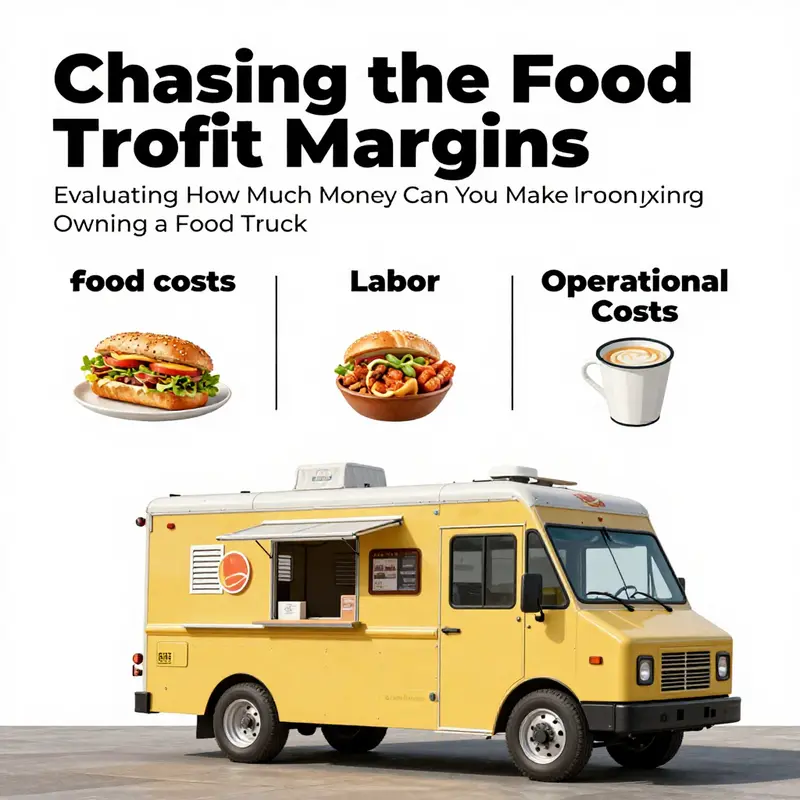
When people ask how much money you can make owning a food truck, they’re really asking about the strings attached to every dollar in and every dollar out. Revenue is only part of the story; profits ride on a careful balance of location, hours, menu decisions, and how efficiently that truck is run. Industry benchmarks provide a realistic frame: the average food truck generates roughly $200,000 to $300,000 in annual revenue. Yet the real measure of profitability comes down to what remains after costs—fuel, maintenance, insurance, permits, ingredients, labor, and the equipment that keeps the operation moving. Across the board, the net profit margin for a well-managed operation typically lands in the 10% to 15% range, translating to an annual net income of about $20,000 to $45,000 for many operators. These figures are not guarantees, but they sketch the practical ceiling and the milestones that mark a healthy business rather than a tenuous side hustle.
The scope for earnings is highly sensitive to where you park and operate. Location is more than geography; it’s a function of foot traffic, competing options, event calendars, and the rhythms of a given community. In high-traffic urban centers and near campuses, trucks can capture consistently strong sales volumes, especially when they align with meal peaks and quick-service needs. Operating hours magnify that effect. A truck that stays open during lunch, after-work shifts, and even into late evenings of festival seasons can push revenue toward the upper end of the range, while short hours compress the upside. Menu pricing acts as the primary dial for profitability. A well-constructed menu—keeping a tight focus on popular items, maintaining quality, and setting prices that reflect value rather than cost-plus—can tilt margins in a meaningful way. In practical terms, higher perceived value allows for prices that sustain healthy margins even when ingredient costs rise.
A related lever is efficiency. The operational backbone—how you source, prepare, and serve—can shave days off expenses or shave minutes from each sale. Some operators lean into technology to optimize routes, inventory, and pre-orders. A simple improvement in forecasting can cut waste and reduce the need for last-minute emergency purchases that eat into margins. In fact, the most successful stories weave together an upgrade in product differentiation with a smarter service model. They observe competitors, test small changes in prep routines, and iterate on the menu to deliver a higher-quality, faster experience. A real-life example captured a dramatic shift in profitability not by adding new locations, but by rethinking the product and the process: the operator who refined batter consistency, introduced a high-protein, low-fat option, built strong customer relationships through a human touch, and implemented a pre-order system ended up with a profoundly improved daily outcome. On a rainy day, loyal customers and pre-orders still delivered over a thousand dollars in revenue. It’s a potent reminder that brand loyalty and operational ingenuity can turn weather into opportunity rather than a sign of failure.
Startup costs form the other side of the equation. For those considering entry into the market, the initial investment can range from roughly $50,000 to $150,000, depending on whether the truck is new or used and on whether custom modifications are required. That range isn’t just about the vehicle; it includes equipment, initial inventory, and the licenses and compliance steps that keep a truck on the road. It’s easy to underestimate the amount of working capital needed to sustain operations through the first months, especially if you’re balancing loan payments, payroll, and fluctuating daily sales while you build a customer base. This upfront commitment makes the early months critical for setting a sustainable trajectory. It’s not simply about selling meals; it’s about curating a brand that customers can trust, a menu that travels well with the crowd, and a cost structure that supports cash flow, even during leaner days.
The outlook for profitability also reflects broader market dynamics. The industry has gained attention, with many entrepreneurs finding success through creative menus and strong branding. There are stories of trucks that operate as part of larger logistics or hospitality ecosystems, where contracts with institutions or organizations stabilize revenue streams and improve predictability. While such opportunities are not universal, they illustrate how a strategic alignment with customers who value reliability and convenience can lift earnings beyond typical ranges. In general terms, a well-run operation in a motivated market can span a wide spectrum—from modest daily earnings that cover costs to robust months that deliver meaningful profits. Even within the shared framework of revenue and costs, small decisions about pricing strategy, portion control, and waste reduction can compound into material gains over the course of a year.
From a practical pricing perspective, what matters most is understanding costs and translating them into perceived value. Value-based pricing, where customers are charged in proportion to the value they receive, can help sustain margins when competition is intense. This is not about price gouging; it’s about aligning menu design, portion sizes, and quality with customers’ willingness to pay. When a truck differentiates itself through a standout item—perhaps something unique to the region or crafted with a signature technique—the premium pricing can be justified, and the margin can improve accordingly. It’s a reminder that profitability is not solely a function of volume; it’s a function of value and efficiency working in harmony.
The numbers also reflect experiential factors beyond the ledger. For example, in markets that attract sizeable student populations or office workers, the mix of demand can be predictable enough to support steady profits, provided the operation manages costs and capitalizes on peak windows. Conversely, trucks that chase limited events without a clear strategy for pre-orders or repeat customers may struggle to hit even the lower end of the revenue spectrum. In these cases, the fixed costs of permits, insurance, and maintenance can erode margins quickly if sales don’t materialize as expected.
To bridge theory with practice, consider the empirical benchmarks alongside the more aspirational stories. The average annual revenue figure frames a plausible ceiling for a dedicated, well-run truck in a favorable location. The 10% to 15% net margin range serves as a yardstick for what is realistically sustainable after expenses. It does not negate the possibility of higher earnings in exceptional circumstances—such as when a truck becomes a staple at a high-demand event circuit or when it integrates with a broader logistics network. Yet it does set a sober floor: if your costs are tightly controlled and your price strategy reflects the value you deliver, you can expect to convert a meaningful portion of revenue into profit, even amid the uncertainties of weather, competition, and seasonal demand.
For readers seeking actionable steps, the path to profitability is not a mystery but a sequence of deliberate choices. Start with a thoughtful location plan that targets high-traffic windows and event opportunities. Build a lean menu that emphasizes quality and speed, and price it to capture perceived value rather than merely covering costs. Invest in systems that reduce waste and keep inventory under control. Develop customer relationships through consistent service and a reliable pre-order option, so loyal fans begin to see you as their go-to choice rather than a last-minute impulse. And finally, treat the startup phase as a period of learning, where data collected from daily sales informs smarter decisions about pricing, hours, and location shifts.
For those who want a practical, step-by-step resource as they begin, see this collection of financial tips for first-time truck owners. It walks through budgeting, cash flow planning, and how to forecast profitability in the early months: financial tips for first-time food-truck owners.
In the end, the question of how much money you can make is less about chasing a single jackpot and more about building a reliable engine: a well-located, efficiently run, value-driven operation that serves a consistent stream of customers. The numbers from NFTRA and the market’s lived experiences point toward a practical range, but success hinges on disciplined cost control, smart pricing, and a customer-forward approach that turns great meals into repeat visits. With those elements in place, a food truck can become not just a source of income but a sustainable, scalable business that grows with you across seasons and opportunities. For a broader perspective on industry benchmarks and profitability, see the National Food Truck Association’s industry research. https://www.nftra.org/industry-research
Where Foot Traffic Meets Profit: How Location and Demand Shape Your Food Truck’s Earnings
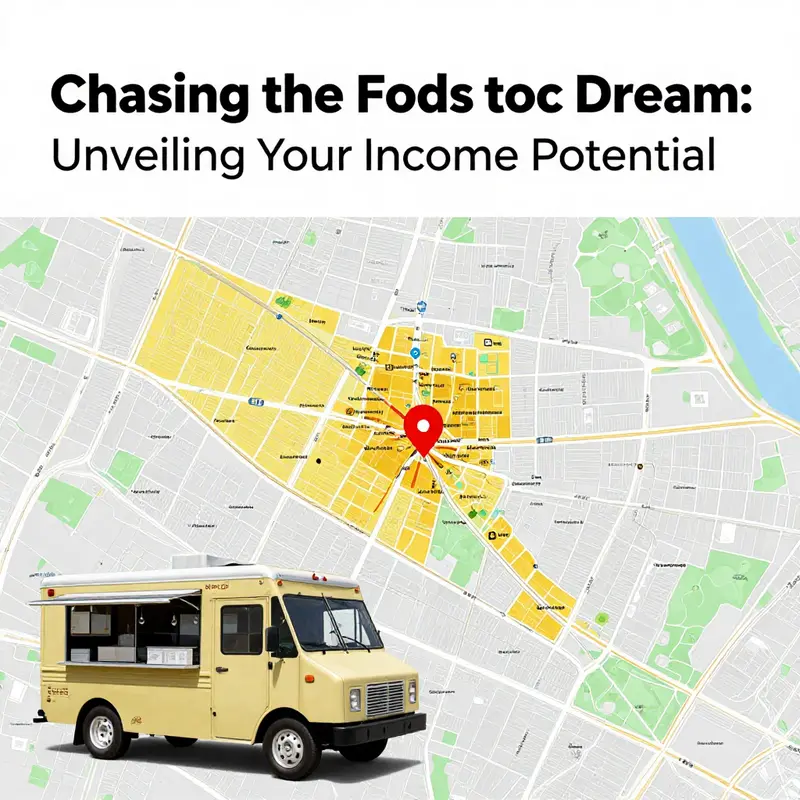
Location is where the money begins and ends for a food truck. A kitchen on wheels can turn out exceptional flavors, but if you park where people barely pass by, even the best dish looks like a mirage. The most successful operators treat location as a live part of their product strategy, not a backdrop. They read the streets the same way a chef reads a recipe: with attention to the ingredients—population density, workday rhythms, nearby amenities, and the tempo of the city. The formula is simple in concept and demanding in execution: park where large numbers of potential customers move through during peak times, ensure easy access for people on foot and by transit, and align the menu with what commuters and office workers will actually buy in minutes. This means choosing spots near dense business districts, near transit concourses, or at events where community calendars draw crowds. It also means anticipating weather, seasonal shifts, and the competitive landscape—because location isn’t static; it evolves with seasons, new developments, and changes in demand. The value of a location grows when a truck can consistently funnel a steady stream of hungry people across a predictable slice of time, turning a few dozen sales into a reliable daily heartbeat.
From there, the practical magic happens. A well-placed truck benefits from the synergy of high visibility and fast service, especially during lunch hours when business professionals crave quick, satisfying meals and reset their routines. A brisk, smiling line can signal value and speed, while a line that never forms can erode confidence in a brand. That is why many operators cultivate a rotating map of hot zones—core business neighborhoods during weekdays, college or hospital campuses during weekends, and festival or street fair corridors when seasonal calendars swing into full swing. The timing matters as much as the place. Even on an ordinary Tuesday, a truck that anchors near a busy transit hub and offers a remarkably quick, high-quality option can outpace a more glamorous yet poorly timed competitor parked in an empty alley. The combination of location and timing shapes not only daily revenue but also customer impressions. People may discover a truck once while commuting, become fans because of a friendly, remembered encounter, and return at the next opportunity, building a habit that sustains growth.
Market growth and demand are not accidental either. The global food trucks market is projected to expand meaningfully in the coming years, a signal that opportunities will multiply in cities that support street-food culture and adaptable logistics. Analysts project growth from about 2.88 billion dollars in 2026 to more than 4.1 billion by the mid-2030s, underscoring that a clever operator can leverage location to ride an expanding tide rather than fight for scraps in a shrinking shoreline. In practical terms, this means that the best locations may yield stronger competition for prime spots, but the resulting demand can sustain higher throughput if service and menu design are aligned with local tastes and lifestyles. This is where regional preferences become a compass. A Southern-style BBQ truck in a city with a strong appetite for regional flavors can carve out a loyal following during weekend markets or outdoor events, while a beverage-forward concept—coffee, smoothies, and fresh juices—tends to excel in urban cores and near college campuses, where students and workers value speed and convenience. The advantage here is not simply the product but the speed, consistency, and adaptability of the operation.
Still, location is not a silver bullet. Operational costs, permits, and zoning rules weigh heavily on profitability and must be balanced against foot traffic. Large metropolises often demand higher permit fees and stricter compliance, and the most vibrant blocks can host intense competition that drives prices and labor costs upward. In some markets, the same density that delivers volumes also raises overhead through maintenance, waste disposal, and insurance. In such contexts, the cost side is a real constraint, and the optimal strategy blends high-traffic location with sensible overhead. Regions where upfront costs are lower and regulatory hurdles are more predictable can offer favorable conditions for experimentation and growth. The Philippines, for example, has regions where lower upfront costs and simpler logistics support street-vendor operations, enabling more flexible experimentation and rapid iteration. Those cost advantages can tip the balance in favor of profitable locations where the incremental revenue from extra sales is not swallowed by overhead, allowing entrepreneurs to pursue more ambitious location strategies without tying up capital in fixed assets. The reality is that profitability is a balancing act: you want the highest-earning spots, but you also want to control costs and avoid overextending resources in a single location. To navigate this, many operators design a portfolio approach—a mix of anchor spots with steady weekend traffic, plus a rotating set of pop-up locations that test new neighborhoods without overcommitting.
That balancing act is where the art of pricing, product differentiation, and customer relationships intersect with geography. Price discipline matters; value-based pricing—charging for what customers perceive as meaningful value—often yields higher margins in busy corridors where options are plentiful. This sometimes means offering a core, high-turnover menu alongside occasional premium items that respond to local tastes or seasonal cravings. The most successful owners pair a crisp, reliable pre-order or pick-up system with a willingness to adapt to demand signals. A recent real-life example from February 2026 illustrates this perfectly: a truck operator who endured a loss of three hundred dollars a day suddenly posted a day of over twelve hundred dollars in revenue. The catalyst was not one dramatic hack but a composite of attentive competitor observation, careful product experimentation to perfect a crispy batter, and the introduction of a high-protein, low-fat option that appealed to health-conscious customers. The operator also leaned into a human touch—remembering regulars by name, greeting them warmly, and asking for feedback—while building an efficient pre-order workflow that reduced wait times. Even on a rainy day, when the owner felt inclination to cancel, loyalty and pre-orders carried the day, illustrating that thoughtful location choices coupled with operational discipline can sustain revenue even when weather and mood tilt against you. The story is not just about a single moment of luck; it demonstrates how location, demand, and process improvements intersect to shift the trajectory of earnings from fragile to resilient.
The practical takeaway for anyone planning to own a food truck is to think of location as a dynamic asset. Start by identifying high-traffic nodes near workplaces, campuses, transit corridors, and event venues, then map out a schedule that aligns with peak demand windows. Monitor foot traffic patterns with a simple, repeatable method—maybe a weekly tally on lunch-hour lines or a quick survey at different times of day—and adjust the route or concept to fit what the data reveals. Build dexterity in operations so you can pivot quickly when demand shifts, and couple that with a pricing approach that reflects both perceived value and actual costs. A menu that differentiates you from nearby options—through better batter, more efficient cooking times, or a focus on healthier options without sacrificing flavor—can command the same price point in a crowded block while enjoying faster service. This is where the broad market trends meet local practice: a market that is growing offers more opportunities, but only if you connect with the community you serve, understand what they value, and tailor both your product and your delivery to meet those expectations precisely.
For practical guidance on local rules and permits, see navigating-food-truck-industry-regulations. It is not a guarantee of success, but a resource to keep you aligned with the realities of location-based profitability and to help you avoid common compliance pitfalls as you explore new venues and seasons.
External reference: Market growth trends and forecasts can be found here: https://www.marketresearchfuture.com/reports/food-truck-market-1593
Menu Innovation on Wheels: Turning Tasty Dishes into Higher Profits for Your Food Truck
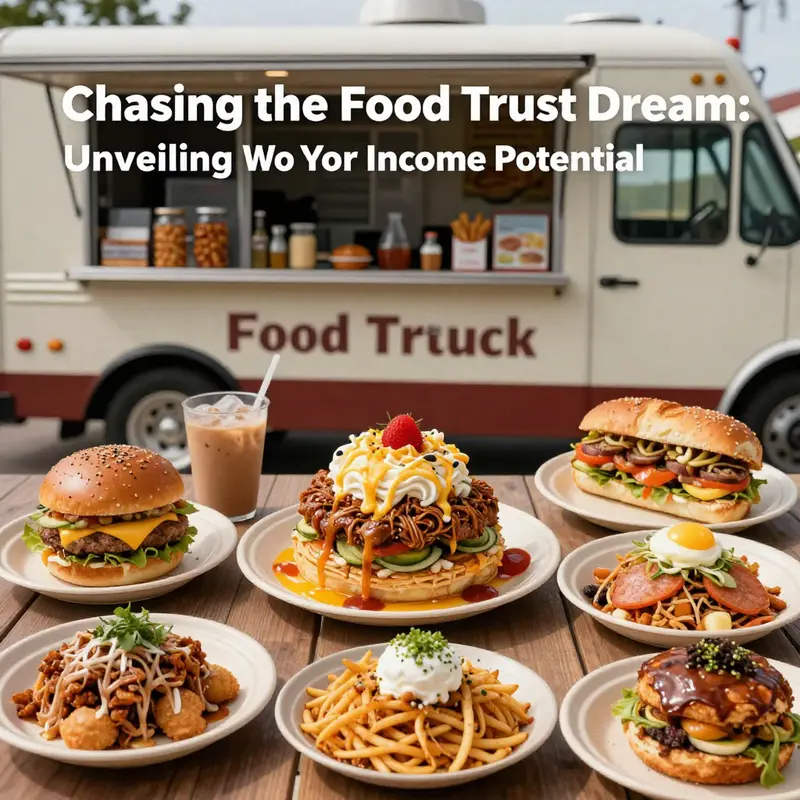
In the world of mobile kitchens, the menu is not just a list of items; it is a strategic instrument. It signals quality, sets expectations, and guides how you allocate time, space, and ingredients. When you ask how much money you can make owning a food truck, you must acknowledge that revenue is a function of several intertwined choices. Menu innovation is often the fastest lever to lift both top line and margins because it directly affects customer appeal, pricing power, and repeat business. A thoughtful menu can transform a slow day into a steady stream of orders and, over time, push a business toward profitability even in markets that are crowded or price-sensitive.
Differentiation begins with the right mix of offerings. Food trucks that stand out typically do one of three things: they offer unique, high-margin dishes that people cannot easily copy; they lean into plant-based or culturally inspired options that tap into growing demand; or they emphasize locally sourced ingredients that tell a story customers are willing to pay for. Each approach creates a perception of value beyond the plate. A fusion item that marries flavors from neighboring culinary traditions can command price premiums when the execution is crisp and consistent. Plant-based recipes are not just a trend; they are a sustainable path to higher margins because they can reduce waste and leverage scalable protein alternatives. And when ingredients come from local suppliers, the truck can market fresh, seasonal menus that justify higher price points while supporting community relationships. In this sense, menu innovation is as much about storytelling as it is about food science.
Perceived value is the currency of a profitable menu. A menu that looks cohesive, priced clearly, and aligned with the truck’s branding elevates what customers think they are getting. It is not merely the taste; it is the overall experience—from the moment the line forms to the moment the plate meets the mouth. Great menus incorporate a few signature items that customers remember, as well as reliable staples that guarantee consistency. When customers perceive higher value, they are more forgiving of minor price increases and more willing to try something new. In this way, menu design becomes a tool for retention as much as acquisition. The best operators still iterate relentlessly, adjusting recipes, testing toppings, and refining portion sizes based on real-world feedback. The endgame is a menu that feels both premium and practical, encouraging longer queues on busy days and repeat visits on slower ones.
The behavioral impact of a well-planned menu is measurable. A strategically developed list encourages higher average tickets because premium options are presented as logical upgrades. It also nudges customers toward combinations that maximize preparation efficiency and reduce waste, which lowers unit costs. Bundling meals with drinks or sides, offering a value-priced lunch combo, or introducing a loyalty-driven pre-order discount can shift ordinary customers into regulars. The pre-order system matters as much as the recipe: it moves demand to predictable windows, enabling better staffing and kitchen sequencing. When orders arrive with clear pickup times, the truck can optimize the cooking cadence, decreasing idle time and time-to-delivery. All of these factors compound to improve cash flow, even before a single new item is added to the menu.
Industry data from 2025 paints a broader picture of potential revenue. Monthly gross revenues for food trucks typically range from 20,000 to 50,000, but the range can widen with location, operating hours, and price architecture. In high-demand urban cores or near universities, the volume of customers can sustain more ambitious price points and a more expansive menu, while still preserving margins through high turnover and efficient operations. The exact mix matters: price points that reflect perceived value, not just cost, can tilt the arithmetic in favor of higher profits. Menu development that actively cultivates customer loyalty tends to push the revenue toward the higher end of the spectrum. A well-structured menu also supports marketing ambitions, because it gives customers recognizable reasons to seek you out—an important factor when shoppers weigh options in a crowded street food ecosystem.
To translate menu ideas into real profit, operators need to blend experimentation with disciplined cost management. The February 2026 case study stands out as a vivid reminder of what can be achieved when a truck owner combines competitive intelligence, product experimentation, and customer-centric operations. The operator carefully observed competitors to identify gaps in the local market and tested a band of new ideas, notably a crispy batter with an adjustable crisp factor that kept bites consistently crunchy from first bite to last. They introduced a high-protein, low-fat option to appeal to health-conscious diners who still crave flavor, and they leaned into building relationships through genuine ‘human touch’—friendly greetings, quick name recall, and targeted, personalized communications. A robust pre-order system reduced waste and stabilized revenue streams, even when weather turned soggy. On a rainy shift, the business did not fold; it earned 1,202 dollars because loyal customers showed up and the pre-orders kept the line moving. That story is not just about one lucky day; it demonstrates how durable brand loyalty, paired with operational agility, can convert a difficult environment into a profitable one.
If the aim is sustainable growth, the menu must be designed for efficiency as well as appeal. Item selection should consider not only taste but cross-utilization of ingredients across several dishes, enabling faster prep and lower procurement risk. A lean core menu with a handful of high-margin specialty items can be paired with seasonal additions to maintain interest without inflating complexity. This is where value-based pricing becomes a practical framework. Rather than simply marking up cost, operators can price items to reflect the value delivered to the customer—portion size, uniqueness, health attributes, or the story behind the dish. Such pricing acknowledges customers’ willingness to pay for reliable quality and a compelling narrative, while still leaving room for occasional promotions that drive traffic during slower hours. In a landscape where price sensitivity is real, customers often equate higher value with better overall outcomes: a satisfying meal that fits their budget, served quickly, and backed by a consistent, friendly service experience. The practical aim is to balance menu breadth with execution capability so each item can be produced consistently at scale.
The way a menu communicates itself can be as important as the items themselves. This is where branding and menu design converge. A cohesive identity helps customers quickly translate perceived value into willingness to pay. The visuals, typography, and even the naming of dishes create expectations that shape the dining experience. For operators who want to go beyond the plate, aligning menu items with a broader branding strategy increases the odds of repeat business. The concept of branding on wheels, which emphasizes a strong visual identity and consistent messaging across touchpoints, is a reminder that your menu is part of a larger story. If you want to explore how branding can support menu-driven revenue, see the branding on wheels article. The link is a practical reminder that strong identity can amplify perceived value and help justify premium pricing in busy markets.
Beyond the kitchen, there are practical channels through which menu innovation can translate into higher earnings. Pre-orders become a source of demand stability, especially when there is a robust digital backbone. An integrated ordering system that communicates with social media, email alerts, and place-and-pay workflows can convert casual browsers into scheduled pickups. Efficient kitchen layouts and workflow design make it possible to handle dynamic menus without sacrificing quality. Because a significant portion of revenue can come from repeat customers, loyalty programs that reward returning buyers with limited-time items or early access to new dishes can keep customers engaged week after week. Some operators even explore partnerships with local events or campus communities, offering exclusive menus during exam periods or seasonal celebrations. In this way, a flexible, test-and-scale approach to menu development becomes a practical engine for growth rather than a mere artistic pursuit.
For some operators, a deeper channel exists beyond the traditional truck operation. Specialized operations, particularly those integrated into larger logistics networks, may secure long-term contracts with manufacturers for parts delivery or other services, yielding stable, high-volume revenue streams. While this chapter focuses on menu innovations as a driver of profitability, it is worth noting that revenue diversity can further strengthen the business model by smoothing cash flow and expanding demand horizons. With careful planning, a single truck can support a platform of branded experiences, partner collaborations, and recurring orders that collectively increase monthly earnings and reduce the risk inherent in seasonal or weather-related fluctuations.
As you consider your own menu strategy, keep the endgame in view: profitability, resilience, and the ability to scale as demand shifts. Menu innovation is not a one-off set of recipes but a living system that adapts to competitors, customers, and the rhythms of the city. When you treat your menu as a strategic asset, you empower every shift to contribute to the bottom line. The concrete steps—the tests, the tastings, the price experiments—are not distractions; they are investments in a clearer value proposition and a more predictable path to income. By weaving product differentiation, operational efficiency, and customer relationships into the daily routine, a food truck can become not just a way to earn money but a sustainable business with meaningful revenue potential.
External resource: https://www.restaurant.org/industry-trends/food-truck-trends-2025
null
null
Final thoughts
Owning a food truck presents a tremendous opportunity to blend passion and profit. By understanding and navigating the various income streams, operational costs, market dynamics, menu innovation, and customer engagement strategies, aspiring food truck operators can significantly enhance their earning potential. Whether you’re an event planner seeking unique catering options, a corporate HR professional exploring team-building meals, or a food enthusiast with a desire to indulge in culinary creativity, the food truck business is rich with possibilities. Embrace these insights to embark or elevate your own food truck journey, ensuring it not only satisfies appetites but also drives sustainable income.