
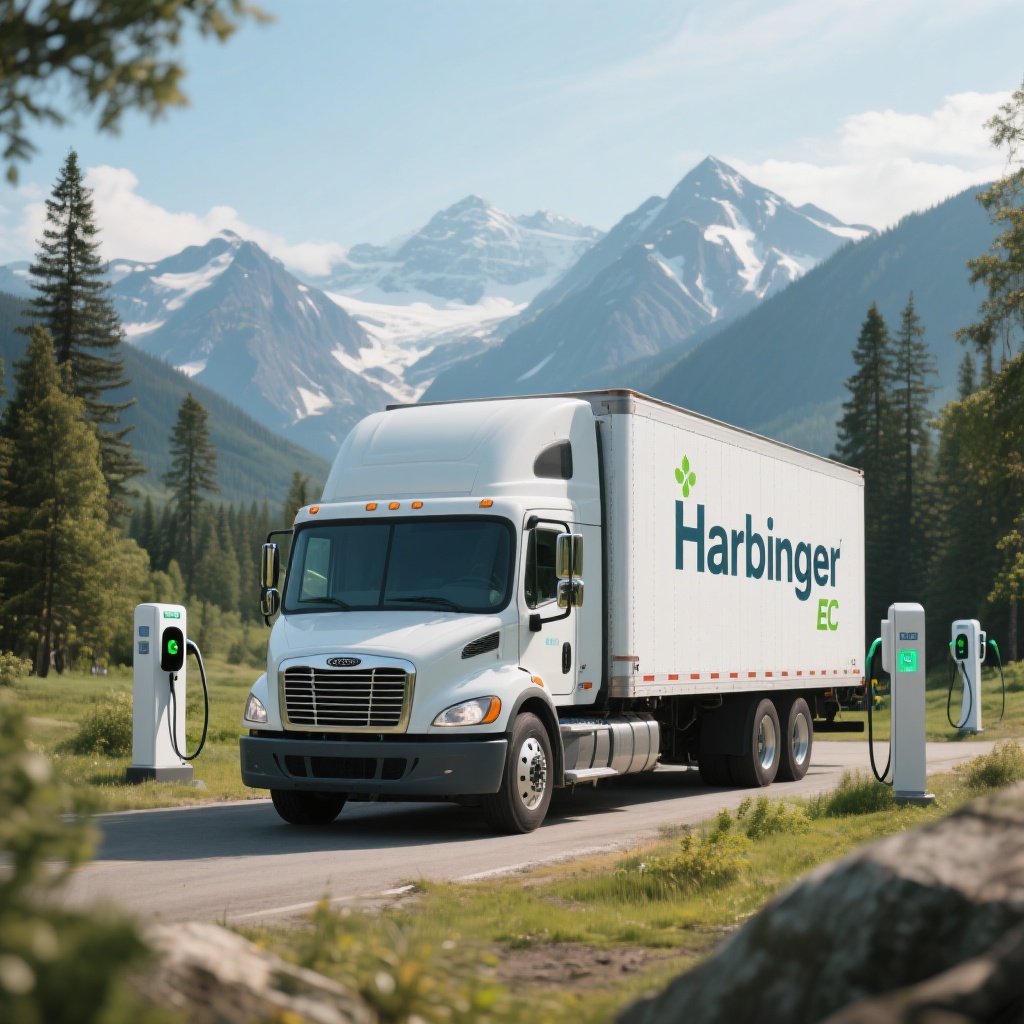
In an important period for transportation, electric trucks represent a significant step toward sustainability in Canada. Harbinger, a maker of electric medium-duty trucks, is leading this charge by changing the commercial vehicle landscape. Their innovative trucks are designed to lower carbon emissions while ensuring efficiency and high performance.
As Harbinger officially enters the Canadian market, businesses now have access to durable and eco-friendly options as alternatives to gas and diesel trucks. The availability of Harbinger trucks across all provinces and territories marks a key moment in the movement toward greener transportation solutions that serve a variety of needs.

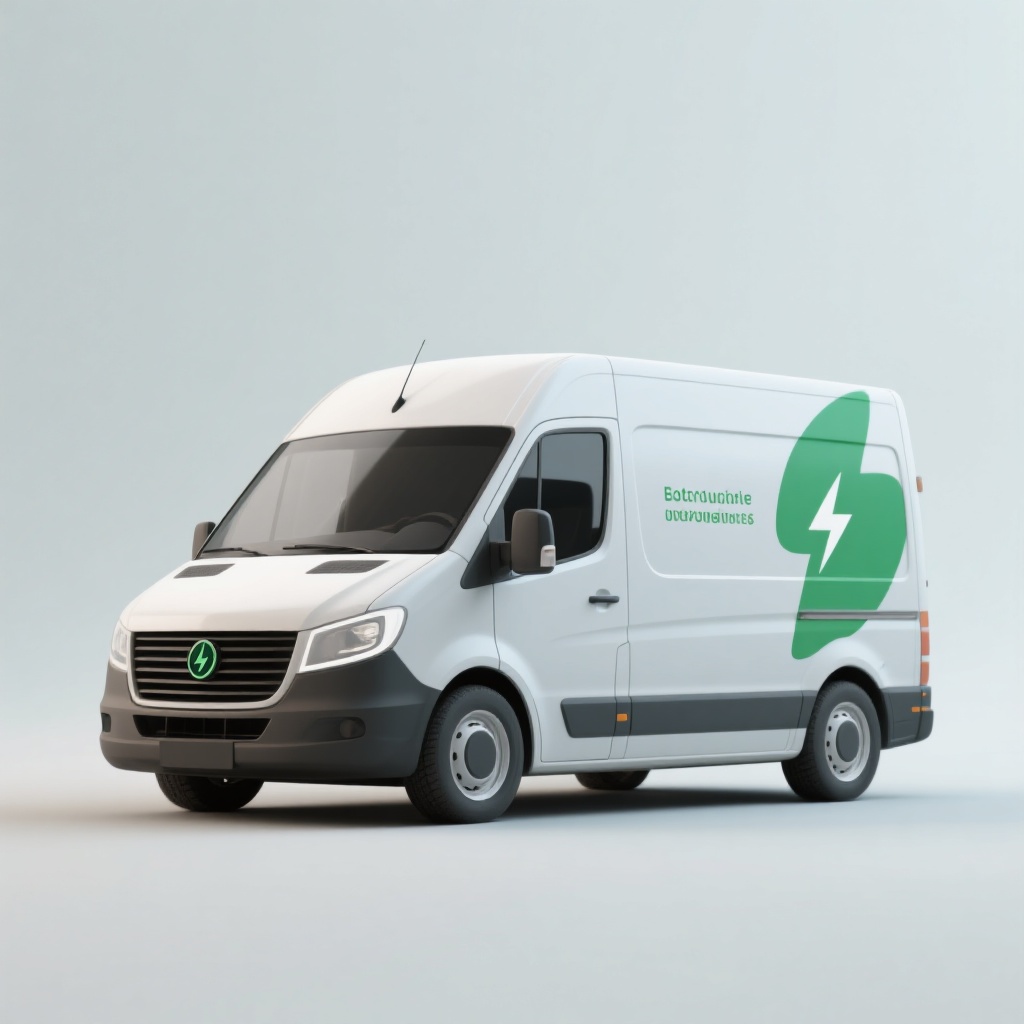

This visual embodies the essence of sustainability efforts in Canada. Through imagery of lush nature, eco-friendly symbols, and charging stations, it captures the commitment towards a greener future.
Harbinger’s Vehicle Features
Harbinger electric trucks are engineered with innovation and adaptability at their core, catering to various commercial needs while promoting environmental sustainability. The trucks are equipped with formidable power ratings ranging from 140 kWh to 210 kWh, offering a driving range of up to 338 kilometers on a single charge. This makes them exceptionally suitable for medium-duty applications, where the daily operational demands are significant yet can benefit from electric efficiency.
One notable feature is the 10-year warranty covering the battery, motor, and frame, assuring buyers of the longevity and durability of their vehicle. The overall vehicle also enjoys a 5-year warranty, reinforcing trust in Harbinger’s commitment to quality and performance.
Customization is a key advantage with Harbinger trucks. Available wheelbases include 158, 178, and 208 inches, allowing businesses to tailor the vehicle for various operational requirements. Whether utilized as delivery vans, utility trucks, or specialized vehicles for unique tasks like disaster response, the versatility in configurations aids in optimizing workflow and efficiency.
The environmental benefits of Harbinger trucks are profound. By emitting zero tailpipe emissions, these vehicles significantly reduce the carbon footprint compared to their gasoline and diesel counterparts. This aligns with the growing emphasis on sustainability in transportation and logistics industries, where adopting electric solutions is increasingly seen as both a responsibility and a competitive edge.
The market potential for Harbinger electric trucks appears robust, especially as more businesses seek environmentally friendly alternatives. With 80% of medium-duty applications deemed suitable for electric vehicle integration, Harbinger’s entry into the Canadian market comes at an opportune time, addressing both regulatory pressures and corporate sustainability goals.
| Truck Model | Battery Range | Load Capacity | Warranty | Price |
|---|---|---|---|---|
| Harbinger Electric Truck | Up to 338 km | Up to 5,000 lbs (approx.) | 10 years (battery), 5 years (full vehicle) | Starting at CAD $150,000 |
| Ford E-Transit | Up to 208 km | 3,800 lbs | 3 years/60,000 miles | Starting at CAD $75,000 |
| Workhorse C-Series | Up to 160 km | 6,000 lbs | 3 years | Starting at CAD $120,000 |
Note: Prices are estimates and can vary based on model specifications and regional availability.
This comparison table showcases crucial attributes such as battery range, load capacity, warranty, and price, highlighting the competitive edge that Harbinger aims to achieve in the growing electric truck marketplace in Canada.
| Truck Model | Battery Range | Load Capacity | Warranty | Price |
|---|---|---|---|---|
| Harbinger Electric Truck | Up to 338 km | Up to 5,000 lbs (approx.) | 10 years (battery), 5 years (full vehicle) | Starting at CAD $150,000 |
| Ford E-Transit | Up to 208 km | 3,800 lbs | 3 years/60,000 miles | Starting at CAD $75,000 |
| Workhorse C-Series | Up to 160 km | 6,000 lbs | 3 years | Starting at CAD $120,000 |
Note: Prices are estimates and can vary based on model specifications and regional availability.
This comparison table showcases crucial attributes such as battery range, load capacity, warranty, and price, highlighting the competitive edge that Harbinger aims to achieve in the growing electric truck marketplace in Canada.
Market Reception of Harbinger Electric Trucks
The industry reception of Harbinger’s electric trucks has been overwhelmingly positive, indicating a strong demand for sustainable alternatives within the commercial vehicle sector. John Harris, CEO of Harbinger, noted,
“The industry reception to Harbinger vehicles to date demonstrates a strong appetite for durable, affordable, and environmentally friendly alternatives to supplement gas and diesel fleets.”
This sentiment echoes a broader industry trend, as businesses increasingly pivot towards electric options to meet regulatory pressures and corporate sustainability goals.
Phillip Weicker, Harbinger’s President, expressed personal pride in the company’s launch in Canada, stating,
“As a Canadian who has worked my entire career in the automotive and EV space, selling vehicles in Canada is a milestone for me.”
This introduction signifies not just a business expansion, but also a commitment to promoting greener transportation solutions across all provinces and territories.
The appetite for electric vehicles is particularly strong in Canada, fueled by an evolving landscape where businesses recognize the need to transform their fleets. With the Canadian government promoting electric vehicle adoption and expanding charging infrastructure, the timing aligns perfectly with Harbinger’s ambitious market entry. According to an industry report, 80% of medium-duty applications are deemed suitable for electric vehicles, highlighting Harbinger’s potential in this under-served segment of the market.
Market Reception of Harbinger Electric Trucks
The industry reception of Harbinger’s electric trucks has been overwhelmingly positive, indicating a strong demand for sustainable alternatives within the commercial vehicle sector. John Harris, CEO of Harbinger, noted,
“The industry reception to Harbinger vehicles to date demonstrates a strong appetite for durable, affordable, and environmentally friendly alternatives to supplement gas and diesel fleets.”
This sentiment echoes a broader industry trend, as businesses increasingly pivot towards electric options to meet regulatory pressures and corporate sustainability goals.
Phillip Weicker, Harbinger’s President, expressed personal pride in the company’s launch in Canada, stating,
“As a Canadian who has worked my entire career in the automotive and EV space, selling vehicles in Canada is a milestone for me.”
This introduction signifies not just a business expansion, but also a commitment to promoting greener transportation solutions across all provinces and territories.
The appetite for electric vehicles is particularly strong in Canada, fueled by an evolving landscape where businesses recognize the need to transform their fleets. With the Canadian government promoting electric vehicle adoption and expanding charging infrastructure, the timing aligns perfectly with Harbinger’s ambitious market entry. According to an industry report, 80% of medium-duty applications are deemed suitable for electric vehicles, highlighting Harbinger’s potential in this under-served segment of the market.
Canada’s Electric Vehicle Availability Standard mandates that 20% of new medium- and heavy-duty vehicle sales must be zero-emission by 2030, increasing to 60% by 2040. This regulatory framework not only underscores the government’s commitment to sustainable transportation but also enhances market certainty for manufacturers aiming to invest in electric trucks. For further details, you can visit the Government of Canada’s official page on Canada’s Electric Vehicle Availability Standard and read about how these regulations will impact the trucking industry on Truck News.
Additional insights into the regulations and their impact on medium-duty electric truck adoption can be found in a recent analysis by the Pembina Institute, highlighting a potential 300% increase in available electric truck models by 2026. This analysis emphasizes both the market potential and challenges that must be addressed for widespread adoption. For a deeper understanding of these projections, see the report on Medium-Duty Electric Trucks: Market Analysis and Regulatory Impact in Canada.
With these supportive government policies, the market is ready for electric trucks to fill the gaps in commercial fleets, paving the way for more sustainable transportation solutions in the coming years.
User Adoption Data for Electric Medium-Duty Trucks in Canada
Canada’s journey towards electrifying its transportation sector, particularly in the medium-duty truck segment, is gaining momentum. Electric truck manufacturer Harbinger’s recent entry into the Canadian market is buoyed by compelling user adoption statistics and market trends that reveal a robust demand for sustainable solutions.
- Expansion and Demand: Harbinger has successfully raised $160 million in funding earmarked for its expansion into Canada, which demonstrates confidence in the market’s potential. Notably, FedEx, a key customer, has ordered 53 electric truck chassis, reflecting a transition towards large-scale adoption in the medium-duty truck segment.
- Established Competition: The Canadian electric vehicle market is currently led by established players like Lion Electric and GreenPower Motor. Their success indicates a strong foundation for electric medium-duty trucks, supported by government incentives and corporate procurement efforts.
- Growth Projections: The electric commercial vehicle chassis market is projected to grow at an impressive 8.1% annually from 2025 to 2032, suggesting that medium-duty electric trucks will continue to gain traction within the broader Canadian transportation landscape.
- Competitive Environment: Traditional companies like Ford are actively introducing electric models into the medium-duty market, making the landscape competitive. This provides opportunities for new entrants like Harbinger to innovate and differentiate their products in a crowded marketplace.
- Infrastructure Improvements: The growing network of charging infrastructure is significantly enhancing the feasibility of electric medium-duty trucks. This provides a reliable support system for businesses transitioning to electric solutions, further facilitating Harbinger’s timely market entry.
The combination of strong funding, robust competition, and a supportive infrastructure landscape positions Harbinger favorably for its entry into the Canadian market, indicating a bright future for electric medium-duty trucks in the nation.
Benefits of Adopting Electric Trucks
The shift towards electric trucks is more than just a technological advancement; it represents a fundamental transformation in commercial transportation. Here are several key benefits associated with adopting electric trucks, particularly in terms of sustainability, cost savings, and environmental impact.
-
Sustainability and Environmental Benefits
Electric trucks deliver an essential reduction in greenhouse gas emissions. Since they produce zero tailpipe emissions, businesses can significantly decrease their carbon footprints while supporting global sustainability goals. By transitioning to electric vehicles, companies can actively contribute to cleaner air, improved public health, and a reduced climate impact, aligning with increasingly stringent regulatory demands for lower emissions in the transportation sector.
-
Cost Savings
Although the initial investment in electric trucks can be higher than traditional gasoline or diesel vehicles, the long-term savings can be substantial. Electric trucks boast lower operating costs due to reduced fuel expenses and lower maintenance requirements. With fewer moving parts and the elimination of oil changes, the overall vehicle maintenance costs can decrease significantly. Additionally, many governments offer incentives and tax rebates for companies that invest in electric vehicles, further improving their financial attractiveness.
-
Enhanced Operational Efficiency
Electric trucks are equipped with advanced technologies that not only improve their operational capabilities but also help businesses enhance overall efficiency. With instantaneous torque and advanced regenerative braking systems, these trucks can achieve impressive performance levels suited to various applications, from urban deliveries to longer hauls. The quiet operation of electric trucks also allows for night-time deliveries, opening up time windows for logistics operations that are beneficial for businesses strategically.
-
Positive Corporate Image
Adopting electric trucks can enhance a company’s reputation as a forward-thinking and environmentally conscious organization. Businesses that prioritize sustainable practices can attract environmentally-minded consumers and partners, establishing a competitive edge in a market that increasingly favors sustainability. This shift not only boosts brand loyalty but can also improve customer engagement as more individuals seek to support companies committed to green initiatives.
By investing in electric trucks, businesses not only capitalize on the operational and financial benefits but also play a vital role in shaping a sustainable future. As electric trucks become more accessible and technologies continue to evolve, embracing this change is an insightful move that can lead to success in the changing transportation landscape.
Conclusion
In conclusion, the landscape of electric trucks in Canada is undergoing a transformative shift, fueled by innovation and a commitment to sustainability. As companies like Harbinger lead the charge, we witness a growing adoption of electric medium-duty vehicles that promise to redefine transportation for the better. Harbinger stands as a beacon of hope, offering durable, efficient, and environmentally friendly alternatives to traditional fleets. The transition towards these electric solutions not only reflects the industry’s response to climate change but also paves the way for a cleaner, more sustainable future. By investing in electric trucks, businesses are not just optimizing their operations; they are contributing to a global movement towards greener practices. As we look forward, the potential for electric transportation in Canada is immense, and with pioneers like Harbinger shaping the way, we can be excited about the positive impact on our environment and our communities.
Key Points to Remember
- Innovative Solutions: Harbinger is leading the charge with electric medium-duty trucks that provide robust performance and efficiency.
- Sustainability Focus: The transition to electric vehicles helps in significantly reducing carbon emissions, supporting global sustainability goals.
- Market Potential: A strong demand exists for sustainable alternatives in the commercial vehicle sector, with 80% of medium-duty applications considered suitable for electric vehicles.
- Government Support: Canadian government policies promote electric vehicle adoption, further bolstering the market for electric trucks.
- Corporate Responsibility: Investing in eco-friendly transport solutions is not just beneficial for business operations but also enhances corporate image and responsibility towards environmental sustainability.
The journey to sustainable transportation has just begun, and the future is indeed bright.
Benefits of Adopting Electric Trucks in Canada
The shift towards electric trucks, particularly medium-duty electric trucks, represents a fundamental transformation in commercial transportation. Here are several key benefits associated with adopting electric trucks, especially in terms of sustainability, cost savings, and environmental impact.
1. Sustainability and Environmental Benefits
Electric vehicle adoption in Canada provides essential reductions in greenhouse gas emissions. Since electric trucks produce zero tailpipe emissions, businesses can significantly decrease their carbon footprints while supporting global sustainability goals. By transitioning to electric trucks, companies can actively contribute to cleaner air, improved public health, and a reduced climate impact, aligning with increasingly stringent regulatory demands for lower emissions in the transportation sector.
2. Cost Savings
Although the initial investment in electric trucks can be higher than traditional gasoline or diesel vehicles, the long-term savings can be substantial. Medium-duty electric trucks boast lower operating costs due to reduced fuel expenses and lower maintenance requirements. With fewer moving parts and the elimination of oil changes, the overall vehicle maintenance costs can decrease significantly. Additionally, many governments offer incentives and tax rebates for companies that invest in electric vehicles, further improving their financial attractiveness.
3. Enhanced Operational Efficiency
Electric trucks are equipped with advanced technologies that not only improve their operational capabilities but also help businesses enhance overall efficiency. With instantaneous torque and advanced regenerative braking systems, these trucks can achieve impressive performance levels suited to various applications, from urban deliveries to longer hauls. The quiet operation of electric trucks also allows for night-time deliveries, opening up time windows for logistics operations that are beneficial for businesses strategically.
4. Positive Corporate Image
Adopting electric trucks can enhance a company’s reputation as a forward-thinking and environmentally conscious organization. Businesses that prioritize sustainable practices can attract environmentally-minded consumers and partners, establishing a competitive edge in a market that increasingly favors sustainability. This shift not only boosts brand loyalty but can also improve customer engagement as more individuals seek to support companies committed to green initiatives.
By investing in electric trucks, particularly medium-duty electric trucks, businesses not only capitalize on the operational and financial benefits but also play a vital role in shaping a sustainable future. As electric trucks become more accessible and technologies continue to evolve, embracing this change is an insightful move that can lead to success in the changing transportation landscape.
Market Reception of Harbinger Electric Trucks
The industry reception of Harbinger’s electric trucks has been overwhelmingly positive, indicating a strong demand for sustainable alternatives within the commercial vehicle sector. John Harris, CEO of Harbinger, noted, “The industry reception to Harbinger vehicles to date demonstrates a strong appetite for durable, affordable, and environmentally friendly alternatives to supplement gas and diesel fleets.” This sentiment echoes a broader industry trend, as businesses increasingly pivot towards electric options to meet regulatory pressures and corporate sustainability goals.
Phillip Weicker, Harbinger’s President, expressed personal pride in the company’s launch in Canada, stating, “As a Canadian who has worked my entire career in the automotive and EV space, selling vehicles in Canada is a milestone for me.” This introduction signifies not just a business expansion, but also a commitment to promoting greener transportation solutions across all provinces and territories.
The appetite for electric vehicles is particularly strong in Canada, fueled by an evolving landscape where businesses recognize the need to transform their fleets. With the Canadian government promoting electric vehicle adoption in Canada and expanding charging infrastructure, the timing aligns perfectly with Harbinger’s ambitious market entry. According to an industry report, 80% of medium-duty applications are deemed suitable for electric vehicles, highlighting Harbinger’s potential in this undersupplied segment of the market.
Canada’s Electric Vehicle Availability Standard mandates that 20% of new medium- and heavy-duty vehicle sales must be zero-emission by 2030, increasing to 60% by 2040. This regulatory framework not only underscores the government’s commitment to sustainable transportation but also enhances market certainty for manufacturers aiming to invest in electric trucks. For further details, you can visit the Government of Canada’s official page on Canada’s Electric Vehicle Availability Standard and read about how these regulations will impact the trucking industry on Truck News.
Additional insights into the regulations and their impact on medium-duty electric truck adoption can be found in a recent analysis by the Pembina Institute, highlighting a potential 300% increase in available electric truck models by 2026. This analysis emphasizes both the market potential and challenges that must be addressed for widespread adoption. For a deeper understanding of these projections, see the report on Medium-Duty Electric Trucks: Market Analysis and Regulatory Impact in Canada.
With these supportive government policies, the market is ready for electric trucks to fill the gaps in commercial fleets, paving the way for more sustainable transportation solutions in the coming years.