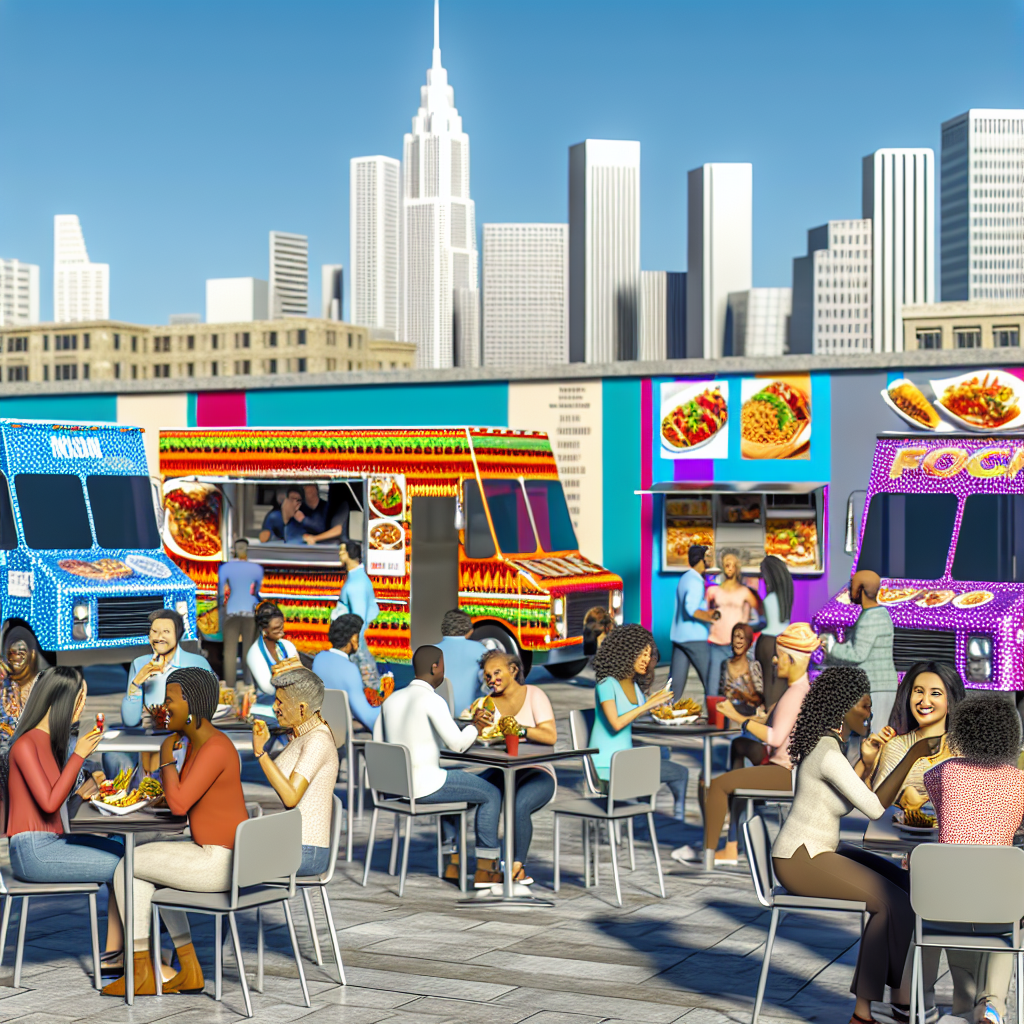
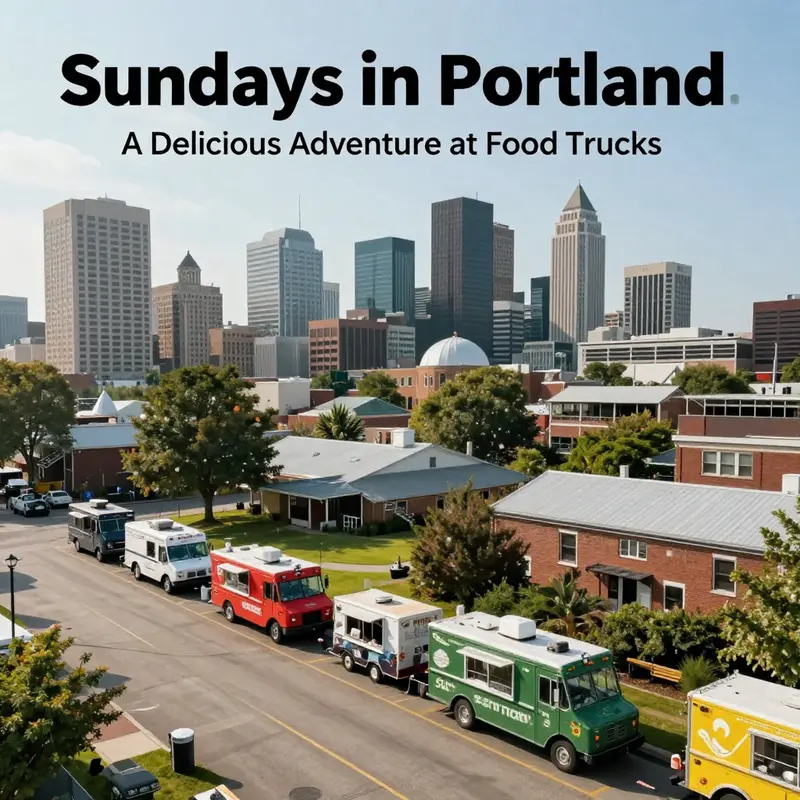
Portland’s food truck scene is a vibrant tapestry of flavors and cultures, and Sundays are no exception. For event planners, community groups, and enthusiastic foodies alike, understanding which food trucks are open can elevate your culinary experiences. Whether you’re organizing an outdoor event or simply looking for a casual Sunday outing, the city’s food trucks come alive with diverse offerings. This article dives into the thriving scene, revealing key locations where you can find food trucks buzzing with activity, essential resources for tracking down your favorites, and the cultural significance these mobile kitchens hold on Sundays in Portland. Get ready to explore just how exciting Sundays can be when you embrace the food truck culture!
Sundays on Wheels: Where and When Portland Food Trucks Serve You on Sunday
Sundays on Wheels: Where and When Portland Food Trucks Serve You on Sunday
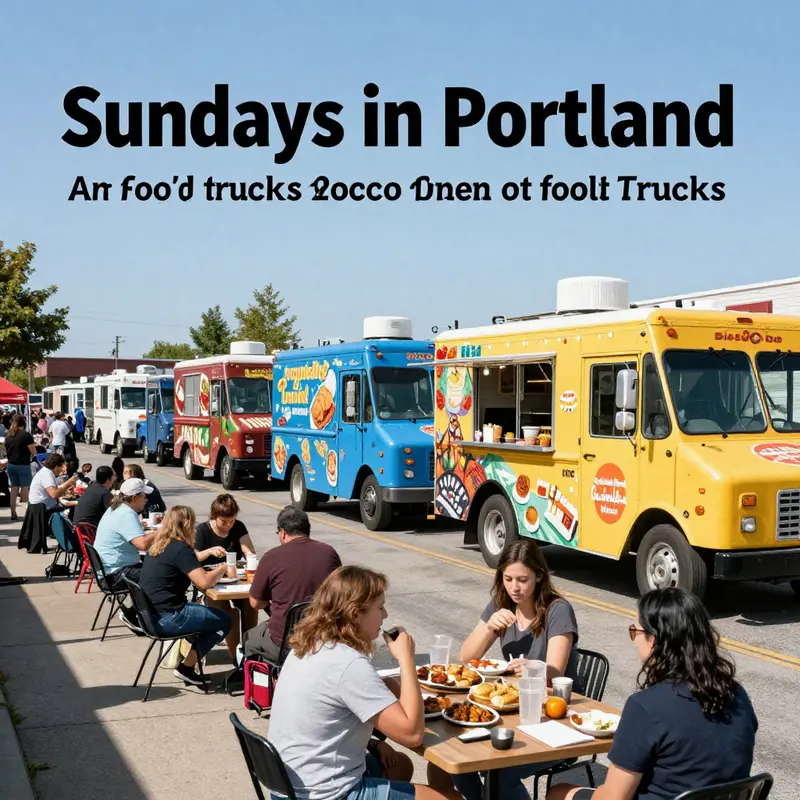
In Portland, Sundays are part of the week when food trucks shift from being an alternative to becoming a reliable destination. Many carts and trucks operate regularly on Sundays. Popular cart pods and market sites often keep at least a handful of vendors open. That means whether you want a late breakfast taco, an afternoon snack, or dinner from an international kitchen on wheels, you can usually find something delicious. This chapter explains the typical Sunday patterns, where trucks tend to gather, and how to plan so you get the best experience.
Several established gathering spots anchor Sunday food truck activity. Neighborhood pods in the Pearl District and Southeast Portland routinely see vendors on Sunday. The Lloyd District and sections of the South Waterfront commonly host trucks that serve downtown workers and visitors. A notable example is a weekend market that runs both Saturday and Sunday in some locations. These markets often advertise their weekend hours and become hubs for multiple carts to operate through Sunday.
Vendors themselves vary in how they handle Sunday service. Some carts treat Sunday as a regular business day and publish consistent hours. Others rotate the days they operate, using Sunday for rest, prep, or private events. Special events and local holidays also affect schedules. Wedding catering, festivals, or private bookings can pull trucks away from public pods. That variability is why you will see some carts open every Sunday and others only occasionally.
Weather and seasons shape how many trucks will be on site. In mild months, pods expand, and more vendors commit to weekend hours. Rainy or unusually cold Sundays can reduce the number of active carts, particularly those without sheltered seating or adequate weatherproofing. Many food truck operators adjust their schedules with the seasons, taking advantage of higher foot traffic in warmer months and scaling back in quieter periods.
Crowd dynamics on Sundays differ from weekday lunch rushes. Late mornings through early afternoons draw families and visitors looking to browse multiple options. Evenings can be quieter in certain neighborhoods, but they often pick up near entertainment areas. If you prefer shorter lines, aim for mid-afternoon or early dinner, depending on the neighborhood’s rhythm. For popular carts with cult followings, expect lines regardless of the day. Those vendors often post estimated wait times on social media.
Finding out whether a specific truck is open on a given Sunday is usually quick if you use a few reliable methods. Many vendors post daily hours on social media platforms and update followers about closures or special hours. Some carts also maintain simple websites or directories that list regular schedules. For a broader view, official directories and local tourism calendars compile vendor lists and event times. Those resources help you locate pods with multiple trucks open on Sunday.
Practical tips can make a Sunday food truck run easier. First, check the vendor’s social presence or directory listings the night before. That reduces surprise closures. Second, bring the right payment method. Most trucks accept cards, but a few still prefer cash for smaller transactions. Third, expect limited seating at many pods. Bring a blanket or plan to walk to nearby parks or public benches when seating is scarce. Fourth, if you have dietary restrictions, look up menus in advance. Many carts offer vegan, gluten-free, or allergy-aware options and will list ingredients when asked.
If you drive, plan for parking and accessibility at the pod. Pods near downtown can have limited street parking on Sundays because of neighborhood events or church services. Other pods provide nearby paid lots or easy transit access. For operators, parking and logistical concerns influence where trucks set up and when. If you manage a truck or plan a pop-up, resources on resolving parking and site challenges can help. For practical advice on parking logistics and operating on confined sites, consider reading a detailed resource about mastering food truck parking challenges to understand the realities vendors face.
Neighborhoods each have distinct Sunday personalities. The Pearl District combines morning shoppers and evening diners, so hours can stretch across the day. Southeast Portland leans more local and relaxed, with community pods that attract regulars and families. The Lloyd District sees steady foot traffic because of nearby employers and event venues, making it a reliable place for Sunday operations. In tourist-heavy areas like waterfront markets, Sunday hours can match Saturday’s, drawing both locals and visitors.
Many pods operate as rotating marketplaces. That rotation means you will often discover new vendors on Sunday. Carts share space, swap spots, and invite guest vendors. Rotations keep menus fresh and encourage repeat visits. For food lovers, that dynamic is one of the city’s best features. You can eat from a well-known vendor and then find an experimental pop-up mini-restaurant next door.
Sunday closures do happen for two main reasons. One is operator choice. Running a truck seven days a week takes a toll, so many owners schedule at least one rest day. The second is event-driven absence. Private bookings, catering jobs, and festival calls can pull trucks away from their usual pods. That is especially true during summer festival season. For those reasons, always confirm a cart’s presence if you are planning around it.
Local regulatory and licensing practices also shape Sunday service. Food carts must comply with city rules and vendor permits. Those rules determine approved locations and days of operation. Some pods operate under specific agreements that offer weekend openings. Understanding permit constraints gives insight into why certain pods are more active on Sundays than others. For vendors contemplating how to expand weekend hours, navigating local regulations is an important step.
If you plan to explore multiple carts in one outing, map your route. Group pods and markets are often within walkable distance in central neighborhoods. Start at a market that runs both weekend days. That increases the likelihood of finding a wider selection. If you want to avoid crowds, go early. If you want the full social vibe, visit in mid-afternoon when families and visitors mingle.
Sunday dining at food trucks also offers budgeting advantages. Many vendors run weekend specials, sampler plates, or smaller portions ideal for sharing. Markets sometimes offer combo tickets or discounts at individual stalls. If you plan to sample multiple cuisines, look for smaller plates or street-food-sized portions. That approach lets you taste more without overspending.
For visitors, transit access makes Sunday food truck hopping easy. The city’s public transit routes operate on weekend schedules that still cover major neighborhoods. Many pods are near transit stops, so you can avoid parking issues and enjoy more of the city. Biking is also common; many carts provide bike racks nearby or are in bike-friendly neighborhoods.
Seasonal events influence which trucks appear on Sundays. Holiday markets, cultural festivals, and special city events can change the typical line-up. During holidays, some truck operators close to spend time with family. Others use the opportunity to serve holiday-themed menus. Keep an eye on event calendars if you prefer a stable set of vendors, or embrace the festival atmosphere if you want variety.
Finally, respect the local norms. Pods often maintain community spaces and shared seating. Clean up after yourself, follow posted rules, and be patient with lines. Vendors operate long hours and appreciate a cooperative approach from diners. That goodwill helps maintain a vibrant scene where Sunday service becomes normal for many carts.
For quick reference and the most current schedules, check official resources that list licensed carts and their posted hours. A centralized directory often provides the latest updates on which vendors operate on Sundays, and which pods are active through the weekend. Use those listings when planning a visit to confirm a cart’s presence and hours.
External resource: https://www.portlandfoodcarts.org
Where to Find Food Trucks on Sundays in Portland: Key Neighborhoods, Markets, and Practical Tips
Where to Find Food Trucks on Sundays in Portland: Key Neighborhoods, Markets, and Practical Tips
Portland’s food truck scene comes alive on Sundays. Whether you crave a late-morning pastry, a quick lunch, or a relaxed dinner outdoors, the city offers many reliable places where trucks gather. Rather than slice the map into rigid lists, this chapter paints a practical picture of where you’re most likely to find mobile kitchens on a Sunday, how their rhythms change through the day, and how to plan a visit so you hit the best clusters without surprises.
Start with the markets and big gatherings. Seasonal and year-round markets are anchors for Sunday food truck activity. These markets draw vendors who feed busy shoppers, performers, and families enjoying a day out. On many Sundays, waterfront markets and weekend artisan fairs host several trucks, making them convenient hubs for sampling multiple cuisines in one stop. Arrive midmorning or early afternoon for the broadest selection, since some vendors set up early for brunch crowds and others arrive later for lunch service.
Neighborhood centers create another constant in the Sunday landscape. Areas that bustle with retail, offices, and weekend foot traffic often host pods of trucks. Neighborhoods such as the Pearl District, the South Waterfront, and parts of downtown frequently feature stable groupings where trucks rotate through the week but maintain a regular Sunday presence. These pods are attractive because they offer a compact, walkable spot to try multiple vendors, and they tend to include seating and shade. On a mild Portland Sunday, you’ll often find office workers and visitors sharing picnic benches with families and tourists.
The Lloyd District and other mixed-use neighborhoods also see Sunday food truck activity. These locations benefit from proximity to public transit and regional attractions, which keeps foot traffic steady even on slower weekends. Look for trucks near transit hubs, parks, and cultural venues. A Sunday schedule often puts food trucks where people already gather for markets, concerts, or casual shopping.
Timing matters. Many trucks serve a lunch rush from late morning to midafternoon. Some specialize in brunch and will close early, while others open for dinner service and stay through the evening. On Sundays, vendors often adjust hours to match neighborhood rhythms. For example, a truck near a morning market may close midafternoon, while one near a nightlife spot may open later. If you’re planning a multi-stop day, prioritize trucks with limited hours first.
Weekend events shape where trucks appear. Festivals, street fairs, and neighborhood block parties often book food trucks as part of their vendor lineups. These special events can concentrate a wide variety of trucks in one place, but they can also mean different trucks than you’d find on a typical Sunday. If a particular cuisine or vendor is your goal, check event schedules in advance to avoid a long walk for a truck that isn’t there.
Weather and season affect both vendors and crowds. Portland’s mild climate encourages outdoor vending most of the year, but rainier months can shift where trucks park. Covered markets and pods with awnings or adjacent indoor seating keep service steady through light rain. When heavy weather hits, some trucks opt not to operate. A quick check of vendors’ social media or a central directory can spare you disappointment.
Practical planning beats guessing. Social channels and official directories provide the clearest, most current information on who is open and where. Many trucks post their Sunday locations on social media each week. The local food truck association and tourism sites maintain directories and calendars that list licensed vendors and scheduled markets. Those resources are helpful to confirm hours and to discover last-minute pop-ups or one-day events.
Parking and access are part of the Sunday experience. Popular pods near shopping districts or parks often have limited street parking on weekends. Public transit near major clusters is generally reliable and can save time. If you drive, arrive early to secure a spot or identify nearby paid lots. Bike parking is common at many pod locations, and walking between clusters can reveal hidden vendors and smaller neighborhood pods.
For families and groups, look for locations with seating and shade. Markets and established pods typically provide benches and picnic tables. Some trucks also partner with nearby cafes or businesses to allow shared seating. If accessibility matters, check that the market or pod has level paths and accessible restrooms. Many well-established Sunday spots are chosen with these conveniences in mind.
Specialty trucks and rotating menus are common on Sundays. Chefs use the weekend to test new items or offer limited-time specials, so a truck you know may showcase something different on a Sunday. Food trucks that focus on ethnic street food, desserts, or brunch often schedule their best offerings for the weekend. If a vendor has a signature dish you want, follow them directly for Sunday-specific announcements.
If you’re exploring multiple neighborhoods in one day, create a logical route. A waterfront market in the morning pairs well with a midday stop in a downtown or Pearl District pod. From there, an afternoon visit to the South Waterfront or Lloyd District keeps travel efficient. Walking between nearby clusters gives you a chance to sample different foods and soak in varied neighborhoods. Keep a flexible plan; trucks are mobile, and hours can change.
Community events make Sundays especially lively. Farmer’s markets, craft fairs, and arts events often schedule their biggest footprint on Sunday, making those days a prime opportunity to find a wide mix of trucks in a single place. These events are also family-friendly, with activities for kids and live music, which creates a festival atmosphere around the trucks. If you want a festive Sunday with many choices, target hubs that host both markets and regular food truck pods.
Understanding local rules helps you interpret why trucks cluster where they do. Permit regulations, private lot agreements, and municipal guidelines shape the map of Sunday operations. High-traffic public venues and established private pods generally have the permits and infrastructure that make Sunday vending reliable. Newer or informal spots may vary day-to-day based on agreements with property owners. If you manage a truck or plan to set up a large group outing, familiarize yourself with local parking rules and restrictions for vending.
Consider payment options and queueing patterns. Many trucks accept cards and digital payments, but cash remains common at some stands. Lines form quickly at popular trucks during lunch, and weekends amplify that effect. Choose spots with multiple vendors to reduce wait times. If you have dietary restrictions, ask vendors about preparation and cross-contamination; many operators are happy to accommodate or explain ingredients.
Sunday evenings have their own character. Trucks serving dinner crowds often cluster near nightlife areas, parks, and waterfront promenades. Sunset service is a great time for social dining, with food trucks offering shareable plates and comfort dishes. Some vendors set up at beer gardens or outdoor venues where live music and seating attract weekend diners. If you prefer a quieter Sunday meal, aim for early evening before peak crowding.
Local knowledge adds depth. Regulars learn where specific trucks favor Sunday slots and which pods offer the best variety. When you visit a favorite cluster, ask vendors about other Sunday spots and tips for avoiding crowds. Vendors often know the rotation patterns and can point you to the best times to catch a particular truck.
Sustainable and local choices are common on Sundays. Many trucks partner with neighborhood farmers and local producers, especially at markets. If sustainability matters, seek trucks that advertise locally sourced ingredients or compostable service ware. Markets and pods often promote vendors with clear sustainability practices.
If you operate a food truck or plan an organized outing, arrive with a traffic plan and setup strategy. Sunday operations can be more forgiving for parking and permitting than weekday office-heavy spots, but events and markets still require coordination. For owners, resources about parking logistics and local regulations are useful to plan consistent Sunday schedules; a practical guide to parking strategies helps with day-of setup and crowd management. For a deeper read on parking logistics and operational tactics, see this guide on mastering parking challenges: Mastering food truck parking challenges.
In short, Sundays in Portland offer many dependable opportunities to find food trucks. Markets, neighborhood pods, transit hubs, and event sites form the core places to look. Check social channels and local directories for exact hours, and time your visit to match the truck’s likely service window. With a bit of planning, you can turn a Sunday into a curated food crawl that shows off Portland’s best mobile kitchens.
For up-to-the-minute locations and a vendor directory, consult the local food truck association’s online listings. Those resources keep a current record of licensed vendors, scheduled market appearances, and special events that shape on-the-ground Sunday choices. https://www.portlandfoodtrucks.org
Sundays on Wheels: Reading Portland’s Open-Weekend Food Truck Map
On Sundays, Portland wears a relaxed but hungry grin. The city doesn’t slow down as the week ends; it pivots toward the open-air, where steam and smoke rise from a handful of bright carts and tucked pods, and the air hums with a mix of accents, laughter, and the kind of conversations you only have when you’re choosing between two different versions of the same dish. For locals, Sundays are a ritual of roaming and tasting, a day when the map expands to include casual strolls along waterfronts, shaded avenues, and edge-of-downtown blocks where a cluster of trucks has turned the curb into a small, wandering festival. For visitors, it’s a chance to sample a city’s culinary heartbeat without committing to a single restaurant or a fixed menu. The question, of course, is not whether food trucks are open on Sunday in Portland—because they are. The question is how to find which trucks are open, where they’ll be, and when the crowd will form around them in that uniquely Portland way: slowly, with curiosity, and then suddenly with a line that grows as the aromas drift down the block.
The Sunday rhythm in Portland often centers around a few anchor locations and a handful of lesser-known pockets where trucks rotate. The city’s market scene is a natural magnet for open Sunday hours, with the Portland Saturday Market being a long-standing example that also offers Sunday access. The market’s presence alone signals an expected openness to vendors who want to catch the weekend crowds; but beyond the market, there are neighborhood pods and district hubs that keep the wheels turning into late afternoon and early evening. Downtown and nearby neighborhoods like the Pearl District and the South Waterfront are notable for the density and variety of trucks that parade their menus to passersby who want something quick, delicious, and different from the usual weekday options. The Lloyd District, with its mix of offices and transit lines, is another axis where trucks gather, offering a portable cross-section of Portland’s food culture—from breakfast burritos that wake you up to late-night comfort bites that pair well with a stroll by the river.
In a city that has learned to love speed and savor in equal measure, Sundays demand more than impulse. They reward careful planning without demanding pre-booked reservations. The open-on-Sunday reality is a function of licensing, market schedules, and the simple physics of a city whose people show up at different times with different appetites. Some trucks lean into late-morning openings, catching the brunch crowd before the sidewalks heat up. Others push into the afternoon, using the fading sun to highlight bold flavors that seem tailored for a warm Portland breeze. Still others keep a steady Sunday cadence, showing up at a familiar pod every week like clockwork, a reassurance to locals who know that a reliable open hour can feel as comforting as a favorite song on the radio.
To navigate this landscape, most riders and diners begin with one of Portland’s practical anchors: an official, centralized directory that can be trusted for real-time updates. The city’s Food Truck Finder is the go-to tool for many Sunday planners because it offers an interactive map and a searchable directory that extends beyond simple hours. It lets you filter by location, cuisine, and, crucially, operating days, including Sundays. Real-time updates mean you can adjust your plan on the fly if a truck changes its schedule or if a new cart slips into a nearby corner for the day. This is the kind of tool that embodies Portland’s practical, no-fruss approach to food culture: you prepare, you adapt, and you savor what’s available when you arrive.
Even with a reliable finder, Sundays in Portland still reward curiosity. A walk through Cartopia, one of the city’s most beloved cart pods, often reveals a cluster of options that reflect the city’s culinary diversity. Cartopia has long been a magnet for locals and travelers seeking everything from breakfast bites to late-afternoon bites that mingle with coffee aromas and the occasional burst of street music. The exact lineup can shift from week to week, depending on which vendors have scheduled Sundays and which carts are taking a day to rest or rotate. The experience is less about a fixed menu and more about the moment: a chance to sample a few distinct influences in one place, to compare spice levels, textures, and techniques across different cooks who share a sidewalk and a sky above a busy street.
For those who prefer a broader Sunday map, the city’s broader districts offer a curatorial sense of what to expect. The Pearl District, with its polished storefronts and tree-lined avenues, hosts trucks that pair well with a post-museum stroll or a late afternoon coffee. The South Waterfront, an area that invites river views and pedestals of concrete and glass, presents a few carts that thrive on the energy of a riverfront crowd. And the Lloyd District acts as a practical hub for those who combine transit with a desire to taste the city’s range of cuisines. In these places, the Sunday schedule isn’t just about who’s open; it’s about how the city scene aligns with your day—whether you’re finishing a weekend market crawl, pairing a meal with a walk along a waterfront park, or simply letting the day drift toward sunset with a satisfying plate in hand.
The practical experience of finding Sunday open trucks also comes with an awareness of the variability built into the system. Not every truck operates every day; not every pod has the same Sunday rhythm. Some trucks alternate weekends with other events, others keep a predictable cadence that their regulars learn to anticipate. The reality is that the open Sunday experience in Portland is a moving target, but a target that remains easy to hit with the right tools and a little flexibility. It helps to check schedules in advance, especially if you’re planning a specific tasting itinerary or if you’re coordinating family time or a casual outing with friends. The best Sundays often blend a sense of a plan with the joy of discovery—the art of knowing where you’re headed, and letting the day reveal the hidden gems that aren’t advertised as loudly as the marquee trucks.
A crucial part of that discovery is the social layer—the tiny networks that keep enthusiasts informed about Sunday openings. Local Facebook groups, for instance, can be surprisingly dynamic, offering real-time updates from vendors themselves or from fellow fans who’ve just tried a new corner and want to share that experience. In a city where a single cart can rotate its menu weekly, these networks are not just useful; they’re almost essential for anyone who wants to chase the flavor trail on Sundays. The conversations in these groups often extend beyond “is this truck open?” to “what should I pair with this bite?” and “where’s the best place to stand for a river breeze and a hot, comforting snack?” It’s a reminder that food trucks in Portland aren’t just about food—they’re about a shared pace of life that invites people to slow down and notice details they might otherwise miss in the weekday rush.
For those who want to deepen their understanding of how the Sunday calendar fits into the larger picture of Portland’s food truck ecosystem, there is a useful resource that looks at the broader operational side of the business. The chapter on navigating food truck industry regulations, for instance, delves into the licensing, health, parking, and zoning considerations that influence where and when trucks can operate. This isn’t merely bureaucratic trivia; it’s the backbone of why Sunday openings exist in the first place and how a truck qualifies to roll into a given pod on a given day. It helps explain the rhythm you observe on Sundays—the pauses between markets, the rest days some operators observe, and the careful planning that keeps a sustainable, rotating fleet on the streets. For readers who want to explore that regulatory dimension further, the chapter provides a grounded, practical context that complements the sensory experience of tasting and wandering.
In terms of direct sources, the Portland experience is anchored in both official and community channels. The official Food Truck Finder is a steadfast starting point for the most current schedule. It is complemented by physician-level reliability from familiar pods such as Cartopia, which has maintained a steady presence in the city’s food scene for years. And for the most immediate, neighborhood-level chatter, local Facebook groups serve as a pulse check, often giving insight into last-minute changes or special Sunday events that the more formal channels might not capture as quickly. Taken together, these resources create a layered approach to Sunday planning: a map you can trust, a few anchor spots for a reliable bite, and a social network that keeps you in the loop about what’s fresh and what’s newly added to a given Sunday route.
The joyous implication of this system is that Sundays in Portland feel less like a fixed schedule and more like a living map. You can rely on the forecast of a few dependable trucks at Cartopia, then drift toward the riverfront to sample a couple more from the pods that line the itinerary of the afternoon. You can plan a loop that begins with coffee and a pastry, transitions to a savory bite with a bold peppers-and-chiles profile, and ends with something sweet or a small, unexpected bite that makes you pause and smile. The city is generous with its flavors, and Sunday is when the generosity finds its most playful expression: a day when cooks, cart owners, and passersby share in a ritual that’s about more than satisfying hunger. It’s about being part of a mobile, evolving, outdoor community that moves with the sun and lingers in the memory of a good bite and a good laugh.
If you’re curious about deeper details or want to tailor a Sunday route to specific tastes, you can explore more in the context of the broader food truck landscape and its regulations. For a more technical framing of how these schedules emerge and what governs them, consider the article that covers navigating food truck industry regulations. This resource deepens the understanding of why some Sundays feel busier than others and why certain locations become habitual gathering points. And when you’re ready to map out your own Sunday pilgrimage, the city’s official finder remains the anchor—your best bet for real-time status, exact locations, and the days trucks are expected to be rolling.
As you step out on a Portland Sunday, you’ll notice that the scene is more than a collection of food carts. It’s a social geography, a culinary itinerary, and a reminder that even in a city known for coffee and rain, the street offers a vibrant meal that’s as much about shared space as it is about shared plates. The trucks move with a rhythm that reflects both tradition and novelty: old favorites that return every week, alongside new arrivals that experiment with textures, sauces, and techniques. The result is a Sunday map that’s never exhausted, always inviting, and endlessly surprising. To make the most of it, hold a loose plan, consult the reliable channels, and allow space for the small, delightful discoveries that define Portland’s open-air dining culture. And when you want to keep extending your knowledge beyond what you taste to what governs the scene, you’ll find that single, well-chosen resource can connect you to a broader understanding of how Sundays in Portland keep rolling.
Internal link reference: for more on how these schedules sit within the regulatory framework, you can read about navigating food truck industry regulations. This background helps explain why Sundays work the way they do and what operators weigh as they plan their weekend routes. It’s a reminder that, behind every sizzling pan and every friendly exchange with a hungry line, there’s a set of practical decisions and rules that make the experience possible every Sunday. And for those who want a reliable on-the-ground source to guide their excursion, the city’s own map remains the most up-to-date resource, a living document that reflects where the city’s appetite is taking us on any given Sunday.
External resource: To access current, authoritative mapping and real-time availability, consult Portland’s official Food Truck Finder. It provides an interactive map with live updates on which trucks are open, where they’ll be, and what cuisines are in rotation. You can start your Sunday search here: https://www.portlandoregon.gov/transportation/86209.
Sunday on Wheels: The Cultural Pulse of Portland’s Food Truck Scene
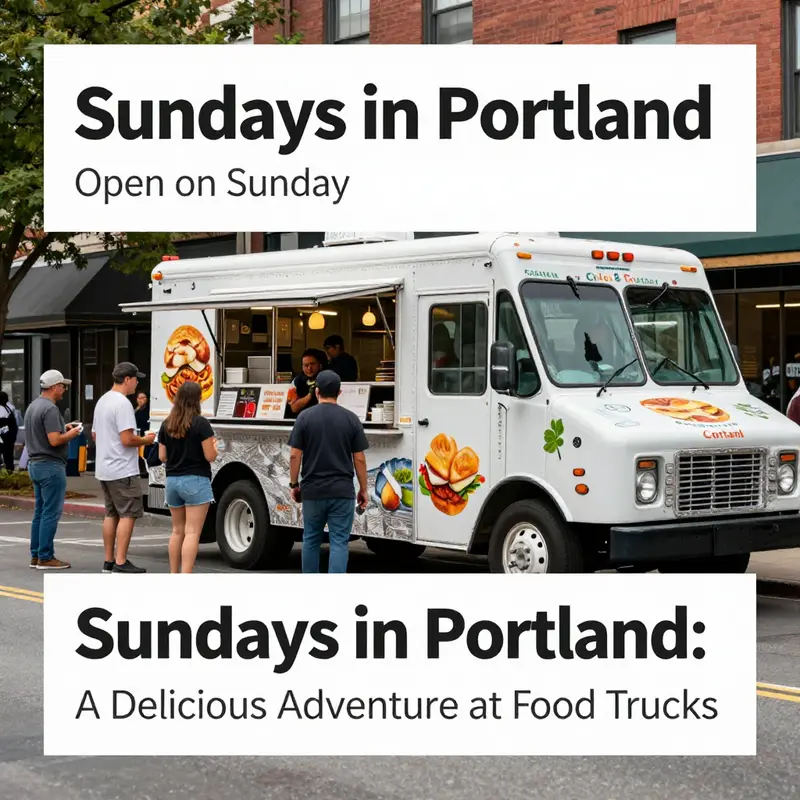
In Portland, Sunday is more than a day of rest—it is an open-air stage bustling with movement, scent, and conviviality. The city’s beloved food trucks become gathering spaces that bring together people from all walks of life, transforming parks, plazas, and downtown corners into informal festivals of flavor and community. Families, friends, and curious wanderers thread through the lively clusters, sampling everything from Korean barbecue tacos to vegan comfort food, animated by the rhythm of live musicians and the hum of street conversations. Sundays in Portland feature a unique rotation of vendors, often announcing special pop-ups or limited-run menus, creating an atmosphere of discovery and spontaneity.
This vibrant weekend culture has grown from Portland’s deep-seated values of accessibility, diversity, and communal spirit. Food truck pods and market gatherings function as culinary crossroads, where a handmade dumpling from Myanmar or a Salvadoran pupusa are served alongside New American fare and classic Pacific Northwest flavors. These mobile kitchens are not only restaurants on wheels—they are platforms for innovation, where newcomers experiment with bold concepts and seasoned chefs share family recipes passed down through generations. Because many trucks are immigrant- and minority-owned, Sunday gatherings also serve as powerful sites of cultural preservation and exchange. Conversations with vendors often reveal the inspirations, stories, and memories that shaped each dish, inviting diners into a shared experience that goes far beyond the food itself.
Unlike formal sit-down restaurants, food truck culture blurs social boundaries and democratizes the pleasure of eating out. On Sundays, everyone has a seat at the ‘table.’ Picnic benches overflow with strangers who strike up conversation while waiting for a curry bowl or bao bun, and the lines themselves become places to swap recommendations and words of welcome. By lowering the barrier to entry and energizing public spaces, these communal markets embody Portland’s open and experimental ethos. Vendors get a chance to test new offerings with direct public feedback, while diners are encouraged to be adventurous, knowing there’s always something new to try next week.
The visual and sensory vibrancy is a story in itself. Trucks are adorned with bold signage, mural art, and inventive branding that hint at their culinary identity and narrative—inviting both locals and tourists to engage not just as customers but as participants in the city’s ongoing story. The playful use of color, language, and graphic design (see internal references on food truck branding) bridges the gap between street food and street theater, making every Sunday feel like an evolving pageant of tastes, sights, and sounds.
Local organizations and city guides publish updated directories and event schedules, making it easy for residents and visitors to plot out a ‘food truck tour.’ This helps create a Sunday tradition out of visiting favorite spots or discovering new pods—as the locations and vendor lists change regularly, locals experience their neighborhoods anew with each visit. According to The Oregonian and other local sources, these weekends are not just about eating—they’re about learning, connecting, and celebrating difference. The ephemeral nature of Sunday food truck culture, always shifting with the season and neighborhood, ensures that Portland’s culinary heart remains open, welcoming, and distinctly its own.
For a deeper dive into how food truck design and visual identity amplify these stories, see: Branding on Wheels: The Ultimate Guide to Food Truck Graphics and Identity. For an in-depth discussion of the social and weekend pulse of Portland’s food truck scene, visit: https://www.oregonlive.com/food-drink/2024/05/why-portland-food-trucks-are-a-weekend-culture.html
Final thoughts
Portland’s food trucks transform Sundays into a celebration of culinary diversity and community spirit. Whether you’re mapping out an event, exploring street food flavors, or simply looking to enjoy a leisurely Sunday with friends and family, the vibrant food truck culture has something for everyone. From the mouthwatering dishes to the immersive community experience, engaging with food trucks brings people together. By knowing where to go and what to anticipate, planners and food enthusiasts alike can maximize their Sunday fun. Embrace the joy of discovering fresh flavors and unique dishes every Sunday in Portland—your culinary adventure awaits!