Starting a food truck business is an exhilarating adventure brimming with opportunities! The concept of food trucks has captivated culinary enthusiasts and aspiring chefs alike, transforming ordinary street corners into vibrant mobile kitchens teeming with mouth-watering delicacies. In recent years, food trucks have evolved from being simple mobile vendors to becoming a core part of modern culinary culture-often leading the charge on food trends and innovative dining experiences. In dynamic urban landscapes, customers flock to food trucks for the excitement of trying diverse cuisines and fresh, handcrafted meals. However, before you ride off into this flavorful venture, it’s crucial to consider the financial landscape of starting a food truck.
Wondering how much it really costs to hit the road with your unique menu? Recent estimates in 2023 suggest that launching a food truck can range between $50,000 to $100,000. This cost encapsulates purchasing or leasing the truck, outfitting it with commercial-grade kitchen equipment, securing necessary licenses and permits, and stocking inventory for your first days of business. While it’s an investment, proper planning and budgeting can set you on a path of culinary success. So buckle up as we delve deeper into the exciting-and sometimes daunting-financial requirements of opening your very own food truck business! For tips on mindful budgeting, check out our financial tips for first-time food truck owners.
Whether you’re aiming to serve tantalizing tacos or gourmet grilled cheese, understanding the costs will empower you to make informed decisions and drive your dream to fruition!
Benefits of Owning a Food Truck
Owning a food truck is an exciting venture that goes beyond just serving food. Here are some key benefits that come with this dynamic business model:
-
Mobility: Food trucks offer the incredible advantage of being able to move to various locations, catering to different events such as festivals, farmers’ markets, and corporate gatherings. This mobility allows you to set up shop wherever the demand is high, maximizing your customer reach.
-
Lower Startup Costs: Compared to traditional restaurants, starting a food truck typically requires a lower initial investment. While a brick-and-mortar restaurant could cost hundreds of thousands, food trucks can start between $75,000 and $150,000 depending on various factors, making this an attractive option for aspiring entrepreneurs. Learn more about food truck startup costs.
-
Flexibility in Menu: As a food truck owner, you have the freedom to experiment with different menu items without the risk associated with a full restaurant. This allows you to adapt your offerings based on customer preferences or seasonal ingredients, keeping your business fresh and enticing.
-
Strong Community Engagement: Food trucks foster personal connections with customers, allowing owners to build a loyal community. You can engage with your audience through events and social media, creating brand ambassadors who will promote your truck by word-of-mouth.
-
Quick Return on Investment: Many food truck ventures report a faster return on investment compared to traditional restaurants. With relatively lower overhead and an ability to quickly adapt to market demands, food truck owners can often break even within a year or two, proving it to be a financially viable option.
Whether you’re a food enthusiast, an event planner, or a community group looking to collaborate, understanding the advantages of food trucks can enhance your planning and support local culinary businesses. For more insights on maximizing your food truck’s potential, check out branding strategies for food trucks.
How Expensive Is It to Open a Food Truck?
Entering the world of food trucks can be a delicious venture, but it’s essential to understand the costs associated with starting such a mobile culinary business. Here’s a breakdown of the key expenses you can expect when launching your food truck in 2023.
1. Vehicle Costs
Purchasing or leasing a food truck is often the most significant expense. The price can vary widely depending on whether you choose a new, custom-built truck or a used one:
- Used Trucks: $20,000 – $30,000
- Mid-Range Trucks: $30,000 – $70,000
- High-End Custom Trucks: $70,000 – $100,000+
The choice between a used or new truck plays a significant role in the overall cost. A well-maintained used truck can help keep startup expenses lower. For more insights on selecting the right truck, check out our guide on choosing the right food truck model.
2. Kitchen Equipment
Your food truck needs specialized kitchen equipment to serve delicious meals effectively. The cost can range from:
- Basic Kitchen Equipment: $10,000 – $30,000
- Advanced or Custom Gear: $30,000 – $40,000
This includes essential items like grills, fryers, refrigerators, and preparation tables. Custom cabinetry and high-efficiency appliances can significantly inflate this cost.
3. Permits and Licensing
Navigating through the legalities is another essential aspect of starting a food truck:
- Permits and Licenses: $500 – $3,000
Required licenses often include a business license, food service permits, and health inspections. Costs can vary greatly depending on your local regulations, so ensure you research your area’s food truck regulations adequately.
4. Insurance
Insurance is crucial for protecting your business and ensuring compliance:
- Insurance Costs: $1,500 – $6,000 per year
This typically covers liability insurance, commercial auto insurance, and worker’s compensation if you have employees. Safeguarding your investment with proper insurance is non-negotiable.
5. Marketing and Branding
Building a brand is vital in a competitive food truck market:
- Marketing Costs: $1,000 – $10,000
This includes logo design, signage, social media marketing, and promotional materials to create awareness and attract customers.
Total Estimated Startup Cost
Overall, the total startup costs for a food truck can range significantly:
- Total Estimated Cost: $35,000 – $150,000+
Choosing a used truck and limiting expenses on high-end equipment can help keep your budget around $40,000, whereas custom-built vehicles can exceed $150,000. For detailed financial tips on establishing your food truck, visit our financial tips for first-time food truck owners page.
Conclusion
Embarking on a food truck journey can be fulfilling and profitable if you manage your startup costs wisely. By understanding these expenses, you can prepare yourself for a successful launch in the food truck dream!
Comparison of Food Truck Financing Options
When starting a food truck business, understanding your financing options is crucial. Below is a comprehensive table comparing various financing options available to food truck startups:
| Financing Option | Interest Rates | Payment Terms | Estimated Time to Access Funds |
|---|---|---|---|
| Traditional Bank Loans | 6.5% – 10% | Up to 7 years | 3 – 8 weeks |
| Crowdfunding | 0% (no interest) | Varied | 4 – 6 weeks |
| Alternative Lenders | 10% – 25% | 6 – 24 months | 24 hours |
Further Insights
- Traditional Bank Loans: These loans are typically more structured and require good credit and a solid business plan. They provide a reliable source of capital but involve lengthy approval times.
- Learn more about traditional bank loans
- Crowdfunding: A modern way to raise money by presenting your food truck idea online. You can set your own goal, and if you appeal to your community, you may find your funding through small contributions from many supporters.
- Explore crowdfunding strategies
- Alternative Lenders: If you need quick access to funds, alternative lenders could be your best bet, though at a higher cost.
- Understand alternative lending options
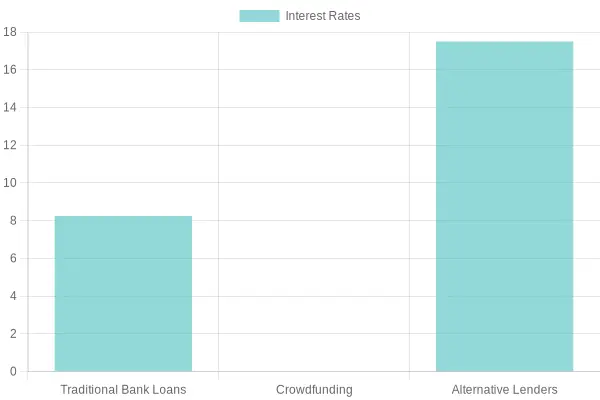
Above is a visual representation of the interest rates associated with each financing option.
As you consider these options, carefully assess your business plan and funding needs to determine which financing method aligns best with your restaurant on wheels aspirations!
Understanding the Ongoing Operational Costs of Running a Food Truck
Running a food truck can be a rewarding venture, but it comes with its share of expenses. Understanding these operational costs is crucial for event planners, individual consumers, and anyone considering jumping into the food truck business. Let’s break down some of the primary expenses you can expect to face:
Fuel Costs
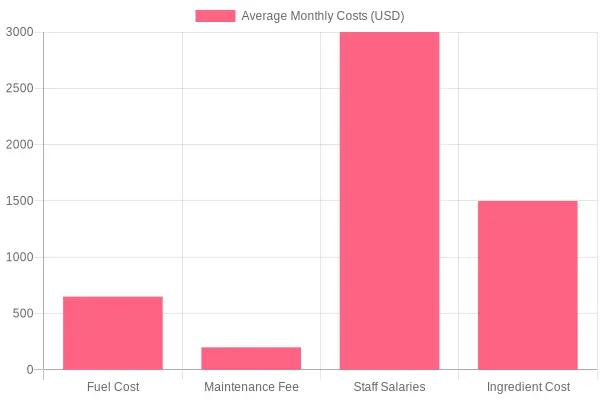
Fuel is one of the most significant ongoing expenses for food truck operators. In 2023, the average monthly fuel cost for a food truck was approximately $650. This figure can vary based on factors, such as the truck’s fuel efficiency and the price of gas in different regions. Trucks in high-cost areas like New York City may see this average rise closer to $800 per month due to increased fuel prices and longer driving distances.
Maintenance Expenses
Regular maintenance is essential to keep food trucks running efficiently. Costs for maintenance can range from $100 to $300 per month. This includes routine check-ups, repairs for kitchen equipment, and general upkeep of the truck. A well-maintained food truck tends to perform better and has a longer lifespan, ultimately saving you money down the line.
Staffing Costs
If you’re planning to operate a successful food truck, having a reliable team is key. For a typical operation, you might need 2-3 employees, which can translate to staffing costs of around $3,000 monthly (assuming a pay rate of $15 per hour). During peak times, event planners may require additional staff to manage crowds efficiently and serve delicious meals.
Ingredient Costs
The cost of ingredients is another significant factor in the operational budget. On average, food trucks allocate about 30-40% of their total monthly sales to ingredients. This means if you are making $5,000 a month, your ingredient costs will be approximately $1,500. Having a diverse menu can help to attract customers but it also means carefully managing ingredient inventory to avoid waste.
Total Estimated Costs
When you tally all these expenses together, a food truck’s total average operational cost can be around $5,350 per month. Here’s a breakdown of these essential components:
| Item | Average Monthly Cost (USD) |
|---|---|
| Fuel Cost | $650 |
| Maintenance Fee | $200 |
| Staff Salaries (2 staff) | $3,000 |
| Ingredient Cost | $1,500 |
| Total | $5,350 |
Understanding these costs helps in strategic planning for both food truck operators and event planners looking to incorporate food trucks into their events. For more insights on managing costs effectively, check out our financial tips for first-time food truck owners and boosting your food truck’s resale value.
At the end of the day, every penny counts, and being aware of these ongoing costs is a step towards successful food truck operations!
Average Monthly Profits of Food Trucks by Region in 2023
Understanding the financial landscape of food trucks is essential for potential owners and event planners. The average monthly profits for food trucks can vary significantly depending on their location. Here’s a breakdown of average monthly profits across various regions:
| Region | Average Monthly Profit (2023) |
|---|---|
| New York City | $8,500 |
| San Francisco | $8,500 |
| Los Angeles | $9,000 |
| Chicago | $8,000 |
| Seattle | $9,000 |
| Austin | $6,000 |
| Denver | $6,500 |
| Rural Areas | $3,500 |
Source: National Restaurant Association.
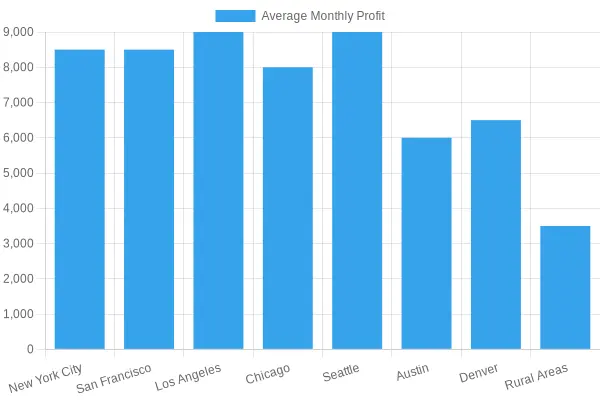
This chart illustrates the disparities in average monthly profits for food trucks operating in various regions of the United States. As seen in the data, urban centers like Los Angeles and Seattle show significantly higher profits compared to rural areas. This can mainly be attributed to denser populations and more event opportunities in urban locations.
Make sure to consider location strategies and local market demands as you embark on your food truck journey! Learn more about choosing the right food truck model for your business.
Costs and Rewards of Running a Food Truck
Starting a food truck can be a thrilling journey filled with both challenges and rewards. To capture the essence of this experience, here’s an insightful reflection from Carlos, a successful food truck owner in Chicago:
“When I opened my food truck, I invested about $110,000, but the real rewards go beyond money. Watching my customers enjoy my food brings me immense joy. The flexibility of working my own hours and being part of the community is worth every penny. It’s not just about profits; it’s about creating connections through food. Plus, we’ve built a loyal customer base that supports us at every event!”
- Carlos, Owner of Smoky BBQ Wheels
This kind of passion is what drives many food truck owners. The initial costs can vary greatly, but with careful planning and a love for the culinary arts, the payoffs can be enormous. If you’re considering diving into this industry, check out our guide on financial tips for first-time food truck owners to help you navigate the financial landscape efficiently!
Conclusion
Opening a food truck can be an exciting venture, but it requires careful financial planning and a commitment to the process. As we’ve explored, the average startup costs generally range from $50,000 to $150,000 depending on various factors such as the type of truck, equipment needed, and local regulations. Here’s a quick summary of the key financial aspects to consider:
- Vehicle Acquisition: Costs can range from $30,000 to $100,000 depending on whether you’re buying new or used.
- Equipment Costs: Expect to spend between $10,000 and $30,000 for kitchen equipment such as grills, fryers, and refrigeration.
- Licensing and Permits: These typically run between $1,000 and $5,000, varying based on your location and local regulations.
- Insurance Costs: From $1,000 to $4,000 annually, it’s essential for protecting your investment.
- Initial Inventory and Marketing: Set aside about $2,000 to $5,000 to get started on supplies and to promote your business effectively.
Remember, building a successful food truck takes time, resilience, and financial awareness. It’s crucial to not only budget for these initial costs but also for unexpected expenses that might arise as you establish your mobile culinary business. Having a reserve fund to cover at least 3 to 6 months of operating costs is essential for navigating the early stages.
So, as you ponder launching your food truck, remember that while the journey may be fraught with challenges, it is also filled with delightful opportunities to share your passion for food. Embrace the adventure ahead, and let your culinary creativity shine on the open road! Don’t hesitate to turn your dreams into reality, and feel free to explore resources like financial tips for first-time food truck owners to guide you along the way!
Embrace Adventure with Your Food Truck Journey!
In conclusion, if you’re thinking of diving into the exciting world of food trucks, remember that it’s not just about serving delicious food; it’s about celebrating the spirit of adventure! Opening a food truck can be a rewarding experience, filled with challenges and triumphs.
As you embark on this culinary journey, consider fitting your food truck with high-quality components that embody reliability and durability. Just as food trucks roll through cities serving delectable delights, motorcycles traverse roads seeking adventure. Just like the relentless pursuit of the perfect food truck experience, embracing the thrill of two wheels can inspire innovative designs and strengthen your vision.
So, gear up and take the plunge! If you need motorcycle fairings that reflect your adventurous spirit, look no further than Summit Fairings. They offer exceptional quality and style, ensuring your bike doesn’t just look great but also stands the test of time on all your scenic routes. Explore their options today and combine the journeys of culinary excellence and motorcycle freedom!