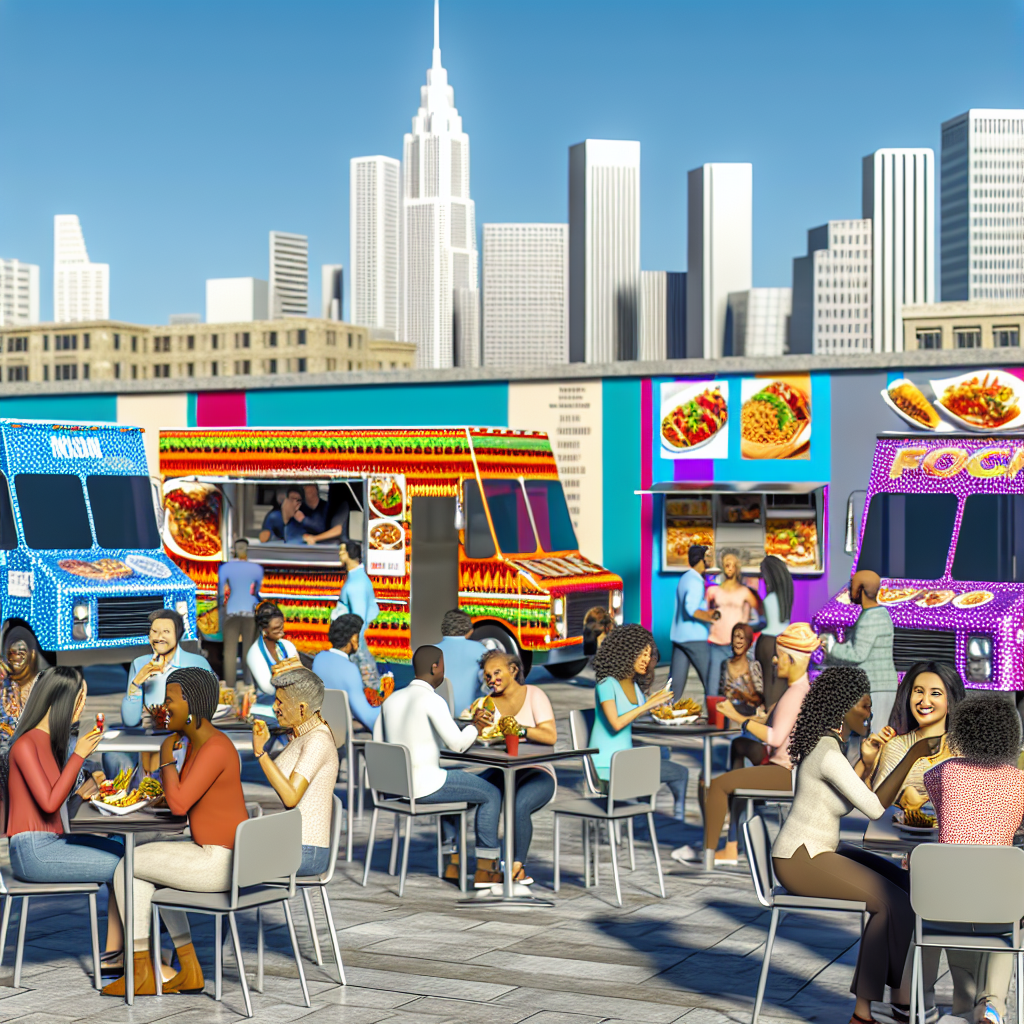
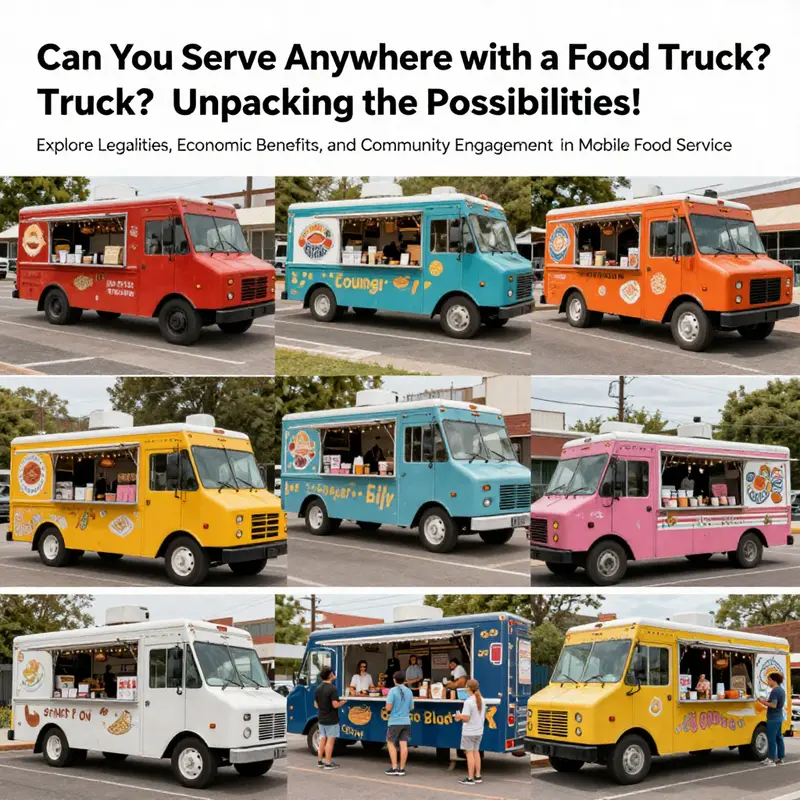
The colorful world of food trucks has captured the culinary imaginations of many, from event planners and community groups to food enthusiasts. These mobile eateries serve as vibrant hubs of culinary creativity, often popping up in the most unexpected places. But while the freedom of movement is one of the alluring aspects of food trucks, it’s essential to understand the underlying framework that governs where and how they operate. In this journey, we will explore the legal requirements that make food trucks flourish in various locations, uncover the economic advantages they bring to communities, and discuss how these culinary carts foster community engagement. Each chapter will provide valuable insights tailored for event planners, corporate HR teams, local groups, and anyone passionate about food. Buckle up as we dive into the regulatory landscape, explore the financial perks, and celebrate the unique connections food trucks create in our neighborhoods.
On the Road, Under the Law: Unpacking Where a Food Truck Can Serve and How to Operate Responsibly
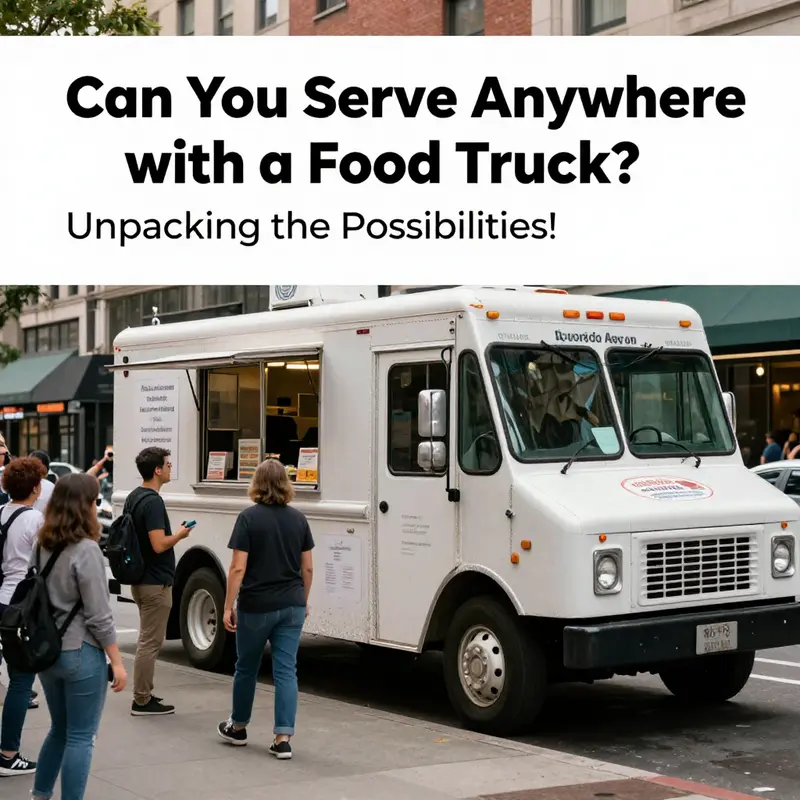
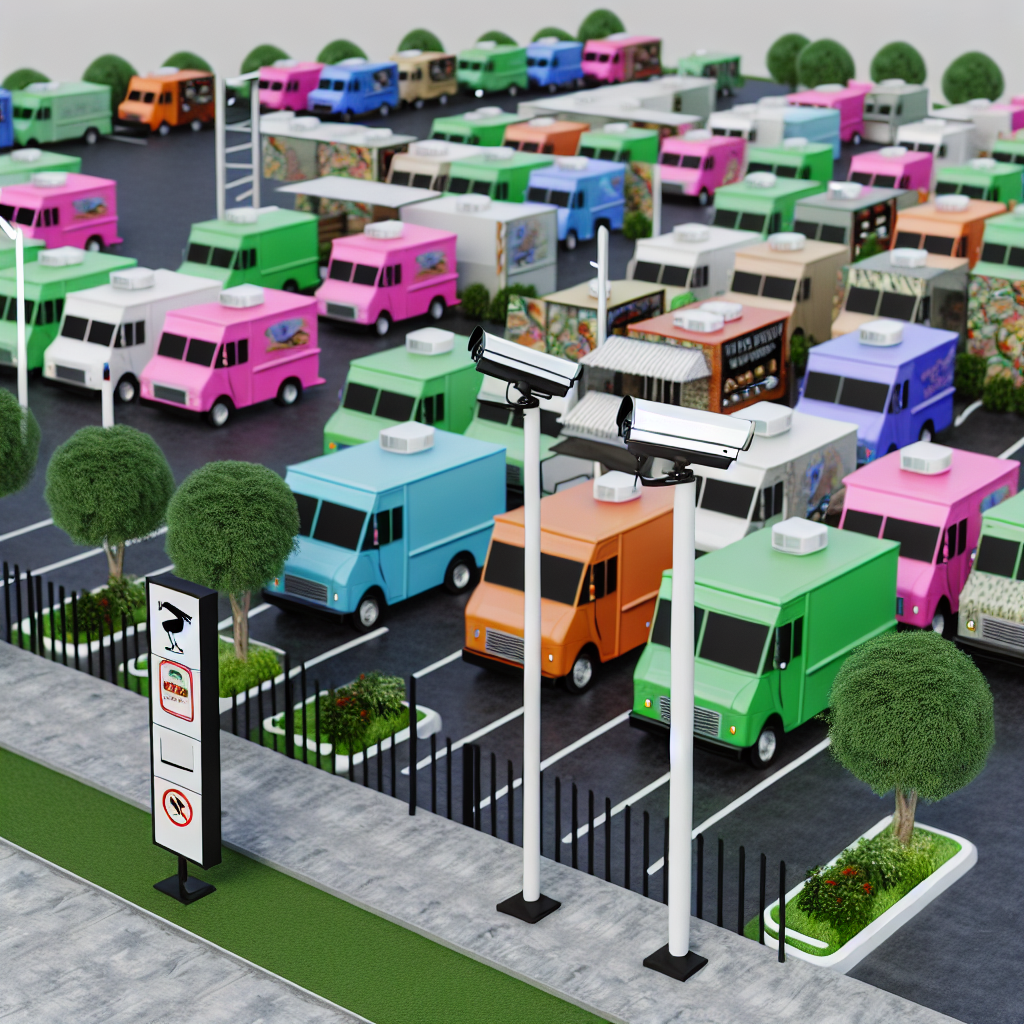
The appeal of a mobile kitchen is strong, but serving from a food truck is governed by a layered legal framework. This chapter outlines how to navigate the system: form a legal business entity and obtain a general business license; secure a Food Service Establishment Permit from the local health department and, where required, a Mobile Vendor Permit for on‑the‑go sales or events; verify zoning and designated vending zones; confirm any park, campus, or event contracts; carry appropriate insurance; and maintain thorough records of permits, inspections, training, and maintenance. It explains why the freedom to serve anywhere exists only within a carefully defined space—one that balances public health, traffic safety, and fair competition—and highlights practical milestones for expansion: identify zones that allow mobile vending, obtain site‑specific permits, ensure robust food safety and staff training, and implement a reliable venue pre‑check process. The chapter also covers inspections, the role of staff hygiene and temperature controls, and how technology can help track expirations and inspections, while stressing that proactive engagement with health, zoning, and licensing authorities is a strategic asset. In short, serving anywhere means serving in places that are legally open to mobile vendors, with a predictable, compliant operation that earns trust from customers and communities alike.
null
null
Wheels weaver of neighborhoods: serving anywhere and weaving community through food trucks
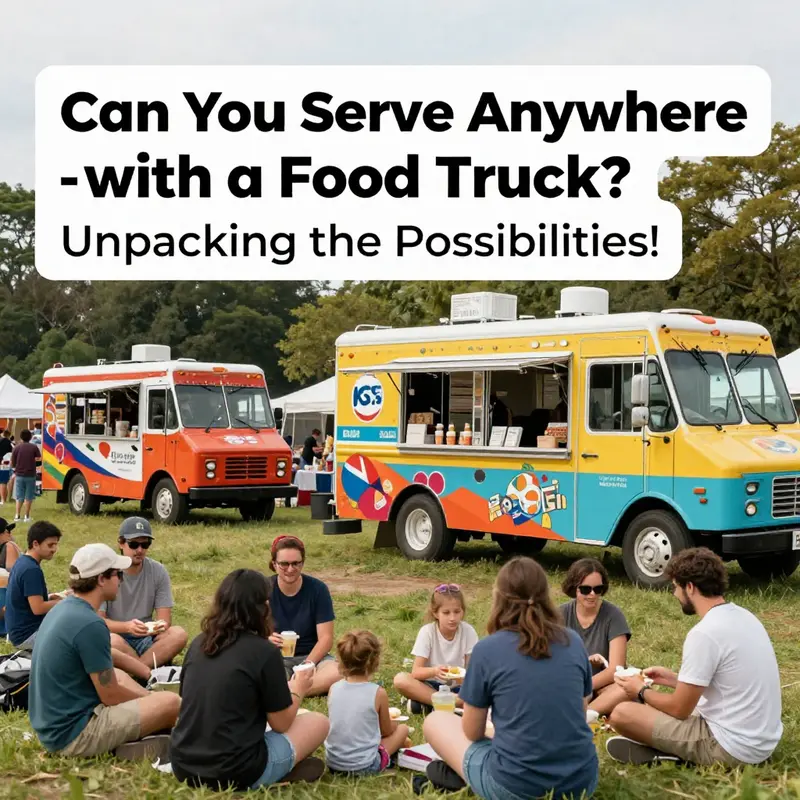
A food truck is more than a mobile kitchen; it is a portable gathering place, a spark that invites strangers to become neighbors. The question, can you serve anywhere, is less about a magical license and more about a careful choreography of places, permissions, and people. In practice, serving anywhere means reading streets like a map of social needs and opportunities, then choreographing where and when to park, what to cook, and how to talk to the people who pass by. The mobility that defines a food truck is its superpower, but it also asks for discipline: a steady eye on regulations, a nimble approach to parking logistics, and an ethic of service that centers accessibility and inclusion. When these elements align, a truck becomes a bridge—between a hungry passerby and a meal, between a neighborhood’s history and its present, between a campus buzzing with activity and a park that needs a culinary touch to come alive after dark.
Regulatory reality frames the dreaming. Local health codes, zoning rules, and licensing requirements do not merely limit where a truck can set up; they shape the rhythm of service. Some jurisdictions expect doors to open only in designated zones or hours, others require a permit to operate in certain districts or public spaces, and still others insist on routine inspections of temperature control, waste, and handwashing facilities. That reality can feel like a constraint, yet it also offers a predictable stage. A truck that understands the rules can move confidently from one permitted zone to another, weathering the inevitable shifts in policy that accompany urban growth, seasonal events, or new development plans. The rules create a canvas on which a responsible operator can paint reliable service patterns. It is not about bending the rules to fit every desire, but about building a dependable framework that respects neighbors, safety, and the shared spaces that welcome the public.
Within that framework lies the practical art of location strategy. The most straightforward truth is this: high foot traffic helps, but so does community fit. A business district during lunch hours is a natural funnel for demand, yet it should be approached with sensitivity to the surrounding footprint—avoiding clogging sidewalks, respecting loading zones, and ensuring the queue does not block access to stores or transit stops. In many cities, daily rhythms shape opportunities. A bustling campus corridor at mid-afternoon can be a gold mine for energy and variety, but it calls for coordination with campus policies, event calendars, and student expectations. Parks and recreational areas offer the chance to become a weekend ritual, a place where families and athletes alike anticipate a snack or a sit-down meal after practice. Festivals, concerts, and public gatherings magnify reach; they are performances of place where a truck can become part of the social fabric, offering a sense of place and timing that digital feeds alone cannot supply. And then there are the hidden corners—the underserved neighborhoods that seldom see a pop-up dining option, the community centers that host outreach programs, and the street corners where a late afternoon crowd might be seeking warmth and nourishment on a chilly day. Mobility, in this sense, is not mere convenience; it is social equity. The truck’s wheels become access points, extending the reach of a community’s food culture to places where people may otherwise rely on convenience stores or vending machines rather than full-service meals. The objective is not to conquer every stretch of asphalt but to participate in the local ecology with care and reciprocity: coordinating with neighborhood associations, honoring quiet hours, and ensuring there is a genuine alignment between what is offered and what the surrounding community needs or wants to explore.
A key part of that alignment is the careful scheduling of visits. Regular, predictable patterns help people plan their visits and help the truck manage supply, staff, and gear. Some operators treat the calendar like a public service—consistently visiting a school or campus on a weekly rotation, or occupying a park pavilion with a family-friendly menu on weekend afternoons. Others build pop-up micro-events around market days, street fairs, or sport matches, using the event as a focal point that elevates both the vendor and the community experience. Scheduling also intersects with environmental realities: weather, traffic patterns, and even local construction can redefine how far a truck can travel comfortably in a day, how long it can stay in a given spot, and how much inventory it should carry. It is practical wisdom to cluster related locations—one route near a business district, another near a university cluster, another around parks or cultural venues—so that the crew can calibrate energy, fuel, and food cost efficiency while maintaining consistent service standards. In every case, the overarching principle remains straightforward: serve where you can add value, not where you can merely occupy space.
Operating in diverse settings further requires a disciplined approach to health, safety, and customer experience. A truck that serves near a park during a busy afternoon must manage waste collection, ensure queuing remains orderly as families with strollers arrive, and maintain clear, accessible signage that communicates menus, prices, and any allergen information. In a campus environment, the same truck might need to adapt its menu to student preferences, keep pace with rapid foot traffic, and synchronize with campus policies on food trucks—policies that often include designated zones, time windows, and limits to the number of vendors in a given area. On festival grounds, the equation expands to include vendor coordination, shared utilities, and a temporary infrastructure that supports longer service windows or multi-day operation. The most successful operators approach these contexts with a mindset of modularity: a base menu that can respond to location-specific demand, a service style that scales with crowd size, and a supply plan that anticipates the ebb and flow of a venue’s schedule. Such versatility is not optional fancy; it is a core competency of serving anywhere.
The customer encounter, when framed through the lens of community engagement, becomes a central thread that ties disparate locations into a coherent story. A food truck in a downtown corridor may draw in lunch-hour crowds who crave quick, flavorful options and a friendly, efficient service model. The same truck parked near a park on a weekend might pivot toward a family-friendly menu, a slightly longer queue, and a tone of service that feels more relaxed and celebratory. The truck’s ability to listen matters as much as its ability to cook. Social media and real-time updates are not add-ons; they are essential tools for building trust and extending the physical reach of a single mobile kitchen. When a truck announces a weekly schedule, highlights a rotating special, or shares a fresh behind-the-scenes look at the kitchen, it invites the community to participate in the journey. The feedback loop—comments, photos, and local recommendations—becomes a living menu, guiding future experimentation while anchoring the truck as a constant, approachable neighbor rather than a transient visitor. This digital connective tissue is particularly valuable for inclusivity. It allows people with mobility challenges, car-free residents, or night-shift workers to anticipate where they can find nourishment, reinforcing the idea that the truck is not just visiting, but building a relationship with the places it serves.
Community engagement through mobility requires more than good food; it demands collaboration. One of the most powerful practices is to align with local organizations on outreach events. A truck can participate in charity drives, neighborhood cleanups, cultural celebrations, or school fundraisers, providing meals that celebrate local identity while drawing attention to communal goals. Such partnerships transform a simple transaction into a shared experience. They broaden the audience beyond the typical lunch crowd, inviting families, seniors, students, and workers who might not cross paths in a conventional dining setting. The truck then becomes part of the neighborhood’s storytelling—an edible element of its daily narrative, a mobile stage where conversations about food, work, and belonging can unfold. This level of involvement also supports local economies. By sourcing ingredients from nearby producers when possible, the truck can reduce costs and strengthen community networks, creating a ripple effect that touches small businesses, farmers, and artisans. The result is a more resilient local ecosystem, where mobility amplifies opportunity rather than competing with it, and where food becomes a shared resource rather than a hurried necessity.
The chapter’s research materials emphasize a core insight: mobility, when wielded with intention, is a powerful instrument for inclusion and economic vitality. Food trucks can meet people where they are, not merely where the permits allow, but where need and desire intersect. This means paying attention to neighborhoods that may lack diverse dining options, to community centers that host outreach events, and to locations that can support a stable, recurring presence. It also means recognizing the limits of mobility and planning accordingly. The best operators view regulatory boundaries not as walls but as the outline of a design space. They map out compliant routes, establish consistent operations, and maintain transparent communication with authorities, venues, and customers. They document their compliance and performance, not to boast, but to reassure the public that a mobile kitchen can be trusted to operate safely, responsibly, and with respect for the places it inhabits. The regulatory aspect, when managed well, becomes part of the brand’s integrity.
As this practice of serving anywhere matures, it invites a broader conversation about how food, space, and community can co-create value. The truck does not merely deliver a meal; it carries a cultural exchange, an invitation to share stories and tastes, and a conduit for social connection. This is where the research results for the chapter illuminate a path forward: by integrating location strategy with active community engagement, operators can extend their reach while deepening their relationships with the neighborhoods they serve. The mobility that allows a truck to appear in a park, a campus, a market, or a festival also grants it a responsibility—to listen, to adapt, and to contribute in ways that support local cohesion and economic vitality. The truck becomes a micro-platform for social participation, a device through which people gather around food to discuss ideas, celebrate milestones, and support one another.
To anchor these ideas in practical action, consider how a truck might approach a new location with a mindful, community-first mindset. Before arriving, the operator studies the area’s rhythms, speaks with local stakeholders, and maps the flow of pedestrians to identify safe, accessible entrances and exits. They prepare for weather challenges, ensure queue management plans are in place, and tailor a menu that respects local dietary preferences and cultural flavors, offering options that are inclusive and considerate of allergies and restrictions. They communicate clearly about hours of operation, payment methods, and accessibility features. They extend invitations to nearby organizations for pre-event tastings or co-hosted mini-events, seeking opportunities to create memorable, shared experiences rather than one-off meals. In doing so, they turn a simple mobile kitchen into a neighborhood resource—a space where people come not just for nourishment but for connection, learning, and the sense that their city is listening and responding to their needs.
The narrative of serving anywhere culminates in a simple but powerful realization: the success of a mobile culinary venture lies in the quality of relationships it builds. The truck’s wheels enable the delivery of food, but its true impact emerges when those wheels help communities gather, celebrate, and grow together. This is the essence of community engagement through mobility. It is not a strategy locked to a single block or a single season; it is a flexible, enduring approach that respects regulation, responds to community needs, and uses digital storytelling to invite ongoing participation. The operator who embodies this ethos treats every stop as an opportunity to contribute positively, learn from neighbors, and refine practices so that the next stop is even more welcoming, efficient, and generous.
In the end, the question of whether you can serve anywhere dissolves into a broader inquiry: where can your food, your hospitality, and your sense of community be most valuable? The answer is not a single location but a practice—an ongoing dialogue between street, policy, and people. When a truck listens, adapts, and partners with the places it visits, it does more than feed—it weaves social fabric across urban and campus landscapes, parks and plazas, markets and fairs, turning mobility into a persistent welcome. The journey of serving anywhere is not merely about location. It is about intention—the intention to show up reliably, to respond to needs with respect, and to transform each location into a shared moment of nourishment and belonging. Operators who embrace this intention do more than sustain a small business; they contribute to a more connected, resilient community where food serves as common ground and every street corner becomes a chance to belong. For a deeper dive into how to navigate the regulatory environment that makes such work possible, see the resource on navigating food truck industry regulations. Navigating Food Truck Industry Regulations. This perspective mirrors the broader emphasis on community-centric strategy, where the goal is not merely to maximize hours on the clock but to maximize meaningful interactions and the local sense of value food brings to everyday life. As the chapter on community engagement in food trucks argues, the real measure of success is not how far a truck can roam, but how deeply it can anchor itself in the social life of the places it visits. And that anchor is strengthened when the truck treats each stop as a doorway to conversation, collaboration, and care, rather than a mere point on a map. External resource for further insights: https://www.linkedin.com/pulse/food-truck-strategies-community-engagement-2026
Final thoughts
In our exploration of food trucks and their ability to serve in varying locations, we learned that these deliciously convenient eateries do thrive under a framework of legal compliance, community involvement, and economic contribution. Understanding local regulations is crucial for every food truck operator, as it ensures their mobility translates into vibrant, legitimate culinary experiences. Moreover, the economic benefits extend far beyond the trucks themselves, fueling local economies and job creation. And of course, let’s not forget the community connections that flourished through the presence of food trucks, bringing people together in shared experiences over tasty bites. As food trucks become increasingly popular, they illuminate the paths toward innovative, community-centric dining. So, as you consider your next event or culinary adventure, let food trucks take center stage.