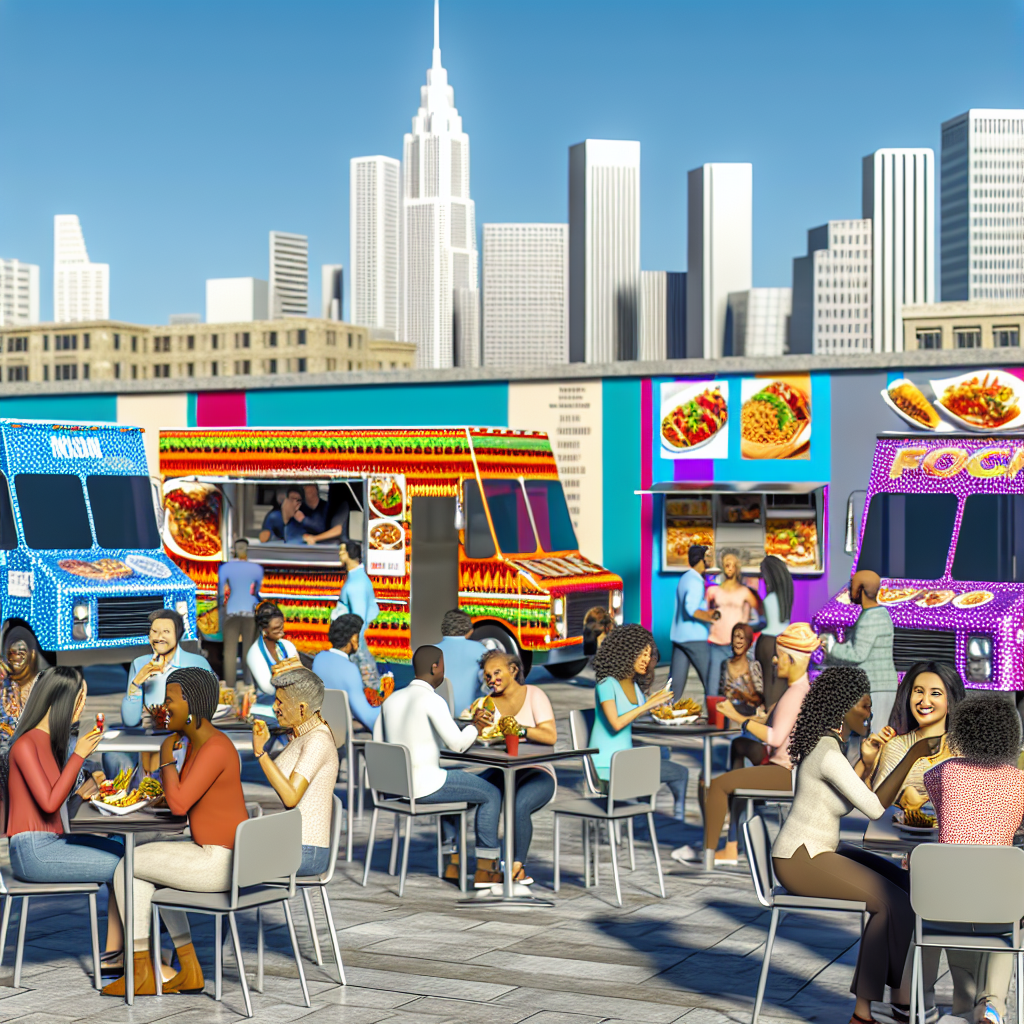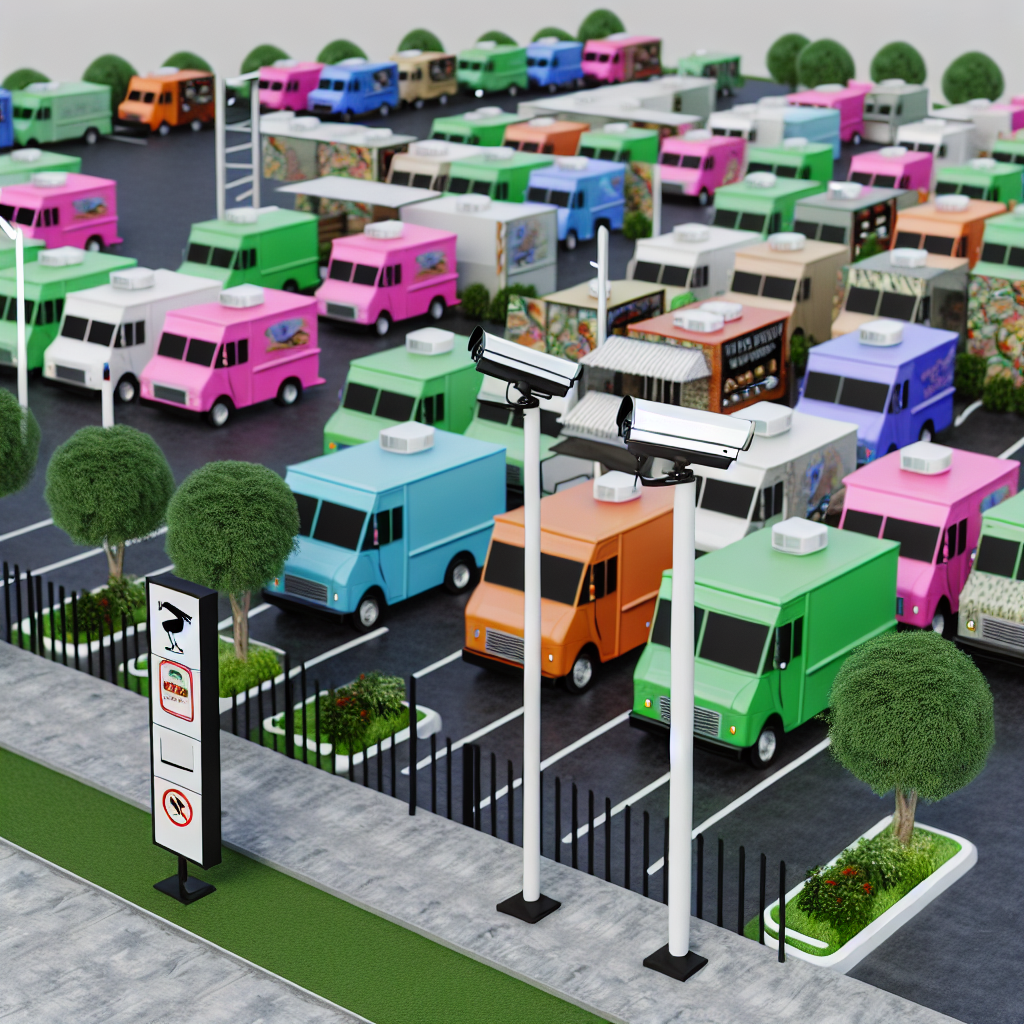
Food trucks have become a staple of modern culinary culture, offering delicious fare from tacos to gourmet grilled cheese right on our streets. However, for food truck operators, understanding the costs associated with parking is essential to maintaining their business. These parking fees can fluctuate dramatically based on location, city regulations, and event types. From bustling urban centers to vibrant festivals, each scenario presents unique challenges and expenses. Join us as we explore various aspects of food truck parking costs, including urban parking analysis, event-based pricing, comparative studies across cities, regulatory impacts, and economic implications, providing a holistic view for event planners, corporate teams, community groups, and food enthusiasts alike.
The Price of Parking on Wheels: How Urban Parking Costs Shape Food Truck Economics
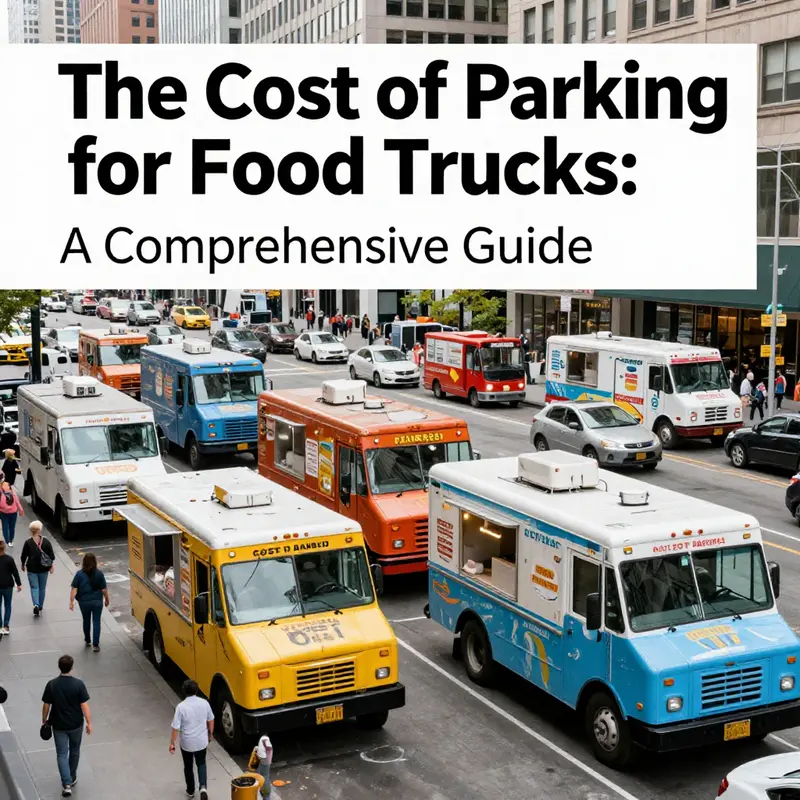
Every city has a rhythm that food trucks must learn to ride. The chime of a bell, the sizzle of a pan, and the hum of a generator are familiar sounds. But alongside those sensory signals lies a less obvious constraint: the cost of parking. In the debate over profitability, parking is often the quiet tax that compounds day after day. It is not merely a line item on a receipt; it shapes the routes operators choose, the hours they keep, and the menus they can sustain. In urban landscapes, where space is scarce and demand for street-front visibility is high, the price of a parking spot becomes part of the business model. Understanding this pricing is not about chasing a single number. It is about tracing a web of regulations, location dynamics, and event economics that together determine how much a truck pays to park and how much that cost influences every bite sold on the curbside.
Several forces determine parking costs, and they rarely stand alone. City-specific regulations shape the basic framework: where a truck may park, how long it can stay, and what permits must accompany the maneuver. In large metropolitan areas, authorities often assign dedicated zones for mobile vendors, aligning with street-cleaning schedules, traffic flow, and public-health considerations. The result is a layered system in which fees reflect both the value of space and the administrative burden of compliance. In practice, this means a vendor might face daily or monthly charges that vary with location, time of day, and expected foot traffic. For instance, in a city such as New York, operators who secure approved locations can encounter daily costs ranging from the low end of the spectrum to well over a hundred dollars per day, depending on demand, proximity to business districts, and the level of pedestrian activity. That spectrum is not unique to one city; it mirrors a broader urban pattern where value concentrates in minutes of peak footfall and the most visible street corners.
High-traffic zones intensify both visibility and price. A truck perched near office towers at lunch, or along a transit corridor during rush hours, trades the chance of casual passersby for the premium charged by scarce real estate. The market functions much as it does for fixed-location eateries: space near concentrations of potential customers costs more, because crowds are easier to monetize. Operators must weigh the cost against the opportunity—how many customers can be engaged in a given window, how many meals can be sold before line fatigue sets in, and how the wait time for a parking spot translates into opportunity cost elsewhere. The financial math becomes intricate when a single lunch shift in a dense downtown zone could push daily parking fees into a notable percentage of gross revenue. Yet the same zone might also permit higher volume, making the additional cost justifiable if demand holds steady. These are the kinds of calculations that separate the long-run success stories from the one-season experiments. The driver is not simply the fee; it is the dynamic between the fee, the likelihood of attracting a steady stream of customers, and the operational flexibility the location permits.
Temporary events add another layer of variability. Festivals, farmers’ markets, and pop-up gatherings curate a temporary ecosystem where parking might be charged hourly or as a flat-rate package. Fees can span from modest sums to several hundred dollars per event, reflecting the scale, duration, and the degree of infrastructure included—space, power, water, waste management, and sometimes promotional positioning. For operators, this environment is a double-edged sword. An event can deliver a surge in diners that would be impossible to replicate on a typical weekday. The same event, however, can drain margin if the parking charge is steep and if the vendor must also bear the costs of additional staffing, fuel, and equipment wear. The math here hinges on how well the event aligns with the truck’s concept, menu, and target audience, plus the logistics of moving in, serving, and moving out in tight timeframes. When planning around events, operators often negotiate with organizers to bundle services or to secure favorable terms for utilities and space allocation. Those negotiated packages can tilt the balance in favor of a profitable outing, especially when they reduce ambiguities about setup times and permitted operating hours.
Even with regulation and event dynamics, the ordinary, day-to-day parking cost remains a core determinant of profitability. For operators, this cost sits alongside fuel, maintenance, insurance, licensing, and staffing as part of a broader cost structure. Parking fees do not exist in isolation; they filter into the price of meals and the cadence of service. If a truck pays higher daily fees in a particular district, that extra expense must be absorbed somewhere—either by raising menu prices in that location, shortening the hours of operation, or seeking higher volume through promotions and partnerships. The budgeting challenge is not to minimize parking costs alone, but to balance them with service quality and speed. In practice, many operators model the daily parking expense as a function of location, time, and expected sales. A downtown lunch hour in a dense corridor might justify a higher-per-meal charge, while a residential neighbourhood with slower footfall may require a lower price point and tighter labor costs to avoid eroding margins. The optimal strategy, therefore, blends location scouting with disciplined financial forecasting, ensuring that each parking decision is tethered to an explicit sales target and a realistic throughput expectation.
The decision to park in a particular spot is never purely about the price tag. It is a composite decision about customer access, competitor presence, and the regulatory environment. A spot in a high-visibility lane may have a higher daily fee, but it can also bring enough customers to offset the premium. Conversely, a cheaper location that is a mile off the main path could yield a smaller crowd and require longer hours to achieve the same sales. Operators must also consider the reliability of the parking arrangement: how stable is the space across days of the week, are there seasonal fluctuations, and how often do rules shift with city policy or event calendars? A slot that alternates between pricey weekdays and affordable weekends can be manageable if the truck’s schedule alternates accordingly, with Saturday and Sunday evenings reserved for markets where demand remains robust even as weekday demand softens. In this environment, the ability to adapt—moving between zones, adjusting hours, and tailoring the menu to different audiences—becomes as important as the price of the parking itself.
If there is a universal lesson, it is this: parking costs in urban areas are an essential variable that operators must measure and manage with the same rigor as fuel or labor. The best operators treat parking as a strategic asset, not a mere expense. They map the city’s regulatory terrain, identify zones that balance cost and customer access, and build flexibility into their operations to exploit windows of opportunity. They maintain close relationships with local authorities to stay ahead of permitting changes and to understand how new development projects might alter foot traffic and parking availability. They keep a vigilant eye on event calendars and negotiate packages that include utilities or branding support when possible. And they continuously test and learn—tallying how a new location affects average order size, ticket times, and repeat business. The result is a portfolio of parking strategies that can absorb price shocks and still keep the business viable.
For operators seeking practical pathways through the maze of urban parking costs, a hands-on resource focused on navigating the real-world challenges can be invaluable. The guide offers actionable insights on selecting parking strategies, negotiating terms, and balancing cost against customer reach. It translates high-level pricing theories into concrete steps that can be implemented in a single city or across multiple markets. Those who apply its guidance often find a clearer view of how to align parking decisions with broader business goals. For readers looking to deepen their understanding and to explore tested tactics, the chapter on parking challenges provides a helpful framework to begin testing in their own markets. Mastering Food Truck Parking Challenges offers a practical lens through which to view the parking decision as part of a holistic operating model. It does not replace local research, but it can illuminate patterns that recur across cities and events, helping operators anticipate costs and opportunities in advance.
Ultimately, the question of how much food trucks pay for parking is a question about how cities value street commerce and how vendors value proximity to buyers. The numbers—whether a modest $20 per day or a premium $100-plus daily rate, or even $50 to $300 for a mid-length event—signal more than a fee. They signal the commercial temperature of a place, the crowd dynamics, and the likelihood that a queue forms long enough to sustain a profitable meal. The smart operator reads those signals, negotiates where possible, and designs a schedule that treats parking as a levers of profitability rather than a default expense. In a world where space is at a premium and foot traffic can swing with the calendar, the art of parking becomes a core competency. It is the quiet but persistent engine behind many successful street-food stories, a reminder that even the most delicious dish can fail to reach a buyer if the car park is priced out of reach or the location is misaligned with demand. The city, with its constraints and opportunities, remains the ultimate stage, and parking is the backstage crew that must be expertly managed if every service is to shine.
External resource: https://www.nyc.gov/site/doh/index.page
Festival Parking Fees Unpacked: The Real Cost Landscape for Food Trucks at Large Events
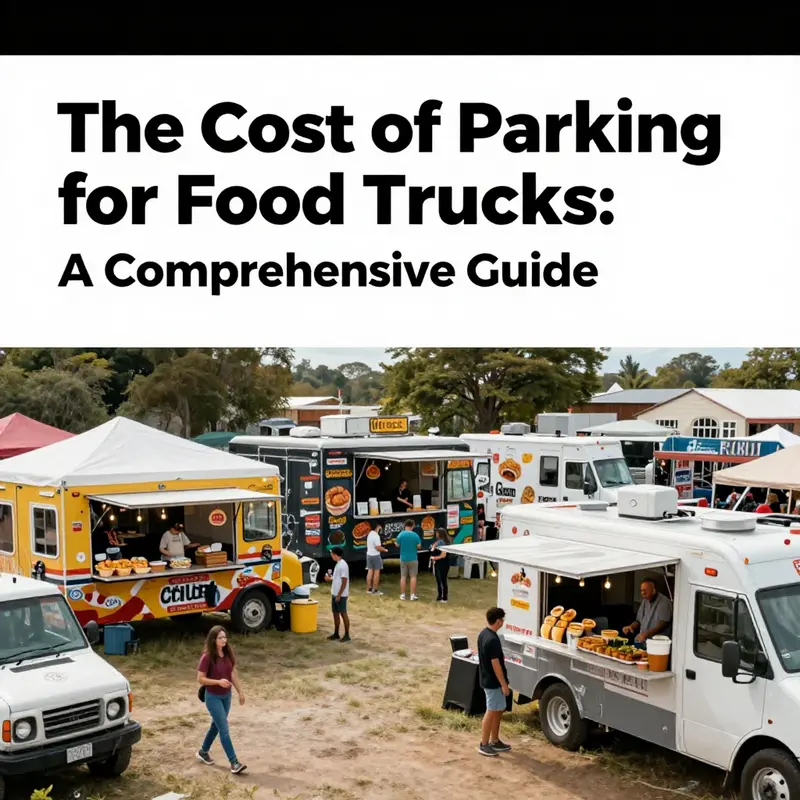
When a food truck pulls onto a festival lot, it isn’t just trading space for a few hours of service. It’s entering a market where parking, utilities, and the right spot are part of the operating equation. The financial rhythm of festival days revolves around space as a scarce commodity, and vendors must balance the potential visibility and foot traffic against the sticker price of that visibility. In practice, the cost of parking at festivals behaves like a marketplace with variable pricing, driven by what the event promises in terms of crowd size, location, duration, and the overall demand for a prime corner on a festival grid. This reality repeats across different geographies and event formats, yet the core idea remains consistent: parking fees are a negotiated access charge that can shape the entire financial outlook of a festival weekend for a mobile kitchen on wheels.
From the outset, the numbers breathe variability. In many major festivals, the posted sticker price can range from roughly one hundred dollars per day for a modest footprint to five hundred dollars or more for a coveted space near the main thoroughfares or the stage lineup. For the most sought-after moments—those high-visibility windows during peak afternoon crowds—the fee can climb further, sometimes surpassing a thousand dollars in a single day. What makes these sums meaningful is not only the raw cost, but what they typically include: a designated parking zone, access to essential utilities like electricity and water, and sometimes a measure of on-site support for setup or basic logistics. The premium attached to “the right corner” isn’t a whim; it’s tied to the festival’s capacity to deliver crowd density, dwell time, and ultimately, sales volume for every vendor who signs up.
The scattershot nature of pricing at festivals mirrors the core features of the event economy. Location matters most: a space adjacent to food halls or near stages can deliver outsized foot traffic, but it also carries a premium because the proximity translates into more orders and higher average check sizes. Duration is another driver. A three-day music festival with an anticipated turnout dwarfed by noontime streams creates a different calculus than a one-day regional fair where people flow in waves. Duration interacts with expected attendance in a way that can push daily fees up or down—especially if organizers offer longer concessions or multiple day packages that incentivize vendors to commit to the entire event rather than just a single shift.
Demand for space, a somewhat abstract metric, is the practical force behind price volatility. In festivals, demand rises when multiple vendors are competing for the same corner or when the event operates in a dense urban core where land is expensive and space is scarce. In such environments, organizers may tier prices by footprint size, equipment requirements, or vendor experience. A truck with a larger footprint or one requiring heavier electrical loads might pay a higher rate, not merely for the space but for the breadth of services that accompany that footprint. The result is a tiered pricing model that rewards efficiency and reliability while encouraging a broader mix of offerings to satisfy diverse attendee preferences. The composite effect is that two trucks parked on similar days at the same festival can face different final costs simply because one secures a premium spot and the other settles for a more economical position.
To humanize these numbers: a festival’s daily parking fee might sit around the low hundreds for a standard stand, yet it rises sharply when the event’s footprint and expected attendance push organizers to allocate premium zones to vendors who promise higher customer reach. The uppermost bands—where the daily figure can approach or exceed five hundred dollars—often correspond to the most strategic positions in the layout: near main ingress points, close to stages, or at intersections where lines of hungry revelers funnel past a cluster of portable kitchens. And at the high end, the barrier to entry isn’t simply the price; it’s the negotiation posture of the event organizers, who balance vendor mix, safety, and crowd management against revenue imperatives. In this framework, the number on the contract is best understood as a convergence of anticipated dwell time, exposure, and the logistical complexity of delivering service under festival conditions.
From an operator’s standpoint, the typical range of daily fees at major festivals paints a clear image of the risk-reward calculus. The lower bound, around $100 per day, may be acceptable for smaller events or venues with lower expected turnout or less competitive demand for space. The midpoint, often around $275 per day as highlighted by industry analyses of mid-sized music and cultural festivals, represents a balance point where the vendor gains meaningful exposure without being overwhelmed by cost. The high end, $500 per day or more, signals that the festival recognizes the unique value of a given location and is willing to bet on the traffic patterns and the sales volume that come with it. In peak or high-demand scenarios, fees can escalate to $1,000 or more per day, a level that prompts careful budgeting and a robust expectation of sales throughput to justify the expense.
What these fees typically cover adds another layer of clarity to the decision-making process. A designated parking space is the anchor, but organizers often bundle a suite of auxiliary provisions with the price: access to electrical hookups, water supply, basic waste management, and sometimes a small measure of on-site logistics assistance. The inclusion of utilities can transform a basic space into a turnkey setup, reducing the vendor’s need to source separate services and mitigating additional coordination costs. Yet not all festivals operate with bundled inclusions, and some may require vendors to arrange their own power sources or water deliveries, pushing the total operating cost higher when you factor in transport, hookups, and the associated labor. The economics, then, hinge on these package details as much as the headline fee.
This is where the value proposition of festival participation becomes nuanced. A space with utilities and a well-placed location can translate into outsized sales opportunities. A truck that can quickly load and unload near the action, while staying within the festival’s safety and sanitation parameters, may realize a higher return on investment even if the headline parking price is steep. Conversely, a cheaper rate that lacks reliable power or water can siphon off potential earnings through increased setup complexity, higher labor bills, or more frequent runs to off-site taps for fuel and hydration. The decision to commit to a festival then depends on a careful assessment of margins, expected dwell time, and the vendor’s ability to convert foot traffic into a steady stream of orders.
For vendors who are new to festival life, the numbers can seem daunting, and the pressure to secure favorable terms can feel intense. Yet there is a strategic rhythm to negotiating festival parking and space. Early entry often yields access to more desirable positions, and some organizers offer multi-day packages that deliver value through lower per-day costs when contrasted with single-day rates. Vendors can also negotiate bundled terms that include electricity and water rights beyond the bare minimum, turning a basic space into a reliable operating base. Negotiation, however, hinges on clear forecasting: knowing how many days you plan to be present, the truck’s daily sales potential, and the operational costs tied to the festival footprint. In other words, your budgeting needs to reflect not just the price tag, but the projected productivity that the festival promises.
A broader takeaway emerges when considering how festival parking fees fit into the lifecycle of a food-truck business. The cost of parking is not an isolated line-item; it sits alongside permits, insurance, labor, fuel, maintenance, and supply costs. The festival environment can magnify all of these. High traffic can yield higher sales volumes, but it also amplifies the demand for power, water, sanitation, and waste management. The balance sheet dips and rises with the rhythm of the festival calendar. Vendors who plan with this dynamic in mind often build buffer periods into their schedules, avoid overcommitting to a single event, and diversify their exposure by aligning with multiple festivals, street fairs, and private events. Understanding the true cost of parking means recognizing its role as a lever in the larger strategy of market access, brand visibility, and revenue generation.
For operators seeking practical strategies, the conversation often circles back to the core principle: cost efficiency and return on exposure. When evaluating an event, consider not only the base parking rate but the total cost of occupancy, including utilities and any required services, versus the expected bump in traffic flow. A premium space may justify the price if it reliably drives orders, accelerates sales during peak windows, and supports brand-building opportunities. A less advantageous spot may still work if your workflow minimizes downtime and your menu resonates with festival-goers who prioritize speed and convenience. In this sense, the parking fee becomes a proxy for the broader decision about where and when to trade time and space for potential revenue.
For readers seeking additional practical guidance on navigating these costs within the broader context of parking and logistics, consider the consolidated insights offered in the resource dedicated to mastering how food trucks approach parking challenges in varied terrains and event formats. This guide delves into the tactical side of securing the right lot, aligning schedule and staffing with event rhythms, and negotiating terms that preserve margin while maximizing exposure. Mastering food-truck parking challenges offers a framework to evaluate space, utilities, and time in a way that translates directly into cleaner budgeting and more predictable outcomes on event days.
External resource: https://www.eventbrite.com/blog/2023-food-truck-festival-cost-analysis
Paying the Right Price: How Parking Costs Shape Food Truck Economics Across Cities
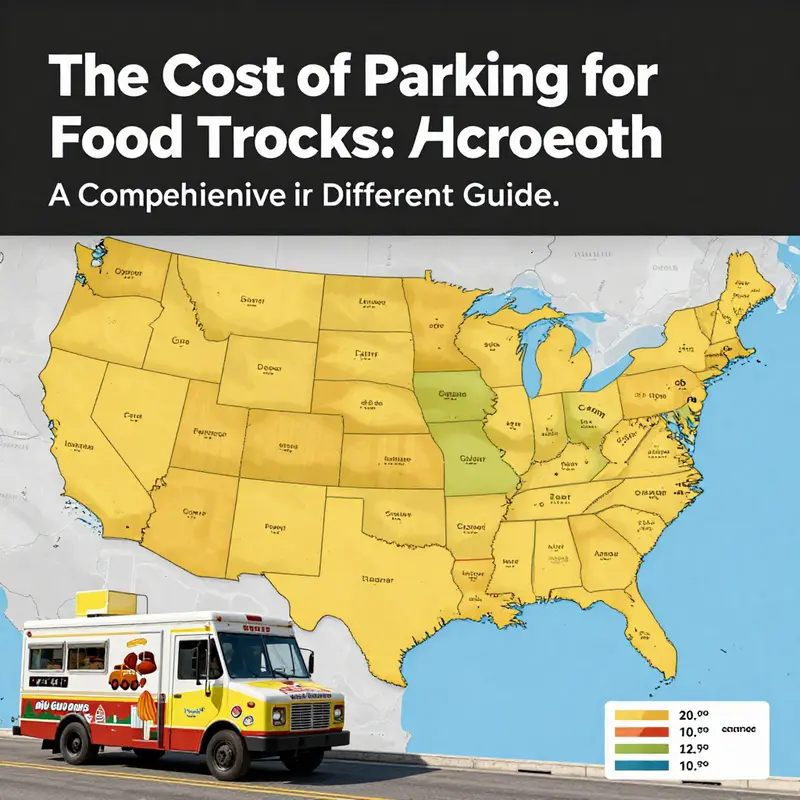
Parking costs for food trucks are a moving target, a trait etched into the urban fabric where a truck’s path mirrors the city’s rhythm. The price of a parking spot—whether a curbside niche, a formalized lot, or a temporary street fair—depends less on a universal formula and more on a lattice of local realities. Real estate values, regulatory regimes, and the demand for visibility in crowded districts all twist the numbers. The most striking takeaway from the existing landscape is not the exact dollar figure, but how dramatically those figures can shift from one neighborhood to the next. In downtown corridors with high foot traffic and limited space, a truck may face daily parking costs that climb into the upper end of the midrange. In other zones, especially those designed to nurture small, mobile businesses, the same truck can loiter for a fraction of that price, or even park for free during certain windows. The lack of a universal fee is not a misstep; it’s a deliberate feature of how parking intersects with urban planning and market demand. In other words, parking costs are a lens through which you can read the city’s priorities for mobility, entrepreneurship, and density.
The most explicit city-to-city contrasts emerge when you zoom in on three representative settings: a congested metro core, a welcoming mid-sized city, and a coastal urban hub with a heavy tourist tempo. Take a place like New York City, where the visible scarcity of curb space compounds the premium on any prime location. Operators report paying between $50 and $200 per day, and often more if their stall sits near parks or business districts during lunch peaks. The drivers behind these numbers are straightforward: sky-high real estate values, intense demand for street frontage, and a regulatory environment that can add licensing, permits, and time-intensive approvals to the baseline cost of occupancy. These costs are not merely line items; they are signals about where a truck can reasonably expect to find the volume of customers that justifies the expense. In practice, the price may be higher for spots that promise high throughput or extended hours, and lower for outlying blocks or occasional pop-up opportunities that appear during special events. The takeaway here is not that NYC is uniquely expensive, but that the premium attached to high-visibility, high-traffic locations tends to travel with the territory.
In contrast, Austin offers a different operating philosophy that has become a model for many smaller operators and startups. The city built a framework of designated parking zones and event-driven opportunities that acknowledges the realities of new entrants—limited capital, smaller fleets, and the need to test market demand. As a result, daily fees in less central areas tend to sit in a more approachable range, roughly $25 to $75 per day, with occasional periods when parking is free or subsidized during local events designed to spur early-stage growth. This ecosystem does more than reduce upfront costs; it also lowers the risk for operators who are still calibrating their menus, service models, and peak times. It creates a feedback loop where the appetite of the local market is matched by a parking framework that is accessible, predictable, and scalable. The Austin model demonstrates how a city can intentionally shape the parking calculus to nurture entrepreneurship without sacrificing regulatory clarity or public convenience.
On the West Coast, Los Angeles presents a more nuanced spectrum. Parking fees fluctuate widely, with daily costs ranging from $100 to $300 in popular neighborhoods such as Santa Monica and Downtown LA, particularly during peak hours or festival periods. Yet even in this expensive environment, municipal programs exist that aim to soften the burden for local food businesses, offering affordable or free parking in specific zones or at particular times. The variability here reflects several overlapping currents: dense urban cores, competing uses of street space, and a hospitality economy that seeks the immediacy of food on demand. For operators, the Los Angeles picture reinforces a crucial reality: the same city can offer pockets of affordability amidst price surges, and those pockets can shift with seasons, events, and policy changes. When a truck weighs the choice between a high-traffic anchor and a lower-cost side street, the decision often hinges on whether the anticipated volume justifies the higher rate and whether the slot aligns with the target customer profile.
If these city snapshots reveal anything, it is that parking costs are embedded in a broader calculus that includes permits, licensing, utilities, and the availability of space. In many markets, the price you pay for parking is inseparable from additional overheads such as required health inspections, vehicle compliance fees, and insurance margins that must be funded from gross sales. Permits and licensing, while not strictly parking charges, can compound the financial footprint of operating in urban areas. The pricing structure thus becomes a composite of location-based parking rates and the regulatory environment that shapes whether a truck can even set up in a given space. In practical terms, operators learn to read the city’s parking map as part of their business model, not merely as a line item on a cash-flow sheet. The goal is to anticipate, negotiate, and adapt to these variables without sacrificing service quality or customer reach.
Within this evolving landscape, several operational strategies emerge as common sense rather than clever hacks. First, understanding the difference between a fixed, long-term parking agreement and a flexible, event-driven spot is essential. A fixed site often offers predictability, sometimes accompanied by utilities and a maintenance window for setup and breakdown. An event or festival slot, while potentially more expensive, can deliver bursts of foot traffic that boost revenue on short notice. Second, there is value in seeking designated zones that cities create to accommodate mobile vendors. These zones can carry lower fees, faster permitting processes, and better alignment with pedestrian flows. Third, relationships matter: talking to event organizers, municipal staff, and other vendors can uncover pricing patterns and timing windows that are not evident from a price list alone. For operators looking to optimize their parking spend, the most practical path is seldom a single trick but a recurring discipline of data gathering, forecast modeling, and proactive engagement with the city and event networks.
A practical, field-tested framework can be found in the guide Mastering Food Truck Parking Challenges. It outlines how to map parking options, understand the true landed cost of a location (including permits, power, and waste removal), and build a calendar that aligns peak demand with cost-effective spots. The link serves as a reminder that the parking question is not only a matter of dollars per day but also of posture: how willing the operator is to negotiate, how well they read a venue’s traffic patterns, and how creatively they align their menu, hours, and branding with local rhythms. In many markets, the most successful operators treat parking as a strategic resource—one that can be managed, priced, and leveraged to maximize exposure while keeping the expense within reach of sustainable margins.
To broaden the perspective beyond anecdotal stories, it helps to engage with a broader set of market signals. The research landscape points to three recurring themes: first, geography remains the strongest predictor of cost. Second, the regulatory environment can either amplify or dampen those costs through licensing, health requirements, and zoning rules. Third, there is a growing recognition that parking costs are not static; they respond to demand cycles, seasonal events, and the city’s own planning priorities. In practical terms, a truck operator should build a dynamic budgeting process that allows for spikes during holidays or major happenings and for troughs during off-peak periods. This is where a disciplined approach to cost control—tracking actual spend against forecast and adjusting the plan for subsequent quarters—pays off.
The chapter’s core takeaway is simple and actionable: there is no one number that defines the cost of parking for food trucks. Instead, the parking price is a reflection of where you operate, when you operate, and what you gain from operating there. A downtown lunch corridor in a city with high rents will likely cost more than a neighborhood-friendly lane that accommodates curbside dining and community events. If you are starting out, the Austin model offers a usable template for balancing affordability with opportunity, while the Los Angeles experience underscores the importance of flexibility and relationship-building in markets where prices swing with events and visitor volume. For operators who want to translate this knowledge into practice, the first step is to treat parking as a strategic variable rather than a fixed cost. Build a data-driven approach to choosing spots, negotiate where possible, and cultivate a network that can reveal cost-effective openings that align with your cuisine, branding, and schedule.
As you move through this chapter, consider how your own operation could benefit from a more deliberate parking strategy. If your truck is positioned in a market with limited curb space and high demand, you may find value in allocating more budget toward securing safer, more visible spots that offer utilities or shade, even if the raw daily rate is higher. Conversely, in markets with accessible zones and clear event calendars, your focus might shift toward maximizing the density of sales by occupying smaller, cheaper sites for longer periods, or by layering multiple shorter bookings to cover a week’s worth of peak hours. Either path requires discipline: a clear understanding of the numbers, a well-timed negotiation approach, and a willingness to adjust the plan as new information arrives from city schedules, permit cycles, and community events.
In closing, the question “how much do food trucks pay for parking?” has no single answer. It is a question that invites operators to learn the city’s parking map, to read the market’s heartbeat, and to align their location choices with their growth goals. The price may wax and wane, but the disciplined method of evaluating, negotiating, and forecasting will keep a food truck financially resilient. For those seeking a practical, field-tested start, the recommended guide above offers a structured way to navigate these decisions and build a parking strategy that scales with your ambitions. This approach ensures that parking does not merely drain resources but becomes a lever for visibility, efficiency, and sustainable growth.
External resource: https://www.foodtrucks.com/blog/food-truck-parking-costs-by-city
Internal reference for further guidance: Mastering Food Truck Parking Challenges
null
null
Curbside Calculus: Parking Fees, Profit Margins, and the Economics of Food Trucks
On the curb where city rhythms meet the din of lunchtime crowds, parking fees aren’t just a line item on a receipt. They are a latent cost shaping every decision a food truck makes, from where it parks to how long it stays, from the price it charges to the hours it keeps the griddle hot. In cities that prize a bustling street food culture, the economics of parking emerge as a quiet but powerful force. They don’t just shave a few dollars off a day’s take; they recalibrate risk, influence strategy, and recalibrate the very texture of the local culinary economy. When a vendor weighs the option of a downtown spot against a more modest corner, the math behind the curb becomes as decisive as the recipe.
The variability of parking costs is itself a key feature of the food truck landscape. In high-traffic commercial districts, the price of a legitimate parking space can climb into the mid to upper hundreds of dollars per day, especially during peak lunch hours when office clusters and business districts demand a constant flow of customers. The sticker shock isn’t merely about the daily rate; it’s about what that rate does to a business with thin margins and a weekend-like rhythm in a weekday setting. Across the spectrum, the cost structure is layered: some locations levy a flat daily fee, others require a monthly permit or license, and special events often present a blended bill that covers space, utilities, and sometimes marketing support. The strongest insight from market observers is that there is no universal price because the negotiation happens with local authorities, with event organizers, and with the calendar itself.
For a typical downtown operation, daily parking fees can range from about fifty to two hundred dollars. The difference between a twenty-dollar lunch rush and a forty-dollar lunch rush can be the difference between profitability and a close call. When a truck parks near a cluster of offices, the intent is clear: maximize exposure during the peak window when foot traffic and patronage align. That intent, however, collides with the practical constraints of rent, permits, and staff costs. A single day’s parking fee, if it’s a hundred dollars, translates into a meaningful portion of a day’s gross revenue for a truck that might be serving dozens of customers an hour. If a vendor operates five days a week in a space with a one-hundred-dollar daily fee, the monthly parking cost alone can approach five hundred to six hundred dollars. Multiply that by a few operators in the same block, and a dense corridor can become a phalanx of minimal profit unless the traffic aligns with the price signals embedded in the menu and the experience.
The calculus becomes more intricate when you add the cost of events. Festivals, fairs, or large pop-up markets often feature a flat or tiered fee that can range from one hundred to five hundred dollars per event. What the event fee buys is not just space; it includes the promise of visibility, shared infrastructure, and a captive audience that tends to linger long enough to order a second or even a third item. The upside is tangible: the crowd is there, the lines form, and a well-placed truck can harvest more per hour than during a routine weekday lunch in a busy street. The downside is real, too. Event organizers may require minimum sales thresholds, or they may impose additional charges for electricity, water, or waste disposal. The financial equation becomes a series of tradeoffs: higher upfront costs for the possibility of larger, steadier sales versus longer hours that stretch staffing and inventory planning. In many markets, the average operator will carefully map calendar density and price sensitivity before committing to a particular sequence of events and street corners. The overarching lesson is that parking costs are not isolated line items; they are integral to a broader risk-adjusted strategy for daily operations and seasonal growth.
A practical way to understand the pressure is to run a pair of simple, hypothetical scenarios. In one, a truck parks in a downtown zone with a flat, daily fee of eighty dollars and serves sixty customers during a six-hour shift. If the average check is twelve dollars, gross receipts total seven hundred and twenty dollars. Subtract the parking fee, and the day ends with a margin that is fragile but salvageable, particularly if the operation keeps other costs in check. In a second scenario, the same truck moves to a space where a monthly permit is required, but the fee is lower or offset by municipal incentives designed to encourage street cuisine as a neighborhood amenity. The monthly permit might total a few hundred dollars, but if it supports a steady pattern of customers across several weeks, the cumulative earnings could surpass the more volatile downtown daily model. The math isn’t just about one day; it’s about a pattern—how often a truck parks, how long it stays, and how many repeat customers cross the curb because of visibility on that corner.
This dynamic also interacts with the pricing strategies that operators employ. When parking costs rise, some vendors respond by raising menu prices, hoping to shield margins without alienating price-sensitive diners. Others respond by trimming nonessential costs—reducing staff hours, limiting menu breadth, or shortening operating windows. A third group may aim to increase throughput by accelerating service, which can boost table turnover or pickup efficiency but risks compromising quality or consistency. Each adjustment carries consequences for the brand’s positioning and the customer experience. The pressures on margins can be especially acute for minority-owned and independently run ventures, which often operate with tighter liquidity and smaller reserve funds. When parking fees are layered on top of other startup costs, the risk of scale-up pressure intensifies. In such circumstances, many operators must decide whether to pursue growth through higher volume in high-traffic zones or diversify across a mix of locations, including those with lower fees but perhaps less consistent demand.
The interplay between parking costs and market structure also shapes the structure of competition on the street. When a city or neighborhood offers subsidized or free parking in designated zones, it can catalyze a more diverse ecosystem of vendors. The reduced fixed cost lowers the barrier to entry for new operators and makes it easier for smaller, community-based ventures to test concepts and expand their reach without an outsized upfront risk. Conversely, when the price of curb space climbs, the market tends to tilt toward operators with deeper pockets or stronger knowledge of how to negotiate advantageous terms with event organizers and property owners. In the most balanced cases, municipal policies align with the neighborhood’s ambitions: a vibrant street-food economy that also preserves pedestrian space, reduces congestion, and curates a predictable customer flow across peak hours. In cities where parking policies are designed to be flexible and transparent, operators can forecast costs with greater confidence and plan menus, staffing, and hours accordingly. The broader urban economy benefits when the street-food niche becomes more predictable and accessible, not just for the most resource-rich operators but for a broader spectrum of culinary voices.
The case for thoughtful parking policy becomes even more persuasive when we consider the cultural and economic value of a thriving food-truck scene. In a city known for its culinary identity, strategic parking design can act as an economic catalyst. When authorities create zones that balance affordability with visibility, they invite experimentation and steady visitors. The result is more than a profitable day for a single vendor; it is a cumulative effect on foot traffic, neighboring storefronts, and seasonal commerce. A city that wants to nourish its food culture can view curb space as a platform for entrepreneurship and as a magnet for cultural exchange. It is not merely about collecting fees; it is about shaping opportunities for small-business owners to grow, hire, and invest in their craft. In this sense, parking fees become a proxy for a city’s commitment to a diverse, accessible, and resilient street economy.
For operators who want to embeddedly understand and navigate this terrain, practical resources can illuminate the path. A holistic approach to parking costs involves mapping the calendar, the routine flows of customers, and the cost of space in a way that aligns with service design. It means testing different spots and times, tracking revenue per hour, and calibrating prices to reflect both demand and the hidden costs of curb space. It also means recognizing that some spaces do not merely cost money; they confer value through exposure, neighborly synergy with nearby businesses, and the chance to participate in a daily ritual that defines a neighborhood’s culinary identity. The informed operator treats parking as a dynamic lever rather than a fixed burden, and in doing so, navigates the street economy with greater agility and resilience.
As a practical step toward deeper understanding, operators can seek structured guidance that connects policy with daily operation. The literature on parking regulations and economic impact in Austin, for instance, outlines how a city-facing framework can harmonize entrepreneurial energy with public space management. It emphasizes that pricing, permit structures, and designated zones interact with broader goals like accessibility, vibrancy, and local employment. Those who study these patterns emphasize that the most effective parking policies are transparent, predictable, and flexible enough to adapt to changing market conditions and cultural aspirations. To explore structured policy perspectives in this area, see the detailed analysis linked in policy discussions about Austin’s parking rules. This body of work reinforces a central insight: curb space is a scarce resource, and its management is a public-interest issue as much as a microeconomic concern for individual vendors. It invites operators to participate in a broader dialogue about how a city can sustain a diverse, affordable, and creative street-food ecosystem over time.
For readers seeking a practical, field-tested synthesis of the parking challenge and how to approach it, a consolidated guide on the topic offers a coherent framework that ties budgeting, risk management, and customer experience to curb-space economics. The guidance provided is not a shortcut but a discipline—an integrated lens through which to view every choice from where to park to how to price a menu. It invites operators to treat curb space not as a mere fee to be paid, but as a strategic asset that, when managed well, can unlock growth, expand access to diverse cuisines, and contribute to a city’s sense of place. In this sense, the economics of parking is really the economics of opportunity on the streets, where a well-structured, fairly priced parking ecosystem can sustain a dynamic, inclusive, and delicious urban future. The conversation continues beyond the numbers, into the rhythms of city life and the capacities of small businesses to thrive in that rhythm. For a practical, narrative-oriented exploration of how to navigate parking challenges and build resilient operations, you can engage with the broader body of resources and case studies that map these dynamics in closer, concrete terms, including guidance that emphasizes strategic planning, community engagement, and adaptive budgeting.
mastering-food-truck-parking-challenges
External resource for policy context: For a policy-focused perspective on how parking costs interact with urban food economies, see the Austin Food Truck Parking Regulations and Economic Impact Analysis at https://www.austintexas.gov/department/food-truck-parking-rules.
Final thoughts
As we’ve uncovered through this deep dive into the costs of parking for food trucks, the landscape is as diverse as the culinary offerings these mobile vendors provide. From urban areas bustling with activity to the lively ambiance of festivals, understanding parking fees is not just a financial necessity but a key aspect of running a successful food truck business. As planners, organizers, and food lovers, recognizing these costs can significantly enhance event planning, improve vendor relations, and promote vibrant food scenes in our communities. Let’s keep the food truck culture thriving by making informed decisions that ease these challenges.