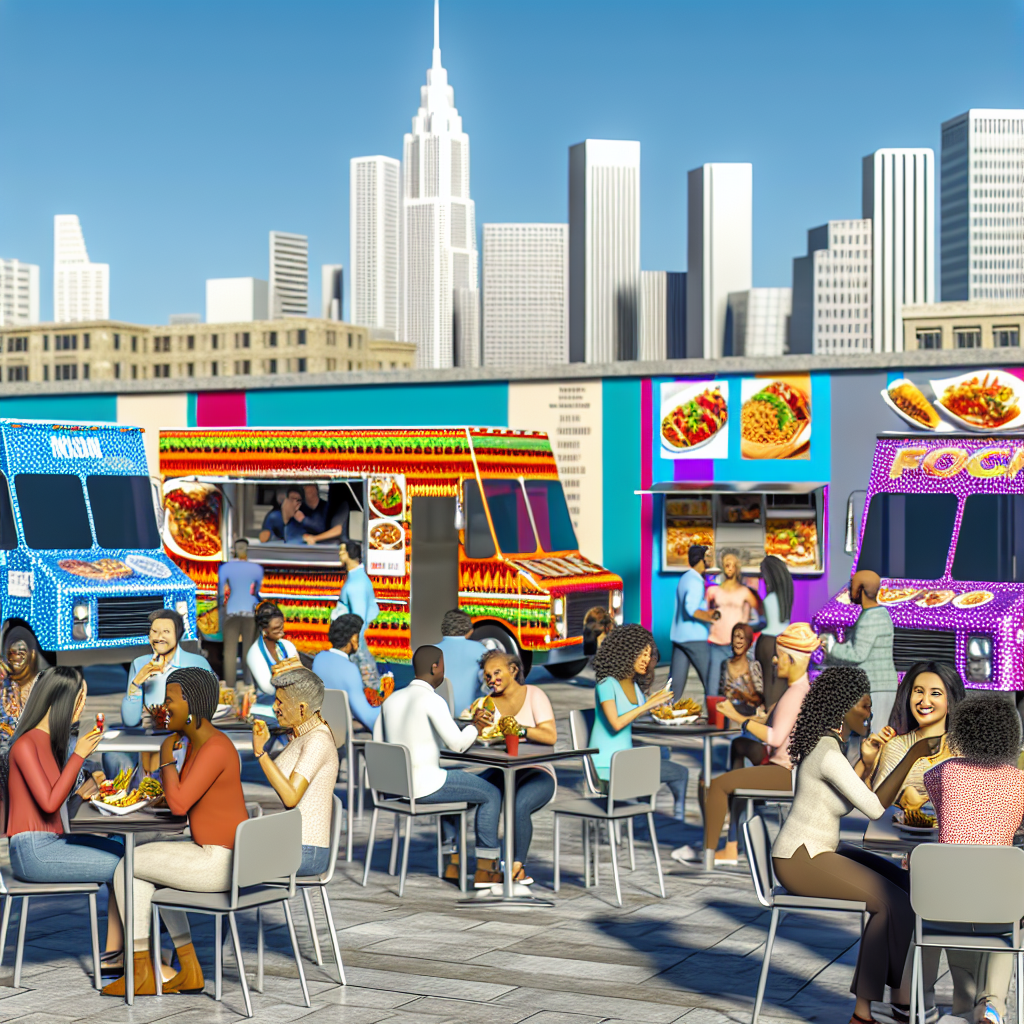
Food trucks have become culinary landmarks, offering a diverse range of flavors and unique experiences right at your fingertips. Whether you’re an event planner looking to spice up gatherings, a corporate team seeking food options for employees, or an adventurous foodie eager to explore local bites, finding food trucks nearby is both exciting and rewarding. This guide helps you navigate the food truck scene effortlessly, equipping you with tools and techniques to discover delicious options quickly. From specialized finder apps to tapping into community buzz on social media, each chapter dives into methods that will lead you straight to the best food trucks in your area, ensuring your next meal is memorable.
Mapping the Street Food Scene: How Finder Apps Help You Find Food Trucks in Your Area
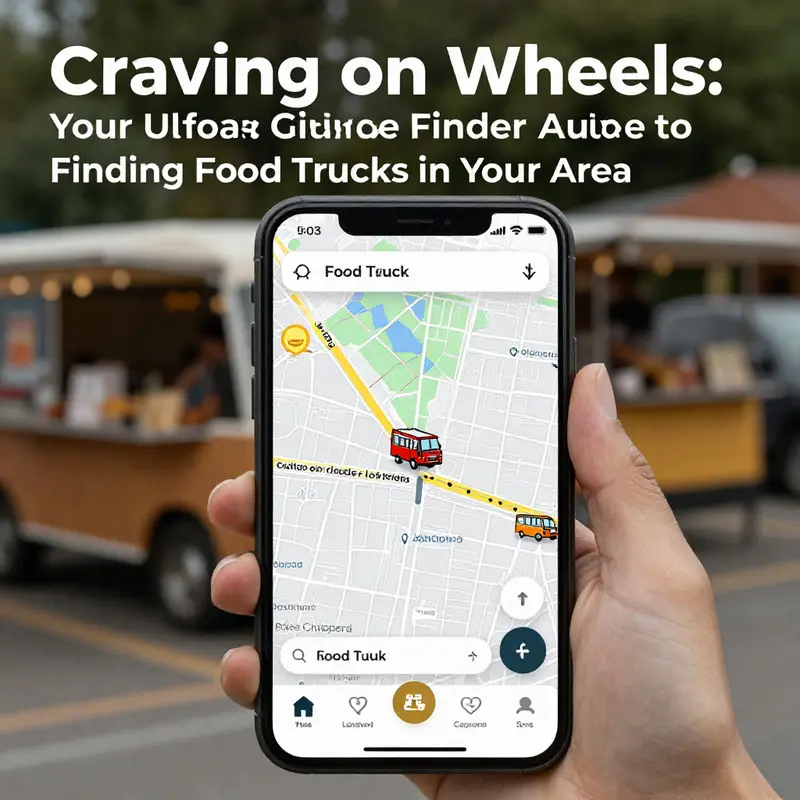
When hunger hits in a city, the options can be overwhelming. A well-designed food truck finder app acts like a compass, guiding you to the right truck with a tap. You open the app, share your location, and the map fills with icons that represent cuisines, distances, and current status. Each icon is more than a dot; it signals a potential meal and a moment in your day.
Real-time location data is the backbone. The app pulls GPS signals and crowdsourced updates to show trucks currently serving nearby. Trucks shift routes with lunch crowds; you’ll see clusters near downtowns, parks, campuses, and waterfronts, often ordered by proximity so you can quickly compare options.
Menus appear when you tap a truck, with short descriptions and prices. Filters let you narrow by cuisine, dietary needs, or price range, saving time when you’re juggling a deadline or dietary restrictions.
Beyond the map, the app can save favorites, enable order-ahead, and streamline checkout. Loyalty perks and occasional exclusive offers reward frequent use, and in some markets there’s integration with delivery partners.
Together, these features create a reliable routine: less waiting, more eating, and a sense of discovery as you navigate a city’s mobile food scene. For someone considering starting a street-food venture, the same data can illuminate where demand lies and how routes change through the day.
To deepen understanding, you can explore resources that discuss running a mobile food business, choosing the right truck model, and practical operations.
External resource: external app listing.
null
null
null
null
Chasing Hubs and Hidden Corners: A Local Guide to Finding Food Trucks in Your Area
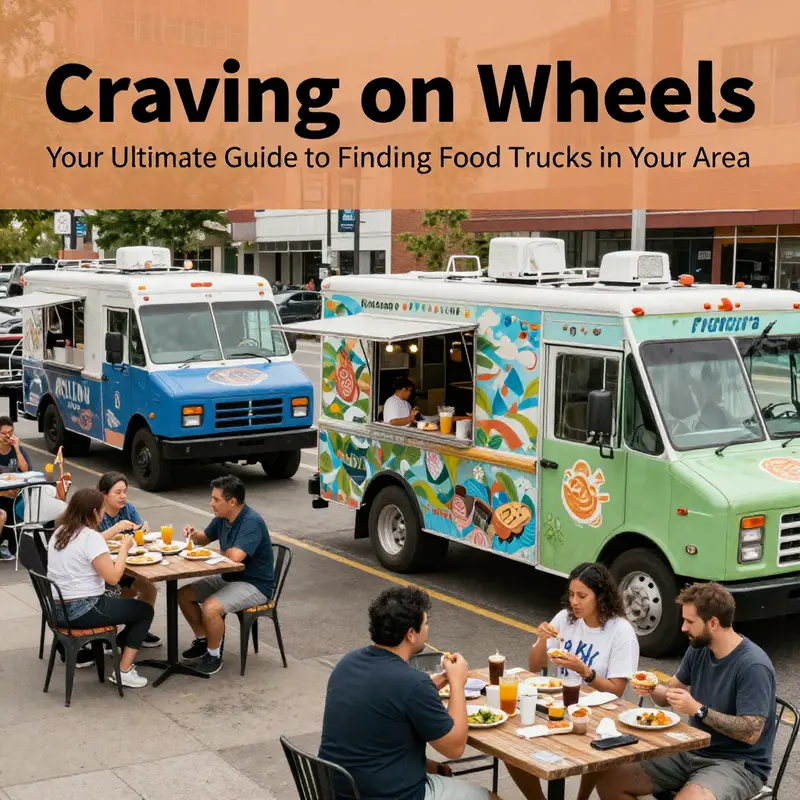
Wandering through a city, you notice the same thing in every neighborhood: a cluster of gleaming, modular kitchens parked along a street, a buzz of music, and the scent of something freshly cooked wafting through the air. These are the food truck hubs, the rhythm sections of urban eating that turn a simple lunch into a mini adventure. To find the trucks near you, you don’t have to chase rumors or rely on chance. You can move with intention, following the joints where cooking magic tends to gather, and you can map a route that folds in variety, cost, and atmosphere. The approach works anywhere—whether you’re in California’s sunlit cities, Oregon’s rainy streets, Wisconsin’s lakeside towns, or even on the tarmac of a Maui Costco lot where a food truck market unfolds beside a big-box store. The core idea is simple: treat hubs as your entry points, then let the day unfold from there, weaving in real-time updates, local schedules, and the social glow of places where people come to eat together.
In California, a state known for its culinary diversity, hubs sit at the crossroads of culture and community. In Sacramento, the Midtown Farmers’ Market isn’t only about produce; it’s a thriving artery for a rotating cast of trucks offering global flavors. You might wander past a Cuban-Mexican fusion plate or pause to savor a Spanish paella, all while listening to a market chorus of merchants and neighbors. San Francisco adds another layer with SPARK Social SF in Mission Bay, where several trucks rotate behind a backdrop of craft beer and festival energy. The variety here can feel almost architectural—the trucks themselves become fixtures in a broader landscape of events and gatherings. Then there’s Parklab Gardens, where food trucks share turf with mini-golf and green space, turning a bite into a playful outing. The energy in these hubs isn’t just about food; it’s about the social moment—the quick decision, the bite shared with friends, and a sense of discovery that makes a city feel navigable rather than fixed. In Pico Rivera, Avenue 26 Family Night Market blends a festival mood with a steady stream of Latin flavors, while San Diego’s downtown scene includes a dynamic mix—fried chicken, seafood, and comfort-food riffs—that showcases how trucks can surprise even seasoned eaters.
Oregon, and Portland in particular, is famous for its cart culture. The city’s famous pods can host hundreds of trucks, transforming whole blocks into open-air kitchens. The visual feast—the bright, sometimes whimsical trucks lined up like flavors of a rainbow—adds a layer of spectacle to the act of eating. You move from cart to cart, sampling a spectrum of cuisines, each dish telling a short story about a neighborhood’s influences. The experience is less about choosing a single place and more about following a narrative arc through the city’s culinary ecology. In practice, this means planning around peak times, knowing that Fridays and weekends often overflow with lines and live music, but also realizing that midweek pockets exist where you can savor intimate bites without the crowds. The pods aren’t static; they evolve with the seasons, with new trucks arriving and familiar favorites returning, making each visit a bit of a re-discovery.
Up the road in Wisconsin, the food truck scene has a different texture—tight-knit communities, locally loved staples, and the occasional surprising special. A local favorite near Mosinee, the Mosinee Brewing Co. Food Truck draws crowds with burgers, fresh-cut fries, and cheese curds—the kind of comfort food that pairs beautifully with a cold pint and a Thursday evening outdoors. Across the region, you’ll also find Amigo Taco for breakfast twists, Blue Barn Ice Cream offering float-worthy treats, and MCG Services, also known as Macey’s Asian-American Cuisine, delivering egg rolls and other bite-sized delights. These trucks anchor not just meals but neighborhood rituals—monthly market nights, post-work strolls, and weekend parks that become impromptu food walks where neighbors catch up, kids run to the ice cream truck, and adults trade recommendations for the next street-side bite. The Wisconsin hubs remind us that food trucks don’t exist in a vacuum; they thread into the fabric of daily life, offering a way to sample a region’s flavor profile without committing to a full sit-down experience.
Even in more remote or vacation-facing places, the truck rhythm persists. In Hawaii, the food truck phenomenon becomes part of the retail landscape itself. Maui’s Costco lots host thriving park clusters—Plate Lunch Marketplace and another adjacent park—that bring together Hawaiian staples with international twists. You can follow Thai noodles from a vendor called Thai Mee Up, poke bowls from Like Poke?, and fresh seafood from Da Nani Pirates, all within walking distance of a warehouse store that people already visit for everyday needs. The juxtaposition of a large retailer and a nimble fleet of micro-restaurants creates an almost ceremonial scene: locals swing by after work, families linger for sunset bites, and visitors discover what regional ingredients and island influences can look like when they leave the kitchen and hit the street with wheels. The lesson here is that hubs aren’t confined to glossy districts; they appear in diverse forms, sometimes in surprisingly everyday settings that still feel like a festival of flavor.
Across these geographies, the practical path to finding food trucks becomes clearer when you blend several strategies. Start with location-based tools and apps that show real-time positions. These technologies do more than reveal where a truck is parked today; they map patterns, revealing where trucks tend to set up on specific days, which vendors rotate in, and where the long lines form. Then add a human layer: local social media groups, city event calendars, and neighborhood pages where trucks post their schedules and occasional pop-ups. A mundane lunch hour can turn into a curated tasting tour when you follow a few local accounts and keep an eye on a couple of recurring events. Event listings such as night markets or weekly park gatherings become dependable anchors in your search, while popular downtown clusters provide the constant, always-on options that make it possible to plan a reliable itinerary.
To make this approach concrete, imagine you’re building a route that stitches together California’s sun-drenched buzz, Oregon’s cart-laden streets, Wisconsin’s lakeside pauses, and Hawaii’s weekend market ambience. You begin by checking a few hubs you know exist, then you scan schedules for that week—noon to early afternoon in California, late afternoon into evening in Portland, a dusk window near Mosinee as people gather after work, and a weekend surge in Maui near the Costco parking lot. You allow for detours: a freshly opened pod that’s generating chatter on a local feed, a seasonal festival players’ lineup that promises new flavors, or a pop-up that’s announced via Instagram. As you map, you start to notice the cadence of the trucks. Some days you’ll find the same faces at Midtown Farmers’ Market or SPARK Social SF, while other days you’ll chase the rumor of a new Cuban rice bowl or a Salvadoran-Mexican street fare that isn’t listed in any app. The joy of hub-based hunting is the constant readiness to switch gears: you’re always prepared to pivot, to sample, to observe how the crowd responds to a particular stall, and to carry a notebook of discoveries for future outings.
This approach isn’t about chasing every truck or memorizing a dozen street corners. It’s about reading the city’s culinary weather—watching where the mouth of the neighborhood opens for lunch, where a post-work crowd tends to collect, and how the energy shifts with festivals, games, or live music. It also invites you to consider logistics: where is the best place to park, how long do you want to stay, and what kind of menu would satisfy a group with mixed tastes. For readers who want a practical primer on the specifics of parking and maneuvering around trucks, there is a resource focused on the logistics of moving food on wheels: Mastering Food Truck Parking Challenges. It’s a reminder that the street-side feast is as much about access and flow as it is about flavor.
Finally, the value of hub-based exploration lies in its ability to reveal a city’s character through its mobile kitchens. The hubs become laboratories of local taste—small, dynamic stages where chefs experiment, families gather, students compare bites, and travelers collect stories about the places they’ve visited. You’ll leave with more than a full stomach; you’ll leave with a mental map of the city’s edible heartbeat, a sense of how community can unfold around a shared meal, and a few favorite stops to revisit on future trips.
For those ready to start soon, a practical opening move is to glance at a map and pick a known hub as your anchor. Then linger: watch the crowd, note which trucks seem to attract a steady line, and listen for the laughter and conversation that drift from the stalls. If you’re new to a city, this approach doubles as a casual tour and a way to blend in with locals who already know exactly where to go when hunger hits. And if you want to deepen the experience, you can follow the official channels of these hubs, check local event calendars, and keep an eye on neighborhood groups that regularly post truck schedules. Real-world exploration can be as much about the social texture as about the food itself, and that texture is what makes a hub-based hunt for food trucks feel less like searching and more like storytelling on a plate.
External resource: For practical, up-to-date navigation to find trucks in your area, Google Maps remains a solid starting point: https://www.google.com/maps
Pinpoint to Plate: Using GPS and Maps to Discover Food Trucks Near You
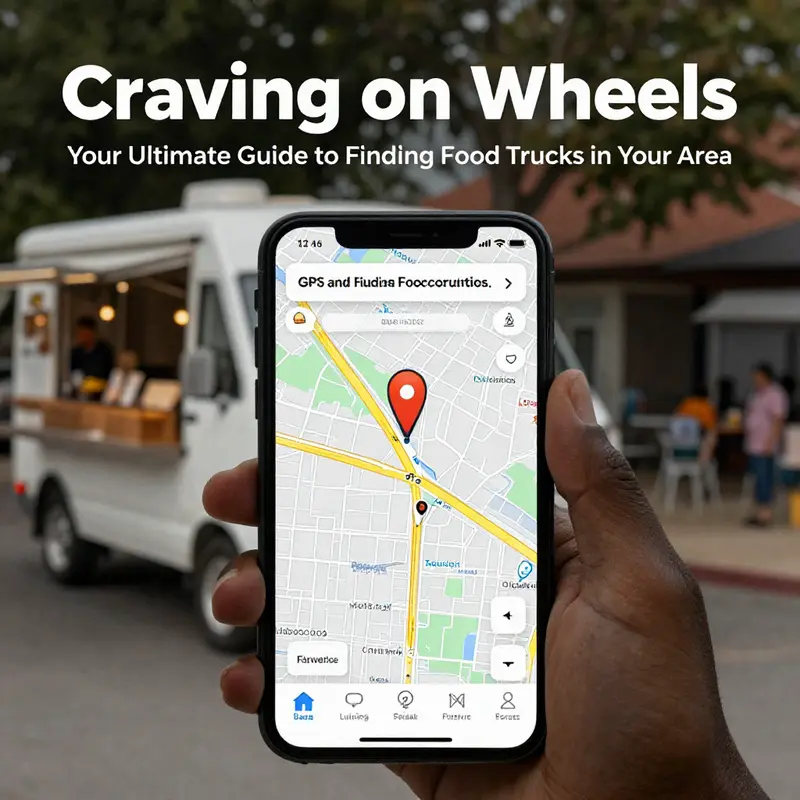
In many cities, the street meals that enliven lunch hours and weekend strolls exist almost invisibly unless you track them. Yet modern smartphones, maps, and location-aware apps bring these mobile kitchens into focus. GPS doesn’t just tell you where you are; it maps opportunity. It overlays a constellation of food trucks onto your street view, your downtown grid, or your park’s open space, turning a casual craving into a planned culinary outing. The tech behind this has matured into a dependable partner for explorers, commuters, and social planners alike. When you open a mapping app and search “food trucks near me,” you aren’t simply locating a distant vendor; you are inviting a small, roaming marketplace to meet your appetite in real time.
A core benefit of GPS-enabled maps is immediacy. The app uses your current coordinates to calculate distances, estimate travel time, and predict which trucks are likely to be nearby at that moment. It isn’t just about proximity; it’s about context. A truck may be three blocks away but parked in a crowded lot where lines move slowly. Conversely, a truck farther away may be parked in an open lane with a brisk turnover, making it the smarter choice if you are in a hurry. The map view acts as a living canvas where location, time, and choice converge. You can watch a small cluster of icons shift as vendors move between spots, reopen after a lunch rush, or relocate to avoid a congested intersection. This dynamic portrait is the essence of “real-time” in street-food discovery.
Within these tools lie several practical features that elevate the search above aimless wandering. First, most GPS-based systems support location tracking that centers the map on your device. As you move, the interface refreshes, always placing you in the middle of the action. Second, the cuisine search function—often accessible through a simple keyword or emoji-driven input—lets you spell out what you crave. A craving for tacos, dumplings, plant-based bowls, or spicy skewers can be translated into a quick query of nearby options. Even dietary preferences or allergen considerations can be integrated, so the results skew toward shells without dairy or gluten-free options if you specify those constraints. This ability to search by dish rather than by truck name is a strategic shift from passive listing to purposeful discovery. It mirrors how a diner plans a night out: not just what’s available, but what fits your current mood, schedule, and health goals.
Real-time data is the heartbeat of these experiences. Trucks are not static; they migrate between neighborhoods, shift menus with the day, and sometimes cancel appearances due to weather or private events. A robust GPS map pulls in live updates from the truck operators themselves or trusted aggregators, which means you see current locations, hours, and sometimes live queue lengths. You might notice a truck serving a favorite dish has a longer line than another nearby option offering a comparable alternative. The power here is transparency. You can compare, decide, and pivot without leaving the map, and you retain the option to save a favorite truck or set alerts for when a preferred vendor returns to your area. If you’re mapping out a lunch plan for colleagues, you can draft a route that stops at two or three trucks with minimal backtracking, maximizing time and flavor.
The practical impact on everyday life is meaningful. For the casual walker, these tools unlock a late-afternoon snack run you didn’t know you were missing. For the busy professional, they become essential for a predictable and satisfying lunch break. For families, they act as a flexible, budget-friendly dining option that travels with you to a park or event. And for the curious, GPS maps reduce the friction of exploration: you can step off a familiar path and discover wholly new street-food cultures in your own city without the guesswork that used to accompany such quests. The interface itself often includes menus or item highlights, sometimes with photos or user reviews, which means you can gauge what to expect before you order. It is a small but significant shift—from “Where can I find food?” to “What should I eat right now, and where will it be waiting for me?”
As you become more fluent with these tools, a few practices sharpen your efficiency without diminishing the joy of discovery. First, keep location permissions aligned with your intent. If you want live updates while you walk, allow the app to track your position in the background for a short window. If you’re planning a future outing, you can switch to a map view that saves your favorites and preloads data. Second, experiment with filters beyond cuisine. Many services let you filter by price range, dietary needs, and truck type. Some enable you to filter by operational hours, which is especially useful on weekends when trucks rotate between hotspots. Third, leverage the power of local social channels and event calendars in tandem with the map. A popular truck cluster may gather for a festival or a weekly market, and the map will show these community happenings alongside vendor locations. You can even set reminders that ping when a truck you love opens its window or lands near your office.
In practice, the map becomes a personal guide with a social pulse. When you’re in a new city, the urge to wander is tempered by the map’s intelligence. It suggests clusters that align with your current time of day—downtown micro-markets at midday, or a lively park where multiple trucks converge in the early evening. For those who crave variety, the map’s real-time layer can reveal a spectrum of cuisines within a few blocks. You might plan a mini-tour: begin with a starter from a taco truck, then hop to a dumpling specialist, and finish with a refreshing kale smoothie from a truck that specializes in greens and juices. The sequence can be crafted to minimize walking and waiting, turning an ordinary lunch into a curated street-food itinerary.
To deepen the practical value, consider how such tools negotiate uncertainty. Weather, traffic, or events can complicate where trucks are available. A well-designed system doesn’t pretend there is no variability; it surfaces options that reflect current conditions, advising you to adapt your plan rather than clinging to a losing expectation. This adaptability is not a symptom of unreliable tech but a testament to the maturity of modern location-based services. The user experience rewards curiosity without punishing it. You can learn from each search, refine your preferences, and let history inform future choices. Repeated visits to a favorite cluster often reveal seasonal shifts or new vendors entering a neighborhood, which keeps the experience fresh and exciting while still anchored to reliable, real-time data.
For readers seeking a more structured path, one notable approach involves using a particular tool described in the research results, which focuses on real-time location discovery and a cuisine-based search by typing in specific dishes. This capability is especially valuable for people with particular dietary goals or cravings who want to locate exactly what they want without wasting time. The workflow centers on enabling your device’s GPS to highlight nearby trucks, while the map overlays the information on a familiar interface. The result is a cohesive system where the dish you crave is matched with a vendor that can prepare it within a reasonable window. In addition to straightforward location pointers, such tools integrate menus and sometimes pictures, helping a hungry diner gauge portion sizes and presentation before stepping into line.
If you want to explore the regulatory backdrop that shapes where and when these mobile kitchens can operate, consider how the local rules influence parking spots and permitted zones. Navigating this landscape is part of planning a successful outing, and a deeper dive illuminates why some days are quieter in certain districts and busier in others. For more on this aspect, see Navigating food-truck regulations. This integration of location technology with civic context helps ensure your map-led adventures stay smooth and legal, avoiding unnecessary detours or misunderstandings about where a truck may set up shop.
The journey from pin on a screen to a plate in your hand is not merely a matter of technology; it is a practice of mindful, efficient observation. You learn the rhythms of your neighborhood—the times when trucks are most active, the streets where crowds tend to form, and the combinations that yield the tastiest outcomes in the shortest span of time. You also acquire a new literacy: interpreting live data, judging estimated wait times, and translating a cluster’s energy into a satisfying lunch plan. The more you use GPS-based maps, the more you trust your own instincts about where to begin and how to adjust. In this sense, the map becomes less of a list and more of a living itinerary that you can revise on the go.
As the day closes or the weekend unfolds, the act of using GPS and mapping services to locate food trucks remains anchored in human rhythms. It is about appetite and time, place and pace, social connection and surprise. The map does not replace the pleasure of choosing a dish or the joy of encountering a street-side cook turning ingredients into a signature bite. It enhances those moments by making them accessible, less random, and more deliberate. In cities that celebrate street food, the map is a friendly guide, encouraging you to explore beyond your usual routes and to sample the diverse flavors that your urban landscape offers. The beauty of this approach lies in its simplicity: you do not need a plan carved in stone; you need a reliable compass to point you toward fresh, nearby options when hunger strikes or curiosity calls.
External resource: https://blog.csdn.net/qq_43258976/article/details/140823997
Final thoughts
Finding food trucks in your area can be a delightful adventure, whether you’re coordinating an event, enhancing workplace lunches, or simply looking for a tasty culinary experience. Equipped with modern apps, location tools, dynamic social media feeds, and knowledge about popular food truck spots, you can uncover a rich street food culture right around you. Dive into this delicious world with a keen eye, and savor each unique offering the food trucks provide. Your unforgettable meal is just a few taps away!