Coachella’s draw goes far beyond headline performances. Its food truck ecosystem is a deliberate, high-energy lane of flavor, fueling attendees and shaping the festival experience. For event planners, corporate HR and admin teams, local community groups, and individual food enthusiasts, the mobile kitchen model offers a practical blueprint for delivering variety, accessibility, and momentum between sets. The festival’s outdoor dining streets transform into dynamic hubs where gourmet tacos mingle with ramen, vegan bowls, and international desserts, all within a single, walkable footprint. A well-designed truck program supports brand partnerships, helps manage crowd flow, and advances sustainability goals through local sourcing and waste reduction. As Coachella 2026 approaches, understanding how food trucks fit into the larger festival framework is valuable for anyone planning large-scale events or seeking inspiration for community gatherings. This piece breaks the topic into four essential facets: the overall presence and role of food trucks, the diversity of cuisines and vendor types, the logistical choreography of placement and vendor management, and how to source reliable information while eyeing future trends. Each chapter builds a holistic view of flavor, people, process, and the future of festival dining in the Coachella context.
Feast on the Edge: How Coachella Food Trucks Shape the Festival Experience
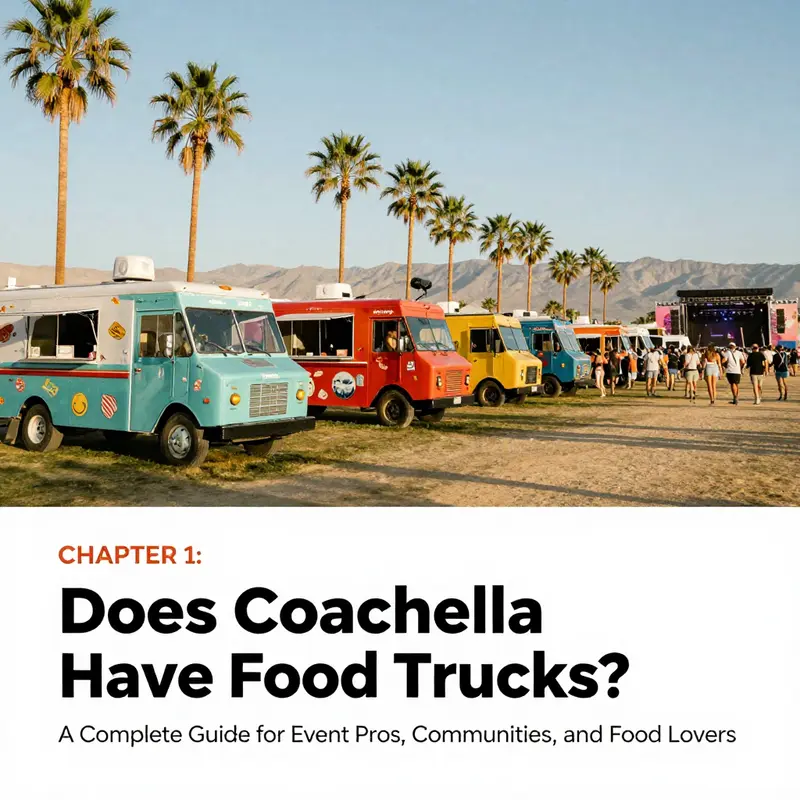
Coachella is defined by more than stages and sound; it is a tapestry of food, dust, and conversation. The food trucks are not afterthoughts but a central thread that shapes pace, social energy, and the desert’s dining ritual. Move between acts and you are never far from a truck porch offering something new, a quick chat about a seasonal twist, or the satisfying crackle of a grill. The layout places food zones near performance zones and along main pedestrian routes, so attendees can grab a bite between sets without breaking stride. This proximity reduces backtracking, minimizes waits, and keeps the day moving. Yet it also invites discovery as new flavors appear with the changing menus and rotating offerings that highlight local produce and regional influences.
Variety and accessibility are the pillars of Coachella’s culinary ethic. The trucks present a broad spectrum—from gourmet tacos and artisanal burgers to plant based bowls and world foods—designed for quick service and shared moments. The menu architecture favors short, portable bites that travel well and can be enjoyed in minutes or lingered over in a break between acts. Vegan and gluten free options are common, and many trucks feature seasonal specialties that reflect nearby farms and culinary collectives. The result is a festival where food becomes part of the creative conversation, not just nourishment.
Sustainability threads through every truck operation: compostable packaging, waste reduction, and energy-conscious practices. Utensils that break down, cups designed for compost streams, and clear waste flows help keep the desert landscape pristine while showcasing the vendors’ commitment. Staff cultivate a sense of hospitality, guiding guests through menus and sharing methods, spices, and stories that turn a meal into a memory. Ultimately, the food truck ecosystem amplifies Coachella’s creative energy—ambassadors of craft that travel with the crowd, sparking conversations, collaborations, and shared discovery around every corner.
Looking ahead, organizers emphasize quality, diversity, and sustainable practices as core to the festival identity. The official Coachella platforms remain the most reliable source for updated vendor rosters, menus, and seasonal changes. For those seeking inspiration or practical planning, the food truck story at Coachella is a living example of how taste and culture travel together through a festival landscape.
Culinary Caravan in the Desert: Coachella’s Food Trucks, Their Diversity, and the Festival’s Flavorful Fabric
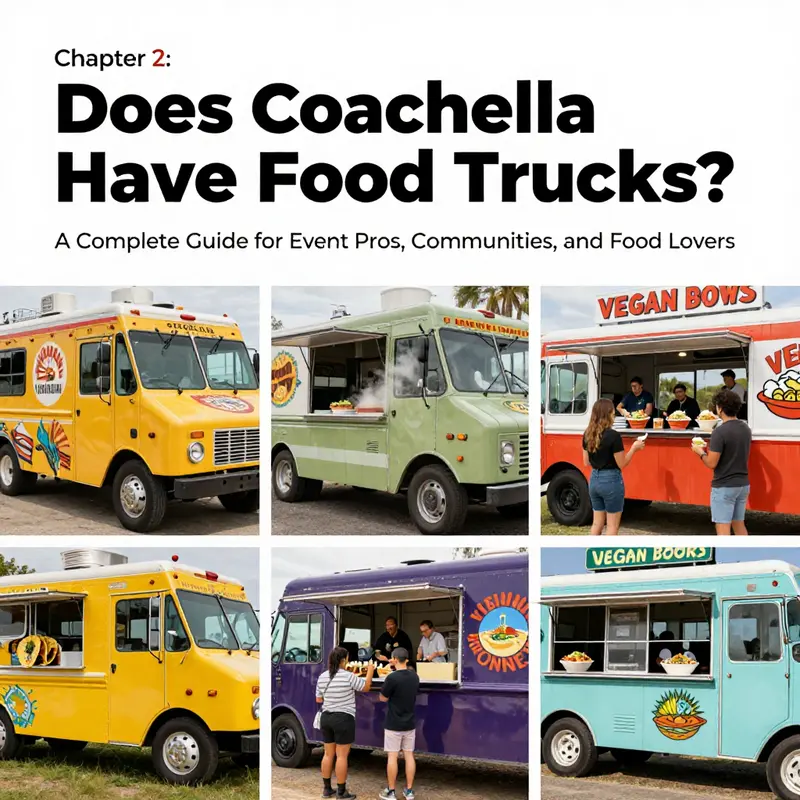
When the stages glow and the air shifts from heat to a cooler desert dusk, a different heartbeat pulses through the festival grounds. The clatter of utensils, the hiss of grills, and the resonance of sizzling oil become another soundtrack to the Coachella experience. Food trucks line the walkways in designated zones, turning the desert into a moving culinary street fair between performances. This is not merely a side note to the music and art; it is a core part of how attendees navigate the festival, refuel, and regroup for the next wave of acts. The question does not simply ask if food trucks exist at Coachella; it asks how they shape what the festival feels like, how they reflect a global palate, and how their presence coordinates with the rhythms of an event that unfolds across stages, art installations, and open-air spaces under vast skies.
Diversity is the through line. The food truck row at Coachella offers an eclectic spectrum of cuisines that mirrors the festival’s own international reach. Attendees can wander from dishes inspired by street corners in one hemisphere to comfort foods that evoke home in another. The lineup is not a static menu but a rotating mosaic that shifts with the festival’s energy, dietary trends, and the creative whims of operators who bring their own signatures to a desert audience. You might encounter taco-inspired plates that blend local ingredients with traditional techniques, bowls that reinterpret classic noodle soups with a contemporary twist, and plant-forward concepts that foreground vegan and vegetarian creativity without compromising flavor. Desserts and bite-sized treats also have a place in the flow, with trucks dedicated to sweets and frozen delights that offer a brief, satisfying pause between sets. The result is a dining landscape that is as much about exploration as it is about nourishment, inviting attendees to snack their way through the day and keep pace with a schedule that is as demanding as it is dynamic.
From a distance, the trucks appear as mobile kitchens positioned like beacons along the festival’s arteries. Up close, they reveal themselves as small, nimble businesses that fuse culinary craft with the improvisational energy of a live event. Some operators are smaller, independent teams that have built reputations within regional communities; others are mobile extensions of established brands that optimize the reach of their menus for large crowds. In either case, the trucks bring a sense of immediacy and intimacy. There is no pretense of a formal dining room here; instead, guests encounter the sense of a bustling market where cooks greet patrons with a smile, share recommendations, and adjust spice levels or toppings on the fly. This is food culture in motion—practical, creative, and deeply responsive to the moment, which resonates with the festival’s own emphasis on spontaneous encounters and shared experiences.
The variety of offerings extends beyond mere flavor profiles. Dietary needs and preferences are addressed through thoughtful menu options, ensuring that the festival remains inclusive without sacrificing excitement. A curious eater can chart a path from lightly seasoned, vegetable-forward plates to hearty, protein-rich creations and then swing back to lighter, crisp bites before catching the next act. The presence of vegan and vegetarian choices sits alongside options rooted in traditional street foods from across the world, including themed interpretations of familiar comfort foods transformed to suit a festival environment. In practice, this translates to a dining ecosystem where attendees are encouraged to pair their meals with performance schedules rather than choosing between two monolithic options. The overall effect is a sense of culinary democracy—a spectrum wide enough to satisfy a wide array of tastes while maintaining a distinct, cohesion-driven atmosphere that supports rather than distracts from the musical experience.
Another facet of this diversity lies in the vendor types themselves. Coachella’s food trucks bring together a spectrum of operators: from nimble, family-run teams that have honed their craft in nearby communities to mobile units that carry the branding power of regional operators onto a festival stage. Each truck contributes its own story, its own recipe lineage, and its own approach to service. The phenomenon embodies a microcosm of the broader food-truck economy: small-scale entrepreneurship meeting the scale of a major festival, with logistics, supply chains, and staffing pulled into a single desert event. The result is a dynamic ecosystem where the atmosphere is shaped as much by the people behind the wheels as by the meals on the trays. In that sense, the trucks are not just vendors; they are storytellers, each carrying a slice of somewhere else and inviting festival-goers to taste a portion of that place right between performances.
This culinary diversity also reflects the festival’s global appeal and its commitment to inclusivity. The range of cuisines is designed to welcome audiences from many backgrounds, including those with special dietary needs. The logistics of providing such variety in one site are nontrivial: coordinating menus, sourcing ingredients that can hold up in desert conditions, and ensuring that service remains efficient as crowds flow past in search of sustenance between stages. The pace of a festival day—long hours, shifting light, and the inevitable fatigue that accompanies marathon lineup days—places a premium on convenience without compromising quality. The food-truck setup answers this with clearly marked queues, easily navigable lanes, and zones that keep lines moving and food ready when momentum matters most. Yet even as practical considerations govern operations, there is room for culinary surprise: a truck that offers a reinterpretation of a traditional dish, a fusion concept that marries techniques from distant kitchens, or a dessert truck that turns a familiar treat into a playful, portable delight. These moments remind attendees that the desert is a place for experimentation as well as endurance.
The surrounding area outside the festival gates also reflects a robust food-truck culture. For visitors who want to extend their culinary explorations beyond the festival grounds, the Coachella Valley hosts a thriving scene where mobile kitchens serve neighborhoods, parks, and events with equal energy. Reviews from locals and travelers alike emphasize the quality and variety of trucks in the region, underscoring that Coachella’s food trucks are part of a larger, vibrant ecosystem rather than an isolated attraction. In practice, this means that a festival-goer who falls in love with a particular style—from handmade street-food conceptions to more globally inspired, bold flavors—can often trace that affinity back to experiences in the valley’s regular dining circuit. The festival thus serves as an accelerant, introducing attendees to a broader landscape of food culture while also feeding a mutual exchange between the festival’s operators and the local business community.
The operational cadence of the food-truck world at Coachella is itself a study in logistics and timing. The vastness of the site, the openness of the desert, and the constant motion of a rolling event create a choreography that operators must master. Stocking, cooking, and serving for thousands of people over multiple days demands a careful balance of preparation, adaptability, and speed. It also invites a degree of improvisation—adjusting recipes for weather, tweaking portion sizes in response to demand, and coordinating with the festival’s schedule to ensure that popular items are consistently available without creating bottlenecks. Guests, in turn, experience a cadence in which meals can be planned around a set or simply seized on the fly as they wander from one stage to another. The best moments often come from the serendipity of hunger and opportunity: discovering a new flavor profile while in the middle of a crowd, or sharing a bite with friends while still discussing the day’s performances. In this sense, food trucks contribute to the social texture of the festival, turning meals into a shared, portable social space threaded through with conversation, curiosity, and the camaraderie that music festivals tend to cultivate.
For readers seeking practical guidance on navigating this culinary landscape, the festival’s own channels and trusted community voices offer essential insights. The official festival information remains the most reliable source for current vendor rosters and menus, providing clarity as to which trucks are onsite on a given day or time. As with any large event, menus and line dynamics can shift, so cross-checking the latest postings is a wise step for anyone planning their day. Those who want deeper operational context—how a food truck scales for a major event, how operators manage staffing for peak hours, or how vendors prepare for the desert climate—will find value in industry-focused resources that explore the mechanics behind the scenes. A longer-form discussion on the subject can be found in dedicated food-truck coverage that links the practicalities of event cuisine with the creative energy that fuels these mobile kitchens. For readers curious about the broader, ongoing conversations in the mobile-food world, a concise reference point can be found at the blog of a well-established mobile kitchen operator, which offers practical perspectives on event logistics and culinary adaptation. loschifladostruck.com/blog/
Ultimately, the answer to whether Coachella has food trucks is not a simple yes or no. It is a nuanced affirmation that captures how the trucks contribute to the festival’s character. They carry the flavors of distant places into a desert setting, they bring variety that accommodates a wide spectrum of tastes and dietary needs, and they embody a shared, communal dining experience that unfolds in real time with the festival’s evolving mood. The diversity of cuisines and vendor types—ranging from nimble, independent operators to larger mobile units—reflects a market-style ecosystem that thrives on momentum, novelty, and the promise of a satisfying bite between the next wave of performances. This is not merely feeding adventurers; it is feeding a culture of exploration, collaboration, and cross-cultural exchange, all under the open sky of a desert festival that invites people to taste, talk, and linger just long enough to catch the next act. For those who want to verify current vendor details and menus, the official channels remain the best source, with updates that are specific to each festival edition. And for readers who crave broader context about how food trucks operate in large-scale events, there is value in looking at the industry’s broader conversations and case studies—the kind of material that illuminates how these mobile kitchens can sustain energy, creativity, and connection across long days in challenging environments. For a direct look at the festival’s current vendor landscape, see the official Coachella site.
External resource: official Coachella information can be found here: https://www.coachella.com
Feeding the Festival: The Logistics, Locations, and Vendor Management Behind Coachella’s Food Trucks
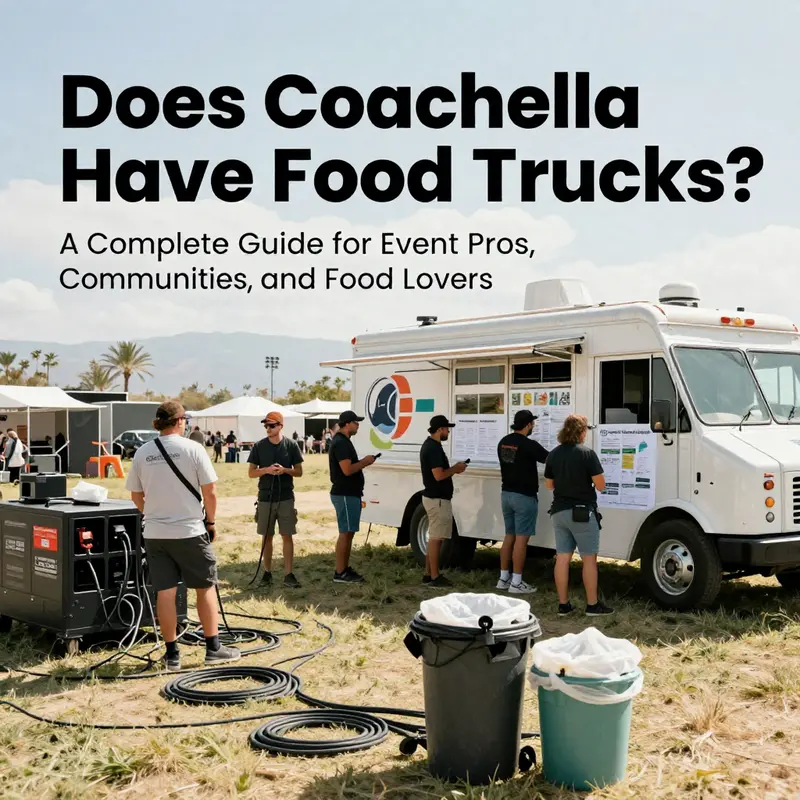
The food truck phenomenon at Coachella is not a sidebar to the music; it is a central thread that threads through the entire festival experience. As stages glow with performances and art installations ripple across the palm-strewn landscape, the roaming kitchens—bright, compact, and bustling—transform the desert into a vibrant, rotating banquet. Attendees wander with a breeze of heat and anticipation, trading fatigue for flavor as trucks line up with aromas that rise above the crowd. The diversity of offerings mirrors the festival’s own spectrum of genres and cultures, from familiar comfort foods to dishes that mirror kitchens from across the globe. It is no accident that the festival is frequently recognized not just for its music and art but for its culinary tapestry, where every truck adds a personal story to the collective sensory memory of the weekend. The food trucks are more than vendors; they are social nodes and micro‑communities that echo the festival’s ethos of inclusivity and experimentation. The same energy that fuels a late-night bass drop also powers a line of people eager to sample a new combination of textures, spices, and techniques, all crafted in a compact mobile kitchen that braves the desert sun to deliver a hot meal with a smile.
The logistics of this culinary ecosystem are a carefully choreographed blend of space planning, safety protocols, and vendor management that starts long before the first panel lights up. Coachella’s grounds are woven with designated food zones positioned in proximity to the primary performance areas and the densest streams of foot traffic. The objective is explicit: maximize service speed while minimizing congestion, all without sacrificing variety or quality. In practice, this means a layout that invites discovery, where a guest may zigzag between a sizzling taqueria truck and a steaming noodle shop, then pause beneath a shade canopy to savor a bite while planning the next route to a favorite stage. The zones themselves become landmarks, helping attendees orient themselves in a vast, bustling landscape where hours blur and crowds swell. The careful siting of these trucks also considers sound management, queuing dynamics, and the sun’s angles, so that popular options remain accessible without creating bottlenecks that could disrupt movement between acts.
Behind every tray of street-style ramen or perfectly seared taco lies a selection process that blends artistic taste with operational discipline. Coachella curates its culinary partner mix through a competitive application system that weighs multiple factors. Quality is non-negotiable; menus must demonstrate culinary ingenuity, consistency, and the ability to scale service during peak demand. Diversity in cuisine is another pillar, ensuring that the festival’s global audience can find familiar comforts as well as surprising flavors that push boundaries. But the criteria extend beyond taste alone. Vendors must show robust health and safety practices, including adherence to strict food-handling regulations, sanitation standards, and safe food storage. Sustainability forms a core strand of the vetting: the use of renewable energy sources, compostable or reusable packaging, and waste-minimization strategies are all part of the evaluation. In this sense, the food trucks are a living example of how a large-scale cultural event can blend celebration with responsibility, offering experiences that delight without compromising the broader commitments to environmental stewardship that the festival constantly promotes.
The on-site reality of feeding tens of thousands of people each day requires a finely tuned supply chain and a responsive operations backbone. The Empire Polo Club in Indio functions as the physical epicenter of logistics for the festival, serving as both the main venue and a hub for transportation, storage, and distribution. From this logistical core, goods travel along a network of routes that brings ingredients, equipment, and supplies from distribution points to the festival grounds. The journey is a mix of ground and, when necessary, air movement, reflecting the scale and tempo of the operation. Once the supplies reach the distribution centers near the site, trucks deliver the essentials to the food zones. The flow is designed to prevent interruptions in service, especially during peak performance windows when fans move between stages in synchronized waves to catch the next big moment. Every crate and cooler arrives with a stamped schedule, a careful accounting of perishables and dry goods, and a plan for rapid turnover to ensure freshness against the desert heat.
Inside the trucks and behind the counters, a separate but equally important system governs how the culinary team operates. Food safety remains non-negotiable, and the vendors must comply with a battery of health regulations that safeguard both patrons and staff. Temperature control, cross-contamination prevention, and proper labeling are baseline expectations that keep the operation trustworthy in a setting where speed can tempt shortcuts. Yet the emphasis on safety is balanced by a commitment to sustainability. Many kitchens emphasize energy efficiency, whether through equipment choices, compact power management, or creative scheduling that minimizes fuel use. Packaging choices are increasingly oriented toward compostable or recyclable options, aligning with larger festival sustainability initiatives that encourage guests to dispose of waste thoughtfully and to participate in waste-diversion programs. In this way, the food trucks become not only places to eat but also testbeds for practices that demonstrate how high-traffic events can reduce their environmental footprint while preserving the spontaneity and joy that define the experience.
The on-site environment presents its own challenges that the vendor management team continually adapts to. Desert conditions—intense sun, shifting winds, and sometimes dramatic temperature swings between day and night—shape everything from grill performance to queuing behavior. The infrastructure is robust: paved pathways, secure parking for staff and vendors, and a temporary, modular power grid that keeps the lights and equipment humming while safeguarding safety and reliability. The power grid is designed with redundancy, recognizing that a single outage can ripple through the dining experience long before a crowd disperses after a performance. Meanwhile, real-time coordination channels connect food zone supervisors, stage managers, and supply drivers, enabling rapid rerouting if a stage schedule shifts or a particular area becomes overcrowded. This level of coordination is essential in a setting where a single well-timed drop of new stock can relieve a crowded queue and a delayed delivery can cascade into frustrated patrons. The operator’s challenge is to maintain a steady rhythm that matches the festival’s pace—an almost musical cadence that aligns service windows with the peak song moments and the ebb of crowd movements.
The culinary landscape at Coachella is a reflection of its audience’s appetite for novelty and familiarity in equal measure. Attendees expect a spectrum of flavors that resonates with a global cityscape, from quick, handheld bites that can be eaten on the move to more elaborate dishes that reward a longer stay near a shaded seating area. The trucks adapt to this expectation through dynamic menus, daily specials, and a willingness to innovate within the constraints of a portable kitchen. The best operators balance consistency with adaptability: they deliver recognizable favorites that can be prepared rapidly during lunch rushes and evenings when snack-sized bites become perfect companions to late-night sets. They also introduce limited-time offerings that capture the moment, leveraging the festival’s mood and the crowd’s evolving tastes. In practical terms, this means a steady drumbeat of prep work, replenishment runs, and cross-team communication, all choreographed to keep lines moving, temperatures safe, and flavors vibrant. The result is a culinary ecosystem that feels seamless and almost symbiotic with the music—where every bite seems tuned to the tempo of the performances that animate the desert air.
For readers curious about the governance behind such a complex operation, the vendor management approach is a study in balance. The competitive application process, the insistence on high standards of hygiene and sustainability, and the emphasis on a diverse culinary lineup all serve a larger objective: crafting an inclusive, memorable festival experience without compromising safety or environmental responsibility. The logistics are equally deliberate. A well-planned layout reduces idle time for both guests and staff, while the distribution network ensures that fresh ingredients arrive in time for service and that waste streams are handled in a way that respects the landscape. These practices are not incidental details; they are foundational pillars that enable the festival to sustain a steady ratio of energy, flavor, and movement across three or more days of non-stop activity. In this sense, the food trucks are as integral to the festival’s identity as any act on the main stage, and their management reflects the same precision and care that go into curating the lineup, directing the art installations, and shaping the guest experience from first arrival to final sunset.
As with any large, dynamic event, the specifics of vendor names, menus, and exact truck locations shift from year to year. The best way to stay informed about current offerings and the precise layout of food zones is to consult official resources as the festival approaches. Those who seek a deeper understanding of how such operations translate into practice can also explore related perspectives on the food-truck industry and regulatory environments. For instance, the realm of regulations, permits, and best practices offers a complementary lens on how mobile kitchens navigate compliance while delivering consistent quality. See the discussion on navigational considerations at navigating food-truck industry regulations for a detailed view that can illuminate the broader context behind Coachella’s vendor strategies.
In sum, Coachella’s food trucks are a living map of the festival’s core values: variety, accessibility, sustainability, and a shared sense of exploration. They serve comfort and curiosity in equal measure, testing the limits of what a mobile kitchen can achieve when it operates at the scale of a city. The proximity of culinary zones to the action invites spontaneous meals that strap onto a day of performances, while the behind-the-scenes rigor guarantees safety, reliability, and a forward-looking stance toward environmental stewardship. The food trucks do more than feed the crowd; they offer a daily rehearsal of how large cultural events can harmonize multiplicity with cohesion. If music is the heartbeat of Coachella, the food trucks are the steady, nourishing pulse that keeps the festival moving forward—one flavorful moment at a time.
For readers seeking the latest vendor specifics, schedules, and menus, the official festival channels remain the best source of up-to-date information as the event approaches. The festival’s own site provides current details on vendor lists and logistics, while broader festival resources offer context for the scope and scale of operations that make the food-truck experience possible. Official information can be found at https://www.coachella.com.
Culinary Trails in the Desert: How Coachella Turns Food Trucks into a Festival Within a Festival
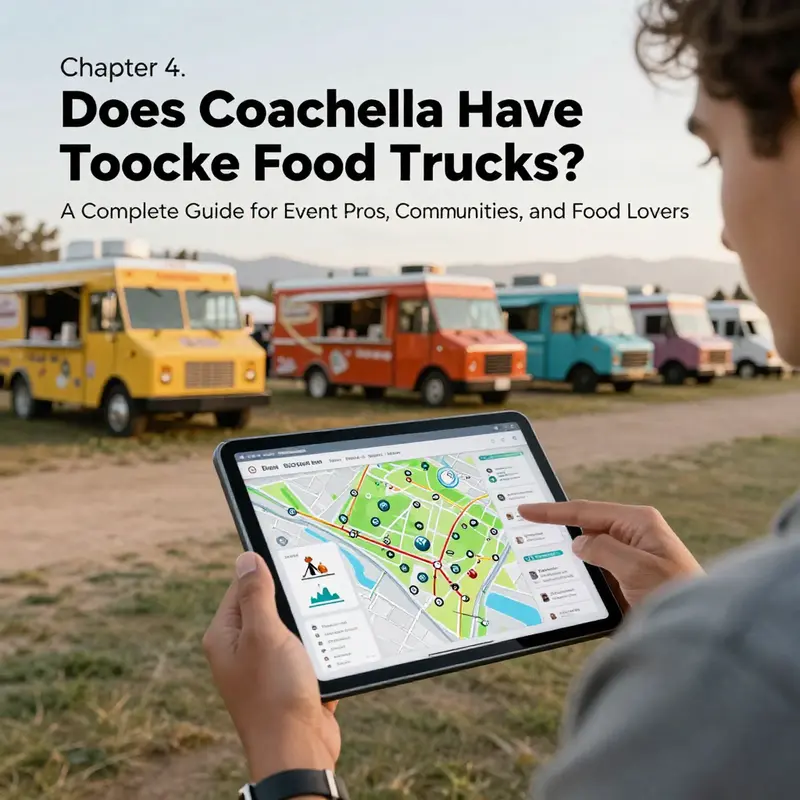
The question of whether Coachella has food trucks is almost quaint at this point, because the festival itself has grown into a sprawling culinary landscape that rivals its music lineup. The desert sun may set behind a horizon of stages, but the appetite of festivalgoers is never far behind. Over the years, Coachella has transformed food service from a utilitarian concern into a defining facet of the experience. Where once attendees might have settled for a snack between acts, today they wander through designated food zones that feel more like curated marketplaces than a traditional festival concession area. This evolution matters, because it reframes what a festival menu can be: not merely fuel, but a daily passport to a wide world of flavors, textures, and storytelling, all woven into the rhythm of live performances.
In practice, the food ecosystem at Coachella is organized to function as seamlessly as the stage schedules. The grounds are punctuated by clusters of trucks and stalls that form coherent culinary neighborhoods. These zones aren’t random pit stops; they are intentional spaces designed to accommodate long lines, casual seating, and the spontaneous conversations that typically happen when people are sharing plates, not just grabbing quick bites. Attendees move with the same ease they bring to choosing a set list, hopping between a high-energy taco concept, a comforting bowl of noodles, or a plant-forward barbecue pairings—often within minutes of making a choice. The layout invites a sort of wandering appetite, where people discover new favorites the way they discover new bands, letting curiosity lead rather than a fixed plan.
Variety is the lead character in Coachella’s food story. The trucks offer a spectrum of cuisines that reflect the global palate while staying mindful of desert practicality. You can expect bold, flavorful options that satisfy crave-worthy cravings after a long day in the heat, balanced by lighter, veggie-forward choices and inventive desserts designed to refresh or recharge. The result is a culinary buffet that mirrors the festival’s value of breadth—breadth of sound, breadth of people, breadth of experiences. This isn’t about a single signature dish; it’s about a portable, dynamic menu that evolves with the festival’s mood and with the season’s best produce. The emphasis is on high-quality executions that travel well, with meals that hold up under the pace of a day spent chasing stages and staring at screens that flash with colorful performances.
What matters just as much as the menus is how these food trucks integrate with the festival’s tempo. In many respects, they are a counterpoint to the stages: a place where the crowd gathers between acts, where conversations spill into the shared space of a long communal table or a casual cluster of stools. The food zones have become social hubs—places for impromptu celebrations, quick meetups, and the kind of casual recaps that pepper festival lore: the moment a new act drops into view, or a surprise collaboration appears on a smaller stage. This social dimension is not incidental; it is part of what makes the food trucks feel like an extension of the music experience rather than a separate side trip. A good dish here often accompanies a good memory of a performance, and the memory grows stronger when paired with the right setting and a friend’s shared enthusiasm.
Beyond the immediate bustle, Coachella’s food ecosystem has earned a reputation for quality that goes beyond novelty. The trucks are chosen with care, aiming for consistent execution across the festival’s broad audience. The idea is not merely to fill plates, but to offer experiences—some playful, some comforting, some daring. Expect gourmet touches in a handheld format, such as thoughtfully seasoned fillings tucked into tortillas or buns, balanced by vegetarian or vegan options that never feel like a secondary consideration. The focus on quality is complemented by a respect for diversity, ensuring that the offerings accommodate different dietary needs and cultural preferences. In this sense, the food landscape becomes a microcosm of the broader cultural mosaic that Coachella celebrates on stage and off.
The logistics of feeding tens of thousands of people in a desert environment would be daunting if not handled with foresight. Here again, the festival’s approach is thoughtful and practical. Food zones are designed to minimize bottlenecks while maximizing convenience. Dedicated order windows, clear signage, and a mix of quick-service and slower, more deliberate options help keep lines manageable without sacrificing the sense of occasion. The use of waste streams and sustainable packaging reflects a growing awareness of environmental impact. Vendors increasingly adopt recyclable or compostable materials, and some trial programs explore energy-efficient equipment and water-conserving practices. It’s a visible shift toward a more responsible festival economy, one that spectators may not notice as a policy, but will feel as a smoother, cleaner, more enjoyable food experience.
Technology also threads through the food truck experience at Coachella in meaningful ways. Mobile ordering, contactless payments, and real-time location updates reduce friction and keep the focus on the moment—the music, the sunlit horizons, the laughter of friends. A subtle choreography emerges as lines form and break in predictable patterns, with digital queues and pre-orders helping people time their meals to fit between sets. This is not a mere convenience; it is a practical response to the festival’s scale and pace. It allows the small, passionate teams behind each truck to operate with greater efficiency, ensuring that even as the crowd grows, the throughput remains reliable and the quality remains high.
While the festival invites a broad audience to participate in this food journey, it also underscores a wider cultural and economic story. Coachella has long served as a platform for local and regional culinary voices to reach a diverse, global audience. In this ecosystem, small, family-owned operations that bring a sense of place and history to the desert landscape can find a welcoming stage. The festival’s support for these operators helps sustain a network of local entrepreneurs and preserves a sense of authenticity that might otherwise be lost in a mass-event setting. This community-driven thread adds texture to the food landscape, giving festivalgoers not only meals but a sense of connection to the place they are visiting.
With that context, it’s useful to consider how the food-truck phenomenon at Coachella is positioned for the future. Several trends emerge from the current landscape and carry implications for subsequent editions of the festival. First, culinary innovation and niche concepts appear to gain traction. Audiences crave variety that feels both familiar and novel, so trucks experiment with fusion concepts and clever reinterpretations of traditional dishes. This isn’t just about novelty; it’s about delivering satisfying meals that travel well, hold their integrity after hours of service, and resonate with a diverse crowd. In the desert, innovation must be practical as well as imaginative, balancing bold flavor profiles with reliable execution under hot conditions and long service windows.
Second, sustainability remains a guiding light. Eco-friendly packaging, composting programs, and energy-conscious operations are not optional add-ons but expectations that shape vendor participation. The festival’s environmental ethic aligns with broader consumer values, turning responsible practices into a competitive advantage for the trucks that genuinely invest in them. The result is a food scene that demonstrates how a large event can be a platform for responsible entrepreneurship without sacrificing the joy and immediacy of street-food-style dining.
Third, the integration of food trucks with major events continues to deepen. Coachella’s footprint grows not just in the number of trucks but in the quality of the culinary journey it offers. The goal is to create curated, immersive experiences that complement the performances, turning meals into micro-events that can be enjoyed as part of the day’s arc rather than as a separate detour. The idea is social, experiential, and increasingly anticipatory: attendees plan around a few signature truck concepts, and the trucks, in turn, build anticipation with timely menu twists and pop-up moments that align with the festival’s evolving artistic program.
Fourth, technology will continue to shape how people discover and interact with food on the grounds. Real-time updates about truck locations, live menus, and seamless payment systems reduce friction and empower attendees to navigate the vast space with confidence. This tech-enabled flexibility is essential for a festival that welcomes a global audience, where language, dietary preferences, and time constraints vary widely. The food landscape thus becomes not only more efficient but also more inclusive, inviting curious eaters to sample a broader range of offerings without sacrificing pace or spontaneity.
Fifth, and closely tied to the first four, is the enduring importance of community and family-owned operations. Even as the festival scales and attracts a global audience, the sense that these trucks are rooted in local stories remains a cornerstone of authenticity. The value of supporting small, locally rooted ventures is twofold: it enriches the cultural texture of the event and it reinforces a sustainable local economy that extends beyond the festival grounds. For attendees, this means more than a meal; it is a direct, tangible connection to the people who bring flavor, memory, and craft to the desert stage.
In such a landscape, one can sense that Coachella’s food trucks do more than feed a crowd. They participate in a broader performance: a curated experience where every bite can carry memory, every queue can become a social moment, and every truck can tell a story about place, craft, and resilience. This is why the question of “do Coachella food trucks matter?” can be reframed as “how do they shape what a festival can feel like?” The answer lies in the way the trucks blur the lines between culinary exploration and communal celebration. They turn a day in the sun into a shared, edible celebration of movement, sound, and taste.
For readers who want to explore the practicalities behind this vibrant food ecosystem, industry voices emphasize a few takeaways. The current setup is built to accommodate a festival-scale audience without sacrificing the intimacy of a well-tuned kitchen on wheels. The balance comes from thoughtful vendor selection, adaptive service models, and a willingness to experiment while maintaining core standards. Attendees benefit from the reliability of well-executed options and from the chance to discover hidden gems that may spark lasting culinary interests. And as the festival continues to grow, the most lasting impression may not be the largest stage or the loudest bassline, but the sense that the desert, under a canvas of stars and lights, becomes a place where people come together to share meals as freely as they share music.
For those curious about staying ahead of the curve, the wider industry context provides helpful guidance. The 2026 outlook highlights that the most successful food-truck operations at large events are those that blend innovation with sustainability, convenience with quality, and local authenticity with global appeal. In practice, that means flexible menus that can adapt to supply realities, packaging that respects the environment, and technology that makes the dining experience smoother rather than more complicated. It also means honoring the community roots of the vendor ecosystem, ensuring that festival exposure translates into ongoing opportunities for small businesses long after the stages go dark. In short, Coachella’s food trucks illustrate how a festival can nourish not only the body but the broader culture it celebrates—the desert, the music, and the people who arrive with a shared hunger for experience.
For readers seeking practical context beyond the gates, a longer view of the evolving food-truck scene at major desert festivals can be found in industry discussions and official event communications. This broader coverage helps frame Coachella’s choices within a trend toward more curated, immersive, and responsible street-food experiences across large-scale gatherings.
Internal note for further reading: a practical overview of food-truck operations and event readiness contains useful perspectives for anyone interested in how these mobile kitchens manage the demands of an event of Coachella’s scale. See the insights in this community blog: loschifladostruck.com/blog/.
External reference for broader context: https://www.coachellavalleyfoodtrucks.com/events/2026
Final thoughts
Coachella’s food trucks are more than meals on wheels; they’re strategic, social, and operational anchors that shape the festival’s identity. The four chapters reveal a cohesive system: a clear presence and role that anchors attendees’ daily rhythms; a rich tapestry of cuisines and truck formats that reflect diverse tastes and budgets; a logistics blueprint that balances customer flow, vendor coordination, and safety; and reliable information pathways paired with forward-looking trends that keep the program fresh and resilient. For planners, the takeaway is practical: design visible, accessible dining zones; curate variety that resonates with a broad audience; invest in clear vendor coordination and safety practices; and monitor official channels to stay ahead of evolving trends. For communities and enthusiasts, the lesson is that great festival dining blends flavor, hospitality, and responsibility. As event teams borrow these practices and adapt them to different scales and settings, the future of festival food trucks looks brighter—more diverse, more sustainable, and more connected to the people who visit and celebrate together.