Across China’s vibrant streets, food trucks are turning lunch into an event, evenings into experiences, and community gatherings into delicious memories. But before you park, garnish, and grill for a crowd, you need to know the permits that keep operators compliant and customers safe. The core question—Do you need a food license for a food truck?—has a layered answer that varies by license types, city, and the way you run your service. This article breaks down the regulatory foundations, the essential licenses (Food Operation License, Business License, Health Certificates, Sanitation Permits), the regional nuances including street-vendor registration, and the paths to faster approvals in places like Kunming and Shanghai Pudong. It also points to official sources and practical steps to stay compliant while delivering memorable events for your clients, employees, and communities. Each chapter builds on the last, showing how licensing underpins reliability, trust, and the ability to scale from pop-up to staple at corporate events or community festivals. By understanding the landscape, event planners, HR admins, and enthusiastic eaters can partner with responsible operators and ensure every bite is both delicious and compliant.
Licensing on Wheels: Navigating China’s Essential Food Operation License for Mobile Vending and the Road to Legal Food Trucks
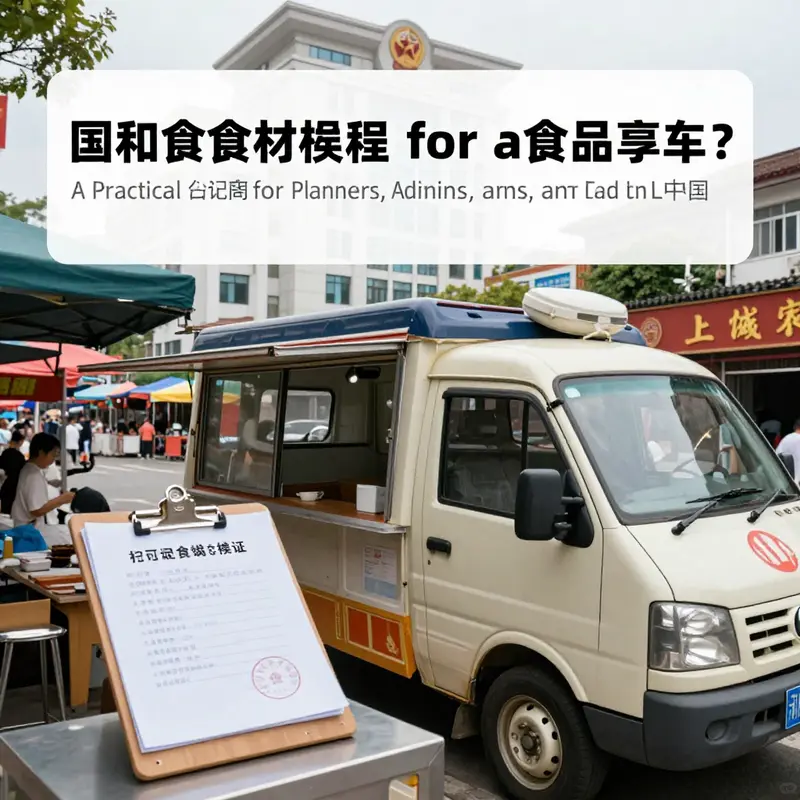
A food truck is more than a kitchen on wheels; in China, mobile food operations are formal businesses that must meet safety and hygiene standards. The key requirement is the Food Operation License, issued by the local market supervision department under the State Administration for Market Regulation. This license certifies that the operation adheres to established controls for food safety, cleanliness, and pest management. In addition to the License, operators typically need a Business License, a Health Certificate for staff, and a Sanitation Permit for the vehicle and equipment. Regional variations exist; some areas require stall registration or operation within designated zones and hours. The application process involves submitting documents, a food safety plan, and on-site inspections. Licensing aims to protect public health, standardize practices, and help vendors participate in markets and events with credibility. While procedures differ by city, the underlying goal remains constant: a licensed mobile kitchen is a safer, more reliable option for customers and a more sustainable path for entrepreneurs.
Licensing on Wheels: Core Permits Every Food Truck Must Secure
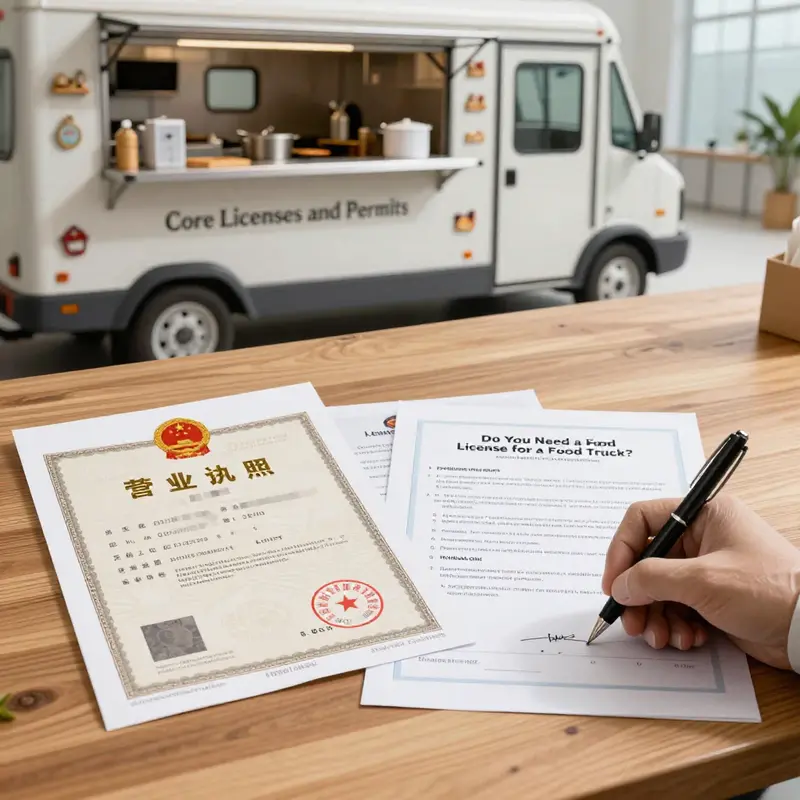
Launching a food truck is a bold promise to bring fresh flavor to streets, events, and neighborhoods. But that promise rests on a bedrock of compliance. Without the right licenses and permits, a mobile kitchen can derail before it ever hits the first curb. Licensing is not a bureaucratic hurdle to slow you down; it’s a framework that protects customers, staff, and the business itself. The core licenses—business, health, and sanitation—sit alongside location-specific permits and safety certifications to create a lawful, trusted, and sustainable operation. Understanding why these permissions exist and how they interlock can save time, money, and trouble as you roll from concept to regular routes and shifts at markets, campuses, and festivals.
At the heart of the licensing lattice is the business license. It seems straightforward, yet it is the gateway to legitimacy. The business license establishes your entity as a recognized enterprise within the local jurisdiction. It signals to suppliers, landlords, landlords, and regulators that you are a real actor in the economy, not a temporary stall. In many places, you cannot even apply for the health or sanitation permits without this foundational document. The business license is the passport for every other permit, a logical first step in the journey rather than a box to check after the fact.
The second essential pillar is the health-related authorization—the Food Operation License or its local equivalent. In some regions, this is labeled as a Food Hygiene License or Health Permit, but the purpose remains the same: to verify that your operation meets established standards for food handling, preparation, storage, and service. The health authority conducts an inspection, checks your equipment, verifies temperature controls, and assesses your procedures for preventing cross-contamination. Without this clearance, even the best-looking menu and the most enthusiastic staff cannot legally serve food to the public.
A closely connected permit is the sanitation permit, which ties the cleanliness of your mobile kitchen to the broader standards of the health department. Sanitation checks extend beyond the kitchen itself to include the vehicle’s interior surfaces, waste management practices, pest control, handwashing facilities, and the overall hygiene of the service area. In practice, these inspections create a transparent baseline that customers can trust. They also push operators to maintain routine monitoring and documentation, turning compliance from a one-time event into an ongoing discipline.
On the staff side, food handler permits play a crucial role. In many markets, at least one person on the truck team must hold a valid food handler certification. These credentials demonstrate that staff members have completed foundational training in safe food handling, temperature control, personal hygiene, and allergen awareness. The requirement is not merely bureaucratic theater; it protects customers and reduces the risk of foodborne illness, which can quickly undermine a budding business’s reputation.
For trucks that rely on cooking equipment, a fire permit often accompanies the health and sanitation work. Cooking with flames or high-heat devices introduces fire risks that demand dedicated safeguards. A fire permit evaluates the placement of extinguishing systems, the availability of fire suppression equipment, the clearance around cooking appliances, and staff readiness to respond to emergencies. It’s not simply a formality; it’s a critical line of defense in a high-heat, hands-on environment.
Utilities—electric, gas, and water—also come under the licensing umbrella. A utilities permit may be required to connect to power supplies, gas lines, or water sources. These connections must be installed and inspected by qualified professionals to prevent leaks, electrical hazards, or contamination. The aim is to guarantee that your equipment operates safely in every location you serve, from a private lot to a public square.
While these core licenses hold steady across many jurisdictions, the specifics vary widely. In some countries, the process hinges on national standards that local authorities implement through a licensing ecosystem. In others, there are additional regional licenses tied to street vending zones, hours of operation, or location restrictions. The result is that a fledgling operator must research not only the broad categories but also the precise requirements that apply to the city, county, or province where the truck will park each day. This reality can feel daunting, but it also creates a predictable pathway if navigated carefully.
History and practice in different regions illuminate how licensing works in the real world. In certain markets, authorities have introduced streamlined approaches to reduce wait times for aspiring operators. Some zones offer commitment-based immediate approval for licenses, recognizing that a prompt licensing decision helps small businesses contribute to local economies without sacrificing safety. Other areas have moved toward digital, paperless processes, enabling electronic licenses that can be issued with minimal travel. These innovations reflect a broader shift toward efficiency without compromising standards. When you hear about a fast track or a digital license, you are hearing about a system designed to balance accessibility with accountability.
The practical path to licensing begins with a clear map of what is required. Start with the local business licensing authority—often the city or county clerk or a dedicated market regulation office—to confirm whether any special vendor permits exist for mobile food operations. Then schedule inspections with the health department to review food handling practices, sanitation, and facility readiness. If your setup includes grilling, frying, or open flames, prepare for the fire code review as well. Have your standard operating procedures documented, including cross-contamination prevention, cleaning schedules, and temperature logs. A well-documented operation not only accelerates inspections but also provides a foundation for ongoing compliance as you scale.
Another practical thread is the alignment of permits with your operating model. If you plan to park in fixed zones or operate at recurring events, you may encounter registration or designation requirements for street vendors in those areas. Some jurisdictions require you to register your stall or vehicle with the township or subdistrict office and to limit service to designated times and locations. This approach supports orderly markets while preserving public safety and access. It is not a punishment for ambition but a framework that ensures every plate that leaves the window has cleared rigorous checks.
The licensing landscape is not static. Authorities continually refine rules in response to public health data, urban development pressures, and the evolving nature of mobile food commerce. Staying informed means subscribing to official updates, checking the regulatory portals periodically, and engaging with local business associations or industry groups. A thoughtful operator treats compliance as an ongoing stewardship, not a one-time hurdle. As you build your brand and texture your routes, you will find that a well-managed license portfolio becomes a competitive advantage—customers trust a truck that consistently demonstrates hygiene, accountability, and reliability.
To connect the theory with practice, consider how a seasoned operator might approach the process: begin by securing a clear business entity, then pursue the health and sanitation checks, and prepare a safety-focused staff training plan. If you plan to operate near special zones or during peak hours, identify any additional permits well in advance. And as you navigate the labyrinth, keep a simple, auditable trail of compliance—logs, receipts, inspection reports, and certification renewals. This disciplined approach reduces the risk of last-minute roadblocks, like a health department audit or a surprise inspection that halts service for days.
For readers seeking a practical map of the rules, a helpful entry point is a regulator-minded guide that distills licensing into navigable steps. See Navigating Food-Truck Industry Regulations for a concise, location-aware overview that complements the general principles discussed here. This resource can help you translate broad requirements into concrete actions on your street-legal calendar. It is a reminder that licensing is not a dead end but an ongoing partnership with public health and city planning agencies, one that keeps both customers and vendors safe and satisfied. Navigating Food-Truck Industry Regulations
In wrapping the licensing conversation, it’s worth stepping back to consider the broader purpose. Licenses are not a bureaucratic gate; they are a shared commitment to safe food, fair competition, and orderly streets. They create a level playing field where every operator is held to the same standards, and customers can trust the food they purchase in a mobile setting. When you align your business plan with these standards, you turn the license from a requirement into a framework that guides daily operations, from how you store ingredients to how you train team members to handle emergencies. And as you grow—adding more routes, expanding staffing, or scaling to multiple trucks—the licensing foundation scales with you, preserving the safeguards that make a food truck a reputable, resilient business.
For a broader, federal perspective on how local licensing fits into national food safety expectations, consult the federal framework that underpins state and local rules. The official overview of federal food safety laws provides essential context for how jurisdictions justify, implement, and enforce the permits and inspections that keep consumers safe. This perspective complements the on-the-ground experience of meeting local requirements and can help you anticipate changes as national standards evolve. External resources can be a valuable compass as you plan long-term growth and resilience for your mobile culinary venture. https://www.foodsafety.gov/food-safety-modernization-act/federal-food-safety-laws
Do You Need a Food License for a Food Truck: Regional Variations and Street-Vendor Registration Requirements
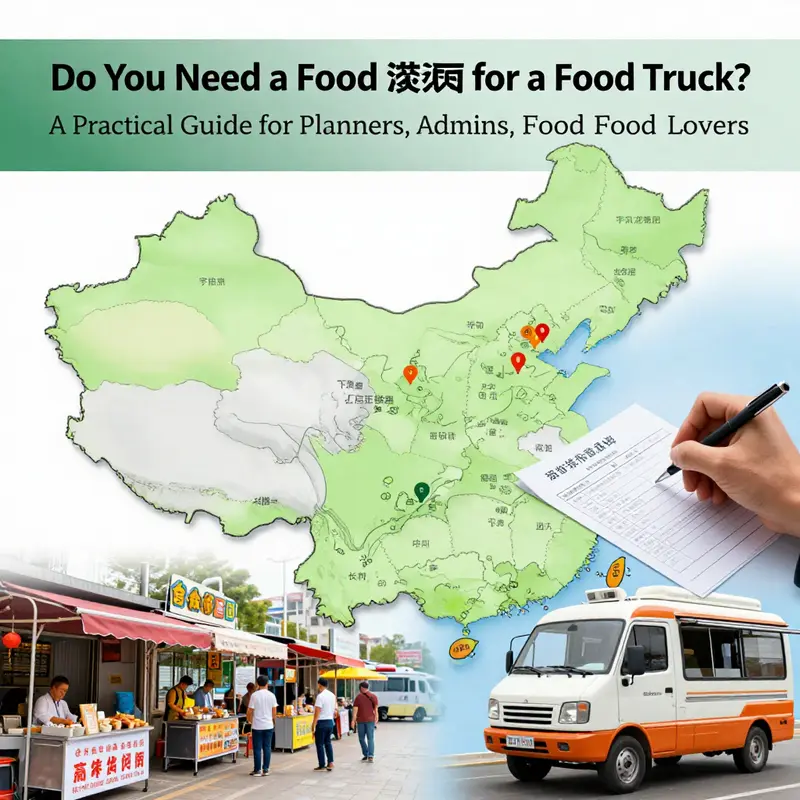
When a food truck rolls into a new neighborhood, the questions behind the steam and sizzling pans go beyond menu and mileage. Licensing is the quiet gatekeeper that decides whether the curbside kitchen can legally open for business. The core idea is simple: you need a license to operate, but the path to that license twists and turns with geography. The chapter you’re reading follows that winding road, tracing how regional rules shape every step from registration to service. It’s a map not just of paperwork, but of responsibilities that protect public health, workers, and the communities you serve. While the destination—legal operation—remains constant, the routes differ, sometimes dramatically, from one place to another. Understanding that regional texture is essential for anyone who wants to turn a hobby or a startup idea into a reliable, compliant food business on wheels.
Across many jurisdictions, the starting point is clear: you must establish a formal business entity and prove you meet safety standards before serving food in public. Yet the particular licenses you’ll need, and the order in which you obtain them, vary. In some places, the basic requirement is a Food Operation License, sometimes labeled as a Food Hygiene License. This license is more than an emblem of legitimacy; it is a statement that your operation adheres to sanitation, handling, and storage norms that protect consumers. In parallel with this core permission, most regions expect a business license to legitimize the entity itself. The business license creates a legal frame—who you are, where you’re located, and how you intend to operate—that becomes the foundation for all other permits. Alongside these, the health and welfare of staff come under scrutiny. A health certificate for the operator and crew conveys that those handling food are fit for the responsibilities, and a sanitation permit confirms that the vehicle and equipment meet hygiene standards suitable for food preparation and service.
The regional flavor of licensing becomes most visible when you consider street vending within pulsating city ecosystems or more rural corridors. In many places in China, for example, authorities layer in a registration or registration of food stalls requirement for street vendors. This registration is not a mere formality. It is a governance mechanism that helps regulators know who is operating, where, and when, so they can monitor compliance within designated zones and hours. In such settings, the daily rhythm of a food truck is tied to a map of permissible streets, time windows, and established zones. Regional regulations in provinces may specify how a vendor must register with local township or subdistrict offices, and how that registration dovetails with broader urban planning and public safety goals. This is not a one-size-fits-all system; it reflects the lived reality of neighborhoods and the sometimes delicate balance between vibrant street economy and orderly streetscape.
Some regions respond to the appetite for faster, more predictable licensing with streamlined pathways. In certain Chinese cities, authorities have introduced commitment-based immediate approval processes for food licenses, shaving weeks off the waiting time. Other places have embraced electronic licenses or digital submissions that remove back-and-forth travel between offices. Shanghai’s Pudong New Area, for instance, has moved toward electronic licensing that minimizes the need for physical travel. These innovations do not erase the underlying safety and compliance requirements; they only reframe how quickly a business can establish legitimacy while staying on the right side of the law. If you are planning to operate in one of these zones, you gain a clearer expectation of the timeline and a more transparent sense of what information you will need to provide. Still, even with speedier approvals, the obligation to maintain compliance remains fixed.
The contrast becomes starker when you cross borders into the United States, where licensing ecosystems are famously diverse. Here, no two cities are identical, and even neighboring counties can diverge on permit details. In the United States, licensing typically begins with a business license to formalize the entity, but you will almost surely require a health department permit to prepare and serve food in a mobile setting. A food handler’s permit is another common requirement, usually obtained after completing a certified food safety training course. Health departments scrutinize how you store ingredients, how you handle potential cross-contamination, how you maintain temperatures, and how you clean and sanitize equipment between shifts. Add to that the possibility of zoning constraints that limit where a truck can park or operate and the fact that some jurisdictions require event-based permits for festival streets and pop-up days, and you can understand why success rests on careful planning.
Cities such as Los Angeles, New York, and others have built complex, sometimes overlapping permitting systems. They reflect the density of demand, the diversity of customers, and the ongoing tension between street commerce and neighborhood quality of life. In some regions, the process begins with a straightforward business license, but then forks into a path of health permits, fire safety clearances, mobile vending permits, and parking compliance. In others, the process is simpler, with integrated food truck licenses or provisional permits designed to support new entrants. The common thread across these cases is not uniformity, but clarity: know what you need before you operate, and align your plan with the local regulatory framework. The practical implication is that a prospective operator should not rely on a friend’s or a template’s experience from another city. Instead, they should contact the local health department or the city business licensing office to get precise, up-to-date guidance.
What makes this navigation workable is the value of targeted preparation. Start with a map of the jurisdictions where you intend to operate, and treat each as a separate regulatory project. Gather the documents that almost always accompany licensing: a business plan, a menu, proof of a legitimate business address, and credentials for you and your staff. Prepare a sanitation plan describing how you will keep food at safe temperatures, how you will prevent cross-contamination, how you will store waste, and how you will sanitize your equipment at the end of service. You’ll almost certainly need a health certificate for yourself and for staff who handle food, as well as a sanitation plan that demonstrates your commitment to cleanliness on wheels. You may also be asked for a vehicle inspection report showing that your truck’s plumbing, refrigeration, ventilation, and waste systems meet local standards.
Because the licensing puzzle includes both state or national frameworks and local ordinances, many operators find it helpful to consult a centralized resource that offers a broad sense of what to expect in different places. The Small Business Administration’s general guidance on starting a food truck business provides a blueprint of the typical steps—though it cannot replace the specifics of your city or state. The point is to establish a planning discipline: identify the licenses you’ll need, map the sequence in which they should be pursued, and build a compliance calendar that aligns with your launch timeline. If you want to peer into the practicalities and subtleties that practitioners encounter, you can explore discussions that delve into the regulatory labyrinth and translate it into actionable steps. This is where a resource that synthesizes regulations into a navigable framework becomes invaluable, helping aspiring owners to avoid delays caused by missing documents or misinterpreted rules.
As you scan this landscape, you will encounter a spectrum of regional practices that show up again and again: registration of your food stall or food truck with local authorities, adherence to designated operating zones and hours, and a requirement that all food handlers maintain valid certifications. These pieces of a broader system exist to protect consumers and maintain fair competition among vendors. They also reflect a pragmatic truth: food trucks operate in public spaces and must therefore conform to the same public health expectations that govern brick-and-mortar eateries, with the added complexity of movement and street-level service. The operational implications are clear: plan meticulously, keep licenses up to date, and maintain an auditable trail of compliance that you can present to authorities and customers alike.
In practice, this means two things for an aspiring operator. First, commit to a research routine that prioritizes local authorities over anecdote. Spend time with the health department and the licensing office; ask precise questions about where you may park, what permits you need for particular events, and how to renew licenses as the business grows. Second, build a compliance backbone for your operation. Maintain a file with current licenses, renewal dates, training certificates, and vehicle inspections. Implement standardized food-handling procedures, train staff on safety practices, and rehearse response plans for regulatory inquiries or on-site inspections. These habits transform licensing from a one-off hurdle into a living framework that supports sustainable growth.
For readers who want a practical, example-driven route to understanding regional requirements, I invite you to explore resources that detail the regulatory journeys of food trucks in different settings. A concise, user-friendly guide on navigating food truck industry regulations can serve as a helpful companion as you plan your route. You can refer to such a resource through a streamlined overview that emphasizes how to interpret local rules, prepare the necessary documentation, and prepare for inspections. Alongside this, always verify the latest official procedures with the appropriate government body, since rules can change with policy shifts, budget cycles, and new public health objectives.
The path to lawful operation is not a single doorway but a corridor that winds through different offices, forms, and schedules. Yet the destination remains constant: a compliant, safe, and reputable mobile kitchen that serves communities responsibly. If you are embarking on this journey, treat licensing not as a hurdle to overcome but as a framework to embed into your business from day one. By aligning your processes with regional requirements and maintaining diligence in documentation and training, you position your food truck for smoother launches, faster approvals, and a stronger relationship with regulators and customers alike.
For readers seeking direct, concrete steps tailored to their locale, begin with a targeted inquiry to your local health department and business licensing office. Ask for the current checklist that outlines required licenses, permits, and registrations, and request guidance on renewal timelines. Review any region-specific notices about street vending or open-air commerce, and note any zones or hours that may impact where you park. If you find a resource that translates regulatory language into practical instructions, bookmark it, but verify every detail with the official agency before acting. The regulatory landscape rewards preparation, accuracy, and ongoing compliance. That is the surest way to keep your wheels turning and your customers served with confidence.
Internal link: For a deeper look at the regulatory landscape and practical steps that help you navigate these rules, see Navigating Food Truck Industry Regulations.
External resource: For official information and application procedures, refer to the State Administration for Market Regulation (SAMR) website: https://www.samr.gov.cn
Licensing on Wheels: How Accelerated and Electronic Licenses Open the Door for Food Trucks in Kunming and Shanghai Pudong
Operating a food truck in China is more than a culinary project; it is a regulated venture that travels through lanes of health, safety, and urban policy. The essential license is the Food Operation License, often referred to as the Food Hygiene License, which confirms the vendor is authorized to sell meals from a mobile unit. This license sits atop a stack of requirements that keeps food handling visible and accountable in public spaces. Typically you will also need a Business License to establish your enterprise, a Health Certificate for the operator and staff to demonstrate fitness to handle food, and a Sanitation Permit to certify that the vehicle and its fixtures meet hygiene standards. In some provinces or cities there is an additional obligation to register the stall or the vehicle as a street vendor with local authorities, especially when operations are planned in designated zones or hours. A few regional statutes go a step further. For instance, in the Liaoning Province Food Safety Regulations, vendors must register with the township government and operate within defined zones and hours. This layered framework is not meant to choke entrepreneurship but to create a predictable environment where customers can trust that what is sold on wheels meets public health expectations. In big cities, the pace of licensing has changed. Kunming, in particular, has moved toward speeding up the process for food businesses that involve mobile units. The local Market Supervision Administration has introduced an efficient handling of one matter initiative aimed at streamlining procedures for food processing enterprises and related businesses, which includes food trucks. The intention behind such programs is to reduce bottlenecks, compress the timeline, and allow operators to begin serving customers sooner without sacrificing safety. Online interfaces are a core part of this transformation. Applicants can start the journey through the official online platforms that host service guides and application steps, with digital documentation and traceable progress that can be checked at every stage. This online‑first approach reflects a broader national effort to standardize licensing in a way that is accessible even for operators who are moving from one suburb to another or changing menus with the seasons. Shanghai’s Pudong New Area exemplifies another strand of this reform—the widespread adoption of electronic licenses and the concept of zero travel in the licensing process. In Pudong, applicants can submit credentials and track outcomes through digital systems, which reduces the need to appear in person at government offices. The practical effect is meaningful for mobile vendors whose work rhythms are driven by the flow of pedestrians, events, and seasonal markets. While the core requirement remains the same—the Food Operation License, the Business License, and the Health Certificate—the path to obtaining these documents in Pudong is paved with electronic workflows that speed up checks and shorten wait times. This alignment between local practice and national standards reflects confidence that the licensing bureaucracy can keep pace with innovation in food service delivery, even as safety remains the non‑negotiable anchor. The backbone of this landscape is the national framework overseen by the State Administration for Market Regulation, which provides nationwide standards that help ensure consistency across jurisdictions. The idea is simple: regardless of whether a truck’s doors open on a busy street in Kunming or in a high‑traffic waterfront district of Shanghai, the same core rules about hygiene, traceability, and responsible operation apply. In practice, that means vendors must not only secure the formal permits but also maintain ongoing compliance—regular health checks for staff, clean and sanitary transport conditions, and reliable record‑keeping for food sources, preparation, and disposal. The requirement to maintain documentation and adhere to scheduled inspections creates a discipline that, over time, becomes part of the business rhythm. It is not an obstacle to entrepreneurial creativity but a framework that offers consistency for customers and stability for operators. For someone stepping into the food‑truck space, it is helpful to visualize the licensing journey as a sequence rather than a single hurdle. Gather the core documents first: proof of business registration, a health clearance for staff, a sanitation assessment for the vehicle, and any site‑based registrations that local authorities may require. Once these pieces are in hand, the next phase is the actual submission, often through online portals that are steadily becoming the norm in major cities. In Kunming, the emphasis on streamlined processing means you are less likely to be stalled by repetitive paperwork, provided your paperwork is complete and compliant from the outset. In Shanghai’s Pudong, the same principle applies, but the emphasis is on electronic submission and the ability to monitor the status of your license in real time. This approach benefits not only seasoned operators who want to expand into new districts but also first‑time entrepreneurs who are still learning the ropes. It is worth noting that in many cases local authorities require not just the presence of these licenses but continuity of compliance: if an inspection reveals lapses, licenses can be suspended, penalties imposed, and operations interrupted. The protective logic is straightforward: a license is a promise by the vendor to follow safety and hygiene norms; any breach is a breach of that promise that affects public trust and the vendor’s ability to do business. The path from idea to wheeled kitchen can be faster when operators lean into the digital latitude offered in top‑tier cities. The combination of electronic licensing and commitment‑based processing is a sign that regulatory authorities see licensing as a service rather than a mere checkpoint. Operators who prepare in advance, who maintain clean vehicles, who train staff in safe handling, and who organize their documentation around a clear, auditable trail are the ones most likely to approach a smooth licensing experience. This approach benefits not only seasoned operators who want to expand into new districts but also first‑time entrepreneurs who are still learning the ropes. It is worth noting that in many cases local authorities require not just the presence of these licenses but continuity of compliance: if an inspection reveals lapses, licenses can be suspended, penalties imposed, and operations interrupted. The protective logic is straightforward: a license is a promise by the vendor to follow safety and hygiene norms; any breach is a breach of that promise that affects public trust and the vendor’s ability to do business. For those keeping an eye on official channels, it is important to remember that standards and procedures are subject to updates. The best practice is to consult the national regulator’s portal for the most current guidance and application procedures, and to align your plans with the local authorities’ most recent directives. Ultimately, the ability to navigate licensing efficiently has a direct impact on your bottom line: reduced downtime between permits, more reliable access to permitted operating zones, and a smoother path to market when new events or locations arise. The city‑specific contrasts—Kunming’s efficient handling initiative and Pudong’s electronic workflow—signal a broader trend toward regulatory modernization that recognizes food trucks as legitimate, dynamic, and community‑oriented food venues rather than temporary afterthoughts. If you are evaluating where to launch or expand your fleet, weigh the licensing landscape as part of your location strategy. It is one thing to dream up a fresh menu; it is another to ensure you can legally serve it, consistently, and with a license that stands up to scrutiny. Official guidance and application details are published by the national regulator and local market supervision authorities. For those who want a direct entry point to official resources, visiting the central portal remains a prudent step. The State Administration for Market Regulation provides nationwide standards and support, ensuring consistency across regions such as Shanghai Pudong and Kunming, while local offices adapt them to their own streetscapes and markets. The licensing journey benefits from staying informed, maintaining good practices, and using the digital tools that are increasingly integrated into public service. This combination of policy clarity, digital convenience, and on‑the‑ground support makes the licensing process less about paperwork and more about sustaining safe, vibrant street‑food culture. To explore the official information and application procedures, see the SAMR portal: https://www.samr.gov.cn
Licensing on Wheels: Do You Need a Food License for a Food Truck? Navigating SAMR Guidance and Local Rules
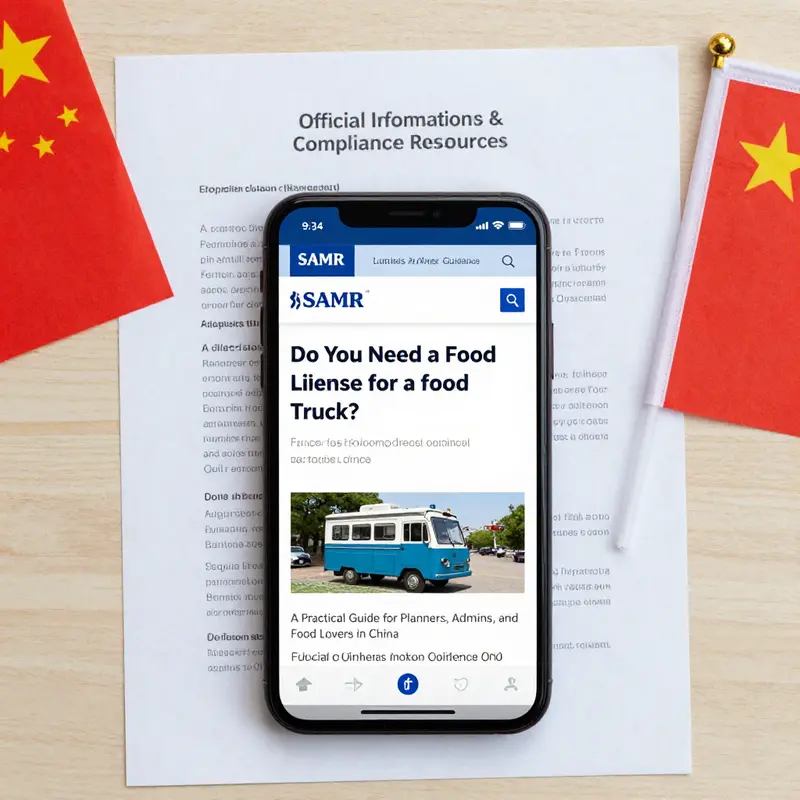
A food truck presents a unique blend of mobility and cuisine, a concept that attracts crowds and creates opportunity. Yet with movement comes a string of regulatory obligations that protect public health and ensure fair competition. In China, where food safety is tightly monitored, the short answer is yes: you typically need a food license to operate a food truck. The landscape is layered, though, and the path to legitimacy depends on several factors, including what you plan to serve, where you plan to operate, and the specific policies of the city or province. At the heart of the system is the Food Operation License, a cornerstone that confirms a business can handle food safely from storage and preparation to handling and service. This license is part of a broader framework designed to guarantee hygiene, traceability, and accountability across all food service activities, not only for brick‑and‑mortar venues but also for fleets on the move. It sits alongside the business license that establishes the legal entity behind the venture, a health certificate for the staff who will handle food, and a sanitation permit that ensures the vehicle and on-board facilities meet hygiene standards. These components work together, and the absence of one can stall or complicate the entire operation.
The sequence is practical and logical: you must secure a business license first to formalize your entity. Only then can you tackle the Food Operation License, demonstrating that your food handling, storage, and preparation align with established hygiene and safety norms. A health certificate for the operator and staff often accompanies the license package, confirming that those who prepare and serve food are medically fit to do so. And because a food truck is a mobile kitchen, a sanitation permit is essential to verify that the vehicle itself meets cleanliness requirements and that the equipment meets standards for safe operation. In many places, the regulatory nets extend beyond these core documents. Some regions require you to register as a street vendor or to obtain a temporary stall permit when you plan to operate at specific markets or public events.
In practice, the exact set of requirements can vary widely from one city to another. Liaoning Province, for example, imposes registration with local township or subdistrict offices and restricts operation to designated zones and hours. This approach reflects a broader pattern in which regulators seek to balance the vitality of street food culture with legitimate public health safeguards and orderly urban management. The practical implication is clear: before you purchase a truck or finalize a menu, you should map out the licensing requirements in your target area, because the delay or denial of a key permit can derail a carefully planned rollout.
Some cities offer a faster track to licensing as part of reform efforts to support small businesses and mobile vendors. In Kunming Economic and Technological Development Zone, for instance, there is a commitment-based immediate approval pathway that compresses processing times for certain licenses when applicants meet predefined criteria. Shanghai’s Pudong New Area has experimented with electronic licenses, enabling more flexible, “zero travel” application processes. These initiatives illustrate a broader trend: regulators recognize that mobility adds complexity and have begun to streamline procedures without compromising safety. Even as these programs exist, the core principle remains intact: compliance is not optional, but the route to compliance can be more efficient in some places.
To navigate this terrain successfully, a prospective mobile operator benefits from a clear, disciplined approach. Start by confirming the legal business form, then secure the business license as the foundation. Next, assemble the documentation that demonstrates your readiness to handle food safely. This typically includes a plan for food storage and temperature control, a layout or floor plan of the vehicle showing where various processes occur, and evidence of cleanable, sanitary surfaces and waste management. The health and safety dimension cannot be overstated; it underpins consumer trust and justifies the public investment in thriving street food economies. Health certificates for crew members may require periodic renewal, and you should budget for recurring checks of equipment like cold storage units, handwashing stations, and pest control measures.
In parallel with these steps, you will need to understand where you are allowed to operate. Zoning rules and hours of operation matter because even top‑quality food may face obstacles if the location is off limits. If you plan to work in markets, tourist corridors, or special events, you may need temporary permits or registration as a stall or vendor. The objective is not merely to obtain licenses but to align operations with the precise expectations of the local health department and market authorities. A practical path is to prepare a hygiene plan and a standard operating procedure that covers cleaning schedules, cross‑contamination prevention, allergen management, and routine calibration of thermometers and cooking equipment. A well‑documented program helps regulators see that your operation is reproducible, transparent, and accountable.
For those who are building a knowledge base across markets, an internal resource is valuable. A concise overview of regulatory considerations can be found in the broader context of industry regulations for food trucks, such as the piece exploring how regulations shape day‑to‑day operations. For a broader regulatory context, see navigating-food-truck-industry-regulations. This kind of resource helps connect the dots between local licenses, health standards, and the practical realities of moving between sites and jurisdictions, without getting lost in legal jargon. The important takeaway is that licensing is a system, not a single form; it is the mechanism by which mobile vendors translate culinary ambition into safe, lawful commerce on city streets.
One should not underestimate the nuance involved in meeting the requirements. In some locales, the Food Operation License is issued only after verification that the vehicle itself is designed to prevent contamination and to support the safe flow of food from storage to plating. In others, inspectors may emphasize the presence of a dedicated handwashing station, separate storage for raw ingredients, and reliable waste disposal. A case in point is the emphasis on design and infrastructure tied to food safety, rather than just a stamp of approval. This means investing in the right equipment and maintaining rigorous operating standards, because a lapse in hygiene can jeopardize licenses and put the entire operation at risk.
Beyond the mechanics of licensing, there is a broader cultural dimension to operating a food truck in China. The public health framework supports a dynamic street food ecosystem, but it does so with a careful eye on consistency and accountability. This means best practices such as keeping thorough records of supplier information, maintaining temperature logs, and ensuring that staff receive ongoing training in safe food handling. Regulators look for evidence of ongoing compliance, not just a one‑time submission. For operators, this translates into a discipline of documentation and process improvement that can become a competitive asset, signaling reliability to event organizers, market managers, and customers alike.
If you are planning to scale across multiple districts or provinces, the modularity of licensing becomes even more important. Some operators choose to standardize their procedures around a single, robust compliance framework, then tailor specific documents to meet local requirements. Others lean on external advisers or consultancies that specialize in food service licensing to reduce back‑and‑forth with regulators and to accelerate approvals. Either approach benefits from an upfront investment in a clear compliance map, a well‑organized file of permits and certificates, and an ongoing calendar of renewal deadlines.
Regulatory guidance remains dynamic, and staying current is essential. Official information and procedures are published by the national authority responsible for market regulation and food safety. While the exact license names or their sequencing may evolve, the core obligation remains stable: a mobile food operation must demonstrate safe handling, proper sanitation, and legal authorization to operate. When in doubt, contacting the local health department or market supervision bureau can provide targeted guidance about requirements, the expected documentation, and the typical processing timelines. For practical navigation, it is advisable to maintain a direct line to the authority in charge of your area and to keep a running checklist that mirrors the regulatory expectations.
The licensing journey for a food truck is thus a blend of compliance discipline and pragmatic execution. It asks for a clear business identity, a validated food safety program, a validated vehicle with hygienic infrastructure, and a robust understanding of where and when you may operate. The goal is to transform culinary ambition into a compliant, sustainable enterprise that can move as freely as the menu it serves. To readers who may be testing a concept or expanding to new locations, remember that licensing is less about hurdles and more about a framework that protects customers, workers, and the business itself. When you view it through that lens, the process becomes less of a chore and more of a structured path toward reliable growth.
External resource: https://www.samr.gov.cn
Final thoughts
Navigating whether you need a food license for a food truck isn’t a single checkbox—it’s a thoughtful journey through foundational permits, local variations, and modern pathways that speed approvals while protecting guests. By starting with the Food Operation License and tying it to the right business, health, and sanitation documents, you build a compliant platform that scales from pop-up appearances to major events. Embrace regional nuances, leverage accelerated electronic processes where available, and rely on official guidance to avoid surprises. The payoff is clear: trusted, safe, and memorable street dining that elevates every event and strengthens community connections.