
The vibrant atmosphere of breweries isn’t just about the craft beer; it’s also enhanced by the mouthwatering offerings of food trucks. As these mobile kitchens roll in, many wonder: do breweries charge food trucks for their space? This question is crucial for event planners, corporate teams, community organizations, and food enthusiasts alike. Understanding the financial dynamics between breweries and food trucks can elevate food experiences and foster delightful partnerships. In the following chapters, we will explore various costs food trucks might encounter when working with breweries, from venue rental fees and utilities to event management and sales tax structures. Each of these factors plays a significant role in shaping the food truck’s operational decisions and success at brewery events.
Cozy Corners: How Breweries Collaborate with Food Trucks to Create Nightly Experiences
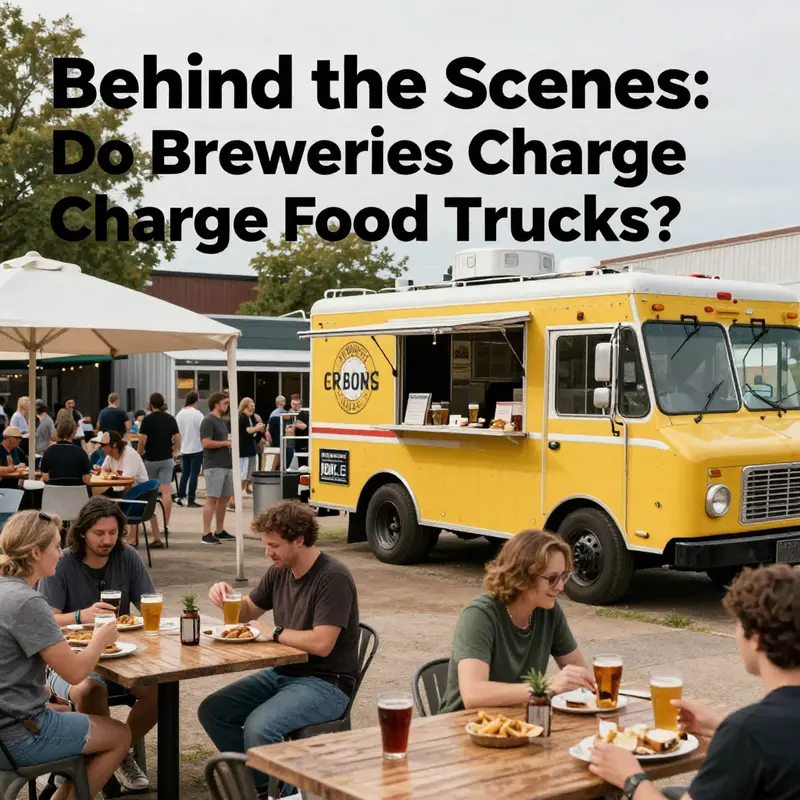
Breweries are built for community, and food trucks are the movable companions that expand the evening. This chapter explores how venues structure agreements with mobile kitchens, not as simple rents but as partnerships that align incentives and boost guest experience. Common models include flat event fees, revenue sharing based on sales, or a hybrid that covers utilities and maintenance while sharing promotional efforts. The exact terms vary by location, size, and the brewery’s calendar, with weekday operations often using lighter commitments and weekends demanding more coordination. Beyond dollars, successful partnerships consider waste management, power needs, insurance, and branding guidelines. Clear written agreements help both sides predict how revenue is tracked, who handles permits, and what happens in bad weather or late closures. For food truck operators, preparation matters: bring a plan for setup, teardown, cleanup, and collaboration with the brewery’s marketing. For brewery teams, think of the truck as a guest that extends your hours and your story rather than a tenant that occupies space. When done thoughtfully, these collaborations create recurring, diverse experiences that attract beer lovers week after week.
null
null
Event Management Fees at Breweries: Do They Charge Food Trucks—and How the Costs Shape the Night on Tap
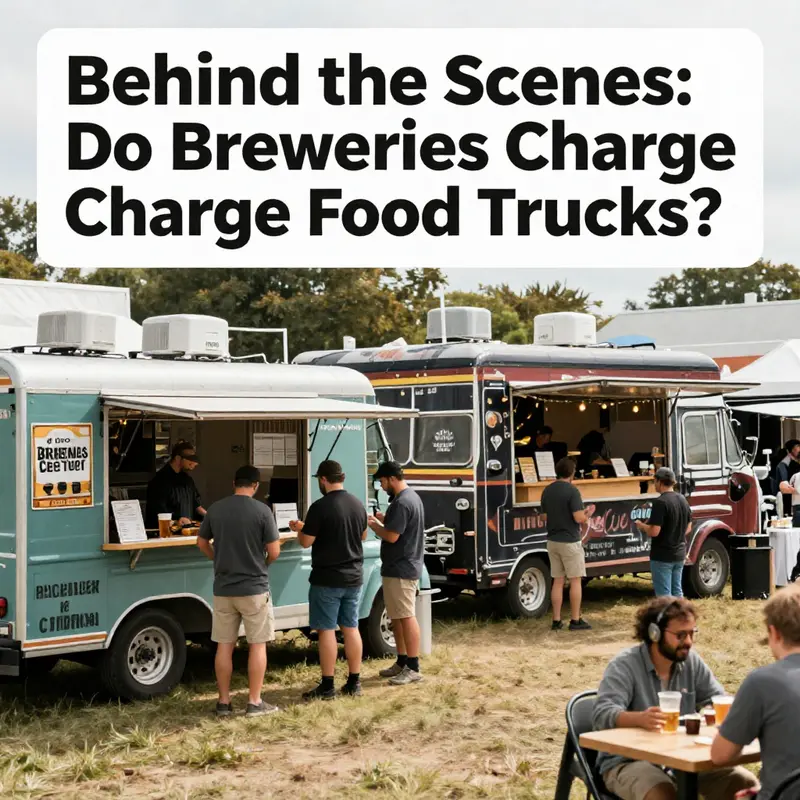
When a gathering of beer enthusiasts and hungry visitors arrives at a brewery, the scene often feels like a natural blend of two crafts: the artistry of brewing and the craft of cooking. The food truck parked outside, its window clattering with orders and the hum of a generator, becomes a living accessory to the event. But beneath this vibrant surface lies a set of practical economics that can determine whether an evening with a full line of taps and a row of sizzling grills actually comes together smoothly, or ends up as a misaligned plan with surprises on the bill. Do breweries charge food trucks when they host events, and if so, what kinds of fees show up and why? The short answer is yes, they often do, but the longer story reveals a spectrum of arrangements that reflect venue realities, local regulations, and the shared goals of attracting guests and keeping operations orderly and financially viable from sunup to last call.
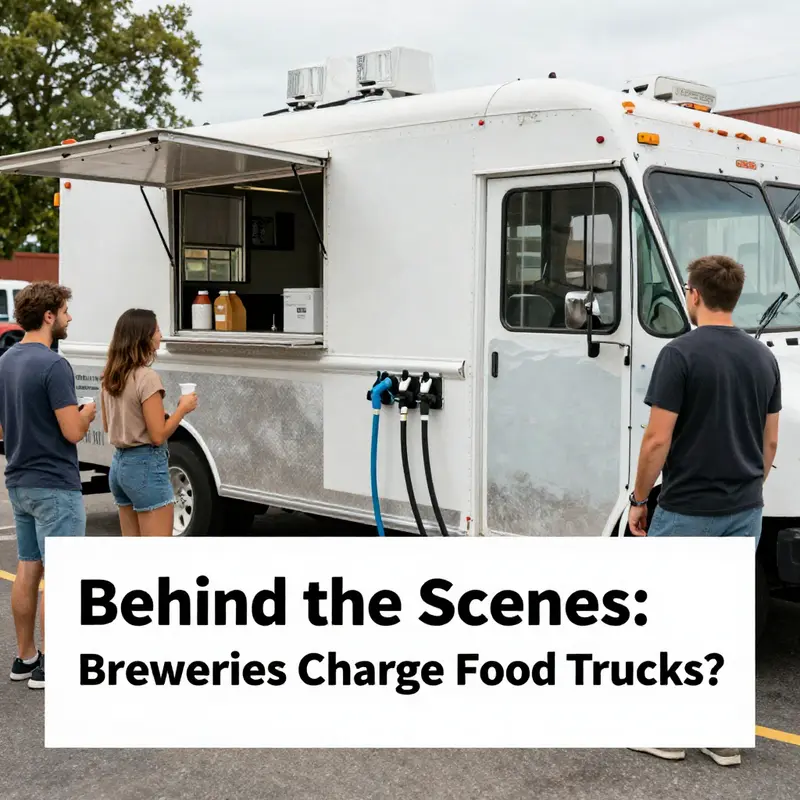
To understand the logic, it helps to picture a brewery as a multiuse space. It is both a production facility and a social hub, with experiential value built into the outdoor space, the parking lot, and the mood of an evening that pairs pints with plates. When a food truck rolls in, the brewery must weigh several factors before a price appears on the organizer’s or operator’s side. The most straightforward charges are venue rental and utility costs. A brewery may designate a daily or hourly fee to use outdoor areas, especially if those areas are in high demand or require the staff and security to coordinate flow and safety. If a truck uses electricity or consumes water or contributes to waste streams beyond ordinary levels, utility costs can become a predictable line item. In some cases, these costs are bundled into a broader event package rather than itemized separately in a simple “vendor fee” bill, but the underlying economics are the same: more space and more infrastructure services usually mean more cost to cover.
Beyond the physical footprint, there is the work of making the event possible. Event management fees reflect the brewery’s need to secure permits, coordinate logistics, and provide staff to manage lines, waste streams, and safety considerations. A festival, a beer-tasting night, or a community gathering hosted by the brewery often involves a team that schedules vendors, coordinates with municipal or state regulators, and ensures compliance with food-handling rules and insurance requirements. The event management fee helps cover those administrative and operational costs that are not directly visible to guests but are essential to the event’s success. It is easy for the eye to focus on the vivid colors and the aroma of street-food cuisine, while the behind-the-scenes expenses—the permits, the site plan, the coordination with security, the clean-up crews—are the quiet gears that keep the night from tipping into chaos.
The precise amount of an event management fee, however, is rarely a single figure that applies everywhere. The size and prestige of the brewery, its geographic location, and the scale of the event all shape what the fee looks like on a contract. A bustling urban brewery with a large footprint and a history of running multi-vendor events may charge a higher placeholder to reserve a slot and guarantee a certain level of service, while a smaller neighborhood venue may adopt a more flexible approach. In some markets, the fee may also be sensitive to the duration of the truck’s participation, with longer engagements justifying a more favorable per-hour rate or a structured schedule of fees that scales with expected guest counts.
Operators should expect that event management fees sometimes account for staffing logistics, security considerations, and the costs associated with temporary changes to the site’s layout. If a brewery requires certain barriers, fences, or crowd-control measures for safety—or if it imposes specific hours when the site is accessible to vendors—these are often reflected in the fee structure. In situations where a brewery’s team handles the payment flow through a POS system or a centralized cashless experience, there may also be a share of revenue or a commission built into the terms. This arrangement can align incentives: the brewery benefits from more predictable guest throughput and a coordinated guest experience, while the truck operator gains clarity about where and when revenue is being collected and how it is reported.
It is important to note that not all fees are rigid or one-sided. In many communities, breweries actively seek to attract food trucks as a means to diversify the customer experience and extend evening hours. In these cases, the venue may offer free or discounted spots in exchange for promotional benefits, such as social media cross-promotion, prominent signage, branding opportunities, or a guaranteed, visible presence that drives foot traffic to the brewery. A well-designed partnership can turn the event into a win-win: the truck gains exposure to a built-in beer-loving audience, and the brewery benefits from the added variety and extended dwell time of guests who linger over plates and pints. In other instances, partner arrangements emerge, where the parties share a portion of revenue or split shared costs for common resources like waste disposal or ticketing services. The exact balance of risk and reward depends on the relationship, the level of commitment, and the shared expectations that exist before the date on the calendar.
For food truck operators, entering negotiations around event management fees requires a careful read of the contract and a clear sense of one’s own operating costs and capacity. Negotiation begins with a transparent assessment of the space required and the timeline. Trucks must consider the realities of their kitchen operations, including the number of staff needed during peak hours, the rate at which they can produce meals, the power draw of refrigeration and cooking equipment, and the impact on service speed. A truck that requires more electricity or a longer setup window will naturally negotiate terms that reflect those realities. It is common to see a tiered fee structure, where the base venue or event fee covers certain baseline costs, while additional charges apply for electricity usage beyond a threshold, water consumption, or waste management in excess of what the event plan anticipates. The more precise the operator can be about anticipated consumption, the better their leverage in negotiating fair terms.
Beyond the mechanics of the fee, food truck operators must also scrutinize liability and insurance provisions. Event environments, particularly those that string together multiple vendors in public-facing spaces, carry a spectrum of risk—from accidental food spills to crowd-related incidents and equipment mishaps. Contracts often require specific insurance coverage, naming the brewery as additionally insured, and sometimes requiring certificates of insurance with specified limits. These stipulations are not mere formalities; they are practical safeguards that help prevent disputes in the event of an unforeseen incident. The negotiation of liability terms can shape the feasibility of the partnership, especially for newer trucks that are building capital and testing their appetite for multi-venue events. A well-documented risk management plan, including a clear process for waste disposal and spill response, can ease concerns for the brewery and make it easier to secure favorable terms.
Another layer of complexity comes from regulatory compliance. Local health departments, fire departments, and permitting authorities often dictate how outdoor food service operates at a brewery site. The presence of a food truck may trigger additional permits, temporary food service registrations, or vendor-specific compliance checks. The resulting paperwork can feel tedious, but it serves a critical function: ensuring that the food served in the combined beer-and-food environment meets safety standards. Food truck operators who bring organized documentation—proof of permits, recent health inspections, and a certificate of insurance—make it easier for the brewery to secure the needed approvals, which in turn can lead to smoother negotiations and, sometimes, preferential terms. The reciprocity here is practical: transparency reduces risk for both sides and builds trust that the event will proceed with fewer headaches.
To make the collaboration workable, many operators stitch together a comprehensive vendor policy. A vendor policy typically covers the scope of allowed activities, the expected schedule, the required equipment and power needs, waste and recycling expectations, and the rules surrounding setup and teardown. It may also outline penalties for late arrivals, overtime charges, or failure to meet safety guidelines. Reading and negotiating the vendor policy is essential because it frames the practical day-to-day realities of turning space into a successful service corridor during the event. In a well-structured policy, there is room for dialogue. The best outcomes come from a candid conversation about what resources the brewery can commit, what the truck can responsibly deliver, and how both parties can coordinate to optimize guest experience while controlling costs.
The fit between a brewery and a food truck often reflects shared values as much as financial arrangements. Some breweries place a premium on the quality of guest experience and view food trucks as a complementary offering that enhances the overall environment. In these partnerships, the emphasis shifts toward mutual promotion, coordinated branding, and a shared responsibility to maintain the space’s safety and cleanliness. Others focus more tightly on revenue optimization or risk management, which can manifest as more formalized contracts, stricter insurance requirements, and higher security or cleanup fees. The most durable partnerships tend to be those built on early conversations about expectations, clear metrics for success, and a willingness to adapt as the event unfolds. For truck operators, the best outcomes come when there is ample lead time to discuss space allocation, ensure the truck can operate within the site’s layout, and align promotional efforts with the brewery’s marketing calendar.
As with many complex relationships in hospitality and craft production, the art of negotiating event management fees lies as much in preparation as in the moment of signing the contract. A prepared truck operator will bring a well-documented budget that includes anticipated revenue, a realistic cost projection for food costs, labor, travel, and the fees demanded by the brewery. They will also present a plan for efficient operations: a layout that minimizes traffic conflicts between guests and service staff, a staffing plan that supports quick turnarounds during peak hours, and a waste management strategy that aligns with the brewery’s sustainability goals. In exchange, the brewery gains a sense of predictability—an understanding of how many guests are expected to visit the truck and how the event will unfold from opening to closing time. The mutual expectation is not simply about paying a price for space but about nurturing predictability and reliability that contribute to a positive guest experience.
One practical takeaway for operators is to separate the discussions of costs from the discussion of brand exposure. While it is natural to seek promotional opportunities, anchoring negotiations in a fair cost structure remains essential. A clear, itemized breakdown helps both sides understand where their money goes and how value is created. For example, a minimal setup might include basic access to power and a defined footprint, while a premium arrangement could offer enhanced branding zones, exclusive beverage pairings, or a longer event window. When the terms are transparent, it becomes easier to assess whether the event is financially viable and whether the partnership serves long-term goals—such as building repeat attendance, broadening the customer base, or generating repeat off-take sales at the brewery itself.
For readers seeking more structured guidance on how food trucks interact with brewery events at a policy level, there is a broader industry framework that helps explain the governance of vendor fees and venue management. The National Beer Wholesalers Association provides a comprehensive guide to beer events and venue management, which offers context on how venues like breweries coordinate with multiple vendors while balancing safety, branding, and guest experience. That external resource can help frame the bigger picture of why event management fees exist and how to approach them with a sense of strategic clarity.
In practice, the best outcomes arise when both sides view the agreement as a living document, one that can adapt to the realities of a night that may feature weather shifts, last-minute staffing changes, or a surge in guest demand. A flexible approach to schedule, a willingness to adjust the fee structure when necessary, and a collaborative attitude toward problem-solving can transform what might have felt like a rigid price trap into a dynamic partnership that feels fair and productive to both the brewery and the food truck. The disharmony that can arise from misaligned expectations—late arrivals, overrun times, or disputes about revenue sharing—usually traces back to a lack of early planning, a misread of space requirements, or a failure to align risk management practices. When conversations are proactive and anchored in mutual benefit, vendors and breweries tend to discover that the “fees” are simply one language describing a shared investment in guest delight, brand presence, and community connection.
For readers who want a practical, vehicle-specific glimpse into how this plays out in real-world scenarios, consider exploring a vendor-focused resource that captures the spirit of what goes into choosing the right model for a food truck operating in diverse venues. loschifladostruck.com/blog/ provides insights from operators who navigate these spaces with an emphasis on resilience, financial planning, and strategic positioning within a competitive landscape. The path from a first event to ongoing partnerships is often paved with careful budgeting and negotiated agreements that reflect both opportunity and responsibility. As operators refine their approach, they learn to read the room, anticipate guest needs, and position themselves as reliable complements to the brewery’s calendar rather than as a last-minute add-on that complicates the night.
As a closing reflection, the relationship between a brewery and a food truck is a microcosm of how hospitality venues manage external partnerships. Fees for venue use, utilities, and event coordination are not merely line items to be debated; they are the scaffolding that supports a coherent guest experience. The most successful events occur when both parties share a clear understanding of space, time, and service expectations, and when they commit to a governance framework that protects guests, staff, and brand integrity alike. The dynamic is complex, yes, but it is also ripe with opportunities to craft memorable evenings that celebrate craft, community, and the simple joy of good food paired with good beer. For operators and venue managers who approach this work with open communication, a pragmatic eye for costs, and a readiness to partner rather than compete, the revenue questions about event management fees become less about penalties and more about shared purpose and long-term growth.
External resource for further reading on industry frameworks and venue management can be found here: https://www.nbw.org/beer-events-and-venue-management.
From Taplines to Truck Lanes: Navigating Fees, Taxes, and Partnerships Between Breweries and Food Trucks
Breweries and food trucks share a common goal: to create an inviting, bustling space where good drinks and good food coexist, drawing crowds that stay longer, buy more, and return often. When a food truck parks outside a brewery, the scene benefits everyone—customers enjoy a wider array of options, the brewery benefits from increased foot traffic and extended evenings, and the truck gains access to a built-in audience. Yet the practical details of making such collaborations work are often less romantic than the idea. Fees, regulatory requirements, and the sometimes delicate balance of promotion and control shape every agreement. The terms can vary widely by brewery, by location, by the nature of the event, and by local rules. What remains consistent is the fundamental logic: the space is valuable, the overhead exists, and both sides want to maximize the experience for patrons while keeping costs transparent and predictable enough to sustain a lasting relationship.
At the core of most discussions about whether a brewery should charge a food truck are four predictable categories. The first is venue rental. Outdoor patios, parking lots, or defined event spaces are assets in themselves. A brewery may charge a daily or hourly fee to reserve those areas, especially during peak times when the lot might otherwise be used for parking or overflow. The second category concerns utilities. If a truck uses electricity, water, or incurs waste disposal costs through the site’s facilities, those costs can be passed through as separate line items. Utilities can be straightforward, but they are still a real consideration for a truck’s operating budget, especially on busy evenings when lights, refrigeration needs, and cooking equipment draw a noticeable amount of power. The third category—event management fees—tends to surface during larger, organized happenings. When a brewery hosts a beer festival, a street fair, or a multi-vendor tasting, additional administrative work, coordination with permitting bodies, and security or staff requirements can justify an extra fee. Finally, there is the matter of sales taxes or commissions, which is a junction where assumptions and misunderstandings often arise. In many cases, the line between what a brewery should collect and what a truck must handle rests on the specifics of how payments are processed. If the venue handles the point of sale, some venues may take a percentage of sales as a commission or offset it against space costs. If, by contrast, the truck operates its own POS—or if sales are conducted with minimal involvement from the brewery—there may be no levy beyond standard business tax obligations.
The practical reality, then, is that most revenue models around these collaborations are negotiable. Some breweries lean into the concept of a free spot in exchange for promotional benefits. The upside is clear: free or discounted space with turnkey visibility—signage, branding opportunities, and social media amplification—can deliver higher foot traffic without the friction of a formal fee. This arrangement relies on the reciprocal value of cross-promotion. The more the brewery’s audience sees the truck’s food as a natural extension of the experience, the more likely patrons are to linger, return, and explore both offerings. On the other side, more formal partnerships can be crafted around revenue sharing or shared cost coverage. In these cases, both parties recognize that the risk and upside are tethered to the event’s success. A beer release can become a multi-actor festival, with the truck contributing a flavorful counterpoint to the tasting experience, while the brewery contributes the audience and ambiance that make it worthwhile. The exact degree of shared risk and reward is the heart of the negotiation and often hinges on the local market, the scale of the event, and the mutual trust built through prior collaborations.
Within this spectrum, it’s important to disentangle the role of taxes and regulatory obligations from the commercial arrangements. A common misconception is that breweries and food trucks share some reflexive tax obligation when they partner. In most cases, there is no direct, automatic transfer of sales tax liability from brewery to truck simply because they work in proximity or share an event. The tax landscape is typically dictated by each entity’s own dealings with tax authorities and by how sales are processed. If the brewery sells beer on site and collects tax as a retailer, that tax obligation is separate from the truck’s own sales (if the truck sells food). Even when a joint event aggregates all revenue, the underlying tax framework usually treats the beer and the food as distinct streams, each with its own rules. The result is a structural separation that helps keep financial planning clearer for both sides, provided they align on how revenue is reported and how payments are routed.
That said, the interplay between sales tax and organizational structure becomes especially relevant when we consider the boundaries of what a brewery can and cannot charge for. The idea that a single, uniform rule applies everywhere is tempting but not accurate. In practice, the regulatory environment for food trucks itself is diverse and location-specific. A truck in one country or region might face licensing, health, and manufacturing requirements that are different from those in another. In South Africa, for instance, the market features a range of food trucks with their own standards and manufacturing prerequisites. Those trucks carry their own sales tax obligations for the goods they vend, independent of the brewery’s tax status or collection methods. This separation reinforces the principle that a brewery does not bear the truck’s tax obligations, and that any commission or fee structure negotiated between the two parties exists within the context of the business relationship rather than a shared tax framework.
When the two parties talk about commissions, the conversation usually centers on a private agreement rather than a blanket rule. Commission or fee arrangements tend to surface when there is a formal partnership around an event in which the brewery provides beer and the truck sells food. In such cases, the specifics—percentages, caps, duration, and what each party controls in terms of branding and customer data—are negotiated carefully. These agreements depend on the perceived value each party brings to the table, the event’s audience, and the operational realities of coordinating a multi-vendor experience. The absence of a one-size-fits-all standard means that two parties can design a model that aligns with their shared objectives. It also means that trust, clarity, and documented expectations are more important than the existence of a fee in itself. A well-structured agreement can preserve the focus on hospitality and quality while ensuring that both sides feel the deal is fair and transparent.
An important practical question for operators on both sides is how to evaluate a potential partnership. Some operators will approach a venue with a clear, quantified plan: a proposed schedule, a projected customer count, and an explicit breakdown of space needs, power draw, and waste management. Others will begin with a broader conversation about brand alignment, audience fit, and the type of event they want to host. In either case, understanding the likely range of costs—and the ways those costs might be offset by benefits—is essential. The vendor policy of the brewery, often published on the site or provided by the events team, is a useful starting point. Reading such a policy helps set expectations about charging norms, cancellation terms, load-in and load-out windows, insurance requirements, and the responsibilities each party bears if something goes wrong.
For readers who want more granular guidance on navigating these rules and exceptions, there is value in examining a broader regulatory context that separates beer-related taxation from food-truck sales. A good rule of thumb is to treat the arrangement as a collaboration rather than a pass-through of tax burdens. The brewery’s concern is about creating a welcoming experience that supports the beer program and maintains operational flow. The truck’s concern is about maintaining profitability while delivering a dependable, high-quality product. When both sides are aligned on goals and governance—clear space allocations, predictable fees, explicit timelines, and mutual respect for brand integrity—the relationship tends to be more durable and resilient to the inevitable rhythms of busy seasons.
Readers may also find it helpful to approach these discussions with a shared language around what “value” means in this setting. Value isn’t purely monetary. It includes the opportunity to reach new customers who appreciate the beer and the food, the ability to extend hours of operation, and the chance to network with other vendors, organizers, and suppliers who attend the event. Visual branding on site—banners, menus, and standout signage—can be a powerful multiplier of value for both parties. The beer’s identity benefits when the food truck’s offerings complement the tasting experience and generate a cohesive narrative for guests. The truck benefits when the brewery’s built environment—its seating, lighting, and ambiance—creates a more compelling backdrop for the meal. In this sense, the best partnerships are those that treat fees as a reasonable investment toward a shared guest experience rather than a barrier to collaboration.
To readers who want to explore practical considerations more deeply, one can consult a range of industry analyses that discuss how food trucks operate within brewery environments and what factors influence pricing and agreements. In particular, investors and operators should be mindful of how local enforcement and licensing rules shape the feasibility of on-site food operations, how venue policies influence pricing, and how promotional opportunities can offset direct costs. The broader takeaway is that while there is no universal tax or commission rule that binds all brewery–truck relationships, there is a clear pattern: space is a premium, the mechanics of the event matter, and the most successful arrangements are designed to be mutually beneficial rather than exploitative.
For readers seeking a concise view of regulatory guidance alongside practical negotiation tips, a helpful resource on industry regulations can be found at navigational point of reference, such as the article dedicated to navigating food truck industry regulations. It provides a grounded sense of how licensing, permits, and health standards intersect with on-site food operations and, importantly, reinforces the idea that taxes and compliance obligations remain the truck’s responsibility, not the brewery’s, in most jurisdictions. You can explore this topic further here: navigating-food-truck-industry-regulations.
As the story of each brewery and truck evolves, a pattern emerges: while the mechanics of fee structures are diverse, the success of the arrangement hinges on clarity, collaboration, and consistent hospitality. The brewery staff’s ability to manage the event flow—parking, crowd control, and waste—interacts with the truck’s ability to deliver timely, high-quality food. Guests experience the outcome as a seamless, enhanced evening: the chill of a cold beer, the aroma of something freshly cooked beyond the brewhouse doors, and the social energy of a space that feels energized without being chaotic. When conversations about taxes, commissions, and space costs stay focused on shared goals rather than on abstract rules, the partnership stands a better chance of enduring beyond the next season of festivals and one-off pop-up nights.
In closing, the core takeaway for operators is straightforward. Breweries do not universally charge food trucks for sales tax, and commission structures are largely contingent on the specific partnership architecture. Fees, when charged, are typically tied to tangible costs like venue rental, utilities, and event management, or to negotiated partnerships that may include shared revenue or promotional commitments. Where fees are waived or reduced, it is often in exchange for amplified brand exposure and guest engagement. The optimal approach is to enter negotiations with a clear sense of value, a well-documented space plan, and a willingness to craft a collaborative framework that benefits guests, the brewery, and the truck alike. A well-structured agreement, underpinned by transparent terms and mutual respect, turns a simple on-site partnership into a reliable engine for growth and community engagement.
External resource: https://www.vatupdate.com/sales-and-use-tax-rules-for-brewery-beer-tastings/
Final thoughts
Building a successful partnership between breweries and food trucks involves navigating various fees and requirements. By understanding venue rental costs, utility expenses, event management fees, and sales tax implications, food trucks can better strategize their operational tactics and budget effectively. This insight not only enhances the profitability of both parties but also enriches the customer experience, ensuring that every brewery event is a tasty success! As event planners, food enthusiasts, and organizers, knowing these key aspects can empower your decisions and fuel engaging, delicious events.