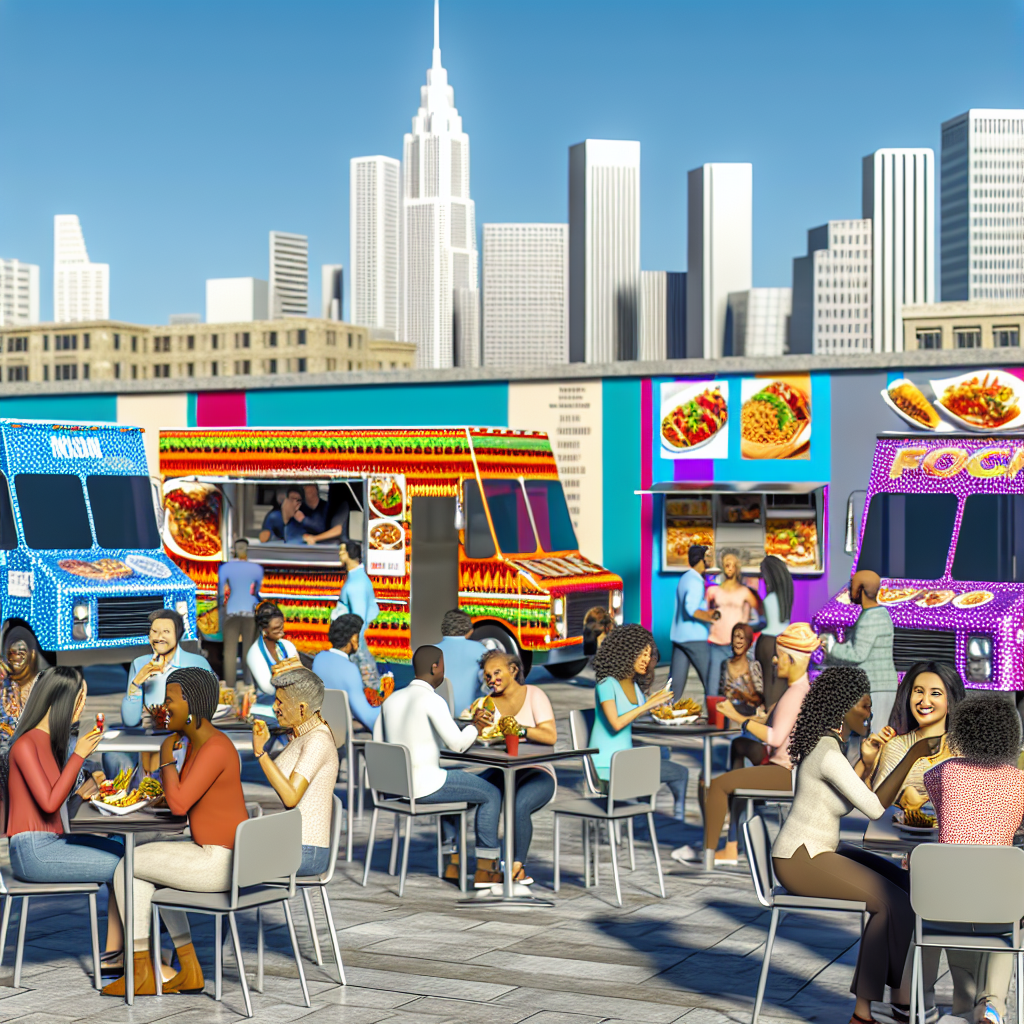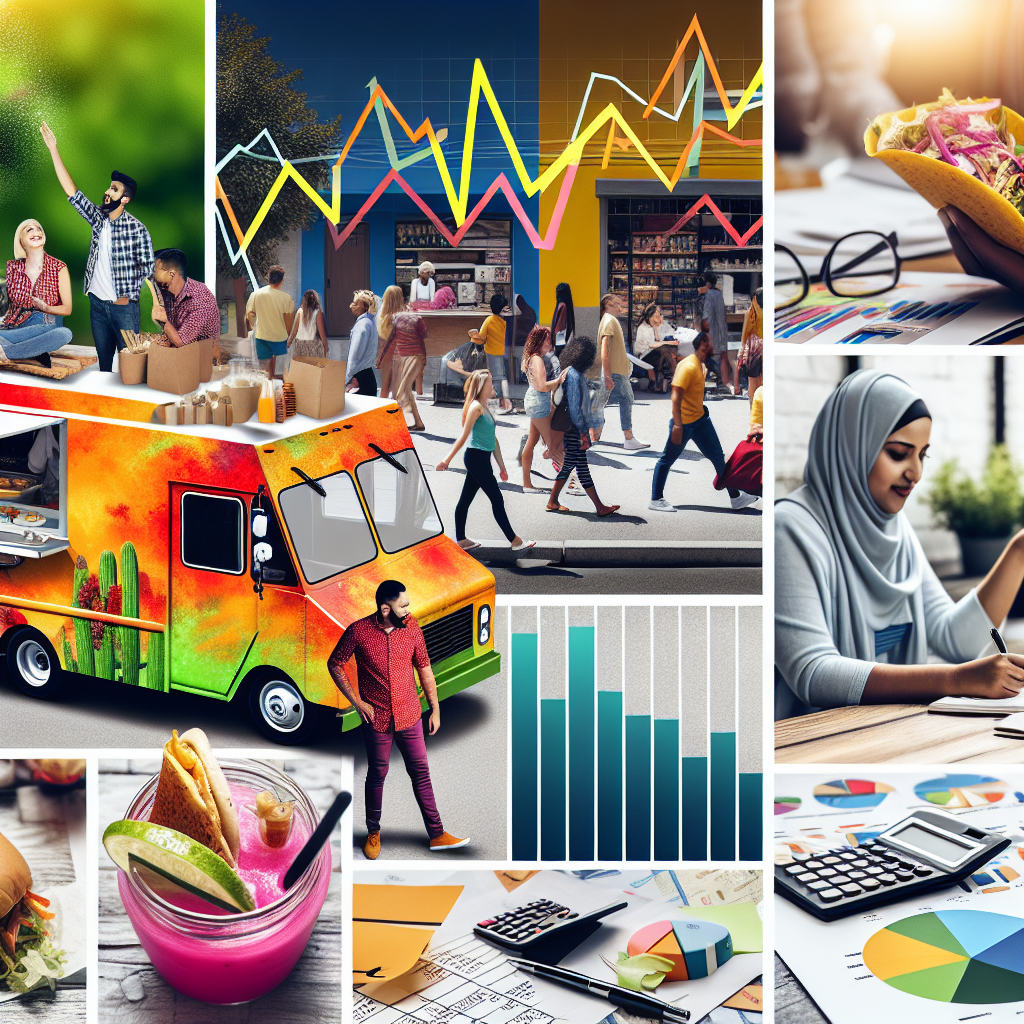
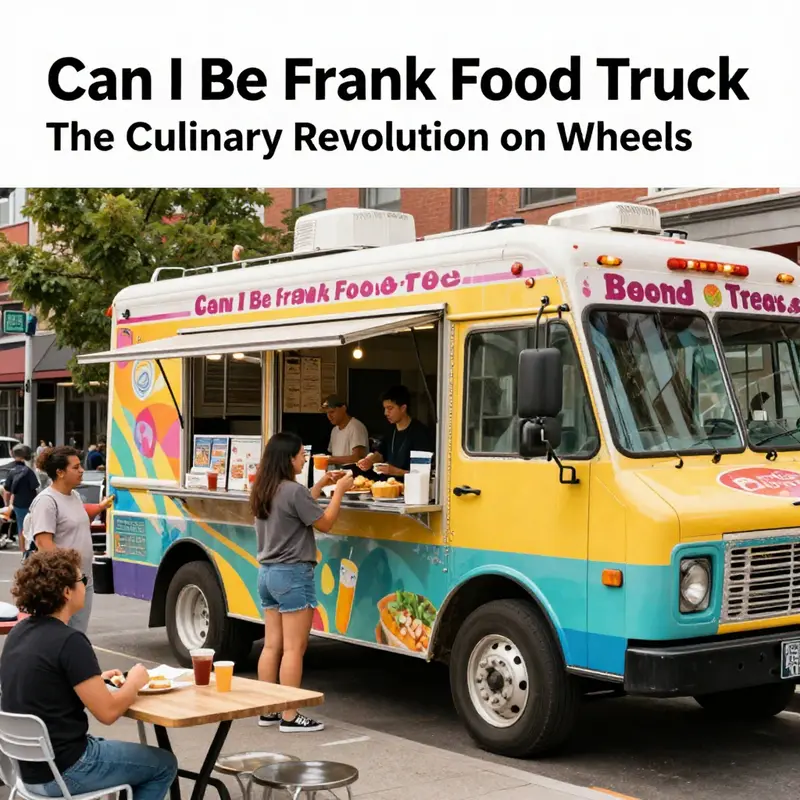
Food trucks have become more than just mobile kitchens; they are a social phenomenon, bringing diverse culinary experiences to streets worldwide. The ‘Can I Be Frank Food Truck’ movement symbolizes a shift towards accessible, authentic dining. This article delves into why food trucks are booming, the hurdles aspiring food truck owners face, their potential for future growth, and their significant impact on our communities. Each chapter builds a comprehensive understanding of this exciting trend, blending personal passion with entrepreneurial spirit.
Driving Authenticity: The Rise and Resonance of the ‘Can I Be Frank Food Truck’ Experience
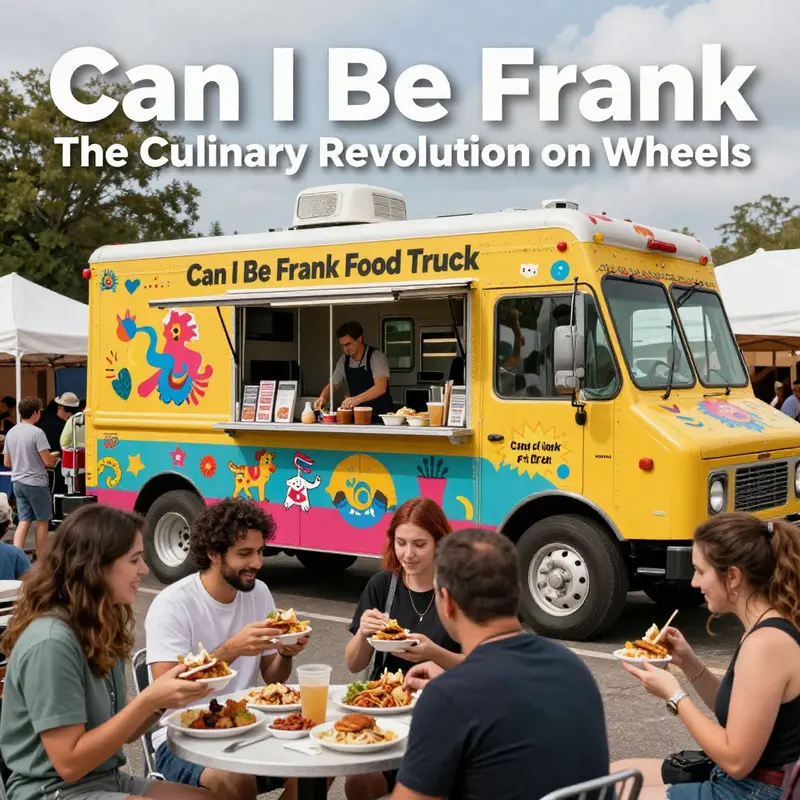
In recent years, a new wave of culinary entrepreneurship has redefined the way urban diners experience food, and the “Can I Be Frank Food Truck” movement stands at the forefront of this transformation. This chapter explores the cultural, economic, and social elements that have fueled the movement’s rapid rise and its profound connection to the broader evolution of street food culture. At its core, this phenomenon offers more than just a meal on wheels; it provides an authentic, unfiltered dining experience that intimately connects food, community, and innovation.
The narrative begins with a shift in consumer tastes, where authenticity and transparency have become the cornerstones of successful food brands. In an era of mass-produced meals and polished marketing pitches, diners increasingly value genuine interactions and honest culinary creations. Customers are no longer satisfied with culinary experiences that feel contrived or overly commercialized. They instead seek street vendors who present their food with a raw, unvarnished approach—a direct reflection of the ethos behind the “Can I Be Frank Food Truck” movement. This cultural shift is exemplified by the movement’s emphasis on real ingredients, straightforward pricing, and a palpable sincerity that has struck a chord with urban consumers.
Central to this cultural revolution is the inspiration derived from early pioneers of mobile dining. One influential figure in this context is FRANK’S FOOD TRUCK, a name that resonates widely in neighborhoods such as Pittsburgh’s bustling urban districts. While the name “Can I Be Frank” may echo the legacy of such iconic mobile kitchens, the movement itself has evolved into a broader, more inclusive community. FRANK’S FOOD TRUCK is celebrated not merely for its convenient service and quality meals, but for establishing a benchmark in authenticity, where every meal served is an honest reflection of culinary craftsmanship. This no-frills, sincere approach has become a model for other food truck operators who wish to build brands based on trust and experience.
The appeal of food trucks like those in the “Can I Be Frank” movement also lies in their commitment to affordability. These mobile kitchens have managed to transform the concept of gourmet dining by making high-quality, innovative meals accessible to a wide range of customers. With prices that often remain below the ten-dollar mark, these food trucks present a viable alternative to traditional restaurants. Their menus frequently boast items that are as visually enticing as they are delicious, employing techniques such as live-fire grilling and flash-frying that not only enhance flavor but also create a tantalizing spectacle for onlookers. The result is a dining experience that is both budget-friendly and memorable—a combination that has undoubtedly contributed to the movement’s rapid expansion.
Another significant component driving this movement is social media. In urban environments brimming with smartphone users, every meal at a food truck has the potential to become a viral success. Customers share their dining experiences in real time, posting vibrant photos and candid reviews that amplify the reach of these small operators. The immediacy of social media platforms transforms a single meal into a shareable experience, enabling food trucks to build loyal followings without the need for massive advertising budgets. This viral quality is particularly evident among millennials and Gen Z, who prize authenticity and tend to champion brands that communicate transparently. In today’s digitally connected world, a well-executed social media campaign can be as valuable as any traditional marketing strategy.
Moreover, the “Can I Be Frank Food Truck” movement thrives because it taps into the growing desire for experiential dining. Dining is no longer just about quenching hunger; it is about immersion in a vibrant cultural tapestry. Food trucks, by virtue of their mobility, interact directly with the public, setting up in locations where the energy is high—be it near office parks, bustling urban centers, or lively festivals. Their capacity to quickly adapt and respond to local tastes and events makes them ideal vehicles for creating spontaneous, memorable experiences. The atmosphere around a food truck is often festive, filled with the hum of conversation and the clatter of culinary activity, offering a communal experience that fast-food chains rarely match.
Equally important is the regulatory landscape that supports and challenges the food truck industry. Many cities are recognizing the economic and cultural benefits that mobile food services bring to urban life. Progressive local governments are easing regulations, extending parking times, and reevaluating licensing frameworks to nurture the growth of small food businesses. For instance, some cities have revised policies to allow food trucks longer operating hours in key areas, recognizing that flexible regulations can foster local entrepreneurship and contribute to urban vibrancy. Operators who are well-prepared to navigate these evolving rules can thrive, provided they combine compliance with innovative culinary practices. Interested readers looking to understand local policy adjustments and the broader regulatory environment may find detailed insights in this discussion on navigating food truck industry regulations.
Behind the vibrant imagery and catchy social media posts, however, lies a complex reality. The business of running a food truck is encapsulated by both promise and challenge. Operating a mobile kitchen involves significant startup costs, technical intricacies, and an unpredictable revenue cycle. Entrepreneurs must invest in high-quality equipment, secure various permits, and remain vigilant about daily operational hurdles. Yet, despite these challenges, many food truck operators persevere because they believe in the transformative power of their concept. They are motivated by a passion for food and a desire to connect with a community that values genuine, artisanal experiences. This resilience is a testament to the enduring appeal of authenticity in a market flooded with cookie-cutter alternatives.
The movement’s focus on authenticity extends beyond the food itself. It is a philosophy that permeates every aspect of the business—from the hand-written menus and personalized service to the environmental mindfulness embedded in many of their practices. Many stand-alone food trucks emphasize locally sourced ingredients and sustainable operations, positioning themselves as mindful stewards of both culinary tradition and modern ecological practices. The transparency with which they operate enhances customer trust, as every aspect of the business is open to scrutiny and celebration. Such practices not only strengthen the bond between the vendor and the consumer but also contribute to a larger narrative where community empowerment and ethical practices are in the spotlight.
This movement also mirrors broader societal trends where consumers seek meaningful engagement with the brands they support. In contrast to the sterile atmosphere of chain restaurants or high-end establishments with airless decor, food trucks offer an unpretentious environment that welcomes spontaneity and genuine interaction. Customers are not passive diners; they become active participants in a shared experience. Each transaction is more than a sale—it is an opportunity for dialogue, feedback, and mutual growth between the vendor and the community. This participatory dynamic has become a defining character of the movement, reinforcing the idea that dining out should be an experience that is both visceral and human.
The success of this model is also reflected in its economic impact. Food trucks generate localized economic activity, not just for themselves but also for the surrounding businesses and communities. They create employment opportunities, foster local partnerships, and contribute to the revitalization of urban areas. Their flexible and mobile nature allows them to adapt to shifting consumer desires and economic trends, proving that innovation often stems from small-scale, community-driven initiatives. Each truck that rolls into a neighborhood leaves behind an echo of opportunity—a signal of a small yet significant shift in how we value and experience food.
The “Can I Be Frank Food Truck” phenomenon is more than a fleeting trend; it is a manifestation of a larger movement that champions the virtues of simplicity, quality, and candid storytelling. It represents a counterpoint to the glossy narratives often associated with mass-market dining. Here, the focus is on tangible interactions and the unfiltered joy of sharing a meal. The collaborative energy that arises when a food truck parks on a busy street is both democratic and innovative, inviting every passerby to join in a shared celebration of good food and honest business practices.
Entrepreneurs who enter the food truck industry today are following in the footsteps of those who dared to challenge conventional dining norms. They are the torchbearers of a philosophy that values authenticity over artifice and community over corporate logos. In this context, success is measured not only in profit margins but in the smiles of satisfied customers and the strength of the community bonds forged around a shared love for genuine flavor. The modern food truck operator must balance creativity with discipline, innovation with tradition, and passion with pragmatic business acumen. In doing so, they redefine what it means to be a restaurateur in a digital age where every interaction is instantaneous and every meal is a story waiting to be told.
This movement is also catalyzed by the evolving urban landscape. Today’s cities are bustling hubs of cultural exchange, where diverse populations come together in search of novel experiences. Food trucks, with their inherent mobility and ability to self-deploy in high-traffic areas, perfectly capture the spirit of these urban centers. They are not confined by the static nature of brick-and-mortar restaurants; instead, they move with the pulse of the city, dynamically adjusting to the ebb and flow of cultural and economic energy. This fluidity has allowed food trucks to become essential fixtures in urban life, offering a flexible counterpoint to the rigid structures of traditional dining establishments.
The trajectory of the “Can I Be Frank Food Truck” movement exemplifies how a simple idea backed by authenticity and perseverance can revolutionize an industry. It begins with a fundamental truth: in a world saturated with artificiality, genuine experiences have an inherent value that cannot be replicated by even the most polished efforts. This philosophy has resonated especially with younger generations, for whom the authenticity of a moment often outweighs the perfection of a product. These consumers do not merely follow trends; they create them, using their voices and social networks to champion causes and brands that reflect their values.
Integral to this dynamic is the capacity for adaptation. Food truck operators are constantly refining their menus, experimenting with innovative cooking techniques, and reimagining the role of food in community engagement. The competitiveness of the marketplace encourages not only culinary creativity but also a heightened sense of accountability. Every dish that leaves the truck is a testament to the quality and sincerity of the business. Furthermore, many operators have embraced detailed storytelling as a means to differentiate themselves. They share the origins of their recipes, the local sources of their ingredients, and the personal journeys that led them to the food truck industry. This level of transparency enriches the dining experience, transforming a simple meal into a connection between the chef and the customer.
As the movement continues to gain momentum, its influence is likely to extend beyond the confines of urban centers. Internationally, food trucks have begun to echo the principles of the “Can I Be Frank” philosophy, influencing culinary trends on a global scale. Cities across Europe, Asia, and Oceania are witnessing a similar convergence of authenticity, culinary innovation, and interactive dining. In many ways, the movement is pioneering a new era in which local culinary traditions are celebrated and reinvented in a modern context. It is a reminder that good food, when prepared with care and served with honesty, transcends geographical and cultural boundaries.
Ultimately, the “Can I Be Frank Food Truck” movement is a celebration of realness in a rapidly evolving culinary landscape. It invites us all to appreciate the beauty of culinary simplicity, the power of spontaneous community engagement, and the enduring allure of authentic experiences. As cities continue to change and consumer preferences evolve, this movement remains a beacon for those who dare to be real and reject the artificial constraints of conventional dining. For those interested in following the veracity and evolving story of mobile dining, further details can be explored at FRANK’S FOOD TRUCK – Updated March 2026.
In summary, the success and rapid proliferation of the “Can I Be Frank Food Truck” experience reveal a deep-seated desire for clarity, authenticity, and community connection. This is not merely about serving food—it is about creating an experience that resonates on a human level. While the operational challenges are real and the market competitive, the underlying drive for genuine interaction and quality culinary craftsmanship remains the defining force behind the movement. Each food truck that hits the pavement embodies a commitment to transforming everyday dining into a matter of art and authenticity, promising an alternative to the sanitized, overly commercialized food options that have dominated our streets for too long. In doing so, it stands as a declaration that the future of food is not only fresh and innovative but also refreshingly honest and human.
Navigating the High Stakes and Hidden Hurdles of the ‘Can I Be Frank Food Truck’ Venture
From the moment the idea of launching a mobile food business took shape, entrepreneurial minds have been attracted by the promise of delivering flavorful, convenient meals in a tangible way that connects with today’s fast-evolving lifestyle trends. The ‘Can I Be Frank Food Truck’ concept is especially intriguing, combining the appeal of a modern urban venture with a focus on classic quick-service grilled fare, notably frankfurters and similar hot dog creations. However, beneath the enticing promise of a hip, accessible dining experience lies a complicated landscape of challenges and logistical intricacies that every aspiring food truck entrepreneur must face. This narrative examines how the melding of culinary enthusiasm with the realities of high capital investments, strict regulatory environments, fierce competition, rigorous staffing demands, and unpredictable revenue cycles creates a high-stakes environment for anyone daring enough to roll out the frank-themed truck.
Enthusiasm for food trucks stems from their ability to deliver hearty flavors in visually engaging, mobile formats. In urban centers, local events, and bustling public spaces, these culinary outposts serve not just food, but stories; they become part of the cityscape even as they move through neighborhoods and festivals. The ‘Can I Be Frank Food Truck’ specifically cultivates an image of delivering authenticity in every bite—an image that underscores its name with unapologetic frankness and a celebration of timeless street food. Yet, the business reality is much more nuanced. Behind every mouthwatering frank, there is a complex operation built on substantial initial investments and continuous operational care.
One of the most imposing challenges for the aspiring food truck owner is the high outlay required for upfront investments and operational costs. To meet the rigorous demands for food safety and quality while on the move, a fleet of specialized equipment is absolutely necessary. High-powered grills, refrigeration units, and a customized mobile kitchen setup are not luxury additions; they are indispensable tools that ensure every frankfurter is cooked to perfection and served at a temperature that guarantees both taste and safety. As the specialized equipment market continues to evolve, costs remain steadily high, and the requirement for high-performance and durable components means that initial capital outlay can be daunting. Moreover, the cost does not end with purchasing; maintenance, periodic upgrades, and repairs add layers of ongoing expenditure.
In addition to equipment costs, securing the proper licenses and permits is an essential, though often labyrinthine, hurdle. Municipalities and local governments enforce strict health and safety regulations that food trucks must adhere to before they can ever open their service windows. Each city, and sometimes even individual neighborhoods, may have unique rules governing where, when, and how mobile vendors can operate. The process of obtaining these permits is not only time-consuming but also requires careful navigation of bureaucratic red tape. For a truck that deals with perishable products such as frankfurters and buns, any delay in the permit process can result in postponed operating dates and lost opportunities at peak events. Hence, robust administrative planning is required to ensure that all necessary licenses are secured without compromising the proposed launch timeline. Aspiring owners must often work closely with local regulatory bodies and sometimes even participate in community meetings to iron out logistical wrinkles.
Perhaps one of the most formidable aspects of this business is managing the operational and logistical complexities. Operating on the move means that every detail from scheduling, inventory management, and location scouting to event bookings must be meticulously planned. When planning for large public gatherings or festivals, there are additional layers of complexity. Organizers of major events often require food truck operators to have prior commitments, reserve legal parking spots, and even adhere to specific event guidelines on waste management and customer service. Consequently, the ownership of a frank food truck becomes an exercise in precision timing and resource allocation. Moreover, seasonal variations can drastically alter the flow of business. Peak seasons, marked by favorable weather and high tourism, drive robust revenue, while off-peak times can cause significant financial strain. This variance necessitates a highly adaptive business model, one that can withstand fluctuations and still deliver consistent, high-quality service throughout the year.
Closely intertwined with logistical challenges is the delicate art of inventory management. The nature of perishable goods means that every ingredient must be managed carefully to reduce waste and protect profit margins. Frankfurters, buns, condiments, and freshly prepared toppings have a limited shelf life, which means forecasting demand with precision is a matter of survival. Overordering leads to waste and inflation of costs, while underordering might lead to lost sales and disappointed customers. The balancing act becomes even more intricate when one considers last-minute adjustments in response to sudden high demand at unexpected events. Real-time inventory tracking, combined with agile supply chain responses, is critical to maintain an optimal balance between supply and demand. Investments in technology that support inventory forecasting are often required, further increasing the startup costs but playing a vital role in long-term efficiency and profitability.
The competitive landscape adds an additional layer of complexity to the venture. Although the concept of a frank-focused food truck carries inherent appeal, the market is already saturated with numerous vendors offering variations on fast, flavorful meals. With food trucks proliferating in many urban areas, differentiation becomes paramount. Standing apart in a sea of competitors is not solely about serving a delicious frankfurter; it depends on creating a distinct brand identity and delivering a memorable customer experience. This could involve innovative ingredients, creative presentation, or even a unique pairing of flavors with local culinary traditions. For instance, infusing gourmet touches on a classic frank could open an entirely new market segment that bridges nostalgia with modern taste trends. Such refinement, however, requires not only culinary creativity but also significant branding and marketing expertise. Many truck owners invest in visually appealing designs for the truck and embrace social media channels, leveraging beautiful food photography and behind-the-scenes stories to forge a connection with their community. One practical approach for keeping pace with the multifaceted regulatory environment is to stay up to date with evolving standards through resources like the comprehensive information available on mobile food vendor policies, such as those discussed in articles on mobile food truck regulations. This proactive approach helps navigate the competitive arena by ensuring consistent compliance and operational excellence.
Beyond the tangible aspects of high costs and cumbersome logistics, another critical challenge lies in the human element. A food truck, particularly one dedicated to a niche like frankfurters, depends immensely on a team of dedicated, skilled individuals. Finding staff who are not only adept at the art and science of cooking but who also embody the fast-paced, customer-focused ethos of a mobile business can be daunting. Employees must deliver cordial service, maintain cleanliness, and keep up with the rapid-fire pace of service during peak traffic times. Moreover, consistency in preparation ensures that each serving lives up to the brand promise of quality and flavor. Investing in staff training and fair compensation is essential for long-term success, yet it adds another layer of recurring expenditure for the business. Effective supervision and leadership become critical factors in managing a dynamic workforce spread across varying shifts and demanding service scenarios.
Financial uncertainty is often an inherent companion of a food truck business, particularly in a sector where the margins can be razor-thin. Unlike fixed-location restaurants that have a stable customer base and predictable overheads, food truck operators must continuously adapt to shifts in consumer behavior, weather conditions, and seasonal patterns. The inherent unpredictability of location-based traffic can lead to sudden surges or depressions in revenue that demand rapid fiscal adjustments. Maintaining a robust cash flow during slow periods, while channeling enough capital to scale operations during busy intervals, requires a keen sense of financial planning and reserve building. Moreover, unexpected costs—ranging from equipment breakdown to sudden price hikes in essential commodities—can strain budgets even further. Entrepreneurs in this space must be prepared to lean on detailed financial forecasts and often seek advice from financial experts, as even minor miscalculations can ripple into severe operational challenges.
Another facet that magnifies the stakes involves the competition not only from similar food trucks but also from established local eateries. Many brick-and-mortar establishments have started to incorporate elements of the food truck experience, including outdoor seating and quick-service counters, in a bid to capture the same audience. This overlap forces the mobile vendor to continuously re-evaluate and innovate its product and service strategies. The competitive pressure necessitates a unique blend of creativity, strategic pricing, and superior customer service. In many cases, the success of a frank food truck hinges on its ability to cultivate a loyal customer base that appreciates not only the product but also the experience of engaging directly with the vibrant street food culture. This challenge extends beyond the initial customer interaction and relies heavily on post-service engagement, such as social media interaction and community events, to sustain interest and encourage repeat business.
Despite this uphill battle, there remains a significant allure in the potential rewards of running a food truck. The freedom associated with being your own boss, the ability to experiment with menu offerings, and the opportunity to connect with a diverse clientele are all aspects that continually entice would-be entrepreneurs. For many, the thrill of transforming a simple idea into a thriving business provides unmatched personal satisfaction. The learning curve is steep, but the experience is incredibly enriching. Each challenge faced, whether it’s navigating stringent local regulations or managing unexpected inventory issues, imparts valuable lessons in business management and resilience. This entrepreneurial journey, with all its inherent uncertainties, can create a dynamic ecosystem where creativity and discipline must coexist harmoniously.
Moreover, the evolving marketplace for mobile food services offers new avenues for growth and expansion. As consumers increasingly seek out sustainable, convenient, and authentic dining experiences, food trucks remain at the forefront of culinary innovation. Many successful vendors have leveraged this growing trend to explore opportunities beyond their initial geographic confines, experimenting with pop-up locations, catering services, and collaborations with local businesses. These innovative approaches not only enhance revenue streams but also embed the truck further into the social and cultural fabric of the community it serves. The ability to be flexible, to pivot when needed, and to continuously reinvent the business model is what often separates fleeting ventures from truly sustainable enterprises.
In conclusion, the ‘Can I Be Frank Food Truck’ venture is emblematic of the broader challenges and opportunities present in the dynamic world of mobile food service. While the appeal of serving gourmet frankfurters in an accessible, visually engaging format is undeniable, the business demands careful consideration and a keen understanding of the multifaceted challenges involved. From the initial financial hurdles involving expensive, specialized equipment and the intricate process of securing essential permits to the ongoing operational complexities of managing fluctuating demand and a highly mobile workforce, every aspect requires meticulous planning and execution. Aspiring owners must not only prepare for the logistical and regulatory obstacles but also invest in branding, customer engagement, and continuous market research to remain competitive in an ever-evolving landscape. For those willing to work tirelessly and adapt to the unpredictable nature of the street food arena, the rewards can be substantial—a thriving business that offers both creative satisfaction and financial independence. For deeper insights into managing regulatory challenges and staying ahead of the compliance curve, consider reading more about the latest mobile food vendor insights on regulatory guidelines. Ultimately, the decision to embark on this journey should be grounded in passion, a willingness to embrace uncertainty, and a steadfast commitment to excellence in every aspect of the service provided. Entrepreneurs who master these challenges not only redefine the frank food truck experience but also contribute to the broader narrative of innovation and resilience in the rapidly evolving culinary world. For additional, in-depth guidance on launching and operating a food truck business, one may find valuable resources available at the U.S. Small Business Administration website, which offers a comprehensive guide on starting a food truck.
Charting a Bold Future: The Evolution and Promise of ‘Can I Be Frank’ Food Truck Ventures
In the ever-changing landscape of culinary innovation, the story of street food is a tale of passion, creativity, and relentless ambition. The journey of a food truck from a humble beginning to a dynamic and globally celebrated enterprise is an inspiring narrative captured in the spirit of the ‘Can I Be Frank’ food truck concept. This chapter delves deep into the bright future that awaits food truck enterprises, illustrating how evolving consumer tastes, technological advancements, and creative business models are paving the way for a revolution in the mobile food industry.
At the heart of this dynamic industry lies an undeniable truth: food trucks are not merely mobile kitchens but living embodiments of innovation and culture. They echo the modern consumer’s desire for authentic experiences, approachable yet high-quality food, and the freedom to explore new culinary horizons. In bustling urban centers, at sprawling festivals, and during intimate neighborhood gatherings, food trucks have become icons of a movement that values accessibility and the freedom of real-time social engagement. Entrepreneurs behind ventures like ‘Can I Be Frank’ are seizing this moment, reimagining street food with a fresh perspective that is both rooted in tradition and boldly experimental.
One of the most compelling aspects of food truck enterprises is how they harness mobility as a core strength. Unlike traditional brick-and-mortar establishments, food trucks have the unique ability to shift locations, reaching new customers in diverse neighborhoods and adapting to the fluctuating rhythms of urban life. This flexibility enables operators to align with consumer trends, take advantage of local events, and even respond to emerging market demands instantaneously. As cities evolve and local culture continues to flourish in public spaces, food trucks become catalysts for community engagement, uniting people through shared gastronomic experiences.
The future outlook for food truck enterprises, and particularly for initiatives like the ‘Can I Be Frank’ concept, is underpinned by sustained consumer demand. Modern diners have grown weary of conventional dining and are increasingly drawn to the spontaneity and excitement that street food offers. This shift in behavior is driven by a blend of nostalgia for communal eating and an appetite for innovation. Patrons now seek not only a quick bite but a story, a culinary journey that reflects the identity, heritage, and creativity of its creators. In this light, food trucks have transformed into mobile ambassadors of culture, eager to showcase a fusion of local ingredients, chef-inspired dishes, and international influences with a twist.
Integral to this burgeoning success is the concept of authenticity. For many culinary entrepreneurs, the true art of running a food truck is grounded in the ability to connect with the customer on a personal level. It is about transforming a simple meal into an art form that exudes passion and commitment to quality. Customers today are curious—they are willing to experiment with bold flavors and unconventional pairings as long as the quality remains uncompromised. This presents a golden opportunity for food truck enterprises to innovate continuously, blending time-honored recipes with avant-garde techniques, thus creating a menu that is as unpredictable as it is delightful.
Moreover, food truck entrepreneurs are increasingly viewing their business models through a socially conscious lens. With rising awareness of sustainability, there is an evident shift towards sourcing local, organic ingredients and adopting eco-friendly waste management practices. By forging strong relationships with local farmers and food producers, these mobile enterprises contribute to a more sustainable food ecosystem while simultaneously reducing their carbon footprint. This commitment to environmental stewardship not only enhances the brand’s reputation but also resonates deeply with a generation that values ethical practices in every aspect of life.
Another dimension contributing to the promising future of food trucks is the integration of modern technology. From advanced point-of-sale systems that streamline orders to mobile apps that notify customers of location and daily specials, technology is playing an increasingly pivotal role. Enhanced truck designs with improved insulation, energy-efficient appliances, and state-of-the-art cooking equipment are transforming the operational efficiency of these mobile kitchens. Such innovations are vital in overcoming the traditional hurdles of running a food truck, such as high startup costs, intense competition, and stringent regulatory requirements.
The safety, durability, and performance of food trucks have also been elevated by these technological advancements. Recent studies have highlighted that improvements in mobile food unit designs contribute to better overall customer experiences through quicker service times and consistent food quality. This evolution is critical in a competitive landscape where consumers expect not only a memorable taste but also an efficient and reliable service. By leveraging these technological improvements, ventures like ‘Can I Be Frank’ stand to benefit from reduced operating costs and enhanced scalability, ultimately translating into a stronger foothold in the market.
The competitive arena for food trucks is intense, and standing out from the crowd requires a disciplined focus on brand identity and customer engagement. A food truck is more than just a vehicle; it is a rolling canvas that reflects the personality and mission of its proprietor. A distinctive logo, a carefully curated menu, and an engaging social media presence can effectively differentiate a brand from an ever-growing list of competitors. For many aspiring food truck owners, crafting a compelling brand is as much a part of the culinary process as selecting the right ingredients. In this respect, many operators are investing considerable time and resources in visual storytelling and digital marketing, often seeking guidance from experts in the field. For instance, learning about the nuances of visual identity for mobile eateries is essential, as explored in articles like this comprehensive guide on food truck models and branding. This deeper focus on branding creates a resonance with consumers, ensuring that the food truck becomes a memorable part of the urban fabric.
Beyond these operational and design considerations, the ever-expanding scope of culinary creativity continues to redefine what a food truck can offer. There is a growing trend toward thematic menus that cater to specific tastes or cultural influences. For example, a food truck might specialize in a fusion of South African flavors with international culinary techniques, delivering dishes that are both familiar and refreshingly innovative. This culinary cross-pollination not only excites the palates of adventurous eaters but also opens up opportunities for collaborative ventures, where chefs and food truck owners partner with local artisans and culinary experts to craft a unique dining experience.
In the broader picture, the technological improvements and innovative business models embraced by food truck enterprises herald a new era for the industry. Entrepreneurs are now better equipped to tackle the early challenges of high startup costs and complex regulatory environments. With streamlined processes for securing permits and adhering to local health codes, operating a food truck is becoming more efficient and less cumbersome. This evolution is particularly important, as it sets the stage for increased accessibility in the industry, inviting a diverse cohort of entrepreneurs who bring fresh ideas and diverse backgrounds to the culinary arena.
Furthermore, the expanding acceptance of food trucks on a global scale underscores the universal appeal of mobile dining. No longer confined to specific regions or urban centers, the food truck phenomenon is thriving internationally. This globalization of street food has led to the cross-cultural exchange of ideas, techniques, and culinary traditions. In many ways, food trucks are at the forefront of a culinary renaissance that embraces global diversity while adapting to local tastes. Such a trend not only creates a dynamic marketplace but also supports local economies and cultivates a sense of community pride among residents.
The future for food truck enterprises, particularly under the ‘Can I Be Frank’ banner, is illuminated by several promising trends. Consumer demand for high-quality, innovative, and convenient dining experiences shows no signs of waning. As more people turn to food trucks for their next meal, the potential for growth and profit becomes increasingly tangible. Entrepreneurs are now better positioned to leverage the benefits of mobility, technological innovation, and authentic culinary experiences to carve out a niche in this vibrant industry.
Change is a constant companion in the world of food trucks, and the ability to adapt quickly to market trends is a key determinant of long-term success. A forward-thinking food truck enterprise not only responds to consumer trends but anticipates them, continuously evolving its menu, service model, and operational practices. In doing so, it creates a resilient business model capable of weathering both economic fluctuations and shifts in consumer behavior. This proactive approach is essential in maintaining a competitive edge in an industry that is as fickle as it is dynamic.
One cannot ignore the challenges that come with running a food truck business. Regulatory hurdles, intense competition, and the inherent unpredictability of operating in public spaces require a high level of expertise and resilience. However, these challenges are not insurmountable. Entrepreneurs who are well-prepared, resourceful, and driven by a genuine passion for food can navigate these obstacles with aplomb. The key lies in viewing each challenge as an opportunity to innovate, improve, and further solidify the brand’s presence in the market. It is this mindset that will continue to drive the evolution of food truck enterprises and ensure their relevance in a fast-changing world.
Moreover, the intersection of technology, sustainability, and entrepreneurship creates a fertile ground for community engagement and social impact. Food trucks have the unique ability to serve as community hubs where people from all walks of life can gather, share, and enjoy a meal. This communal aspect not only enhances customer loyalty but also fosters a strong sense of belonging among urban dwellers. In a world that increasingly values experiences over possessions, the food truck becomes a mobile beacon of community and creativity, bringing together diverse groups in celebration of food and culture.
As the road ahead unfolds, strategic partnerships and innovative marketing campaigns are set to play a pivotal role in shaping the future of food truck enterprises. Collaborative efforts with local businesses, event organizers, and even municipal authorities can amplify a brand’s reach and impact. These partnerships not only help in overcoming logistical challenges but also contribute to a more integrated and supportive urban ecosystem. Effective storytelling through social media and other digital channels further amplifies the voice of the brand, inviting a wider audience to partake in the experience. Entrepreneurs today realize that creating a robust digital presence is essential to communicate their unique story and foster ongoing engagement with a diverse clientele.
The evolution of the ‘Can I Be Frank’ food truck exemplifies this forward-thinking approach. With ideas flowing freely and innovations emerging daily, the brand is poised to capture the imagination of food enthusiasts and urban explorers alike. The journey is one of continuous learning, adaptation, and reinvention—a journey where every street corner and festival ground holds the promise of a new opportunity. By intertwining culinary mastery with entrepreneurial savvy, food truck enterprises are not merely surviving; they are thriving in an environment that rewards creativity, resilience, and the relentless pursuit of excellence.
As we cast our eyes to the horizon, it becomes clear that the future of the food truck business is as exciting as it is unpredictable. The advantages of mobility, operational efficiency, and a deep-rooted connection with consumers create a robust foundation for long-term success. Each advancement in truck design and each innovative twist in the menu reinforces the idea that the right blend of technology and tradition can lead to exhilarating growth and unparalleled customer loyalty. The story of ‘Can I Be Frank’ is one that embodies this spirit—a narrative of ambition, perseverance, and boundless potential.
For those who dare to dream big and are willing to work diligently to bring their culinary visions to life, the future is truly bright. In an era where experiences matter more than ever, food trucks offer a compelling proposition: a blend of nostalgia, innovation, and the freedom to reinvent oneself. They remind us that culinary art is not static but rather an ever-evolving tapestry woven through constant reinvention and genuine passion.
Looking forward, advancements in operational efficiency will continue to drive the evolution of the mobile food landscape. Emerging trends in automated ordering and digital payment platforms promise a smoother, more responsive service model—one that will only reinforce the role of food trucks as modern dining destinations. Such innovations, combined with a tireless commitment to quality and authenticity, will enable ventures like ‘Can I Be Frank’ to expand their reach and strengthen their market position. The ingredients for success include not only technological prowess but also an unwavering dedication to customer satisfaction and a profound respect for culinary tradition.
In conclusion, the path forward for food truck enterprises is marked by endless opportunities, creative breakthroughs, and exciting challenges. As consumer behaviors evolve and technology reshapes the operational landscape, the ‘Can I Be Frank’ concept stands as a shining example of how to merge tradition with innovation to create a truly memorable experience. For entrepreneurs ready to take the plunge, the journey promises immense rewards if approached with passion, organization, and a willingness to evolve with the times.
For those looking to further enrich their knowledge and explore innovative strategies for success in the mobile food industry, consider exploring insights from 16 Ways To Be the Boss: Food Truck Ideas That Work in 2026 – Shopify South Africa as a valuable external resource.
Urban Renaissance on Wheels: Unveiling the Societal Impact of the ‘Can I Be Frank Food Truck’ Movement
The modern urban landscape is undergoing a subtle revolution—one that is rolling through city streets in vibrant, mobile kitchens. As food trucks continue to proliferate, the “Can I Be Frank Food Truck” trend is emerging not only as a culinary phenomenon but also as a potent symbol of cultural transformation and economic resilience. This movement, characterized by its direct, no-nonsense approach to street cuisine, is redefining what it means to access innovative and delectable food in a city that never sleeps.
Food trucks offer a fresh alternative to the conventional dining experience. Their very presence reimagines the urban fabric by introducing an element of spontaneity, creativity, and connectivity. In neighborhoods where dining options once meant predictable menus and static, brick-and-mortar establishments, the arrival of food trucks brings a welcome burst of eclectic flavors and a touch of culinary artistry designed to entice both the palate and the imagination. The appeal lies not only in the quality of the food but also in the cultural credentials they carry. This is a model of dining that recognizes and celebrates diversity, offering a glimpse into the myriad culinary traditions repackaged to fit the transient, yet deeply personal, urban lifestyle.
Much of the success behind this trend can be attributed to the emphasis on accessibility and innovation. In many ways, food trucks are the democratizers of gourmet cuisine—a mobile manifestation of high-quality, yet unpretentious, eating experiences. They are often strategically located in bustling urban centers, office parks, and cultural festivals, ensuring that people from all walks of life can enjoy a quick, flavorful meal. This ubiquitous presence makes them more than just eateries; food trucks have become a critical part of the urban social infrastructure. They respond in real time to shifts in consumer behavior, championing seasonal and regionally inspired menus that mirror the eclectic and fast-paced nature of urban living.
Beyond their diverse menus and strategic placement, food trucks embody the spirit of innovation. In an era where consumers crave unique, Instagrammable experiences, these mobile kitchens provide not just food, but an experience. The trend is fueled by a generation that values authenticity, originality, and the ability to share experiences digitally. With culinary offerings that range from gourmet tacos and artisanal burgers to inventive fusion dishes, each food truck becomes a symbol of personalized cuisine—a traveling celebration of local ingredients and creative flair. This innovation is often seen in the way food trucks incorporate technology into their operations, from online ordering systems to social media marketing campaigns that engage communities and build loyal customer bases. The integration of digital tools illustrates that, although these are transient venues, they have a lasting impact on community dynamics and consumer habits.
Economic impact is another key aspect of the “Can I Be Frank Food Truck” movement. The lower entry barrier compared to traditional restaurants has allowed a diverse array of entrepreneurs to join the fray. In cities where high rental costs and stringent regulations may discourage many potential restaurateurs, operating a food truck offers a more accessible alternative. This ease of entry not only encourages creative minds to experiment with culinary ideas but also allows minority and young entrepreneurs to break into the food service industry, leveling the economic playing field. The success stories emerging from this trend speak of local revitalization—where entrepreneurial spirit and street-level innovation come together to boost local economies. These ventures frequently act as catalysts for economic activity, drawing in crowds that then spill over to local businesses and communities, creating a network of mutual benefit and shared prosperity.
The movement has notable implications for urban communities. It fosters a sense of place and belonging among locals, as people gather around these mobile hubs to share not just meals, but also stories and experiences. Each food truck, with its unique branding and culinary identity, contributes to the broader tapestry of urban culture. Over time, they evolve beyond mere vendors to become integral parts of community events and local traditions. This phenomenon is particularly evident in areas that have undergone cultural or economic shifts—where the arrival of a food truck can signify new beginnings and offer an alternative narrative to urban gentrification. The food truck thus becomes a symbol of resilience: a shining example of how small-scale operations can thrive and bring communities together in innovative ways.
Nevertheless, it is important to recognize the challenges that accompany the rapid ascendancy of this trend. While the low startup costs and flexibility of food trucks are significant advantages, aspiring owners must navigate a labyrinth of regulatory requirements, obtain multiple permits, and contend with stiff competition in saturated markets. Cities impose numerous regulations related to health, safety, parking, and operating hours, complicating what might seem to be a straightforward business model. Not only do these regulations require meticulous adherence, but they also demand a level of operational expertise that many new entrepreneurs might find daunting. In densely populated urban centers, the challenge of carving out a niche becomes even more pronounced. For instance, a food truck that prides itself on a unique culinary identity must continuously innovate to maintain its competitive edge. Owners must be prepared to adapt to fluctuations in the market, changing consumer tastes, and the ever-present pressure of maintaining food quality and service standards.
One of the central discussions in this evolving narrative is the way mobile food vendors are reshaping the landscape for traditional restaurants. As food trucks dominate high-traffic areas and capture the attention of a younger, tech-savvy audience, established restaurants face the challenge of adjusting to new consumer expectations. Traditional dining establishments often operate with set menus and fixed locations, elements that may appear outdated in a market increasingly dominated by mobility and flexibility. This shift forces long-standing restaurants to rethink their approach and, in some cases, even to incorporate elements of the food truck model into their operations. While conventional establishments still hold their ground in terms of ambiance and full-service experiences, they are compelled to innovate—whether by offering delivery options, redesigning menus, or revamping their interior spaces to resonate with an audience accustomed to the dynamic, ever-changing street food scene.
Amid these shifting dynamics, the movement encapsulated by the phrase “Can I Be Frank” represents more than a mere trend—it is a candid invitation to reimagine traditional models. The name itself evokes a sense of authenticity and directness that resonates with urban customers who are tired of pretension and over-polished dining narratives. In its simplicity, the message stands as a challenge to the status quo, urging both vendors and consumers to engage in honest, grounded interactions that celebrate straightforward, high-quality fare without unnecessary embellishments. This forthright approach connects deeply with the experiences of city dwellers, who often seek simplicity and sincerity in every aspect of their lives. It is a rallying cry that speaks to the heart of what it means to be a community—sharing meals, supporting each other, and embracing imperfection as a pathway to genuine connection.
The economic implications extend well beyond individual food trucks. The ripple effects can be observed in local job creation, increased foot traffic in previously underutilized urban areas, and a revitalization of community spaces that may have been dormant or overlooked. This phenomenon also promotes sustainability by encouraging the use of local ingredients and fostering a culture that values artisanal craftsmanship. The ability of food trucks to adapt quickly—for instance, by incorporating eco-friendly practices or offering organic, locally sourced ingredients—reinforces their commitment to both environmental stewardship and economic vitality. These small-scale operations serve as incubators for culinary innovation and community empowerment, demonstrating that creativity is not confined to large corporations or traditional fine dining establishments.
Amid all these benefits, there are pragmatic aspects that cannot be ignored. Launching and sustaining a food truck business requires a rigorous focus on a range of variables—from food quality and menu originality to meticulous financial planning and regulatory compliance. Prospective food truck owners need to be realistic about the challenges they may face. Detailed planning regarding location, marketing strategies, and menu development must go hand in hand with operational considerations such as equipment maintenance, supply chain management, and staff training. Even with a strong brand identity, the unpredictable nature of urban life can present hurdles, including seasonal fluctuations in customer demand and intense competition from new entrants. For those embarking on this journey, practical advice and financial guidance become indispensable. For example, comprehensive guides that offer financial tips for first-time food truck owners can help bridge the gap between creative passion and sound business practice, ensuring that innovative ideas are translated into viable operations financial tips for first-time food truck owners.
In the midst of economic challenges and shifting consumer dynamics, the societal impact of the “Can I Be Frank Food Truck” movement is profound. It has spurred a dialogue on inclusion and opportunity within the food service industry. Historically, the barriers to entry for entrepreneurs in this sector were significant, often limiting innovation to those with substantial capital or industry connections. However, food trucks have democratized culinary entrepreneurship, enabling a more diverse group of innovators to bring their ideas to fruition. This shift not only diversifies the types of food available on urban streets but also ensures that different cultural narratives contribute to the city’s culinary ecosystem. By lowering the barriers to entry, food trucks encourage a broader array of voices and flavors to join the gastronomic conversation, thus enriching the fabric of urban life.
The movement also prompts important considerations regarding sustainability and environmental responsibility. In many urban areas, food trucks have become pioneers in adopting sustainable practices. Their relatively small scale allows them to experiment with waste reduction techniques, energy-efficient cooking methods, and innovative packaging solutions. This ecological mindfulness marks a departure from the traditional restaurant model, which can be resource-intensive and less adaptive to environmental concerns. The focus on sustainability resonates with a growing segment of environmentally conscious consumers who are eager to support businesses that not only offer creativity and convenience but also take responsibility for their environmental impact. This alignment of economic objectives with environmental ethics underscores the broader societal relevance of food trucks and positions them as leaders in the movement toward greener urban living.
In synthesizing these varied dimensions—accessibility, innovation, economic impact, and sustainability—it becomes evident that the “Can I Be Frank Food Truck” movement is a microcosm of broader societal shifts. It embodies a spirit of candid entrepreneurship, a commitment to cultural diversity, and a readiness to challenge established norms. As urban populations continue to expand and consumer preferences evolve, food trucks will likely remain at the forefront of the transformation, continually adapting to new realities while inspiring fresh approaches to traditional challenges. Their influence reaches far beyond the confines of culinary culture; it touches upon issues of community, economic inclusivity, and environmental stewardship.
In conclusion, the story of the “Can I Be Frank Food Truck” trend is one of innovation, challenge, and remarkable transformation. The narrative is not solely about food; it is about the way innovative approaches have the power to reshape communities and alter the course of urban economic development. As cities across the globe continue to pulse with the energy of diverse cultures and entrepreneurial ambition, mobile kitchens serve as crucial nodes of interaction—places where tradition is reimagined, new ideas are celebrated, and communities find fresh reasons to come together. The movement is undeniably a catalyst for change, presenting both opportunities and challenges that invite us to rethink the definition of culinary success in today’s dynamic socio-economic environment. For those intrigued by the broader implications of this ever-evolving industry, further exploration into the academic perspectives on urban transformation can provide invaluable insights. For an in-depth analysis of this phenomenon, see The Rise of the Food Truck and Its Impact on Urban Economies.
This multifaceted phenomenon, with its blend of cultural authenticity and sharp entrepreneurial insight, continues to drive conversations about what it means to dine in the modern era. It challenges established business models and pushes the envelope in terms of community engagement and sustainability. As more and more individuals choose to embrace the culinary diversity that food trucks offer, the urban landscape is set to transform into a living tapestry, reflecting a new era of taste, tradition, and innovation. The future is rolling forward on wheels of change, inviting everyone to be frank—a chance to experience, innovate, and become part of a revolution that is as much about food as it is about redefining our urban experience.
Final thoughts
The ‘Can I Be Frank Food Truck’ movement encapsulates the essence of modern food culture, merging accessibility with creativity and authenticity. It reflects not only culinary innovation but also a growing desire for community and connection through food. As challenges arise, opportunities for growth and sustainable practices flourish, indicating a promising future for food trucks worldwide. Engaging with this trend means being part of a larger cultural shift that values community, diversity, and entrepreneurial spirit.