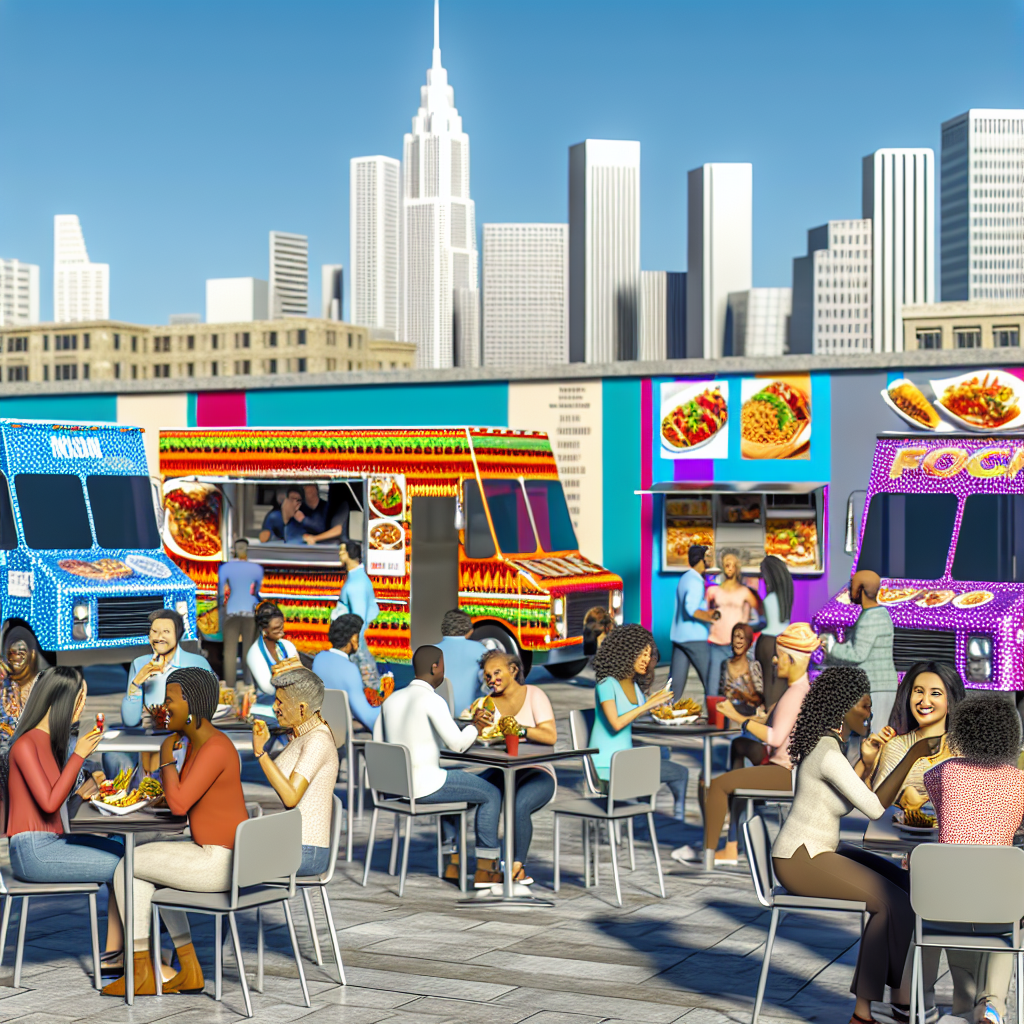
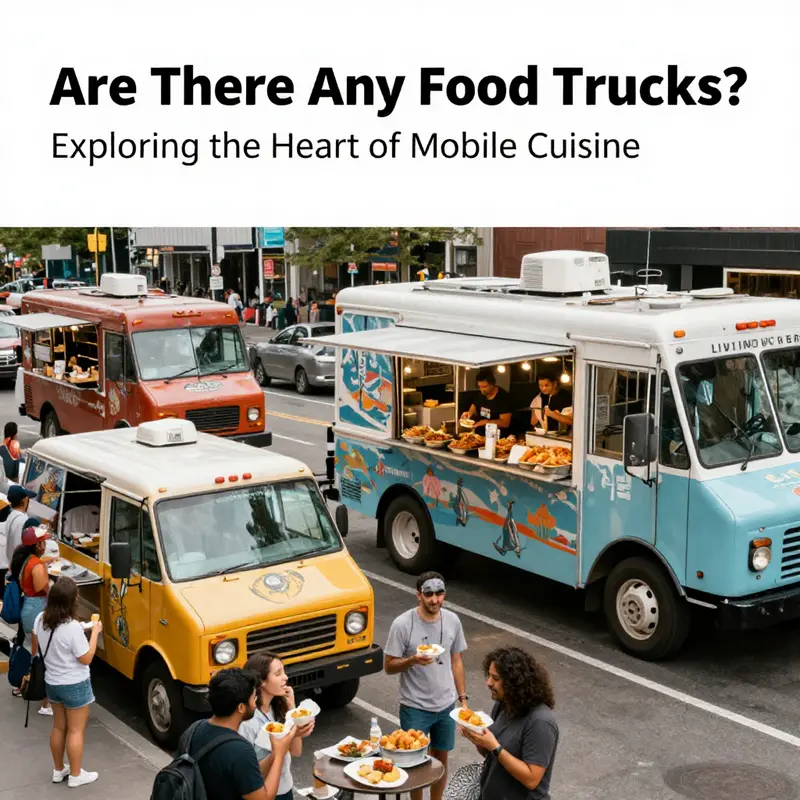
In recent years, food trucks have transformed the culinary landscape, becoming a beloved part of our cities and communities. Catering to diverse tastes and preferences, these mobile eateries offer unique dining options, often at lower prices than traditional restaurants. For event planners, corporate teams, and individual food enthusiasts alike, food trucks present an exciting opportunity to elevate any occasion. This article will explore the economic impact of food trucks, their diversity and innovation in cuisine, the technology enhancing their service, and the sociocultural trends shaping urban dining experiences. Join us as we uncover the essence of food trucks and their integral role in today’s culinary scene.
Rolling Economies: The Global Economic Footprint of Food Trucks in a Dynamic Culinary Landscape
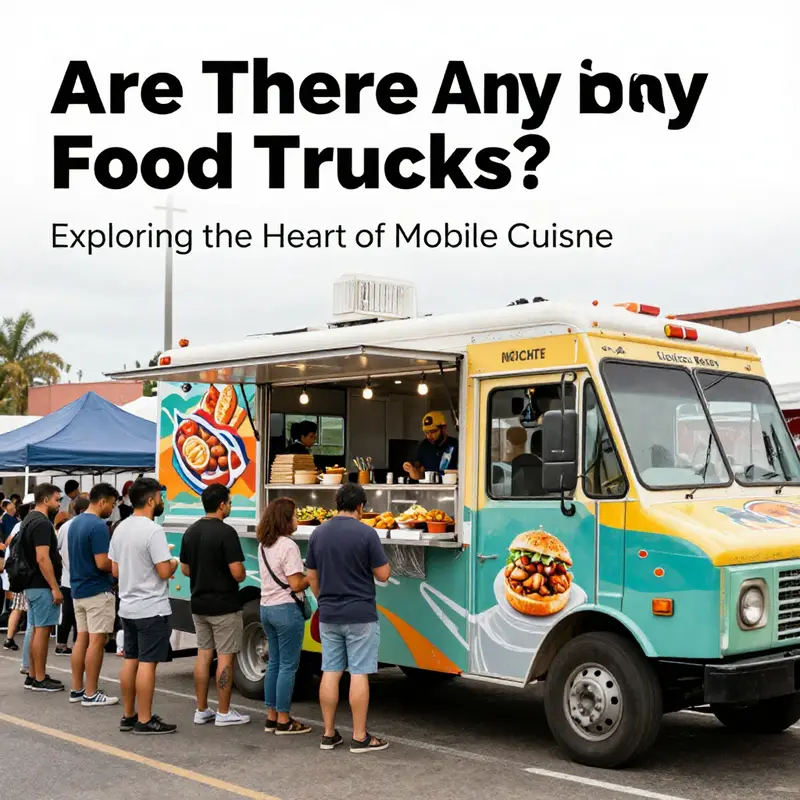
The street hums with the sizzle of pans and the clatter of wheels as food trucks glide through urban corridors around the world, turning a quick bite into a shared event. They are not mere conveniences; they are engines of commerce, culture, and city life. This is the economic footprint of a mobile dining movement that has grown beyond novelty into a robust and shaping force in the global culinary economy. The arc of their story begins with practical beginnings—horse-drawn chuckwagons and lunch wagons that served workers and travelers—and ends in a contemporary ecosystem where mobile kitchens are viable, scalable businesses that frame how people eat, work, and socialize in cities of all sizes.
Historically, mobile eating began as a pragmatic response to crowded urban spaces and the need for flexible food access. Over time, design improvements, changes in policy, and a surge of entrepreneurial energy transformed these itinerant kitchens from roadside curios into legitimate career paths. The core appeal remains simple and powerful: lower fixed costs, faster time to market, and the freedom to experiment with menus, locations, and hours. This adaptability is the heart of the economic lure. A truck or trailer can launch a business with a smaller upfront investment than a traditional restaurant, while offering a platform for iterative learning—testing concepts, refining recipes, and discovering what resonates with customers in different neighborhoods and at various events. The result is not merely a way to sell meals; it is a method for building a brand with a portable footprint, capable of following foot traffic and seasonal demand.
The expansion of food trucks is unmistakably global. Across Europe, the Americas, Asia, and Oceania, fleets of mobile eateries illuminate local economies, offering flavor profiles that reflect regional tastes and diasporic influences. This geographic diffusion strengthens communities by creating flexible, job-creating opportunities that complement fixed-location businesses. Street food serves as a daily social and economic conduit, catering to billions of people through the turnstiles of markets, campuses, office districts, and festival grounds. The economic ripple extends beyond the crew that cooks and serves; it cascades through suppliers of ingredients, packaging, and equipment, and it shuttles foot traffic to nearby stores, transit hubs, and pop-up spaces. The street becomes a platform for entrepreneurship and a catalyst for neighborhood vitality.
The mathematics of growth in this sector is compelling. Market observers project significant expansion for the food truck and trailer segment, approaching a global market size of about 10.8 billion dollars by the end of the decade, with a compound annual growth rate near 7.4 percent. These figures reflect a confluence of consumer appetite for convenience, appetite for novelty, and appetite for accessible, experiential dining. The economics of entry contribute to this momentum: while startup costs are not negligible, they are often far lower than those of a brick-and-mortar restaurant, permitting rapid testing of concepts and the opportunity to scale gradually as revenue solidifies. For many operators, the path from a single truck to a modest fleet offers a tangible ladder for building a sustainable livelihood, a journey grounded in culinary skill and a disciplined approach to operations, cash flow, and customer experience. This is not a one-off phenomenon but a structural shift toward a more agile, test-and-learn business model that can adapt to shifting consumer preferences and local conditions.
The urban fabric of cities benefits when a well-run truck adds to the daily mix of dining options without displacing traditional eateries. In many markets, a single, well-executed operation can amplify nearby commerce by extending the business day, stabilizing foot traffic, and offering a dynamic counterpoint to fixed-location dining. The effect is not a zero-sum game; it is an ecosystem that thrives on diversity of offerings, timing, and location. A thoughtful operator pairs a high-quality, recognizable menu with reliable service, creating a dependable rhythm that residents and workers come to anticipate. When trucks rotate through neighborhoods, they also invite other small businesses to participate in the flow—coffee shops, bakeries, and specialty retailers benefit from the spillover, while festival organizers and schools discover flexible catering options that fit varied budgets and schedules. Branding is important, but the most durable asset remains consistency: the ability to deliver a great product on time, every time, in different places.
Technology amplifies this value in meaningful ways. Digital payments reduce friction at the point of sale, while cloud-based inventory and simple point-of-sale systems streamline back-end operations. Operators can view sales data in real time, identify which menus travel best in which locations, and adjust inventories to minimize waste. Routes and schedules become data-driven decisions, allowing trucks to align with peak footfall, market nights, or large events. Social media presence converts a truck into a mobile storefront, where daily specials, location notes, and customer feedback shape demand. A strong online footprint can translate into predictable crowds and repeat business, while the physical truck remains the memorable face of the brand. This blend of culinary craft and digital sophistication creates a hybrid business model that can scale without losing the personal touch customers expect from handmade, freshly prepared fare.
The economics of scale in the mobile kitchen space expresses itself in multiple forms. Some operators focus on a single well-optimized vehicle with a lean menu built around speed, reliability, and quality. Others embrace a portfolio approach, deploying several vehicles with rotating concepts to maximize exposure and diversify revenue streams. This modularity is especially valuable in markets with tight real estate and variable foot traffic; it offers flexibility to reallocate resources, rebrand, or recalibrate menus as neighborhoods evolve. Branding remains crucial, but the core driver of long-term success is the ability to deliver dependable quality while staying adaptable to changing tastes, regulations, and events. Collaboration also plays a key role: shared commissaries, community marketing, and occasional cross-brand collaborations can lengthen a truck’s reach without eroding margins. The strategic combination of brand, consistency, and adaptability often distinguishes enduring operators from transient successes.
Financing narratives around food trucks reinforce their accessibility as engines of entrepreneurship. The initial outlay is typically lower than that of a conventional restaurant, and a spectrum of financing options can accommodate different credit profiles and cash flow realities. Many operators begin with personal savings, small loans, or community support, then scale by reinvesting profits into equipment upgrades, safety improvements, and expansion into new locales. This cycle—earn, invest, grow—demands disciplined cash management, a keen eye for cost control, and a willingness to adapt to supply chain fluctuations, labor costs, and policy shifts. The most resilient businesses treat the truck as a living system, one that requires ongoing maintenance, periodic upgrades, and a long-term plan. They balance menu development with tight operating controls, ensuring margins hold even when ingredient prices swing or demand shifts with the seasons.
From an urban-planning perspective, food trucks offer a collaborative opportunity. When authorities design clear, predictable guidelines for zoning, permits, health compliance, and parking, they unlock a level of predictability that operators value. A well-structured regulatory framework can help ensure safety and consumer protection while enabling operators to plan routes, secure spaces, and operate with confidence. The result is a healthier street economy where mobile dining complements traditional food sectors, supports local procurement where feasible, and contributes to a more vibrant public realm. The street then becomes a shared platform for culinary storytelling, where diverse recipes travel as easily as a wheel turns, and where residents experience a sense of place that is both dynamic and familiar.
The risks inherent in a mobile food business—price volatility for ingredients, insurance costs, or maintenance expenses—are widely acknowledged. Yet these challenges are familiar to many small, service-oriented ventures that operate under elastic demand and a need to respond quickly to market signals. The antidotes are practical and repeatable: diversify suppliers to dampen price swings, implement preventive maintenance to extend vehicle life, and maintain robust cash reserves to ride out slow periods. Operators who approach the truck as a managed system—constantly refining menus, routes, and staffing—develop greater resilience. The capacity to adjust to new locations, to test fresh concepts, and to seasonally recalibrate offerings helps maintain relevance in crowded markets while safeguarding profitability. In many places, the mobile kitchen becomes a testing ground for new cuisines and service formats, a space where chefs translate ideas into real-world experiences with minimal upfront risk.
Beyond the financial metrics, the social reach of food trucks deserves emphasis. The industry opens pathways for students, part-time workers, and professionals seeking flexible schedules. It draws on a variety of skill sets—from culinary artistry to refrigeration and electrical systems maintenance, from route coordination to customer relations. In this sense, trucks operate as micro-ecosystems that nurture talent, enable hands-on learning, and create opportunities for career progression. A founder may begin with one truck and evolve into a small fleet or leverage the brand to pursue catering, festivals, or corporate events. The trajectory is not linear, but it is navigable for those who blend culinary curiosity with disciplined operations. This is the broader economic contribution: a dynamic ladder that connecting cuisine, labor markets, and place-making in ways that reinforce community resilience and social cohesion.
For readers weighing a practical path, the decision at the outset often centers on market alignment, permitting timelines, and feasibility of local sourcing. Which neighborhoods and events show the strongest demand for the concept? How fast can permits be secured and how reliable is access to suitable parking spaces? What degree of local sourcing is realistic, and how does it affect margins? These questions reflect a broader shift in how people eat and how small businesses organize access to food. The answers are not universal but they are testable and iterative. A cautious but curious approach—starting with a single, well-loved concept and gradually expanding into a mobile brand that travels to events, workplaces, and schools—can yield a sustainable path forward. In places where curiosity about diverse cuisines and casual, fast service remains strong, the growth trajectory resembles a ladder rather than a spiral, with each rung representing a new location, a broader menu, or a modest increase in annual revenue. This incremental approach aligns with the nature of street food, where authenticity and consistency build trust, while novelty and speed attract new customers.
Ultimately, the story of food trucks is not only about profits or balance sheets. It is about how people discover, share, and savor food. The truck functions as a mobile stage for culinary storytelling, where a cook’s skill meets the street’s tempo to create moments of delight. In many places, these moments translate into lasting relationships with neighborhoods, schools, hospitals, and office campuses. The economic math then expands beyond direct sales to include indirect benefits: more engaged communities, increased foot traffic for nearby small businesses, and a broader appetite for local and artisanal fare. The rise of rolling kitchens reflects a larger consumer demand for mobility, authenticity, and affordability—three forces shaping how societies feed themselves now and into the future.
As analysts, restaurateurs, and urban leaders take stock, the road ahead points toward sustained growth tempered by prudent risk management. The convergence of entrepreneurship, neighborhood revitalization, and culinary creativity offers a fertile ground for experimentation. The most enduring operators will blend reliable operations with a willingness to adapt—to new neighborhoods, new menus, and new technologies. They will learn to harness the data generated by daily transactions, using it to refine menus, optimize schedules, and plan expansion. Networked trucks can support a more vibrant street economy, spreading opportunity to producers, distributors, and service providers across a region. This is the social economics of rolling kitchens: a decentralized model that brings meals closer to where people live and work while giving cooks a path to sustainable livelihoods within dynamic urban ecosystems. For readers considering the practical path, those weighing the right approach can explore guidance on the topic through a detailed exploration of Choosing the right food truck model to understand how upfront choices shape long-term viability. The journey is one of experimentation, discipline, and community-building, unfolding across cities that crave both flavor and opportunity.
External resource: https://www.statista.com/statistics/1287434/food-truck-market-size-worldwide/
Wheels of Flavor: Diversity and Innovation Across Global Cuisines in the Food Truck Era
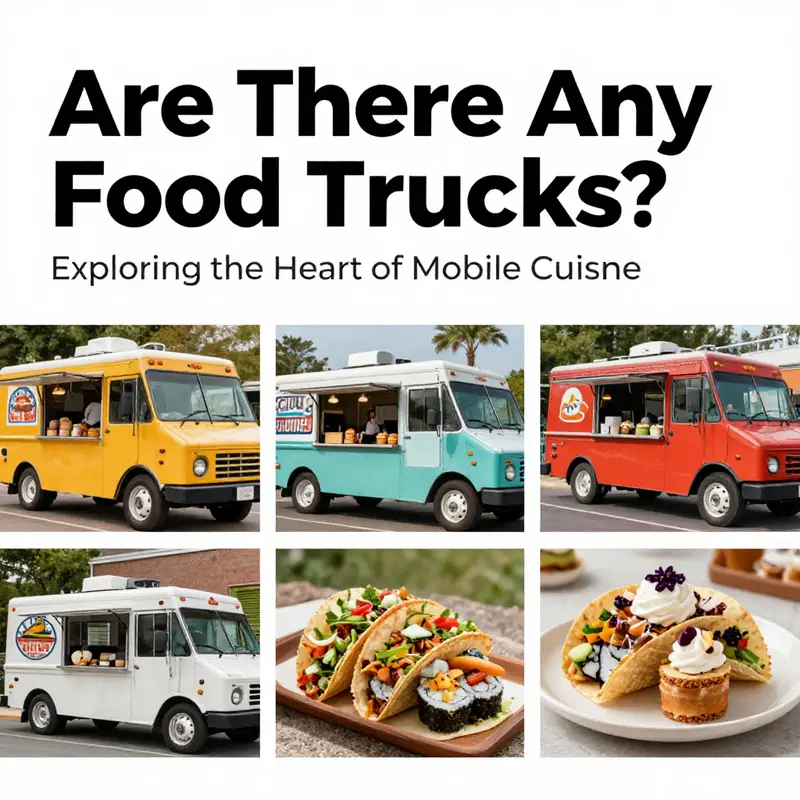
Are there still food trucks on every corner, ready to surprise and satisfy? The quick answer is yes, and the fuller story is about how many there are, where they travel, and how deeply they reflect the cuisines, cultures, and communities they serve. In the current culinary landscape, food trucks have grown from niche curiosities to a robust and interconnected ecosystem. The market research paints a compelling trajectory: a global arena where mobile dining is not simply a trend but a durable and expanding channel for food entrepreneurs. By one measure, the scope of the food truck and trailer sector is expected to reach a substantial footprint in the coming years, driven by the appeal of lower startup costs, flexible locations, and the promise of distinctive, go-anywhere menus. This growth is not uniform, but it is steady, propelled by a public increasingly drawn to convenient, diverse, and flavorful experiences that match fast-paced urban life with the desire to explore unfamiliar tastes. The presence of food trucks—from bustling city centers to vibrant neighborhoods and beyond—speaks to a culinary culture that values accessibility, experimentation, and community. Think of the street as a rolling kitchen where the ideas of chefs, migrants, students, and artisans converge in a single, portable venue. In this sense, the existence of food trucks is not only about the items on the menu; it is a statement about how food commerce can adapt to changing urban geographies and evolving consumer expectations, transforming travel time into tasting time and turning brief encounters into lasting impressions.
Across continents, the diversity of offerings reveals how food trucks harness both global influences and local memories to create something new and resonant. In many places, you can encounter a spectrum that runs from traditional street favorites to modern interpretations that push boundaries. In high-traffic urban cores, trucks often specialize in a particular cuisine or take a hybrid approach that blends techniques and ingredients from several traditions. This flexibility is not incidental; it is a strategic response to consumer demand for variety and the entrepreneurial advantage of not being tied to a fixed brick-and-mortar footprint. When a diner walks up to a truck, they encounter a portable menu that can reflect the rhythms of a neighborhood, the accessibility of a season, or the boldness of a chef’s latest experiment. The result is a culinary mosaic that travels through neighborhoods, festivals, college campuses, office districts, and markets, constantly reconfiguring itself to meet the moment.
In a South African context, the scene illustrates how this dynamism translates into a vivid, multicultural kitchen on wheels. Here the mobile kitchen operates as a cultural ambassador, offering an approachable lens into a country known for its complex tapestry of people and flavors. Diners can encounter Durban-style Indian curries that carry centuries of spice wisdom, Cape Malay bobotie with its sweet-sour balance, Chinese stir-fries that reflect shared histories, and Mediterranean mezze that echo a cosmopolitan palate. Add in Greek gyros, Korean barbecue-inspired cuts, Mexican street-style tacos, and the pan-European charisma of Spanish paella, and you have an atlas of tastes that demonstrates both global reach and local adaptation. This fusion is not simply about mixing ingredients; it is about translating heritage into accessibility, enabling communities to explore familiar comfort while inviting novelty. It also reveals how food trucks function as inclusive platforms for immigrant and heritage communities to showcase authentic recipes, preserve culinary techniques, and connect with a broad audience that might not otherwise encounter certain cuisines in everyday dining.
The logic behind these diverse offerings rests on a blend of practical and aspirational factors. Practically, a mobile kitchen lowers the barrier to entry for aspiring restaurateurs who might lack the capital or footprint required for a traditional venue. This affordability accelerates entrepreneurial activity and fosters a wider set of voices in the food scene. Aspirationally, trucks meet a modern appetite for convenience without sacrificing quality, character, or depth of flavor. They invite experimentation with seasonality, sourcing, and technique, allowing cooks to test new ideas with real-time customer feedback. The operational texture of a food truck—its limited space, its need for speed, its dependence on portable equipment—shapes how menus are conceived and executed. Menu design becomes a study in efficiency and identity: what matters most to customers, how to deliver it quickly, and how to tell a story through a dish that travels well and tastes of place. In this sense, every item on a truck’s board is a proposal for a broad audience to meet a specific culture on a moment’s notice,
The technology layer surrounding food trucks has grown in tandem with their culinary ambitions. Modern trucks increasingly rely on digital payment options and cloud-based management tools to streamline operations, improve accuracy, and enhance the guest experience. A well-integrated point-of-sale system can speed transactions, reduce errors, and capture valuable data about popular items, peak times, and customer preferences. IoT-enabled fleet management helps operators optimize routes, schedule maintenance, and maximize uptime, all while keeping a pulse on compliance with health and safety standards. These capabilities transform food trucks from artisanal curiosities into efficient, scalable micro-businesses that can compete in more structured markets without losing the spontaneity that defines the street dining experience. The result is a confluence of craft and discipline: chefs preserving authenticity through technique and memory, while operators use systems thinking to ensure reliability, consistency, and growth.
Branding and presentation, too, have evolved in ways that support an increasingly diverse array of offerings. A strong, legible brand helps a truck stand out amid a crowded landscape and invites curious passersby to step closer. At the same time, branding has become a conversation about movement and identity: how a truck communicates its cultural roots, how it doubles as a shifting social space, and how it builds trust with new audiences who may be tasting a cuisine for the first time. For operators seeking to build a brand that travels as widely as the food itself, resources like Branding on Wheels: The Ultimate Guide to Food Truck Graphics and Identity offer practical strategies to craft a memorable on-wheels persona while maintaining respect for the cultures represented on the menu. The idea is not to genre-shop or stereotype, but to create a coherent, moving narrative that travelers can recognize, relate to, and remember. This emphasis on branding reflects a broader truth about mobile dining: the identity of a truck is inseparable from its culinary reach. A well-crafted visual language, paired with a clear story and consistent quality, helps turn everyday customers into loyal fans who will seek out the truck again and again, even as it travels from one district to another.
The scale of opportunity in this space is substantial. The global appetite for diverse, convenient, and high-quality food experiences creates a favorable climate for both new entrants and established operators looking to diversify their portfolios. The market’s growth is driven not only by the charm of variety but also by the practical advantages of mobility. Entrepreneurs can experiment with menus, adapt to seasonal ingredients, and respond rapidly to changing demographics, events, and tastes. Communities benefit, too, when mobile kitchens serve as accessible venues for cultural exchange, affordable meals, and social gathering spaces. They bring culinary know-how into neighborhoods that may lack a wide range of dining options, offering a chance to learn through food and share through plates passed from one table to another. The result is a food culture that feels less monolithic and more like a mosaic, with trucks as the moving threads that connect different corners of a city and, increasingly, different regions around the world.
Of course, the practicality of operating a food truck requires attention to regulations, parking logistics, and the realities of supply chains and seasonality. Yet the core vitality remains: there are food trucks, and they are everywhere because they meet a broad set of needs—human, economic, and cultural. For aspiring operators, the opportunity lies not only in choosing a cuisine but in embracing the mobility that defines the medium. It means designing a kitchen that is compact yet capable, selecting equipment that maximizes efficiency, and crafting menus that travel well while honoring culinary roots. It means building a brand that travels with confidence and sustains with quality. It means listening to the communities you serve, learning from their tastes, and evolving in ways that honor tradition while inviting new interpretations.
For readers curious about the practical side of how such ventures sustain themselves, there are resources that translate these ideas into actionable steps. For a detailed exploration of branding and identity on wheels, you can explore Branding on Wheels: The Ultimate Guide to Food Truck Graphics and Identity. This kind of guide helps translate the rich diversity observed on the streets into a coherent, repeatable experience that resonates across neighborhoods and cities. As the conversation around food trucks continues to expand, a chapter of the story focuses less on whether they exist and more on how they persist, innovate, and connect people through shared meals on wheels. The global picture is one of abundance, creativity, and inclusive appetite, where the street becomes a forum for culinary diplomacy and entrepreneurship alike.
For readers seeking deeper regional perspectives, the South African case highlights how mobility can amplify cultural exchange and preserve heritage. A comprehensive guide to the country’s food truck scene emphasizes the breadth of flavors—from Durban curries and Cape Malay dishes to Chinese-inspired stir-fries, Mediterranean mezze, and beyond. It is a reminder that the street kitchen is not a static display but a dynamic, evolving platform for culinary storytelling. The interweaving of tastes mirrors the mosaic of communities that bring them to life on wheels. In this sense, every truck offers a micro-lecture on migration, adaptation, and ingenuity, inviting everyone to taste the world one stop at a time. For a broader, context-rich exploration of these dynamics within South Africa, a detailed, field-focused resource provides extensive features, applications, and performance insights about the country’s mobile dining scene. External readers can consult that guide for a deeper dive into regional implementation, adaptation to local regulations, and the unique challenges and opportunities that define mobile food business in that landscape.
Ultimately, the question Are there any food trucks? is best answered by looking at the living map of where these kitchens travel and how they adapt. They exist in a spectrum—from small, neighborhood-focused carts that serve a compact menu to larger, more ambitious rigs that operate at events and high-traffic districts. They offer not just meals but experiences: a quick bite that carries a sense of place, a way to discover a cuisine through a friendly, communal ritual, and a platform for cooks to refine their craft while engaging directly with customers. They also illustrate how a modern food economy can balance mobility with sustainability, gesture with equity, and novelty with authenticity. The story of food trucks is still unfolding, but the essential thread remains clear: there are many food trucks, and they carry with them a potent mix of hunger for flavor, curiosity about cultures, and the entrepreneurial energy that keeps culinary innovation on the move. For readers who want to root this exploration in a broader regional context and understand how these mobile kitchens operate within specific regulatory and market environments, exploring local case studies and industry resources can provide a practical lens through which to view the future of street dining. In the end, the road is the menu, and the wheels are turning, inviting everyone to taste, learn, and participate in a living, evolving food culture.
External reference for further context: https://www.foodtrucksa.co.za/guide
Internal note: for branding and identity considerations on a traveling menu, see Branding on Wheels: The Ultimate Guide to Food Truck Graphics and Identity.
null
null
On the Move: How Food Trucks Are Shaping Urban Dining and Sociocultural Life
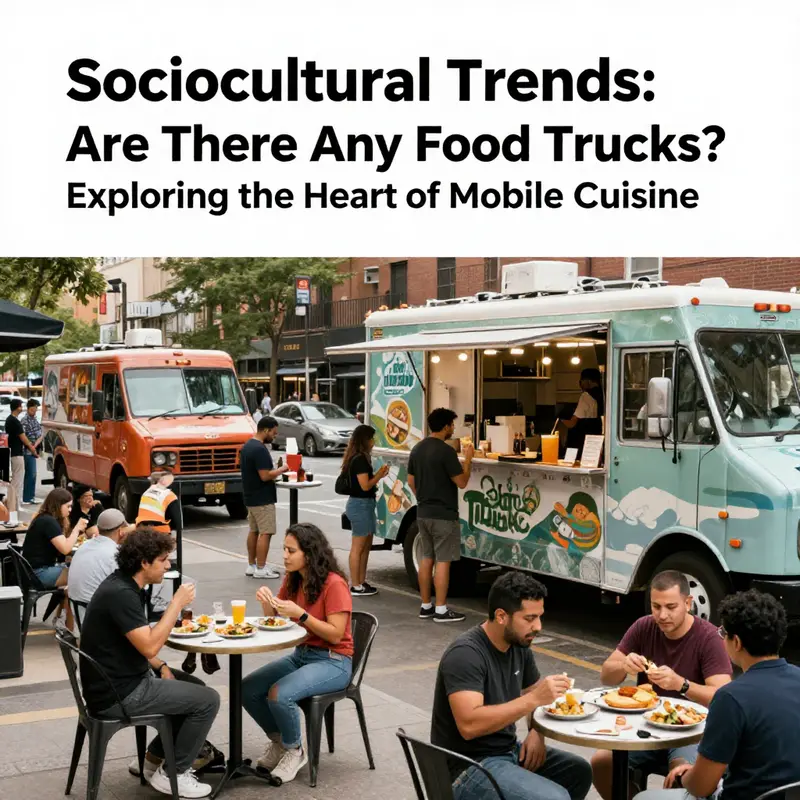
Across streets, plazas, and open corners, the sight of a compact kitchen on wheels has become a steady beat in the urban symphony. Food trucks are not mere novelties parked temporarily beside a curb; they are dynamic microcosms of city life, where culinary craft, social interaction, and cultural storytelling collide in real time. In many cities around the world, sidewalks that once simply ferried foot traffic now pulse with the energy of a rotating lineup of meals, textures, and textures of conversation. The truck becomes a portable stage, a temporary market, and a gathering place all at once. This is not about a passing fad but about a resilient, evolving mode of dining that mirrors the way people move, work, and connect in contemporary life. The question aren’t just about whether there are food trucks; it’s about how these mobile kitchens contribute to the texture of urban life and why they matter as cultural experiences as much as they do as sources of nourishment.
What makes these mobile eateries powerful is their ability to translate distance into availability. A city that might seem too large or too cosmopolitan for a single, fixed restaurant map suddenly feels navigable. A hawker’s stall in a faraway region or a family recipe from a distant coastline can appear at the end of a block, reproduced in a shade of brick-and-morrow that is both familiar and newly imagined. The result is a form of sociocultural exchange that travels with the crowd. People who would never cross paths inside a traditional restaurant line up side by side, sharing space and time, listening to the same sizzle, and learning each other’s stories without ever needing a passport. The informal, interactive nature of the encounter—where a customer can ask a chef about ingredients, techniques, or origins while watching a stone-fired oven blaze in the open air—transforms dining from a transaction into a conversation. The social life of the street becomes a classroom, a gallery, and a communal kitchen rolled into one.
In this sense, food trucks serve as catalysts for discovery and inclusion. They invite a wider array of voices into the culinary conversation, lowering barriers for aspiring cooks who might lack the capital to open a storefront. A neighborhood might witness the emergence of a pastry hybrid, a grill-driven lunch concept, or a plant-forward comfort dish that wouldn’t have found a foothold in a conventional brick-and-mortar model. The democratization of access here goes beyond price. It allows for experimentation with identity, with regional flavors, and with sustainability practices that can be learned and tested in a matter of weeks rather than years. The growth of diverse voices is not a fringe outcome but a central driver of innovation in the mobile dining sector, one that reinforces the idea that city life thrives when people see themselves reflected in the foods they encounter on the street.
Design and branding become part of this cultural dialogue as well. The visual identity on a truck—the umbrella color, the typography, the shapes used to signal the kitchen’s focus—acts as a first handshake with potential diners. The branding is not purely decorative; it is a signal of values, provenance, and culinary intent. In this sense, branding on wheels is a form of storytelling that travels. It signals what kind of experience awaits, whether a crisp, modern take on street fare or a warm, nostalgic nod to traditional recipes. The visual language helps a truck stand out in a crowded urban landscape, but it also invites people to pause, to engage, and to learn more about the food before and after they sample it. This is a practical art form—design that communicates flavor and philosophy even before the first bite. For those who want to explore the branding side of this phenomenon, branding on wheels offers a compact lens on how graphics, color, and identity converge on a moving canvas.
The democratization of entrepreneurship is another thread in this evolving tapestry. Compared with traditional starting costs in full-service restaurants, a mobile model lowers the ceiling for entry. A cook with a good concept can prototype, iterate, and reach audiences quickly, testing menus in temporary locations, farmers markets, or nearby campuses. This lower overhead fosters experimentation with niche cuisines and seasonal menus that reflect local ingredients and cultural exchanges. A taco truck might evolve to incorporate influences from a neighboring cuisine, or a burger concept might explore vegetarian alternatives as a permanent feature rather than a seasonal add-on. The speed of feedback in a street setting accelerates learning: what resonates with passersby, which flavor combinations spark conversations, and how far a concept can travel beyond its origin. Over time, such iterative learning helps these ventures transition from temporary, street-tested ideas into staples of the urban dining ecosystem, weaving themselves into the mainstream restaurant sector without erasing the spontaneity that first sparked their appeal.
Looking at the cuisine itself reveals another layer of social significance. Food trucks cultivate a dynamic range of offerings, from comfort-forward staples to bold, boundary-pushing creations that might never surface in a conventional dining room. The street format invites experimentation with texture, technique, and sourcing. You might see a wood-fired pizza paired with locally sourced vegetables from a nearby market, or a fusion approach that marries a traditional technique with an unexpected ingredient. The appetite for diverse, accessible, and sometimes nostalgic flavors mirrors broader migratory and cultural patterns, turning the street into a living archive of culinary cross-pollination. In this way, the truck landscape becomes a mobile museum of tastes, a place where new stories can be told through every bite and every conversation sparked in line.
Technology interlocks with this social mission in practical ways. Digital payments, real-time location updates, and social updates allow cooks to reach people who are not standing in front of the truck yet, while simultaneously enabling spontaneous meetups at events or pop-up gatherings. The ability to announce a location hours in advance and then pivot quickly when crowds shift turns the urban space into a flexible dining room, where the menu is informed by what the neighborhood is craving in the moment. The blend of mobile dining with online communities creates a hybrid experience: a physical space that is continually shaped by digital conversations and community-generated recommendations. People follow a truck not only for a dish but for a narrative, a schedule, and a sense of belonging that extends beyond the moment of purchase. This synergy has become central to why many cities now treat food trucks as fixtures rather than as temporary visitors.
Beyond the social and culinary dimensions lies a practical urban design argument. The rise of mobile kitchens invites cities to rethink the way sidewalks, plazas, and curb space are used. When planning for outdoor dining or street markets, planners increasingly consider how trucks contribute to pedestrian flow, waste management, and local commerce. The street market dynamic—where residents mingle with visitors and workers take a lunch break in a shared environment—creates opportunities for small businesses to participate in larger civic life without the secretarial overhead of a fixed storefront. In this sense, food trucks function as flexible, adaptive agents within the urban economy, capable of shifting to different districts or neighborhoods in response to seasonal events, school calendars, or cultural festivals. They provide a model for how cities can cultivate vibrant public spaces that accommodate diverse culinary traditions while maintaining essential infrastructure such as sanitation, safety, and accessibility.
Cultural vitality is further reinforced through the way food trucks intersect with public events, markets, and cultural programming. When a city stages a street festival, a market day, or a neighborhood celebration, trucks often take center stage, turning an ordinary block into a temporary micro-economy. These occasions create shared rituals: lines that form in rhythmic patterns, conversations that cross generational and linguistic boundaries, and the instant social network that grows around a beloved dish. The cultural economy surrounding food trucks emphasizes the role of food as a shared language, one that can bridge gaps in understanding and welcome strangers into a common, enjoyable experience. In this light, the trucks are not just serving meals; they are sustaining social cohesion in a city that is constantly evolving and diverse.
The data is clear enough to matter in the planning rooms as well as on the street. Market analyses show that the global food truck and trailer market has become a robust corridor of growth, with demand driven by the appeal of mobile dining, the lower entry costs, and the appetite for unique, convenient food experiences. This growth is not a temporary blip; it represents a shift in how people choose to eat, what they crave, and where they want to gather. In a world where many workplaces and neighborhoods are mosaic in their demographics, the food truck becomes a portable, adaptable platform that can accommodate a broad spectrum of tastes. It can also reflect sustainability priorities, with truck operators experimenting with compostable packaging, local sourcing, and waste-reduction strategies that keep the environmental footprint smaller while keeping the experience high in value and enjoyment. As cities evolve, the trucks that traverse their arteries will continue to adapt, new concepts will emerge, and the stories they tell will be shaped by the people who encounter them every day.
In sum, the food truck phenomenon is not simply about food on wheels. It is about how cities curate spaces for interaction, how entrepreneurs narrate identity through what they cook and how they present it, and how communities come to see dining as an inclusive, participatory, and evolving experience. The urban dining landscape has changed in ways that reflect broader social currents—mobility, diversity, accessibility, and constant reinvention. Are there food trucks? Yes. They are everywhere, and their influence on how we live, eat, and connect in cities is substantial. They offer a living, edible map of a city’s cultural imagination, a map that grows more complex and more flavorful as more voices join the conversation. And as each new concept rolls into town, it extends the conversation about what urban dining can be, inviting residents to sample not just a dish but a shared moment of cultural exchange that lingers long after the last bite. For readers and cities alike, this is a reminder that the street can be a laboratory, a classroom, and a kitchen all at once, where the act of eating becomes a collective experience and a continual invitation to explore what a city can be when people, food, and place come together on wheels.
External reference for further reading: Street to Scene: How Food Trucks Are Redefining Urban Food Culture
Final thoughts
Food trucks are not just a passing trend; they embody a significant shift in how we experience food and community. By exploring their economic impact, culinary diversity, innovative technologies, and sociocultural trends, it’s clear that these mobile kitchens are reshaping urban dining experiences. Whether you’re an event planner looking to add flair to your gatherings or a food enthusiast eager to try diverse cuisines, food trucks are an inspiring and essential element of modern culinary culture. Embrace the adventure of food trucks and discover the unique flavors they bring to local streets!