
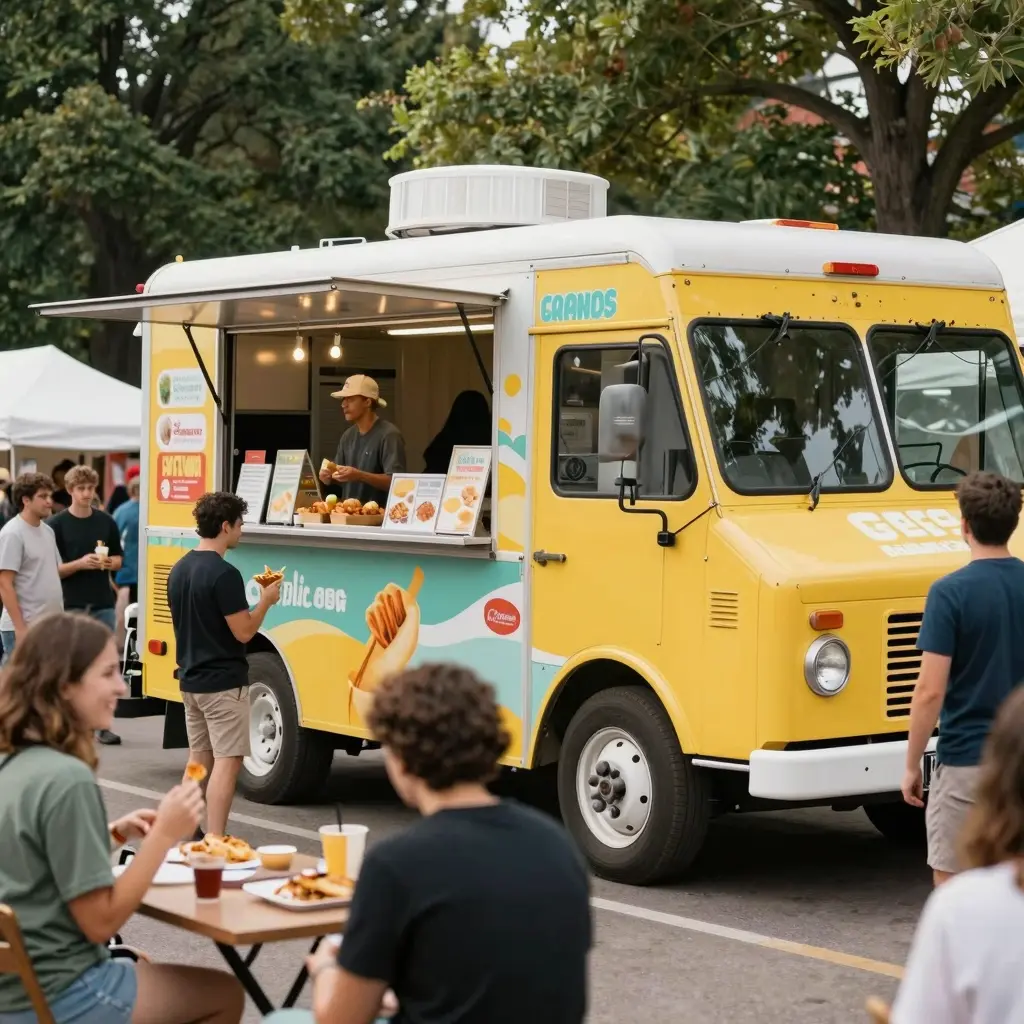
Getting Started with Your Food Truck Business: A Flavorful Adventure Awaits!
Are you ready to embark on the delicious journey of launching your very own food truck? The excitement is palpable! Imagine serving your favorite dishes to eager customers, creating memorable culinary experiences, and becoming a beloved part of your community. However, before you hit the road, it’s crucial to understand the various licensing requirements that come into play. Navigating these regulations will not only streamline your launch but also pave the way for long-term success. Whether you’re an event planner looking to enhance your offerings, a corporate HR professional eager to arrange memorable events, or simply a food enthusiast dreaming of sharing your unique flavors, gaining insight into the necessary licenses will set you up for success. Buckle up, because the road to food truck greatness is both thrilling and rewarding! Want to ensure you’re steering in the right direction? Learn more about navigating food truck industry regulations to make your launch smooth and exciting!
Common Licenses Required to Operate a Food Truck
Starting a food truck is an exciting venture, but it’s essential to ensure that you comply with all necessary regulations and obtain the proper licenses. Here are the common licenses and permits you might need:
-
Business License: Most cities require a general business license to legally operate a food truck. This license is often issued by the local government.
-
Health Permits: A food service or health permit is required to operate a food truck. This ensures that you are compliant with health and safety regulations. Obtaining this usually involves inspections by the local health department.
-
Mobile Vendor Permit: Some states and cities require a mobile vendor permit specifically for food trucks. This permits you to sell food on the streets legally.
-
Food Handler’s Permit: This is often needed for all employees handling food in your truck, ensuring they understand food safety and hygiene practices.
-
Fire Department Permit: If you use equipment that poses a fire risk, such as fryers or grills, you may need a fire department permit, which may involve inspections.
-
Parking Permits: Depending on your location, obtaining a permit to park your food truck in certain areas may be required, particularly in designated food truck zones or during events.
-
Zoning Permit: Ensure that your food truck complies with local zoning regulations, as some areas may restrict commercial vehicles.
-
Sales Tax Permit: If you plan to collect sales tax from customers, a sales tax permit from your state or local tax agency is necessary.
-
Insurance: While not a permit, liability insurance is crucial to protect against potential lawsuits.
Navigating the legal landscape of operating a food truck may seem daunting, but with the right permits and licenses, you can hit the ground running! For guidance on the nuances of different food truck models and their licensing, learn more about choosing the right food truck model.
Ensure you check with your specific local regulations, as requirements can vary significantly from one city to another!
Overview of Food Truck Licensing Requirements by State
Navigating the maze of food truck licensing is crucial for aspiring vendors. Here’s a comparison of licensing requirements across some significant states. Understanding the specifics can save time, money, and ensure compliance with regulations.
| State | Type of License Required | Cost |
|---|---|---|
| California | Health Permit, Business License, Food Vendor Permit | $1,000 – $2,000+ |
| Texas | Food Dealer’s Permit, Sales Tax Permit | $50 – $400+ |
| New York | Mobile Food Vending License, Health Permit | $200 – $1,000 |
| Florida | Mobile Food Vendor License, Business Tax Receipt | $155 – $1,000 |
| Ohio | Food Service License, City Vendor License | $50 – $150+ |
Understanding these variations is key in successfully launching your food truck venture. Each state has unique requirements that can significantly affect your startup process.

Cost of Food Vendor Licenses by State
For in-depth insights into this dynamic industry, check out our resources on navigating food truck regulations and financial tips for first-time food truck owners.
Health and Safety Regulations for Food Trucks
Running a food truck can be a flavorful journey filled with culinary creativity and community engagement. However, it also comes with a plethora of responsibilities, especially regarding health and safety regulations. Understanding and adhering to these regulations is crucial not only for the success of your food truck but also for ensuring the safety of your customers.
Key Health Codes and Regulations
Food trucks must comply with various federal and state health codes to operate legally. Here are some essential regulations to keep in mind:
-
Food Safety Certifications: Food truck operators and their staff are typically required to obtain food worker cards or safety certifications. This can include courses in safe food handling, sanitation, and personal hygiene.
-
Health Inspections: Regular health inspections are necessary to maintain compliance. These inspections focus on food storage temperatures, cleanliness, and overall safety of the food preparation area. For instance, according to the Health Improve source, food trucks must meet specific codes that vary by location but generally include pathogen control and safe food preparation practices.
-
Minimum Internal Temperatures: It is vital for food trucks to cook food to safe internal temperatures. The guidelines for cooking various types of meat and other food items can be found on FoodSafety.gov and are essential to prevent foodborne illnesses.
Responsibilities for Event Planners and Corporate HR Teams
When engaging food trucks for events, event planners and corporate HR teams also have obligations. Their responsibility includes:
-
Compliance Checks: Ensuring that the selected food trucks have current health permits and comply with local laws and regulations helps avoid liabilities that could arise from non-compliance.
-
Vendor Agreements: It’s advisable to have clear agreements with food trucks that specify their compliance with health and safety standards. This protects not just the food truck operators but also the event organizers and the attendees.
Food safety is a shared responsibility. When event planners and food truck owners understand their obligations and adhere to health codes, everyone benefits-from delicious food served at events to satisfied customers ensuring they have a safe dining experience.
Conclusion
Food trucks are an exciting and tasty part of our community’s food scene. By following strict health and safety regulations, food trucks not only keep their businesses thriving but also uphold the trust and health of their patrons. For a deeper insight into making your food truck operation successful, explore more about food truck regulations.
Launching a food truck can be an exciting venture, but the road to securing the necessary licenses can be a winding journey filled with challenges and triumphs. Many aspiring food truck owners have shared their experiences, shedding light on what it takes to navigate the licensing processes-encouraging others not to shy away from their dreams. Here’s a summary of diverse testimonials and real-life anecdotes from the food truck community.
Facing the Licensing Labyrinth
One common thread among food truck owners is the frustratingly complex landscape of permits and licenses required to operate. Many recount instances of confusion about different regulations based on their locality. For instance, Prestige Food Trucks shares feedback from owners who found the lack of centralized information daunting. Often, they faced unknowns like health codes, parking restrictions, and various permits that could differ significantly from one city to the next.
“A common theme? Always double-check what your local authorities require. It’s hit or miss,” notes a vendor from Albuquerque. As described in a recent article by Toxigon, many entrepreneurs faced hurdles not just in understanding the requirements but also in getting timely responses from local offices. This lack of clarity often led to delays and the need for multiple visits to city hall.
Success Stories Amidst Struggles
Yet, amid these challenges, success stories abound. Many food truck owners utilize their initial struggles as stepping stones to success. For example, several vendors shared how they turned licensing setbacks into learning experiences. One New Jersey food truck owner revealed that after initially facing rejection over his health permit, he reached out for assistance and found resources that helped him understand the required regulations better. This led not only to his approval but also propped him up with valuable knowledge that he now shares with others in the community.
Community Support Makes a Difference
The power of community and networking is also a recurring theme. A food truck owner from Tarpon Springs described how attending local workshops helped clarify the licensing process: “Meeting seasoned food truck owners was a game-changer for me,” she said. “Their tips on navigating the hoops I had to jump through saved me countless hours.” This sentiment is echoed in TruckTasting where many vendors emphasize the importance of networking to share resources and advice.
Legal and Regulatory Battles
However, it’s essential to recognize that challenges can extend beyond paperwork. Licensing issues can sometimes lead to legal battles over local regulations seen as unjust or overly restrictive. In a critical situation reported by Tampa Free Press, food truck owners in Florida found themselves in litigation to contest city laws favoring brick-and-mortar establishments, illustrating the uphill battles that some must face.
Conclusion: Embracing the Journey
As you contemplate your journey into the food truck industry, remember that while obtaining licenses can be strenuous, many before you have paved the way with their stories of resilience and community. Whether it’s reaching out for support, strategizing for success, or harnessing community resources, every step brings you closer to satisfying your culinary dreams. So roll up your sleeves, stay informed, and let your food truck dream roll into reality! If you’re looking to make informed choices, check out this guide on food truck licensing and permits to navigate your challenges effectively.
FAQ: Common Questions About Food Truck Permits
Starting your own food truck is an exhilarating adventure, but it comes with its fair share of questions-especially about permits and licenses! We’ve gathered some of the most common inquiries to help you navigate this delicious road ahead.
1. What permits do I need to operate a food truck?
The permits you’ll need can vary based on your city or state, but generally, you’ll require:
- Business License: A basic requirement to legally operate.
- Health Permit: To ensure food safety and sanitation practices are followed.
- Vehicle Permit: Specific to your food truck for parking and operating in designated areas.
- Food Handler’s Permit: A certification for anyone handling food in your truck.
Make sure to check local regulations as requirements can differ greatly. For more details, check this comprehensive guide.
2. How long does it take to get food truck permits?
The timeline for obtaining permits can vary:
- Business Licenses: May take a few days to weeks.
- Health Permits: Often involve inspections, which can lead to delays.
- Food Handler Certifications: Can usually be completed quickly, often online.
Plan ahead and allow for extra time to ensure you’re ready for your launch!
3. Are permits expensive?
The costs depend on your location and the specific permits you need. You might find:
- Business licenses ranging from $50 to several hundred dollars.
- Health permits can vary significantly, sometimes exceeding $1,000 in urban areas.
- Don’t forget potential inspection fees!
You can get an accurate picture by checking local government resources or this informative article about food truck licenses.
4. What happens if I operate without the necessary permits?
Operating without the proper permits can lead to hefty fines, closure of your business, or both. It’s crucial to comply to ensure your food truck thrives. Checking with local food safety authorities can provide clarity on regulations.
5. Can I apply for permits online?
Many locations now allow online applications for various permits which can simplify the process significantly. Check your local government or health department’s website for application details.
Food trucks can be both fun and profitable, as long as you’re prepared and compliant. If you have questions that aren’t covered here, feel free to reach out to your local food safety authority or consult resources like the Webstaurant Store guide on food truck permits. Happy truckin’!
Steps to Obtain a Food Truck License
Obtaining a food truck license can be a complex process, but with proper planning and understanding of the requirements, you can navigate through it smoothly. Here’s a step-by-step flowchart to guide you:
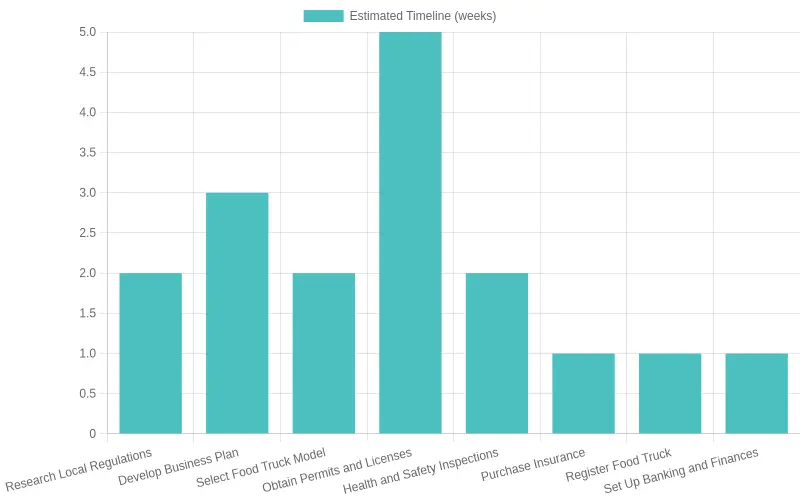
Key Steps in the Food Truck Licensing Process:
| Step | Description | Estimated Timeline |
|---|---|---|
| Research Local Regulations | Understand state and city health department regulations. | 1-2 weeks |
| Develop Business Plan | Create a comprehensive business plan including budget. | 2-4 weeks |
| Select Food Truck Model | Choose the right food truck model to fit your business. | 1-2 weeks |
| Obtain Permits and Licenses | Apply for necessary permits (business license, food service permit, etc.). | 2-8 weeks |
| Health and Safety Inspections | Schedule and pass inspections by local health authorities. | 1-2 weeks |
| Purchase Insurance | Obtain liability insurance and other necessary coverage. | 1 week |
| Register Food Truck | Register your vehicle with the DMV. | 1 week |
| Set Up Banking and Finances | Open a business bank account and manage budgeting. | 1 week |
By following these steps and considering the timelines, you’ll be on your way to launching your very own food truck! For more guidance on selecting the right food truck model, check this out.
Remember to stay organized and proactive as you tackle each step of this exciting journey!
The Importance of Licensing in Food Truck Success
Opening a food truck is an exciting venture, but navigating the world of permits and licenses can be daunting. A lot depends on understanding these necessary regulations, as they can make or break your business. As food truck owners often state, securing proper licenses is crucial for a smooth operation and long-term success.
“Getting a license for a food truck and complying with council regulations was challenging but a learning curve for us.”
- Vaibhav Joshi, Owner of Mumbai Vada Pav
Read more about food truck regulations here.
This sentiment resonates with many in the industry, illustrating the weight of properly navigating licensing challenges. The initial obstacles faced by food truck owners often pave the way to a better understanding of their operational landscape, ultimately contributing to their business success.
Conclusion
In conclusion, navigating the complex world of food truck licensing can be daunting, yet it is absolutely essential for ensuring your business not only thrives but also remains compliant with local regulations. As we’ve discussed, the right licenses pave the way for operational success-protecting you from fines and allowing you to focus on serving delicious meals to your customers. Whether you’re just starting out or are looking to expand your food truck business, understanding the licensing landscape is key. If you’re interested in diving deeper into selecting the perfect food truck model, check out our guide on choosing the right food truck model for insights that can further elevate your venture.
Moreover, enhancing your food truck’s appeal goes beyond just licensing; it includes how your truck looks on the outside. This is where custom motorcycle fairings come into play. Custom fairings not only improve aesthetics and branding but can also provide functional benefits like improved aerodynamics. A well-designed truck captures potential customers’ attention and encourages them to explore your menu.
To elevate your food truck experience, we encourage you to take the next step and explore Summit Fairings for custom motorcycle fairings tailored to your unique vision. Invest in your food truck today, and watch your culinary dreams come to life on wheels!