Welcome to the vibrant world of food truck parks! If you’re looking for an exciting venture that brings together culinary creativity, community spirit, and memorable experiences, this is the place to be. Running a food truck park is not just about providing delicious meals; it’s also about fostering community engagement and hosting lively events that keep visitors coming back for more. In this article, we’ll guide you through essential elements of food truck management, from selecting the right trucks to curating a diverse menu that appeals to your local audience. We’ll also explore how to plan successful events that draw crowds, create lasting memories, and boost local connections. Whether you are an event planner, a corporate HR team member, or simply a food enthusiast, you’ll find valuable tips and insights to help you launch and sustain a thriving food truck park!
Benefits of Hosting a Food Truck Park
Hosting a food truck park can unlock numerous benefits for event planners and community groups. Here are some key advantages to consider:
-
Community Engagement: Food truck parks create opportunities for community members to gather, fostering social interaction and strengthening local connections. As highlighted in the Durham Central Park Food Truck Rodeos, these events encourage people to relax and enjoy street food together, enhancing community spirit. Learn more about hosting food-related events.
-
Variety of Food Options: A food truck park features a diverse range of cuisines, catering to various tastes and preferences. This variety can meet dietary needs and offer a unique dining experience that is often absent in traditional restaurants.
-
Economic Benefits: Food truck parks can boost local economies by providing increased visibility and business opportunities for food truck owners, as well as attracting more customers to the area. They serve as culinary hubs that can foster additional business for nearby shops and services. As noted, food truck parks are shaping local dining habits, subsequently enhancing surrounding businesses’ revenue potential. Explore economic insights on food truck parks.
-
Attracting Events and Activities: Food truck parks are ideal venues for special events, markets, and community gatherings, drawing in crowds and enhancing local culture. They can help transform an area into a vibrant social space.
-
Supporting Local Entrepreneurs: Hosting a food truck park provides independent food vendors with a platform to showcase their offerings, helping them grow their businesses and connect with the community.
These benefits underscore the potential of food truck parks to serve as valuable assets for both event planners and the communities they engage with.
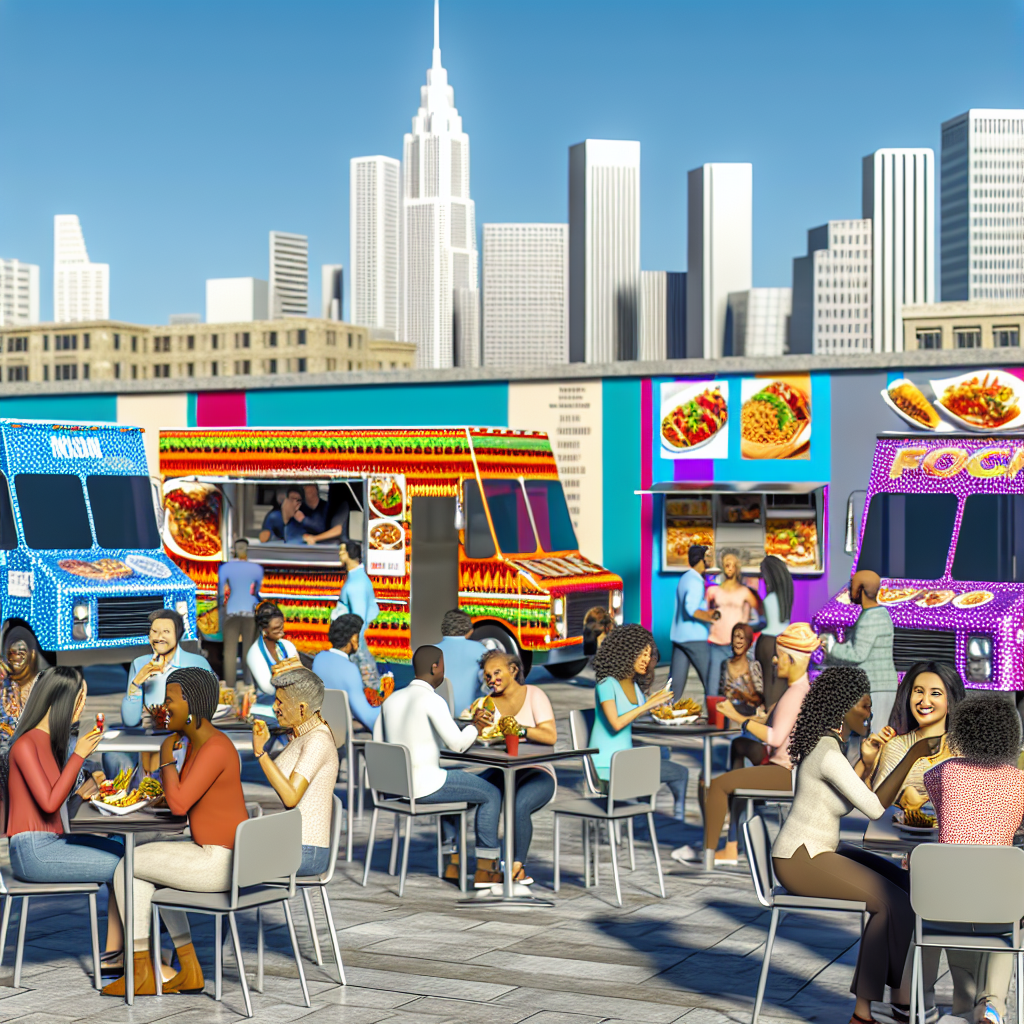
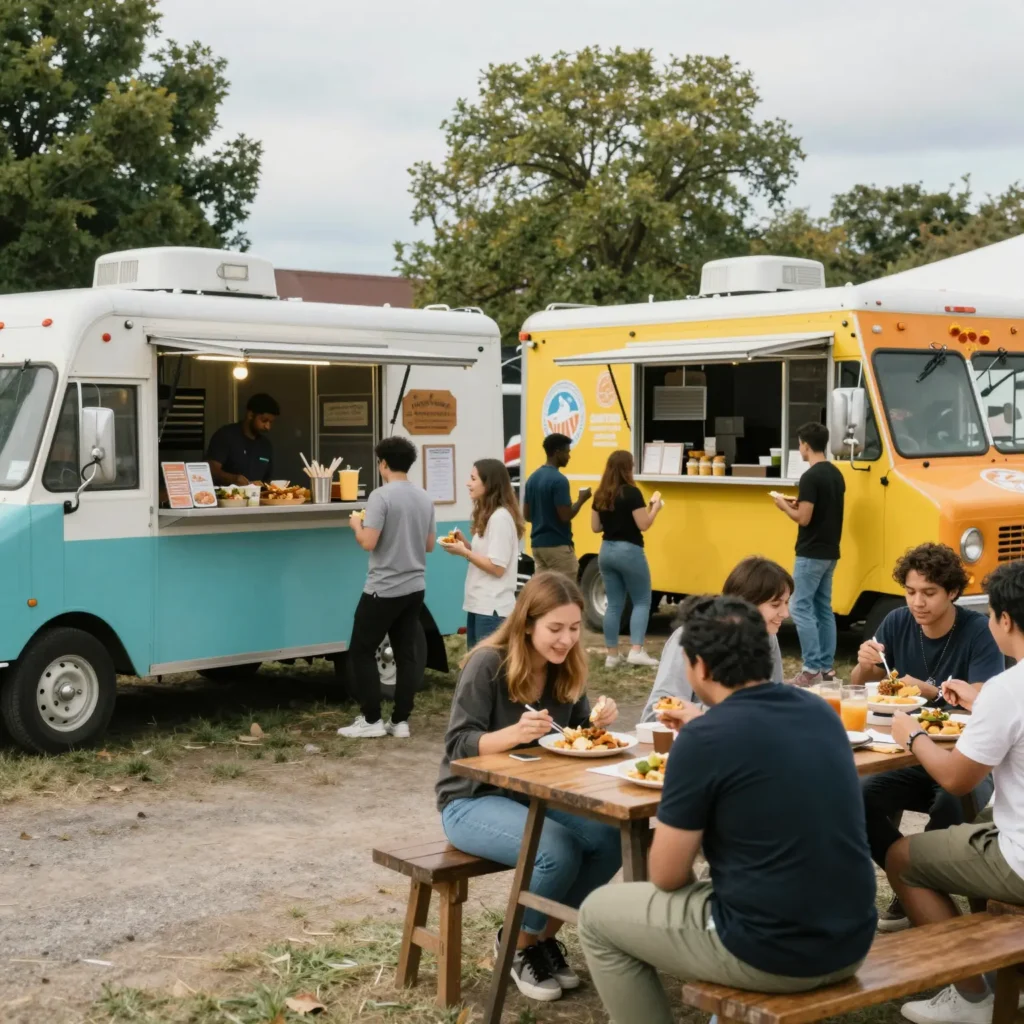
 Here is a visual representation of a lively food truck park scene, with colorful food trucks, people enjoying food, children playing, and live music in the background, creating an energetic and culturally authentic atmosphere for food enthusiasts and event planners alike.
Essential Permits and Regulations for Running a Food Truck Park
Starting a food truck park can be an exciting venture, but it also comes with its fair share of responsibilities, especially when it comes to navigating the world of permits and regulations. Understanding the necessary steps to comply with local laws and safety standards will set you on the right path for success.
Licenses and Permits
Local Business Licenses
First and foremost, you will need to obtain the necessary business licenses for your food truck park. This includes city and county permits that allow you to operate legally. Regulations can vary dramatically from one locality to another, so be sure to research the specific criteria that apply to your location.
Health and Safety Permits
Health regulations play a crucial role in running a food truck park. You’ll need health permits that ensure all food vendors comply with food safety standards. For example, according to an article by LegalClarity, Arkansas mandates that food truck operators follow specific physical requirements, like having non-absorbent and cleanable surfaces. Similar regulations are found in other states; therefore, it’s essential to check with local health departments to understand specific requirements in your area.
Fire Safety Permits
Depending on the type of food and cooking equipment used, you may also need fire safety permits. Local fire departments often have regulations about outdoor cooking to prevent fire hazards. These regulations can include providing fire extinguishers and ensuring adequate space between trucks to minimize the risk of fire spread.
Local Regulations and Compliance
Regulations can vary, but common local rules may include operating hours, placement of food trucks, and vending restrictions. For instance, a Texas Real Food article provides excellent insight into local regulations in Salt Lake City, which detail permits and operating guidelines specifically for food vendors.
Some municipalities, like Plano, Texas, are even voting on regulations to ease restrictions for food trucks, demonstrating a shift toward more lenient legislation (Dallas Observer). Keeping abreast of local legislative changes will help you adjust your operations to remain compliant, as rules can frequently evolve.
Conclusion
With the right licenses and a clear understanding of your local regulations, you can set your food truck park up for a thriving existence. By focusing on compliance and safety, you will not only protect your business but also ensure a healthy experience for your vendors and your customers. As you embark on this journey, consider reading more about navigating food truck industry regulations to optimize your approach.
Best Practices for Running a Successful Food Truck Park
1. Creating a Community Hub
Successful food truck parks often function as community hubs. They enhance local economies while fostering social interactions. For instance, parks like those highlighted by FoodParks.io emphasize themed nights-like Taco Tuesdays and barbecue festivals-to attract diverse crowds. This creates a lively atmosphere where visitors can enjoy communal seating, live entertainment, and family-friendly activities that enhance the overall dining experience.
2. Optimal Location and Design
Strategic placement is vital for food truck parks. They are typically set in high-traffic areas such as business districts, parks, or residential neighborhoods. Research has shown that successful parks often incorporate thoughtful designs that prioritize customer flow and aesthetics. Ensuring adequate spacing between trucks while offering comfortable seating encourages longer stays and repeat visits. A well-designed layout can reduce waiting times and improve customer satisfaction, which is essential for patron retention.
3. Community Engagement and Partnerships
Active community involvement is key to the success of food truck parks. Food truck parks often collaborate with local organizations, schools, and community groups to host events, further embedding themselves in the local culture. By emphasizing community ties, they approach engagement not merely as a business strategy but as a genuine connection to the neighborhoods they serve, a point emphasized by Street Civics.
4. Diverse Culinary Offerings
To cater to a wide range of tastes and preferences, successful food truck parks highlight diverse culinary options. They collaborate with different food truck vendors to offer everything from local cuisine to international flavors. This variety not only satisfies customers but also supports smaller businesses, keeping the culinary landscape vibrant and engaging.
5. Maximizing Accessibility and Amenities
Many successful parks also include family-friendly amenities, such as playgrounds or areas for games, to attract customers of all ages. As seen in places like South First Food Court in Austin, these parks become platforms for cultural exchange and family gatherings. Keeping accessibility in mind ensures everyone feels welcome, laying the foundation for community-centric events.
In conclusion, running a food truck park successfully necessitates a mix of strategic planning, community engagement, and attention to customer experience. By creating a welcoming atmosphere, offering diverse culinary delights, and engaging with the surrounding community, organizers can cultivate thriving food truck parks that are not just places to eat but cherished community spaces.
For more insights, check out how to select the right food truck model to ensure your offerings stand out!
| Layout Type | Benefits | Considerations |
|---|---|---|
| Linear | – Straightforward flow of traffic |
- Easy access for trucks in a line
- Ideal for limited space | – Congestion possible during peak hours
- Limited customer engagement options |
| Circular | – Inviting atmosphere - 360-degree access for customers
- Encourages socialization | – Requires more space
- Can complicate traffic flow |
| Mixed | – Combines various traffic flows - Flexible layout options for various events
- Enhances customer experience | – May confuse traffic patterns
- Requires careful planning to avoid congestion |
Effective Marketing Strategies for Food Truck Parks
1. Leverage Social Media
Social media has become a cornerstone for food truck parks to establish a vibrant presence. Here are key strategies:
- Engagement with Community: Use platforms like Instagram, Facebook, and TikTok to share visually appealing content showcasing your food trucks and their menus. Highlight daily specials, community events, and customer interactions.
- User-Generated Content: Encourage visitors to share their experiences by tagging your park or using a unique hashtag. Reposting customer photos creates a sense of community and promotes discovery.
- Interactive Campaigns: Organize giveaways or contests via social media, such as a “Best Food Truck Meal” contest where customers vote for their favorite dish.
- Real-Time Updates: Use social media to notify followers of food truck line-ups, events, or special promotions. Keeping your audience informed drives attendance.
2. Form Partnerships with Local Businesses
Building relationships with local businesses can expand your reach and encourage visitors to your food truck park:
- Collaborate with Local Breweries or Wineries: Consider creating events that pair food trucks with local breweries or wineries for tastings. This draws their customer base to your park while offering a unique experience to your visitors.
- Sponsorships with Community Events: Partner with local festivals, markets, or community events to set up a food truck park. This raises your profile and garners exposure to potential new patrons.
- Cross-Promotions: Work with businesses nearby to offer discounts or host joint marketing campaigns.
3. Engage in Local Outreach
Creating strong ties with the local community through outreach can lead to a loyal customer base:
- Attend Community Events: Set up booths at local fairs or farmers’ markets to promote the food truck park and engage with the community. Offer samples to entice future visitors.
- Host Community Gatherings: Organize local meet-and-greet events or workshops. This invites discussions around food culture, sustainability, or culinary arts, fostering community ties.
- Support Local Causes: Involve your food park in charitable events. Whether fundraising for local organizations or hosting awareness events, community involvement enhances brand reputation and builds loyalty.
4. Optimize Your Online Presence
Establishing a strong online presence can drive traffic to your food truck park:
- SEO and Content Marketing: Develop a blog that highlights food truck owners, local ingredients, or cooking tips to attract traffic. This boosts your website’s SEO, making it easier for interested customers to find you.
- Email Marketing: Build a mailing list to communicate upcoming events, new food truck arrivals, and promotions directly to your audience.
- Website Optimization: Ensure your website is easy to navigate with up-to-date information about truck schedules, menu items, and events.
For more insights on choosing the right food truck models, check this guide. Stay engaged with your community and continually explore innovative strategies to keep your food truck park buzzing!
For additional branding strategies, visit this branding guide.

“Starting a food truck isn’t just about serving delicious food; it’s about building a community, facing challenges, and celebrating small wins every day.”
Anonymous
This quote nicely encapsulates the journey of food truck park owners, emphasizing the importance of community and resilience amidst the day-to-day challenges. While success requires hard work, it also brings rewarding experiences, creating a vibrant tapestry of interactions and celebrations.
Conclusion
Running a food truck park can be a rewarding adventure that enhances communities and brings diverse culinary experiences to life. Key takeaways include understanding the importance of selecting the right food trucks, creating a vibrant atmosphere, and collaborating with local vendors to promote a sense of community. By staying organized and innovative, you can ensure a successful food truck park that attracts food lovers from all around.
As you dive into this exciting endeavor, consider the benefits that Summit Fairings can provide. Our customized solutions are designed specifically to elevate food truck experiences, ensuring you can focus on what matters most-delivering excellent food and service. Want to learn more? Explore Our Offerings and see how we can help you turn your vision into a vibrant reality! Let’s create something exceptional together!