Introduction
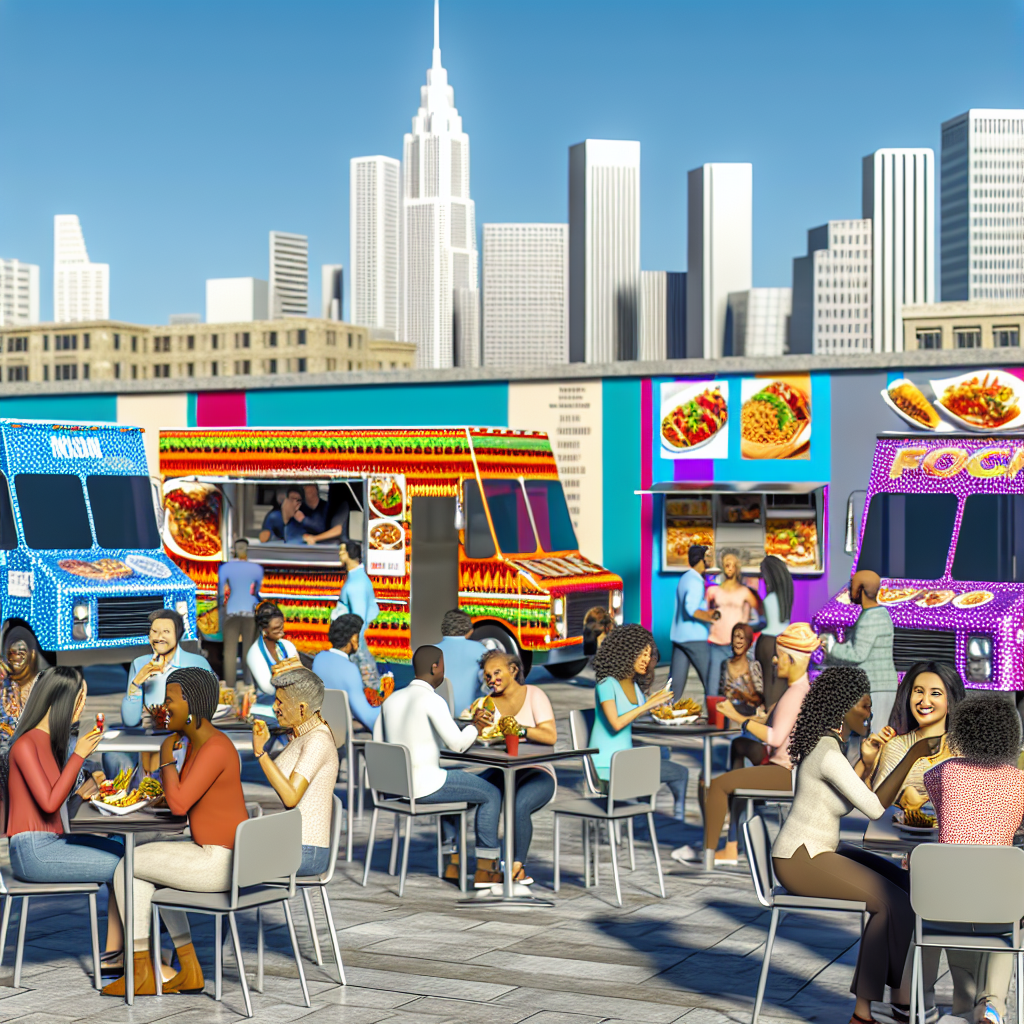
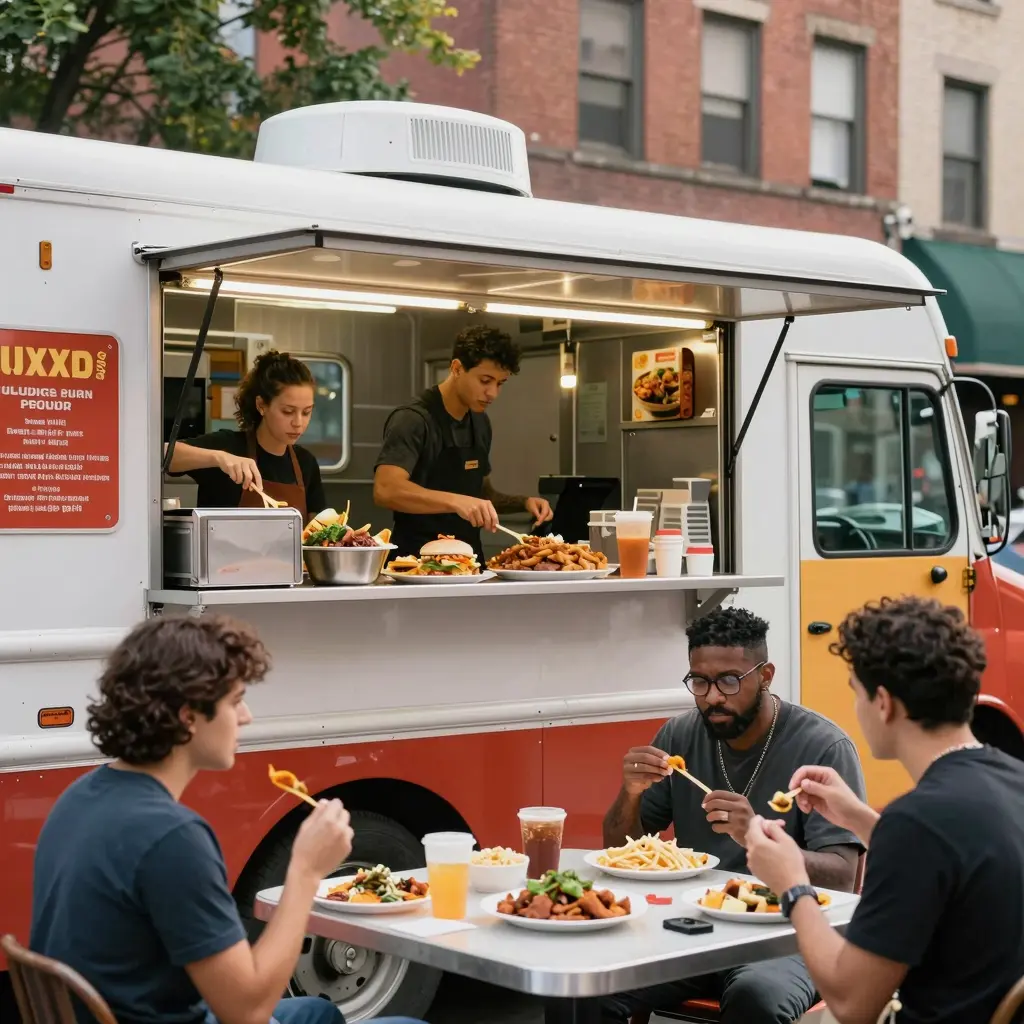
Are you ready to dive into the vibrant world of food trucks? Picture this: a bustling street filled with the aroma of sizzling tacos, steaming dumplings, and artisanal burgers. Grab your apron and your map, because we’re embarking on an exciting journey to build your very own food truck! In this colorful adventure, you’ll explore not just operational guidelines but also infuse your unique cultural flair into every bite served.
The food truck business is more than just a culinary venture; it’s a celebration of flavors that unites communities. From the spicy notes of Caribbean jerk chicken to the comforting warmth of Italian pasta, your food truck can be the dish that brings people together, transcending cultural boundaries. Imagine sharing stories and laughter while serving delicious meals – that’s the spirit of food trucking!
In this guide, we will walk you through essential steps and practical tips that will transform your dreams into reality. Whether you are an event planner looking to add a unique flavor to your gatherings or a food enthusiast wanting your scrumptious creations to reach more palates, we’ve got you covered! Each step, from choosing the right food truck model to navigating local regulations, will be paved with insights that respect traditions and celebrate innovation. Let’s get rolling!
Essential Guidelines for Building a Food Truck
Building your own food truck can be a fun and rewarding adventure! Here’s a friendly guide to get you started with essential guidelines that cover permits, design, equipment, and more. Let’s roll!
-
Permits: Make sure to check with your local health department and city regulations. You’ll need to obtain necessary food vendor permits to operate legally. Explore more about food truck permits here.
-
Design: Design your food truck to optimize both functionality and aesthetic appeal. Consider the customer flow and your branding elements. A well-thought-out design can enhance the overall dining experience!
-
Equipment: Invest in high-quality cooking equipment that aligns with your menu offerings. Ensure that you include safety features and adequate storage to keep everything organized. Understand the best food truck models for your needs.
-
Community Engagement: Participate in local events and farmers’ markets to build good relations with the community. Collaborating with local businesses can also enhance your visibility.
-
Marketing: Leverage social media platforms for promotions and updates about your food truck. A visually appealing menu along with a strong online presence can attract more customers.
-
Health Regulations: Familiarize yourself with health standards and safety measures. Regular inspections of your equipment will help ensure compliance and improve food safety.
-
Licensing: Be sure to obtain all the necessary business licenses and food handling certifications. Keep accurate records for inspections and compliance checks.
-
Budgeting: Careful budgeting is critical! Plan for startup costs, operational expenses, and set aside funds for unexpected expenses.
-
Networking: Connect with other food truck owners and local chefs. Networking can open doors to collaboration and support!
-
Feedback: Always encourage customer feedback. This invaluable insight can help you continuously improve your services and menu offerings.
Building a food truck takes effort, but by following these friendly guidelines, you’ll be on the path to delicious success!
Starting a food truck business is an exciting venture, but it is not without its challenges. Insights from various food truck owners reveal the realities behind the colorful trucks serving delicious food on the streets. Here’s a summary of testimonials and stories shared by these entrepreneurs.
Daily Hustles and Challenges
-
Navigating Regulations
One common theme among food truck owners is the complex landscape of regulations. Many owners emphasize the importance of securing the correct permits and licenses, which often vary significantly depending on their location. For example, an article from Empiereats.com highlights that many new owners can feel overwhelmed by the layers of local health and zoning laws, which can differ even by neighborhoods. This regulatory maze puts added pressure on owners, especially those just starting. -
Unique Selling Proposition and Competition
With countless food trucks entering the market, distinguishing oneself becomes crucial. As noted in Truckster Blog, maintaining a unique selling proposition is essential for survival. Owners like Brent Cassady, who reflected on a decade of food truck business in WKU Talisman, shared that finding a niche and creating a loyal customer base takes time, creativity, and commitment. -
Physical and Emotional Demands
Working in a food truck involves physical labor and long hours. Owners often find themselves in cramped spaces, managing cooking, serving, and customer interaction simultaneously. Storytellers like Gutierrez from the Lone Star Sentinel recount her days working in the Texas heat, balancing the demands of food preparation with customer service. -
Community Connection
Beyond the operational challenges, many food truck owners also reflect on the emotional journey. An article from WAVE 3 News discusses how one food truck owner used her success to help feed the homeless, demonstrating the potential for food trucks to foster community connections and engagement. -
Adapting to Challenges
Challenges can also lead to innovation. As owners pivoted to cater events like weddings, they found new revenue streams amid urban competition, as outlined in NPR. This adaptation reflects a trend among food truck owners to leverage their unique offerings for special occasions.
In conclusion, the journey of building a food truck is filled with ups and downs. Understanding these experiences can guide aspiring entrepreneurs. If you are considering entering this vibrant industry, remember to prepare for both the regulatory complexity and the joys of community engagement. For more insights on choosing the right food truck model, check out our article on choosing the right food truck model.
Comparing Popular Food Truck Designs and Setups
Choosing the right food truck design is crucial for your culinary venture. Here’s a comparison of various popular food truck types, along with their costs, pros, and cons, to help you make an informed decision:
| Food Truck Type | Estimated Cost | Pros | Cons |
|---|---|---|---|
| Standard Food Truck | $50,000 – $100,000 | Flexibility in menu choices; full kitchen capabilities | High upfront cost; needs permits and compliance with regulations |
| Food Trailer | $20,000 – $50,000 | Lower cost, easier to detach and park; versatile | Needs a vehicle for towing; can be less visible |
| Step Van | $30,000 – $70,000 | Large cargo space; ideal for extensive menus | Bulkier and less maneuverable; can be expensive to operate |
| Cart or Push Truck | $5,000 – $20,000 | Low cost; easy to transport by foot; great for small servings | Limited menu options; exposure to weather; less brand visibility |
| Custom Built Truck | $80,000 – $200,000 | Fully tailored designs to fit specific needs; unique branding | Very high costs; extended wait times for construction |
| Beverage Truck | $15,000 – $30,000 | Specialized for drinks; often portable | Seasonal income; limited menu varieties |
Additional Information
For more insights on how to choose the right food truck model, consider reading this helpful guide on choosing the right food truck model. Moreover, if you’re planning for your food truck’s graphics and identity, you can learn more in our article about branding on wheels.
Understanding Local Regulations and Permits for Operating a Food Truck
Operating a food truck can be an exhilarating venture filled with the potential for creativity and business success. However, before you hit the streets serving delicious meals to the masses, it is essential to familiarize yourself with the local regulations and permits that govern food truck operations. Each location can have its own set of rules, making it crucial for food truck owners to navigate these regulations properly.
Why Local Regulations Matter
Local regulations are in place to ensure public health, safety, and compliance with zoning laws. Without the proper permits, you risk facing hefty fines, business closures, and legal troubles that can jeopardize your food truck venture. For event planners and corporate teams, ensuring that food truck vendors they hire are compliant helps avoid complications at events.
Types of Permits
-
Business License: Almost every locality requires a general business license to operate legally. This license ensures that the food truck operates under your business’s name legally and can serve as a point of accountability.
-
Food Service Permit: Food trucks must obtain a food service permit from the local health department. This ensures the safety and quality of food being prepared and served.
-
Health Department Permit: Some areas require a specific health permit for food trucks, which might necessitate passing a health inspection before you can serve food to the public.
-
Vehicle Permit: Some areas may require a permit specifically for the vehicle that will be used as a food truck.
-
Special Event Permit: If you plan to operate at a festival or large event, a special event permit may be needed. This is particularly important for event planners who want to ensure all vendors are appropriately licensed.
-
Parking Permit: In many municipalities, food trucks must have a parking permit to operate on the street legally. These rules can vary widely, so it’s essential to check local city regulations to find designated areas for food trucks.
Specific Examples
- Los Angeles, CA: Food truck operators need to obtain a health permit, a mobile food facility permit, and register with the city’s Office of Finance to receive a business tax registration certificate. Additionally, they must adhere to specific parking regulations set out by the city.
- New York City, NY: Food trucks require a mobile food vending license, which includes passing health inspections. They also need to follow strict regulations about parking, particularly regarding street events where permitting becomes essential.
- Chicago, IL: Operators must acquire a food service sanitation manager certificate and a vehicle permit also dictated by the City of Chicago’s regulations.
A Must for Event Planners
For event planners and corporate HR teams, hiring food trucks means ensuring these trucks adhere to the appropriate regulations. Imagine the chaos if an unlicensed food vendor shows up at your corporate event! Be sure to request proof of permits and licenses.
Understanding the necessary local regulations and permits is essential for any food truck operator. Stay informed and compliant, and ensure you’re ready to serve up delicious eats without any legal complications! If you want to dive deeper into the specifics of food truck operations, check out this guide on navigating food truck industry regulations!
Conclusion
Navigating the world of permits and regulations can seem daunting, but the right preparation and understanding can save you from headaches down the line. By ensuring you have the necessary licenses, you can focus on what really matters-delivering great food and building connections within your community.
For further advice on how to choose the right food truck model for your menu, learn more here.
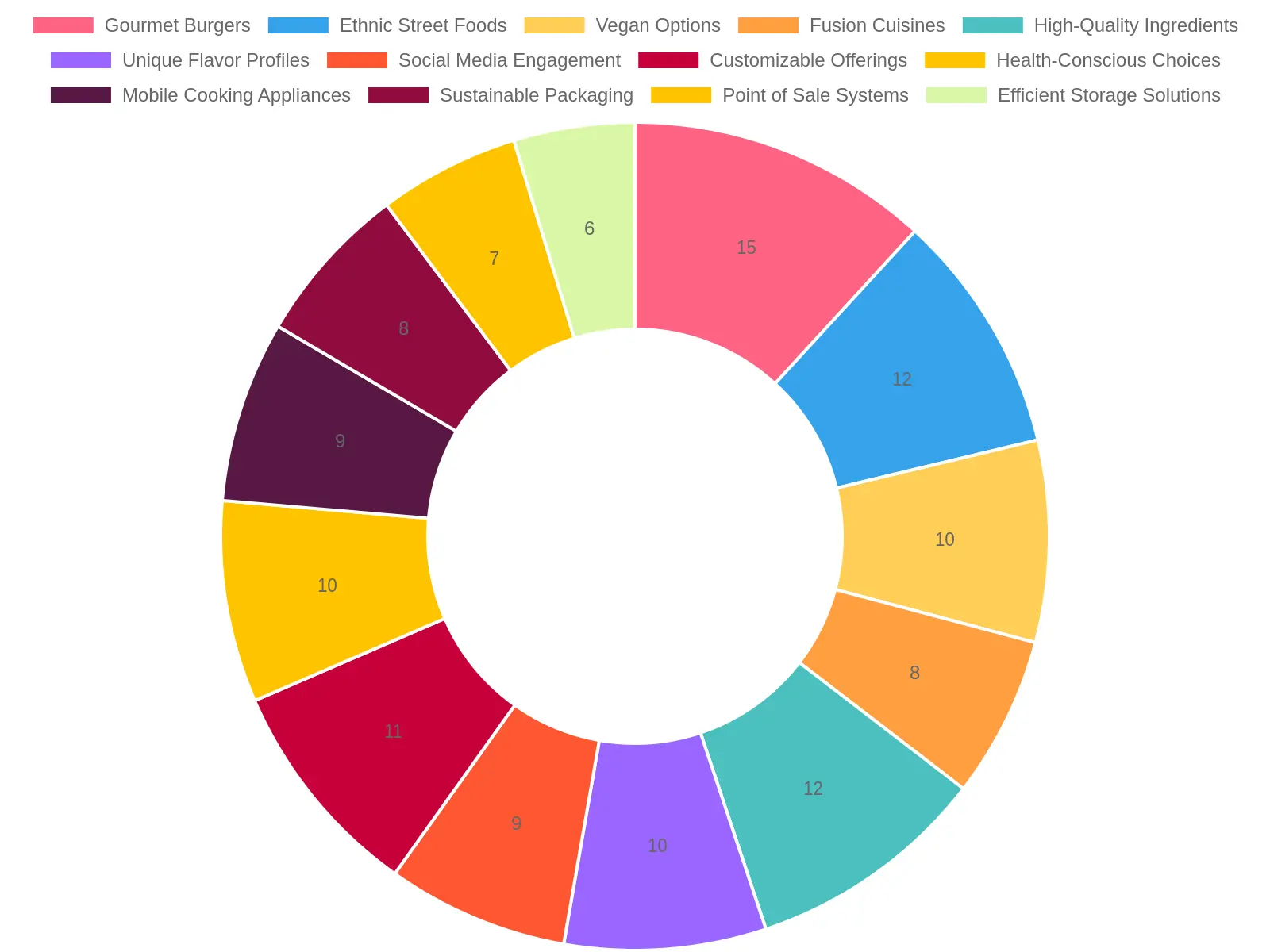
Infographic: Food Truck Trends 2023
Popular Cuisines
- Gourmet Burgers: High demand for gourmet burgers in food trucks.
- Ethnic Street Foods: Increasing popularity of diverse ethnic cuisines.
- Vegan Options: Rise in plant-based food choices.
- Fusion Cuisines: Combination of different culinary styles and flavors.
Customer Preferences
- High-Quality Ingredients: Preference for fresh, locally sourced ingredients.
- Unique Flavor Profiles: Demand for distinctive and innovative tastes.
- Social Media Engagement: Importance of social media presence for customer reach.
- Customizable Offerings: Customers favor customizable food options.
- Health-Conscious Choices: Increased interest in healthy and nutritious meals.
Essential Equipment
- Mobile Cooking Appliances: Necessity for efficient cooking equipment in trucks.
- Sustainable Packaging: Growing use of eco-friendly packaging solutions.
- Point of Sale Systems: Essential for payment processing and sales tracking.
- Efficient Storage Solutions: Need for effective storage for ingredients and supplies.
Sources
-
Food Truck Industry: Trends, Challenges, And Success Stories
-
25 Food Truck Statistics for 2025: Industry Trends & Insights
Choosing the Right Location for Your Food Truck
Selecting the right location for your food truck is pivotal not just for foot traffic but also for maximizing your overall success. It goes beyond mere geographic coordinates; it’s about situational awareness, understanding the community, and strategizing how to stand out. Here’s why choosing an ideal spot is crucial:
Foot Traffic
The first factor to consider is foot traffic. Locations that attract a lot of people-like busy streets, shopping districts, parks, or major event venues-offer the best potential for customer interaction. The Food Handlers Guide emphasizes the importance of visibility and accessibility in order to effectively catch the attention of passersby. When you’re parked amid the hustle and bustle, you significantly increase your chances of making sales.
Community Events
Participating in community events is another beneficial aspect of food truck location selection. Being there during local festivals, fairs, or sports events not only gives you higher visibility but also builds a strong rapport with the community. The foot traffic generated during these events can lead to substantial profits and long-term clientele. As highlighted by My Curb Spot, community gatherings in cities like Atlanta show how crucial these opportunities can be for food truck operators.
Competition
Understanding the competition is another integral part of selecting your food truck’s location. Parking next to other food vendors can be advantageous in terms of shared traffic, but it can also dilute your customer base. Successful food truck entrepreneurs often scout areas to assess not just foot traffic but also the presence of similar food offerings. The Academia.edu pointers provide insights into the competitive landscape, helping you strategically choose a space that either complements or contrasts with existing options.
Benefits of Location Selection
Choosing the right location can offer numerous benefits:
- Lower Overhead Costs: Food trucks typically face lower operating costs compared to brick-and-mortar establishments, making it vital to choose areas that balance cost with potential earnings.
- Flexibility: One of the key advantages of a food truck is the ability to move locations based on current trends and customer traffic. This means you can strategically relocate to capitalize on emerging events or seasonal hotspots, as discussed in Apollo Custom Manufacturing’s article.
- Visibility and Brand Recognition: A well-chosen location enhances brand awareness and easy recall. Engaging with customers in high-traffic settings can help establish your brand in the community’s consciousness.
In conclusion, a great location is more than just a place to park; it’s a strategic component of your food truck’s business model. By considering foot traffic, community events, and competition, you can place your food truck in a position to thrive. Remember to stay flexible and adapt as market dynamics evolve!
Insight from Industry Experts
“The food truck industry is booming because it offers entrepreneurs a lower barrier to entry and the flexibility to experiment with different cuisines and concepts.”
Building and running a successful food truck requires not only a good menu but also understanding the industry’s challenges and advantages. This quote underscores a significant appeal of food trucks: they simplify the path to entrepreneurship in the food sector, allowing for innovation and culinary exploration.
For more tips on how to effectively set up your food truck, consider exploring our guide on choosing the right food truck model and branding on wheels.
Engaging with the community and understanding market trends can assist in making informed decisions about your food truck journey.
Conclusion
As we wrap up this exciting journey through the world of food truck entrepreneurship, remember that your dream food truck isn’t just a vehicle-it’s a canvas waiting for your creativity! By customizing your food truck, you can enhance its quality, improve workflow, and adhere to health code compliance, all while expressing your unique brand identity. With the rising popularity of food trucks, taking the leap towards building your own is both a thrilling and rewarding endeavor that promises to make culinary dreams come true.
Imagine attracting customers with a well-designed food truck that reflects your style and menu. Maybe your truck will feature a stunning exterior that draws in crowds, or perhaps a layout that maximizes efficiency behind the service window. The possibilities are endless! 🥳
So, are you ready to hit the road? Don’t forget to check out Summit Fairings for some fantastic tips on how to customize your food truck and make it truly yours. Remember, investing in the right design and equipment can significantly reduce your costs in the long run and set you up for success. Let your culinary talents shine! Together, let’s take a step closer to turning your food truck vision into reality!
Unique Food Trucks
To enhance the visual appeal of your food truck article, consider incorporating images that showcase unique food truck designs. Here are some great resources for eye-catching food truck images:
- Pinterest: Food Truck Photography – A collection of food truck images highlighting various designs with an emphasis on innovative aesthetics.
- Unique Food Truck Experience on TikTok – Features gourmet food trucks, showcasing diverse culinary offerings.
- Getty Images: Neon Food Trucks – Explore a collection of neon food trucks offering different visual styles conducive to vibrant branding.
- Alamy: Vintage Food Trucks – Find stock photos of retro food trucks, perfect for those looking for a classic touch.
These resources can help bring a rich and inviting visual element to the article.

Each image serves to inspire the creative design process while providing readers with engaging visuals. Consider this as you plan the aesthetics for your food truck, ensuring it reflects the unique culinary offerings you aim to present.