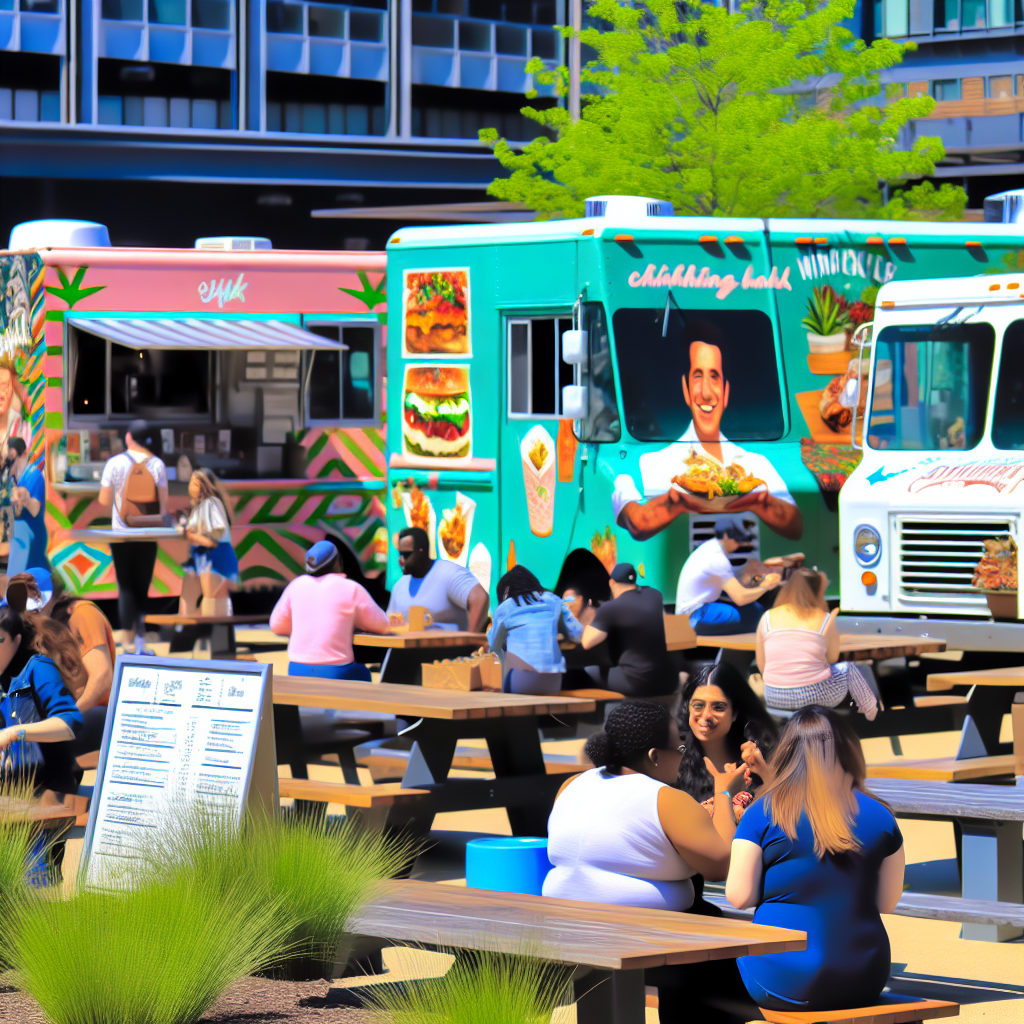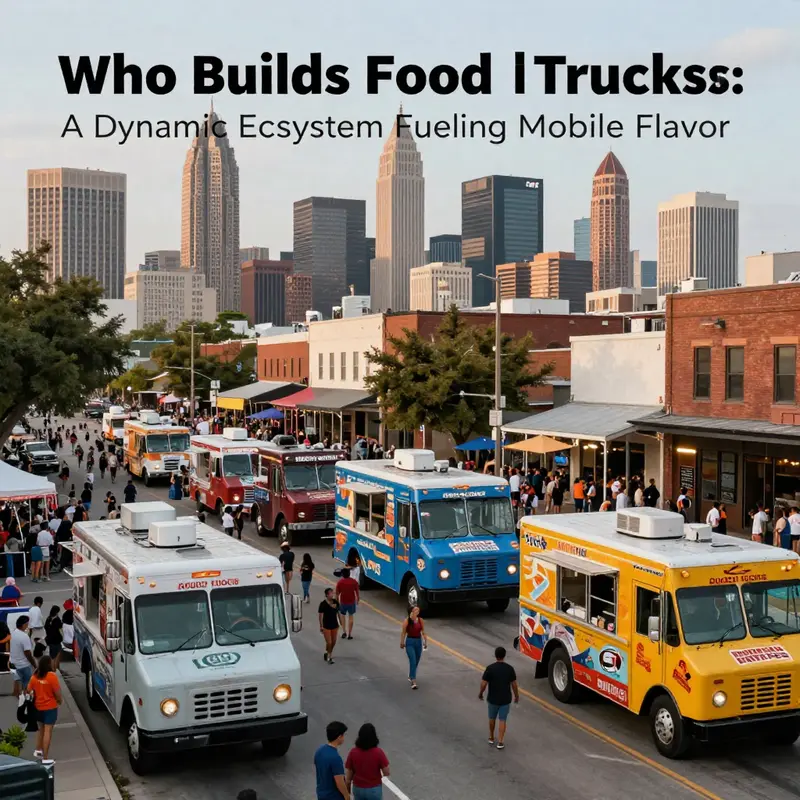
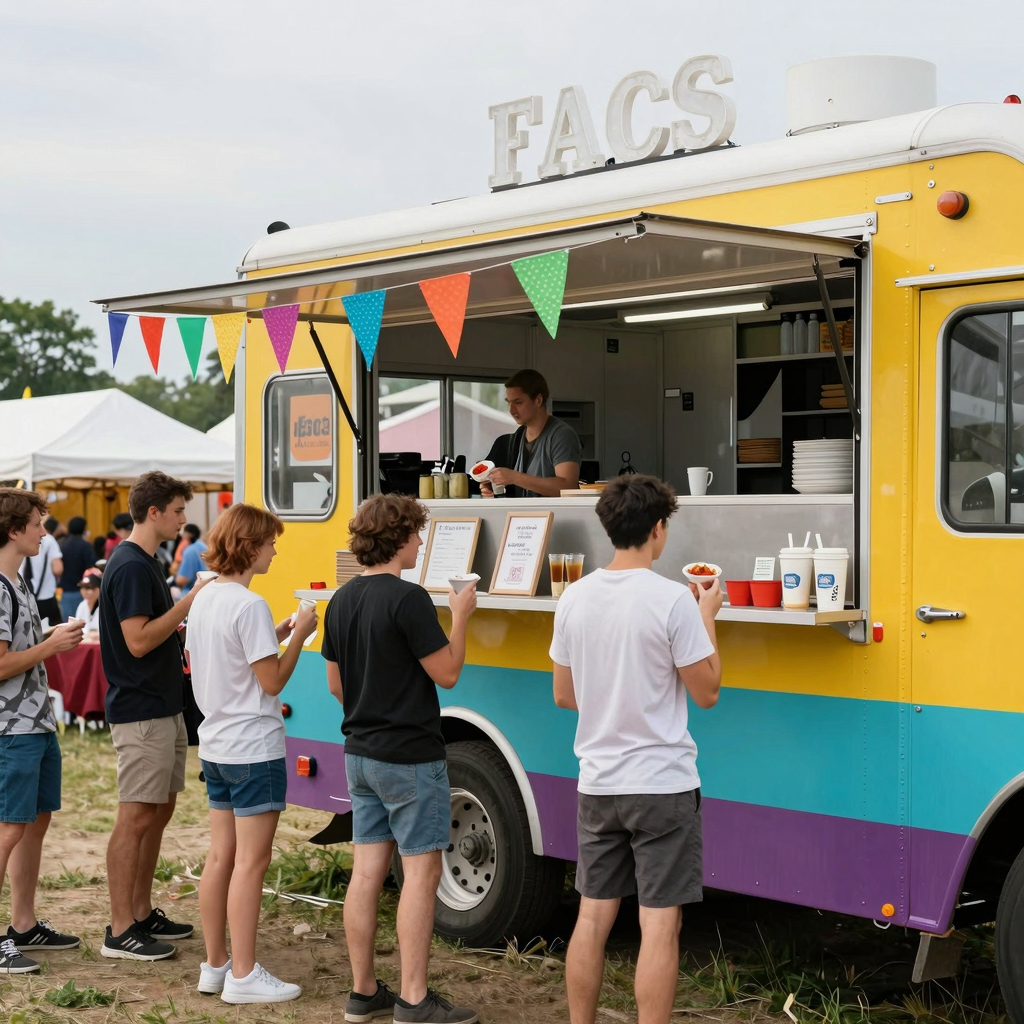
Food truck culture has become a vibrant tapestry of flavors and experiences that brings communities together, pulsating with energy at events and festivals. Remember the thrill of standing in a line that snakes around the corner, the scent of fresh tacos wafting through the air, or the laughter shared with friends over a gourmet burger? These mobile kitchens have revolutionized the way we think about dining, transforming everyday meals into adventures. From local fairs to bustling city streets, food trucks are not just about convenience; they’re about creativity, innovation, and the passion of the entrepreneurs behind them. As food enthusiasts, we love exploring the unique offerings, sometimes stumbling upon hidden gems that redefine our palate. In this guide, we will delve into effective strategies to promote food trucks, ensuring they thrive in a competitive landscape-a culinary revolution that’s just getting started!
Top Promotion Strategies for Food Trucks at Events
Promoting food trucks effectively can significantly enhance your visibility and cater to more hungry customers! Here are five energetic strategies tailored for event planners and organizers:
-
Social Media Buzz
Get the online community buzzing with pre-event campaigns on platforms like Instagram and TikTok. Create event-specific hashtags and engage local food influencers for live updates. This generates excitement and makes food truck events a must-visit. -
Limited-Time Offers
Develop exclusive menu items tied to the event to create a sense of urgency. Promote these unique dishes on your social media to entice food enthusiasts to try something special they can’t get elsewhere. -
Collaborate with Other Vendors
Partner with other food vendors at the event for cross-promotions. Share each other’s posts and consider package deals that encourage attendees to enjoy multiple trucks-this boosts traffic for everyone! -
Loyalty Programs
Implement a loyalty program using digital punch cards or QR codes. This not only helps track customer participation but also incentivizes repeat visits, driving consistent foot traffic. -
Engage in Real-Time Promotions
Utilize platforms like Instagram for flash sales or special promotions during the event. Engaging with customers in real-time can create a fun atmosphere and make your food truck stand out!
For deeper insights on choosing the right food truck model, check out this guide or explore branding strategies to maximize impact!
Successful Food Truck Promotions: Lessons Learned
Promoting a food truck can be both exciting and challenging, but many successful examples have illuminated effective strategies. Here are a few standout cases that demonstrate successful food truck marketing strategies.
1. NYC Taco Truck Tuesdays
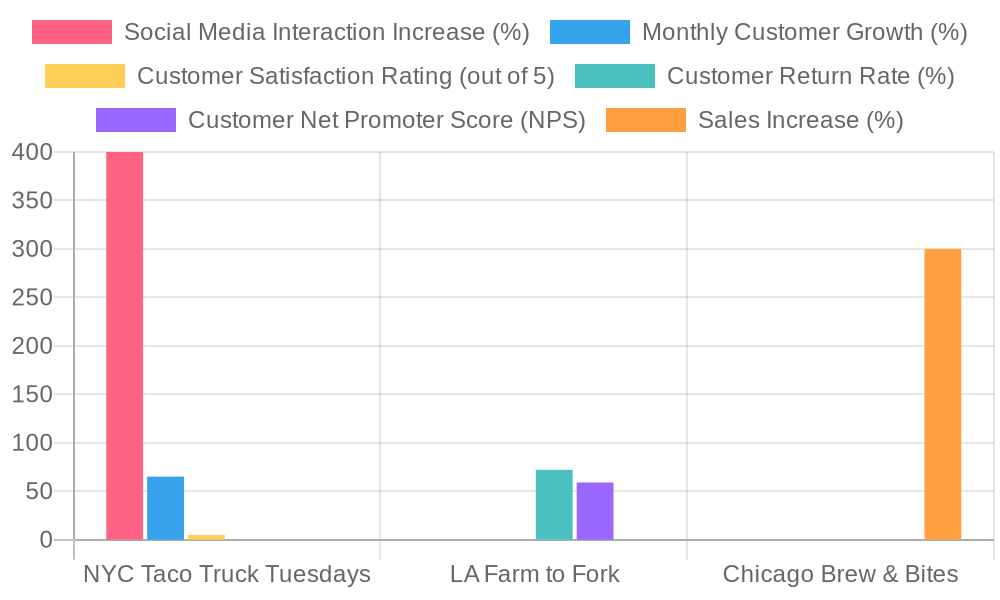
A vibrant, recurring event called “Taco Truck Tuesdays” was launched in New York City, which became a massive hit. Utilizing social media platforms like Instagram and TikTok, the owners ran engaging promotions, such as limited-time offers like “Buy One, Get One Free.” This fun and energetic campaign resulted in:
- Social Media Interaction Increase: 400%
- Monthly Customer Growth: Increased by 65%
- Customer Satisfaction Rating: 4.8/5.0
2. LA Farm to Fork Mobile Market
In Los Angeles, a food truck operated in collaboration with local farmers. This initiative not only promoted fresh produce but also offered weekly themed events. By leveraging email marketing to announce new seasonal products, they achieved impressive results:
- Customer Return Rate: 72%
- Net Promoter Score (NPS): 59
- They effectively engaged individuals interested in local, sustainable food options.
3. Chicago Brew & Bites
This Chicago-based food truck collaborated with local breweries to offer unique pairings of craft beer and gourmet bites during summer festivals. They used a blend of micro-influencer marketing to promote their offerings:
- Sales Increase: 300% during active promotions
- Social Media Growth: Increased their followers by 1.2k on WeChat, engaging a younger demographic who shared their experiences online.
- Customer Satisfaction: Achieving ratings around 4.9/5.0 based on experiential feedback.
Summary of Insights
These examples demonstrate the importance of targeted marketing strategies tailored to specific audiences and locales. Engaging social media campaigns, community partnerships, and seasonal promotions not only enhance brand visibility but also bolster customer loyalty. By learning from these successful food truck case studies, operators can refine their marketing strategies to foster their own food truck success. Food trucks like Los Chifladitos Truck are great inspirations for embracing innovative promotions that resonate with their communities.
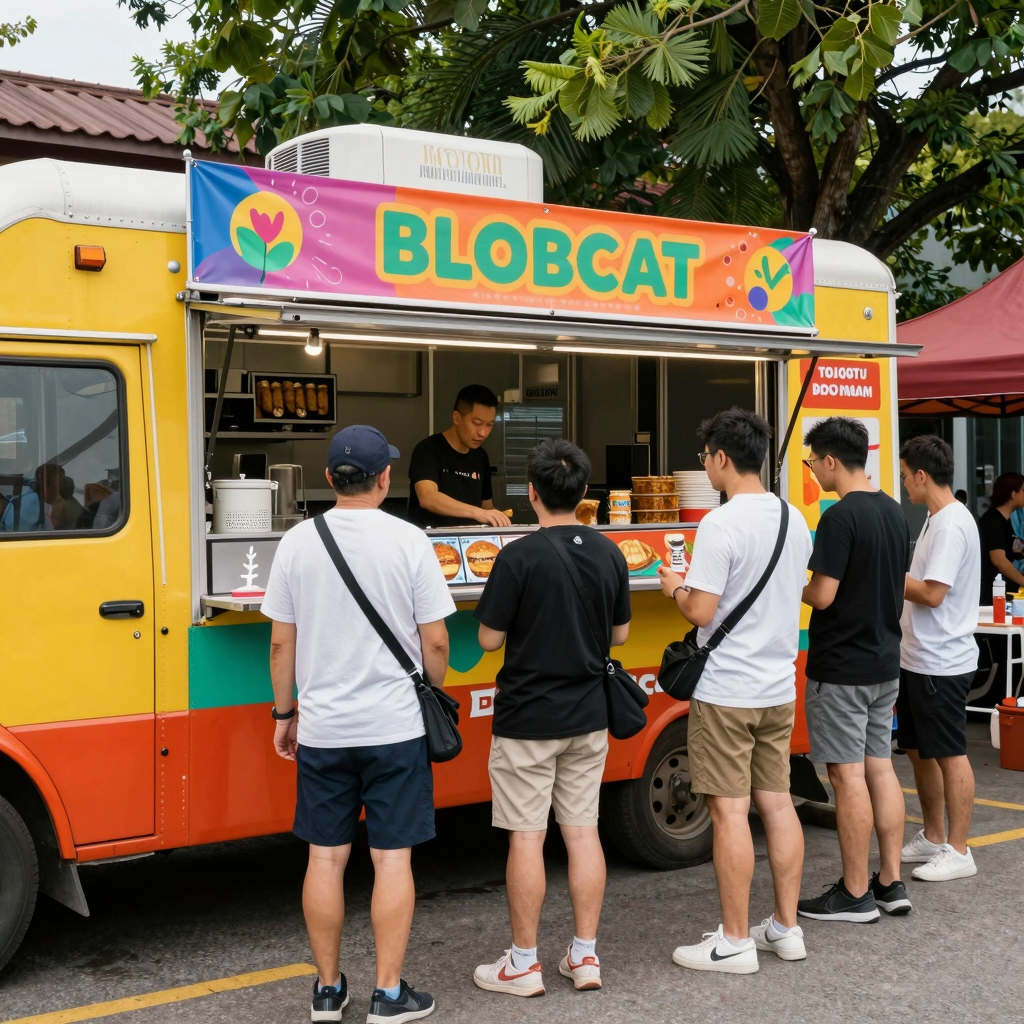
Visualizing the Success
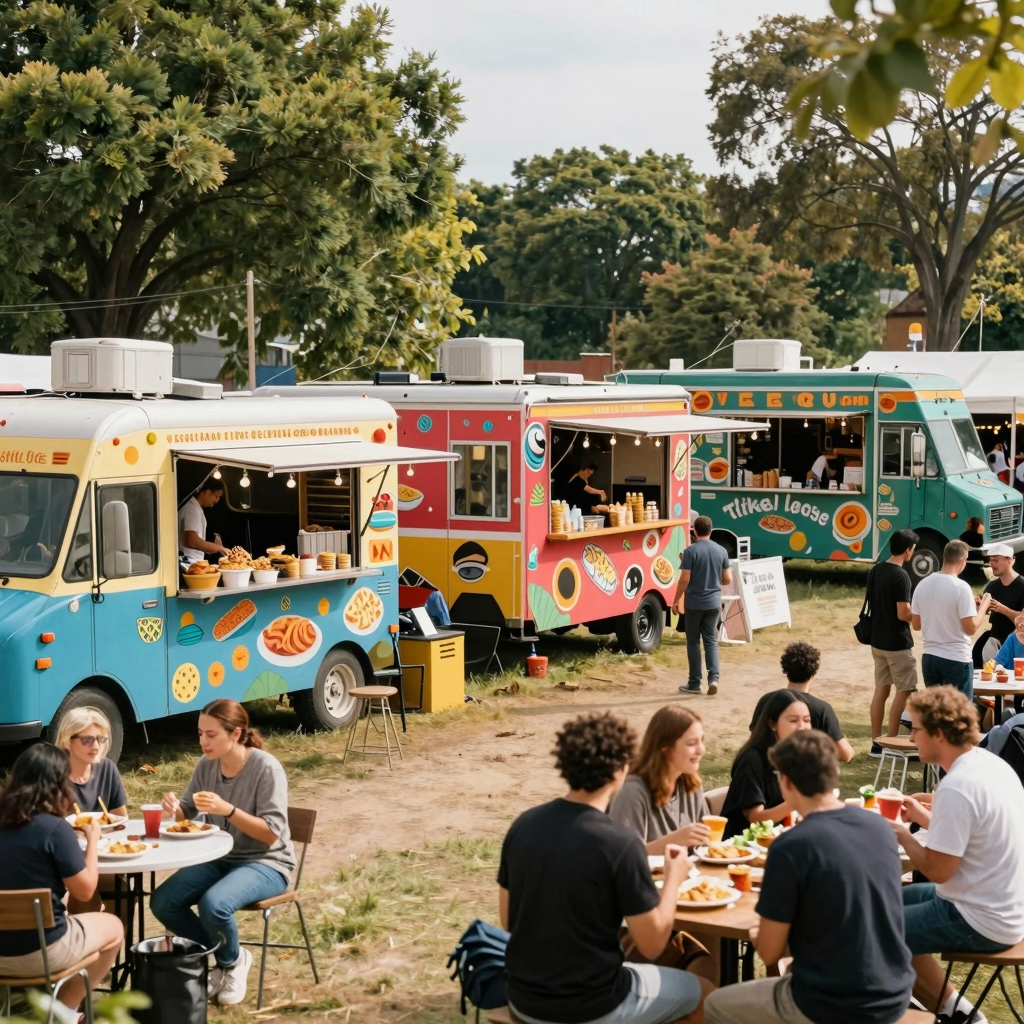
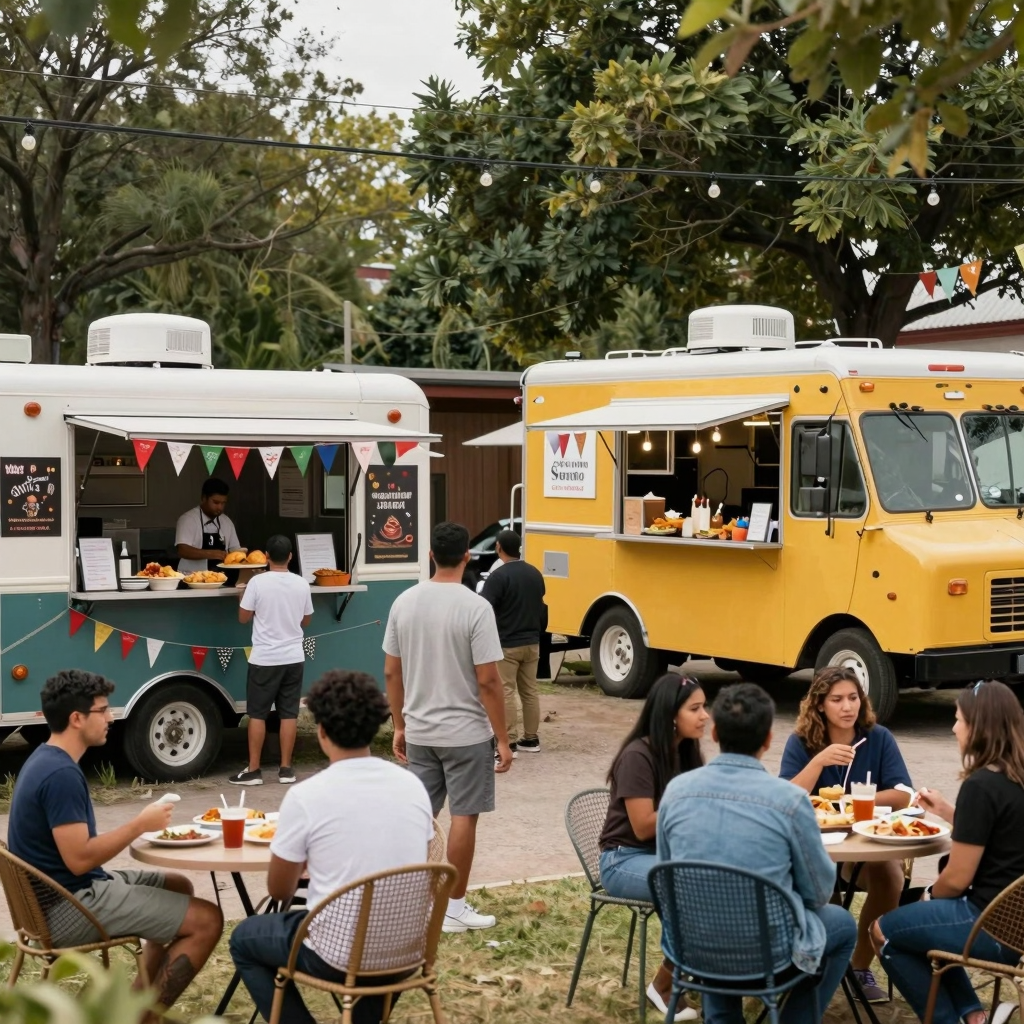
Here’s a visual summary showcasing the performance metrics of these food trucks:
Community Involvement: Building Relationships and Enhancing Communities
Community engagement is an integral strategy for food trucks aiming to build lasting relationships with local organizations and to flourish within their neighborhoods. Engaging with the community helps transform transient customers into loyal patrons. According to a Forbes article, successful food truck operators often collaborate with local businesses and non-profits to host community events such as charity fundraisers or cultural festivals. These partnerships not only enhance visibility but also foster goodwill, establishing your food truck as a trusted community member.
Participating in local events, like farmers’ markets or street fairs, is a fantastic way to connect directly with your audience. This regular presence helps to cultivate trust and rapport, ultimately driving repeat business. Operators can maximize their impact by joining local non-profit efforts, such as donating meals to shelters or participating in community service initiatives, which reflect positively on their brand while contributing to local causes. Research shows that over 70% of food truck operators engage in at least one local event monthly, helping to boost local economies and strengthen community ties.
Here are some actionable tips for food truck owners looking to boost their community involvement:
- Host themed events: Organize food truck nights featuring local musicians or chefs to attract diverse crowds.
- Collaborate with local nonprofits: Partner for events that benefit the community, such as fundraisers or food drives.
- Utilize social media: Engage your audience on platforms like Facebook and Instagram to promote events and encourage community feedback.
By integrating into the local fabric, food trucks can establish a faithful customer base and create a supportive network of relationships that contributes to their sustained success. Embrace your role as a community hub; the benefits will follow!
Comparison of Popular Food Truck Booking Platforms
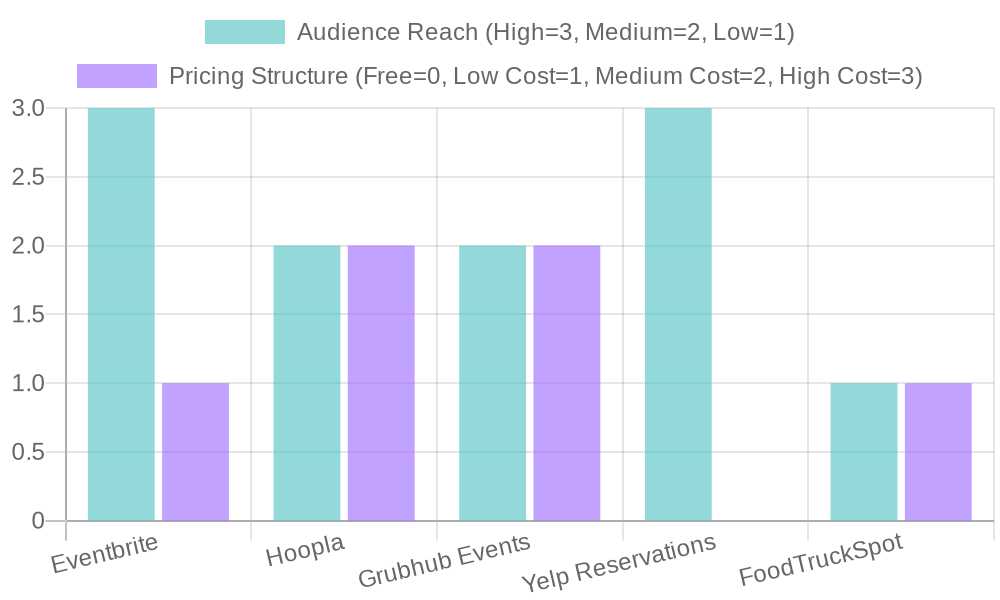
In the bustling world of food trucks, choosing the right booking platform can be pivotal. Here’s a handy comparison of popular food truck booking platforms, detailing their features, audience reach, and pricing.
| Feature | Eventbrite | Hoopla | Grubhub Events | Yelp Reservations | FoodTruckSpot |
|---|---|---|---|---|---|
| Audience Reach | High – broad event discovery audience across music, business, food & drink events in major U.S. cities (e.g., LA, Chicago, NYC) | Medium – focused on local and regional food truck events; growing community presence | Medium – leverages Grubhub’s existing user base for restaurant and food delivery customers | High – extensive user base with strong local search visibility in U.S. markets | Low to Medium – niche platform primarily used by food truck vendors and event organizers seeking direct bookings |
| Pricing Structure | Free to list events; 2.9% + $0.99 per ticket fee (for paid events); optional premium features (e.g., custom branding, analytics) | Varies by event type; typically a flat fee or percentage-based commission depending on vendor agreement | Commission-based: ~15-20% of sales revenue; additional fees may apply for promotional tools | Free to list; no booking fees for restaurants; revenue share model for reservations | Free to list; optional paid upgrades for enhanced profiles and visibility (e.g., featured placement) |
| Pros | – Large, diverse event audience |
- Strong tools for event promotion and ticketing
- Integrated marketing and analytics
- Trusted brand with global reach | – Specialized focus on food trucks and mobile catering
- Direct connection between vendors and event planners
- Community-driven engagement model | – Leverages established Grubhub customer base
- Easy integration with existing Grubhub delivery operations
- Real-time order tracking and management | – High visibility through Google and Yelp search results
- Seamless reservation system for diners
- Reliable reputation for local business discovery | – Dedicated platform for food truck industry needs
- Transparent pricing and no hidden fees
- Ideal for niche or recurring food truck events |
| Cons | – Primarily designed for general events; less optimized for food truck-specific logistics - Fees can add up for high-volume events
- Limited direct vendor-to-event communication tools | – Smaller user base compared to mainstream platforms
- Less robust marketing support for individual vendors
- Platform growth still emerging | – High commission rates may reduce vendor profit margins
- Less flexibility in customization for unique event types
- Not tailored for large-scale or non-dining events | – Focused on restaurants, not food trucks specifically
- Limited tools for managing food truck logistics or scheduling
- No built-in ticketing system for events | – Lower overall visibility and traffic compared to larger platforms
- Fewer integrations and marketing tools
- Smaller network of potential event partners |
For further details on choosing the right food truck model, feel free to check out this guide.
Source: FoodServiceTech.com
To highlight the importance of community engagement in the food truck industry, here’s a quote from a successful food truck owner:
“We’re not just selling food; we’re building a community. At every event, we bring little gifts and a photo wall to encourage sharing. We believe that genuine interactions hold people better than discounts.”
- Food Truck Owner from Penang, quoted in Top 5 Marketing Strategies for Your Food Truck Business in 2026
This insight reflects the essence of effective marketing in the food truck business today. It’s essential to create memorable experiences that foster customer loyalty and a sense of belonging. For further strategies, consider reading about how food truck graphics can enhance your brand.
Conclusion and Call to Action
Food trucks have become a symbol of culinary creativity and community engagement. As we discussed, promoting food trucks involves leveraging social media, building a unique brand identity, and creating meaningful interactions with your audience. From Instagram stories that showcase your dishes to Facebook events that highlight your location, the opportunities are endless. Remember, it’s all about telling your story and inviting people into your delicious world.
For event planners, organizers, and food enthusiasts, the potential of food trucks is significant. They not only serve tasty meals but also create fantastic experiences that resonate with individuals and communities alike. So why wait? Get started on promoting your food truck today! If you’re looking for solutions to enhance your operational efficiency and maximize your impact, we recommend checking out Summit Fairings for tailored resources and expert insights. Let’s keep the food truck revolution rolling!
Food Truck Popularity Trends
Over the last decade, the food truck scene in the U.S. has exploded, becoming a staple of street food culture and a vibrant part of local economies. As reported by Statista, the number of food trucks in the U.S. has shown a remarkable increase:
| Year | Number of Food Trucks in the U.S. |
|---|---|
| 2013 | 3,500 |
| 2014 | 4,500 |
| 2015 | 6,000 |
| 2016 | 7,000 |
| 2017 | 8,000 |
| 2018 | 9,000 |
| 2019 | 9,500 |
| 2020 | 10,000 |
| 2021 | 10,500 |
| 2022 | 11,000 |
| 2023 | 10,000 |
Note: Data reflects estimated trends based on industry reports and market analysis from 2013 to 2023. The decline in 2023 may be attributed to post-pandemic market stabilization and increased competition.
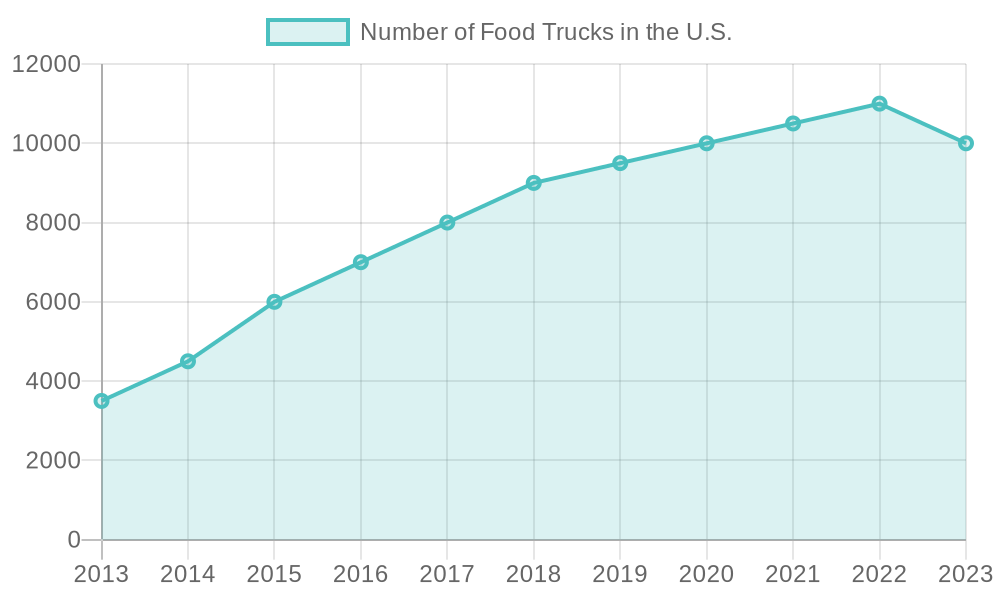
The chart below illustrates this noteworthy growth journey, showcasing how food trucks have taken over the streets and palates of America within just ten years!
For more insights into optimizing your food truck venture, check out Mastering Food Truck Parking Challenges and Branding on Wheels: The Ultimate Guide to Food Truck Graphics and Identity!
How to Promote Food Trucks: Strategies for Success
Promoting food trucks effectively requires a blend of creativity, community engagement, and smart marketing strategies. Here’s how to successfully promote food trucks and connect with local food communities.
1. Leverage Social Media for Food Truck Marketing
Harness the power of social media to boost visibility and sales for your food truck. Platforms like Instagram and TikTok can be invaluable for sharing enticing visuals and storytelling about your food journey.
2. Engage with Local Food Communities
Connecting with local food communities not only strengthens your market presence but also encourages repeat business. Participate in local events such as ‘Truck Tuesdays’ or ‘Food Truck Fridays’. Collaborating with other local vendors and hosting charity events can vastly improve your visibility and reputation in the community.
3. Maximize Exposure at Events
To promote your food truck at events, secure prime locations by booking early. Use eye-catching signage and branding to attract attention, and consider offering event-exclusive menu items or discounts.
4. Digital Integration for Marketing
In 2023, integrating digital solutions to streamline the ordering process is key. The use of QR codes for menus, app-based ordering, and real-time tracking of your location not only improves customer experience but also increases efficiency.
5. Create Memorable Experiences
Beyond just selling food, creating memorable experiences can enhance customer engagement. Host themed events and live performances to attract a larger audience.
6. Build a Loyalty Program
Implementing a customer loyalty program can help encourage repeat customers. Simple methods like offering discounts for return visits or creating a digital punch card system can foster a loyal customer base.
Conclusion
Promoting food trucks involves a multifaceted approach that includes food truck marketing strategies, effective event catering, and active involvement in local food communities. By leveraging social media, engaging in experiential marketing, and utilizing digital tools, food truck owners can significantly enhance their visibility and success in the culinary market.