
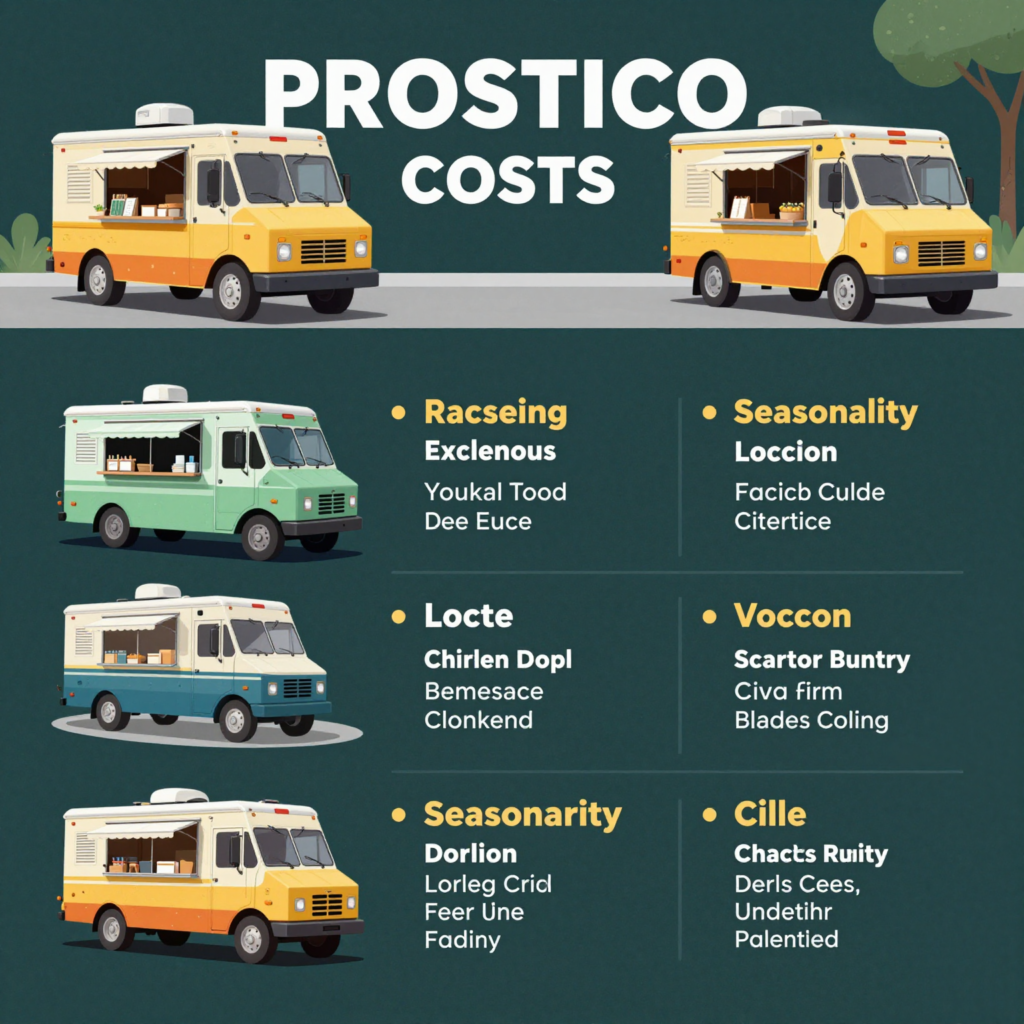
Are you an event planner, a corporate team leader, or just a food enthusiast ready to dive into the vibrant world of food trucks? If you’re curious about food truck rent costs and what they mean for your next big gathering, you’ve come to the right place! Food trucks have revolutionized the catering scene, blending convenience with culinary creativity. But how much do food truck owners really pay for their spot on the block? In this article, we’ll explore everything from location factors to seasonal pricing trends, giving you a comprehensive look at the costs involved. As we unravel the financial intricacies, you’ll discover how understanding these expenses can add zest to your event planning while supporting local businesses. Let’s get rolling into the flavorful world of mobile cuisine and uncover the secrets behind food truck rent!
Average Rent Prices for Food Trucks
When it comes to setting up a food truck, one of the first things you might wonder about is how much you’ll need to allocate for renting a space. Rent prices for food truck locations can vary widely based on a variety of factors, such as geographical location, the type of event, and even the time of year.
Typical Rental Costs
While specific current numbers are hard to pinpoint without the latest data, it’s common knowledge that food truck rental spaces can range from as low as $50 to over $5,000 per month. Here are some general insights:
-
High-Demand Cities: In bustling cities like New York and Los Angeles, you can expect to pay a premium-often between $2,000 to $5,000 per month for a prime location. High foot traffic areas or popular event venues can drive these costs even higher.
-
Mid-Sized Cities: Cities like Chicago or Atlanta typically offer more reasonable pricing, ranging from $1,000 to $2,500 per month. Even within these cities, the cost can greatly depend on the neighborhood and local regulations.
-
Smaller Towns: On the other hand, smaller towns or rural areas may present opportunities for affordable rents, sometimes under $1,000 a month, making it ideal for newcomers and smaller-scale operations.
Factors Influencing Rental Prices
Several factors contribute to the variation in rental costs:
-
Location, Location, Location: Areas with high foot traffic-like downtown locations, event venues, or near popular attractions-typically demand higher rent.
-
Event Type: During special events, festivals, or local fairs, rental prices can spike dramatically. This is because operators understand the influx of customers during these times.
-
Seasonality: Prices may fluctuate based on the time of year, with warmer months and holidays usually being more expensive due to increased demand.
-
Regulations and Permits: Each city has its own regulations regarding food service and location permits, which can also impact the overall cost. Areas with stringent regulations might have higher costs for compliance, which could affect rental pricing.
For those looking to maximize their investment in food truck rentals, it’s essential to consider these factors and conduct thorough research to find the most suitable and cost-effective locations.
To get a head start, you might want to read about the financial tips for first-time food truck owners or understand the complexities of food truck parking challenges.

An illustration showcasing various food truck setups in diverse rental locations, highlighting the culture of food trucks. The image depicts colorful food trucks, outdoor settings like parks, festivals, and corporate events, with people enjoying food from the trucks and lively decor.
| Area Type | Average Monthly Rent Cost |
|---|---|
| Metropolitan | $1,500 – $3,500 |
| Rural | $500 – $1,500 |
Context
Food truck rent costs can vary significantly based on the geographical location and demand. In metropolitan areas, rent tends to be higher due to increased foot traffic, higher demand for food options, and potential events. Conversely, rural areas might offer more affordable rent, but the customer base could be smaller, resulting in lower sales volume.
For those interested in starting or running a food truck, understanding these costs is essential for pricing, budgeting, and planning.
For additional insights on choosing the right food truck model and financial tips, you can learn more about choosing the right food truck model and check out financial tips for first-time food truck owners.
Since real-time data wasn’t available, you might want to explore local resources or food truck associations for more accurate figures.
Factors Influencing Rent Costs for Food Trucks
When it comes to renting a food truck, several key factors can affect prices, making it essential for event planners, corporate teams, and food entrepreneurs to understand what influences these costs. Here are some of the primary factors to consider:
-
Demand for Events: The demand for food trucks tends to spike during local events like fairs, festivals, and concerts. When popular events are happening, truck owners may charge higher rental prices due to increased demand and potential profits.
-
Location Popularity: The geographical location where the food truck operates plays a significant role in determining rental rates. Busy urban areas or tourist attractions typically command higher prices than suburban or less frequented areas.
-
Type of Food Offered: Gourmet food trucks offering premium cuisine or unique culinary experiences can generally charge more than those offering standard fast-food options. Niche offerings, such as vegan or ethnic cuisine, can also attract higher rental prices due to their specialty market.
-
Seasonality: Certain times of the year, such as summer and holiday seasons, see increased demand for food trucks at various events, which can drive up rental costs. Conversely, winter months might offer lower rental prices.
-
Length of Rental: The duration for which a food truck is rented can also impact pricing. Shorter events may incur higher hourly costs, while longer-term rentals might allow for negotiated rates.
-
Operational Costs: Food truck owners must account for their operational costs, which can influence rental rates. This might include fuel, maintenance, insurance, and overhead costs. These expenses are typically passed on to renters.
Understanding these factors will allow you to make more informed decisions whether you are planning an event, looking to engage a food truck for a corporate gathering, or considering entering this vibrant market yourself. For more insight into selecting the right model for your food truck, check out this helpful guide.
This analysis not only highlights what can influence food truck rental prices but also serves as a reminder for all involved in event planning to stay adaptable and informed for the best options!
Running a food truck can be incredibly rewarding, but it’s not without its challenges. Owners often face high costs related to permits, maintenance, and food sourcing. As one owner put it, ‘The biggest struggle is managing the costs while trying to serve quality food and keep our customers happy.’ It’s a balance of passion and practicality.
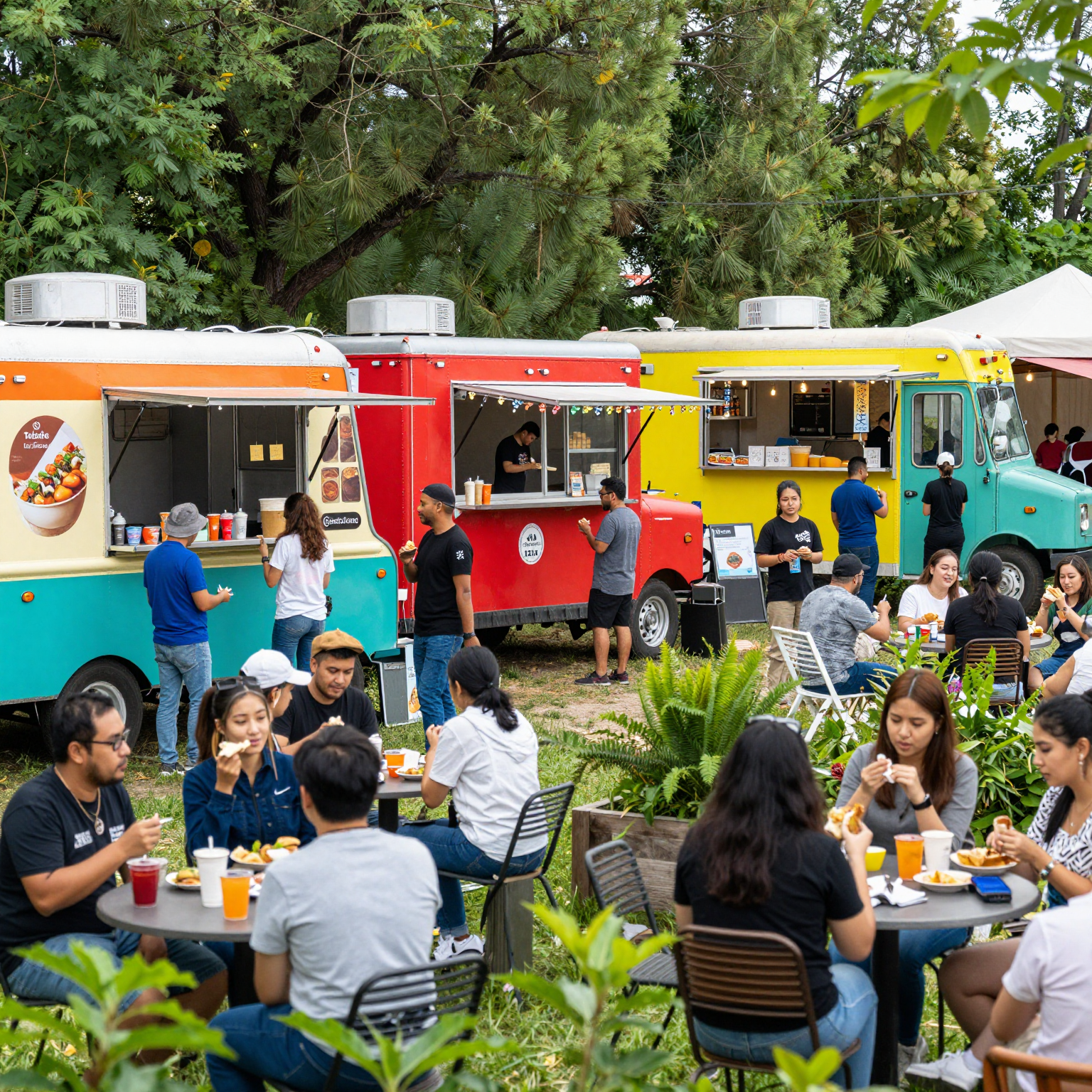
In summary, understanding food truck rental costs is essential for event planners, corporate teams, and community groups. The costs can vary widely based on several factors, including the truck’s menu, location, and event duration. Event organizers should consider the average rental prices, which typically span from $600 to $2,500 for catering events, and plan accordingly to ensure a seamless experience. Additionally, accounting for logistics, permits, and possible additional fees will help mitigate unexpected costs that can arise.
When planning your next event, remember that incorporating food trucks can provide not only delicious food options but also a fun, lively atmosphere. For more tailored information, explore our guide to choosing the right food truck model and discover how to maximize your investment. Food trucks can be a fantastic addition to any gathering, ensuring your attendees leave satisfied and happy. Make sure to consider these insights when planning your next event, and embark on a flavorful journey with Summit Fairings to enrich your food truck experience!
Tips for Negotiating Food Truck Rent
-
Research and Know Your Market
Understand the average rates for food truck rentals in your area. This allows you to negotiate from an informed position. -
Plan Ahead
If possible, book your food truck months in advance. This can increase your chances of locking in better rental rates as trucks tend to fill up quickly for popular events. -
Communicate Your Needs
Clearly outline what you are looking for, including menus, estimated attendance, and any special requests. This transparency can help food truck owners tailor their offerings and pricing. -
Be Flexible with Dates
If your event date is flexible, ask if discounts are available for off-peak times. Weekdays or non-holiday periods can often yield lower rates. -
Negotiate Packages
Consider discussing package deals that include additional services, like staff or equipment rental. Bundling services can provide savings. -
Highlight Your Value
If your event has a significant audience, emphasize this to the food truck operator. A larger crowd often means more sales for them, which could motivate them to lower their fees. -
Ask About Discounts
Inquire about any discounts for non-profits or first-time customers. Many food truck operators are willing to negotiate if they believe in a cause or project. -
Discuss Performance Duration
Talk about how long you would like the truck to operate. A shorter duration could reduce costs, while an extended service could improve the food truck’s profitability. -
Get Everything in Writing
Once terms are agreed upon, ensure all details are documented in a contract. This protects both parties and clarifies expectations. -
Be Polite and Professional
Building a good rapport with the vendor can facilitate smoother negotiations. A courteous approach can also lead to future collaborations.
For more information on choosing the right food truck model or mastering food truck parking challenges, feel free to check out these resources: Choosing the Right Food Truck Model and Mastering Food Truck Parking Challenges.
These tips should equip you to negotiate effectively, reducing costs or securing premium locations for your events. Happy planning!
Word Count: 412
Future Trends in Food Truck Rent Prices
As we look toward the future, several key trends could significantly impact food truck rent prices, affecting event organizers and food enthusiasts alike.
Increased Demand for Food Trucks
The popularity of food trucks is expected to keep growing, driven by consumers’ desire for diverse culinary experiences and convenience. This continued demand may lead to a rise in rental prices as food truck vendors capitalize on their popularity. Event organizers may need to adjust their budgets accordingly to secure the most sought-after trucks.
Urban Regulations
Cities are increasingly introducing regulations concerning food trucks, ranging from parking permits to health and safety standards. These regulations may create additional costs for food truck owners, which could be passed down in the form of higher rental prices. For instance, stricter zoning laws or required permits for events can limit where food trucks can operate, impacting their availability and, consequently, their rental rates.
Market Competition and Specialization
As the food truck industry becomes more competitive, vendors may specialize in unique offerings-such as gourmet vegan cuisine or regional specialties-which can lead to varied rent prices. Some event organizers may seek out unique food trucks to attract attendees, while others may opt for lower-cost options. This variance in demand will influence rent pricing structures across different markets.
Technological Advancements
Advancements in technology, including food truck management software and online booking platforms, are making it easier for organizers to find and book vendors. This ease of access may encourage more events to feature food trucks, driving demand and potentially pushing up rental prices in popular locations.
Community Engagement and Local Support
Food trucks increasingly engage with local communities, often focusing on organic or locally sourced ingredients. This trend could lead to partnerships with community events, enhancing the value for both vendors and organizers. However, as food trucks align more with social responsibility, the pricing model may evolve, reflecting their commitment to local sourcing and sustainable practices.
Conclusion
In conclusion, the future trends affecting food truck rent prices are multifaceted and include growing demand, urban regulations, market competition, technological innovations, and community involvement. Both food enthusiasts and event organizers should remain aware of these trends to effectively navigate the evolving landscape of food truck rentals.
For insights into selecting the right food truck for your event, learn more about choosing the right food truck model.