It’s official! The Great Food Truck Race is revving back after a thrilling hiatus, ready to transport viewers to the vibrant streets of Charleston, South Carolina. As excitement builds for Season 18, titled ‘Truckin’ Awesome: Crushing Charleston,’ fans of the show can expect not just delectable dishes but also fierce competition among passionate food truck teams. Each chapter will explore key aspects of this upcoming season, including an overview of what to expect, the competitive format that keeps audiences on the edge of their seats, a glimpse into the dynamic teams and contestants, and the overall reception and impact of the show on the food community. Buckle up as we dive into this epic food adventure!
Racing Back to Glory: Exploring Season 18 of The Great Food Truck Race in 2025
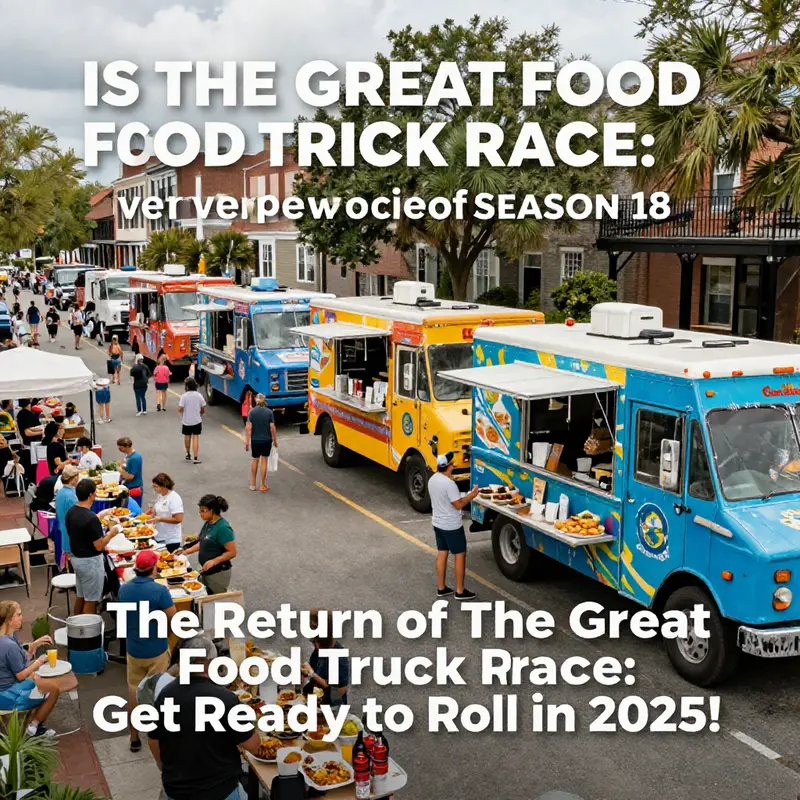
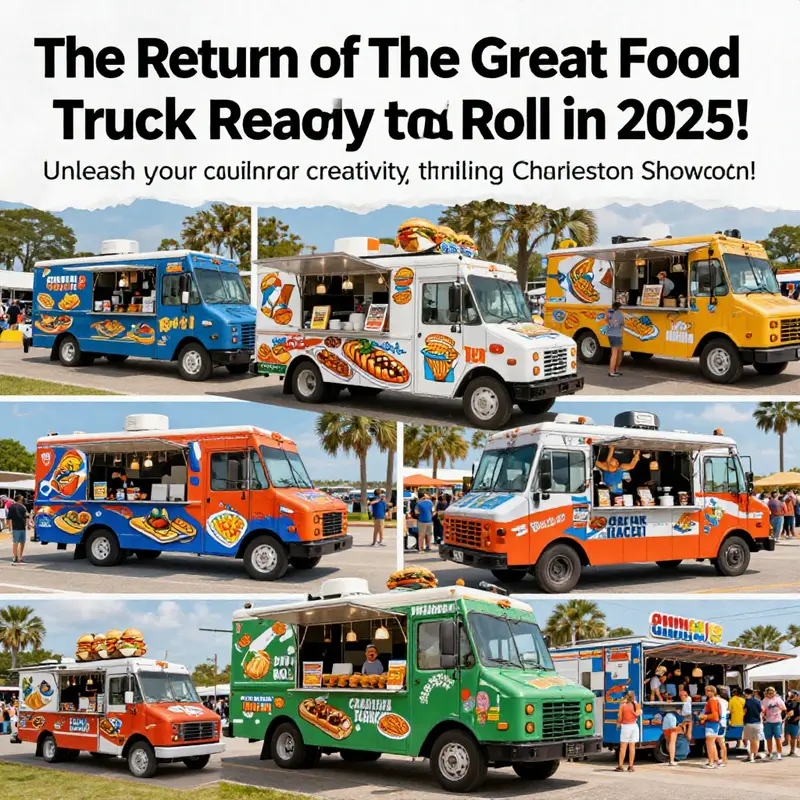
The return of The Great Food Truck Race in 2025 is one of the most exciting television events for foodies and adventure-seekers alike, and its eighteenth season, titled Truckin’ Awesome: Crushing Charleston, is poised to revive the magic of culinary competition and high-stakes racing. With a premiere on Sunday, August 3, 2025, the show marks its enthusiastic comeback with renewed energy and innovative challenges. The season’s fresh take builds on past successes while introducing new elements that add depth and spirit to the event. In this season, competitive teams are set to traverse the vibrant streets of Charleston, South Carolina, a city steeped in rich history and brimming with modern energy. The backdrop of Charleston not only provides picturesque settings but also heightens the drama and stakes for every contestant involved, as they race against the clock and each other to serve up culinary brilliance.
From the onset, Season 18 makes clear that it is more than just a race; it is a celebration of local flavors, creativity, and the entrepreneurial spirit that defines food truck culture in the United States. The show’s format, now reenergized by its return, is built around the combination of intense, time-sensitive challenges and the art of cooking under pressure. Each truck team brings its unique culinary perspective and personal story to the forefront. Their journeys are as compelling as the dishes they prepare, and fans get an intimate look at the passion and perseverance that fuels each contestant. This new season also celebrates regional influences, with Charleston’s culinary heritage playing a central role in many of the challenges, offering teams the opportunity to tap into local ingredients and traditional recipes with a modern twist. This blending of heritage and innovation not only creates unique dining experiences but also reinforces the idea that food trucks are dynamic, mobile ambassadors of culture.
One of the most enticing aspects of Season 18 is the renewed focus on storytelling. Long gone are the days when contestants were simply seen as competitors; they are now portrayed as dreamers, risk-takers, and culinary artists who pour their hearts into every dish. The show weaves narratives around the determination of each team, highlighting their personal struggles, triumphs, and the passion that drives their culinary ambitions. Contestants discuss their formative experiences, from modest beginnings to the bold decision to invest in a food truck and follow their dreams. These heartfelt narratives add emotional depth and resonate with an audience that values authenticity and hard work. The storytelling is interwoven with live action, engaging viewers both on an emotional and a sensory level as the camera captures steaming pans, sizzling grills, and the hustle and bustle of life on wheels.
Season 18 further elevates the experience by introducing challenges that require not only culinary skill but also logistical savvy and clever strategy. The teams must navigate both physical routes through Charleston’s diverse neighborhoods and the intricate puzzles posed by the show’s creative twists. Many episodes include unexpected obstacles—a traffic delay, a sudden change in weather, or a requirement to use a rare local ingredient—that test the teams’ adaptability and teamwork. This season emphasizes that success in the race is as much about knowing your city and understanding local resources as it is about speed and cooking. The strategic component adds layers of complexity, ensuring that every episode is a blend of fast-paced action and thoughtful problem solving. The dynamic tension comes not just from the ticking clock but also from the teams’ internal interactions, where leadership, collaboration, and even friendly rivalries play out in real time.
A notable highlight this season is the involvement of seasoned host Tyler Florence, whose deep-rooted knowledge and charismatic presence serve as the glue binding the show together. His involvement means that every team is not only pushed to perform at their best but also supported by expert guidance on everything from cooking techniques to maintaining composure under pressure. Florence’s commentary connects the viewers more intimately with the contestants, providing insightful observations that enrich the overall experience. His seasoned perspective brings a sense of gravitas and fun that keeps the competition fair and entertaining. Interspersed with his vibrant narration, the show offers advice and encouragement, turning each episode into a mini-masterclass in culinary innovation and resilience.
The cast of contestants is a diverse mix of established kitchen veterans and ambitious newcomers. A particularly intriguing addition to this season is one of the standout contenders, Naoufal Bahloul, whose reputation for creative flavor combinations has already sparked buzz among fans long before the premiere. Bahloul’s participation has drawn attention due to his innovative approach, blending traditional techniques with modern culinary trends. His journey on the show is expected to be one of many dramatic arcs, where passion and innovation collide with the challenges of a fiercely competitive environment. Through every twist and turn of the race, fans will witness a blend of cunning strategy, personal passion, and occasional setbacks that forge unforgettable stories of perseverance and creativity in the food truck arena.
The race itself is structured with careful consideration for pacing and drama. Episodes are interspersed with short breaks designed to give contestants a moment to regroup, reflect on their performance, and prepare for the upcoming challenges. Notably, there is a scheduled break in Week 3 that serves as an intermission in the otherwise relentless pace of the competition. This pause provides not only a strategic pivot for contestants to reassess their tactics but also offers viewers a moment to digest the unfolding narratives and anticipate the next round of culinary warfare. The well-timed breaks ensure that the tension is maintained without overwhelming the audience, creating a balanced rhythm that reflects the unpredictability of life on the road and in the kitchen.
Behind the scenes, the production of Season 18 has embraced new technology and innovative set designs to enhance the overall viewing experience. High-definition cameras capture every detail, from the glistening heat of a pan to the subtle expressions of determination on the contestants’ faces. Viewers are transported directly into the heart of the race, experiencing the heat of the kitchen and the rush of adrenaline that accompanies every turn. The careful balance of technical storytelling and real-time action creates a vibrant tapestry of sights, sounds, and emotions—a blend that enriches the narrative and invites the audience to not just watch, but to experience the race from the inside out.
The choice of Charleston as the opening battleground for this season is a masterstroke from the producers. Known for its historic charm and culinary diversity, Charleston offers a unique mix of cultural influences that is perfectly suited to a show that thrives on contrast and creativity. The old-world architecture, the buzz of local markets, and the vibrant street life provide a dramatic backdrop that enhances the visual appeal of the series. Contestants are challenged to adapt their menus to local tastes, incorporating regional specialties that elevate the show’s emphasis on local flavor. This choice not only enriches the content but also invites local communities to become an integral part of the magical tapestry that is The Great Food Truck Race.
The impact of the show on the real food truck industry cannot be understated. With each season, the series has inspired countless aspiring chefs to consider the food truck model as a feasible and exciting alternative to traditional brick-and-mortar restaurants. This season continues that trend, as many contestants share their journeys from modest beginnings to seizing a chance to showcase their culinary flair on a national stage. Their stories offer valuable insights into the challenges of entrepreneurship and the importance of innovation in the competitive world of mobile dining. For anyone taking the exciting leap into this culinary business, understanding the nuances of choosing the right food truck models can prove invaluable. The series, in its essence, serves as both entertainment and an informal guide to the pitfalls and triumphs of life on wheels. Every twist in the race is a lesson in determination, strategy, and the relentless pursuit of a dream.
What sets Season 18 apart from its predecessors is its deliberate focus on community and collaboration alongside competition. The show now offers moments where teams are encouraged to collaborate or lend a hand to their rivals in especially challenging scenarios, transforming a purely competitive race into a celebration of shared ingenuity. These moments highlight an important message: while the food truck business is inherently competitive, it is also built on community values and a shared passion for food. Contestants often recall how late-night dinners and community gatherings were at the heart of their culinary inspirations. This re-emphasis on camaraderie reflects a broader shift in the industry, where mutual support and the sharing of ideas can lead to greater collective success. The narrative of Season 18 reinforces the notion that even in fierce competition, there is always room for kindness, mentorship, and a unified celebration of culinary creativity.
As the season unfolds over a series of weekly episodes, each installment builds on the tension, exuberance, and creativity introduced in the opening chapter. The production team has crafted challenges that not only test the contestants’ technical skills and creativity but also push them to innovate under pressure. These tasks are designed with meticulous attention to detail, ensuring that every obstacle encountered on the streets of Charleston translates into an opportunity to push beyond one’s limits. From quick-fire cooking rounds to multi-course challenges that require impeccable timing and precision, each task is engineered to showcase the incredible diversity of talent that these teams bring to the table. The varied challenges also add to the narrative momentum, ensuring that viewers remain captivated by the blend of adrenaline and artistry throughout the season. The detailed planning behind each episode is a testament to the dedication of the production crew, which has consistently managed to maintain high standards in storytelling and technical execution.
In addition to the high-energy challenges and the riveting personal stories, Season 18 also delves into the subtle art of crafting a brand identity that resonates with audiences both on-screen and off. The food truck industry thrives on visibility and uniqueness, and contestants are increasingly aware that every detail, from the exterior design of their trucks to the presentation of their dishes, matters enormously. The show has become a platform where food truck owners not only compete for the title but also for the right to carve out a distinctive niche in a crowded market. This dual focus on culinary excellence and brand identity creates an additional layer of stakes for each team. The behind-the-scenes discussions often reveal the intense brainstorming sessions that go on as teams refine their logos, slogans, and overall aesthetic appeal. This creative process, while sometimes challenging, is an essential aspect of the modern food truck enterprise, reinforcing the idea that a well-crafted image can be just as important as the food itself.
The excitement of the race is further amplified by the unpredictable nature of the challenges. Each episode contains surprises that keep both contestants and viewers on the edge of their seats. Unexpected twists in the route or sudden requirements to incorporate local cultural elements into the dish serve to remind everyone involved that flexibility is crucial to success. The race is not only a test of culinary expertise but also a rigorous examination of adaptability. Contestants who may have planned a particular strategy often find themselves scrambling to modify their approach in response to unforeseen obstacles. This dynamic environment mirrors the real-life challenges that food truck operators face daily, making the competition relatable to both seasoned restaurateurs and aspiring entrepreneurs. In these moments of rapid adjustment and creative problem-solving, the true spirit of the race shines through, demonstrating that success in the food industry is often a product of resilience and nimble thinking.
Moreover, the significance of Season 18 extends beyond the confines of television screens and the competitive arena. It has a profound cultural impact on the broader conversation about food, entrepreneurship, and innovation. The Great Food Truck Race has consistently been a catalyst for change, influencing culinary trends and inspiring numerous communities to support local businesses. This season, with its focus on a historic city like Charleston, reinforces the idea that regional traditions and modern entrepreneurship can coexist and even thrive when given the right platform. The show serves as a mirror for contemporary society, reflecting not only the practical challenges of running a food business but also the dreams and aspirations that drive people to pursue their passion against all odds.
For many viewers, the race is more than just a competitive spectacle—it is a vibrant celebration of life on the road, the vibrant energy of diverse communities, and the culinary adventures that bring people together. The series invites the audience to experience the behind-the-scenes drama, the light-hearted moments of celebration, and even the bittersweet defeats that ultimately contribute to the growth of each contestant and the evolution of the food truck industry as a whole. Every contestant, whether they ultimately win the race or not, carries with them a story of passion, perseverance, and creativity. These narratives are stitched together into an overarching tapestry that celebrates the immense diversity of experiences within the food truck world.
The Great Food Truck Race Season 18 is not merely a television show; it is an experiential journey that reconnects audiences with the basics of innovation and creativity in the food industry. With its rich blend of high-stakes competition, heartfelt storytelling, and the vibrant cultural tapestry of Charleston, this season stands out as a milestone in the series’ legacy. It reaffirms the importance of resilience, ingenuity, and community in an increasingly dynamic world, proving that the spirit of culinary adventure knows no bounds. As contestants navigate city streets, overcome challenges, and strive to leave a mark with their unique dishes, they echo a larger narrative of following one’s passions despite the odds.
With each episode, viewers can expect moments of triumph, innovation, and sometimes even unexpected setbacks. Yet, every twist and turn in the race serves a larger purpose: reinforcing the value of persistence and the joy of discovering new horizons in culinary arts. The competitive atmosphere is charged with energy, yet it is underpinned by respect for the craft and an understanding that every setback is an opportunity to learn and grow. The deliberate pacing of the episodes mirrors real-life entrepreneurial journeys, where success is rarely linear and the road to achievement is filled with unpredictable challenges and delightful surprises.
For those who have followed previous seasons of The Great Food Truck Race, Season 18 feels like a return to form—a refined, yet invigorated, celebration of food truck culture in its most dynamic representation. Fans see more than just a race; they see a living, breathing representation of a community that values creativity, diversity, and the power of shared experiences. The series invites viewers to be not just passive observers, but active participants in an unfolding drama that touches on both personal and cultural themes. By closely following the contestants’ experiences, fans gain insights into the everyday challenges faced by food truck operators, including the critical decisions regarding location, customer engagement, and of course, the ability to quickly adapt to unforeseen circumstances.
The anticipation for Season 18 is further elevated by the buzz generated on social media and culinary forums, where fans and industry insiders alike engage in vibrant discussions about potential strategies and favorite contestants. The engagement extends beyond the show itself, influencing discussions about local food policies, urban culinary trends, and the broader economic impact of mobile dining. This season has sparked renewed interest in the role of food trucks as community hubs—places that not only serve delicious food but also provide a venue for social interaction, cultural exchange, and even economic empowerment. By shining a light on both the personal struggles and professional triumphs of its contestants, the show opens a window into the multifaceted challenges and rewards of running a modern food truck business.
Ultimately, Season 18 solidifies The Great Food Truck Race as a cultural phenomenon that transcends the boundaries of traditional cooking competitions. Its return in 2025 is a testament to the enduring appeal and adaptability of the food truck format, while its innovative challenges and heartfelt narratives continue to push the envelope of what a culinary competition can be. For viewers who have long admired the creativity and resilience of food truck entrepreneurs, this season is a reminder that passion, persistence, and a love for great food can transform even the most challenging environments into stages for extraordinary achievements.
For those seeking further details on the episode schedules, cast information, and other behind-the-scenes insights from Season 18 of The Great Food Truck Race, additional resources are available. Fans and industry enthusiasts alike are encouraged to visit the official page for an in-depth look at what promises to be a season of grit, creativity, and heart-stopping action. More information about the season can be found on the IMDb page: The Great Food Truck Race Season 18 on IMDb. Embracing both the competitive spirit of the race and the creative essence of food truck culture, Season 18 is set to leave a lasting impression on everyone who believes in the transformative power of culinary art and the joy of chasing one’s dreams on the open road.
In summary, this vibrant season is a reminder that every step on the racecourse is a step toward artistic fulfillment and community unity. The Great Food Truck Race has consistently been a mirror reflecting the dynamic world of food entrepreneurship, and Season 18 is its bold new chapter—a chapter filled with unexpected routes, passionate contestants, and challenges that push the limits of creativity. As the race roars back into action, it promises not only thrilling competition but also inspiring stories that speak volumes about dedication, resilience, and the undying love for great food.
Whether you are a longtime fan of the show, an aspiring food truck operator, or simply an enthusiast of captivating competition, the new season offers something profound and memorable. With rich narratives, surprising challenges, and insights into the heart of a truly creative industry, Season 18 stands as a beacon of innovation and community spirit. The race is on once again, inviting everyone to witness the clash of culinary giants in a journey that is as much about personal growth as it is about the pursuit of delicious, unforgettable flavors.
Revving Up Culinary Competitions: Inside the Format and Fiercely Competitive Structure of The Great Food Truck Race 2025
As the summer sun warms the streets and the aroma of gourmet street food fills the air, anticipation builds for one of television’s most innovative culinary challenges. The Great Food Truck Race is making its long-awaited return in 2025 with a new season that not only promises thrilling road battles but also a profound test of both culinary creativity and business savvy. Centered around a high-octane format, Season 18—aptly titled “Truckin’ Awesome: Crushing Charleston”—is set to captivate audiences when it premieres on August 17, 2025, on the Food Network. This season transports competitors to the historic and vibrant city of Charleston, South Carolina, where cobblestone streets and a rich culinary heritage serve as the backdrop for a fierce contest that pushes food truck teams to their limits.
From the moment the season announcement was made, fans have been energised by the prospect of watching teams combine fast-paced cooking with strategic business maneuvers. The competition remains true to its classic structure that has defined the series for years. At its core, teams of passionate entrepreneurs and culinary innovators are pitted against each other in a series of episodes where the stakes are as high as the creative energies they bring behind every counter. The underlying goal is simple yet challenging: to earn the most money by preparing and serving mouthwatering dishes, while simultaneously navigating unpredictable obstacles in an ever-changing urban landscape. Each episode is designed to push the competitors — and their mobile kitchens — into situations that test not only the speed and taste of their culinary creations but also the robustness of their business decisions.
The competitive format is as much a part of the show’s appeal as the delicious food itself. Each team is outfitted with their own food truck and a unique menu that reflects their personal culinary style. Over the span of the season, the teams travel to different corners of Charleston, meeting diverse crowds and serving food that ranges from traditional Southern classics to bold, innovative fusion dishes. What truly sets this competition apart is its dual focus: while the taste and presentation of the food are essential, the financial performance of each truck is the ultimate measure of success. The teams must keep a careful eye on their earnings throughout each challenge, making real-time decisions about pricing, menu adaptations, and even marketing strategies to lure in a stream of hungry customers.
One of the most compelling aspects of The Great Food Truck Race is its elimination process. In each episode, the pressure of the competition intensifies as the team that earns the least amount of money faces the very real possibility of being sent home. This elimination process not only heightens the dramatic tension but also forces teams to continuously evolve and improve. The rules are unforgiving, and every decision – from the choice of ingredients to the location where they set up shop – has a direct impact on the outcome. As the season progresses, teams that may have started off strong might find themselves cornered by unexpected challenges, while those who adapt astutely can take the lead and wow both the judges and their loyal customers on the streets. This unique combination of culinary art and economic strategy transforms what could be a straightforward cooking contest into a gripping battle of wits, resilience, and real-world entrepreneurship.
Throughout the season, viewers can expect a dynamic interplay between creativity in the kitchen and practical business acumen. The teams are not just chefs; they are entrepreneurs who must balance recipe innovation with financial feasibility. In one memorable challenge in a previous season, a team that specialized in gourmet sandwiches had to quickly reconsider its pricing strategy when a sudden rainstorm wiped out their expected crowds. Moments like these remind us that beyond the sizzle of favorably grilled patties or the eye-catching presentation of artisan tacos, there is a relentless focus on making a profit and staying afloat in a cutthroat environment. The delicate balance between creative expression and economic success underpins every decision the teams make during each episode.
The choice of Charleston as the season’s setting adds an additional layer of cultural and culinary significance. Charleston is renowned for its culinary heritage, where traditional Southern recipes intersect with modern gastronomic trends. Against this backdrop, the food truck teams face the dual challenge of appealing to local palates and impressing a broader audience that is eager to experience innovative takes on classic dishes. The city’s distinctive mix of history, modernity, and cultural influences injects a spirited sense of community urgency into the competition. As teams navigate Charleston’s scenic streets, they encounter unique challenges – from local regulations to weather variations – that test their ability to adapt and serve up success in real-time. This rich environment means that every decision made on the bustling streets has the potential to become a turning point in the race for the grand prize.
The format encourages not only individual brilliance but also teamwork and resourcefulness. Behind the bright lights of the camera and the competitive spirit lies an underlying current of camaraderie and mutual respect among participants. Despite the fierce nature of the contest, many contestants share stories of learning from one another and sometimes even offering a helping hand when a rival team faces an unexpected setback. Such moments of solidarity provide a welcome counterbalance to the nail-biting eliminations and underscore the show’s appreciation of the broader food truck community. Even when a team is eliminated, their journey leaves a lasting impression, and the lessons they share become a source of inspiration for newcomers aiming to make their mark in both the culinary world and the dynamic business environment of the food truck industry.
Much of the excitement in this season stems from the high stakes set by the chain of eliminations. The pressure of having your earnings being the sole criterion for survival injects a palpable intensity into every episode. As food truck owners must learn quickly to read the street, pivot their strategies instantaneously, and set competitive prices on the fly, the race becomes less about traditional cooking and more about a real-time business simulation. Every episode unfolds like a thriller, where small miscalculations can lead to unexpected downfalls, and bold, risk-taking moves can catapult a team to the very top. In this context, each minute on the clock is filled with a mix of sizzling pans, quick service, and a race against time. The countdown to elimination means that even the best-laid plans can be upended by unforeseen mishaps – a slow turn of luck, an empty street corner, or even technical difficulties with the trucks themselves.
In examining the structure of The Great Food Truck Race, one can draw parallels with many aspects of real-world entrepreneurship. Aspiring food truck owners often face challenges that mirror the series’ competitive environment. They must craft a unique identity, manage finances effectively, and develop an operational model that can weather both economic and logistical uncertainties. For those interested in starting their own ventures, the show inadvertently serves as a case study in managing risk and optimizing performance under pressure. This is why many contestants, as well as dedicated viewers, find deep parallels between the television series and the real-life intricacies of launching and sustaining a food business. If you are keen on gaining additional insights into pragmatic business strategies, check out these helpful financial tips for first-time food truck owners, which echo many of the lessons displayed on screen.
Behind the scenes, the production of The Great Food Truck Race is a masterclass in blending entertainment with authentic business lessons. The creators of the series have meticulously crafted challenges that mirror the operational hurdles faced by mobile food vendors every day—from negotiating local taxi zones to managing the unpredictable flow of pedestrian traffic. The high-octane challenges are designed to push each team to operate at maximum capacity both in taste and technique. The confluence of culinary prowess and strategic planning is on full display as each team juggles the pressures of taste perfection, operational efficiency, and fiscal discipline. Every episode is a microcosm of the larger food truck landscape, encapsulating both the thrills and perils that define the industry. Competitors not only have to impress a discerning audience but must also ensure that their pricing and business practices are finely tuned to prevent financial disasters in real-time.
Moreover, the show serves as a magnet for viewers who are fascinated by culinary transformation. Each food truck represents a canvas where traditional ingredients and modern techniques merge to create innovative dishes that sometimes defy expectations. The format does more than highlight individual culinary skills; it underscores the importance of innovation in a competitive environment, where the ability to adapt and evolve is crucial. The teams, in their quest to capture both taste buds and market share, experiment with groundbreaking recipes and fusion cuisines that reflect the diversity of today’s food culture. Their culinary experiments often spark new trends in the industry, which in turn inspire a generation of food entrepreneurs. In this sense, the series is about much more than just a race – it’s a celebration of creativity, resilience, and the entrepreneurial spirit that drives the modern culinary world.
One cannot overlook the significant role that strategic timing and location play in the competition. Every decision about where to park a food truck can be the difference between a bustling day of sales and a slow period that jeopardizes the team’s standing. The competition’s structure forces contestants to think like local business owners who must understand their target market and anticipate customer flows. Whether pulling up near a busy college campus, setting up along a scenic waterfront, or experimenting with less conventional spots in the city, the decisions teams make regarding location are as critical as the dishes they serve. This element of strategy mirrors the real-life decisions food truck operators must face daily and adds an extra layer of authenticity to the challenge. The race becomes a true test of situational awareness, resource management, and rapid decision-making — skills that are as vital in business as they are on the competitive set of a television show.
In a season that is poised to break new ground, the format of The Great Food Truck Race serves as an expansive playground for both culinary experts and savvy entrepreneurs. The highlight of the show is the tension between pure gastronomic passion and the cold calculus of monetary success. Each episode captures a snapshot of the unpredictable nature of street food vending, where high energy meets calculated strategy. Teams know that one poorly timed decision or an underwhelming dish could result in financial penalties that imperil their survival in the race. Conversely, innovative menu adjustments and a deep understanding of customer preferences can allow a team to surge ahead, defying early setbacks and building momentum that carries them to further rounds. The brilliance of the format lies in its simplicity combined with the endless variables that define each segment of competition.
The return of The Great Food Truck Race in 2025 is not just a revival of a beloved series—it is also an invitation to celebrate the spirit of adventure, creativity, and entrepreneurial risk-taking. As competitors set out on their journey through Charleston’s storied streets, they embody the dynamism and resilience that the modern culinary world demands. The format, with its clear rules and relentless pace, captures the real challenges of the food truck industry, inspiring both viewers and future entrepreneurs alike. The show also creates a platform where innovation is not only showcased but actively rewarded. The interplay between business strategy and culinary art creates a narrative that is engaging, instructive, and thoroughly entertaining.
As the season unfolds, every twist and turn on the road to victory reminds us that in both business and life, success rarely comes without risks. The race is not simply about who can cook the tastiest dish, but who can manage resources wisely, adapt on the fly, and maintain a balance between creative passion and financial pragmatism. The high-pressure environment challenges each participant to harness their full potential, embrace unexpected challenges, and transform setbacks into opportunities for growth. It is this synthesis of art and strategy that has cemented The Great Food Truck Race as a pioneering force in culinary entertainment.
The season’s journey through Charleston is destined to be memorable. As teams battle the clock, the elements, and their own creative limits, the city itself becomes a silent yet influential participant, offering inspiration, obstacles, and a rich cultural tapestry that enhances every moment of the competition. Viewers will not only witness incredible dishes and innovative cooking techniques but will also gain insights into what it takes to succeed under pressure in the competitive world of food trucks. With every challenge, the stakes escalate and the pressure builds, ensuring that each episode is a mix of culinary spectacle, strategic genius, and raw human perseverance.
In essence, the format and structure of The Great Food Truck Race are designed to mirror the volatile yet exhilarating nature of the food service industry. The show encapsulates the importance of adaptability in business and the eternal drive to excel even under daunting circumstances. Such a dynamic format not only entertains but also educates, offering valuable lessons on everything from pricing strategies to operational efficiency. This season, much like those that came before, is set to once again prove that when passion meets discipline, truly extraordinary achievements are possible. For those who have followed the franchise over the years, the return of the series serves as a reminder of how much can be learned from watching brilliant minds duel over sizzling grills and rapidly shifting street corners.
For the ardent enthusiast eager to catch every exciting moment and for the aspiring entrepreneur looking to take invaluable lessons on the road, Season 18 of The Great Food Truck Race offers both inspiration and practical wisdom. The show, with its clear focus on balancing the intricacies of fine cooking with the tough realities of running a mobile business, paints a vivid picture of what it means to thrive in an industry where every dollar counts and every decision is a potential game changer. As the teams prepare to traverse the lively streets of Charleston, they set up not just for a culinary contest but for a rigorous test of endurance that mirrors the real world of food truck operations.
For more comprehensive details and to follow the upcoming challenges and cast revelations, interested viewers can always find further information on the official IMDb page: The Great Food Truck Race – IMDb. With the countdown to August 17, 2025, already underway, the stage is set for a season that promises to be as unpredictable as it is unforgettable—a true celebration of culinary boldness and entrepreneurial spirit that will leave its mark on both the hearts of fans and the annals of culinary competition.
Revving Up for Competition: Inside The Teams and Contestants of The Great Food Truck Race 2025
The Great Food Truck Race is making a triumphant return in 2025 and with it comes a renewed sense of excitement, spirit, and culinary adventure. Season 18, under the dynamic banner of “Truckin’ Awesome: Crushing Charleston,” has captivated audiences with its high-energy competition and authentic portrayal of the challenges faced by food truck entrepreneurs. Set in the historic city of Charleston, South Carolina, this season unfolds over a series of high-octane episodes that blend the artistry of street cuisine with the strategic demands of running a mobile business. With nine teams vying for a $50,000 prize, this year’s race promises to elevate the competition to a whole new level, delivering an experience that is as much about passion and creativity as it is about tactical insight and resilience.
From the very first episode, titled “Truckin’ Awesome: Crushing Charleston, Part 1,” viewers are ushered into a world where every moment counts. The premiere on August 17, 2025, set the stage for what would be a roller coaster of intense culinary showdowns and surprising turns. Each food truck team, representing a unique blend of backgrounds, histories, and culinary philosophies, has already begun to build its own story. Even though specific names and personal details remain under wraps, the mere announcement of nine carefully chosen teams is enough to hint at a diversity in approach and a convergence of talent that will redefine what it means to compete on the road.
At its core, this season reaffirms the idea that food is more than just sustenance—it is an expression of culture, passion, and ingenuity. Charleston, with its rich historical tapestry and vibrant culinary traditions, offers an ideal backdrop for such an endeavor. The city is not merely a location; it is a living, breathing participant in the race. Its scenic streets, eclectic neighborhoods, and an air of Southern charm provide the perfect stage upon which these food truck businesses can showcase their skills and connect with local communities. As the teams navigate through Charleston’s bustling markets and scenic waterfronts, viewers witness dishes that are steeped in innovation, each one telling its own story of cultural fusion and personal dedication.
The preparation for the race is rigorous, as each team must harness not only their cooking expertise but also their ability to adapt to unforeseen challenges. The pressure is immense from the moment the wheels start turning. The teams are not just competing for a $50,000 prize; they are also battling the constraints of time, fluctuating local tastes, and the unpredictable dynamics of a live audience. As each food truck maneuvers through the historic streets, the competitive spirit among the teams is palpable. The race requires a rare combination of culinary intuition, logistical planning, and, above all, teamwork. While the teams’ names may not be fully disclosed yet, the buzz surrounding them suggests that viewers will soon be introduced to a mix of seasoned culinary veterans and enthusiastic newcomers eager to make their mark on the mobile kitchen scene.
Behind every well-coordinated dish and every carefully hand-delivered meal is the relentless dedication to overcoming obstacles. This season of The Great Food Truck Race highlights more than just the end goal; it celebrates the journey of each contestant as they maneuver through the complexities of the food truck business. Whether it is the art of perfecting a signature dish, the finesse in managing a tight budget, or the savvy required to navigate local regulations, every team faces its own set of challenges. They must adapt quickly, think on their feet, and often reinvent themselves to stay ahead of the curve. This narrative of constant adaptation resonates deeply with the entrepreneurial spirit of many viewers who see a part of their own struggle in the triumphant narrative of these trailblazing teams.
The race is also a platform for showcasing culinary diversity. Each team brings with it a portfolio of recipes and experiences that reflect a kaleidoscope of cultural influences. This fusion is not merely about blending flavors but is also reflective of the evolving landscape of American cuisine. As cities continue to grow and intermix, the food served on streets and at festivals takes on a more global twist, offering tastes and textures that span continents and cultures. The Great Food Truck Race, now in its eighteenth season, captures this transition beautifully by inviting teams that serve dishes ranging from innovative takes on traditional classics to bold new interpretations that challenge preconceived taste boundaries.
Moreover, inception of this season coincides with a renewed focus on what it means to be a modern food truck entrepreneur. Beyond the competitive spirit on display, the show underscores the broader ecosystem that supports these mobile restaurants. It is a world where creativity meets business acumen and where risk-taking is balanced by strategic financial planning. For many first-time food truck owners, the competition is not only a chance to win a substantial monetary prize but also an opportunity to gain invaluable exposure and access to a wider network of culinary enthusiasts and industry insiders. Articles such as those offering financial tips for new food truck entrepreneurs have become essential reading for anyone looking to enter this field, as they provide practical advice on overcoming the challenges of startup capital management, understanding tariff implications, and mastering operational efficiency. This confluence of art and business is one of the many elements that set The Great Food Truck Race apart from other food-centric competitions.
The season’s setting in Charleston adds another layer of intrigue. Known for its artistic architecture, lively culture, and rich culinary heritage, Charleston is more than just a host city—it is a central character in this unfolding drama. The food trucks, as they make their rounds on cobbled streets and along picturesque waterfronts, encounter not only competitive pressure but also the warmth and hospitality of the local community. Residents of Charleston have long embraced the food truck trend, frequently gathering at community hubs to sample the best that mobile kitchens have to offer. This local inflection provides a real-time feedback mechanism, where teams can gauge the immediate impact of their culinary creations. It is this interplay between competitors and community that enriches each episode, turning each challenge into an intimate dialogue between the makers and their ever-evolving audience.
Behind the scenes, the production team of The Great Food Truck Race has worked tirelessly to ensure that every aspect of the contest is designed to resonate with both longstanding fans of the series and new viewers alike. Subtle details, such as the integration of local landmarks into the challenges and the emphasis on innovative recipes that reflect the spirit of Charleston, highlight the thoughtful curation that goes into each episode. The show is as much an exploration of American regional culture as it is a high-stakes culinary competition. It pushes the boundaries by highlighting the unique challenges faced by mobile food vendors in a world where tastes and market dynamics are in constant flux.
The selection process for the teams is shrouded in deliberate discretion, meant to build anticipation and generate discussion among viewers. While the specific identities of some contestants are being kept under wraps, the range of profiles being represented hints at a vibrant mix of personalities. From veteran chefs who have honed their skills over decades to young, audacious newcomers who are leveraging contemporary food trends, the spectrum is broad and dynamic. What unites these diverse competitors is a profound, unyielding passion for food and a commitment to excellence that transcends their individual approaches. They are driven by the dream of not only winning the competition but also by the opportunity to transform their culinary visions into a sustainable reality. Their stories are threaded with elements of risk, resilience, and reinvention. It is this narrative of personal evolution, wrought through the medium of competitive cooking, that strikes a chord with audiences who find inspiration in tales of ambition and perseverance.
One of the defining features of the season is its emphasis on real-life challenges that blur the line between culinary art and business operations. In a race where every second counts, teams are forced to make split-second decisions that can dramatically alter the trajectory of their performance. Whether it is modifying a menu item on the fly or reconfiguring their food truck layout to meet an unexpected demand, adaptability is key. The race tests not only the contestants’ ability to conceptualize and execute unique dishes but also their capacity to manage logistics under the pressure of a ticking clock. Lessons gleaned from these experiences often mirror those encountered by many small business owners, proving that the heart of the competition lies in its authenticity and relatability. This aspect of the show has fueled a dedicated following among viewers who are aspiring entrepreneurs themselves, all eager to glean insights and strategies that may one day be applicable in their own ventures.
The personal dynamics among team members add another compelling layer to the narrative. Behind every food truck is a group of individuals whose relationships, commitments, and interpersonal dynamics contribute as significantly to their success as their culinary skills do. In a competition where the stakes are high and the margin for error is thin, the ability to work cohesively under pressure becomes a defining factor. The show is a fascinating study in teamwork, revealing how mutual reliance and shared visions can transform a simple food truck operation into a finely tuned mobile gastronomic empire. Although detailed biographical sketches are still emerging, early glimpses into the lives of the contestants suggest a mix of intense rivalries, heartfelt camaraderie, and a relentless pursuit of excellence. This delicate balance between competition and collaboration renders each episode as unpredictable as it is engaging, keeping audiences riveted from start to finish.
Even as the contestants pour their energy into capturing the hearts of viewers, the production’s commitment to authentic storytelling remains steadfast. The Great Food Truck Race does not shy away from depicting the hardships that come with running a food truck. Technical malfunctions, unpredictable weather, and intense competition all serve as reminders that success is never guaranteed. Instead, these challenges are portrayed as integral to the journey, offering both the teams and the audience valuable lessons in resilience. Each setback faced by a team is an opportunity for growth and innovation. As the food truck operators work through their issues, they demonstrate that failure is merely a stepping stone to eventual triumph. This narrative consistency reinforces the show’s message that perseverance, adaptability, and a passion for the craft are the true measures of success in the volatile world of mobile dining.
Throughout the season, viewers will witness moments of intense competition interspersed with quieter, reflective interludes where individual dreams and aspirations take center stage. The show captures not only the adrenaline rush of a fast-paced culinary contest but also the introspection elicited by moments of calm away from the chaos of the race. In these quieter segments, contestants share their personal journeys, challenges, and aspirations for the future, offering a glimpse into what drives them beyond the immediate quest for victory. These narratives are crafted with sensitivity and insight, inviting audiences to see beyond the competitive facade and appreciate the human stories that underpin the glitz and glamour of the race.
At the intersection of creativity, tenacity, and the ever-evolving tastes of America, The Great Food Truck Race 2025 stands as a mirror to our collective aspirations and challenges. It is a celebration of culinary innovation that touches upon themes far broader than the realm of cooking. In many ways, the food trucks themselves serve as mobile ambassadors of change, each one bearing the weight of tradition and the promise of transformation. As teams push the boundaries of flavor and presentation, they also engage in a subtle dialogue with the past—a dialogue that honors longstanding culinary customs while boldly venturing into uncharted territory.
The structure of the competition also echoes broader economic and social trends. In a time when traditional dining establishments are being complemented and sometimes even challenged by alternative food vendors, the race highlights the transformation of the food industry. The mobile kitchen model is no longer just an alternative but has evolved into a significant cultural phenomenon. It empowers small business owners to participate in an increasingly competitive marketplace where agility and innovation are paramount. For aspiring entrepreneurs and food enthusiasts alike, the season offers both inspiration and practical examples of how to navigate the complexities of this rapidly evolving landscape. The challenges encountered by the teams often reflect broader industry issues which can be paralleled with advice found in resources tailored to the food truck industry. They remind us that success in this business, much like in life, requires a balance of passion, planning, and the willingness to take calculated risks.
As this season of The Great Food Truck Race pushes ahead, viewers can expect to be treated to an immersive experience wherein every twist, turn, and culinary masterpiece is imbued with elements of drama, humor, and the relentless pursuit of excellence. The race is a testament to the innovative spirit of food truck entrepreneurs and a reminder that great food is best served on the move. For those who have followed the evolution of mobile dining and for those who are just beginning to explore it, the journey promises to be as enriching as it is entertaining.
For anyone curious about the behind-the-scenes realities of running a mobile kitchen and the strategies that can contribute to success in such a competitive arena, this season offers plenty of insights. Each challenge and every contested ingredient serves as a microcosm of the larger industry—a space where culinary creativity meets the hard realities of business. It is a thank-you note to hardworking chefs and a salute to the spirit of innovation that lies at the heart of every food truck. As the teams continue to battle technical setbacks, logistical hurdles, and the ever-looming clock, they demonstrate that endurance and passion can override even the most daunting obstacles.
The resonant narrative of this season is a beacon of possibility. It captures a shared moment in time when tradition and modernity collide, providing audiences not only with a feast for the senses but with tangible lessons in entrepreneurship. If you are enchanted by the interplay of culinary creativity and business savvy, you will find that this season of The Great Food Truck Race is a masterclass in blending talent with tenacity. For a closer look at the intricacies of running a successful food truck business, readers may also explore insightful resources and financial tips for new food truck entrepreneurs, which delve into the challenges and opportunities of this exciting industry.
Every mile traversed and every dish prepared in this season underscores a broader narrative of hard work, camaraderie, and, ultimately, the transformative power of food. As the season unfolds, each twist in the road and every competitive challenge reinforces the idea that The Great Food Truck Race is not simply a contest—it is a journey of discovery, innovation, and hometown pride. For more detailed information about the show’s cast, episode schedules, and behind-the-scenes trivia, interested viewers can turn to additional updates available on external sites like the IMDb page for The Great Food Truck Race 2025 here.
The vibrant tapestry of stories that is emerging from this season serves as a testament to the ever-evolving spirit of American cuisine. In an industry where every new trend can be fleeting, the enduring appeal of food truck culture remains steadfast. This season encapsulates an era where creativity knows no bounds and where the passion of street food vendors is celebrated in its most authentic form. From the hustle of prepping ingredients at dawn to the spirited banter shared among team members during moments of calm, every element is a reminder that success is built one dish, one decision, and one daring leap at a time.
As the race for culinary supremacy rages on, the experiences of these nine teams will continue to inspire not only fans of the show but also a new generation of food entrepreneurs who see their own dreams reflected in the grit and glamour of mobile kitchens. Each team’s journey is woven together by the common thread of ambition—a drive to innovate, connect, and ultimately redefine the meaning of food in motion. This season is a celebration of those who dare to be different and who understand that every setback carries with it the seed of future triumph.
In a world where the pace of change is relentless and the margin for error is increasingly narrow, The Great Food Truck Race 2025 stands as a powerful reminder that passion, persistence, and a love for great food can overcome even the most formidable challenges. As teams battle it out on Charleston’s storied streets, their stories converge into a narrative that is both heartening and instructive. The intensity of competition intermingles with the simple joy of sharing a delicious meal, creating a unique blend of high-stakes drama and genuine human connection. This dual focus on both the business and the artistry of food truck culture ensures that every episode resonates on multiple levels, captivating audiences who find beauty in the balance between ambition and authenticity.
Viewing this journey, it becomes clear that the revival of The Great Food Truck Race in 2025 is more than just the return of a beloved show—it is a celebration of a movement. A movement that honors tradition while embracing innovation, that values community engagement as much as it does technical expertise, and that recognizes that the road to success is paved with both triumphs and setbacks. It is a narrative that encourages viewers to dream big, to push boundaries, and ultimately, to appreciate the art of transforming passion into a livelihood. As the wheels of these food trucks roll on, they carry along with them the aspirations of countless dreamers who see in each challenge a stepping stone to greatness.
The excitement surrounding this season is palpable, and as the episodes continue to air, they will undoubtedly spawn discussions, debates, and an ever-growing body of fan-generated insights. For those who have followed the series from its inception, the return of The Great Food Truck Race is a reminder of the magic that happens when talented individuals put their hearts into what they do. It is an invitation to witness a battle not just for a monetary prize, but for the honor of redefining a cultural phenomenon that has come to symbolize resilience, creativity, and the joy of culinary exploration. As the teams forge ahead on their journey, every challenge they overcome becomes a testament to the enduring spirit of mobile food culture, leaving an indelible mark on the hearts and minds of viewers across the nation.
In summation, Season 18 of The Great Food Truck Race is poised to be a landmark edition, pulsating with energy, innovation, and a deep reverence for the craft of cooking on the go. It is a sensory and emotional roller coaster that promises to give every participant the chance to shine, while also offering viewers an authentic glimpse into the multifaceted world of food truck entrepreneurship. The narrative is rich with lessons on teamwork, perseverance, and the importance of balancing risk with reward. As the season progresses, audiences will not only be treated to extraordinary culinary feats, but they will also witness a compelling story of dreams, determination, and the power of a shared culinary passion.
Ultimately, the return of The Great Food Truck Race in 2025 is much more than a televised competition; it is a vibrant homage to the spirit of American innovation and the enduring love for food that transcends boundaries. Each twist and turn of the race reinforces the idea that every great meal and every daring culinary experiment is a testament to the heart of what it means to be an entrepreneur in today’s fast-evolving food landscape. As viewers buckle up for what promises to be a season full of unexpected challenges, breathtaking creativity, and relentless determination, they are reminded that the true victory lies in the journey itself—a journey where every dish is a story and every challenge is an opportunity to leave an enduring mark on the culinary world.
Revving Up Charleston: The Resounding Return and Cultural Impact of The Great Food Truck Race 2025
The culinary world is abuzz with excitement as The Great Food Truck Race returns in 2025, delivering not just a renewed television experience but an inspiring narrative of innovation and community spirit. This eighteenth season, known as Truckin’ Awesome: Crushing Charleston, promises to be a landmark installment that elevates the show’s legacy while embedding itself deeply into the cultural fabric of the food industry. With its high-octane challenges, mouthwatering culinary creations, and the unparalleled backdrop of Charleston, South Carolina, this season reignites the passion of longtime fans and entices a fresh audience eager for thrilling competition and heartfelt storytelling.
From its inception, The Great Food Truck Race has stood apart by marrying the art of cooking with the excitement of competition. The show has consistently demonstrated how street food transcends mere sustenance, becoming a vibrant expression of creativity and enterprise. This season, premiering on Sunday, August 3, 2025, reaffirms that perspective through its innovative challenges and diverse cast of culinary entrepreneurs. The return of the series is a testament to its staying power; each episode is meticulously crafted to showcase routes full of unforeseen obstacles, challenges that demand not only culinary flair but also agility in the face of setbacks, and a narrative that supports dreams and celebrates diverse backgrounds.
In Truckin’ Awesome: Crushing Charleston, every moment speaks to the dedication of food truck teams who dare to push boundaries. The title alone conjures up images of determination and skill, setting the stage for a season that will test both nerve and nuance. Contestants must adapt quickly to varying environments, street conditions, and local culinary influences that enrich every challenge. The concept of “crushing Charleston” is not merely a reference to the city’s competitive culinary scene; it is a tribute to the city’s unique blend of history, art, and gastronomy, which provide a dynamic canvas for the show’s dramatic unfolding.
Central to the renewed vibrancy of the show is its charismatic host, Tyler Florence, whose expertise and affable nature drive the narrative forward. Tyler’s deep roots in the food industry and his commitment to celebrating culinary creativity have helped transform the show into more than just a competition—it is a celebration of culinary artistry. His guidance combines a critical eye for excellence with the warmth necessary to highlight the personal stories of each team. By bringing his own brand of energy and encouragement, Tyler creates an environment where contestants can thrive despite intense competition, further engaging viewers who appreciate a balanced mix of mentorship and spectacle.
The choice of Charleston as the primary setting for this season is as deliberate as it is inspired. Charleston’s rich history and culturally diverse culinary scene serve as a microcosm of America’s evolving food landscape. The city’s scenic waterfronts, charming districts, and vibrant street life mirror the journey of the food truck teams as they navigate the intricacies of business, creativity, and local demographics. This confluence of history and modernity not only offers mesmerizing visuals but also fosters a deeper connection for viewers who see their own dreams and struggles reflected in the challenges faced by these culinary entrepreneurs.
The reception of the new season, as it unfolds on screen, has been overwhelmingly positive. Early feedback from fans highlights a renewed enthusiasm and affection for the series. Critics and long-time viewers alike are celebrating the show’s refined production values, the thoughtful integration of regional flavors, and the raw, unscripted drama that flows from the races. This enthusiastic response is evident in early social media buzz and commentary, where fans discuss the relentless pace of the challenges and the genuine passion of the teams. An air of anticipation builds with each airing, as viewers tune in not only for the competitive spirit but for the human stories interwoven within the fabric of the contest.
In episodes like the widely acclaimed “Crushing Charleston, Part 1,” the show brings to life the heartbeat of the city itself. The episode masterfully captures the interplay between local culture and competitive drive, presenting a narrative that resonates on both an emotional and intellectual level. Early scenes depict food truck teams brainstorming innovative recipes, adapting to on-the-fly changes in their menus, and forging an instantaneous camaraderie amid the high-pressure environment. The palpable energy in these episodes reflects a broader trend: food television is increasingly a platform for storytelling that champions diversity, resilience, and creativity.
Beyond the thrill of the competition lies a deeper impact that The Great Food Truck Race has on the food industry and entrepreneurial spirit. The show is a microcosm of a larger societal movement—one that champions small business owners and celebrates the pursuit of personal dreams. By spotlighting the struggles and successes of food truck entrepreneurs, the series reinforces the importance of creativity in a competitive market. The visibility afforded by the program has a tangible effect on viewers, many of whom are inspired to pursue their own culinary ventures or support local businesses. The race is not just about competing for a title; it is about honing skills, forging community ties, and driving local economic growth.
The ripple effects extend beyond the screen. The dynamic challenges that the teams confront are a mirror to the realities that many small business owners face, from logistical hurdles to regulatory complexities. This representation allows the audience to see a realistic portrait of the food truck industry—a blend of risk, reward, and relentless innovation. Such insights not only entertain but educate, igniting conversations around the role of culinary entrepreneurship in today’s economy. The show’s influence is evident in the way communities rally behind their favorite teams, electing to support these merchants in real life, thereby strengthening local economies and enhancing community identity.
Intrinsic to the show’s sustained impact is its ability to foster community pride. Charleston, with its storied past and vibrant contemporary culture, offers more than just a picturesque backdrop; it becomes an active participant in the race. Local landmarks, historical sites, and the city’s unique artistic vibe all contribute to an immersive viewing experience that magnetizes both locals and outsiders alike. The program’s narrative shines a light on regional specialties, encouraging viewers to appreciate the diverse origins of American cuisine and the rich tapestry of stories behind every dish. This engaging portrayal strengthens the bond between the city and its community, and it fuels a cultural pride that reverberates well beyond the borders of Charleston.
The show’s influence in the culinary realm is tightly linked to its role as a trendsetter. As competitors tackle one culinary challenge after another, they not only prepare dishes but also experiment with food presentation, innovative cooking techniques, and fusion cuisines. The impact of these experiments often ripples out, inspiring amateur cooks and professional chefs alike to try new recipes and push the boundaries of traditional cuisine. In many ways, The Great Food Truck Race catalyzes mini revolutions in regional food trends, encouraging both established and emerging chefs to embrace innovation.
Equally significant is the way the show elevates the art and science of food truck branding. In today’s visually centered culture, a food truck’s exterior can be as critical to its success as the flavors it serves. Teams invest substantial time and resources into developing distinctive identities, leveraging creative graphics and bold logos that tell their unique story. In this regard, insights on effective visual branding play a crucial role in their success. For those looking to delve deeper into how a powerful visual identity can transform a food truck’s fortunes, the guide on branding on wheels provides practical tips and inspiration to create an impactful image that resonates with customers.
The challenges on the show are as multifaceted as they are demanding. Each task confronts teams with unexpected twists—from ingredient shortages and harsh weather conditions to sudden changes in the competitive course. These obstacles test the teams’ ability to adapt, strategize, and show consistent creativity under pressure. Contestants must not only display culinary mastery but also showcase expertise in logistics and resource management. The sheer unpredictability of each round ensures that every episode is a lesson in resilience, teaching valuable insights about the importance of planning for unexpected setbacks and the vital role of teamwork.
At its core, The Great Food Truck Race is a vibrant narrative about overcoming adversity. It reveals the layers of determination that go into each food truck journey, turning every setback into an opportunity for growth. The personal stories from the teams—ranging from tales of long-standing grandfather businesses to new dreams launched with minimal resources—add a human dimension that captivates the audience. These authentic journeys mirror the struggles faced by real-life entrepreneurs, making the show relatable and deeply inspiring. The narrative extends beyond the competitive aspect to explore themes of redemption, reinvention, and the pursuit of excellence in a rapidly changing world.
The show’s evolution over the years is strikingly apparent in this season. While earlier seasons focused predominantly on the thrill of competition, the latest installment has broadened its horizons, emphasizing collaboration, social impact, and long-term entrepreneurial success. This evolution is reflected in the thoughtful editing and the richer, more layered storytelling that gives viewers insight into not only the culinary challenges but also into the emotional and professional journeys of the participants. The format now integrates behind-the-scenes footage, candid interviews, and moments of vulnerability that build a more intimate bond with the audience. In doing so, The Great Food Truck Race transforms into a powerhouse of motivation and practical wisdom for aspiring restaurateurs and entrepreneurs.
Media coverage and social media platforms have amplified the show’s influence, turning it into a multifaceted phenomenon that reaches far beyond the realm of television. The vibrant online communities built around the show create spaces for lively discussions, fan art, and even collaborative cooking sessions inspired by the challenges faced by teams. This digital synergy fosters an interactive experience, bridging the gap between the on-screen drama and the viewer’s personal life. Comments, reviews, and dedicated forums serve as a melting pot of ideas, where culinary enthusiasts exchange insights, recipes, and innovative strategies. Consequently, the show acts as a catalyst for a broader cultural dialogue about food, creativity, and community values.
A notable aspect of this season is its ability to inspire not just through competition but also through education. Aspiring food entrepreneurs and casual viewers discover that each challenge holds lessons in business acumen, resourcefulness, and the significance of a proactive mindset. The narrative encourages viewers to think beyond the kitchen and consider the synergy between creativity and strategy. Understanding the real-world challenges—from mastering the art of negotiation for permits to logistical planning for unpredictable urban environments—adds a layer of depth that elevates the viewing experience. The show’s approach to highlighting the intersection of culinary genius and business savvy creates a roadmap for those who dream of launching their own food ventures.
Digital trends have reshaped the way viewers engage with television content, and The Great Food Truck Race has adeptly adapted to this evolution. Viewers are no longer passive observers; they are active participants who dissect every episode, share innovative tips, and rally behind their favorite teams. Interactive polls, behind-the-scenes live chats, and exclusive online content supplement the broadcast, offering an enriched viewing experience that blurs the lines between reality television and interactive digital media. This fusion has cemented the show’s role as a dynamic entertainment and educational platform, inviting audiences of all ages to engage with the culinary world in meaningful ways.
The heart of the show lies in its authentic portrayal of the grit and determination that define food truck entrepreneurship. Each team is not merely a collection of competitors but a group of passionate individuals who exemplify the spirit of perseverance. Their journeys underscore a recurring theme: that true success is seldom handed on a silver platter but is earned through relentless effort, creative problem-solving, and unwavering belief in one’s vision. The viewer is drawn into these personal sagas, finding motivation in the raw determination that beams through every challenge, every setback, and every triumphant moment. In this way, The Great Food Truck Race becomes much more than a contest—it is a mirror reflecting the indomitable human spirit in the face of adversity.
In many respects, this season offers a commentary on the broader food industry as well. It brings to the forefront the evolution of street food into a mature culinary movement that intersects with urban development, cultural preservation, and economic revitalization. The challenges and victories of the contestants are emblematic of a larger narrative at play—a narrative where innovation drives change, and culinary ingenuity paves the way for social and economic transformation. The show challenges outdated perspectives and fosters a renewed appreciation for the instantaneous, creative, and street-level culinary arts. By capturing this transformative journey, the program not only entertains but also educates both industry insiders and casual viewers alike.
The format’s blend of suspense, strategy, and storytelling ensures that each episode becomes a chapter in a larger saga of resilience and reinvention. As the teams traverse the historic yet modern streets of Charleston, they are constantly reminded that every race is a microcosm of the unpredictable journey that life presents. The stakes are high—financial stability, personal pride, and the realization of lifelong dreams hang in the balance. Yet, in the midst of high pressure, there is a palpable sense of camaraderie and mutual respect. The mutual support among competitors and the empathy showcased by the host all serve to reinforce the idea that behind every challenge lies an opportunity for personal and communal growth.
This season’s impact transcends the screen, inspiring viewers to explore their own culinary passions while also challenging them to adopt a more entrepreneurial mindset. The lessons gleaned from the show—whether it is the importance of innovative thinking, the strength in community support, or the need for adaptive strategies in business—resonate far beyond the confines of the competition. They embody a philosophy that resonates with anyone striving to succeed in a challenging and competitive marketplace. For viewers considering launching their own food enterprise, the show serves as a real-time masterclass on overcoming obstacles and leveraging creativity to succeed.
As the narrative unfolds week after week, the enduring allure of the show becomes clearer. It is a celebration of cultural diversity, a homage to the transformative power of food, and a rallying cry for those who dare to dream big. The vivid imagery of sizzling grills, vibrant truck exteriors, and the bustling energy of Charleston creates a sensory-rich experience that lingers long after the credits roll. In many ways, every episode is a reminder that the journey is as significant as the destination—the victories and the setbacks alike are integral to the overall tapestry of the competition.
Much like a well-prepared dish that requires a balance of flavors, textures, and presentation, this season of The Great Food Truck Race strikes a harmonious balance between entertainment and substance. The production team has seamlessly combined high-energy challenges with reflective moments that allow viewers to connect with the individual stories behind every food truck. The authenticity of these narratives, interwoven with the thrill of the contest, transforms the show into a multifaceted experience that appeals to the senses, the intellect, and the heart.
In retrospect, the reception and impact of The Great Food Truck Race in 2025 can be seen as a microcosm of the evolving nature of culinary television. It is a show that challenges traditional boundaries by embracing a holistic approach, one that treats every aspect of the food truck journey as a piece of a greater puzzle. The enthusiasm from fans, palpable even in the early episodes, is a clear sign that the show has tapped into something far more profound than mere competition. It is a celebration of creativity, a professional showcase of small business resilience, and a living narrative that connects communities through a shared love for great food and bold ideas.
With every twist in the road and every challenge on the clock, The Great Food Truck Race is not just revisiting its former glory—it is reinventing it. The 2025 season stands as a beacon for aspiring entrepreneurs and culinary enthusiasts alike, demonstrating that hard work, innovation, and perseverance can lead to extraordinary achievements. As viewers immerse themselves in the unfolding drama, they are reminded that the passion for food and the drive to succeed are timeless qualities that continue to push the boundaries of what can be achieved.
In the end, the story of The Great Food Truck Race is one of transformation. It taps into the zeitgeist of modern culinary culture—an era defined by globalization, fusion cuisines, and an ever-present spirit of innovation. The show not only entertains but also inspires practical action, serving as a testament to the idea that every challenge is an opportunity waiting to be seized. The success of this season underscores the profound impact of television as a medium that can simultaneously educate, motivate, and entertain a diverse audience.
For those captivated by the journey of these passionate food truck entrepreneurs, every episode is a reminder that creativity and persistence can lead to phenomenal breakthroughs. The legacy of The Great Food Truck Race, now further enriched by its 2025 incarnation, is a powerful narrative about dreaming big and working tirelessly to turn those dreams into reality. It challenges us all to look beyond the ordinary and to embrace the extraordinary possibilities that life has to offer. As the teams navigate through the twists and turns of the race, they not only entertain us but also redefine what it means to be a creator and a pioneer in a field where the only limit is one’s own imagination.
To witness firsthand the unfolding drama and inspiration of this remarkable season, and to delve deeper into the stories behind the culinary masterpieces crafted on the move, viewers can explore additional details on the official show page at IMDb. In doing so, they join a community of enthusiasts who celebrate the power of food, creativity, and the relentless pursuit of excellence that defines The Great Food Truck Race in 2025.
Final thoughts
As we gear up for the excitement of Season 18 of The Great Food Truck Race, we can look forward to a spectacular showcase of culinary talent, vibrant community spirit, and innovative food trends. From the thrilling competition format to the diverse teams competing in the backdrop of Charleston, this season promises to bring both flavors and fun to the forefront. Mark your calendars for August 3, 2025, and prepare for a season that will undoubtedly tantalize taste buds and ignite competitive spirits!