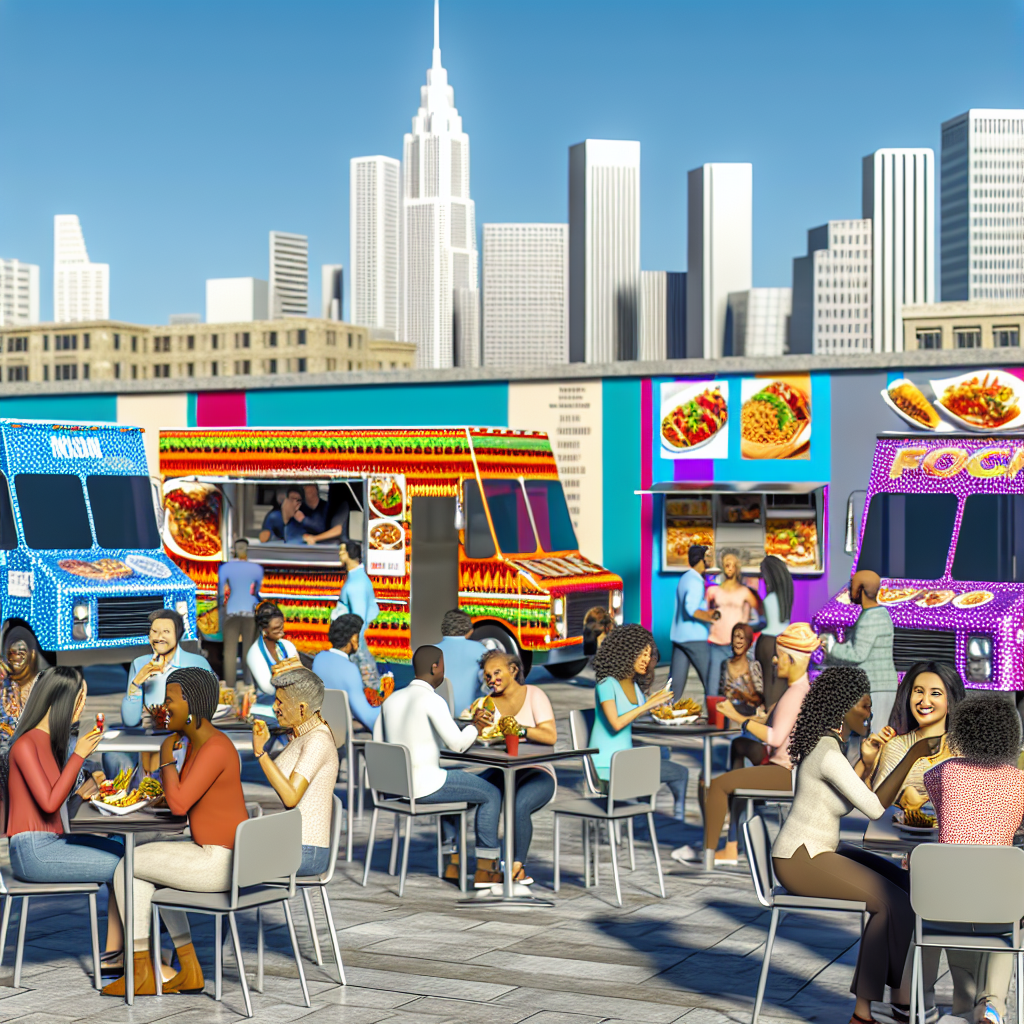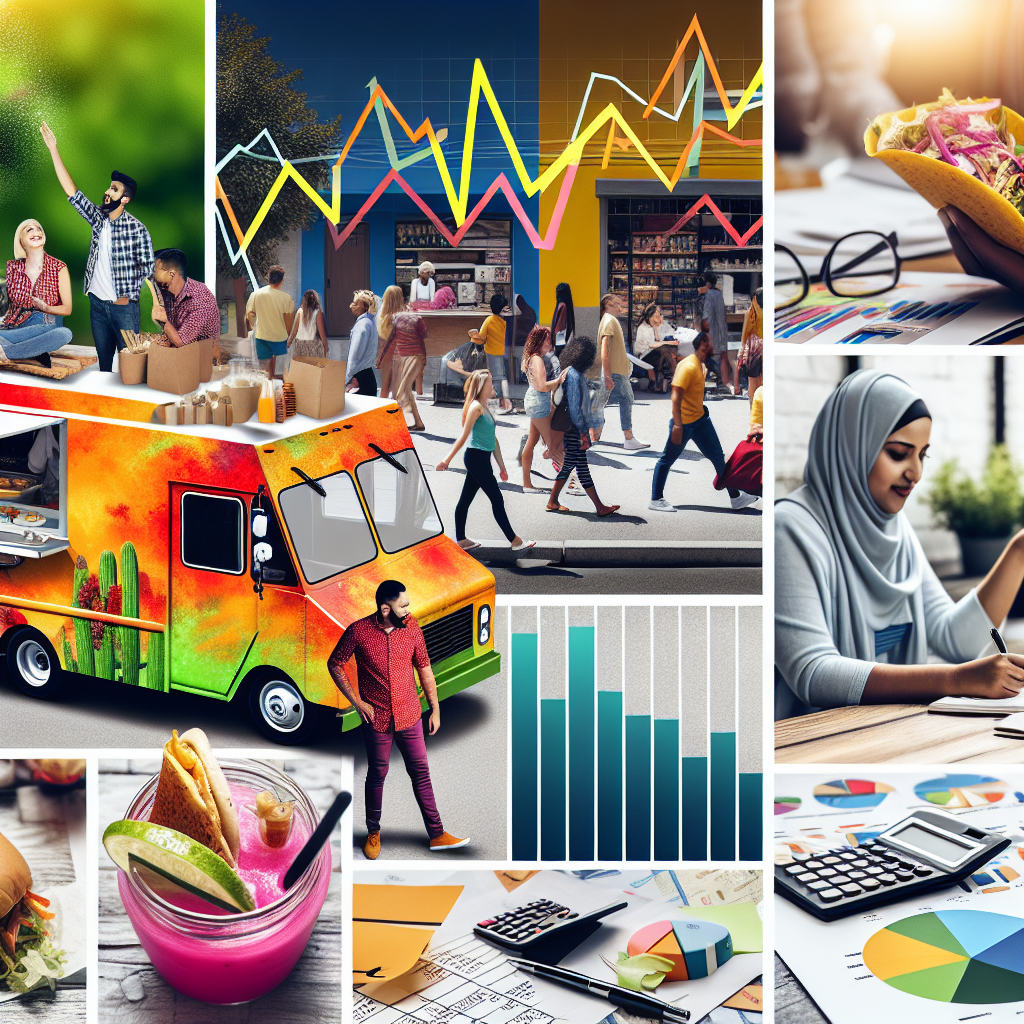
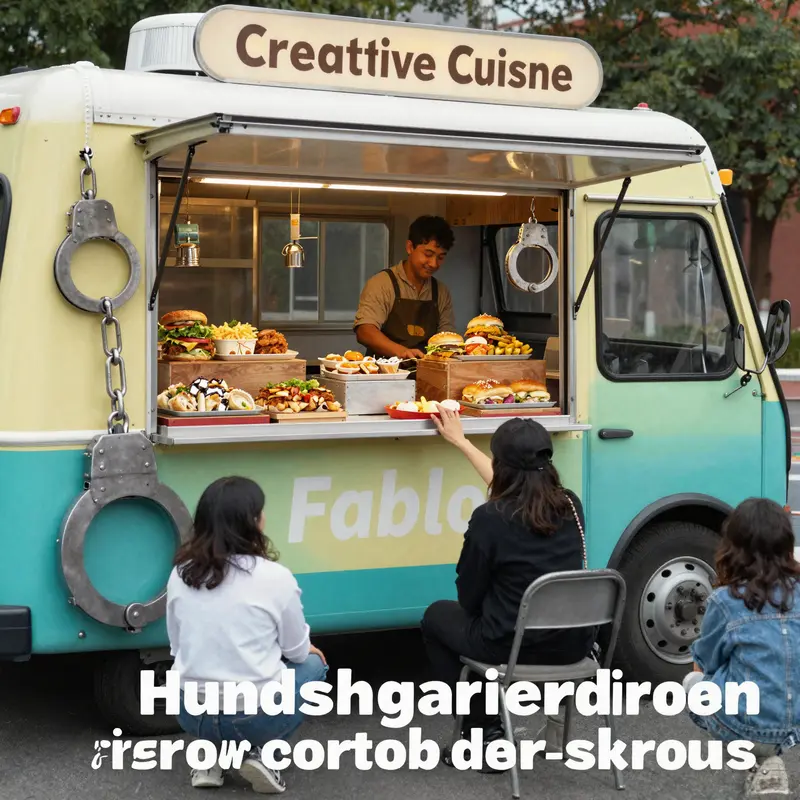
Imagine a food truck that not only serves delicious bites but also captivates with its whimsical, handcuff-themed décor! This blend of creativity and culinary adventure can attract curious food lovers and enhance the atmosphere at events. In this article, we dive into three exciting aspects of this concept: we explore the meaning behind handcuffs as part of food truck theming, discuss the vital safety and legal considerations, and unveil imaginative marketing strategies to set your food truck apart. Get ready to take your mobile culinary venture to new heights with an unforgettable theme that excites and entertains!
Chapter 1: Unsnapping Flavor: The Safe, Thematic Use of Handcuff Motifs in a Fabulous Food Truck
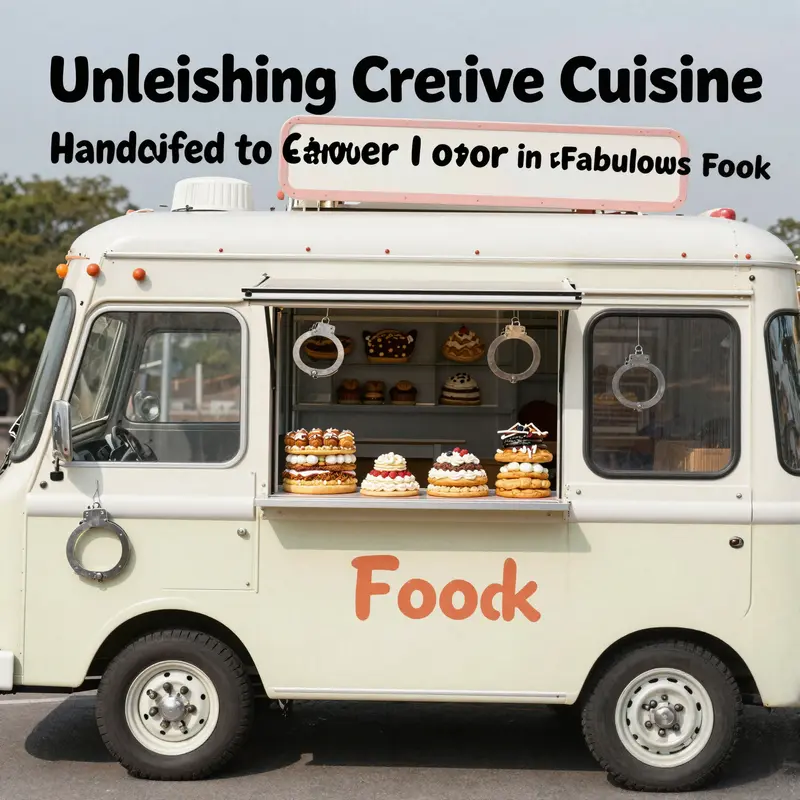
The idea of using handcuffs in a fabulous food truck is a test of imagination rather than a manual of operations. In a world where branding is as important as the meals themselves, the phrase can prompt a useful conversation about how far a theme can go before it becomes a liability. This chapter treats handcuff motifs as a design language rather than a tool for restraint or a mechanism of control. It asks not whether you can use handcuffs in the physical sense, but how a playful, carefully considered motif can unlock a distinct brand personality, elevate the customer experience, and stay firmly within safety and legal boundaries. The starting point is to acknowledge the gap between the literal image of a restraint device and the vivid, appetizing energy of a standout food truck. Handcuffs, in the real world, belong to law enforcement, public safety, and professional settings where their use is governed by policy, training, and strict protocols. Any attempt to translate that instrument into daily food service would risk misinterpretation, raise safety concerns, and invite regulatory scrutiny. Yet there is a rich possibility in reimagining the symbol as an emblem, prop, or decorative motif that signals themes of untying limits, unlocking flavors, and breaking free from culinary sameness. The crucial move is to shift from the literal tool to a metaphor that emphasizes creativity, consent, and safety. This is not about confusing customers with intimidating imagery. It is about storytelling through design, where every choice supports a positive, inclusive, and legally compliant experience.
The most effective way to approach this concept is to anchor the motif in a narrative that aligns with the brand’s core values. A fabulous food truck thrives on personality. It offers anticipation, a sense of surprise, and a distinct point of view that makes people linger for a moment longer, sample more, and share the experience with friends. A handcuff motif, properly framed, can symbolize a playful invitation to unlock new tastes or to break free from monotony. The key is consent and clarity. The design must signal that the motif is decorative, fictional, and purely aspirational. It should not resemble equipment used for restraint in any operational setting or suggest coercive actions toward staff or customers. The theme must be nonthreatening, whimsical, or theatrical, so that people smile rather than feel uneasy. When this boundary is respected, the motif can function as a distinctive branding element that travels with the truck from festival to street corner, enhancing recognition and enabling a more cohesive brand story.
Where does a handcuff motif truly belong in the life of a food truck? It fits best in three interlocking arenas: decor and ambiance, branding and packaging, and customer experience. In décor, the motif becomes a visual shorthand for the concept of unlocking flavor. On walls, a stylized pattern of cuffs can be rendered as elegant line art in a limited color palette that mirrors the truck’s exterior. The aim is to create a scene that feels curated and intentional, not chaotic or intimidating. In packaging and branding, the motif can appear as a recurring emblem on napkins, takeout boxes, and signage. The key is restraint and simplicity; avoid clutter. A single, well-executed cuff outline or a small chain-link motif could accompany a larger graphic that centers on a fearless, flavor-forward menu. The packaging should clearly convey what is being offered and avoid any misinterpretation of danger or coercion. The consistent use of the motif reinforces brand identity without compromising safety or ethics.
The most practical embodiments of the concept are decorative rather than functional. Handcuff-shaped cookie cutters, for instance, can be used to create themed pastry shapes that delight children and adults alike. They offer a tactile, tactilely satisfying moment that ties into the broader theme while staying well away from any hazardous kitchen practices. Likewise, handcuff-inspired décor can be translated into signage, metal wall art, or even light fixtures that evoke the motif without reproducing a real restraint device. The key is to collaborate with designers who understand the health and safety parameters of a mobile kitchen. Any material used in décor and props must be durable, food-safe where it touches guests, and easy to clean. The goal is to create a photogenic environment that invites patrons to interact, take photos, and share their experience, all while feeling secure and respected.
An important consideration is the tone of the messaging around the motif. Branding words should emphasize liberation, exploration, and discovery rather than domination or restriction. Language like unlocking flavor, breaking free from the ordinary, or tasting without boundaries helps align the motif with positive emotions. This framing allows customers to interpret the symbol as a friendly invitation rather than a reminder of a coercive device. It also offers a rich seam for copywriting on menus, murals, and social media captions. The narratives can introduce the concept of a “flavor key” that customers obtain to unlock a special dish or dessert, adding an interactive layer that strengthens engagement without compromising safety. The interplay between visual iconography and verbal storytelling is where the concept truly gains depth and resonance.
Another essential axis is audience sensitivity. Food truck branding often travels across neighborhoods with varied cultures and norms. Designers must consider how the motif might be perceived by families, students, professionals, and event organizers. The imagery should be accessible to a broad audience and should never suggest policing, force, or intimidation. A light, geometric representation of cuffs, rendered in bright, friendly colors, can achieve this balance. The palette matters. Bright primary colors or warm pastel tones paired with a clean, modern sans-serif type can soften the image and make it feel more playful than punitive. Conversely, darker tones with metallic accents could risk evoking a more severe mood, which is rarely the right fit for a food-focused environment. The color theory should support legibility, appetizing appeal, and a cheerful, welcoming vibe that invites curiosity rather than fear. In practice, the truck might use a restrained color scheme with a single cuff motif accent, ensuring the overall aesthetic remains cohesive and appetizing.
From a operations standpoint, the motif must not interfere with safety standards or health regulations. It should not influence how food is handled, stored, or served. In this sense, the motif is a brand storytelling device and not a procedural cue. Food safety comes first; everything that touches food must comply with local health codes and best practices. Decorative elements should be mounted and secured so they cannot fall into food prep areas or obstruct aisles. Lighting should be designed to illuminate the menu clearly without creating glare that could affect a cook’s focus or a customer’s ability to read. In short, the motif should feel integrated into the vehicle’s story rather than embedded into its operation. The separation of narrative elements from procedural realities is essential for maintaining a safe, compliant, and high-quality service.
The customer journey remains the yardstick by which any branding decision is measured. A handcuff motif, when executed with care, can contribute to signature moments that travelers remember. Imagine a midline reveal where a customer opens a menu to find a stylized cuff with a tiny keyhole motif, signaling a special daily dish that unlocks at a specific time. The moment can be amplified by staff using a playful cue, such as presenting a “key” collateral that unlocks a surprise flavor profile or a limited-time dessert. The interaction should be consent-based, voluntary, and clearly framed as part of the dining experience. It should never imply coercion or control. This approach elevates the motif from mere decoration to a narrative device that invites participation, creates anticipation, and fosters community among regulars and newcomers alike. A well-timed reveal can become a shared memory that patrons recount across social networks, thus amplifying word-of-mouth marketing in a natural, authentic way.
The broader industry context also matters. A fabulous food truck that aspires to be memorable does not need to mimic real-world constraints to achieve distinction. Instead, it can borrow symbolic vocabulary from a variety of sources and remix it through the lens of culinary craft, hospitality, and whimsy. The handcuff motif, treated as a symbol of discovery and liberation, can sit alongside other distinctive marks like flame outlines, spice daggers, or steam wisps. The result is a visual alphabet that signals a philosophy: fearless experimentation with flavors, a dedication to craftsmanship, and a refusal to blend in with the crowd. It is the combination of a strong concept, consistent execution, and respectful storytelling that turns a motif into a magnet for attention and repeat visits.
One practical strategy is to pilot the concept in a contained way before scaling it. A small set of props and decor pieces can be introduced at a single event or market stall to gauge reaction. Feedback from customers and staff can inform refinements to graphic treatments, color choices, and messaging. If the response is positive, the motif can be expanded across signage, packaging, and digital touchpoints in a phased approach. This cautious growth helps preserve the integrity of the brand and minimizes the risk of misinterpretation. It also allows the team to measure impact on foot traffic, basket size, and social engagement, providing concrete data to support further investment. In the end, the goal is not to overwhelm the senses but to enhance the experience with a distinctive, cohesive voice that resonates with the audience and elevates the perception of value.
The narrative arc of the handcuff motif should always loop back to flavor. The symbol’s power lies not in its literal meaning but in what it unlocks: curiosity, conversation, and appetite. The kitchen remains the heart of the operation, and the design language must always serve the sensory goal of delicious, memorable food. If the motif ever feels out of step with the plate, it should be revised or removed. A brand is not a museum exhibit; it is a living system that must respond to guests, cooks, and market conditions. The most successful applications are those where the motif disappears into the environment when not needed, only to reappear with a fresh twist when it can surprise and delight once more. In this sense, the motif becomes a flexible instrument, not a cage that confines creativity.
To bring this concept to life with integrity, collaboration is essential. The truck owner, designers, chefs, and event coordinators should share a shared protocol for how the motif is introduced, where it appears, and how it evolves. A brief brand manifesto can outline the intended emotional impact, the visual language, and the do’s and don’ts for staff. The manifesto should emphasize safety, inclusivity, and compliance with local regulations, including health and safety rules. It should also provide examples of do nots, such as using the motif on equipment that touches food or in ways that could mislead customers about the nature of the service. With such guardrails in place, the handcuff motif can remain a creative flourish that reinforces identity without compromising standards.
For readers curious about how to translate a bold branding concept into a fully realized on-vehicle identity, a broader guide to brand graphics and identity on wheels offers practical strategies and case studies. This resource explores how color, typography, and iconography work together to create a cohesive and compelling presence wherever the truck roams. It also provides concrete steps for aligning decor, packaging, and digital touchpoints so that every customer encounter feels like a single, well-told story. The integration of narrative with typography and imagery helps ensure that the motif complements the cuisine rather than competing with it. It is a reminder that a food truck’s strongest feature is not a single emblem but the harmony of taste, service, and atmosphere. When all elements speak in one voice, a bold concept transforms from an idea into an enduring memory that customers carry with them long after they have licked the last crumb from their plate.
As you consider how to approach this motif, keep one guiding question in mind: does the presence of the handcuff-inspired elements clearly contribute to the guest’s experience of the food, or do they risk distracting from it? If the answer is yes, and if every touchpoint—from the logo and signage to the napkins and the photo moments—feels purposeful, the motif has earned its place. If not, it may be wiser to reframe the symbol into a more forgiving icon that still evokes liberation and discovery without raising questions about safety, legality, or comfort. The sensibility you cultivate here will determine the enduring strength of the brand on the move. In the end, a fabulous food truck is a traveling stage where flavor performs best when the design acts as a confident supporting cast, not a lead that steals focus from the dish.
For readers seeking a practical touchstone on how branding on wheels translates into tangible visuals, consider exploring the breadth of guidance available on the topic of vehicle graphics and identity. The proposed approach centers on clarity, consistency, and restraint, ensuring that every element—whether a cuff motif or a minimal accent line—serves the same storytelling purpose. By embracing a measured, respectful, and safety-first mindset, a bold theme can become a signature that travels well, resonates with customers, and endures across markets and seasons. The story of the handcuff motif, when told with care, becomes a parable about freedom: freedom to experiment, freedom to delight the senses, and freedom to define a brand that is both fearless and responsible.
If you are drawn to the idea of a themed food truck and want to see how branding discussions connect to tactile objects and display choices, you can find a deeper dive into how to craft a visual identity on wheels in the branding on wheels guide. This resource offers practical examples of how to translate a concept into a cohesive, planful set of design decisions that work hand in hand with the culinary program. branding on wheels: the ultimate guide to food truck graphics and identity. By studying those approaches, you can begin to map your own path toward a distinctive, memorable presence that respects boundaries while inviting customers to explore and enjoy.
In weighing the potential of any bold motif, remember that the most durable brands are those that tell a story customers want to be part of. A handcuff-inspired theme can be a compelling chapter in that story when it is anchored in care, clarity, and consent. The goal is not to provoke but to provoke curiosity in a positive, appetizing way. With thoughtful design, rigorous safety standards, and a clear narrative that centers flavor, your fabulous food truck can become a roaming celebration of taste, texture, and theater. The motif then serves as a symbol of unlocking opportunities for new experiences, not as a constraint on the diners’ comfort or the crew’s safety. In this spirit, the chapter closes with a careful optimism: that creativity, when disciplined and respectful, can open doors rather than closing them, and that a food truck on the move can be as liberated in its imagination as the customers are liberated by the joy of discovery on their plates.
For readers seeking further guidance on the broader regulatory landscape affecting food trucks and event appearances, one can consult industry-focused resources that address safety, compliance, and operational best practices. The aim is to stay aligned with standards that protect guests and staff while still allowing bold, imaginative branding to flourish. If you need professional perspectives on the ethical use of restraint-related imagery in public-facing settings, you can refer to established safety policies and training resources available through professional associations. While the handcuff motif remains a symbolic element rather than a practical tool, acknowledging these boundaries helps ensure that the brand remains both exciting and responsible. In this way, the fabulous food truck becomes a case study in how to balance daring concepting with the practical realities of a mobile kitchen.
To close this exploration, remember that a strong theme should elevate the culinary experience, not overshadow it. The most memorable brands are those that invite guests to savor every bite and to stay for the story. The handcuff motif, when deployed as a decorative, nonfunctional emblem tied to the idea of unlocking flavor, can contribute to a distinctive, refined identity. It invites curiosity, fosters conversation, and, most importantly, respects the safety and comfort of everyone who steps into the world the truck creates. If you decide to pursue this direction, take a measured, collaborative approach, and measure responses along the way. The result can be a vibrant, responsible, and utterly unforgettable presence on the road.
External resource for professional framing of restraint policies in public safety contexts can be consulted for broader understanding of how such devices are governed in official settings. See the International Association of Chiefs of Police Use of Force Policies for reference and guidance on lawful and ethical practices that underpin responsible restraint use in public safety contexts. https://www.iacp.org
Choreographing Safety and Spectacle: Reimagining Handcuffs as Symbol, Not Restraint, in a Fabulous Food Truck
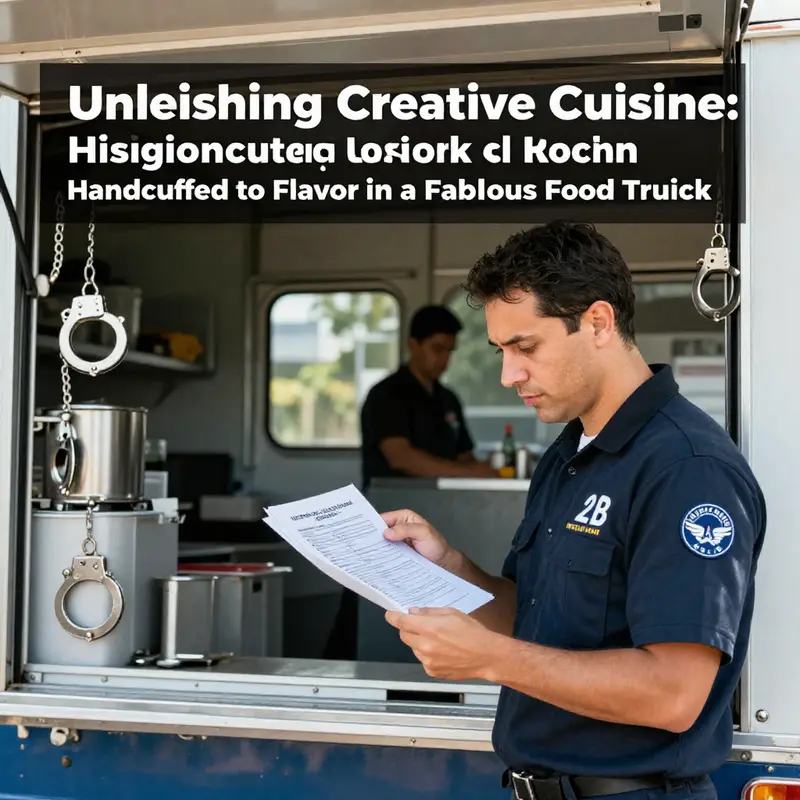
In the world of a fabulous food truck, a theme can travel from mild curiosity to crowd magnet overnight. Bold concepts that tease the edge of convention can draw lines of people to your window, but there is a bright line that cannot be crossed in practice. The phrase how to use handcuffs in fabulous food truck provokes immediate questions about safety, legality, and ethics. The existing research materials stress plainly that there is no legitimate way to employ restraints in a food service environment. The kitchen, the pickup window, the prep table, the line of customers all require a predictable, clean, and safe workflow. Handcuffs or any similar restraint devices belong in controlled settings with trained professionals and appropriate legal authorization. They are not tools for food handling, service operations, or customer interaction. The moment a business tries to deploy restraint devices in everyday operations, it enters a zone of risk that can escalate into liability, injury, or worse. This is not a cautionary aside; it is a foundational boundary that shapes how a fabulous food truck can still push style and storytelling to a new plateau without compromising safety.
Yet safety does not have to dull edge. The chapter that follows treats the idea of restraint as a symbol rather than a tool, a provocative motif reimagined as theater and design, a metaphor for unlocking flavor or preserving something precious in the kitchen, rather than a device used on people. The goal is to translate the energy of a strong, even rebellious persona into a responsible operation that delights guests while obeying the rules that govern food preparation, handling, and public encounter. In this reframe, the fabulous food truck becomes a moving stage where color, sound, scent, and story carry the audience as much as the aroma of sizzling ingredients. The design grammar shifts from literal function to symbolic resonance. A motif that nods to the idea of control and release can be expressed through nonfunctional elements: decorative silhouettes on menus, edible art that hints at the idea of restraint without real-world application, and a naming scheme that invites curiosity without implying danger or threat.
A core principle in this approach is consent and comfort. Even when the subject matter hints at the thrill of risk, the guest experience must remain a safe harbor. The choice to proceed with a handcuff-inspired concept must be accompanied by clear communication, visible safety cues, and a noncoercive environment. Displays should educate rather than intimidate, and staff should be empowered to steer conversations toward hospitality and hospitality only. The final menu, the color palette, the lighting, and the way food is plated can all serve as a stage for the theme without inviting the wrong associations. The aim is to keep the energy high enough to be memorable while ensuring that the operation aligns with health codes, labor standards, and local regulations. This is not a conflict between creativity and safety; it is a partnership where imaginative branding and professional practice reinforce each other.
To translate edge into something edible and entertaining, many operators lean on symbolic, edible, or theatrical devices. The handcuff motif can become a visual shorthand for the idea of “unlocking flavor.” Consider cookie cutters or pastry molds shaped like handcuffs that bake into decorative accents on cookies or pastry shards. They can be used as garnish or part of a dessert platter, provided the items are clearly labeled and served in a way that invites curiosity rather than confusion. But the crucial boundary remains: never use real restraints in the preparation area or within guest-facing service workflows. The visual cue should be a design element, not a procedural tool. The difference is simple yet critical. When guests see a handcuff-shaped pastry or a cuff-inspired sign, they should sense theatre and taste, not fear or risk. This is the power of intent in branding—transcending the literal object to tell a story in a safe, responsible manner.
In practice, safety and legality begin with the layout of the truck and the flow of work. Food safety plans, as any operator knows, require clean separation of raw and cooked products, well-labeled ingredients, and a workflow that minimizes cross-contact. A handcuff-inspired aesthetic might influence the logo, the typographic voice, or the texture of a serving tray, but it should never press into the operational core. The prep counter should remain a well-regulated zone where temperatures, gloves, handwashing, and utensil hygiene are routine. The customer queue should be trained to view the space as a theater of delicious possibility rather than a stage for risky theatrics. And ongoing compliance matters: permits, vendor approvals, and closure protocols should be visible reminders that the business is anchored in responsibility as much as in style. This is where the design meets policy, and the best operators find harmony between the two.
When performers or host staff appear in promotional events, the balance between showmanship and respectful interaction becomes part of the value proposition. A team might stage a short, consensual performance that plays with the “unlocking flavor” concept, but the performance must be voluntary and nonintimidating. The script—if there is one—revolves around the moment of release from dullness into taste, not around the control of people. A guest who chooses to participate should be welcomed with clear, exit-friendly cues. The management should ensure there is no implication that anyone is under duress or undergoing coercion. This approach protects guests and staff, while preserving the thrill that makes a bold brand memorable. The audience responds to competence and care as much as to whimsy, and that is the heart of responsible branding for a mobile kitchen.
This is where the power of good design comes to play. Typography, color, and spatial rhythm can guide visitors through the truck with the same clarity that a well-tuned recipe guides a cook through a dish. A bright, distinctive color story, paired with a clean, legible menu, helps guests understand the experience at a glance. The visual language can evoke the sensation of discovery—the sensation you want when a customer unlocks a new flavor combination or uncovers a hidden garnish. The symbolism of restraint, repurposed as control of chaos, can translate into the idea of control over the cooking environment itself. It can suggest that the operator keeps the kitchen under control so that customers feel secure in the quality of what they are eating. This subtle pivot—an abstract sense of order rather than an actual enforcement tool—preserves safety while amplifying dramatic presence.
In terms of branding, one route is to lean into the idea of discovery rather than danger. A motif of keys, locks, or safe boxes can be used to tell a story about secrets and flavors. The phrase unlocks the flavor can be a core tagline, prompting curiosity and exploration without compromising safety. The menu can introduce a set of signature items under the banner of an overall narrative: the key bites, the unlockable desserts, or the safe-house sauces. Each item can be designed with care to reflect the theme through texture, color, and presentation. In this arrangement, the handcuff is not a tool but a symbol that circulates across the branding assets in a way that invites inspection and conversation. The guest learns the story through tasting, not through confrontation. The sensory experience—aroma, heat, spice, and sweet finish—becomes the real performance.
To deepen the connection with the audience, it helps to weave a consistent thread through all touchpoints: the truck’s silhouette, the window signage, the staff uniforms, and the packaging. The silhouette might adopt a clean outline that hints at a restraint-inspired form without depicting it as a working implement. Signage can display phrases that lean into the “unlock flavor” premise, while the staff uniform accents can echo the motif through stitched details or color blocks. Packaging should emphasize safety, freshness, and care, with clear labeling about ingredients and allergens. When done thoughtfully, the motif contributes a sense of cohesion rather than confusion. The result is a memorable brand that feels daring but principled, theatrical yet practical, and always compliant with the standards that keep customers safe.
Of course, the topic touches on a broader conversation about safety culture and legal boundaries. The best operations treat safety not as a constraint but as an enabler of creativity. They invest in staff training that emphasizes safe handling of food, careful interaction with the public, and proactive risk management. They develop a simple, transparent policy about stage-like elements that might be used for promotional purposes, ensuring every guest can opt in or out of any experience. They maintain ongoing documentation and checks that demonstrate their commitment to health codes and law. They cultivate a culture where questions are welcomed, not dismissed, and where the leadership models careful, proactive behavior. In such environments, the most audacious branding becomes a badge of responsibility rather than a liability.
The broader context for operating a fabulous food truck includes an awareness of the regulatory landscape and a willingness to adapt. A brand that leans into sensation must remain mindful of local ordinances governing mobile food service, noise, crowd flow, and vendor licensing. It must account for the practicalities of daily operations, such as tire wear, fuel costs, and route planning, as well as the ongoing need to maintain a positive public image. Customers remember both taste and trust, and trust is built when a business treats safety as a core value rather than a marketing afterthought. In this sense, the edge becomes a gateway to repeat visits, high-quality cuisine, and community goodwill, rather than a one-time spectacle that fades in a haze of controversy. The incremental improvements—the better sanitizer schedules, the clearer labeling, the more legible signage—accumulate into a brand that can scale beyond a single truck to a fleet that is known for responsible innovation.
For readers seeking one practical touchstone in the middle of this discussion, consider how the content you create around the theme can be repurposed across platforms. A well-designed menu not only communicates what is in the bag; it tells a story about the moment when a customer decides to participate in your experience. A short social video can show a slice of the kitchen choreography, a moment of flavor discovery, or a craft technique that turns ordinary ingredients into something delightful. The elegance of a handcuff motif, reframed as metaphor, can become a strapline that emphasizes freedom rather than force: freedom to taste, freedom to choose, freedom from monotony. The aim is consistency and coherence across lanes of communication, from the truck window to the website to the festival stage, so that every encounter reinforces the same message: creative risk, performed responsibly, can elevate the craft of street food.
In this light, one might map a path for a budding operator who wants to experiment with edge without crossing lines. Start with a clear concept statement that explains why the motif is chosen and how it will be executed safely. Build a design system that uses the motif sparingly, focusing on color, typography, and imagery rather than functional props. Develop a menu architecture that centers flavor and technique, letting the story accompany rather than overshadow the food. Train staff to greet guests with warmth and professional courtesy, and to interpret the brand story with clarity and consent. Document safety protocols and obtain any necessary permits before taking the concept to the street. And always test the concept at a small, controlled event before rolling it onto a busy corner or festival floor. The pace of testing and feedback loops ensures that the idea matures without becoming risky.
Finally, the question of how to integrate external learning into this creative journey is essential. Real-world safety frameworks and professional standards can guide decision-making while keeping the brand alive. For readers who want to explore policy-level perspectives, reference materials from professional associations describe the lawful and ethical use of restraints in contexts where they are appropriate. These resources, while not specific to food service, offer principles that help shape risk assessment, de-escalation, and safe handling practices in any environment. This alignment between policy and practice helps ensure that a bold concept remains responsible and respected.
Internal linking can be a powerful way to deepen the reader’s understanding without interrupting the narrative flow. For branding guidance that supports a strong, cohesive identity while staying within safety boundaries, you might explore the branding on wheels resource, which covers how to craft a visual identity that travels well and communicates clearly on the street. The anchor text should reflect the source, and the link should be integrated naturally into the surrounding discussion so readers can connect theory to application without breaking reading rhythm. For branding guidance that supports a strong, cohesive identity while staying within safety boundaries, see branding on wheels: the ultimate guide to food truck graphics and identity.
As a closing note within this exploratory approach, the mansion of ideas remains open to readers who wish to push boundaries in new directions. The objective is not to normalize any unsafe practice but to inspire creative pragmatism—where risk is acknowledged, control is maintained, and flavor remains the star. The fabulous food truck thrives on bold concepts that surprise and delight, yet it also relies on a foundation of compliance, hygiene, and clear communication. When those elements align, edgy branding can become a signature strength, one that travels from one city block to the next with confidence, integrity, and appetite.
External resource: https://www.iacp.org
Breaking Free with Flavor: A Handcuff-Themed Fabulous Food Truck That Champions Story, Safety, and Street-Style Innovation
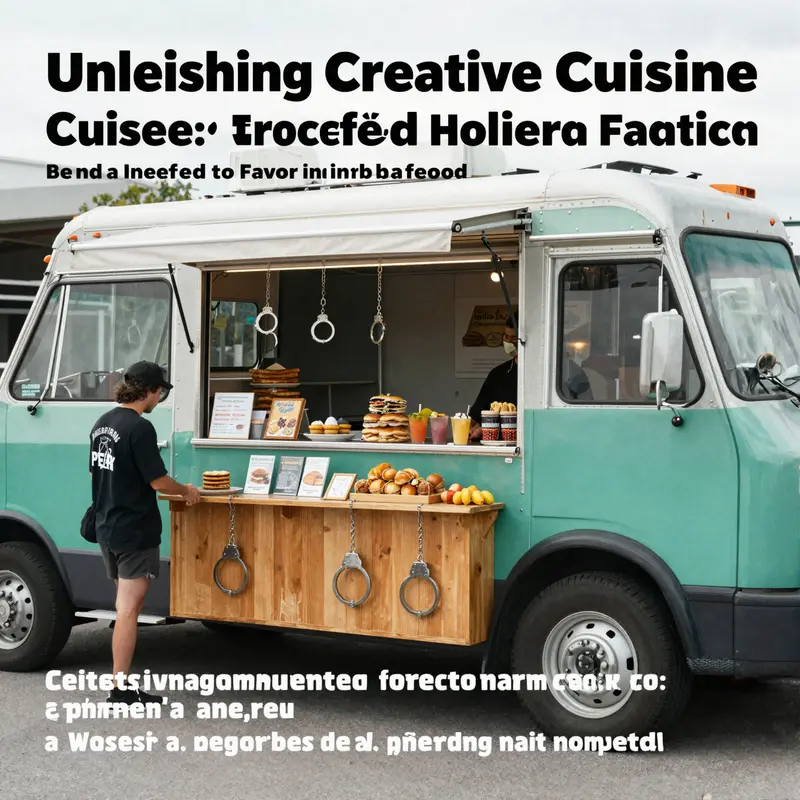
On the street, a food truck is more than a place to grab a bite; it’s a moving stage where aroma, color, and pace converge to tell a story. When a operator leans into a handcuff motif, the aim is not to promote restraint in the kitchen but to spark curiosity, lift a brand from the ordinary, and invite customers into a narrative of liberation through taste. The concept rests on a carefully chosen balance: bold visuals and theatrical prompts that draw crowds, paired with a clear commitment to safety, legality, and respectful storytelling. The result is not a gimmick but a thoughtfully composed experience that blends design, performance, and culinary craft into a single, memorable encounter. This approach aligns with a broader pattern in mobile food branding—where the vehicle itself becomes a canvas and the menu becomes a travelogue—yet it surpasses the generic by weaving a consistent, emotionally engaging thread through every touchpoint. The story begins with the visual identity, grows through interactive moments, and culminates in a menu and packaging that reinforce the overarching theme without compromising hygiene or safety. It is a discipline of restraint and release in perfect balance, where the motif amplifies flavor rather than overshadowing it, and where humor remains inclusive and uplifting rather than provocative for provocation’s sake.
The first impression is visual. The truck wears a sleek black and silver palette, accented by bold red motifs that echo the shape of handcuffs without suggesting danger or aggression. The goal is cinematic—like a scene from a stylish heist film—yet it must stay grounded in the everyday reality of a street food experience. The logo features a stylized handcuff with a bite mark, embodying the paradox at the heart of the concept: constraint, when met with irresistible flavor, becomes a kind of “liberation” for the palate. The slogan, perhaps something like Break Free with Every Bite, or The Only Cuff You’ll Want on Your Wrists, signals a playful, nonviolent mood and invites customers to participate in a larger story rather than simply order a sandwich. A window graphic that uses transparent vinyl can create the illusion of lock and chain while showing the chef at work, turning the inside of the truck into a stage where guests glimpse the craft and care that go into each dish. This visual strategy should be integrated with a broader branding framework, one that includes typography, menu design, and digital presence, all linked to a central narrative about breaking free from the ordinary through extraordinary food. For brands already contemplating this alignment, the spirit can be captured in resources like Branding on Wheels: The Ultimate Guide to Food Truck Graphics and Identity, which offers a practical blueprint for translating bold concepts into cohesive graphics and a compelling brand story. The link between story and identity is not incidental; it is the core of a sustainable, scalable approach to a handcuff-inspired theme that remains tasteful, safe, and commercially sound.
Beyond the visuals, the truck’s environment should invite participation without discomfort or risk. An interactive experience can transform a simple purchase into a moment of personal agency and shared excitement. A small pop-up booth at events can host a playful challenge such as a “Cuff & Release” game: a large inflatable prop shaped like a handcuff that customers try to “break free” from using a key or solving a puzzle. The reward is a free meal or discount, which creates a tangible incentive while keeping the scene light, appropriate, and family-friendly. The social payoff comes from the content generated by participants who capture their attempts and share them with a branded hashtag. A photo booth with props—oversized handcuffs, police hats, and faux badges—paired with a backdrop that jokes about being arrested for deliciousness, invites visitors to create playful memories while keeping the mood celebratory rather than confrontational. These moments become the raw material for social media content that is as entertaining as it is appetizing, reinforcing the core message that flavor is the real escape, and that the brand’s techniques for engaging people are as well-honed as its recipes.
This approach naturally extends to a themed menu and packaging system that anchors the narrative in every bite. The menu can feature items that nod to the concept through imaginative names and presentation while remaining approachable and appetizing. For example, The Bail Bond Burger—an indulgent, multi-layered creation that carries a small symbolic piece, like a “golden ticket” sticker, on the plate or wrap; Jailhouse Fries served in a compact container shaped like a tiny prison cell; and a Wrist-Restrained Wrap, where the wrap is tied with a red ribbon to evoke the idea of capture by flavor but not by law. Packaging should complement the theme without feeling gimmicky. Custom boxes or wrappers shaped like handcuff cases or lockboxes can be used with care, ensuring that the materials are food-safe and easy to dispose of. A QR code on each package can link to a short, tasteful video that explains the “story behind the cuffed meal,” offering a deeper layer of engagement for customers who want to learn more about the brand’s vision rather than just the ingredients. The culinary details deserve attention too. The kitchen setup should prioritize efficiency, hygiene, and safety. Staff training emphasizes food safety protocols, safe handling of utensils and heat sources, and clear separation of raw and cooked products. The handcuff motif remains a decorative lens, not a functional tool. The culinary team should craft recipes that celebrate boldness without resorting to heavy-handed theatrics, ensuring that the flavors speak for themselves and the show stays within the safe bounds of street-food culture.
The concept’s potential for virality is rooted in a narrative engine that invites audiences to become part of the story. A city-wide campaign like The Great Escape can cast the truck as a central character in an evolving mystery. The plot might tell of a fictional flavor thief who has escaped from a “Flavor Jail,” with clues released over time through posters, social media posts, and small, clever cross-promotions with other local vendors. Each clue could direct followers to the truck’s next location or a limited-time menu item, turning ordinary meal pickups into scavenger-hunt experiences. The beauty of this approach lies in its adaptability: the clues can reflect local landmarks, cultural touchstones, or current events, ensuring the campaign resonates with the community while providing continual content for the brand’s channels. The campaign’s success hinges on collaboration: working with local radio stations, neighborhood groups, and influential food creators can amplify the message and keep the narrative alive. The Forbes piece on how to create a viral event marketing campaign illuminates the pathway to scaling such a concept, showing how storytelling, timing, and multi-channel amplification collaborate to generate momentum beyond the truck’s immediate footprint. The emphasis is not simply on a clever stunt but on a coherent story world that invites people to participate and share while they eat. The result is a brand that feels dynamic and alive, not merely decorative.
The social impact dimension of the handcuff theme is essential to its long-term viability. A charity component—Cuff the Cause—can align the brand with meaningful community work while preserving the theme’s playful spirit. For each meal sold, a fixed donation amount could support local organizations working on criminal justice reform, youth rehabilitation, or access to healthy food programs. Signage on the truck would communicate the mission clearly, and social posts could highlight the beneficiaries, telling real stories of transformation. This approach is not about perfunctory corporate social responsibility; it is about weaving purpose into the brand’s identity so it can endure beyond seasonal trends. Collaborations with local artists and nonprofits can host “Freedom Nights” that combine music, art, and food as celebrations of personal growth and community resilience. The aim is to keep the discourse around the theme constructive and inclusive, ensuring that the imagery of cuffs remains a metaphor for liberation and flavor rather than anything else. In this way, the concept becomes a cultural artifact that reflects local energy and shared values, rather than a mere marketing stunt.
Digital and social media strategies should synchronize with the live experience to maximize reach and resonance. Content themes can include behind-the-scenes footage of the truck’s interior life—like the moment the cooks prepare a signature dish, or the moment a customer wins a free meal—that humanize the operation and demonstrate care for safety and quality. Interviews with customers who describe their “taste breakthroughs” can create a playful sense of wonder around flavor discovery. A recurring motif—“prisoners of taste” who rely on the truck for a daily dose of joy—can become recurring, light-hearted personas that support engagement without crossing lines of comfort. Platform strategy should emphasize short, highly visual formats: Instagram Reels, TikTok clips, and YouTube Shorts that capture the speed, precision, and choreography of the kitchen and the street performance that accompanies it. The chosen hashtags—such as Break Free with [Your Truck Name] or Escape the Ordinary—should be easy to adopt and search, enabling community members to contribute content that compounds reach.
The internal branding circle needs to be robust enough to withstand growth and multiple markets. The branding framework should govern not only the truck’s aesthetics but also its sensory language—the sounds of the sizzle, the tempo of the service line, the texture of the packaging, and the cadence of the customer interactions. When customers encounter a handcuff-themed truck, they should feel a sense of invitation, not intimidation. The experience should be clearly legible at a glance: the motif is playful, the staff are friendly, the food is delicious, and safety is non-negotiable. The design language must be consistent from the moment a potential customer first sees a poster or scrolls a social feed to the moment they taste a dish and dispose of the packaging. In short, attention to detail in design, service, and storytelling compounds, not competes with, flavor. It’s the same principle that makes successful food brands sticky: a tightly integrated, emotionally meaningful narrative paired with reliable, high-quality food.
An essential note anchors all these ambitions: safety and legality. The handcuff motif is a storytelling device, not a procedural tool. The kitchen must operate with the highest standards of food safety, and the promotional elements must avoid implying any real-world danger or encouraging unsafe behavior. The team should invest in proper training for food safety, allergen awareness, and sanitation, while the marketing content stays within the realm of fun and creativity. A well-executed, ethically grounded approach will prevent misinterpretation and protect the brand’s reputation as a responsible, community-oriented business. It also helps ensure that the concept remains scalable in diverse neighborhoods and cities, where local regulations and cultural norms vary. The goal is not to shock; it is to delight, tease, and invite. When done well, the handcuff theme can become a recognizable symbol of liberation through flavor—an emblem that signals not danger but opportunity: the chance to break free from the ordinary and discover something memorable.
From an operational perspective, the move from concept to commerce relies on coherence and repeatability. The handcuff motif will guide menu design, packaging, on-site performances, and even the cadence of the service. The kitchen team should craft a versatile menu that accommodates varying street-footfall, from festival weekends to midweek lunch hours, ensuring that the highest-margin items align with the brand’s identity while remaining accessible in terms of taste and price. The truck’s layout should support efficient workflow, with separate zones for hot and cold items, clear food-handling protocols, and a visible display of the brand story that invites curious onlookers to approach. The marketing plan should be built on a calendar that staggers major activations with lower-key, ongoing content, ensuring consistent visibility without saturating the market. Collaboration with other vendors and event organizers can broaden reach while preserving the integrity of the concept. At every step, the aim is to deliver a unified, immersive experience that feels less like a marketing stunt and more like a coherent extension of a culinary world—a place where the thrill of flavor and the delight of storytelling converge.
To connect the dotted lines between bold concept and day-to-day reality, a practical anchor is the recommended approach to branding and identity. For teams looking to translate ambition into a tangible, visually cohesive presence, reference materials like Branding on Wheels: The Ultimate Guide to Food Truck Graphics and Identity provide a tested framework for translating bold concepts into consistent graphics, typography, color systems, and signage. This resource can help ensure that a handcuff-themed truck communicates its narrative with clarity and sophistication rather than just novelty. The alliance between story and design—between the dynamic live experience and the static assets customers encounter online or in print—creates a durable brand that can travel from one neighborhood to another without losing its voice. In a marketplace where attention is a scarce resource, a well-executed, thematically centered experience that respects safety, quality, and community can stand out not merely as an entertainment but as a reliable, beloved culinary option.
For readers seeking a broader lens on how to scale such ideas responsibly, consider the lessons drawn from viral event marketing and storytelling practices highlighted in contemporary business discourse. The underlying principle is that narratives with clear stakes, consistent characters, and tangible rewards tend to perform better than disconnected stunts. A campaign that invites people to participate in a story—solve clues, share moments, and savor meals—can generate organic amplification when the content is genuinely shareable and the experiences are accessible and inclusive. The practical path involves crafting a central narrative with a few well-defined touchpoints: a launch moment, a sequence of community-facing activities, and a sustained, multi-channel content stream. When these elements align with a strong product that people want to eat, the idea transcends novelty and becomes a lasting, scalable branding strategy. For further reading on how to structure such campaigns for maximum reach and resonance, see the broader discussion of viral event marketing and storytelling in leading business publications.
As the concept moves from concept to curbside reality, the key is to preserve the balance between edgy, eye-catching presentation and the warmth of hospitality that makes customers return. The handcuff motif can serve as a gentle bellwether for the brand’s energy: disciplined execution, imaginative flavor, and an active commitment to safety and inclusivity. If the journey is well managed, the truck will not only offer memorable meals; it will also become a neighborhood fixture—a place where people come to taste adventure and experience a narrative that makes them smile, share, and come back for more. In this sense, the “cuff” is not a restriction but a gateway—an emblem that signals a liberated, flavorful moment that customers want to repeat again and again. And when that moment lands in the right way, it travels with the crowd, growing not through loud declarations but through small, repeated, delightful experiences that align with the brand’s promise: flavor that frees the spirit and food that feels like a mini celebration wherever the truck stops.
Internal link reference: Branding on Wheels provides the practical playbook to ensure the visual and narrative elements align with the mission. For readers exploring how identity decisions translate into tangible storefronts, the guide offers a clear pathway to cohesive graphics and branded experiences that work in real-world markets. See the branding resource here: Branding on Wheels: The Ultimate Guide to Food Truck Graphics and Identity.
External resource for broader strategic framing: For insights into how to scale storytelling and event-driven campaigns into viral reach, the Forbes article How to Create a Viral Event Marketing Campaign provides a useful perspective on timing, narrative coherence, and multi-channel engagement that complements the hands-on, street-level tactics described here. https://www.forbes.com/sites/forbestechcouncil/2023/05/12/how-to-create-a-viral-event-marketing-campaign/
The chapter closes with a reminder: this is a chapter about turning a bold, cinematic idea into an enduring, lawful, and delicious reality. A handcuff-themed fabulous food truck should feel like a festival of flavor rather than a spectacle of danger. The theme must be inclusive, respectful, and above all, delicious. When the design, the menu, and the customer experience resonate with a shared sense of mischief and delight—without crossing lines of safety—the concept can become more than a curiosity. It can become a beloved, repeatable, and scalable experience that travels the city with a signature rhythm and a promise: every bite is an escape worth pursuing, every encounter a story worth telling, and every visit a small celebration of freedom—freedom to choose, to savor, and to share the joy of food in a way that makes people feel a little braver about trying something new.
Final thoughts
Integrating a handcuff theme into your food truck offers a playful and captivating twist on traditional street cuisine. By embracing this unique angle, you not only stand out in a competitive landscape but also create memorable experiences for your customers. Remember to keep safety and legal obligations top of mind while you experiment with creative decor and marketing strategies. So, unleash your culinary creativity and let your food truck be the talk of the town!