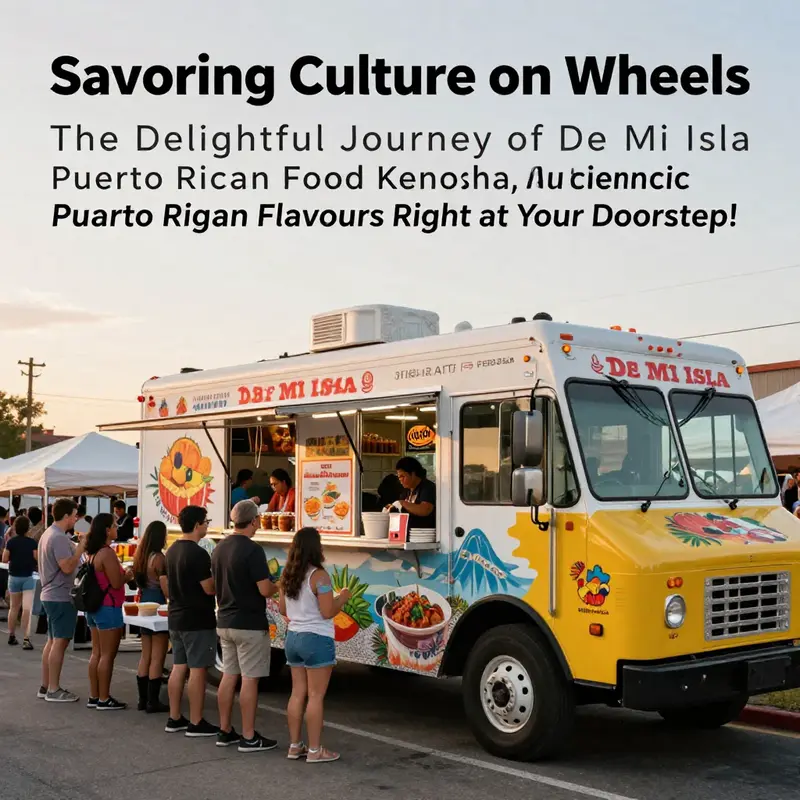
Tucked away in the vibrant heart of Kenosha, ‘De Mi Isla Puerto Rican Food’ truck awaits to transport you straight to the Caribbean with its authentic flavors and culinary delights. This mobile kitchen is not just a food truck; it’s a culinary ambassador of Puerto Rican culture, bringing traditional recipes and fresh ingredients to food enthusiasts and event planners alike. From sizzling frituras to expertly crafted entrees, each dish tells a story of heritage and passion. In the following chapters, we will explore the diverse menu offerings, the daily operations that bring this food truck to life, its cultural significance in the local community, and, importantly, what customers have to say about their gastronomic experiences. Engage with us as we uncover what makes De Mi Isla a staple of Kenosha’s food scene and a must-visit for those in search of delicious Puerto Rican cuisine.
A Taste of Puerto Rico on Kenosha’s Streets: De Mi Isla Puerto Rican Food Truck Experience
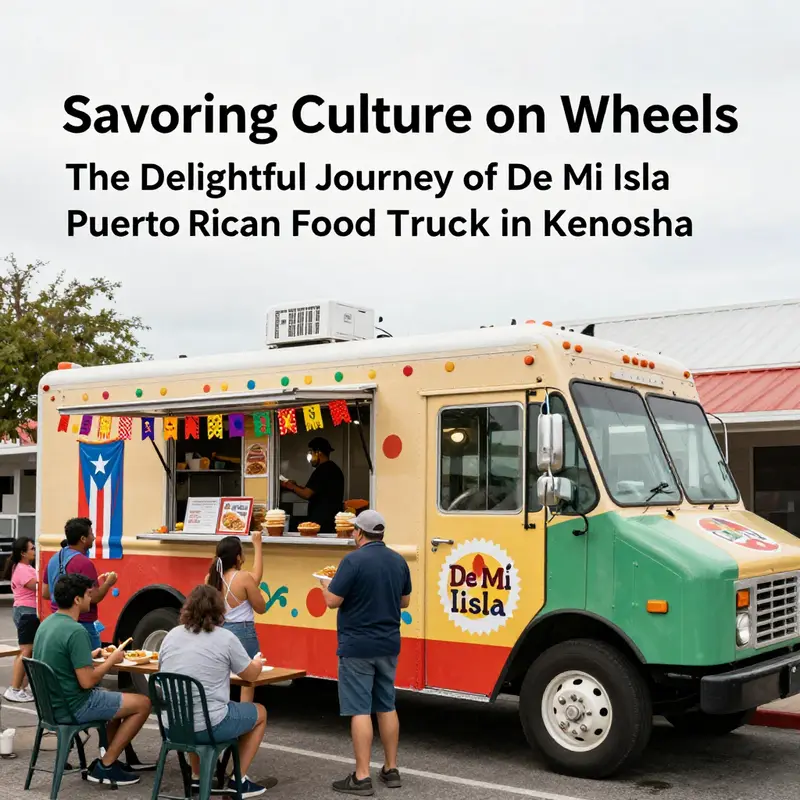
The first time you catch a whiff of De Mi Isla as you stroll along Washington Road in Kenosha, Wisconsin, you know you’re stepping into something distinctly Caribbean without leaving the Midwest. The truck itself is bright and welcoming, its music and sizzling sounds carrying out into the street, becoming a pocket of island life on a busy weekend corner. People pause to trade greetings with the crew, a quick hello accompanied by the clatter of tongs and the steady rhythm of hot oil. It feels almost ceremonial, a ritual of turning a simple lunch into a shared experience of warmth, color, and comfort food that travels with the breeze from the frying pan. The scene is casual, almost a neighborhood memory in the making, inviting a lingering curiosity about what an ordinary lunch can become when it is prepared with the honesty and heart of home cooking. De Mi Isla answers that question with a steady, smiling delivery that makes the wait feel brief and the taste feel earned.
The truck sits in a familiar, almost unassuming spot near Nappa Carwash, yet the arrangement feels intentional rather than accidental. The space around it is practical, designed for movement rather than show, but the effect is authentic. A small canopy keeps the sun at bay, posters advertise the day’s offerings in bold callouts, and a handful of stools and a plastic cooler line the edge of the curb as if inviting you to pause, linger, and let the aromas guide your choice. The preparation happens just beyond the window, where the cooks work with practiced ease, flipping, folding, and layering flavors that reflect a lineage of Puerto Rican cooking. The air is rich with fried notes and savory aromas, promising satisfaction and perhaps nostalgia for island kitchen rituals from afar. It’s a reminder that street food can be both a brisk transaction and a quiet confession, a few dollars exchanged for a plate translating into a memory carried home.
The menu emphasizes fried snacks and heartier plates rooted in Puerto Rican flavors. The fillings are described with language that evokes island kitchens: savory, well-seasoned, and generous. There is a focus on plantain-based preparations, a thread that runs through many Puerto Rican classics. The fried bites arrive crisp and hot, and the main courses—rice, beans, and protein combinations—offer comforting flavors with bold seasoning. Even without listing every dish, the impression is clear: the kitchen respects tradition while embracing the immediacy of a food-truck experience. The texture variety—crackers, soft pastries, and tender centers—contributes to a satisfying meal.
What makes the scene feel rooted is not only the food but the way it speaks to the city. Kenosha’s growing food-truck scene is enriched by De Mi Isla, which invites locals and visitors to share a quick story and discover flavors that honor Puerto Rican roots while remaining approachable. The atmosphere—friendly staff, easy smiles with each plate, and a sense of community—turns a simple lunch stop into a small cultural exchange. It’s about sensing a piece of another place in your own. Families, friends, coworkers, and curious passersby mingle as the truck becomes a colorful anchor in a day that might otherwise feel routine.
From a broader perspective, the truck acts as a bridge between cultures, offering a tangible connection to Puerto Rican traditions for those who may have limited access to Caribbean cuisine. De Mi Isla contributes to the city’s culinary diversity, expanding the palate of a community that thrives on curiosity and shared experience. The truck can be a stop on weekend itineraries, a talking point for neighbors, and a doorway to island flavors without a long journey. It shows that a Midwest city can host a genuine taste of the Caribbean, and that food trucks, rooted in tradition and care, can redefine local dining. They turn sidewalks into stages and ordinary hours into moments of connection.
If you want to explore more about the broader world of mobile food ventures, you can turn to the Los Chifladostruck blog for branding, resilience, and the economics of street dining. For details specific to De Mi Isla, hours, location, and feedback, Yelp pages and business profiles provide current information to help you plan your visit with confidence.
From the Street to the Island: Recreating Puerto Rican Home Cooking on a Kenosha Food Truck
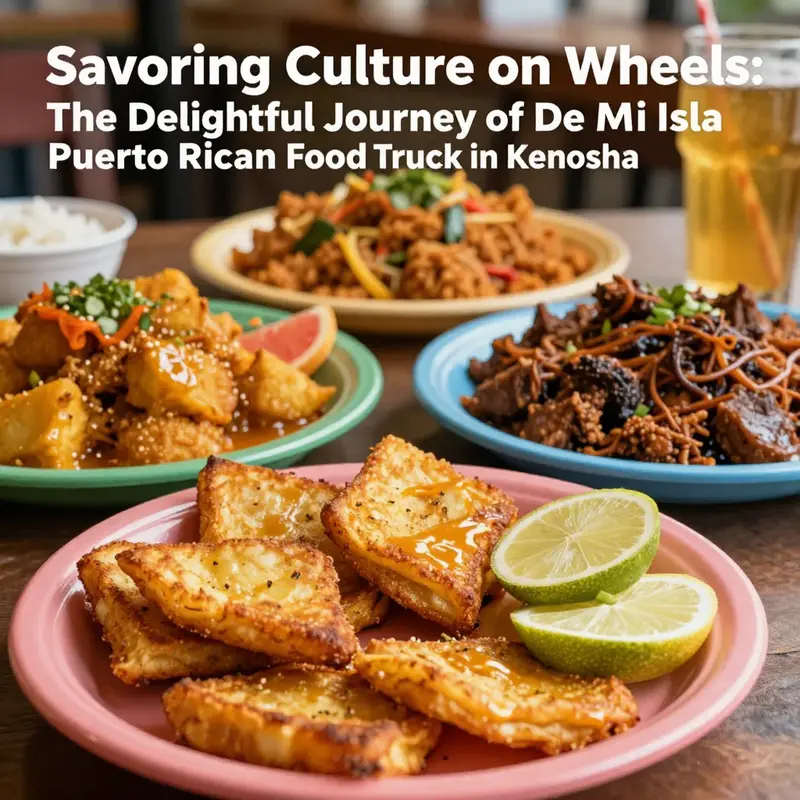
On a quiet stretch of Washington Road in Kenosha, a small, brightly colored kitchen on wheels appears like a beacon for anyone craving a taste of Puerto Rico. De Mi Isla Puerto Rican Food Truck anchors Friday and Saturday afternoons with a steady rhythm: the sizzle of hot oil, the hum of the crowd, and the comforting scent of garlic and citrus that signals a meal built to transport you without leaving the Midwest. This is more than a business; it is a portable kitchen that carries memories, family recipes, and a conversation across distance, turning a busy street corner into a tiny island where the heat of the oil and the warmth of the welcome feel in equal measure. The truck’s home in Kenosha situates it squarely at the intersection of culture and community, a place where residents can chase a derailing workweek with a quick, flavorful stop and where visitors can discover a corridor of flavors unfamiliar to their daily routine yet deeply familiar to the soul of Puerto Rican cooking.
What De Mi Isla offers is a vivid snapshot of Puerto Rican street food that has traveled well beyond its archipelago. The menu, anchored by a vibrant variety of frituras, opens a gateway into a culinary world that many Midwest diners encounter only through family gatherings or local pop-ups. The alcapurrias—those stuffed fritters that cradle seasoned meat within a crisp, tubular shell—offer a first invitation to the island’s texture play: exterior crackle giving way to a tender, seasoned interior. Pastelillos arrive next, their flaky pastry wrapping a savory filling that balances salt, fat, and a whisper of sweetness, a reminder that Puerto Rican sandwiches and snacks often rely on contrast as much as heat. And then there are tostones, the twice-fried plantains whose golden edges invite a gentle crunch, a bright, starchy bite, and a moment to pause and consider how simple plantain can become a vehicle for so much flavor when treated with care and garlic.
Yet the heart of the operation is not merely the fritura lineup but the mofongo that sits like a proud main course at the center of the table in many homes and in the center of De Mi Isla’s offerings. A signature dish in its own right, mofongo here is a careful assembly of mashed green plantains mingled with garlic, a handful of pork cracklings for that unmistakable crackle, and a creamy, rich finish that invites a choice of proteins—chicken, beef, or seafood—each adding its own character to a dish that already speaks of comfort. The execution is more than technique; it is a bridge between generations of cooking. In Puerto Rican homes, mofongo is both a method and a memory, a dish that might begin with a grandmother’s mortar and pestle or a family’s standard set of pantry staples. In Kenosha, the truck translates that memory into a portable meal that travels with the rhythm of the weekend crowd, inviting the eater to share in a tradition while writing a new one for themselves.
The culinary dialogue De Mi Isla crafts goes beyond the specific dishes. It’s a conversation about balance—between bold spices and the clean, bright notes of lime and cilantro; between the intense heat of fried chips and the soothing, hearty bite of mashed plantains; between street food immediacy and a sense of home-cooked care. This balance becomes most apparent in the way the kitchen operates as a living menu on wheels. The frying presents texture in three dimensions: the exterior tan of perfection, the steam that loosens the steam-laden air around a steaming mofongo bowl, and the aroma that lingers long after the last bite. The cooks maneuver the grill and the fryer with practiced ease, a choreography born from hours of tuning flavors to the tastes of a diverse audience. The result is not just a dish but a moment—a shared pause in a bustling street where people from different walks of life converge, exchange smiles, and savor something that feels both new and familiar in the most comforting ways.
What makes the experience especially compelling in Kenosha is the context—the location, the timing, and the cadence of the weekend. The truck sits near the Nappa Carwash parking area, a spot that offers easy in-and-out access for a crowd that often combines errands with a crave-worthy detour. On Fridays and Saturdays, from 11:00 AM onward, the scene unfolds like clockwork: cars drift in, a chorus of conversations rises, and the fryers begin their own steady, sustaining cadence. The routine fosters a sense of reliability in a world where tastes can be inconsistent and where a good lunch can feel like a small act of continuity. Diners know they can count on a certain plate, a certain spice level, a certain crackle, and that sense of hometown hospitality that makes a line feel less like a wait and more like a shared anticipation.
In this setting, the food truck becomes more than a portable kitchen. It becomes a small vessel of diaspora—an ambassador of Puerto Rican home cooking presented with pride and without pretension. The care that goes into selecting ingredients, from the plantains to the herbs and the authentic seasonings, signals a commitment to staying true to a regional palate while adapting to local tastes. Each bite invites a memory of crowded family kitchens and festive gatherings, while the setting invites a new memory to be created in the Midwest: a Friday afternoon where a busy person steps into a world of food that tastes like a party in full swing, a taste of a place that has carried its warmth across oceans and now lands in a Kenosha street corner.
The business side of De Mi Isla is in itself a quiet story of resilience and clarity. The consistent schedule and the fixed but flexible location provide a reliable anchor in a world where food trucks can drift with the wind. The weekend rhythm helps both the cooks and the patrons plan, anticipate, and look forward to a shared ritual—the familiar scent of fried plantains wafting through the air as people browse a menu that respects tradition while inviting exploration. The tasting process becomes almost ceremonial: you consider the crispy edges of tostones, you decide between a mofongo crowned with garlic and pork cracklings or a lighter topping, and you allow yourself the moment to decide whether to pair a savory bite with a refreshing soda or a squeeze of lime that brightens every layer of flavor. The experience, in other words, is a study in deliberate timing—when to bite, when to savor, and how to drink in the aroma that signals the return of a home kitchen to the street.
For those seeking additional context or a window into the public reception of this culinary enterprise, real-time updates and customer reviews are available on the truck’s Yelp page. This digital touchpoint serves as a bridge between the physical space and a wider conversation about what Puerto Rican street food can mean when it finds a home in a Midwest city. The Yelp voice often highlights the consistency and warmth that accompany the food, the way the variety of frituras stands up to the heat of the afternoon, and the way mofongo carries the echo of garlic and pork cracklings long after the plate has vanished. The online conversation complements the sensory, in-person experience by offering a communal memory that extends beyond the day’s visit, inviting others to imagine what it might be like to sit in the shade near a parking lot and share a meal steeped in history, heritage, and a very modern sense of culinary curiosity.
In the end, De Mi Isla Puerto Rican Food Truck in Kenosha demonstrates how food can travel without losing soul. It shows how a mobile kitchen can become a steady home for traditions, how a weekend stop can become a weekly ritual, and how a plate of mofongo or a handful of alcapurrias can unlock stories of the island for people who may never have left the Midwest. The truck does not merely serve food; it curates a memory, a taste of a Caribbean island carried through a Midwest town, and a reminder that food can be a common language, spoken with care, practiced with pride, and shared with the widest possible circle of friends and neighbors. As the weekend draws to a close and the last fry finishes its crackle, the street quiets, but the flavors linger—an invitation to return, to reconnect, and to keep the conversation about Puerto Rican cooking alive in a city far from the sea.
To explore more about how the truck navigates the practical realities of its operation and to see related insights about how food-on-wheels builds resilience and brand presence, you can read about the parking realities and the strategic approach to mobile kitchens in Mastering Food Truck Parking Challenges. Mastering Food Truck Parking Challenges
External resource: https://www.yelp.com/biz/de-mi-isla-puertoricanfood-kenosha
On Wheels, In Kenosha: TheOperational Rhythm and Community Fabric of De Mi Isla Puerto Rican Food Truck
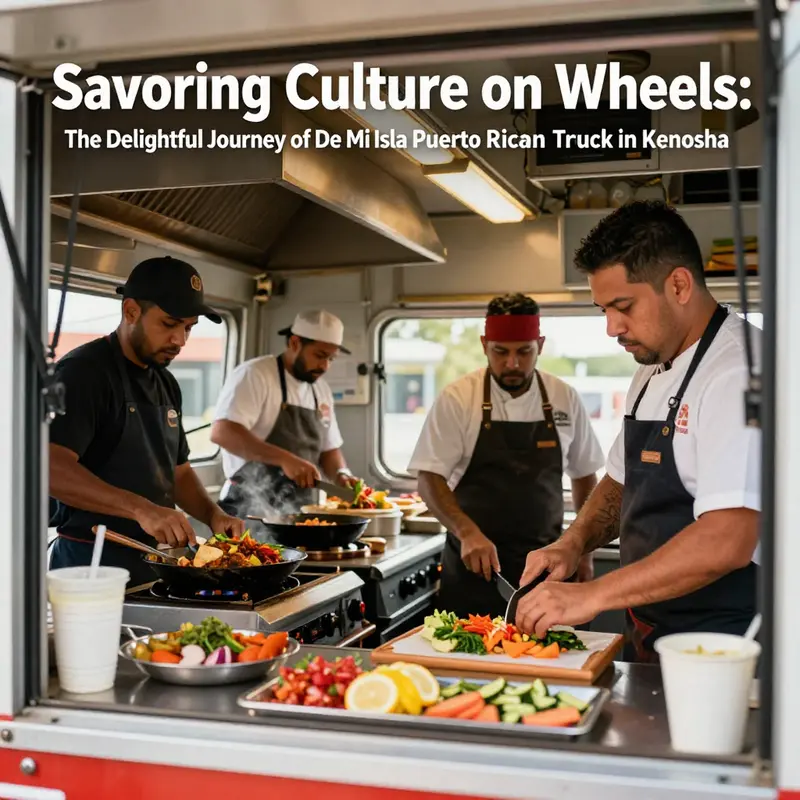
De Mi Isla Puerto Rican Food Truck represents more than a menu on wheels; it is a moving embodiment of a shared cultural map, stitching Puerto Rican flavors into the daily life of Kenosha. The truck travels light but carries a full cultural payload, offering a tangible link to a place many locals may only know through stories, sounds, and family recipes. In a city that intersects lakefront bustle with suburban cadence, the truck operates as a mobile kitchen and a gathering point, a place where strangers become neighbors over steam, sizzling oil, and the scent of island spices. Its purpose is not merely to sell food but to bring a sense of place to spaces that might otherwise feel distant from the Caribbean breeze. This approach shapes every operational decision, from its route and timing to how it engages with customers and the broader Kenosha community.
Operationally, the truck is anchored by a practical footprint at 2918 Washington Rd, Kenosha, Wisconsin, a location that provides visibility and ease of access while coexisting with nearby everyday activity. The physical address is more than a pin on a map; it serves as a reliable point of reference for festival organizers, neighborhood associations, and local patrons who time their visits around events and weekend openings. De Mi Isla’s scheduling rhythm has traditionally aligned with Friday and Saturday windows, opening at 11 in the morning and staying active until 9 in the evening. This cadence mirrors the energy of weekend outdoor markets and late-day gatherings where foot traffic grows as the day folds into dusk. Yet the nature of a food truck means flexibility is built into the business model. Events, pop-up collaborations, and seasonal fairs can nudge or expand those hours, making the operator’s calendar a living document rather than a fixed timetable. In Kenosha, this flexibility translates into a responsive approach to demand, weather, and the city’s own scheduling of cultural events, all of which shape when and where the truck appears.
The menu, described in community notes and customer chatter rather than a solitary printed list, emphasizes authentic Puerto Rican fare and the comfort of fried favorites that have long traveled well. The focus is on dishes that epitomize island comfort and shared meals rather than on novelty alone. The philosophy behind the offerings centers on delivering bold, bright flavors that evoke memories and create new ones for those experiencing Puerto Rican cuisine for the first time. This culinary approach informs operational decisions as well. The kitchen layout and service flow are designed to maximize speed without sacrificing quality, a balance critical for a mobile operation that serves at outdoor events, street corners, and festival grounds. The aim is not just to satisfy hunger but to invite customers into a sensory moment—steam, aroma, sizzling sounds, and the communal joy of tasting and talking.
From a customer experience perspective, the truck has earned positive recognition on social platforms, a voice that complements the in-person warmth of the crew. Yelp has highlighted the flavorful offerings and the vibrant cultural experience that De Mi Isla brings to Kenosha, suggesting that the operation succeeds not only in dish execution but in curating a moment of cultural exchange. Those reviews underscored the social value of such a presence—how a food truck can function as a mobile ambassador, linking people to a place through taste, music, and conversation. For the operator, this feedback loop is a practical guide as much as a validation: it helps refine timing, portioning, and pacing at busy windows, ensuring that service remains smooth and friendly even when lines grow or events scale up.
Communication is a central pillar of the operation. The business relies on proactive outreach through phone, social media, and repeated, bidirectional dialogue with event organizers and venue hosts. The contact number, listed publicly for convenience, is (414) 888-0327, a line that supports reservations, last-minute event appearances, and inquiries about private bookings. Social media channels function as real-time weather vanes for location and availability, enabling potential patrons to anticipate where the truck will be and when. In the world of street food, where location can be the difference between a quiet shift and a full house, the ability to convey immediate updates about location and hours is as valuable as the recipes themselves. This emphasis on transparent communication helps cultivate trust with a diverse audience, from daily commuters curious about a stop on their way home to organizers seeking a reliable partner for a festival or neighborhood celebration.
Payment methods reflect a practical, customer-first approach. The operator commonly accepts both cash and credit/debit cards, aligning with broader consumer habits that favor card payments in unfamiliar settings. However, given the mobile nature of the business and the variability of events, it remains prudent for patrons to confirm current payment practices before arriving. This adaptive stance mirrors the broader operational philosophy: the truck meets people where they are, both geographically and financially, while keeping a close eye on the evolving payments landscape that favors digital transactions in many public spaces.
Community engagement forms a core dimension of the operation. De Mi Isla actively participates in local food truck rallies, cultural events, and community gatherings, weaving the Puerto Rican culinary thread through the fabric of Kenosha’s public life. This engagement goes beyond profit; it strengthens social ties and creates networks with other vendors, volunteers, and civic organizers. The mobile model thrives on this interchange, absorbing the energy of events, exchanging ideas with fellow operators, and learning from experiences across venues and neighborhoods. The result is a business that is not only about serving meals but about contributing to the social and cultural dialogue around food, identity, and place. In this sense, the truck is as much a venue as a vendor, a rotating hub where neighbors meet, dancers perform, and families plan weekend outings around a shared sense of culinary heritage.
The operational philosophy is inseparable from the realities of working in a city like Kenosha, where the environment is shaped by municipal regulations, street logistics, and seasonal demand. While the publicly listed hours provide a baseline, the operator’s day-to-day practice is informed by a broader awareness of licensing, health regulations, and city guidelines that govern street food activity. In this respect, the business benefits from a conscientious approach to compliance, a topic that is well covered in industry guidance. Those who navigate these rules successfully tend to build not only a reliable customer base but the goodwill of city agencies and event planners who value consistency and safety. For readers who want a primer on this regulatory landscape, see Navigating the Food Truck Industry Regulations—a resource that translates the sometimes opaque rules into practical steps for operators seeking to thrive within the city framework.
Beyond compliance, the operational narrative highlights the importance of reliability and community-minded storytelling. The truck’s presence becomes part of a larger schedule that residents and visitors alike plan around. It participates in the ebb and flow of weekend markets, local fairs, and neighborhood celebrations, reinforcing the sense that food is a social practice as much as a meal. In a town with a diverse population and a dynamic calendar of events, the vendor’s ability to adapt—adjusting routes, timing, and appetites—becomes a form of cultural entrepreneurship. It is the kind of adaptive leadership that prioritizes guest experience, sustains relationships with hosts and patrons, and keeps the business viable through changing seasons and economic conditions.
The experience of De Mi Isla in Kenosha is thus a layered narrative: a mobile kitchen that respects its roots while embracing a city’s evolving rhythms; a cultural conduit that translates island flavors into shared community moments; and a business that uses flexibility, communication, and engagement as its operating backbone. The city’s streets, venues, and gatherings become a stage for a rotating cast of encounters—families chasing a weekend treat, workers savoring a lunch break, and neighbors reconnecting over familiar tastes. In this sense, the truck’s operations reflect a broader truth about food culture in a midwestern city: the way a mobile kitchen negotiates space, time, money, and memory is a story not just about food, but about belonging.
For readers and budding operators curious about the practical side of keeping such a venture in motion, the link between daily practice and policy becomes a guiding thread. It is not enough to dream of a vibrant, culturally resonant food truck; one must also attend to schedules, routes, permits, and the art of building relationships with venues and communities. The De Mi Isla experience in Kenosha provides a case study in how culinary heritage can be successfully translated into a mobile enterprise that respects local regulations, values customer feedback, and remains agile in the face of shifting opportunities. The chapter’s arc traces those threads—location, hours, menu philosophy, payment pragmatics, and community involvement—until they converge into a coherent operating heartbeat that makes De Mi Isla more than a food truck: a recurring invitation to a shared taste of Puerto Rico in the heart of Wisconsin.
External resource for context and local reception: https://www.yelp.com/biz/de-mi-isla-puertoricanfood-kenosha
Internal reference for further guidance on regulatory navigation: Navigating the Food Truck Industry Regulations
From Island Hearth to Kenosha Streets: The Cultural Significance of De Mi Isla Puerto Rican Food Truck in the Midwest
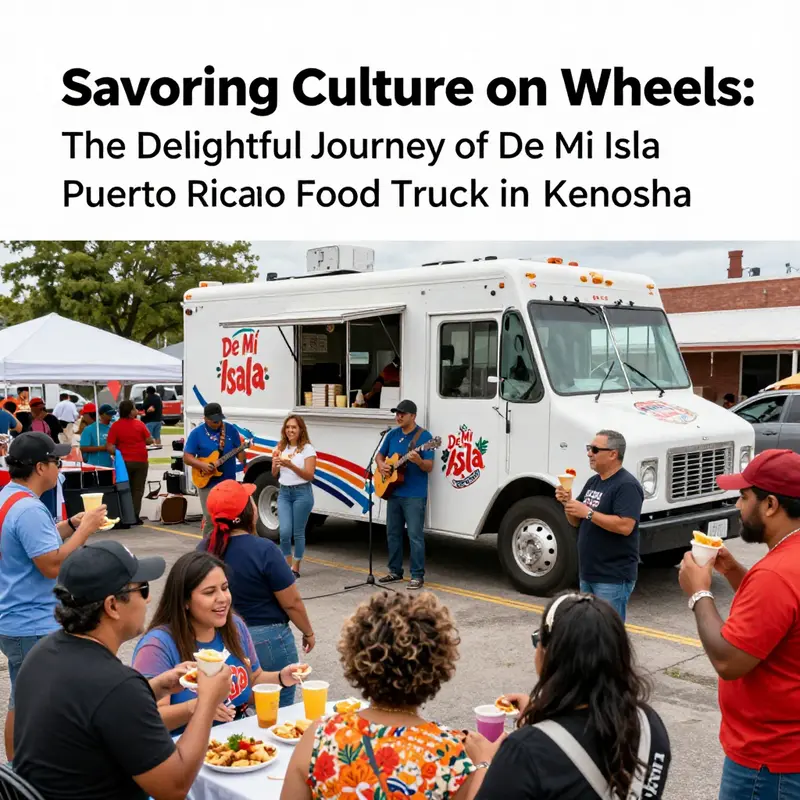
De Mi Isla Puerto Rican Food is more than a stop on a weekend food circuit in Kenosha. It is a moving temple of memory, a bright cart that travels with the rhythms of the island and lands in the heart of the Midwest. Nestled at 2918 Washington Rd, near the hum of local life by Nappa Carwash, the truck operates on Friday and Saturday from late morning into the evening. Those hours are more than a schedule; they mark a doorway through which a Puerto Rican kitchen becomes a shared moment for a cross-section of Wisconsin residents. For the people who live nearby and for travelers who happen upon its steam and scent, the cart offers not only familiar flavors but a sense of home that travels well beyond hills and weather. In this way, De Mi Isla functions as a cultural ambassador, a mobile exhibit of Puerto Rican culinary memory that folds into the larger story of immigrant entrepreneurship in the American heartland.
The significance of a Puerto Rican food truck in a city far from the archipelago hinges on more than taste. It speaks to the ability of communities to redefine space and belonging through food. Immigrant cuisine often travels as both nourishment and narrative. It carries the Taino, Spanish, and African threads that braid into Puerto Rican identity and then folds them into a new local context. In Kenosha, De Mi Isla participates in a broader pattern seen across the United States: street food is a live archive. It preserves techniques and flavors while inviting reinterpretation and dialogue with regional palates. The truck does not stand still; it moves with the city’s tempo, letting the wind carry the scent of sofrito and sizzling meat from street to street, from one curious customer to another. In this sense, the cart becomes a cultural relay, a way for a diaspora to stay connected to its roots while shaping the palate of a distant audience.
What makes the De Mi Isla experience especially resonant is its role as a gathering place, a social hub where flavors become common ground. Food trucks have long operated as social accelerants, bringing together neighbors who might not otherwise cross paths. In a midwestern town with a diverse population, a Puerto Rican menu opens a window onto a new constellation of identities—without demanding a long commitment or a formal invitation. The act of sharing food on the curbside becomes a small but meaningful act of hospitality, a ritual that says: you are welcome here, and your curiosity is valued. The conversations that emerge around the counter, the questions about ingredients, and the stories people share about family meals back home all contribute to a more nuanced, empathetic local culture. In this sense, De Mi Isla functions not merely as a source of sustenance but as a bridge, linking the familiar to the unfamiliar and inviting a careful listening to a culinary voice that might otherwise be quiet in the Midwest.
The culinary core of Puerto Rico—its bold, bright flavors—relies on technique as much as on memory. Sofrito, a foundational sauce built from onions, peppers, herbs, and spices, is more than a flavor base; it is a linguistic like a family recipe that passes from one generation to the next. The very act of brining, frying, roasting, and finishing with a kiss of citrus and garlic speaks to a history of adaptation and resilience. The dishes De Mi Isla likely presents—things akin to mofongo’s plantain richness, the succulence of pernil, and the bright lift of arroz con pollo—carry weight beyond the plate. These dishes, rooted in centuries of cultural exchange, reflect a world where indigenous, colonial, and African influences mingle, producing something that is at once familiar and new to the Midwest palate. Each bite becomes a story of migration, of land separations and new home-making, of families that tasted a world in a kitchen that traveled with them.
The presence of a Puerto Rican cart in Kenosha also speaks to a broader economic and social narrative. The mobile kitchen lowers barriers to access, offering flavorful options that may be more affordable or more convenient than sit-down restaurants. In neighborhoods with shifting demographics, the truck creates a space where people can come together around a shared meal without the pressure of a formal dining scene. For many in the Puerto Rican diaspora in Wisconsin, the cart is a comforting reminder of home—a portable hearth where familiar ingredients and cooking rhythms are kept alive. For others, it is an invitation to explore a cuisine that is often underrepresented in the regional food landscape. In this sense, De Mi Isla participates in a national pattern of street food serving as a laboratory for culinary language, a place where tradition meets improvisation. The result is a dynamic exchange that both preserves heritage and fosters innovation, a culinary dialogue that respects the old while welcoming the new.
Culturally, the cart’s visibility matters. It normalizes Puerto Rican cuisine in spaces where it might otherwise be overlooked and creates opportunities for intergenerational and intercultural exchange. Elders who hear the sizzle and recognize the perfume of garlic and cilantro can share stories about life on the island and the migration journey that brought families to Wisconsin. Younger patrons, perhaps first encountering mofongo or arroz con pollo in a late-night bite, gain access to a sensory introduction to Puerto Rican culture. In this way, the cart becomes a site of education and empathy, where taste is a form of soft diplomacy. When people engage with the food, they often ask questions, learn about cultural practices, and leave with a more layered understanding of what Puerto Rican cuisine represents beyond the plate—the resilience of a people, the ingenuity of a community, and the joy of sharing taste across difference.
The narrative of De Mi Isla also resonates with the idea that food trucks can embody a city’s evolving identity. Just as culinary landscapes in places like Austin have been described as the soul of a city’s food culture, De Mi Isla embodies a similar soul within Kenosha. The cart demonstrates how immigrant food can shape local identity without displacing it. Instead, it enriches the regional menu with textures and memories that might be unfamiliar to some diners, while offering a sense of familiarity to others. In this way, the cart becomes a microcosm of diaspora life—carried forward by skill, memory, and a willingness to share what was once private, now made public in a bustling, open-air kitchen. The result is a culinary story that is neither tourist nor purely insular; it is a living, breathing account of how communities negotiate belonging, flavor, and place.
For readers drawn to the practicalities behind such cultural expressions, the De Mi Isla story is also a study in community-building and branding on wheels. The cart’s presence helps readers consider how food businesses rooted in tradition maintain relevance in a changing market. The way the menu communicates its Puerto Rican ancestry, the visual cues that travel with the cart, and the hospitality extended from the window all contribute to a broader public understanding of heritage. The experience invites reflection on how similar ventures in other cities might adapt while honoring core flavors and family foodways. It is a reminder that food can be a steadfast keeper of memory, even as it evolves to welcome new audiences and tastes.
Among the practicalities that color this cultural picture, there is also a reminder of the social function of land and place. De Mi Isla operates at a modest scale, yet its impact radiates outward through conversations, shared meals, and the sense of inclusion it fosters. The cart’s schedule—Friday and Saturday from late morning through the evening—helps anchor a weekly rhythm for the community. Regular hours create a predictable space for families, workers, students, and curious diners to gather around the aroma of fried plantains, spiced pork, and stewed beans. In such moments, the kitchen ceases to be a private, familial space and becomes a communal one where memory is spoken aloud and tasted in real time. The truck, in its mobility, also aligns with a broader idea of resilience: a small operation can sustain a cultural practice through waves of change, economic pressures, and shifting urban landscapes.
A final reflection returns to the heart of the matter: food as a bridge. De Mi Isla embodies the principle that cuisine is diplomacy, history a flavor, and identity a shared vocabulary spoken with ladles and tongs. The presence of this Puerto Rican cart in Kenosha demonstrates that culture travels well when it travels with care. It invites locals to listen, to taste, and to participate in a conversation about how communities keep their stories alive while weaving them into the fabric of a new home. In doing so, the cart contributes to a more inclusive regional palate, where the boundaries between local and global taste not only coexist but enrich one another. It is a reminder that the Midwest, with its own rich culinary lines, can become a canvas for the flavors of the Caribbean, painted with the warmth of family kitchens and the vitality of street-life exchange.
For those who wish to explore this dialogue further, consider the broader arc of branding and identity that travels on wheels. Branding on Wheels: the Guide to Food Truck Graphics and Identity offers insights into how a cart communicates its origin and its promises through visuals and presentation. The De Mi Isla story, while locally situated, resonates with these ideas about how design, color, and hospitality convey cultural meaning as surely as a menu card or a sizzling pan can. In the end, the cart’s cultural significance in Kenosha rests not only on what is cooked but on the conversations it start, the memories it rekindles, and the sense of home it extends to anyone hungry for a taste of Puerto Rico on a winter afternoon in Wisconsin.
External resource: https://www.tiktok.com/@sortarican/video/1234567890
Between Flavor and Value: Customer Voices from De Mi Isla Puerto Rican Food Truck in Kenosha
On a late spring Friday in Kenosha, the air carries the scent of fried edges and citrus bright notes as De Mi Isla Puerto Rican Food Truck sits along Washington Road, a compact stage of stainless steel and a banner that promises a taste of the island. The truck’s location near Nappa Carwash makes it a stop for quick errands and weekend wanderers alike, a place where appetite and practicality meet in a single, accessible bite. The structure is modest, the seating area intimate–a few stools and a wooden bench that invites a moment of pause before the next mile of a day. Yet the real draw comes from the kitchen, where the owners–people who previously ran a Puerto Rican restaurant–bring not just recipes but a sense of lineage. Their extended hands-on experience translates into cooking that carries both technique and warmth; the kind of cooking that suggests a family meal rather than a casual street-food encounter. This is not a showy, fleeting pop-up. It is a small, deliberate act of culinary hosting, the kind that leaves a memory of something comforting yet lively, familiar yet newly exciting.
The menu, though not expansive, centers on familiar textures and flavors that people associate with Puerto Rican cooking: fried favorites, plantains with their caramelized edges, stews with a tang of brightness, and meats prepared to yield tenderness under the kiss of heat and time. The sense of authenticity does not require grand declarations; it arrives in the careful balance of seasoning, the careful management of sweetness and acid, and the way a dish holds together as a complete mouthful rather than a collection of independent flavors. Patrons who have tasted the food describe the experience in terms that underscore craft: a meat preparation that yields with the first bite, a sauce described as vibrant and well integrated, and a final note that lingers with heat and herbs rather than fading away quickly. The owners’ history in the restaurant scene provides a quiet confidence; this lends a layer of credibility to the expectation that the flavors will stay consistent, even as the city’s tastes shift with seasons and trends. The result, for many, feels real and not merely performative–a sense that the flavors are rooted rather than improvised.
Still, the conversation around De Mi Isla is not a monologue of praise. A substantial thread of reviews highlights a tension that sits at the heart of many street-food experiences: value. Several customers celebrate the quality of the meal while pushing back on the price, feeling that the cost per plate does not fully reflect the portion or the overall experience. The price conversation is not simply about numbers; it is about expectations shaped by the market, the fast cadence of nearby options, and the desire to feel that an indulgence at a truck is both deserved and sustainable. One reviewer acknowledges the excellence of the food but notes that, when budget is a factor, the meal could seem more ambitious in scale or more clearly tied to value. Another describes the same dish as delicious, yet a bit hard to justify financially in a city where competition for a casual lunch is fierce. In these voices there is a pragmatic, almost civic, streak: people want to reward good cooking, but they also want to feel that their money earns a generous portion and a memorable experience. The dichotomy between quality and cost creates a dialogue about what a food-truck meal can and should deliver in a neighborhood setting, where everyday meals must compete with home cooking, takeout from other vendors, and the occasional impulse to splurge on something special.
What emerges from the blend of praise and critique is a richer portrait of the experience rather than a simple verdict on the truck. The quality–the tenderness of meat, the brightness of the sauce, the crispness of fried items–often resonates as a sign of culinary seriousness. In many reviews, the flavors evoke memories of traditional Puerto Rican kitchens, a reminder of the ways in which food can carry stories across miles and years. The owners’ prior restaurant work signals a professional backbone, not merely a hobby; this lends a layer of credibility to the expectation that the flavors will stay consistent, even as the city’s tastes shift with seasons and trends. For some diners, the memory of a satisfying bite becomes enough to justify the expense, a small reward for time spent in a city that takes pride in its street-food scene. For others, value remains the deciding factor, a boundary that can temper even a delicious meal with the awareness of how much a person is willing to spend for a Saturday treat.
The setting amplifies these negotiations between flavor and value. The truck is parked in a place that is accessible yet unassuming, a curbside exchange that makes the dining moment feel like a practical interlude rather than a planned occasion. The limited seating and outdoor ambience encourage a quick, friendly exchange rather than a drawn-out dining experience, a dynamic that suits the rhythm of a weekend cityscape where many people are juggling errands, work, and leisure. The limited space can heighten a sense of immediacy–the bite becomes more about the moment than the meal as a whole–yet it is precisely this immediacy that often makes the memory linger. The weekend hours–11 a.m. to 9 p.m.–offer a predictable window for families, workers, and curious travelers to weave the truck into their plans. The schedule is practical and inviting, a signal that this is a regular part of the community’s weekend routine rather than a fleeting visit from a chef chasing the next trend. Still, the practical reality remains: check for updates, as online listings and reviews frequently serve as the most reliable guide to hours and exact location on any given weekend.
Within this ecosystem of taste, praise, cost concerns, and community, the voices of customers shape a narrative that is more than a cluster of individual opinions. They sketch a dining moment that borders on ritual for some, a casual stop for others, and a test of value for yet more. The fusion of authenticity, professional kitchen roots, and a neighborhood setting creates a recipe for a distinctive but contested experience. For one person, the memory might be a single bite whose texture remained with them long after the plate was cleared; for another, it might be the overall impression of a restaurant-on-wheels that has earned a place on the weekend itinerary, yet leaves a question about whether the price aligns with personal budgeting. And this is precisely what makes the truck a compelling subject for exploration: it is a microcosm of how communities negotiate identity, memory, and commerce through food. The island’s flavors travel miles to reach Kenosha, traveling not only in the taste but in the stories people tell about where those flavors came from, who prepared them, and why the moment matters now.
If you are curious about continuing the conversation or seeking more context around the dynamics of running a food-truck kitchen with a strong cultural thread, a dip into related reflections on food-truck culture can be enlightening. See the Los Chifladostruck blog for broader conversations about the craft, business realities, and resilience of mobile kitchens in a changing economy. The link below anchors the idea that kitchens on wheels can be both artistic spaces and practical enterprises, requiring a thoughtful balance between craft, cost, and community: loschifladostruck.com/blog/. For readers aiming to ground their impressions in public voices, the Yelp page serves as a public snapshot of opinions that have formed around De Mi Isla in Kenosha, capturing the voices that shape the ongoing story of this truck’s presence in the city. See the public discussion at https://www.yelp.com/biz/de-mi-isla-puertoricanfood-kenosha after you’ve absorbed the texture of this narrative and weighed your own appetite against the questions of value, memory, and place that it raises. In the end, the chapter remains a living conversation rather than a closed verdict, inviting future visits, fresh opinions, and new memories as the truck continues its weekend rounds and the city continues to taste the island in its own unique way.
Final thoughts
De Mi Isla Puerto Rican Food Truck is more than just a mobile eatery; it is a cultural beacon for the Kenosha community, offering hearty Puerto Rican dishes that evoke heritage and create connections. From its diverse menu to its engaging atmosphere, it serves as a platform where local residents can celebrate and appreciate Puerto Rican culture every weekend. As you explore the flavors and stories behind each dish, you’ll find that De Mi Isla doesn’t just satisfy your hunger— it nurtures a sense of belonging and shared enjoyment. As the vibrant community of Kenosha continues to embrace this culinary gem, it becomes clear that De Mi Isla is a place where taste and culture come together in every plate.