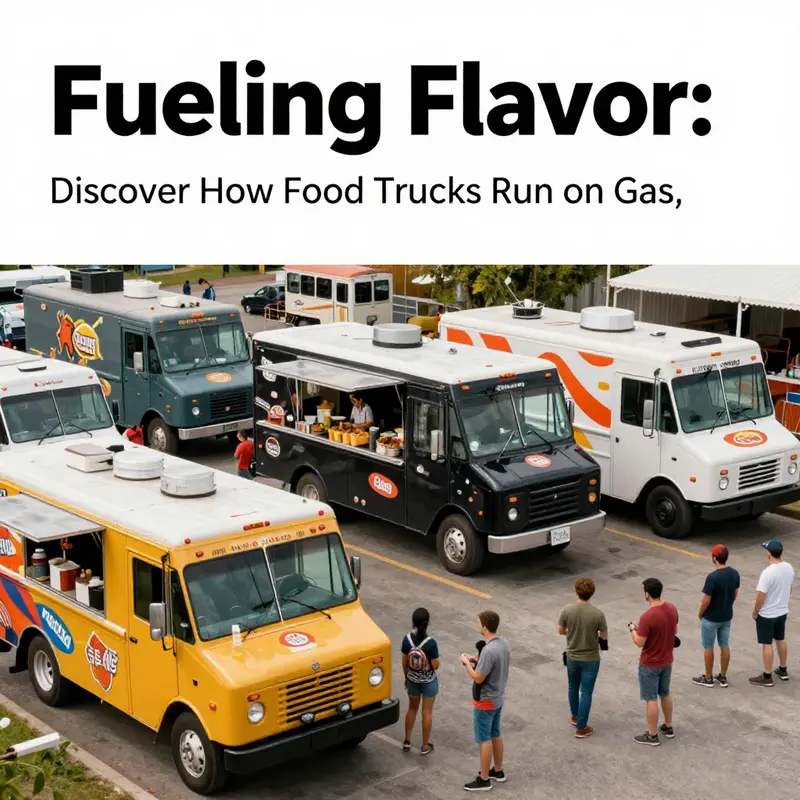
Food trucks are at the forefront of culinary innovation on the go, but have you ever thought about what powers these mobile kitchens? Understanding the types of fuel used—primarily propane and diesel—offers insight into their operations and implications for event planners, HR teams, and food enthusiasts alike. This exploration into gas usage will uncover not only practical applications but economic impacts, environmental considerations, and safety regulations. Each chapter will guide you through the essential aspects of how food trucks run on gas, ensuring you’re well-equipped for your next food adventure.
null
null
Fuel on Wheels: How Gas, Diesel, and Generators Power the Modern Food Truck
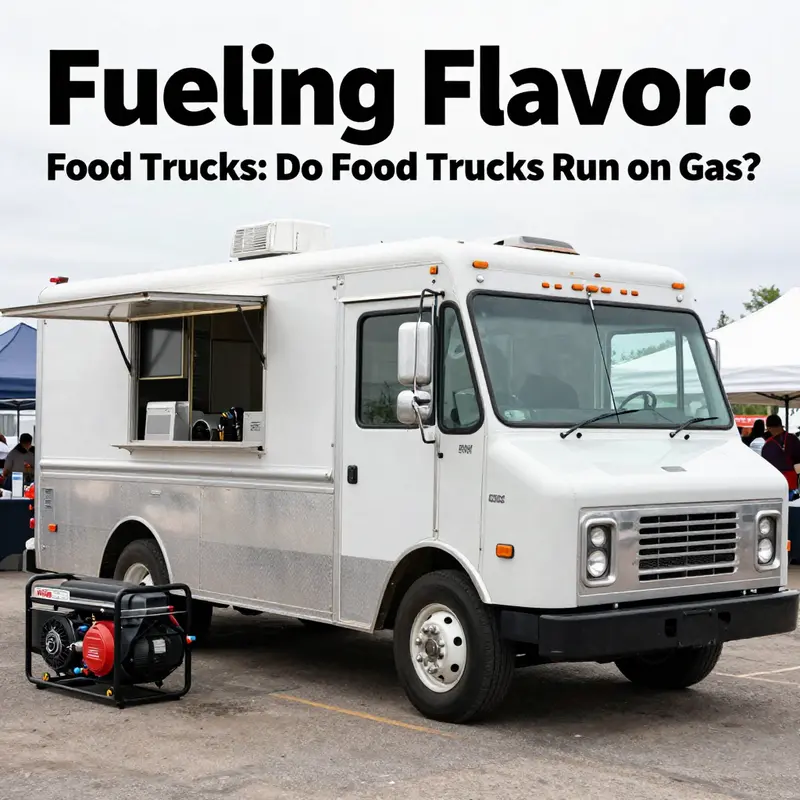
In the mobile kitchen world, the question “do food trucks run on gas?” isn’t a simple yes or no. It’s a question about how energy travels through a vehicle, across its chassis, and into the cooking surface, the refrigeration case, and the lights that draw customers in. The answer rests on a practical mix of fuels, equipment needs, and regulatory comfort. In most fleets, energy comes in three main streams. The truck’s engine or drive system relies on diesel or gasoline. The cooking and cooling appliances often tap propane, the third stream, while electricity is the fourth current that can run through batteries or a generator, sometimes supplementing or replacing direct fuel use. The scene is more nuanced than a single label, and that nuance matters when operators plan layouts, choose gear, and price their menu.
Diesel serves as the backbone for movement and for on-board power where endurance matters. A diesel-powered chassis delivers reliable torque for cruising city streets, long hauls to events, and the heavy load of a fully stocked kitchen on wheels. The same engine that moves the truck can also power an onboard generator, which then supplies electricity for commercial-grade equipment. In this arrangement, the energy produced by the diesel engine becomes a bridge between transport needs and kitchen demands. The generator must be sized with care, because commercial kitchen appliances do not draw a uniform, gentle current. Start-up surges are a real thing; compressors in refrigerators and freezers demand a moment of high current as they spin up, and griddles or fryers may require brief bursts as heat elements come to life. Designers and operators who understand this dynamic will size the power system to handle both the steady, running watts and the peak surge watts. The goal is to avoid tripping breakers, depleting fuel too quickly, or forcing the crew to juggle equipment during a busy service window.
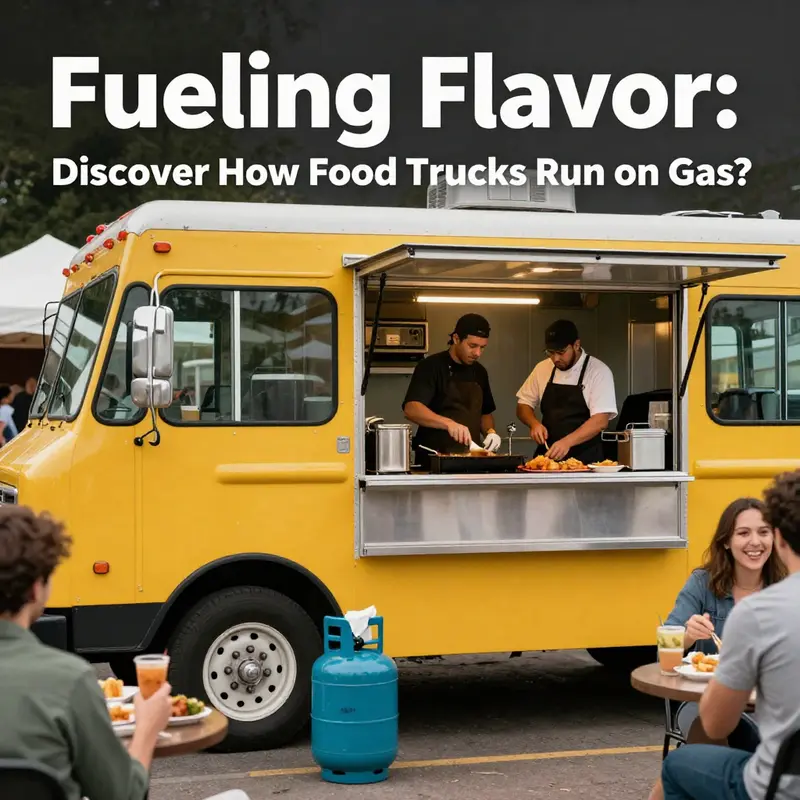
Propane, meanwhile, has carved out a vital niche in the mobile kitchen. LP gas flows to ovens, griddles, fryers, and refrigeration components with a clean burn, good controllability, and a predictable flame. Propane’s portability and safety characteristics make it a natural fit for compact kitchens where a rugged electrical supply may be uncertain or where an ongoing gas supply improves efficiency. Industry insiders note that propane marketers see a substantial growth opportunity in the mobile food sector, a signal of just how deeply propane has become embedded in the daily life of the street cart and the packed trailer. This is not simply about a single appliance; propane powers the heart of the kitchen and the cold chain that keeps products safe. The ability to run a range of appliances on a single, readily available fuel simplifies maintenance schedules and inventory planning. For operators, the result is not only cost savings but a cleaner and steadier cooking climate, with fewer emissions than some other fuels in certain contexts and with the flexibility to work in places where electrical hookups are scarce or unreliable.
The reality of fuel choice in a given truck is rarely a matter of one fuel doing everything. Many operators run the truck with diesel engines for mobility and use propane for cooking. In this setup, the vehicle remains powered by diesel, but the kitchen runs off LP gas, creating a dual-fuel rhythm that aligns with the functional needs of mobility and service. Gasoline is less common as the principal fuel for the powertrain of mobile kitchens, because diesel engines tend to offer greater durability and efficiency for the expected duty cycles of urban routes and long events. When gasoline does appear, it is often in older fleets or in trucks whose primary energy strategy relies more on alternate power sources. Even with this spectrum, the overarching pattern remains clear: fuel choice is less about a single identity and more about an ecosystem that supports reliability, safety, and cost control across the day’s demands.
Cost and practicality shape the decision as much as raw capability. Diesel, propane, and electricity each come with distinct price profiles, maintenance considerations, and refueling logistics. Diesel fuel tends to be abundant in many regions and provides robust fuel efficiency for the vehicle itself. Propane, in contrast, offers an inexpensive, widely available option for kitchen needs and can be stored in readily transportable cylinders or stationary tanks, depending on the truck’s footprint and the local regulations governing mobile food vendors. Electricity, whether drawn from a generator or a direct grid connection at a market or event site, introduces another axis of planning. A generator can be sized to support a typical kitchen load, but it also adds weight, noise, and fuel burn. Operators must weigh the cost of running a generator against the benefits of silent, steady power and the safety comforts of not juggling high-pressure gas cylinders. The balance is not static; as a business grows, fleets reconsider their power architecture, perhaps adding battery storage, more efficient appliances, or alternative fuels to reduce fuel spend and emissions over the course of a season.
Safety and compliance sit alongside capability as core constraints. Propane is safe when managed with respect to storage, venting, leak detection, and proper shutoff valves. The same careful handling applies to any gas system aboard a mobile kitchen. Codes govern how cylinders are stored, how regulators are installed, and how regulators connect to appliances. The mobile environment adds layers of risk, from road vibrations to bumpy surfaces that can loosen fittings, and from hot equipment near fragile containers. Operators work with certified technicians to install and maintain gas lines, verify venting, and ensure that the LPG distribution system never creates a hazard for staff or patrons. Diesel systems introduce their own set of checks: secure fuel lines, clean filters, proper coolant management, and a bounded maintenance schedule to keep the engine and generator reliable through busy service rosters. In both cases, the goal is predictable performance in unpredictable conditions—the noise of a crowded event, the heat of a kitchen, and the pressure to serve quickly without compromising safety.
The practical aspects of fuel management ripple through the daily routines of a food truck. Propane tanks must be refilled or replaced, which creates a rhythm of on-site checks, deliveries, and coordination with suppliers. A kitchen that runs on propane will need to manage cylinder inventories, ventilated storage areas, and a plan for emergencies where a gas supply interruption could pause service. Diesel-powered operations, with their greater endurance, require careful routing for fuel deliveries, especially on long pop-up runs or multi-day gatherings. When a truck’s generator is in play, the operator also becomes a manager of electrical loads. The refrigerator, the freezer, the blender, the lights, and the POS system all share a single energy source at times, and a miscalculation can result in spoiled stock or lagging service. This is where energy planning becomes an art: forecasting peak hours, mapping the electrical draw of each appliance, and coupling it with a practical charging or generator schedule. The result is smoother service, longer battery life for any onboard systems, and a smaller chance of unplanned downtime during a rush.
The question of “gas” in the context of food trucks also invites reflection on the broader ecosystem in which mobile vendors operate. The energy equation is not isolated to the kitchen. It touches the truck’s chassis, its fleet logistics, and the environments where vendors present themselves. For example, markets and festivals increasingly favor vendors who can deliver consistent service with minimal infrastructure, a tendency that rewards propane for cooking and clean diesel for mobility. Additionally, the environmental footprint of different fuels, while nuanced by appliance efficiency and emission controls, remains a live conversation within the industry. Propane, with its clean-burning properties, often aligns with local regulations that aim to reduce greenhouse gas emissions and improve air quality at crowded events. In some jurisdictions, the regulatory framework also incentivizes equipment that operates more efficiently on propane or electricity, nudging operators toward a mixed-fuel approach that emphasizes reliability and compliance.
If a reader is building a mental model of how a typical mobile kitchen operates, the picture narrows to a simple but powerful synthesis: energy, in its many forms, must be managed as a coordinated system. The truck’s propulsion and the kitchen’s heat and light are two halves of the same circle. The engine’s fuel type determines not only how far the vehicle can travel between events but also how reliably the kitchen can stay powered during a busy service window. The kitchen’s fuel choice determines the responsiveness of the cooking process and the stability of the cold chain. A smart operator treats these decisions as part of a single logistics problem: how to keep customers fed, maintain shelf-stable inventory, protect staff from fuel-related hazards, and minimize downtime between shifts. In practice, this requires a thoughtful plan for fueling infrastructure, equipment layout, and contingency strategies for weather, power outages, or supply interruptions.
For operators and aspiring truck owners, the decisive question is not simply “which fuel is best?” but “which energy architecture best serves the menu and the schedule?” A menu heavy on fried foods and high-heat cooking might tilt toward propane for its precise flame control and quick recovery times, while a chef-run concept with a long, steady service may favor the endurance of diesel-powered systems for both movement and power generation. A dessert-focused stand that relies on cold storage alongside a compact oven could justify a hybrid approach that uses propane for heat and diesel for mobility and backup power. Even a purely electric setup is possible under the right conditions, especially in markets with reliable, accessible electrical outlets or where battery technology and high-efficiency appliances can shoulder the peak loads. The point is not to fixate on a single solution but to design an energy ecosystem that matches the business model, the geography, and the flow of events.
The educational and policy backdrop also matters. Industry stakeholders argue that mobile food venues represent a significant market for propane and for the broader energy sector that supports outdoor dining. The commentary highlights how propane marketers view the truck as a strategic sales channel, a telling indicator of the fuel’s central role in modern street commerce. At the same time, the availability of diesel for transport and of electricity for auxiliary power is shaped by infrastructure and regulation. In places where electrical hookups become more common at markets, operators may shift toward more electric-powered kitchen equipment to reduce fuel handling. In other environments, propane remains the workhorse, supported by a robust service network that makes refueling predictable and quick, even in busy urban districts.
For readers who want a deeper dive into the mechanics of power choice and generator sizing—how to calculate total power demand, including running watts and surge watts, and how to account for compressors’ startup spikes—resources exist that unpack these details with practical guidance. A helpful, detailed reference describes reliable solutions for meeting food truck generator power needs, and it underlines the importance of balancing running and surge requirements with the realities of vehicle duty cycles. This is a crucial piece of the puzzle because a miscalculated electrical plan can undermine a kitchen’s ability to operate at full capacity during a rush and can complicate maintenance and downtime planning. The core takeaway is that the energy system in a food truck is most effective when it is understood as a composite of fuel availability, equipment efficiency, and the specific service demands of the operator’s business model.
If there is a roadmap through this energy landscape, it begins with a clear inventory of all loads. List the appliances that require power or heat, estimate their typical and peak usage, and map how often each device operates. From there, trace the fuel supply chain: the distance to the nearest propane supplier, the frequency of cylinder or tank maintenance, the availability of diesel refueling along routes, and the opportunities for on-site electric power. The practical upshot is a plan that minimizes downtime, optimizes fuel use, and keeps the kitchen running cleanly and safely in urban environments as well as at rural festivals. Operators who invest time in this planning tend to see steadier service, better food temperatures, and less stress during peak hours. The broader lesson about fuel choice in mobile kitchens is that success hinges on a symmetrical alignment between the vehicle’s locomotion, the kitchen’s energy needs, and the events’ logistics.
For readers who want to explore one practical doorway into understanding how equipment choices affect vehicle design and power planning, consider the linked discussion on Choosing the right food truck model. This resource offers a grounded look at how different layouts, capacities, and fuel configurations interact with real-world operating demands. The right model can influence the ease of gas line routing, propane tank placement, engine access for maintenance, and the arrangement of electrical and mechanical systems to support a smooth service. It also reinforces the overarching idea that the energy architecture behind a food truck is inseparable from its spatial design and day-to-day workflow. A well-considered model brings together the propulsion choice, the gas system, and the electrical backbone into a coherent operating plan that can scale with a business as it grows.
Finally, for readers seeking a reputable external reference on generator power needs that complements this chapter, the discussion points to a detailed resource on reliable power planning for food trucks. This external guide covers practical ways to size a generator, account for motor startup loads, and balance continuous versus peak energy draws, offering a concrete framework for operators aiming to optimize performance and avoid outages during busy periods.
External resource: https://www.powerbites.com/blog/food-truck-generator-power-needs
Gas on the Move: Propane Power, Price, and the Economic Pulse of the Mobile Kitchen
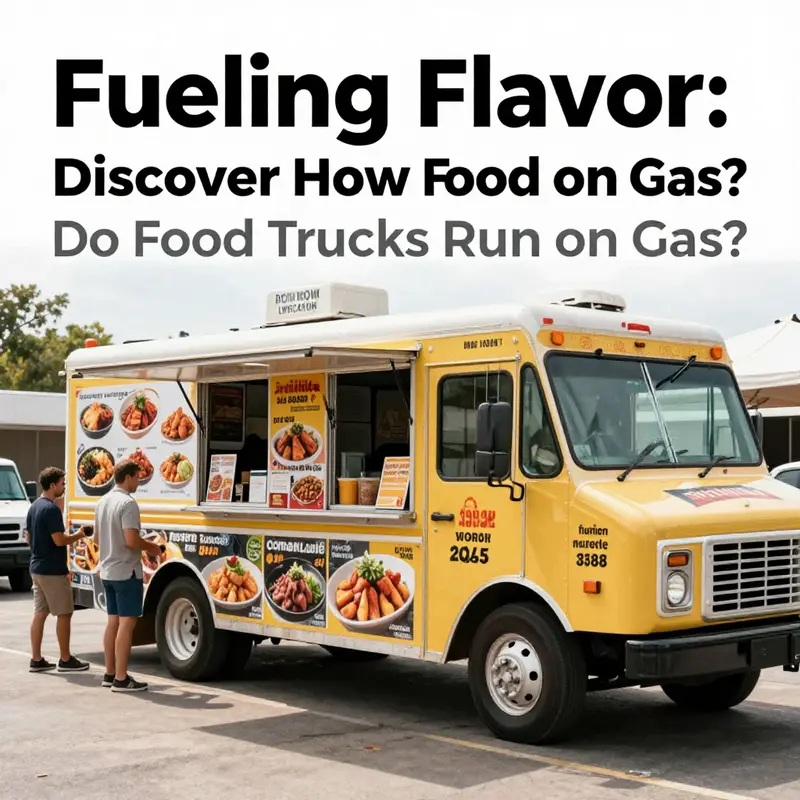
The question do food trucks run on gas? is not a simple yes-or-no. In the real world of the mobile kitchen, gas—primarily propane—sits at the heart of how these businesses cook, chill, and stay productive from dawn to dusk. Propane’s popularity isn’t an accident. It travels with vendors as readily as the sizzle of a griddle. It powers not only ovens, griddles, and fryers but also the refrigeration that keeps perishable ingredients safe between markets. In rural fairs and urban corridors alike, propane’s portability and reliability create a kind of quiet backbone for the trade, a factor that translates directly into dollars and cents for operators who must balance cost, speed, and uptime in every shift. The broader discussion about fuel choices for food trucks often centers on safety, availability, and performance. But the economic calculus—how much a truck spends on fuel, how quickly it recovers costs through productivity, and how reliable the supply chain remains—shapes the day-to-day decisions about what gets cooked, where, and for how long. In this frame, propane’s appeal becomes clearer: it is a fuel that can be managed with lightweight hardware, does not require a dedicated electrical grid, and provides consistent heat control across a wide range of cooking tasks. The case for propane rests on several interlocking advantages that matter most to the bottom line. First, propane typically costs less per unit of usable energy than electricity for cooking, and in many regions its price remains favorable relative to diesel when fuel used is primarily for culinary work rather than propulsion. That price gap can translate into meaningful margins during busy lunch hours or weekend festivals when every minute of service matters. Second, propane heats quickly and evenly, delivering reliable performance that helps cooks hit peak throughput without long preheats or thermal swings. A griddle ready in minutes, a fryer that reaches ideal temperatures fast, and precise oven temperatures all contribute to consistent quality and faster service. For operators, this means higher plates-per-hour and a smoother line, both of which correlate with higher revenue during high-demand windows. This functional efficiency is not just a matter of cooking pace. It also feeds into labor dynamics. When equipment responds predictably, cooks can work with fewer adjustments, fewer disruptions, and less wasted time. In the high-velocity environment of a bustling cart or trailer, those savings compound. A well-tuned propane setup can reduce the need for constant babysitting of equipment malfunctions, allowing more focus on guest experience, menu flexibility, and the ability to pivot to new offerings on a moment’s notice. All of this influences the economics of location and opportunity. The initial investment in propane tanks, regulators, hoses, and cooking appliances may seem daunting at first glance. Yet this upfront cost must be weighed against longer-term fuel savings and the resilience of the supply chain. Propane tanks are transportable and refillable at a wide network of distribution points, which means a truck can move between markets with less dependence on a fixed electrical infrastructure, improving route planning and downtime avoidance. The reliability of propane delivery and refilling infrastructure is a practical asset for operators that are constantly on the go. The portability of the fuel system complements the mobility of the business model. Generators powered by diesel or propane can provide needed electricity for refrigeration and cooking during events where shore power is unavailable. While some operators run diesel generators to secure higher power output for long events or remote locations, propane is often the preferred option for cooking and cooling because of its clean-burning properties and cost stability. This alignment between fuel for power and fuel for cooking reduces the complexity of the energy system on board. It also helps with regulatory clarity, as propane systems are often covered by streamlined installations and safety codes tailored to mobile environments. A practical implication of this is that a food truck running on propane can maintain consistent service levels even when city power grids are strained or tariff structures push up electricity costs. In these moments, propane’s performance translates into dependable service windows, which in turn translates into predictable revenue streams. This practical reliability is bolstered by an infrastructure built around mobile gas supply. The propane distribution network is widely established near markets, venues, and residential hubs. That coverage reduces downtime between events and lowers the risk of an energy outage interrupting a busy shift. Such reliability matters to operators who schedule back-to-back events, often in unfamiliar neighborhoods where alternative fuels may be harder to access. When a truck’s gas system is designed with redundancy and safety in mind, the crew can focus more on food and guest experience and less on energy logistics. The broader economic narrative around gas in food trucks also rests on comparative energy performance. In a field where every dollar saved on fuel can be reallocated to marketing, menu innovation, or staff training, propane’s balance of cost, heat delivery, and reliability becomes a strategic asset. The literature on natural gas vehicles offers a useful parallel: where there is an initial premium to adopt a gas-based power solution, the long-run fuel savings can offset or surpass that premium. A 2021 study analyzing natural gas vehicles found that higher upfront costs could be recouped through substantially lower fuel costs, producing overall profitability that could outpace diesel equivalents over the vehicle’s lifetime. While this study concerns larger vehicles with different duty cycles, the underlying principle resonates with mobile food operations: upfront investment in a gas-based energy system can yield a lower total cost of ownership when fuel expenses and downtime are factored in. Propane’s appeal also hinges on its environmental footprint, which has a broad relevance for operators who seek to balance cost with reputation and local regulations. Propane emits fewer particulates than some other fuels used in cooking equipment and can offer a cleaner burning profile overall. This cleaner burn matters not only for air quality in busy streets and festival grounds but for long-term equipment longevity and maintenance costs. Reduced soot and residue can extend the life of burners, vent hoods, and refrigeration units by limiting buildup and clogs, thereby lowering maintenance frequency and associated labor costs. The environmental argument is not only about emissions. It also intersects with the social and regulatory expectations surrounding street food in many urban centers. Communities increasingly scrutinize noise, smoke, and odor impacts, particularly at night markets and residential-adjacent venues. A propane-based cooking ecosystem that delivers consistent performance with relatively clean emissions can align better with these evolving standards than systems that rely heavily on alternative fuels. Even so, the economics of gas usage do not exist in a vacuum. Market conditions, regulatory frameworks, and regional fuel availability shape outcomes in meaningful ways. Operators must remain vigilant about local safety codes for mobile gas installations, including proper anchoring of tanks, leak detection, and clear evacuation routes in case of emergencies. The Nevada LP-Gas Board and other safety authorities emphasize the importance of compliant, well-maintained equipment in preserving both safety and service continuity. In practice, this means routine inspections, scheduled maintenance, and clear operator training that covers shutoffs, leak checks, and safe refilling procedures. Such diligence—though it adds to operating costs in the short term—helps avert expensive interruptions and protects the business against more serious safety incidents that could jeopardize licensing, location permissions, and future market access. The decision to rely on gas is, therefore, as much about disciplined operations as it is about price per pound of propane or the efficiency of a given appliance. For example, the choice to adopt propane for cooking and cooling often coexists with a cautious approach to energy management. Operators may integrate energy-efficient equipment, optimize fuel use through batch cooking, and implement precise temperature controls to minimize waste. This practical discipline can further improve margins by reducing ingredient loss and ensuring consistent product quality, a combination that supports repeat customers and stable cash flow across seasons. The tally of these factors—fuel cost, heat efficiency, uptime, maintenance, and compliance—frames the economic calculus of gas in food trucks. Gas is not merely a fuel; it is a system that touches planning, staffing, menu strategy, and location scouting. The capacity to refuel quickly, to heat a space efficiently, and to keep perishables at safe temperatures during long service windows is inseparable from revenue potential. In a market where competing concepts cluster around fresh offerings, a kitchen that operates with dependable energy returns a sharper, more scalable business model. For operators seeking a structured way to think about these costs and tradeoffs, practical guidance on budgeting for fuel and equipment is often embedded in broader financial resources for first-time owners. These insights help new entrants understand the balance between upfront capital outlay for gas equipment and the ongoing savings from fuel efficiency and reduced downtime. A convenient starting point for acquiring such guidance can be found in dedicated resources for first-time operators. financial tips for first-time food-truck owners. The conversation around fuel choices is not static. Trends in energy prices, regulatory shifts, and evolving event formats can alter the economics of propane versus alternatives. Yet the structural advantages of propane in the mobile culinary context remain compelling for many operators. The capacity to deploy a reliable, efficient, and relatively clean-burning energy system that travels from park to park and from festival to neighborhood market underscores propane’s central role in the fuel mix for food trucks. It is a model of energy allocation that matches the mobility and demand patterns of the business—where uptime translates to servings, and servings translate to revenue. To understand the larger scale of whether gas is the right choice, consider the external literature on gas in mobile settings. Beyond the immediate cost comparisons, researchers continue to study how natural gas and propane perform under diverse operating conditions and how their environmental profiles compare with other energy forms in real-world use. For readers seeking a broader technical backdrop, a foundational resource on the economic and environmental performance of natural gas in mobile applications provides additional context and nuance. See the following reference for further reading: https://hal.archives-ouvertes.fr/hal-03115976/document. In sum, the economics of gas in food trucks are deeply interconnected with the tempo of service, the reliability of supply, and the long view of a business’s financial health. Propane’s prominence in cooking and cooling, its cost advantages, its heat performance, and its broad distribution network together create a compelling narrative about why many mobile kitchens run on gas. The decision does not operate in isolation from safety, maintenance, or regulatory compliance, but when those elements are managed well, gas becomes less a price tag and more a strategic asset—one that enables cooks to deliver consistent quality, speed, and scale across the many markets they serve. The outcome is a mobile food economy that can adapt to crowded streets and changing regulations without surrendering discipline over fuel costs or service reliability. In that sense, the answer to do food trucks run on gas becomes not just a technical determination but a business strategy: gas, and propane in particular, remains a practical, economical, and resilient pillar for the mobile kitchen economy.
Gas on the Move: Environmental Realities of Propane and Diesel in Food Trucks
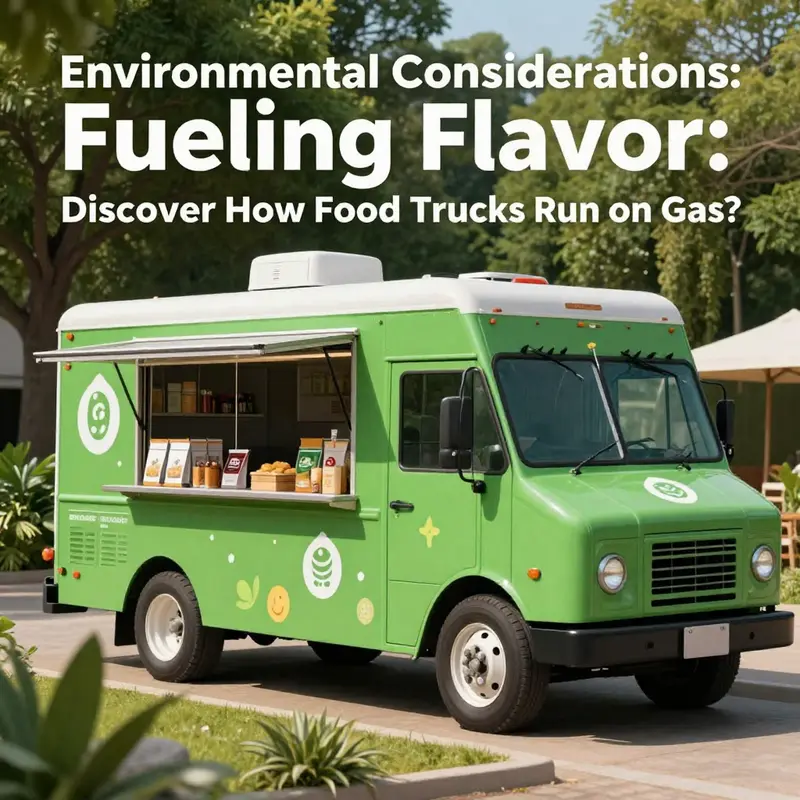
Fuel choices shape every bite a mobile kitchen delivers. The question, do food trucks run on gas, invites a broader look beyond fuel tanks and hoses to the way energy decisions ripple through emissions, safety, economics, and the very culture of the street-food movement. In the world of mobile cooking, gas is not a single solution but a family of options—propane, commonly labeled LP gas for liquefied petroleum gas, and diesel—each with its own profile of heat, reliability, and environmental footprint. Propane has become the dominant gas for cooking and cooling systems on many trucks because it offers clean burning, predictable performance, and a logistics-friendly footprint that fits the fast-paced, space-constrained reality of a roadside kitchen. When a truck is fired up at a festival, the heat from a griddle, the sizzle of a fryer, and the chill of a standing refrigerator all depend on a steady, portable fuel source. The refueling logistics, the storage requirements, and the safety protocols all align in favor of propane for the core cooking and cold-storage functions. This does not erase the role diesel plays, particularly for engines and generators that need higher power output or longer-range operation. Yet propane’s role in the culinary core is hard to overlook, especially as operators seek to balance performance with emissions, cost, and regulatory compliance.
The environmental calculus behind these choices centers on how fuels burn within the compact ecosystem of a food truck. Propane is prized for its cleaner burn, which translates into lower emissions of particulate matter and sulfur compounds compared with many liquid fossil fuels. This is not merely a marketing claim but a practical reality for kitchens that must comply with air-quality rules at events and in jurisdictions that increasingly scrutinize mobile food operations. Clean-burning properties help reduce the visible smoke and odor associated with high-heat cooking, and in urban environments, where fleets must operate amid tighter noise and air-quality constraints, propane’s relatively quiet and steady flame helps operators maintain consistent cooking temperatures without excessive ventilation demand. The same gas that powers the flame on a burner also often fuels the refrigeration and climate control systems, making propane a more integrated energy solution in the tight confines of a mobile setup. By keeping heat output steady and predictable, propane helps chefs avoid temperature swings that can compromise food safety and quality, a critical consideration for any operation that travels from one venue to the next.
From a systems perspective, the storage and delivery of propane on a food truck are part of a larger dance between safety, efficiency, and practicality. Portable cylinders and on-board bulk tanks are designed to be securely mounted and vented, with regulators that tame the pressure into cooking-grade flames and safe refrigeration units. Operators must follow established codes for securing cylinders, detecting leaks, and ensuring proper clearances around ignition sources and electrical equipment. The portability of LP gas cylinders is one of propane’s strengths for mobile businesses: trucks can refuel in numerous places, often with a quick swap for larger tanks when hours demand longer operations. The trade-off is that cylinders and regulators require careful handling and routine inspections to prevent leaks and ensure consistent delivery pressure. The environmental upside—reduced emissions, cleaner combustion—depends on these safety practices being non-negotiable parts of daily operations. The result is a framework in which propane does not merely power a stove; it underwrites the reliability of the entire mobile kitchen experience.
Diesel, by contrast, remains a staple where higher power output and longer run times are essential. Engines and generators on food trucks may rely on diesel to meet peak demand, particularly in off-grid settings or in heavy-use scenarios where the cooking schedule coincides with long travel days and festival lineups. Diesel can deliver robust performance in extreme temperatures and under demanding electrical loads, ensuring refrigeration, freezers, and lighting stay on during long events or multi-day shifts. Yet diesel brings its own environmental considerations. Even with modern engines, diesel combustion tends to produce higher levels of nitrogen oxides and particulates than propane, and whereas propane burns cleanly, diesel combustion yields emissions that require more sophisticated aftertreatment and ventilation strategies on a mobile platform. The choice between propane and diesel is rarely binary; it is a careful balancing act between the daily heat and power needs, the operational footprint, and the evolving regulatory landscape that governs mobile kitchens.
The environmental advantages of propane extend beyond the immediate flame and the kitchen’s climate control. Propane’s clean-burning characteristics contribute to lower emissions per unit of heat compared with other fossil fuels used in similar mobile contexts. In practice, this means fewer particulates and sulfur-related compounds entering the air around busy street corners and festival grounds. For operators, this environmental reality translates into tangible benefits: greater compliance ease with air-quality standards at venues, reduced responsibility for complex permitting in some jurisdictions, and the potential for a quieter, less intrusive operation. The broader impact on urban air quality is not just about the absence of smoke; it’s about a more manageable emissions profile that aligns with increasingly stringent expectations for mobile fleets, especially as communities push toward greener, more sustainable event experiences. Propane’s role in this shift is reinforced by industry observers who see a growing opportunity for propane marketers to reach the mobile food segment with reliable, accessible fuel solutions that support clean cooking and cooling.
That said, the environmental story is not a single-page narrative. While propane offers meaningful emissions advantages for the cooking and cooling core of a food truck, the truck’s total environmental footprint also depends on how power is generated for engines, air conditioning, and other electrical loads. In many setups, a diesel engine or generator may be used to ensure reliability during peak demand or in locations where the energy grid is unreliable. The result is a hybrid-like reality in which operators optimize the mix of fuels to match daily needs while keeping an eye on emissions, operational costs, and the vehicle’s overall carbon footprint. This balancing act has practical implications for equipment selection, vehicle design, and even the resale value of a truck. An operator who plans to keep a truck active for five, seven, or ten years will weigh the long-term costs of fuel, maintenance, and compliance against the upfront investment in propulsion and power systems. In this light, propane’s appeal becomes not just about immediate performance but about sustainable, predictable management of fuel costs and environmental obligations across a vehicle’s life.
The choice to emphasize propane often aligns with the broader strategy of sustainable operations. Propane’s storage and refueling logistics connect well with the pace of mobile events. The energy density of LP gas and its stable supply chains allow kitchens to plan menus, service windows, and refrigeration cycles with less risk of power outages or fuel shortages during busy weekends. From the operator’s perspective, every shift involves a calculation: can the truck meet its heat output and refrigeration needs with propane alone, or is a diesel generator or engine necessary to cover gaps? The answer is case by case, shaped by the vehicle’s design, the equipment installed, and the expected venue mix. In practice, many successful operators find that propane powers the core cooking surfaces and cooling systems efficiently and cleanly, while diesel plays a supporting role for engines and larger electrical loads when required. The end result is a pragmatic, resilient energy strategy that emphasizes reliability, safety, and environmental responsibility without sacrificing the flavor or speed that define the mobile food experience.
To those who are actively shaping the future of a food truck business, the energy decision is as much about planning as it is about chemistry. Site selection, power requirements, and the rig’s footprint all influence fuel strategy. Operators must account for how many hours per day the truck will run, how many events it will attend in a season, and the likely weather and ambient temperatures at those venues. Heat management, cooking loads, and refrigeration needs drive everything from cylinder size to regulator types and safety protocols. A well-designed system ensures propane powers the essential cooking and cooling equipment with steady pressure and predictable flame quality, while a diesel option supplements this core system when necessary. In this sense, the environmental considerations—emissions, safety, and efficiency—are not abstract goals but practical constraints that shape the day-to-day realities of running a street-food business.
For those navigating the energy choice as they plan to purchase or retrofit a truck, the learning curve is real but navigable. The ecological implications of propane as a primary cooking fuel are favorable when compared with gasoline or diesel for the mobile kitchen’s core operations. Yet the broader environmental picture still asks operators to think holistically about their entire power system, including engines, generators, and the energy demands of refrigeration, ventilation, and lighting. As the industry continues to mature, the move toward propane in cooking and cooling systems reflects a broader trend toward cleaner, safer, and more efficient mobile food operations. The momentum is shaped not only by emissions and safety but by the practical realities of everyday service: a reliable flame that heats evenly, a refrigerator that maintains a precise temperature, and a supply chain that can deliver fuel where the truck travels. These factors together create a compelling argument for propane as a central energy pillar for many food-truck operators while leaving room for diesel where it best serves power needs and operational endurance.
For operators weighing how energy choices align with spatial constraints and the overall business model, an important consideration is how energy systems integrate with the truck’s layout and workflow. Space is at a premium on wheels, so the location and size of propane tanks, cylinders, and associated regulators can influence the kitchen’s efficiency and safety. A compact, well-organized fuel system reduces the risk of accidental heat exposure near burners and electrical equipment, making daily routines safer and more predictable. It also frees up precious counter space for prep work, garnishing stations, and customer-facing service windows. When operators think about model selection, vehicle configuration, and energy options in tandem, they set themselves up for a smoother onboarding, a more consistent service pattern, and a cleaner, more efficient operation on the street. That integrated approach—to plan, to fuel, to plate—reflects the growing maturity of the field as it embraces cleaner fuels without compromising the vibrant energy and speed that define food-truck culture. If you’re weighing energy systems alongside space and budget, consider the broader implications for your model and service strategy by exploring resources like Choosing the right food truck model.
The environmental reality of gas on the move is thus a story of balance. Propane offers a practical, cleaner option for the core cooking and cooling demands of mobile kitchens, with storage and safety considerations that operators can master with discipline and planning. Diesel remains a valuable asset for power-intensive scenarios, expanding the truck’s capabilities where propane alone cannot meet the load. Like any industry still finding its footing in evolving environmental expectations, food trucks are learning to optimize their fuel mix to deliver great food, while keeping emissions and safety in check. The result is not a single, fixed path but a spectrum of approaches that reflect the specifics of each business—the menu, the venue, the climate, and the family of equipment that keeps the operation humming. In a landscape where the line between culinary craft and logistics is thin, the energy choices a truck makes are as consequential as the recipes it serves. They shape not only the air around crowded event lots but also the long-term sustainability of the business and its communities.
External resource for further context on propane in the mobile-food ecosystem provides a deeper dive into industry standards, safety practices, and the practical realities of distributing propane to food trucks. See the external resource: https://www.propanecouncil.org/food-truck-industry
Gas on the Move: Safety Standards Guiding Propane in Food Trucks
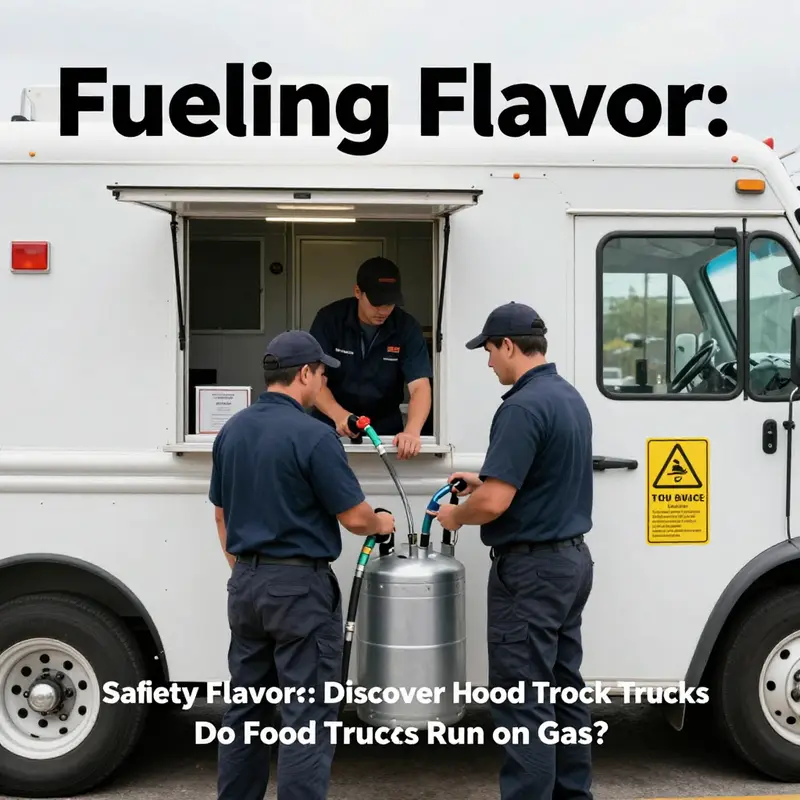
Propane fuels mobile kitchens and power keeps the equipment running as trucks roll from one venue to the next. Between grills, fryers, and under-counter coolers, the LP gas system must deliver reliable heat and cooling while staying safe in a compact, vibrating environment. The appeal of propane is its availability, clean burn, and compatibility with small spaces, but its risks require disciplined safety practices.
In the United States, safety standards for mobile gas systems are driven by NFPA codes. A core reference is NFPA 58 and NFPA 1 in many jurisdictions, with NFPA 1002 providing guidance touching on equipment and responsibilities for operators. The practical impact for operators is a routine of documented maintenance and clear procedures that keep gas lines, regulators, and fittings in good condition.
A cornerstone of safety is the monthly leak detection test. This proactive check helps identify slow leaks before they can accumulate gas in a confined area. In addition, pre use inspections are conducted every time the truck is about to operate to verify that hoses are intact, connections are tight, and regulators are functioning. When issues are found, service is paused and a qualified technician is engaged.
Diesel engines and generators provide higher power for refrigeration and lighting, but propane powers cooking and refrigerated storage in many fleets. The design philosophy favors a simple, well-regulated fuel supply, especially in moving environments where ventilation and occupancy vary and quick response to a problem is essential.
Beyond the hardware, crews are trained to recognize the smell of gas, understand shut off procedures, and report abnormalities. Documentation and record keeping create an auditable trail that inspectors can verify, reinforcing a safe operating culture across the fleet.
For operators seeking official standards, the NFPA Codes and Standards portal is the authoritative resource. Staying current with updates ensures practice keeps pace with evolving safety guidance while enabling the reliability customers expect from a mobile kitchen.
Final thoughts
Understanding how food trucks run on gas, particularly the usage of propane and diesel, illuminates their operational dynamics and broader impacts. From enhancing culinary experiences to navigating environmental concerns and compliance with safety regulations, gas usage in food trucks is multifaceted. This knowledge empowers event planners, HR teams, and food lovers alike to appreciate and engage with the food truck scene responsibly and enthusiastically. As you explore the delicious offerings on your next outing, remember that the fuels that power these culinary treasures play a vital role in shaping the mobile food experience.