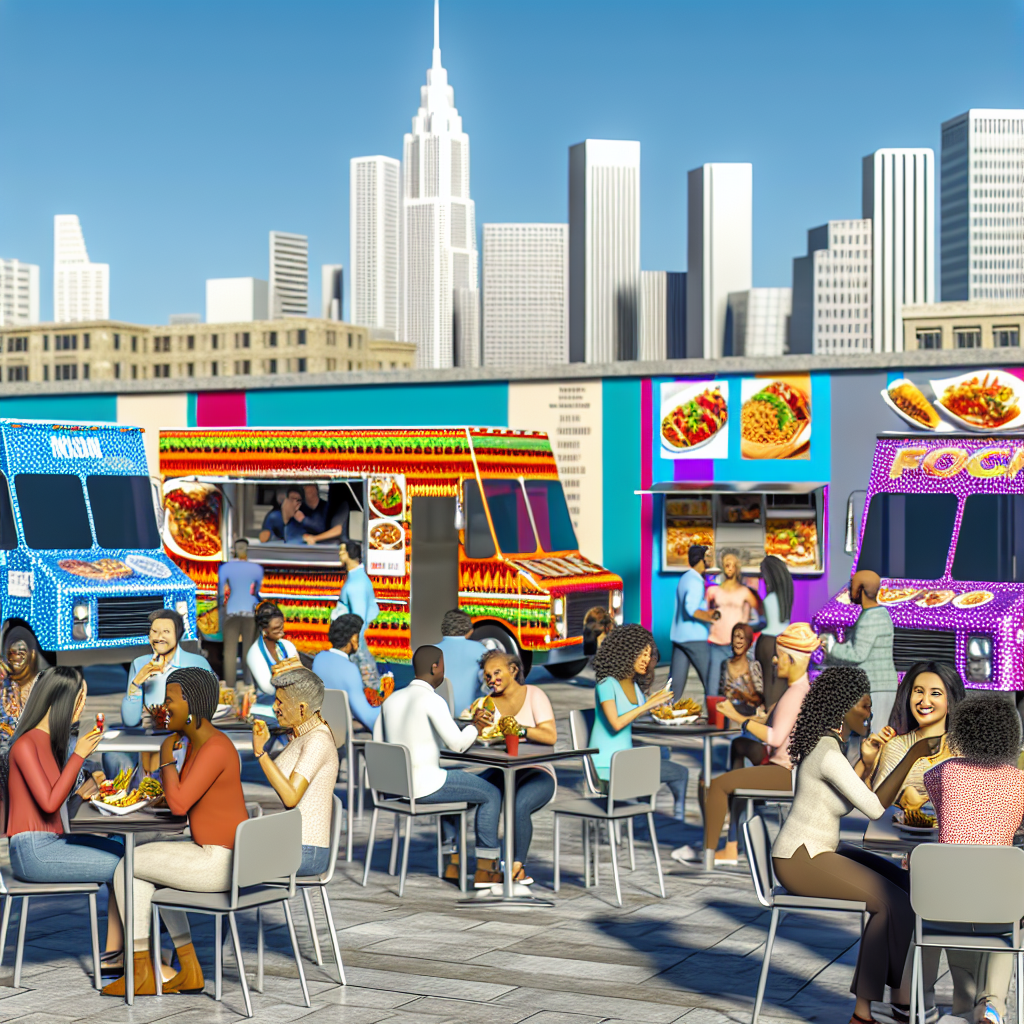
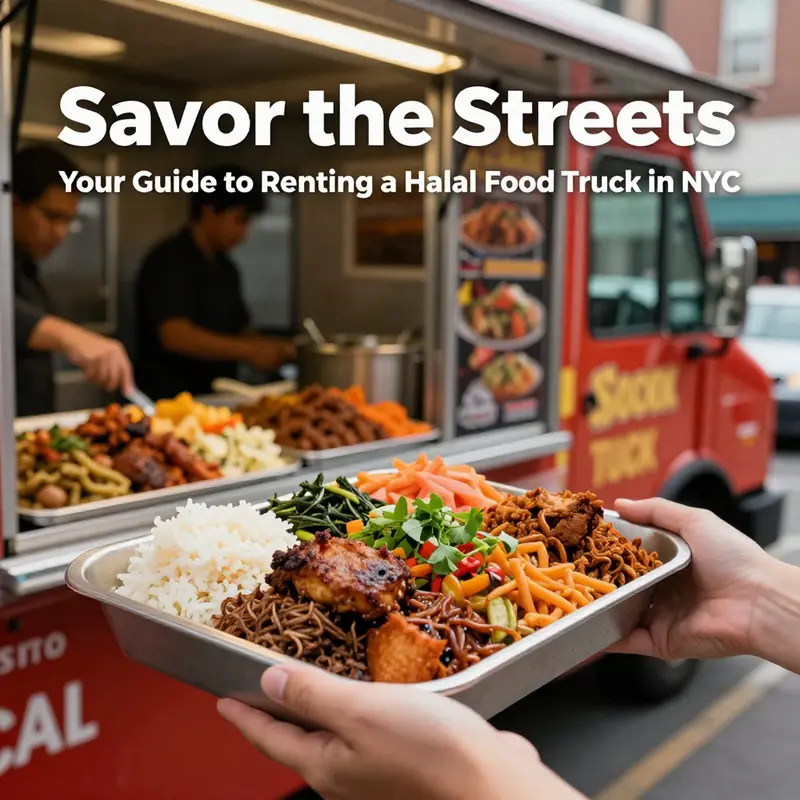
New York City, a vibrant melting pot of cultures, is equally famous for its food scene. If you’re an event planner, corporate organizer, or simply a foodie looking to delight your guests with delectable halal cuisine, renting a halal food truck is an excellent solution. This guide outlines everything you need to know—from understanding the legal requirements necessary for food truck operations to exploring rental options available across the city. In the following chapters, we’ll delve deep into navigating local regulations, finding existing trucks for rent, leasing options, and essential operational considerations to make your halal food truck experience successful and stress-free.
null
null
null
null
null
null
On the Road to Halal in NYC: Mastering Operations for a Mobile Halal Kitchen
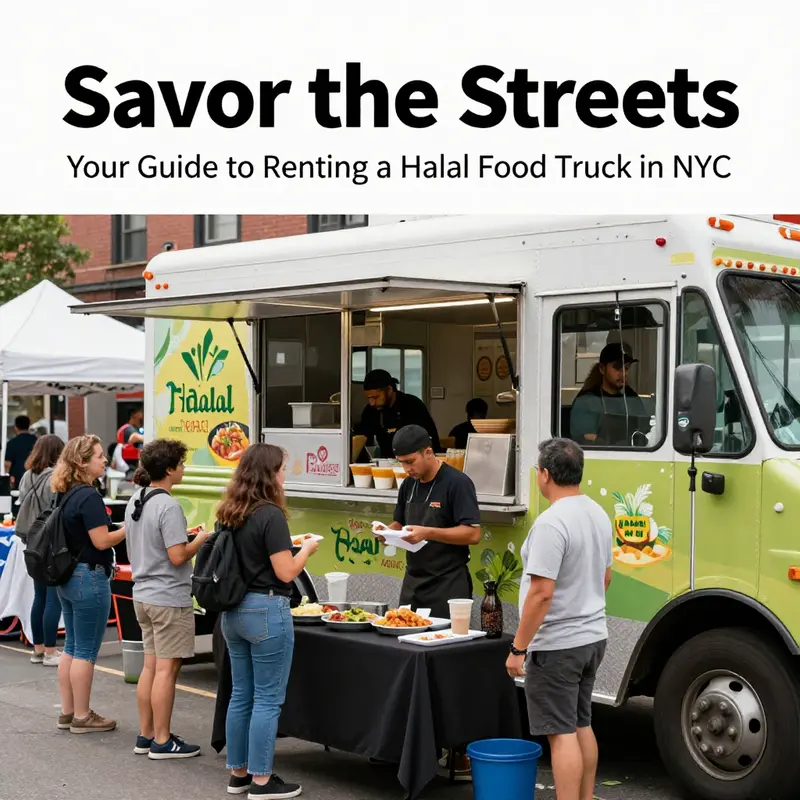
The path to launching a halal food truck in New York City is as much about disciplined operations as it is about mouth-watering recipes. In a city that moves on speed, density, and diversity, a halal food truck must blend culinary integrity with meticulous logistics. The mobility of a truck is an advantage, but it also concentrates risk: the risk of mislabeling, cross-contamination, or permit delays can derail momentum before a pop-up ever finds its rhythm. So, the chapter that follows is not a mere checklist of tasks. It is a narrative of how careful orchestration—between halal stewardship, regulatory compliance, and customer experience—forms a workable, sustainable model for a NYC halal mobile kitchen. The aim is to walk you through the practicalities in a way that keeps the food halal, the processes clean, and the business resilient in a crowded urban landscape.
Regulatory compliance sits at the base of every successful operation. New York City requires a bundle of authorizations for a mobile food operation. The Mobile Food Vendor Permit is central, coupling health inspections with sanitation standards that must be demonstrated before a truck can traverse the city’s streets. This is not a one-and-done hurdle; it is an ongoing relationship with the city’s health department, a rhythm of inspections, record-keeping, and periodic renewals. In practice, securing a permit starts with a clear plan: where the truck will operate, how it will be maintained, and how food safety will be demonstrated on a daily basis. The paperwork can feel dense, yet it is precisely this structure that protects both the consumer and the operator, ensuring that halal practices are not compromised by the pressures of a busy service window. Alongside the health permit, vendors must contend with zoning rules that limit where a truck can park and operate. In NYC, this often means aligning with designated vendor zones or event locations. The working reality is that a well-reviewed concept can be thwarted by a single parking restriction, a quiet afternoon, or a permit that arrives late. For this reason, the planning phase should allocate ample time for regulatory navigation, rather than treating permits as a formality. A practical approach is to map out a regulatory calendar early, cross-checking DOHMH requirements with the city’s zoning and consumer affairs guidelines. The integration of these elements is not merely compliance theater; it shapes the way the business schedules prep, service hours, and event partnerships.
Beyond permits, halal certification and food integrity underpin trust with customers who seek assurance that the meat and ingredients meet Islamic requirements. While NYC law does not mandate halal certification, many operators pursue it to differentiate themselves and to reassure diners who are conscious of sourcing and preparation practices. Certification from a recognized authority signals a commitment to both sourcing and handling according to Islamic principles. It is not a silver bullet, but it does strengthen credibility and can influence purchasing decisions, particularly in neighborhoods with dense Muslim communities or in venues that emphasize ethical sourcing. The practical implication is that the entire supply chain—from halal-certified meat and spices to the separation of halal and non-halal items in storage and prep areas—must be traceable and auditable. Cross-contamination is the operative word here. Distinct cutting boards, color-coded utensils, and clearly labeled storage bins are not merely good hygiene habits; they are essential safeguards that keep halalan toyyiban intact even as the truck moves from one neighborhood to another. An operator who treats halal compliance as a static checkbox will inevitably underperform. Instead, treat it as a daily discipline that informs supplier selection, staff training, and kitchen layout decisions. In that regard, halal certification becomes more than a badge; it becomes a framework guiding every operational choice, from supplier contracts to the way sauces and marinades are prepared and stored.
The heart of daily operations lies in kitchen design and equipment. A halal mobile kitchen must maximize space while preserving strict food safety and halal integrity. This means deliberate, space-efficient layouts with separate zones for halal and non-halal foods, each with dedicated cutting boards, knives, and utensils. It also means reliable cold-chain management: robust refrigeration, temperature monitoring, and clear procedures for handling raw meats, cooked dishes, and ready-to-eat items. The challenge is not just keeping food cold; it is maintaining a clear, auditable trail that demonstrates proper storage temperatures, clean surfaces, and separation of products throughout. In practice, that translates into practical choices about equipment: compact multi-fuel burners or induction units that heat consistently, a reliable refrigeration module rated for mobile use, and a grease management system that is easy to access and clean. The goal is simple: a kitchen module where halal integrity does not depend on memory, improvisation, or heroic last-minute scrambles. Smart layouts reduce the risk of cross-contamination during peak service and flash-frozen deliveries, and they also improve the speed and quality with which meals leave the window.
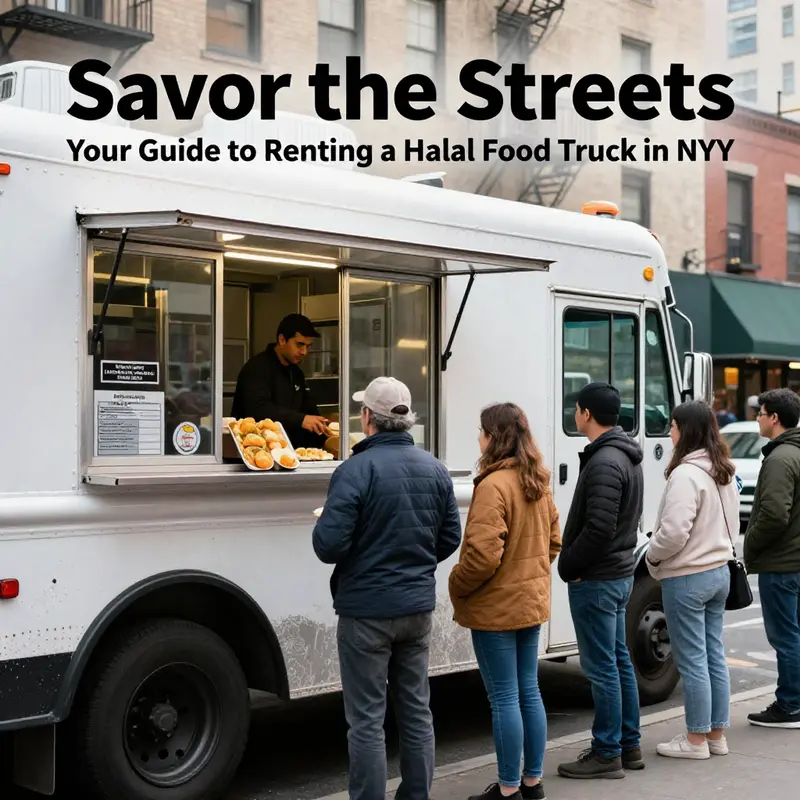
The operational tempo of a halal truck is inseparable from its location strategy and customer engagement. High-traffic corridors in NYC can deliver a strong return if you align with the rhythms of the city. Locations matter because consumer expectations shift with the setting. In busy business districts, lunch crowds look for quick, flavorful options that deliver authenticity without fuss. In residential pockets with higher Muslim populations, patrons may prioritize reliability, halal-certainty, and consistent portion sizes. The reality is that a successful truck thrives where it can combine steady foot traffic with predictable demand, while also maintaining a flexible schedule for events such as weddings, street fairs, and corporate gatherings. Event rentals can supplement steady street operation, offering exposure to new customers while giving the business a testbed for menu experimentation and service improvements. The planning mindset for location should also consider safety, accessibility, and neighborhood compatibility. Parking logistics, queue management, and waste disposal practices all influence the customer experience as much as the flavor profile of the food. The best operators view location as an ongoing conversation with communities: a dialogue about where a truck should be, when, and in what form. They balance repeat business in reliable zones with strategic appearances at festivals or venues that align with halal consumption patterns.
A practical touchpoint that ties operations to customer experience is branding and communication. A halal truck can prosper when messaging is clear, consistent, and respectful of dietary and cultural expectations. That means straightforward menu labeling, transparent sourcing notes when possible, and a calm, professional service style that makes the experience predictable for first-time customers. The interior of the truck should reflect the same clarity that the menu presents. Signage should be legible from a distance, ingredients clearly indicated, and allergen and halal-certification statements placed where customers can verify them without asking. In the background, behind the steam and sizzle, there is a broader narrative about trust and reliability. Themark of a successful halal truck is not only the aroma of cumin and coriander but the sense that the operator understands the cultural and religious contours of the city. A subtle but powerful pattern emerges: trucks that invest in staff training, standardized service protocols, and reliable sourcing tend to perform better over time because their operations become repeatable and scalable rather than reactive.
Waste management and sustainability cannot be an afterthought when a mobile kitchen becomes a daily presence in a city that values responsible consumption. Efficient waste streams, responsible packaging, and grease disposal are not only environmental concerns; they are public health priorities. The operation should implement a clear waste hierarchy: reduce, reuse, recycle, and dispose with sanitary discipline. This includes choosing compostable or recyclable packaging where practical, and maintaining a clean separation of waste streams to avoid cross-contamination at the point of service. For halal operators, grease and by-product disposal must comply with local regulations and be performed in a manner that maintains hygiene and minimizes odor dispersion around customers and passersby. The cultural legitimacy of a halal truck—its credibility in the eyes of customers who are guided by principles of stewardship and cleanliness—depends on these seemingly small, ongoing choices. The modern consumer increasingly equates sustainability with safety, reliability, and community responsibility, so the operational model must reflect these values at every turn.
From a financial perspective, the costs of operating a halal truck in NYC are real and multifaceted. Upfront, you face equipment procurement, vehicle retrofitting, and initial permit and inspection fees. Ongoing costs include annual permit renewals, vehicle maintenance, insurance, fuel, and ingredient sourcing at a premium due to halal requirements. It is important to build a robust financial model that accounts for peak and off-peak cycles, the volatility of meat prices, and the premium for halal-certified ingredients. A well-constructed budget also reflects labor costs, a key driver of margins in mobile food service. In practice, a lean, well-trained crew can produce consistent results while keeping service fast. Efficiency in cooking times, portion control, and orderly prep processes translates directly into less waste and better utilization of labor hours. The procurement strategy deserves careful attention as well. Sourcing halal meat requires reliable supplier relationships, transparent documentation, and a readiness to switch suppliers if quality or compliance standards drift. Some operators choose to partner with distributors who understand halal specifications and can provide consistent certificates of origin and halal validation for every shipment. The financial payoff for this diligence appears as higher repeat business in neighborhoods where customers value trust and quality, plus the potential to participate in private events that pay premium for reliability and authenticity.
Operational leadership must also address safety and staff training as continuous processes rather than episodic efforts. Daily pre-shift briefings, health and hygiene reminders, and adherence to HACCP-like practices help maintain a safety culture. A responsible operator implements checklists for equipment readiness, temperature logs, and sanitation routines. Staff training should lay out roles clearly in a way that minimizes cross-contact between halal and non-halal items and ensures consistent serving sizes. A well-trained crew reduces the risk of mistakes during rush periods and accelerates the path from order to plate. In a city as dynamic as NYC, the ability to quickly pivot—whether adjusting to a sudden crowd, responding to a rainstorm, or accommodating an unexpectedly large event—depends on a well-understood playbook. The best operators rehearse this playbook until tasks become automated, freeing the team to focus on food quality, customer warmth, and efficient, safe service.
Finally, the lifecycle of a halal truck in NYC is not a solitary sprint; it is a marathon that benefits from community engagement and continuous improvement. Building relationships with local vendors, event organizers, and community leaders helps to identify opportunities beyond the regular street hours. These partnerships can yield preferred placement at events, co-marketing opportunities, and even access to shared spaces where kitchens are judged not only on taste but on reliability and ethical standards. Engaging with the community also means listening to feedback—about spice levels, portion sizes, and labeling—and then translating that input into tangible improvements. This feedback loop, when integrated into operations, strengthens brand credibility and customer loyalty. It also provides a competitive edge when the city’s culinary landscape grows crowded with similarly styled offerings. In short, operational excellence for a halal truck is a nuanced blend of compliance, integrity, practical design, strategic location, mindful waste practices, and a steady commitment to learning from customers and peers alike.
For operators who are still charting their path, a practical next step is to review the guidance on navigating food-truck regulations and to connect with networks that support halal food ventures. This not only clarifies the regulatory path but also builds a peer-informed perspective on sourcing, equipment choices, and service design. As you plan, study the guide on navigating-food-truck-industry-regulations to avoid reinventing the wheel. navigating-food-truck-industry-regulations
In the final analysis, establishing a halal food truck in NYC requires a disciplined, integrated approach. Regulations are not obstacles to be endured; they are the scaffolding that holds the operation together. The halal framework—proper sourcing, clear labeling, and rigorous separation of halal and non-halal items—ensures that the product remains true to its promises. The equipment and layout choices support this promise by making halal practices visible and verifiable in everyday operations. Location and engagement strategies translate these foundations into customer experiences that feel reliable, consistent, and welcoming. And sustainability and waste management reinforce the trust that customers place in the truck, aligning with evolving preferences for responsible consumption. When these threads weave together, the halal truck becomes more than a culinary option; it becomes a trusted presence in NYC’s vibrant food landscape.
For readers seeking insight beyond the operational core, the stories behind the city’s mobile halal offerings offer a candid look at resilience, branding, and community connection. A vivid case study captures the dynamism of the halal cart ecosystem and how the very public nature of street-food service shapes practices, perceptions, and expectations. A visual exploration provides a complementary perspective on how branding, service cadence, and consistency contribute to a lasting impression in a crowded environment. For a closer look at the broader dynamics, consider the immersive video about the iconic halal cart scene in NYC. https://www.snapchat.com/insights/halal-guys-food-cart-nyc
Final thoughts
Renting a halal food truck in NYC can elevate any event, providing guests with delicious, culturally rich dining experiences. By understanding the legal requirements, exploring existing rental options, considering leasing opportunities, and grasping the operational aspects, you’ll be well-equipped to navigate the hustle and bustle of NYC’s food scene. Whether you’re an event planner looking to impress or a foodie wanting to spark joy through flavor, a halal food truck can be the perfect centerpiece for engagement and satisfaction.