
Diving into the mobile culinary scene in New Jersey is not just about great food—it’s a vibrant way to connect with the community. As an event planner, corporate HR team member, community organizer, or food enthusiast, understanding the ins and outs of operating a food truck in NJ is vital. This guide provides a roadmap that highlights essential steps, from navigating business licenses and service permits to ensuring health and safety standards. Each chapter builds on your ability to thrive in this bustling market, giving you what you need to boost your next community event or satisfy your craving for delicious street food. Let’s roll into the appetizing world of food trucks and discover how to set yours up for success!
Licenses, Permits, and Passages: Navigating New Jersey’s Food Truck Registration Landscape
Owning and operating a food truck in New Jersey is more than cooking delicious meals on wheels. It is a careful journey through a landscape of licenses, registrations, and local ordinances that anchor a mobile kitchen in law, safety, and community trust. The path starts with a firm decision about your business structure and then winds through state departments, municipal offices, and health authorities that each hold a piece of the permit puzzle. When approached with a clear plan, the process becomes a series of deliberate steps rather than a single leap, and the resulting compliance becomes a competitive advantage rather than a burden. Every operator who treats permits as a roadmap, not a hurdle, discovers that reliability and credibility attract customers, event organizers, and potential partners who want to work with a truck that stands for accountability as much as flavor.
The first milestone is establishing your business as a legitimate entity within the state. In New Jersey, the core objective is to obtain a New Jersey Business Registration Certificate from the Division of Revenue and Enterprise Services. This certificate signals to banks, suppliers, and customers that your venture exists in the realm of formal commerce. While some operators begin as sole proprietors, many prefer the protections and clarity that an LLC provides. An LLC shields personal assets from business liabilities and clarifies ownership structures as you scale from a single truck to a fleet along the coast or across inland towns. After you settle on an entity, you must obtain a federal Employer Identification Number or EIN from the IRS. An EIN is essential if you intend to hire staff, set up a business bank account, or engage in certain vendors’ contracting processes. The combination of a state registration and an EIN is not just bureaucratic red tape; it is the bedrock for tax compliance, payroll, and a professional posture that enables smoother access to financing and partnerships.
With the business entity and EIN in place, you turn your attention to the core of the operation—the food service permit and the health framework that will govern every plate you sell. The primary permit is the Food Establishment Permit issued by the New Jersey Department of Health (NJDOH). This permit applies to all food service operations, including mobile units operating on wheels. The application is submitted through the NJDOH’s Food Safety Program, and the documentation you provide becomes the basis for the inspection that follows. The required documents are specific and practical. You will submit a completed application form, proof of general liability insurance with a minimum coverage of one million dollars, a floor plan or layout of the food truck showing where equipment is placed, a list of the food items to be sold, a copy of the vehicle registration, and proof of ownership or a lease agreement for the truck. These items are not merely paperwork; they set expectations for sanitation, equipment standards, and ongoing compliance.
The inspection process is equally concrete. The NJDOH assesses refrigeration and cooking equipment to ensure they meet standards that preserve safety from storage to serving. The water supply and waste disposal systems must be adequate, and there needs to be a clear separation of prep, cooking, serving, and storage areas. A functional handwashing station with hot and cold running water is mandatory, along with a sink, soap, and paper towels. A dedicated space for dishwashing, if applicable, is often required in larger operations or multi-station configurations. The permit inspection also looks at waste management systems, including grease, oil, and wastewater handling, to ensure that the truck does not pose environmental or odor concerns for the neighborhoods it serves. This is not a one-and-done process; it is an ongoing duty to maintain hygiene, equipment cleanliness, and safe food handling as your menu or service pattern evolves.
Beyond the state permit, a successful food truck venture must navigate a series of local permissions that can feel procedural but are essential for lawful operation. Many towns in New Jersey require a Mobile Food Vendor Permit or a similar local authorization. The entity issuing these permits could be a Department of Public Works, a Code Enforcement office, or a Business Licensing Division, depending on the municipality. The permitting landscape is highly local, so you must check with your city or town to understand the exact requirements. Placement is often restricted to specific zones such as parks and public plazas during events, business districts, or designated areas near event venues. In New Jersey, the rules are designed to protect pedestrians, manage traffic flow, and prevent competitive distortions among street vendors. As you plan your routes and schedule, you should align your operation with the local zoning and placement rules by consulting the Planning Board or Zoning Office. A misstep in location can lead to fines, permit revocation, or a forced relocation mid-season, all of which disrupt revenue and customer relationships.
Participation in events compounds the permit requirements. Temporary Use Permits for festivals, farmers’ markets, and concerts are common in towns that welcome mobile food operators. Host organizations or local governments typically require these permits, and the timing of applications matters. Early engagement with the event organizers can streamline the process, ensuring you have a place on the map when crowds gather. The ability to participate often hinges on meeting the health and safety standards already described and aligning with the host’s insurance and vendor requirements. The collective effect of these permits—state, local, and event-specific—creates a framework that allows food trucks to coexist with brick-and-mortar restaurants and public spaces while safeguarding public health and order.
From a safety and operations standpoint, New Jersey’s rules emphasize rigorous practice across both personnel and equipment. Safe food handling is non-negotiable. Temperature control must be continuous, with regular checks logged to show that foods are kept within safe ranges. Employee hygiene is a critical focus: gloves, hairnets, clean uniforms, and proper handwashing procedures are all expected as standard practice. The regulatory framework calls for FDA-compliant food contact surfaces and utensils to prevent cross-contamination. In many cases, operators are encouraged to adopt a HACCP plan—Hazard Analysis and Critical Control Points—as a proactive approach to identify potential hazards and establish control measures from receiving ingredients to final serving. The HACCP mindset translates into a culture of discipline—every worker understands the critical points in the process where safety could fail, and everyone knows how to address issues immediately.
Equipment and vehicle requirements sit at the intersection of compliance and practical service. The vehicle must be equipped with a robust handwashing station, a proper sink with soap and paper towels, and a dedicated area for dishwashing if applicable. A certified grease trap or oil filtration system is often required to manage waste, and clearly labeled containers help keep raw and cooked foods separate. Fire protection is also a core requirement—an appropriate fire extinguisher of the correct class and a functioning smoke detector are essential safeguards for your crew and customers. Waste management, too, is a matter of civic responsibility. NJDOH and local health departments expect operators to dispose of garbage and wastewater according to sanitation rules and to avoid discharging any waste into storm drains or public streets. The practical upshot is simple: when you design your truck’s layout, you are designing safety, efficiency, and compliance into every service hour.
Insurance and financial compliance are the financial lifeblood that keeps a mobile operation credible and bankable. General liability insurance with a minimum of one million dollars is typically required as part of the application process for the Food Establishment Permit. A commercial auto policy that covers the vehicle itself is essential, given that the truck will be moving between sites, markets, and events. If you employ staff, workers’ compensation insurance becomes mandatory in many cases, and you should verify the coverage with your insurer and your state’s requirements. Finally, sales tax permits must be secured with the New Jersey Division of Taxation so you can collect and remit sales tax properly. Each of these insurance lines and permits contributes to a risk-managed business model and signals to suppliers and customers that you are prepared to meet your responsibilities.
A long lease on the practical side is record-keeping. Maintaining organized records is not merely a bureaucratic chore; it is a tool for growth, accountability, and audits. You should keep logs for food supplier invoices, temperature readings, employee training records, and inspection reports. Licenses and registrations require renewal, often annually or on a schedule tied to your municipality or the issuing agency. Your ability to report changes—such as a vehicle modification, a change of ownership, or a menu shift—to the NJDOH and local authorities helps you avoid penalties and ensures your permits stay current. The discipline of record-keeping underpins financial planning as well. When tax time comes, or when you seek financing to expand your fleet, your organized files become a narrative of compliance and reliability that lenders and partners value.
Navigating this regulatory ecosystem is not a solitary journey. It benefits from a coordinated approach that treats regulatory steps as milestones rather than hurdles. Start by mapping out the sequence of registrations and permits you will need for your specific town and for any anticipated locations or events. Schedule early consultations with your local licensing office to understand local nuances and to anticipate potential obstacles. Build a compliance binder that contains copies of your business registration, EIN, permits, insurance certificates, floor plans, and HACCP-related documents. A proactive posture helps you adapt when regulations update or when you expand into new municipalities. It also signals to event organizers and partners that you operate with integrity, which can translate into smoother coordination and more opportunities.
As you accumulate permits and become familiar with the language of licenses, you will find that the journey becomes more predictable. The regulatory framework, when understood and respected, supports a consistent customer experience. You will know exactly what your truck can and cannot do in a given neighborhood, at a given event, on a particular day, and in a given season. You will be able to quote timelines to suppliers, train staff with confidence, and respond to authorities with clarity. The result is a mobile business that does not merely survive but thrives on reliability, safety, and community trust. For operators who want a consolidated overview of how these rules fit together, the broader guidance on navigating food-truck regulations can be found through an integrated resource that connects state and local requirements. See the discussion here: Navigating food-truck industry regulations.
Official guidance remains essential. While practical experience and local knowledge matter, always verify with the state portal for the latest forms, fees, and procedures. The state’s portal, which hosts the Business Registration Certificate process and related services, is the best source for authoritative instructions and updates. Because rules can evolve, you should set a routine to review regulatory notices at the start of each season and after any major regulatory change. This habit reduces the risk of last-minute surprises and helps you plan for renewals and potential adjustments to the truck layout or menu. For official guidance, consult the state portal at https://www.nj.gov/treasury/drc/.
In sum, operating a food truck in New Jersey is a disciplined enterprise that marries culinary ambition with civic responsibility. The licenses and registrations are not just gates to entry; they are the framework that ensures your neighbors can enjoy your food safely, your staff can work in a fair and protected environment, and your business can grow with credibility. By treating registrations as ongoing commitments rather than one-time tasks, you create a durable foundation for success in a competitive, city-rich landscape. The next chapters will build on this foundation, exploring practical strategies for menu design, mobility planning, and building a brand that travels well across towns, markets, and festivals while staying firmly within the law.
Permits and Inspections: Navigating Food Service Licenses for Your New Jersey Food Truck
Permits and Inspections: Navigating Food Service Licenses for Your New Jersey Food Truck
Securing the right food service permits is the single most important step after you finish outfitting your truck. Without the correct licenses and passed inspections, you cannot legally serve customers. In New Jersey, permitting is layered: state, county, and municipal rules all matter. This chapter walks you through what to expect, what authorities will look for, and how to streamline the process so you can move from build-out to business with confidence.
At the center of the permitting puzzle sits the food establishment permit issued through the New Jersey Department of Health’s Food Safety Program. This state-level approval ensures your mobile unit meets baseline food safety and sanitation standards. However, it is only one piece. Most towns also require a mobile food vendor license administered by the local municipality. You must satisfy both state and local requirements. Think of the NJDOH permit as the health stamp and the municipal mobile vendor license as the local permission to operate within city boundaries.
The application process begins with assembling the required paperwork. Expect to provide a completed application form, proof of vehicle registration, evidence of ownership or lease of the truck, and a detailed floor plan showing equipment placement. Insurance documentation is mandatory. Most health departments require general liability insurance of at least $1 million and commercial auto insurance for the vehicle. If you will employ staff, workers’ compensation coverage is typically required. Prepare copies and keep original certificates on file for inspections.
Along with administrative records, you must submit a menu and a list of all food items you plan to sell. Inspectors use the menu to identify critical control points where food safety risks are highest. Items that require extensive on-truck preparation, reheating, or prolonged holding at hot temperatures often trigger closer scrutiny. If your menu will change frequently, include a process for notifying the health department. Many localities expect updates when new menu items introduce different handling or storage needs.
A well-drawn floor plan matters more than many operators realize. The layout should clearly label areas for cooking, food prep, storage, cold holding, and service. Include dimensions and the location of plumbing fixtures, grease traps, handwashing sinks, three-compartment sinks for dishwashing, refrigeration units, and any waste tanks. Clear labeling speeds the plan review and reduces the chance of a surprise requirement on inspection day. When possible, use standard symbols and provide a legend to avoid misinterpretation.
Inspections are practical and focused. Health inspectors check for proper refrigeration and hot holding, verified with calibrated thermometers. They look for a functioning handwashing station with hot and cold running water, soap, and single-use towels. Surfaces that contact food must be easily cleanable and ANSI or FDA-compliant. Waste and greywater containment systems are inspected closely; dumping into public drains or storm sewers is prohibited. If your unit uses a water tank, be prepared to show how you will obtain potable water and where you will legally dispose of wastewater.
Fire safety and mechanical compliance are not ignored. Inspectors expect a working Class B/C fire extinguisher and may require fixed suppression over fryers or open-flame equipment. Electrical systems should be safe and properly wired. Grease management—filters, traps, and responsible disposal—often involves coordination with municipal public works or licensed waste haulers. Present documentation about your grease disposal plan if applicable.
Municipal mobile food vendor permits vary widely across New Jersey. Cities may limit vending to certain zones, cap the number of permits issued, or restrict hours and proximity to brick-and-mortar restaurants. Some municipalities require vending to be tied to specific events, while others allow regular street-side operation in commercial districts. Always check with the city clerk, zoning office, or business licensing department in each town where you plan to operate. Local rules can affect where you park, how long you can remain in one spot, and whether you can set up near schools, hospitals, or transit hubs.
Temporary event permits add another layer. If you want to work a farmers’ market, festival, or private event, the event organizer or municipality often issues a temporary use permit or event vendor license. These permits typically require the same health standards but are granted for a short window. Event permits may also require additional documentation such as a temporary generator inspection or a specific certificate of insurance naming the organizer as an additional insured.
Plan reviews and inspections sometimes require coordination across agencies. For example, if you intend to park at a park or public plaza, you may need approval from parks and recreation, the planning board, or the mayor’s office in addition to the health department and business licensing office. If you expect to operate near schools or public transit, special restrictions or permits may apply. Budget time for these inter-agency reviews; they can add weeks to the approval timeline.
Small differences in municipal code can create big headaches if you assume uniformity. One town may require a sticker or decal on the truck to prove a valid mobile vendor license. Another may mandate periodic renewals or inspections every six months. Read local ordinances, and if something is unclear, call the municipal office directly. Keep a folder with all municipal permit applications, receipts, and contact names. That record will be invaluable if questions arise.
Compliance doesn’t end once you receive your permits. Most health departments require ongoing documentation and good recordkeeping. Maintain temperature logs for refrigeration and hot holding. Keep supplier invoices to verify traceability. Train employees on food safety procedures and document that training. Store copies of inspection reports aboard the truck if required. Renew licenses and permits before they expire, and report significant changes such as substantial vehicle modifications, a new owner, or additions to the menu.
When preparing for inspection, create a checklist that mirrors what inspectors look for. Verify that your handwashing station is stocked. Check thermometer calibration. Ensure food contact surfaces are clean and free of damage. Test all equipment before scheduled inspections to avoid last-minute problems. A pre-inspection run-through can catch small issues that would otherwise delay approval.
If an inspection identifies violations, take corrective steps promptly. Many corrective actions are straightforward—adjust refrigerator temperatures, replace damaged cutting boards, or correct labeling. For more involved issues, such as plumbing upgrades or structural changes, start the work quickly and provide the health department with timelines and contractor information. Demonstrating a proactive approach often shortens follow-up inspections and restores confidence with local officials.
Appeals and variances exist but should be used sparingly. If you cannot meet a particular code requirement due to physical constraints of your truck, seek a variance through the appropriate municipal channel. Prepare a clear plan showing equivalent measures you will take to achieve the intended level of public safety. Variances are not guaranteed and usually require a persuasive, documented case.
Insurance, though sometimes handled by other departments, plays into permit approvals. Municipalities want assurance that operators can cover liabilities. General liability limits and certificates naming the municipality as an additional insured are common. Coordinate with your broker early. Delays in obtaining the correct endorsements are a frequent stumbling block.
Beyond compliance, think about operating convenience. Some towns offer seasonal permits or shared vendor zones that reduce costs. Others provide designated food truck pads with utilities for short-term hookups. Investigate local incentives or vendor programs. Contacting municipal economic development staff can reveal opportunities for partnership, marketing, or priority placement at events.
Finally, remember the value of relationship building. Regular communication with health inspectors and municipal staff reduces friction. When officials know you operate responsibly, they are more likely to provide guidance and reasonable timelines. Attend local vendor meetings, join trade groups, and keep channels open. That goodwill can be invaluable when you need a fast clarification or a one-time exception.
For a practical example of municipal regulation language, review the City of Rahway’s food vehicle code. It illustrates how local rules can define hours, permitted zones, and application requirements. Review the document to see how specific provisions might apply to your plans: https://www.ecode360.com/12-174
If you want a broader look at industry rules and how operators manage them, this guide on navigating food truck regulations offers useful perspectives from experienced operators. You may find practical tips and regulatory examples to help you prepare your applications and inspections: navigating food truck industry regulations
Meeting permit requirements takes time and attention, but it is manageable with a clear plan. Assemble complete paperwork, design a compliant layout, schedule and prepare for inspections, and build positive working relationships with local officials. Follow these steps and your truck will meet both state and municipal standards. That clears the way to do what matters most—serve food safely and grow your mobile business across New Jersey.
The Permit Puzzle: Navigating NJ’s Approvals to Roll Your Food Truck
When you decide to roll a food truck through New Jersey, you’re stepping into a regulatory landscape as dynamic as a bustling market. Permits, licenses, inspections, and local ordinances don’t just linger in the background; they shape where you can park, what you can serve, and how you protect your customers and your business. The goal isn’t to trap you in red tape, but to build a framework that keeps people safe, ensures fair competition, and helps you run a sustainable operation. In New Jersey, the path to compliant operation begins with solid foundational steps and then unfolds through a series of approvals that vary from town to town. The sequence matters, but so does the understanding that many of these permits overlap in their purpose: they prove you operate responsibly, maintain sanitary conditions, and adhere to financial and safety standards that protect both your business and the public.
The journey starts with the basics of your business itself. Before a health inspector ever walks through the door of your mobile unit, you should have your business legally formed and registered. For most operators, establishing an LLC provides liability protection while maintaining manageable tax and ownership structures. You’ll want to file with the New Jersey Division of Revenue and Enterprise Services, which handles the state-side registration and helps you secure the formal status of your enterprise. An Employer Identification Number (EIN) from the IRS will also be essential for tax purposes, hiring employees, and separating business finances from personal ones. Then comes the local layer: a business license from the municipality where you intend to operate. This license is not optional in most towns; it signals that your business is recognized and permitted to engage in commerce in that jurisdiction. Each town has its own Clerk’s Office or Licenses and Permits department, and they’ll guide you through local requirements like operating hours, minimum distances from sensitive sites, and any town-specific fees.
With the business entity in place, the critical leap toward food safety begins: the New Jersey Food Service Establishment Permit. The NJ Department of Health (NJDOH) issues this permit, and it’s the primary credential that confirms your mobile unit adheres to health and sanitation standards. The application process is straightforward in outline but exacting in detail. You’ll submit a completed form, pay a fee, and undergo an on-site inspection of your mobile unit. The inspector will assess the entire operation—from how you store and handle food to the adequacy of refrigeration, cooking equipment, and the physical layout that prevents cross-contamination. They’ll look for a clean water supply, proper waste disposal, and a workflow that separates prep, cooking, serving, and storage areas. A functioning handwashing station with hot and cold running water is non-negotiable, as is a properly plumbed sink for dishwashing if you have any reusable wares. The plan isn’t to trap you in a maze but to confirm that your truck supports safe practice at every step of the food-handling process.
As you prepare, you’ll gather a set of documents that the NJDOH will require. A floor plan or layout of the truck, showing where each piece of equipment sits, is essential. A list of the food items you plan to sell helps reviewers verify that your kitchen design can safely accommodate your menu. Proof of vehicle ownership or a lease, proof of insurance with a robust general liability coverage (often a minimum of $1 million), and the vehicle’s registration are also typically requested. These items aren’t merely bureaucratic boxes to check; they offer a snapshot of your operation’s risk management and preparedness. The health department wants to see that you can maintain safe temperatures for perishable items, keep foods separated by raw and cooked states, and manage waste in a way that won’t contaminate the environment or endanger public health.
Beyond state-wide health requirements, the local permitting landscape often introduces its own set of approvals. Most municipalities require a Mobile Food Vendor Permit or an equivalent permit that recognizes your unit as a moving business operating within their borders. These local permits frequently involve vehicle inspections aligned with the health and safety standards, proof of insurance, and sometimes a demonstration of your compliance with local zoning and parking rules. The exact office that handles these permits can vary: it might be the Department of Public Works, Code Enforcement, or the Business Licensing Office. The prudent step is to contact the local town hall early in planning to understand the specific forms, fees, and timelines that apply to your area.
Zoning and placement are where your business practicality meets town planning. The municipality, often through its Planning Board or Zoning Office, outlines where a food truck can legally operate. Parks and public plazas may require event permits, while business districts and commercial centers may permit limited hours or require a special agreement with property owners. Some towns place additional constraints near schools, hospitals, transit hubs, or near existing brick-and-mortar competitors. Before you even park, you should confirm your intended spots with the appropriate planning or zoning authority. If you’re planning to sell at events—festivals, farmers’ markets, or concerts—temporary use permits come into play, often arranged through the event organizer and your local government. The goal is predictability: you want to know well in advance where you can operate and for how long, reducing the risk of fines or forced relocations.
The regulatory process also intersects with other compliance areas that can trip up new operators if not anticipated. If you intend to serve alcohol at events or in some venues, you must seek relevant permits from the New Jersey Division of Alcoholic Beverage Control (ABC). Alcohol permits tend to be highly location-specific and time-bound, so it’s wise to understand whether your business model requires ABC involvement. If your concept involves only non-alcoholic offerings, you can largely avoid these complexities, but it’s important to consider every potential revenue stream early on so you’re not surprised later.
A practical way to approach the permit puzzle is to sequence your actions with a calendar that aligns with your launch timeline. Begin with business formation and the local business license, then move to the NJDOH Food Establishment Permit in parallel with pre-inspection preparation. Create and refine your floor plan, verify electrical and plumbing arrangements, and establish a reliable cold chain and waste management plan. Build your documentation portfolio early: keep current copies of vehicle registrations, insurance certificates, lease agreements, and all relevant licenses. This isn’t merely paperwork; it’s the backbone of your compliance posture, which influences your ability to secure future permits, park in desired locations, and participate in special events.
The inspection component deserves particular emphasis. The NJDOH inspector will evaluate practical realities: is there enough space for safe food handling? Are your refrigeration units properly calibrated and capable of maintaining required temperatures? Do you have hot and cold running water accessible to hands and to your sinks? Is there a separation of prep and cooking areas that prevents cross-contamination? Is your waste management system designed to avoid odors and pests? These are not abstract questions; they’re about creating a safe customer experience and preserving the integrity of your food from prep to plate. If you’re planning a high-volume launch, consider a mock setup with a local mentor or a consultant who can simulate a health inspection. This proactive rehearsal often reveals gaps that would otherwise appear only on the day of the official inspection, saving you time, potential fines, and a re-inspection fee.
In addition to health and local permits, you must remember the financial compliance that quietly but decisively underpins your operation. A Seller’s Permit or Sales Tax Permit from the New Jersey Division of Revenue and Enterprise Services enables you to collect and remit sales tax on taxable food and beverage items. This aspect is easy to overlook in the excitement of launching, but failure to secure the permit on time can delay sales, trigger penalties, and complicate year-end accounting. You’ll also want to ensure your accounting setup can separate tax-exempt purchases from taxable transactions and that you’re prepared to file returns as required by the state. Insurance remains a critical pillar across the regulatory spectrum. General liability coverage protects against customer slip-and-fall claims, property damage, and other common risks associated with mobile food service. Commercial auto insurance is essential for the vehicle itself, given that your business operations depend on a mobile platform. If you have employees, workers’ compensation insurance may be mandatory depending on your staffing model. These insurance layers are not optional add-ons to gloss over; they’re prerequisites that support your ability to operate, obtain financing, and pursue expansion within a regulated framework.
Record-keeping and ongoing compliance form the quiet backbone of a sustainable food truck business. Keep thorough logs of supplier invoices, temperature charts showing consistent refrigeration, employee training records, and inspection reports. Many towns require annual license renewals, so establishing a renewal calendar is a practical necessity. Any changes—whether in ownership, vehicle modification, menu items, or a significant shift in operations like a move to a new park or district—should be reported promptly to the NJDOH and the local authorities. The cumulative effect of disciplined record-keeping is not only regulatory compliance; it’s a competitive advantage. It demonstrates reliability to landlords, partners, and financing entities, and it makes audits and inspections smoother and faster.
Navigating this regulatory terrain also involves leveraging available resources and tapping into community knowledge. The process can appear labyrinthine, but many operators have found that communities of vendors in the same city or neighboring towns share practical tips, schedules, and best practices. A reliable approach is to consult your municipal website and signage, reach out to the local planning or licensing office, and, when possible, attend a small-business workshop hosted by the city or county. Another effective tactic is to maintain a regulatory calendar that tracks the status of each permit, renewal deadlines, and required notifications for changes. A well-kept calendar becomes a living document that guides your daily and weekly operations as your truck becomes a familiar presence in your chosen neighborhoods.
As you build this regulatory resilience, consider the value of including a link to broader regulatory guidance that can supplement your internal workflow. For more on navigating the broader landscape of food-truck regulations, you can explore related guidance at navigating-food-truck-industry-regulations, which offers context on how different jurisdictions balance health, safety, and entrepreneurial ambition. This kind of internal resource supports your planning and underscores the idea that compliant operation is not merely about checking boxes but about integrating safety, opportunity, and community stewardship into your daily practice. navigating-food-truck-industry-regulations
As you close in on opening day, you’ll likely discover that the permit puzzle is less about getting every piece perfectly aligned at once and more about building a coherent system of approvals that supports a consistent customer experience. The best operators treat the permitting process as a product development cycle: plan, prototype, test, learn, and refine. This mindset helps you anticipate seasonal changes, event-driven opportunities, and even regulatory tweaks that might arise from evolving public health guidance or local policy shifts. It also helps you communicate credibly with investors or lenders, who will want to see a credible compliance architecture in place before they commit to financing a rollable business model. In this sense, permits become not a hurdle but a framework that structures your operations, protects your customers, and positions your business for steady growth within New Jersey’s vibrant but regulated street-food ecosystem.
The path from concept to street corner is rarely linear, and the permit landscape in New Jersey reflects that reality. Yet with careful planning, thorough documentation, proactive inspections, and a disciplined approach to ongoing compliance, you’ll not only meet the letter of the law but also align your business with the trust and safety that customers expect from a legitimate food-service operation. The permit puzzle, once seen as a barrier, can become a clear map to a reliable, scalable, and legally compliant food-truck venture that thrives in diverse communities—from bustling city centers to lively festival grounds. And as you grow, the same framework will help you expand to new towns, adapt to changing regulations, and continue serving fresh, high-quality offerings to an ever-wider audience.
External resource for official standards and current requirements: https://www.nj.gov/health/environmental/food-safety/
On-Wheels Safety and Compliance: Building Safe, Legal Food Truck Operations in New Jersey
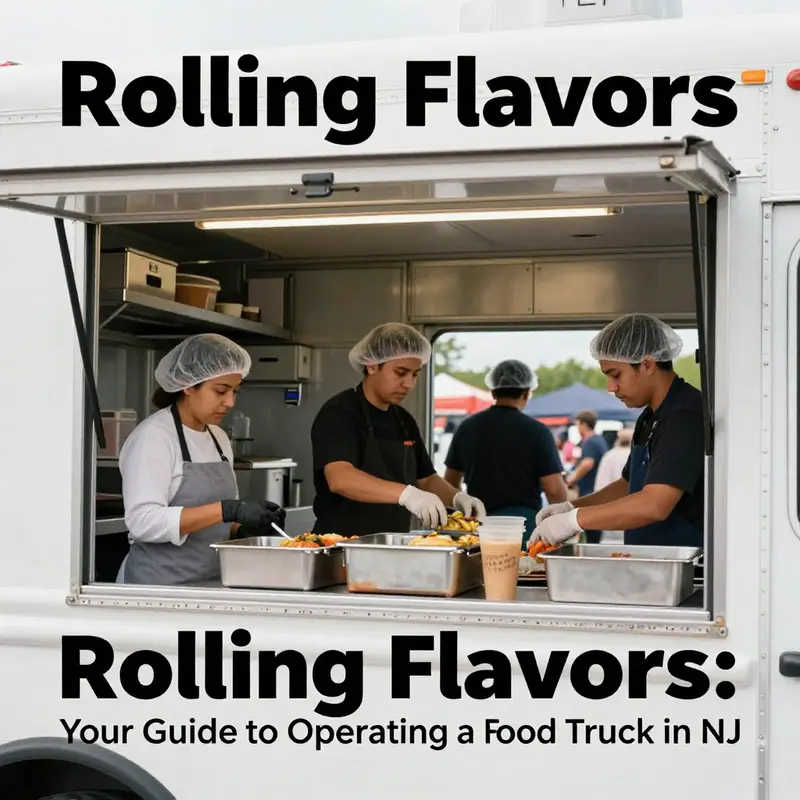
Every mile a New Jersey food truck travels carries more than a menu. It carries a responsibility to public health, to the community, and to the business’s longevity. In a state where mobile dining has become a staple from thriving urban cores to seaside festivals, the health and safety standards that govern these operations are not mere formalities; they are the framework that protects customers and creates a dependable reputation for operators. This chapter threads together the practical realities of complying with New Jersey’s health and safety requirements in a way that feels less like a checklist and more like a living, working system that supports every shift, every line of customers, and every night spent under the lights of a bustling street fair. The road to compliance begins with a clear understanding of licensing, progresses through disciplined food safety practices, and culminates in consistent documentation and responsive adaptation to local rules. In this journey, the mobile kitchen is not a hazard to manage; it is a supervised environment where cleanliness, precision, and respect for the laws of the state are the main ingredients of success.
The first turn on this road is obtaining the Mobile Food Vendor Permit from the New Jersey Department of Health (NJDOH). This permit is the gateway to lawful operation and requires a thoughtful submission that demonstrates your kitchen on wheels is prepared to meet sanitation and food handling regulations. As with any health-related permit, the process is not merely a formality but a verification that your mobile unit has the physical capabilities to keep food safe from handling through service. The application typically asks for a clear floor plan or layout showing where equipment will sit in relation to prep, cooking, and serving areas. It asks for proof of insurance, a list of foods you intend to serve, the vehicle registration, and proof of ownership or a lease if you do not own the vehicle outright. These items do more than check a box; they establish a documented chain of custody for your operation, from where you store perishables to how you wash hands and discard waste. As you complete this process, you cannot separate safety from efficiency. A floor plan is not just a design exercise; it is a visibility tool that helps you position refrigerators, stoves, sinks, and handwashing stations in a way that minimizes cross-contamination, facilitates cleaning, and speeds service in high-demand situations.
Once the permit is in place, the health code of the state guides day-to-day practice. New Jersey’s approach aligns with the broader FDA Food Code, so the standards you implement are part of a national framework that emphasizes preventing illness by controlling the points where contamination can occur. Temperature control sits at the heart of this framework. Foods that require refrigeration must be kept at 41°F or below, with hot foods held at 140°F or higher. But temperature control is more than the moment you plate a dish. It begins with supplier confidence, transit time, storage within the truck, and ongoing monitoring. You will develop routines for checking temperatures of every delivery, logging these checks, and ensuring corrective actions if readings drift. Documentation becomes a safety net: if a customer later questions how a dish was kept safe, you can point to your temperature logs and cleaning schedules that show a consistent, compliant practice. Cross-contamination prevention is another core principle. Separate areas for raw and cooked foods, dedicated cutting boards and knives for different product groups, and color-coded utensils reduce the risk of harmful mingling. A clean, non-porous interior is not only easier to sanitize; it is a physical barrier against lingering residues that can harbor bacteria. In practice, this means choosing surfaces and materials that withstand rigorous cleaning, are easy to sanitize, and resist absorbing odors or liquids that can migrate between different food components.
A well-drained and properly equipped vehicle supports safe operation. The health code requires access to a reliable handwashing station with hot and cold running water. It also requires a sink for dishwashing, a means to dispose of wastewater properly, and a system for waste and trash that avoids clumping up near food preparation spaces. If your truck does not already include a certified grease trap or an appropriate filtration system, you will need to install one or partner with a facility that can handle wastewater in compliance with local rules. Labeling containers for raw and cooked foods clearly helps staff and inspectors quickly verify that the correct handling practices are being followed, while a fire extinguisher and a functioning smoke detector are non-negotiable safety devices that can prevent minor incidents from turning into tragedies. These equipment and infrastructure elements are not decorative; they are integral to safe service that protects your customers and your business licenses.
Employee training is the human layer that completes the system. NJDOH and local authorities typically expect that all staff receive formal training on safe food handling practices. A widely recognized standard in the industry is ServSafe or an equivalent certification, which demonstrates that an employee understands core concepts such as preventing cross-contamination, maintaining clean and sanitized work surfaces, and recognizing and responding to food safety hazards. Even when certification is not a formal prerequisite for every employee, the idea that at least one trained person leads the team during each shift creates a culture of safety that spreads to all staff. Training extends beyond initial onboarding; it should be reinforced with periodic refreshers and quick, practical reminders that align with daily routines. In a mobile environment, this training is especially important because the pace of service can be intense, and distractions can lead to lapses in technique. A simple way to reinforce learning is to tie training to the daily log—temperature checks, cleaning schedules, and supplier records can all serve as training touchpoints that illustrate how theory maps to your kitchen’s realities.
Regular inspections are the other side of the safety coin. Local health departments conduct routine inspections to verify that your operations meet sanitation and safety standards. These inspections are not adversarial; they are the state’s way of ensuring that every customer can expect safe food, every time they order. When inspectors visit, they will review how you store, prepare, and handle food, verify that your handwashing station is functional, and check that waste and dishwashing procedures comply with regulations. A successful inspection is a validation that your systems are working in harmony. A failed inspection is not a final verdict but a signal to adjust, improve, and document those improvements so future checks reflect progress. Because health codes and enforcement can evolve, it is essential to stay current with any changes in rules at both the state and local levels. This is where a relationship with your local health department becomes invaluable: proactive communication can prevent surprises during inspections and help you plan adjustments ahead of time.
Records and documentation are the connective tissue holding all these requirements together. Health authorities want to see temperature logs, cleaning schedules, supplier invoices, and employee training records. These documents provide a clear trail of accountability, showing that you have not only created a safe system but also maintained it over time. Records also support your business in negotiations with venues and event organizers, where proof of compliance can influence whether your truck is invited to participate. Renewals and changes require prompt notification to the NJDOH and relevant municipal offices. A new owner, a revised menu, or a significant modification to the vehicle can trigger a need to update permits and may necessitate another inspection. Keeping a disciplined cadence of record-keeping helps you navigate these updates without disruption to service.
Local nuance matters as soon as you step outside the state’s boundaries. Even in a state as cohesive as New Jersey, towns can impose additional requirements for parking, event permits, or mobile vending. A common path to compliance is to secure a combination of state-level permits and local authorizations. For example, some municipalities require a specific mobile vendor permit in addition to the standard health permit. Zoning and placement rules can also shape where you operate, such as parks, business districts, hospitals, or near transit hubs. In practice, this means you should plan for both a larger strategy and the on-the-ground realities of each location you intend to serve. Before you set up, you should confirm the rules with the town’s planning board or zoning office, and in many cases that means seeking event-based approvals or temporary use permits for festivals and markets. For operators reading these lines who want to explore the broader regulatory landscape, a concise overview exists under the topic of navigating food-truck industry regulations—the kind of resource that helps align daily operations with long-term compliance goals. Navigating food-truck industry regulations.
Beyond the regulatory framework, the practical day-to-day of health and safety means building resilience into your operation. Sanitation is not a single action but a repeatable rhythm: meticulous cleaning, timely waste disposal, and a consistent approach to hygiene that staff can follow without hesitation. A clean interior supports not only compliance but also efficiency. When you can find equipment and supplies quickly, you reduce the risk of errors or delays that could compromise safety. The handwashing station is a focal point of this rhythm; it should be easy to access, clearly stocked with soap and towels, and tested to ensure hot and cold running water are always available. The organization of your workspace matters too. Color-coded containers, clearly labeled ingredients, and a logical flow from raw product receipt to finished product help maintain separation and reduce the chance of mishaps. In the long run, customers benefit from consistent portions, steady temperatures, and reliable service, while operators benefit from reduced waste and less stress during peak hours.
Compliance is not a static obligation; it is a dynamic practice that requires ongoing attention to policy changes, equipment maintenance, and staff development. It is prudent to attach a regular review to your business routine—perhaps quarterly—to evaluate whether your SOPs (standard operating procedures) still align with current regulations and industry best practices. These reviews can surface small improvements that pay big dividends, such as upgrading a non-porous surface to a more durable model, adjusting a workflow to reduce cross-contact risk, or adopting a more robust cleaning schedule that fits your travel and event calendar. When you treat health and safety as a living system—one that evolves with seasons, events, and personnel—you reduce the likelihood of emergency compliance issues and you create a stable platform for growth.
As you navigate these requirements, remember that the aim is not to constrain creativity but to channel it in ways that sustain customers and communities. The state’s rules are designed to ensure that when a family visits for a street-side lunch, a festival attendee seeks a late-night bite, or a school fundraiser brings in funds, the food they receive has met high safety standards. In practice, this means your menu development should harmonize with your equipment and workflow, your sourcing should emphasize reputable suppliers who can provide documentation, and your service model should maintain strict hygiene from prep to plate. Your customers are counting on you to protect their health, and your business model depends on a reputation for reliability and safety. This, in turn, invites further opportunities: a clean record with health inspectors can translate into more permits, easier access to event calendars, and the trust of venues that want to partner with vendors who consistently meet standards.
If you’re just starting out, the cumulative effort of compliance may seem daunting. But by viewing health and safety as an integrated system rather than a series of separate tasks, you can build a robust operation from the ground up. Your mobile kitchen becomes a testament to meticulous care—an asset that travels with you and travels safely. The final piece of this practice is to stay informed about changes in both state and local requirements. Health codes can adapt to emerging concerns, best practices can evolve with new science, and enforcement priorities can shift as communities grow. Staying connected with the NJDOH, maintaining open lines of communication with your local health department, and cultivating relationships with other operators can help keep you ahead of changes rather than reacting to them after a problem arises.
For operators who want a concise entry point into the broader regulatory landscape, there is value in exploring resources that map the path from licenses to daily compliance. An example of this kind of broader frame is a guide on navigating food-truck industry regulations, which can help you align your business plan with the realities of compliance across towns and events. As you build your plan, keep a steady eye on the practical—equipment placement, water supply, waste handling, temperature monitoring—and the procedural—the logs, inspections, and training records that demonstrate your commitment to health and safety every hour you are on the road. In New Jersey, success is not a single permit or a single inspection; it is a well-oiled system that keeps customers safe, teams confident, and your doors open for seasons to come.
For readers seeking formal guidance and the latest standards, the official resource on mobile food vendors offers the authoritative framework you will rely on day to day. You can review the details, submit the necessary documentation, and learn about the inspection process at the New Jersey Department of Health’s Mobile Food Vendors page. This external reference provides the concrete criteria and procedural steps that underpin everything discussed here: NJ Department of Health – Mobile Food Vendors.
Final thoughts
Navigating the world of food trucks in New Jersey requires a solid grasp of local regulations, from securing necessary licenses to complying with health codes. This guide provides a sweeping look at how to accurately set up your mobile kitchen, ensuring not just compliance but also the thriving success of your business. Whether you’re an event planner looking to collaborate or an individual craving fresh flavors on-the-go, understanding these fundamentals will allow you to appreciate the vibrant street food culture of NJ. Get cooking, and let your food truck adventure begin!