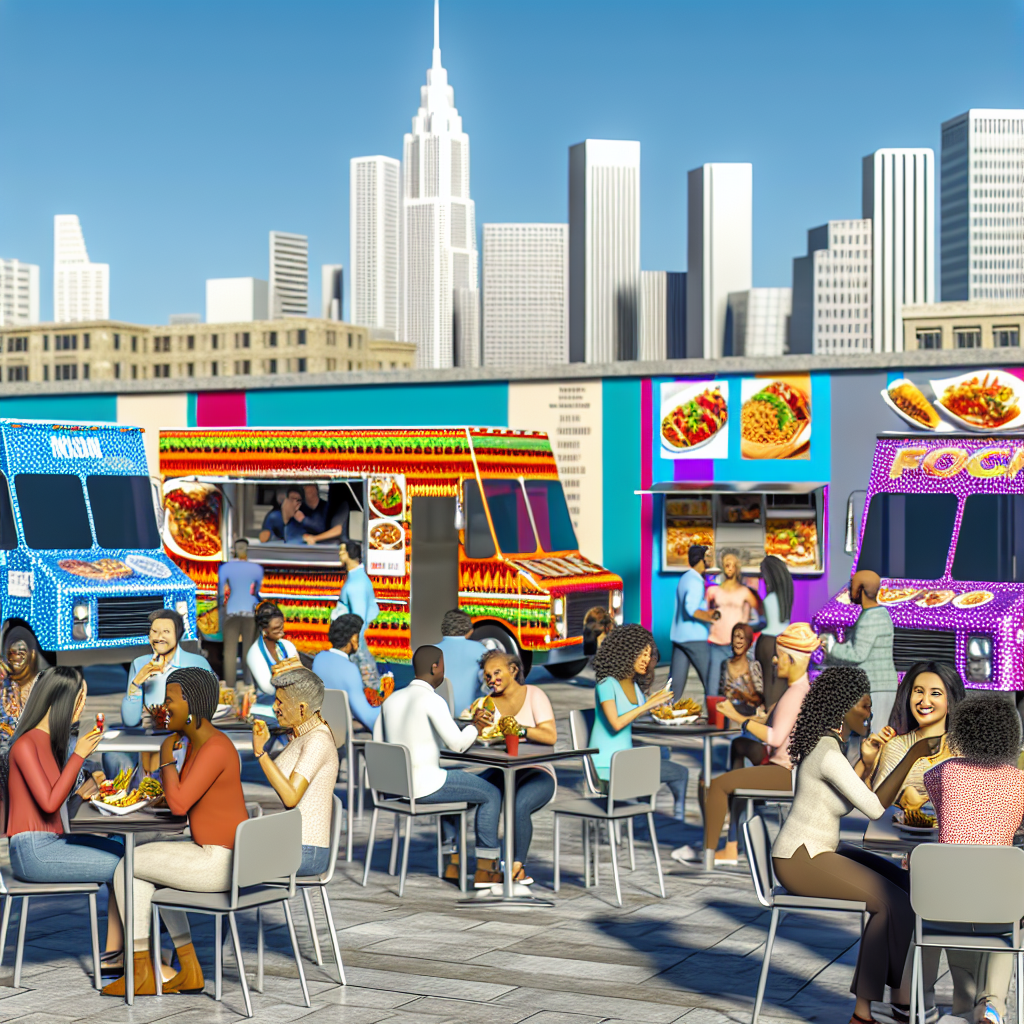
Bright street corners, sizzling grills, and a chorus of sizzle and chatter — food truck events have quietly become essential cultural touchpoints in cities around the world. They’re not just meals on wheels; they’re mobile communities that bring colleagues together during team-building luncheons, neighbors into closer contact during weekend festivities, and curious eaters into a shared space where cuisine, culture, and curiosity collide. For event planners, corporate HR and admin teams, local community groups, and individual food lovers, knowing where and when these gatherings pop up is a superpower. The good news: finding them is easier than you might think, thanks to a growing ecosystem of digital calendars, specialist event sites, social media channels, and neighborhood-specific rituals. The challenge is to connect the dots in a way that aligns with your goals — be it planning a seamless corporate outing, amplifying a neighborhood festival, or simply curating delicious experiences for a hungry audience.
This guide unfolds in three complementary chapters. Chapter 1 shows you how to find food truck events using digital platforms and tools, with practical tips for locating reliable, up-to-date listings and real-time updates. Chapter 2 dives into the economic impact of these events on local markets, explaining why scheduling the right trucks at the right times can boost foot traffic, support small businesses, and strengthen community vitality. Chapter 3 turns to the broader community, culture, and policy landscape that shapes where events happen, who is welcome, and how organizers navigate permits, safety, accessibility, and inclusive programming. Across all three chapters, the emphasis stays practical, actionable, and inclusive — designed for event planners, corporate teams, neighborhood associations, and individual enthusiasts who want to celebrate food, culture, and community through thoughtful, well-executed food truck events.
Use this guide as a toolkit:
- For Event Planners & Organizers: Learn how to scout, schedule, and stage truck-powered experiences that align with venue rules and audience needs.
- For Corporate HR & Admin: Discover ways to plan engaging, safe, and appetizing outings or campus-wide celebrations that boost morale and inclusivity.
- For Local Community Groups: Find opportunities to partner with operators, amplify local vendors, and build vibrant neighborhood traditions.
- For Individual Consumers & Food Enthusiasts: Build your personal itinerary of delicious discoveries, sunset views, and cross-cultural bites.
Key approach highlights:
1) Digital discovery: Tap calendars, maps, and real-time posts to pinpoint events with reliability and ease.
2) Economic lens: Understand how food truck gatherings drive foot traffic, benefit nearby businesses, and support micro-entrepreneurs.
3) Community and policy: Appreciate the social and regulatory context that makes events successful, accessible, and welcoming to all.
Together, these pillars form a practical, human-centered blueprint for finding and experiencing the best food truck events wherever you are.
null
null
Charting the Street-Menu Map: A Practical Guide to Finding Food Truck Events and Measuring Their Pulse in Local Markets
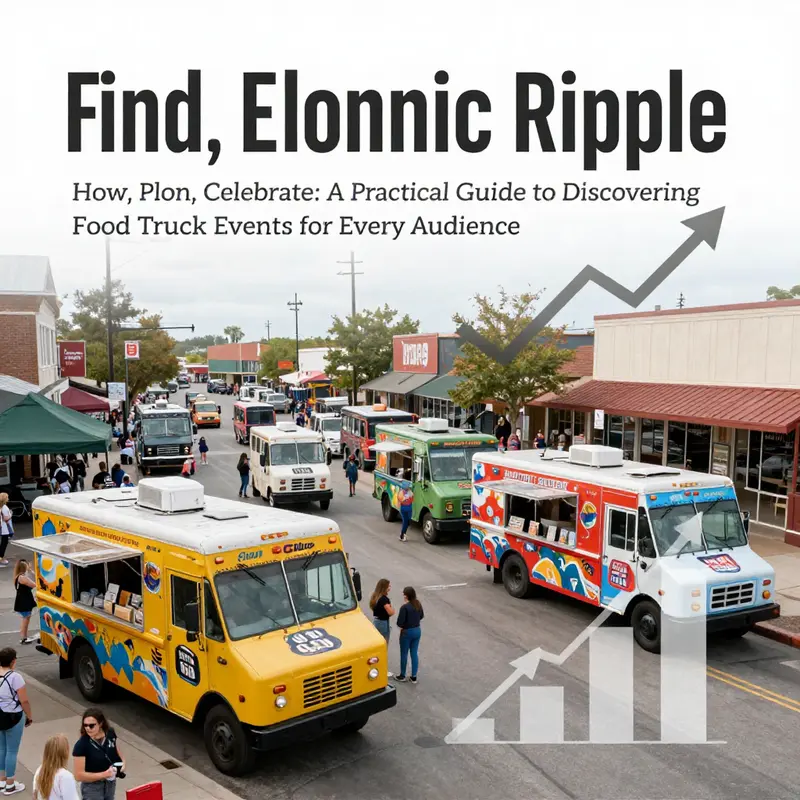
Finding food truck events is more than a hunt for a schedule; it’s a habit of listening to the rhythm of a city’s public spaces. The right events turn a wandering afternoon into a small festival, a busy street into a corridor of new flavors, and a mobile kitchen into a bridge between culture and commerce. To chart this map well, you begin not with a single venue in mind but with a way of thinking that blends curiosity with discipline. You outline a purpose, you assemble a toolkit, and you create a workflow that can be repeated season after season. When you approach discovery with that frame, you stop chasing random popups and start identifying opportunities that align with your goals, your capabilities, and your community’s appetite for variety. The journey to find events then becomes a continuous loop of listening, verifying, contacting, and learning, with each pass sharpening your sense of what works and why.
The first anchor is purpose. Every food truck operator approaches events with a different emphasis—brand exposure for a newer concept, steady volume for a mature menu, or a platform to test new dishes with a built-in audience. Your objectives will shape which events you pursue and how you measure success. If you want to cultivate brand awareness, you might prioritize high-visibility venues near business districts or campuses, even if the attendance appears modest at first glance. If your aim is rapid turnover, you’ll seek events with predictable foot traffic, clear load-in windows, and nearby supportive amenities like parking, restrooms, and shade. Constraints also matter: geographic reach, permit costs, competition density, and the on-site rules for trucks. A simple rubric that you screen events against can save days of misalignment later. That rubric might weigh visibility, reach to your target demographic, and logistical ease, with a pass/fail threshold you apply uniformly across candidates. In the long run, consistency in evaluation is the true multiplier for growth, because it frees you to compare apples to apples rather than guessing what an event delivered.
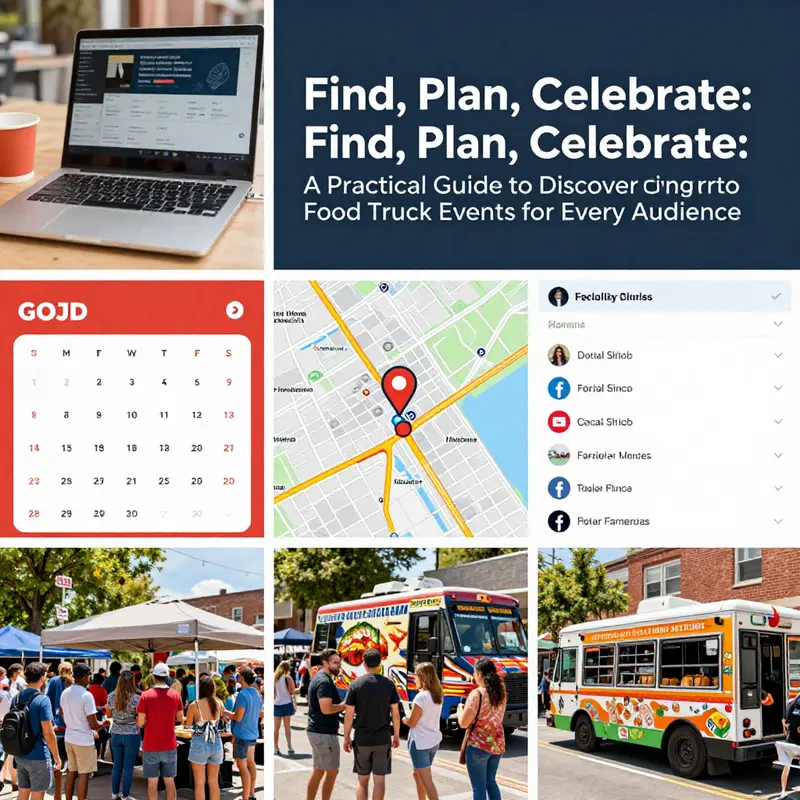
To build a practical search strategy, you assemble three sources that feed one another. Start with public calendars and civic portals. City and county event calendars are typically the most reliable for recurring moments in the local scene—weekly markets, monthly street fairs, seasonal festivals. These calendars often include not just dates but basic details such as site location, hours, and whether power or water hookups are available. Then broaden your net to event platforms and media channels. Platforms such as Eventbrite, major social event pages, and local news outlets regularly surface new opportunities, sponsor lists, and vendor rosters. They also reveal who tends to participate, what kinds of audiences attend, and how events market themselves. Finally, tap into networks that move in the food truck ecosystem. Local business associations, merchant groups, and food truck guilds keep informal catalogs of upcoming events and can provide anecdotes about weather, crowds, and the quality of organizer communication. The best practices here are practical: set up alerts for city names plus keywords like festival, market, street fair, and pop-up night market; schedule a standing biweekly review to capture new listings and note changes to existing ones; and maintain a micro-database so that you can track which sources consistently deliver quality leads.
Gathering data from these channels then requires a focused vetting process. For each candidate event, you collect core facts: the organizer, the date and time window, the exact location, estimated attendance, the history of vendor participation, and the practical requirements such as permits, power, water, insurance, and any participation costs. But data alone isn’t enough. You must vet fit through a lens of location and accessibility. Is the site easily reachable by truck traffic with clear ingress and egress? Is there a loading zone or a designated ramp, with enough room for setup and line management? Is the event aligned with your target audience—for instance, a pedestrian-friendly stretch near office towers on a weekday lunch hour, or a late-afternoon run near student housing on a weekend?
Understanding the vendor mix is equally important. A balanced market with diverse cuisines reduces the risk of crowd fatigue and creates cross-pollinating traffic between trucks, nearby retailers, and adjacent attractions. If an event leans heavily toward a single cuisine, you’ll want to measure whether your offering complements rather than competes. You also assess the on-site logistics: will you have reliable power? is water access guaranteed? how is waste management handled? Are there standard load-in times you must meet, and who are the on-site contacts for emergencies or last-minute changes? Financial considerations require careful thought as well. Beyond the visible entry fees, there may be revenue share arrangements, processing fees for mobile payments, and timing for payments and refunds. A clear understanding of these terms up front prevents disputes and ensures your forecasts stay realistic.
The work of organizing event discovery is made tractable by adopting hygiene practices for data and communications. Use a master event log where each event has a unique ID, a source tag, last-updated timestamp, and a current status such as prospecting, contacted, confirmed, or declined. Cross-check dates and times across multiple sources because last-minute changes are common in events that depend on weather, permitting, or partner venues. Distinguish between public festivals and private hires; the latter often have different lead times, insurance requirements, and power provisions. Data hygiene matters not just for accuracy but for speed. The sooner you can confirm or rule out an opportunity, the more capacity you have to mobilize a team, coordinate permits, and secure your preferred load-in slot.
Outreach and engagement become the behavioral backbone of the process. A standardized plan keeps messages concise, professional, and adaptable to the event type. An initial outreach email should introduce your concept, highlight why you fit the audience, and reference high-level metrics from past events, such as average spend per customer, typical foot traffic, and the logistics you have arranged to ensure smooth operation. The follow-up should be a polite nudge that adds a logistics sketch—where trucks will park, where utilities will be provided, and what commitments you are seeking in terms of permits and certificates. A confirmation message should recap agreements, load-in times, and payment terms. Good practice includes a site review ahead of the event, either a physical visit or a detailed map review, to confirm placement, utility access, and waste disposal sites. You should attach digital copies of permits, insurance certificates, and any required documents so the organizer has everything in one place. A simple, well-organized file structure—contracts, permits, insurance, contacts, payments, and notes—saves time when plans evolve and helps you stay compliant.
Templates matter, and so does a practical sense of how to move from one event to the next. Your event-tracking spreadsheet can be lean but complete. Columns for Event ID, name, organizer, date/time, location, estimated attendance, permits, power/water needs, fees, truck count allowed, primary contact, status, and notes provide a quick mental snapshot and a long-term record for trend analysis. Outreach templates—short, tailored emails that acknowledge the event’s audience and share a crisp value proposition—keep communications efficient and professional. A compact site-map or load-in plan, with truck positions, utility hookups, and waste stations, helps crews execute smoothly. Permit and compliance checklists, including health codes, safety plans, insurance limits, and any local requirements, prevent last-minute scrambles. Scheduling integrations that push reminders for follow-ups, permit renewals, and lead times for staffing turn planning into a routine rhythm rather than a scramble when a date approaches.
Beyond the mechanics, practical heuristics guide your choice of events. Prioritize venues with steady attendance histories and locations that clearly reach your target customers, such as near business districts for weekday lunches or near campuses for student crowds. Favor events with a diverse vendor mix and robust marketing reach, where social channels or partner organizations amplify the event’s visibility. A fictionally grounded case could illustrate the impact: imagine a city with eight outdoor markets in a month, each offering one to two power hookups and moderate foot traffic. By selecting four events that emphasize visibility and alignment with the audience, a truck with a modest average ticket size might generate meaningful monthly revenue when multiplied across several venues. The key is not to chase every opportunity but to curate a portfolio of events that balance reach, logistics, and performance history. This disciplined approach reduces risk and builds a reliable growth arc over time.
As you build toward understanding the economic role of food truck activity in local markets, the “why” behind these events becomes clear. The framework for assessing impact looks at direct effects like customer spending and vendor revenue, indirect effects through the supply chain and event operations, and induced effects from wages circulating in the local economy. A rigorous approach begins with careful measurement of direct spending at each event, including customer purchases and trucks’ own revenue generated at the site. Indirect effects follow from local supplier purchases, maintenance, and services consumed by the event and the trucks. Induced effects emerge when wages paid to staff circulate in the surrounding economy through local spending. The multiplier concept is central here: the total economic impact equals the sum of direct, indirect, and induced effects, with multipliers varying by region and activity. The practical takeaway is to document assumptions, choose regionally appropriate multipliers when possible, and present results with transparent ranges. While this analysis can grow complex, the core insight remains accessible: more high-quality, well-organized events create more opportunities for local vendors and nearby merchants, generating a broader ecosystem of activity.
In practice, event discovery and impact assessment should feed into a continuous improvement loop. For organizers and local governments, the insights help calendar planning that maximizes spillover benefits to adjacent businesses, targeted infrastructure investments, and streamlined permit frameworks. For operators, the framework informs prioritization, performance tracking, and relationship-building with organizers and fellow vendors. For researchers and practitioners, a transparent, repeatable methodology invites replication, possible anonymized aggregation, and a clearer understanding of how mobile food venues contribute to place-making and economic activity. The narrative you adopt as you move through each season should emphasize both reliability and adaptability: reliability in your processes—data hygiene, standardized outreach, clear contracts—and adaptability in your plans, ready to adjust for weather, changes in permits, or shifting consumer tastes. In this way, the practice of finding food truck events becomes not a one-off scramble but a disciplined craft that evolves with the city itself.
For those who want to understand the governance side of events, you can learn more in Navigating Food Truck Industry Regulations. The link points to a resource focused on how rules shape where trucks can operate, how permits are obtained, and what it takes to keep markets compliant while staying responsive to attendees. As you apply the approach described here, you’ll notice that the most effective opportunities come from signals that combine a clear audience fit, transparent terms, and a supportive community of organizers and vendors. When those signals align, the stories behind each event begin to resemble a shared narrative rather than a string of isolated gigs. The city becomes a tapestry of bite-size experiences, with your truck as a moving thread that ties restaurants, parks, transit hubs, and neighborhoods into a cohesive consumer journey.
External resource: To see real-world configurations of recurring street-food gatherings and the way they present themselves to the public, you can explore Smorgasburg L.A. and its weekly format, which provides a contemporary snapshot of how a large, curated event operates and markets itself. https://www.smorgasburg.com/los-angeles/
Finding Food Truck Events: A Living Map of Community, Culture, and Local Policy
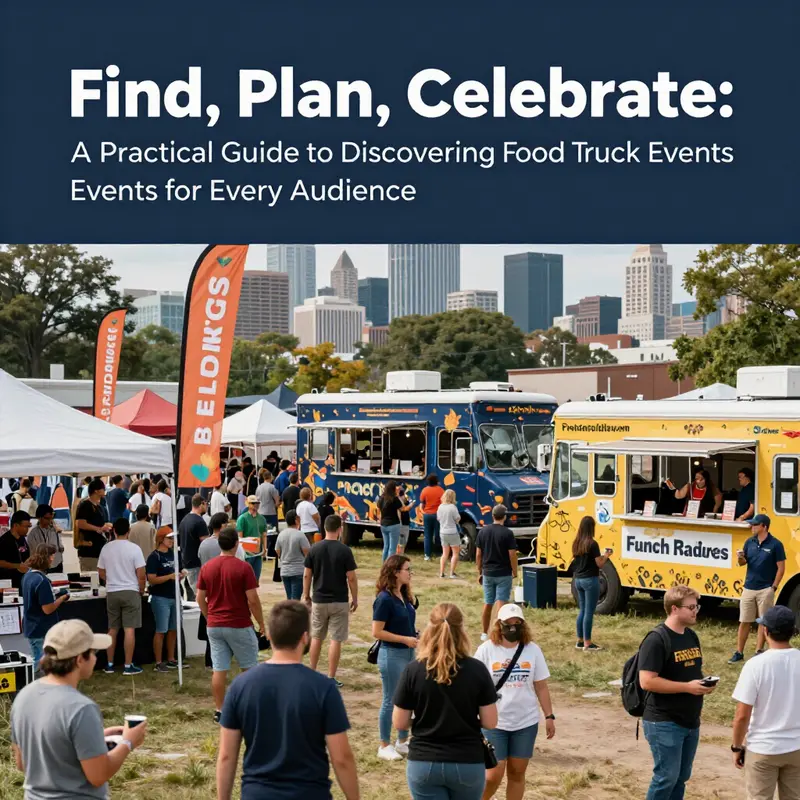
Food truck events are more than quick bites; they are living gatherings where neighbors cluster around shared flavors and streets become stages for local talent. When you set out to find these events, you are tracing the heartbeat of a citys culinary imagination. The path to discovery begins with a practical map and grows into an understanding of the neighborhood, the culture it curates, and the rules that govern when and where this culture can flourish.
The practical starting point is official calendars published by city or county offices. They function as keepers of the communitys appetites, not just lists. They reflect planning decisions, permitting cycles, and the seasonal preferences of residents. In practice this means scanning a municipal site for weekend clusters and paying attention to times, locations, and participating vendors. The cadence is predictable enough to map a month of outings, yet flexible enough to accommodate weather, permits, and citywide celebrations.
Beyond official calendars, dedicated event platforms and neighborhood pages help uncover recurring venues and cuisines. These resources show which cuisines appear on certain nights, and can reveal a rhythm that aligns with your tastes and routines. Some towns document a weekly or monthly cadence on neighborhood sites that promote community events. A pattern like a monthly Food Truck Friday becomes a familiar ritual that vendors plan around, creating a dependable loop of opportunities.
Municipal programming also shapes the scene. Some cities partner with cultural or tourism offices to package food truck experiences as part of waterfront development, park programming, or downtown revitalization. This often adds live music, family activities, craft markets, or sunset viewpoints that elevate a simple meal into a sensory experience. The policy framework behind these events matters as well. Zoning, health and safety rules, vehicle parking regulations, and parking lot leases influence where popups can occur and how long they last.
When you combine official calendars, neighborhood patterns, and live updates from discovery platforms, you gain a resilient method that gives you predictability and flexibility. The city calendar anchors your plans while real-time updates guide last-minute decisions. This approach helps you plan family outings, date nights, or solo adventures with confidence, and invites you to participate in the citys culinary conversation.
In Southern California, the mix of beaches, downtowns, and hillside districts creates venues from waterfront promenades to public plazas where food trucks complement concerts and markets. The story is not just about eating; it is about place and memory, and the way mobility, commerce, and culture converge on a single block, on a Saturday evening, or beneath a park shade tree.
To bring this to life, many people rely on a three-layer approach: official calendars for stability, neighborhood pages for recurring events, and live discovery tools for real-time shifts. This combination helps you avoid false starts, optimize your time, and discover new vendors and menus as the season changes. It also reflects how policy and community energy shape which venues become reliable anchors for food truck culture.
If you want a practical reading list, consider neighborhood pages that reveal recurring events, city calendars that confirm broader schedules, and live-discovery platforms that fill in last minute shifts. You might also find local blogs useful for context on how vendors negotiate permits and spaces in your city. The broader platforms let you see the bigger picture: a city that uses streets as cultural conduits, not merely as transit corridors. Discovering food truck events is about eating well and participating in a dynamic public culture that celebrates creativity, mobility, and shared space on the streets you call home.
As you plan your next outing, ask what patterns you are following: weekly cadences, waterfront venues, and neighborhood clusters. When you weave these patterns into your planning, you are following a living thread through a citys social life. The thread binds people to places, flavors to memory, and policy to everyday practice. The result is a map you can rely on and a routine that invites you to linger a little longer.
For readers seeking a lighter touch, you can explore case studies from regional blogs that reflect on community events and the logistics behind them. Such sources offer useful perspectives on how seasonal calendars shape what appears on the street and how attendees learn to navigate the space with ease. If you want an example, seek out a local blog that covers food truck events and policies in your city. The goal is to listen to community voices and reflect them in your own planning.
External platforms also offer scale. A comprehensive city-wide discovery tool helps you follow not just individual trucks but the collaborative events that bring vendors, breweries, and neighborhoods together. These platforms reduce guesswork, keep schedules up to date, and amplify community voices as organizers announce new venues and seasonal themes. They remind us that discovering food truck events is not just about meals but about participating in a public culture that celebrates creativity, and shared space on the streets you call home.
Final thoughts
Across digital discovery, economic understanding, and community-policy awareness, the practice of finding food truck events becomes a strategic tool for managers and enthusiasts alike. The right approach blends reliable online resources with local partnerships, measured timing to align with audience needs, and a respect for the regulatory framework that supports safe, inclusive enjoyment. Event planners can craft memorable experiences by choosing events that resonate with stakeholders, while corporate teams can leverage these gatherings for team building and culture. Local groups can champion inclusive, culturally diverse menus and programming, and individuals can expand their culinary horizons with confidence. The throughline is simple: targeted discovery, thoughtful planning, and community-minded execution create food truck experiences that not only satisfy appetites but also strengthen connections across neighborhoods. Keep exploring, keep collaborating, and keep tasting the possibilities.