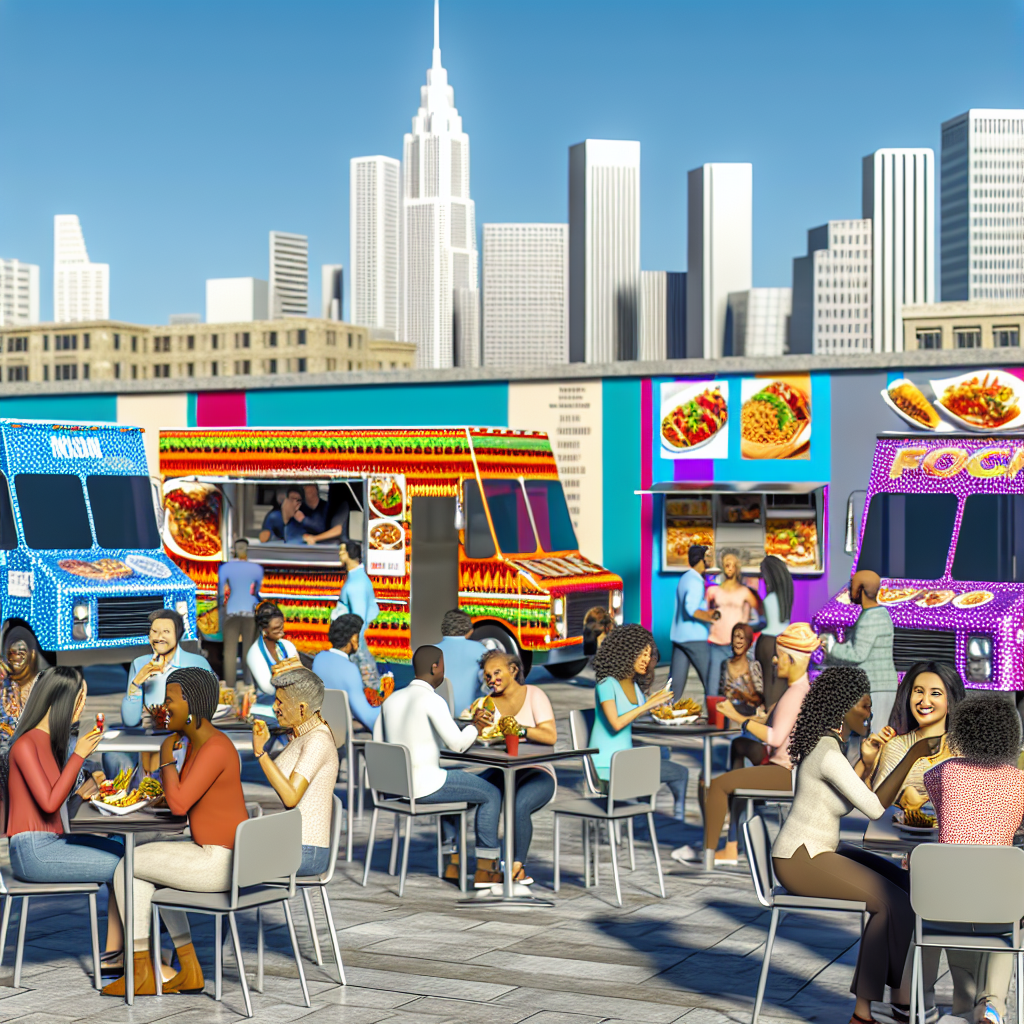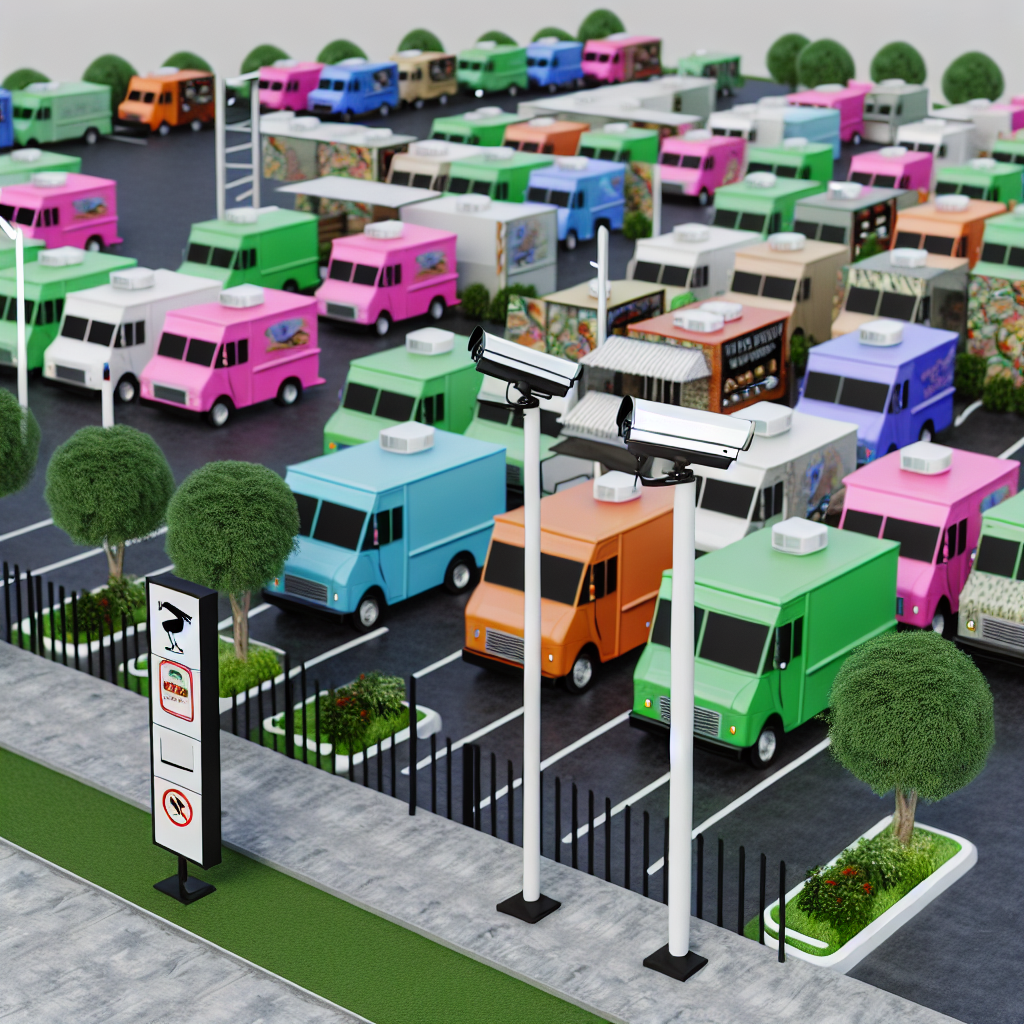
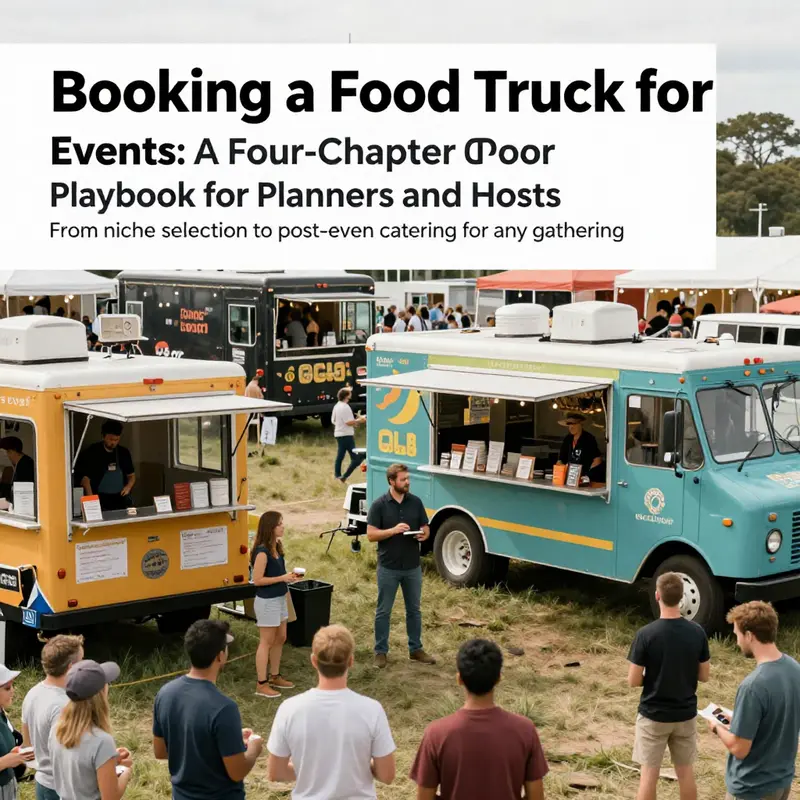
Securing a food truck for your event is about more than delicious food. It’s about curating an experience that fits the space, audience, and vibe while keeping logistics smooth and budgets on track. Whether you’re an event planner coordinating a corporate retreat, a local community group organizing a festival, a school function, or a food enthusiast arranging a private gathering, the right mobile kitchen can become the event’s flavor anchor. This four-chapter framework guides you from the fundamentals of defining your niche, menu, and compliance to building a standout brand, leveraging booking platforms, and mastering the on-site logistics plus post-event follow-up. Each chapter builds on the last, turning inquiries into confident decisions and action into memorable moments. Expect practical checklists, platform options, negotiation tips, and real-world nuance you can reuse across different events. With a clear plan and friendly, culturally authentic messaging, you’ll move from inquiry to a delicious, on-time experience that guests remember long after the last bite.
Charting Your Booking Roadmap: Defining Niche, Menu, and Compliance for a Food Truck at Events
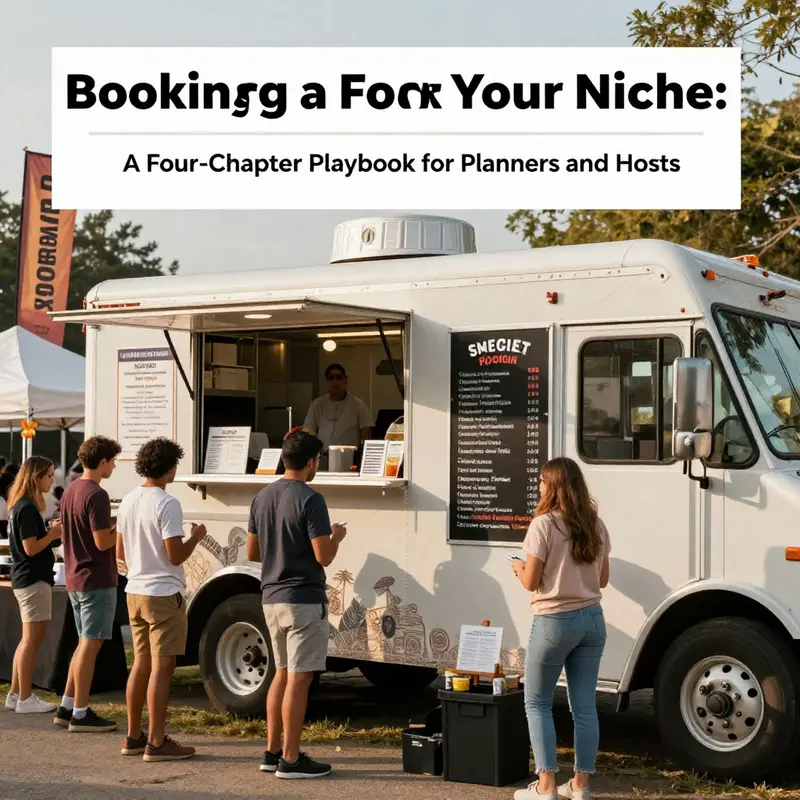
A successful run of event bookings for a food truck starts long before the first motor hums to life. It begins with a clear understanding of what your truck stands for, how your food speaks to a specific audience, and what rules keep you in the game. In practice, that means defining a distinctive niche, crafting a menu that embodies that niche while remaining practical for on-site cooking, and securing the compliance framework that venues and organizers require. When these pieces fit, you don’t chase events you attract them, and once you book one, you can build a reputation that makes future inquiries routine rather than occasional.
Defining your niche is more than picking a cuisine. It is identifying a promise you can deliver consistently in a noisy marketplace. Are you serving bold, inventive street food that tastes like a destination, or comforting, familiar fare with a modern twist? Perhaps you lean into plant-based options that appeal to health-conscious crowds, or you specialize in a crowd-pleasing family-friendly menu that travels well in busy parks and corporate campuses. The clarity of this choice cascades through every decision you make—from the look of your truck to the tone of your social presence to the way you price your offerings. A focused niche helps you target the right events, makes your booth memorable, and reduces the ambiguity that can blur a vendor’s value in the minds of organizers. A fusion concept might draw younger festival-goers; a classic diner vibe can anchor local fairs and company gatherings. The test is whether your niche is both authentic and exhibitable in high-volume settings where speed and consistency win.
With a niche in mind, you turn to the menu. The menu should feel like a natural extension of your brand while being practical for a mobile kitchen. This means designing items that are quick to prepare, straightforward to plate, and easy to scale when demand spikes. A well-structured menu reduces waste and stabilizes your prep flow, which is vital for events where you may switch from a morning farmer’s market to an afternoon street festival to an evening corporate party. Seasonal ingredients can keep the menu fresh without complicating inventory. A signature item—think a standout sandwich, a signature sauce, or a unique topping—can become your calling card, helping customers remember you and organizers to book you again. The goal is a menu that aligns with your niche and supports reliable, repeatable service across dozens of events.
Operational efficiency also shapes the menu. Consider how much you can pre-prepare, how you manage assembly at the window, and how extended service times affect staffing. Simpler items often translate into faster service and fewer mistakes under pressure. Portion control matters, not only for consistency but for cost management and waste reduction. You’ll want to map each menu item to a kitchen workflow: what needs cooking on the truck, what can be prepped ahead, and what equipment is required to execute it safely. A carefully calibrated menu minimizes back-of-house chaos and keeps the customer experience smooth, even when you’re lined up with other vendors or facing a long queue.
The topic of compliance runs parallel to niche and menu. It is not the boring part of the planning; it is the door that unlocks opportunities. Every jurisdiction sets rules on health and safety, licensing, and vehicular operation for mobile food vendors. Your responsibility is to understand and meet these requirements before you seek bookings. The core elements usually include a valid business license, a mobile vendor permit, and a health department permit or food handler certification. Insurance is a standard expectation for event organizers, protecting both you and the venues you serve. These documents prove you operate professionally and reduce risk for events. Venues, organizers, and insurance underwriters rely on this information to decide whether to bring you into a festival lineup, a corporate retreat, or a school event.
Beyond the basics, many venues require that you prove your kitchen setup meets safety standards. This can involve a properly installed fire suppression system and a hood that manages grease safely. Fire codes are not optional add-ons; they are prerequisites for certain venues and for certain configurations of mobile cooking. It’s worth noting that compliance is not a one-time box to check. Regulations can change, and events often require up-to-date documentation, liability coverage, and proof of ongoing routine sanitation. When you keep these safeguards in place, you build credibility with organizers and reduce the risk of last-minute cancellations.
For those seeking guidance on navigating food truck regulations and safety standards, there is a thorough set of considerations available from national health and safety resources. A practical starting point is to review official guidance that outlines the process for small, mobile food businesses. This knowledge gives you the confidence to approach organizers with the right documentation, and it helps you discuss requirements clearly during outreach. For readers who want a deeper dive into regulatory navigation, an authoritative external resource is available to offer structured guidance on how to get started and stay compliant.
In parallel with compliance, building a professional brand and an online presence supports your booking strategy. Your brand is more than a logo; it is a promise about what customers will experience when they encounter your truck. A concise, consistent brand identity helps you appear polished in photos, on social media, and in written communications with event organizers. The online footprint should include a simple menu display, a reliable schedule of where you’ll be, and a way for organizers to contact you. Visual identity should echo your niche—colors, typography, and imagery that reflect the personality of your cuisine. A well-crafted brand not only attracts customers at the event but also reassures organizers that you are a dependable partner for their program.
Outreach to event organizers is a critical, ongoing discipline. A direct approach—reaching out to planners with a brief, compelling portfolio and transparent pricing—can be more effective than waiting for callbacks. Your outreach materials should include a snapshot of your menu, your unique value proposition, and a few flexible packages that fit different budgets and formats, such as gallery-style tasting options, buffet-style service, or full-service catering with beverage add-ons where appropriate. The emphasis should be on reliability, quality, and the seamless experience you offer to organizers and attendees alike. A polished portfolio that includes photos from past events, testimonials when available, and clear pricing not only helps win bookings but also cements trust for future partnerships.
In terms of logistics, you must confirm access to the venue, including parking arrangements, available power sources, water availability, and any restrictions on setup and teardown times. The practical side of booking—where you will park, how you will generate electricity, and how you will handle waste—matters as much as the menu. Your ability to adapt to a venue’s constraints can be the difference between a smooth service and a rushed scramble. Addressing these details in advance reduces stress on event day and demonstrates to organizers that you respect their scheduling and safety requirements.
Pricing and packaging deserve thoughtful design. Offer tiered options that align with different event formats—short pop-ups, multi-hour shifts, and full-day programs. Think about bundling items like drinks or desserts as add-ons, or offering a “festival pass” for larger gatherings that improves your per-customer profitability while remaining predictable for organizers. Transparent pricing builds trust and minimizes back-and-forth negotiations that can slow a booking. It also helps you forecast costs and margins across a range of events, which in turn supports sustainable growth as you scale your operations.
Finally, the practice of follow-up after events is where relationships become recurring opportunities. A timely thank-you note, a request for feedback, and a short recap of what you provided can be used to solicit testimonials and reinforce your reputation. When organizers see that you value their experience and their guests, they are more likely to book you again and to recommend you to others. Repeat business is the backbone of a resilient event-focused food truck, and a thoughtful post-event touchpoint often makes the difference between a one-off appearance and a trusted partner across a season or a portfolio of events.
For readers who want to explore a broader understanding of how to manage this journey—from niche identification to regulatory readiness—there is a detailed resource that expands on navigating the regulatory landscape for mobile vendors. See the linked resource here: Navigating Food-Truck Industry Regulations. This internal reference complements the practical steps described above by situating your compliance work within a broader framework of industry expectations and best practices.
As you implement this roadmap, keep front and center the idea that your bookings come from clarity and reliability. Your niche should feel authentic to you and compelling to the audiences you aim to serve. Your menu should reflect that niche while remaining practical for the speed and scale of events. Your compliance should be thorough, up-to-date, and easy to verify. When you combine these elements, you create a platform from which every outreach, every menu item, and every service interaction reinforces the story you want your brand to tell. The result is a steady stream of inquiries, fewer missed opportunities, and a growing track record that proves you are a booking-ready partner for events of all sizes.
External resource for further regulatory guidance: https://www.fda.gov/food/business-food-safety-consultation/small-food-businesses/starting-a-food-truck
Brand, Presence, and Platforms: A Seamless Roadmap to Booking Your Food Truck at Events
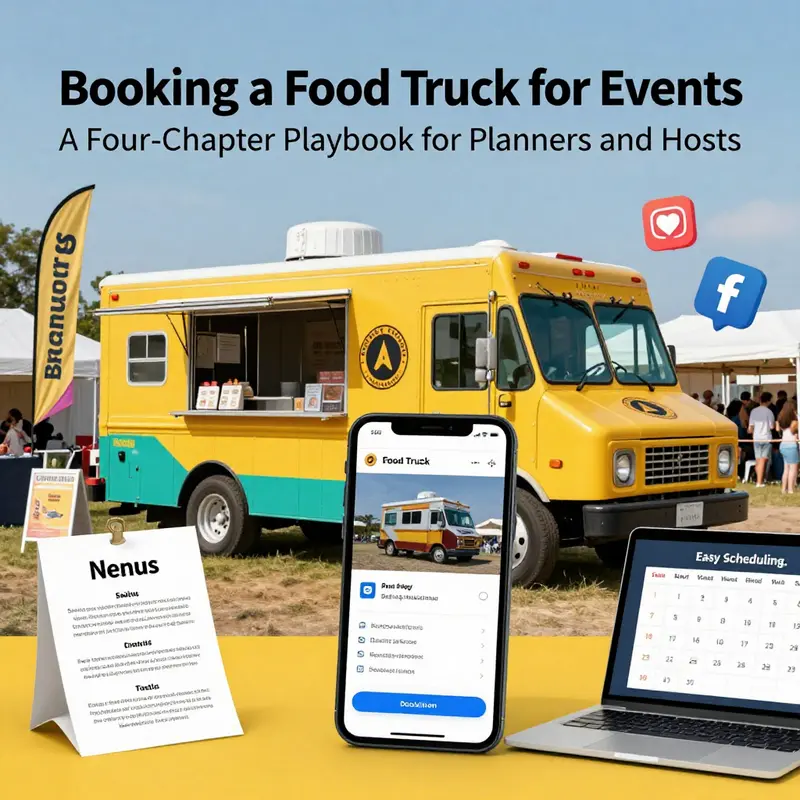
When a food truck pulls into an events landscape, it isn’t just the aroma of food that travels across the space; it is a message. It says who you are, what you stand for, and how easy it is to work with you. This chapter treats branding, online presence, and booking platforms as three connected pillars that hold up the entire process of getting events on your calendar. Rather than treating them as separate boxes to check, imagine them as a single, living ecosystem where each component reinforces the others. A strong brand draws people in, a clear online presence converts interest into inquiries, and smart use of booking platforms expands your reach while keeping logistics smooth. The result is a reliable pipeline of event opportunities, from weddings and corporate gatherings to festivals and school functions, all built on a cohesive story you tell with your truck, your materials, and your digital footprints.
Brand identity is the compass that guides every decision you make, from the concept of your menu to the way you respond to inquiries. Start with a clear brand concept that captures the essence of what you serve and why clients should care. Are you a global street food experience, a farm to truck partner with locally sourced ingredients, or a nostalgic comfort-food concept on wheels? The core idea should be tangible enough to be reflected everywhere—on the truck wrap, the uniform, the menu boards, and the way you describe your offerings in emails. Once you lock in a concept, the next step is a name and logo that feel inevitable once you hear them. A strong name and a scalable logo will become the visual anchor of your truck’s presence, making you instantly recognizable from a distance and on social feeds alike. This is not just about looking good; it is about ensuring your visuals communicate the right story at a glance.
A consistent visual identity matters because branding is a communication tool as much as it is design. Choose a color palette, typography, and graphic elements that reflect your concept and keep them consistent across all touchpoints. Think about how the truck looks when it is parked at a venue, how the menu boards read from a distance, how the napkins and packaging convey your tone, and how your staff present themselves. The goal is to create a cohesive, legible, and persuasive impression that travels with the truck to every event. A compelling brand also evolves with you. Your brand story should feel authentic—people connect with a narrative about how you source ingredients, why you built the truck, or what culinary philosophies guide your dishes. This story should permeate your website, social media captions, and even the way you respond to inquiries. The branding conversation is not a one-time exercise; it is an ongoing dialogue that shapes every customer touchpoint.
To connect branding with practical execution, consider a resource that translates concept into visuals—the branding on wheels approach that shows how identity can travel on a truck and through collateral. This kind of guided reference helps ensure that the brand concept remains legible and impactful from a distance while still feeling intimate up close. For a direct window into that approach, you can explore branding on wheels: the ultimate guide to food truck graphics and identity. branding on wheels: the ultimate guide to food truck graphics and identity. This kind of reference reinforces that branding is not just look; it is a system of cues that signals your concept, your quality, and your reliability.
If branding is the compass, your online presence is the map. Today’s event planners and clients begin their search online long before they pick up the phone. Your website should function as a mobile, customer-facing hub where a planner can quickly see what you offer, where you serve, and how to book you. A professional site reads as a curated menu of your services: clear sections for weddings, corporate events, festivals, and community gatherings; a concise while still appetizing menu with pricing or indicative packages; high-quality photos that showcase your truck in action, your team at work, and your most popular dishes. A robust site should also present a few bite-sized testimonials from past events, because social proof remains one of the most persuasive forms of reassurance for someone planning a large gathering. Understand that this hub is not just about selling food; it is about selling ease. Event organizers want to know that your operation will show up with clean equipment, punctuality, and a process that minimizes risk and stress.
The online strategy extends beyond the website. An active social presence that blends behind-the-scenes content with vivid action shots helps convey your brand personality and daily rhythm. Show your prep routines, the moments when a dish comes together in a flash, the smiles of satisfied guests, and the way you interact with organizers on-site. Social content should be authentic rather than overly polished; the aim is to offer a window into your day-to-day reliability and culinary voice. Beyond posting, reputation management matters: actively seek reviews from organizers and clients, respond promptly to feedback—both praise and critique—and demonstrate a professional commitment to service improvement. The most effective online brands balance consistent visuals with genuine storytelling, weaving together sourcing stories, partner collaborations, and community involvement. In this regard, branding becomes more than a design exercise; it becomes a strategic voice that travels with you online and offline.
When you consider platforms that connect vendors with event hosts, you are leaning into a crucial catalyst for growth. Booking platforms can serve as a central hub where inquiries arrive, calendars align, and payments flow through a predictable channel. These platforms simplify the logistics of inquiry management, allowing you to present a clear portfolio, show availability, and outline service areas and logistic requirements. The most effective use of platforms is not to rely on them exclusively, but to integrate them with your brand and online presence so that every inquiry arrives into a branded, well-structured process. A strong profile on these platforms should read as an extended invitation: it should narrate your concept, display your best food photography, outline the packages you offer, and spell out what is included—such as staffing, equipment, and service formats. It should also set expectations about response times, lead times, and the logistical checks a venue will expect, including parking access, power needs, water supply, and insurance considerations.
The strategic advantage of platforms is clear: they broaden visibility to organizers actively seeking vendors for weddings, corporate events, and large public gatherings. Yet the most important discipline is to maintain brand consistency across platforms. Your profile, your response language, and your pricing should align with the tone and value proposition you present on your website. When a planner lands in your profile, they should immediately recognize the same brand voice and the same quality standard they saw online, in the visuals, and in your printed materials. This creates a seamless, low-friction path from discovery to inquiry to quote. The experience of interacting with you should feel cohesive and trustworthy, not fragmented across separate channels.
To implement this approach in practice, start by defining a practical development timeline. Brand development can unfold over a cautious 30 to 45 days, during which you refine the concept, settle on a name and a logo, and craft brand guidelines that translate to vehicle wrap concepts, signage, and packaging. Building or refreshing your online presence can occur over a broader window—roughly 60 to 90 days—aiming for a professional website, a content plan for social channels, and a structured approach to gathering and displaying testimonials. Booking platform strategy is ongoing, with the aim of creating compelling platform profiles, establishing response SLAs, and tracking inquiries and conversions. The ultimate goal is a cohesive funnel: discovery, interest, inquiry, and booking, with each stage reinforced by brand consistency and a credible online footprint. Metrics matter here. Brand metrics track recognition and consistency; online presence metrics monitor site traffic, time on site, and inquiry rates; booking metrics focus on inquiry-to-booking conversion, average booking value, and lead response times. Across all three pillars, practical tips emerge: ensure your branding remains legible from a distance on wraps and signage, keep imagery fresh and reflective of current offerings, and balance reliance on platforms with direct outreach and relationship building. Understand each platform’s terms and fees before committing, and always prepare a clear, branded inquiry that travels smoothly from email to proposal.
This integrated approach is more than a checklist; it is a disciplined practice of storytelling, visibility, and process. When a planner encounters your truck in person, views your polished site, and then sees a well-handled inquiry experience, they perceive a business that is reliable from first glance to last detail. The narrative you present—through visuals, through copy, through the ease of contact—becomes the reason they choose you over others in a crowded field. The branding guides the visuals, the online presence carries the message, and the platforms provide the rails on which inquiries travel safely toward onboarding. In the end, your success is not anchored to a single tactic but to the synergy of identity, access, and reliability. If you want a practical resource to anchor the branding side, consider exploring the branding on wheels guide. It offers a structured view of how identity translates into truck graphics and marketing materials, reinforcing that branding is a functional asset, not mere decoration.
For readers seeking additional tangible pathways into outfitting and mobility options for a food truck, a wide range of suppliers and vehicle configurations exist to support launching or expanding a mobile catering operation. You can explore a broad spectrum of options at external resources that curate mobile kitchen configurations and equipment. Such resources can help you visualize how branding, service formats, and logistics come together in a real-world vehicle. And as you refine these elements, remember that the ultimate measure of success lies in the consistency of your brand, the responsiveness of your communication, and the reliability of your booking process. These are the invisible gears that turn inquiries into bookings and events into repeat engagements.
External resource for further exploration on mobility and outfitting: https://www.alibaba.com/showroom/mobile-food-truck.html
Chasing Consistent Bookings: Networking, Outreach, and Smart Packages for Your Food Truck
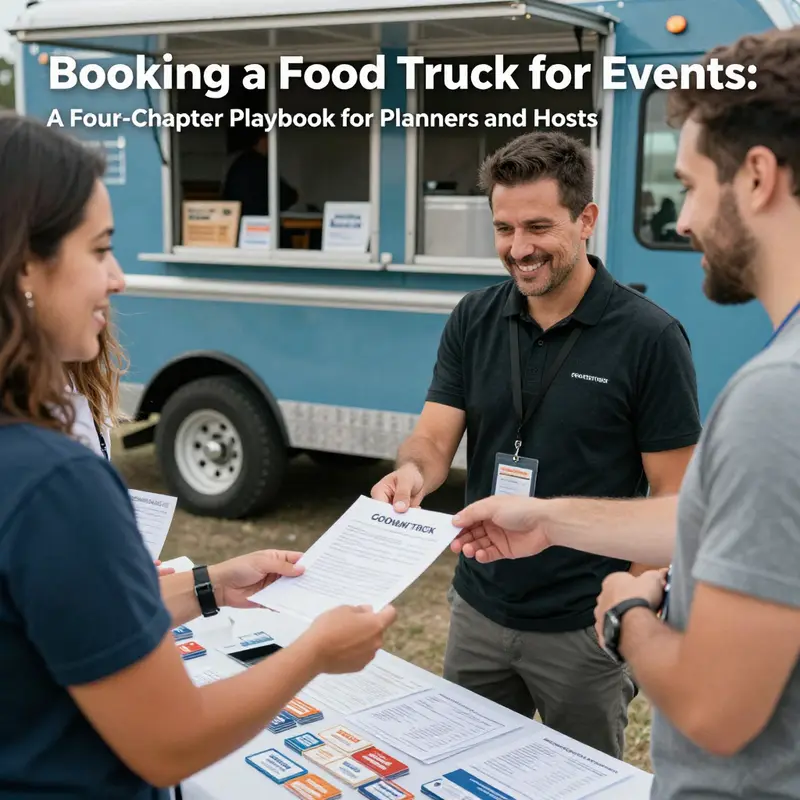
Booking a food truck for events is about building dependable systems that turn opportunities into recurring gigs. When a mobile kitchen becomes a familiar, trusted partner, event planners think of you first. The approach is practical and human at its core: meet people, present a clear value, and offer options that fit a range of budgets. The aim is to transform your everyday service into a reliable experience that planners can count on, time after time. This chapter weaves together three pillars that consistently convert interest into confirmed bookings: networking, direct outreach, and thoughtfully designed pricing packages. When they work together, they form a rhythm that keeps your calendar full without sacrificing the quality or integrity of your offering.
To begin, think of networking not as a one-off exchange but as an ongoing investment in relationships within your local ecosystem. Networking is the art of showing up with curiosity and value rather than flyers and promises. In practice, that means becoming a familiar presence in the places where events are born. Local chambers of commerce, business improvement districts, neighborhood associations, and other community groups are not just social venues; they are wellsprings of opportunities. Attending meetings and volunteering for small, visible roles helps you meet event planners, venue managers, and other vendors who routinely influence the calendar. It’s about being known for reliability and a clear sense of what you bring to the table. The beauty of this approach is in its reciprocity: as you offer to support others, you earn access to opportunities they are trying to fill. The more you contribute, the more your name surfaces when a team starts planning a festival, a fundraiser, or a corporate retreat.
Within this networking frame, look for partners who complement your concept. A craft brewery hosting a ‘beer and bites’ night, a yoga studio seeking nourishing lunch options after a morning session, or a school district planning a community wellness fair—all become anchors for collaboration. The goal is not to chase a single big event but to weave a network that yields a steady stream of smaller, repeatable bookings. When you align with complementary brands, you’re not competing for attention; you’re co-creating a shared audience. This approach expands your visibility beyond your own branding and taps into audiences that are already primed to receive your menu. And as you cultivate relationships, you begin to notice patterns: certain times of year, certain venue types, and certain community events tend to reappear. Those patterns become your roadmap, reducing the uncertainty that often accompanies food truck bookings.
Observation is a powerful tool in networking. Attend industry events, farmers markets, and trade shows not merely to showcase your food but to study the event formats. Seeing what works elsewhere—how vendors structure their spaces, how they coordinate with organizers, how guests move through venues—provides practical templates you can adapt. This learning mindset helps you anticipate logistical challenges before they arise: where the crowd naturally gathers, how to position the truck for throughput, and which menu items shift best during peak times. In addition to learning, you should actively seek opportunities to contribute. Offer to provide a sample dish at no cost for a curated event or to participate in a charity drive in exchange for a feature in organizer communications. Such gestures build goodwill and often translate into word-of-mouth referrals that outpace paid advertising.
Direct outreach is the counterpart to broad networking. After you’ve laid a foundation in your local ecosystem, the next step is to reach out with a focused, value-driven message to the decision-makers planning events. The outreach strategy begins with targeted emails tailored to organizations with the capacity to host events—large teams, schools, universities, nonprofits, and corporate offices that routinely stage gatherings. The emails should introduce your truck with a concise, compelling selling proposition, emphasize your unique approach—be it fresh, locally sourced ingredients, a signature menu, or a family-friendly experience—and include a direct link to a portfolio or booking page. Personalization is essential: reference a previous event the organization hosted or align your offering with their stated values. A well-crafted note that shows you understand their needs and how you fit can dramatically increase response rates. Beyond emails, don’t shy away from a purposeful phone conversation. A brief, confident script can unlock questions about availability, dietary options, and coordination details. A friendly tone matters; a thoughtful, clear response to their questions signals that you are a partner, not a vendor.
In addition to direct outreach, structured booking platforms or vendor networks can amplify your visibility. List your services on platforms that enable organizers to search for mobile food options within their event constraints. These channels are not a replacement for direct relationship-building; they’re an amplifier—extending your reach to planners who are actively seeking partners in your locale. When you present yourself on these platforms, ensure your listing conveys three core elements: a crisp menu, a clear capacity and service model, and credible proof of reliability, such as past event highlights, client testimonials, and transparent pricing ranges. The combination of personal outreach and broad accessibility makes your calendar more predictable and less dependent on pure chance.
Pricing and packages sit at the heart of converting interest into commitments. A transparent, tiered approach helps clients see value quickly and choose a scale that matches their event. A simple three-tier model works well for most event types: Basic, Standard, and Premium. The Basic Package can cover smaller gatherings with a capped number of meals or items and a straightforward delivery and setup. The Standard Package adds flexibility, offering a broader menu, a couple of add-ons, and perhaps a small range of beverage options. The Premium Package is the full experience: a dedicated staff member, menu customization, premium ingredients when feasible, comprehensive setup and teardown, and potential extras such as a branded photo opportunity or a dedicated catering area. The objective is clarity and predictability. Clients appreciate knowing what is included at each price point and how the package scales with guest counts and event complexity.
To make pricing compelling, layer value rather than only lowering price. Bundle in perks like free delivery within a certain radius, complimentary garnish or appetizer, or a charity contribution in the client’s name. Such value-added elements elevate the perceived worth of your offer and reduce the sting of any logistical concerns. Some operators also experiment with flexible pricing models, such as pay-per-head for intimate groups or a flat fee for larger gatherings. Seasonal or event-specific packages—think a harvest menu for autumn festivals or a celebratory set for end-of-year gatherings—can create anticipation and drive demand during slower windows. The real challenge is to align the price with the client’s budget while preserving the quality of ingredients, the speed of service, and the overall guest experience. Thoughtful packaging, tested workflows, and a clear explanation of what each tier includes are essential to avoid scope creep and ensure a smooth event experience from inquiry to post-event follow-up.
As you refine your approach, keep your operations aligned with the expectations you set. Confirm viable logistics with the venue well in advance: access points for the truck, power sources, water supply, parking constraints, and the timing of a safe setup and teardown. Insurance and permits should be revisited for each event, with clear statements about what you cover and what the client might need to secure. The aim is not to surprise organizers with last-minute hurdles but to present a seamless, turnkey option that reduces their burden and enhances their event.
Follow-up is not an afterthought but a critical closing hinge. A thoughtful thank-you note, a request for feedback, and a prompt invitation to share photos or testimonials help to convert one-off bookings into repeat collaborations. Positive reviews, when presented on your booking page or social channels, become a powerful magnet for future inquiries. A steady stream of referrals often emerges from good experiences; it transforms your truck from a convenient option into a trusted partner that planners rely on when crafting memorable moments.
For ongoing inspiration and a behind-the-scenes sense of how these components come together, you can explore practical templates and examples on our own platform. They illustrate how to present your menu, craft a compelling value proposition, and structure messages that resonate with organizers. This resource supports a consistent, professional voice across outreach efforts and helps you maintain momentum even as you juggle competing priorities. By weaving together active networking, targeted outreach, and well-structured pricing, you create a resilient pipeline of opportunities. The result is a booking pattern that feels more intentional than accidental. You become a partner planners seek, not a vendor they settle for when other options are exhausted. The calendar begins to reflect a rhythm of events that aligns with your kitchen’s capacity, your brand’s story, and the communities you serve.
For readers seeking a tangible touchstone, consider how a well-crafted online presence supports your outreach. Your website and social profiles are not merely storefronts; they are anchors that reassure organizers and guests alike. They set expectations for service, tonality, and quality. A clear menu, vibrant visuals, and accessible contact information reduce friction and accelerate decisions. An accessible, well-organized portfolio—featuring photos from past events, menu variants, and sample setup diagrams—helps planners visualize your role at their venue. If you want a practical nudge toward improving your digital footprint, you can consult the broader body of work on our blog. It offers templates and case studies that demonstrate how small changes in branding and content can shift inquiry rates. Our blog at loschifladostruck.com/blog/ provides a window into how we present menus, branding, and booking details in a way that resonates with organizers. While every event is unique, the underlying approach—clarity, relevance, and proactive communication—remains universal.
In sum, booking your food truck for events is not a solitary sprint but a coordinated, repeatable practice. It depends on the quality of your network, the precision of your outreach, and the clarity of your pricing. When you invest in relationships, present a compelling, segmented menu, and offer packages that clearly map to different scales of events, you convert curiosity into commitment. Your truck becomes a known entity in the community—an option organizers turn to first when they’re shaping their next gathering. The more you lean into collaboration, the more you learn to predict demand, plan effectively, and serve guests with the consistency that builds trust and drives referrals. That is how a mobile kitchen grows from a single successful gig into a reliable, scalable business arm, capable of meeting the needs of diverse events while staying true to its culinary voice and brand story.
External resource: If you are exploring options for acquiring or upgrading a mobile kitchen, consider how a broad online marketplace presents a range of configurations and equipment to suit different cuisines and capacities. See: https://www.alibaba.com/showroom/mobile-food-truck.html
Booking the Mobile Kitchen: Mastering Event Logistics, Post-Event Follow-Up, and Real-World Evaluation
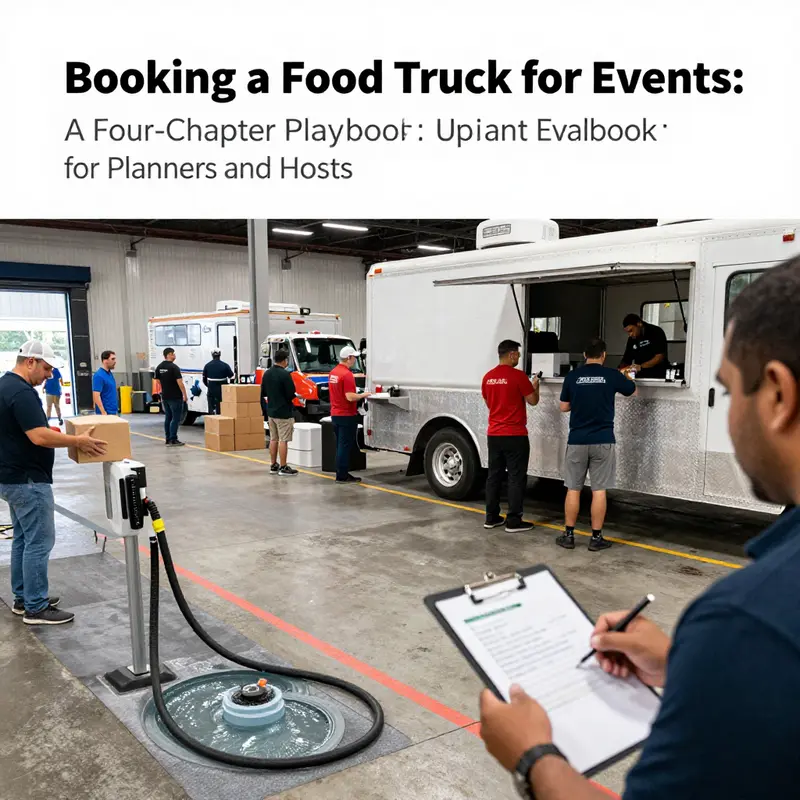
Booking your food truck into events is more than finding a date on a calendar. It is orchestration across dozens of moving parts, from the moment you first research a show to the moment you pack up and file notes for the next season. A well-executed booking strategy blends practical logistics with a deliberate approach to relationships and data. When these elements come together, every event becomes not only a chance to serve delicious food but also an opportunity to sharpen your brand and grow a loyal customer base. The backbone rests on three connected pillars: meticulous pre-event planning, disciplined post-event follow-up, and rigorous evaluation that translates lessons learned into smarter bookings next time. All three strands weave a narrative that keeps your truck busy, your margins healthy, and your reputation growing in a competitive landscape where foot traffic is king.
The first layer to master is logistics, the area where a clever plan prevents wasted time and empty stalls. It starts with ongoing research into local calendars. Festivals, farmers markets, concerts, and community gatherings come in cycles. Identify opportunities where your niche resonates with the crowd you serve. If your menu skews family-friendly, a daytime festival can yield steady lunch crowds. If your concept leans into late-night bites, an evening market can deliver longer revenue windows. The value of this research is in spotting dates and understanding the flow of people and the environments where your truck can operate smoothly.
You should also check event requirements before you sign. Every venue has rules about setup, parking, power, waste, and occupancy. Some events demand extra insurance or a temporary permit. Others require waste handling procedures or restrictions on cooking methods. Create a simple pre-event checklist covering permits, proof of insurance, setup dimensions, power, water, waste, and teardown order. Share this with organizers to set expectations clearly and minimize last-minute changes.
Permits and licenses are the currency of trust for mobile kitchens. Your business should be registered, and you should carry health department documentation. A health clearance, a food handler certification, and a valid business license are common requirements, but location matters. Stay connected to local health and events offices. Compile a portable packet of documents to present at different sites. Being prepared removes friction and reassures organizers that you meet safety standards.
Another critical area is the equipment and inventory plan. Harmonize your truck setup with the event’s space and electrical constraints while ensuring you can deliver the menu. Decide which equipment is essential and which can be rented. Inventory planning is crucial during high-traffic periods. Think through peak times, menu mix, and storage limits. A lean core of must-haves with flexible backups helps you adapt if demand shifts.
Brand presence and the online footprint play a quiet but crucial role. A professional brand is more than a logo; it signals what to expect. A clear identity helps you stand out and be recalled for future opportunities. Your online footprint should reflect the same identity as your stall—consistent colors, typography, and tone. A compact digital presence makes it easier for planners to discover you and compare you with others. A practical tip is to connect branding with your event strategy: visuals should echo the vibe you bring to an event. A cohesive image helps you appear more serious and bookable.
As you secure a booking, ensure access and placement planning is covered. You need to know where you can park, how you will access electricity or water, where waste goes, and how the setup fits the site layout. Traffic flow and queue management are as decisive as the menu. A clean, organized setup reduces service time and raises the odds of repeat visits. If the venue requires adjustments to your SOPs, adapt your menu and packaging to onsite realities and consider faster service formats while maintaining quality.
Clear communication with organizers is essential. Establish a primary point of contact, agree on arrival and teardown times, confirm power and water needs, and share a plan for contingencies such as weather changes. A short project plan that captures responsibilities can be a lifesaver during the event. When organizers feel supported, you elevate your status from vendor to trusted partner, increasing the likelihood of repeat bookings.
The middle layer concerns post-event follow-up. After the last order is served, you engage opportunities to solidify relationships and harvest learning. Send a thank-you message to attendees who opted in or provided contact information. A cordial note reinforces a positive memory and signals openness to future events. The touch should be short and tailored to the event.
Feedback is another crucial activity. Short surveys that guests can access via QR codes or follow-up emails help you understand what worked. Keep surveys brief and focused on actionable insights. The information you collect—for example, items that were popular, preferred times, or portion sizes—will steer menu planning and staffing decisions. In parallel, social media becomes a living post-event dossier: share photos, tag venues, and encourage attendees to post their experiences. Hashtags can widen discovery for future audiences.
The evaluation that follows helps you measure results. Track sales revenue, total customers served, and gross margin after COGS and labor. Quantify costs—transportation, fuel, staffing, and booth fees—and compare to revenue to estimate ROI. Maintain a simple ledger you can reference across events. Identify patterns, such as neighborhoods with higher average order values or faster service, and replicate where possible. This informs pricing, menu optimization, and the types of events you pursue.
Marketing effectiveness is also evaluated. Assess whether social posts and direct outreach drove attendance and sales. If a concept performed well, apply lessons to future bookings. The broader portfolio should be considered: festivals celebrating local flavors or corporate events seeking reliable catering? Let data guide those decisions.
Incorporating these threads—logistics, post-event engagement, and ongoing evaluation—creates a cohesive approach to booking your food truck with events. A well-run schedule becomes a narrative of purposeful movement through the year, delivering food while building predictability in revenue, controlling costs, and growing your brand. Seasonal campaigns, community celebrations, and citywide promotions can be turned into reliable channels when you treat each booking as part of an integrated system, not a single transaction.
As you lean in, remember that success on the road depends on readiness to adapt while staying true to professional standards. The events landscape rewards reliability, quality, and timely communication as much as flavor and speed. By focusing on logistics, post-event touchpoints, and ongoing evaluation, you set the stage for a sustainable enterprise. And when you combine this discipline with a strong, cohesive brand identity that travels with you, you create an experience guests seek out again and again. The more you invest in preparation, the more every event becomes a foundation for future bookings, a stepping-stone toward a resilient schedule, and a source of continuous learning that enhances every bite your customers take.
Final thoughts
Booking a food truck for events is a four-part journey that blends culinary appeal with practical execution. Start by defining a clear niche and ensuring compliance, so planners know you’re a safe, reliable choice. Build a branded, online presence that makes it easy for organizers to find you and book you through familiar platforms. Strengthen your approach with proactive networking, direct outreach, and transparent pricing that offers flexible packages for different budgets. Finally, nail the on-site logistics and follow up with guests and organizers to harvest feedback and secure future bookings. When each chapter aligns with the others, you create a cohesive, repeatable process that consistently delivers delicious experiences and dependable service. For planners, teams, and enthusiasts alike, this holistic approach reduces stress and boosts the chance of catching eyes—and appetites—at every event.