Mobile food experiences are vibrant, portable, and market-responsive, drawing crowds from weddings and conferences to block parties and community fundraisers. For event planners, corporate HR and admin teams, local groups, and everyday food enthusiasts, understanding the total cost of a food truck is essential to budgeting, partnerships, and long-term success. The price tag isn’t just about the vehicle itself; it’s a blend of upfront purchase price, ongoing operating costs, financing arrangements, how the kitchen is equipped, and where the truck will roam. A brand-new food truck typically costs between $75,000 and $200,000, while used trucks can range from $20,000 to $60,000—often with caveats about repairs or upgrades that may be needed. Beyond the purchase, fuel, insurance, permits, maintenance, ingredients, and staffing can add up to several thousand dollars each month, depending on scale, location, and utilization. For those seeking a deeper dive into current pricing, resources like foodtrucks.com offer comprehensive listings and insights that reflect regional differences and feature sets.
This article unpacks the total cost of ownership across five targeted chapters. Chapter 1 explores purchase price variability between new and used trucks. Chapter 2 analyzes ongoing operating costs—from fuel to staffing. Chapter 3 covers financing options, leases, and return on investment. Chapter 4 examines how equipment, customization, and build quality influence total spend. Chapter 5 looks at geographic, regulatory, and market factors that shape final costs. Each chapter ties back to the central question: what will it truly cost to bring a food truck to life and keep it thriving in your community, event, or workplace?
Under the Hood of the Mobile Kitchen: Navigating New vs Used Costs in Food Truck Ownership
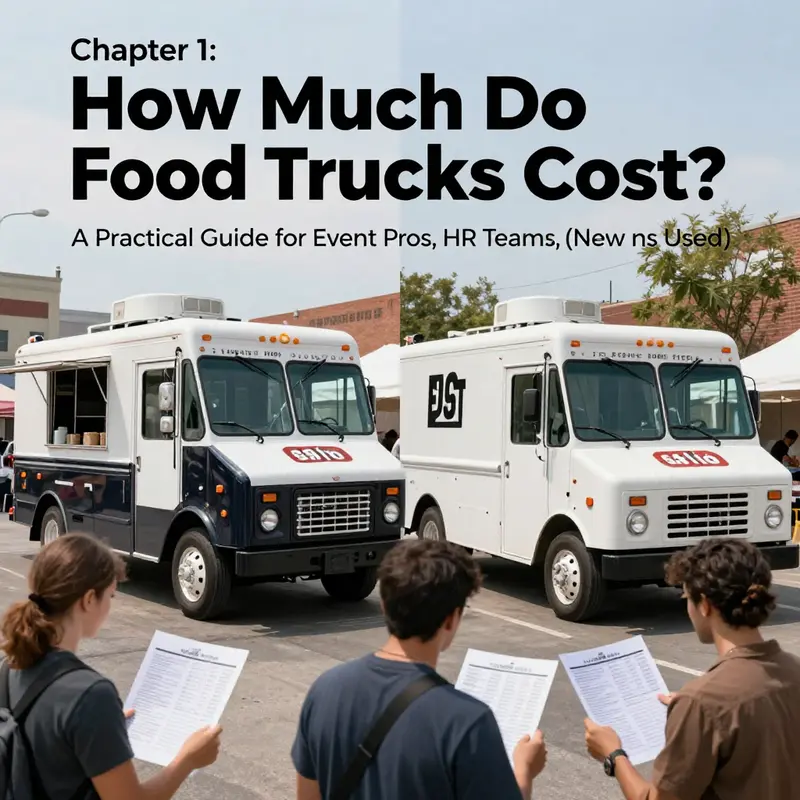
The price tag on a food truck is more than a number; it signals the kind of business you’re building and the kind of risks you’re taking. When you start from scratch, you’re choosing not just a chassis and a kitchen, but a platform for your menu, a brand on wheels, and a proof of your willingness to gamble on a dream. The numbers, in turn, reflect that complexity. A brand-new unit can push a budget upward quickly, but it also offers predictable performance, modern energy efficiency, and the latest safety standards. A used unit, by contrast, can open doors for a first-time entrepreneur with a tighter cash reserve, yet it comes with unknowns, potential repairs, and the need for a rigorous due diligence process. The broad ranges, between roughly seventy-five thousand and two hundred thousand dollars for a new setup, and between twenty thousand and sixty thousand dollars for a used platform, are more than just prices. They are signposts showing where you’ll likely invest later in equipment, branding, maintenance, and compliance. The distance between those two paths matters as soon as you begin to map out your business plan, because the choice between new and used sets the pace for your cash flow, your timelines, and your risk tolerance. The difference is not simply cosmetic; it translates into how quickly you can hit the road with confidence, how much you must finance, and how much you’ll need to budget for ongoing costs that keep the wheels turning. The learning curve is steep, but it is navigable if you approach the decision with a clear sense of what the truck is expected to do and how the economics will work over time. The size of the kitchen, the sophistication of the refrigeration and cooking equipment, and the overall build quality all feed into the ticket price. In a new unit, you’re more likely to get a layout tailored to your menu, upgraded insulation for energy efficiency, and a dependable electrical system designed to handle peak service hours. In a used unit, you may inherit a solid backbone but also the scars of time: worn gaskets, aging compressors, and possible flexibility limitations that require upgrades. In this sense, the price is the easiest part of the equation; the real math comes from projecting how long the assets will last, how much maintenance you’ll tolerate, and how soon you’ll recoup your investment through sales and repeat customers. When considering the purchase, many operators also weigh the intangible value of a newer vehicle’s resale potential and the marketing advantages of a pristine, brand-new look against a compressed initial outlay and a shorter payback period that a used platform can sometimes offer. If your strategy prioritizes speed to market and a controlled expansion, a used chassis with a proven track record can be an appealing springboard, provided you perform a careful pre-purchase inspection and budget for any required upgrades. The ethos of the decision becomes a balance: how soon do you want to hit the road, and how much of your capital are you willing to tie up in a single asset? The answer will shape not only your starting line but your runway as well, because ongoing costs, financing terms, and depreciation will interact with your monthly revenue in ways that can either liberate or constrict your growth. In this balancing act, the path you choose will influence your menu innovation, your capacity for standing up to weather and festival schedules, and your ability to pivot when revenue streams shift. To navigate this complex scene, many operators begin by anchoring their expectations in a careful evaluation of kitchen scale relative to the food concepts they want to execute. If you anticipate a high-volume, tight-margin approach, a larger, well-equipped new unit can deliver reliability and speed, supporting disciplined service during peak hours. If you aim for a leaner operation with lower fixed costs, a compact used unit might be the smarter starting point, freeing capital for premium ingredients, marketing, or a second truck later on. The decision also hinges on the total cost of ownership, not just the sticker price. Insurance, permits, and maintenance keep adding up, and these ongoing costs can be as impactful as the initial purchase. Fuel efficiency for a modern truck, the reliability of the refrigeration system, and the cost of spare parts all play into the monthly expense profile. A new unit often benefits from warranty protections and modern diagnostics that can reduce unexpected downtime, while a used unit might require a longer horizon of maintenance expenditures. In the end, buyers must translate the price bracket into a reliable operational plan, including a realistic forecast of daily sales, labor costs, and inventory waste. An informed buyer also recognizes that the trajectory of a mobile kitchen is not a straight line; it curves with weather, seasonality, events, and even regulatory shifts that can alter what you pay and what you earn. An important aspect of this planning is recognizing the potential for a blended approach. Some operators begin with a smaller, used or refurbished unit to establish their concept, brand, and workflow. As the business stabilizes and cash flow improves, they upgrade to a newer model with more advanced climate control, better fuel economy, and more expansive branding possibilities. This staged path may reduce risk while preserving growth opportunities. For those who want a clearer path to a future upgrade, it is useful to think about the model as a platform rather than a one-off expense. The capacity to adapt, to expand equipment as your menu evolves, and to rebrand as your concept grows are all part of the value calculation. To get a sense of the market, it’s worth noting that the used market sometimes presents surprising entry points. As of early 2026, several used food trucks under five thousand dollars appear in listings from verified global suppliers, offering a budget-friendly entry into the mobile food business. These units often include essential features such as refrigeration, cooking appliances, and storage, though their age and condition can vary significantly. Such options illustrate a broad spectrum of risk and reward. They invite the aspiring operator to consider not only the upfront price but the probable cost of bringing the unit up to a reliable standard, and the recalibration needed to fit a specific concept, location, and workflow. The takeaway is not to be overwhelmed by price alone but to weigh the tradeoffs between immediate affordability and long-term stability. When you frame the decision with a clear understanding of how your chosen model will function day to day, you’ll begin to see how the cost of the truck threads through your entire plan. If you are starting out, a careful exploration of available options can help you identify the balance between price, reliability, and branding potential. If you want to deepen your comparison, you can look at how different truck models map onto menu requirements, space constraints, and service flow, with the internal consideration of which model best serves your culinary concept. For instance, you may find value in the guidance that emphasizes selecting models in light of the menu structure and customer experience; see the discussion on choosing the right food truck model. When you’re assessing the major cost levers, it’s also useful to remember that a well-planned branding and graphics package can significantly influence perceived value and customer draw, sometimes justifying a higher initial investment in a new unit. In all cases, your ultimate goal is to align purchase price with a sustainable operating plan, one that sustains inventory, labor, compliance, and growth without placing an undue burden on cash flow. As you map your budget, consider how a vehicle’s reliability, energy efficiency, and customization options integrate with your menu and your community’s needs. The cost of permits, insurance, and ongoing maintenance will accompany you long after you’ve parked for the day, and they deserve careful budgeting as part of any price decision. The decision between new and used is rarely binary; it’s a spectrum that begins with intention, scales with due diligence, and ends with a choice that supports the future you envision for your food business. For a practical reference on model selection and costs, you can explore practical considerations at choosing the right food truck model, a resource that helps frame the economics within your culinary plan. The bottom line is straightforward: your initial purchase price is a starting point, not a finish line. It is the first chapter in a larger narrative about operating a mobile kitchen, sustaining a brand, and building a business that can weather the inevitable fluctuations of demand and regulation. When you approach the process with a clear view of both price and performance, you’ll navigate the landscape with a sharper eye for value and a steadier hand on your startup budget. External resource: https://www.foodtrucks.com/
Beyond the Sticker Price: Reading the Ongoing Costs That Define a Food Truck’s True Price of Admission
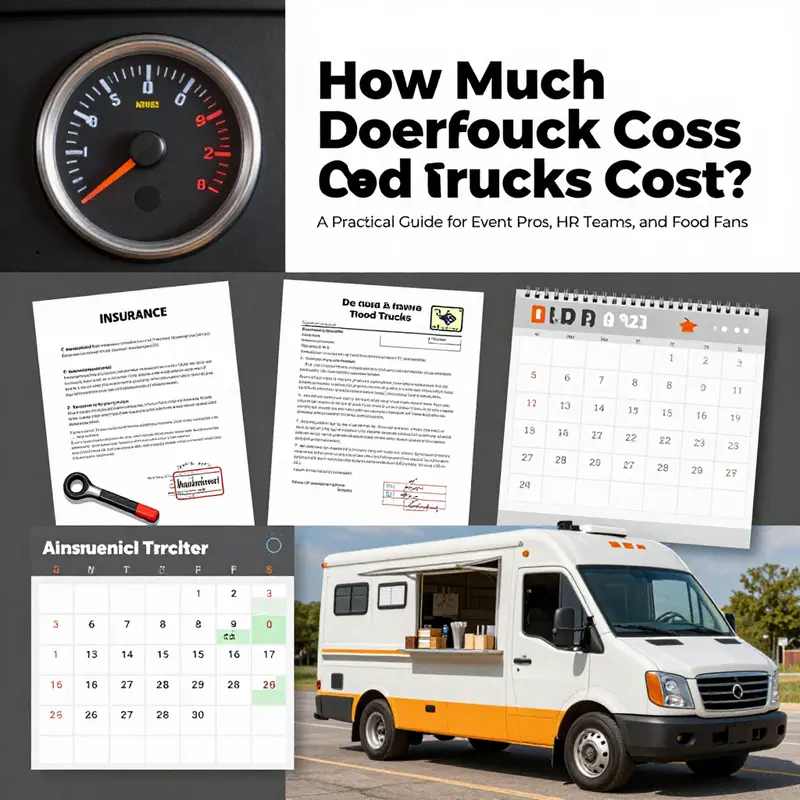
The romance of a food truck often begins with a single number on a price tag—the sticker price of the vehicle and the equipment inside. Yet the real cost of running a mobile kitchen is completed, daily, by a second ledger: the ongoing costs that accumulate as you roll from one event to the next. When readers ask how much a food truck costs, it’s tempting to stop at the upfront investment. But profitability hinges on how consistently a business can manage fuel, insurance, permits, maintenance, and staffing. Those recurring expenses can dwarfed the initial purchase or, in slow months, test the resilience of your cash flow. The practical challenge is not merely to forecast these line items, but to build a repeatable budgeting framework that accommodates drift—driving patterns that shift with seasons, price volatility at the pump, and the unpredictable rhythm of crowds at markets and festivals. In short, understanding ongoing costs is how you separate a flashy concept from a financially sustainable operation.
Five domains capture the heart of ongoing costs: fuel, insurance, permits and licenses, maintenance and repairs, and staffing. Each category carries its own dynamics, and the balance among them shapes the bottom line in every city, every month. The framework is not a rigid spreadsheet ritual; it’s a living reference that blends realistic inputs—miles driven, vehicle efficiency, local insurance quotes, permit schedules, expected maintenance, and staffing plans—with a disciplined habit of revisiting assumptions. The aim is a repeatable method you can pull off the shelf whenever a route expands, a new event calendar opens, or fuel prices flicker up or down.
Fuel costs, for many operators, form the largest variable portion of the monthly burn. The calculation hinges on miles driven, how far the truck travels weekly, and how efficiently it runs. In practice, you multiply weekly miles by the number of weeks in a year, then divide by the miles-per-gallon to estimate annual gallons, and finally multiply by the price per gallon to arrive at annual fuel expense. A typical range might see weekly miles from six hundred to fifteen hundred, and fuel efficiency for a larger van or step van from roughly six to twelve miles per gallon. In volatile markets, fuel price can swing meaningfully, even within a single month. A representative scenario helps anchor expectations: suppose a truck covers about 1,100 miles per week, runs at 8 mpg, and faces a fuel price of $4.00 per gallon. The math yields gallons per year as (1,100 × 52) / 8 = 7,150 gallons. Annual fuel cost would be 7,150 × $4.00 = $28,600, with monthly fuel costs around $2,383. If mpg improves to 10, annual fuel falls to about $22,880, a shift of more than $5,700 annually, illustrating how small efficiency gains compound over a year.
Insurance, while less volatile day-to-day than fuel, still behaves like a moving target. A food-truck policy typically covers commercial auto liability, vehicle physical damage, general liability, and sometimes an emphasis rider for mobile-catering operations. The cost band for a single truck commonly falls between roughly $2,000 and $6,000 per year, with broader coverage or higher vehicle value nudging the upper end toward $10,000 or more in riskier locales. The most influential factors include the number of insured drivers, the vehicle’s age and value, coverage limits and deductibles, and any claims history. When budgeting, it’s prudent to obtain quotes from multiple brokers specializing in mobile food businesses and consider a bundled policy that aligns auto, general liability, and cargo into a single package. In a hypothetical budget, annual insurance might sit near $3,000, providing a stable monthly line around $250, though this will vary by city and driver roster.
Permits and licenses form the second recurring anchor on the compliance side. These costs reflect local regulatory environments and can include mobile vending permits, health permits, business licenses, and in some markets, fire-safety inspections and commissary fees. The diversity of regulatory regimes means there is no one-size-fits-all number. In many mid-sized markets, annual permits and licenses can range from a few hundred to a few thousand dollars. Health permits might add a hundred to a thousand dollars annually, while commissary access—if required—can be a substantial recurring cost, varying from zero up to several hundred dollars per month depending on the location. A balanced estimate often sits around $1,000 to $3,000 per year, with monthly costs drifting from $80 to a few hundred dollars depending on usage and local rules.
Maintenance and repairs cover the health of the machine that feeds the operation. This category includes routine service like oil changes, filters, and fluids; tires and brakes; and a cushion for unexpected repairs that arise from heavy daily use, rough pavement, or a demanding schedule. For a mid-range truck, routine maintenance might come in at $500 to $1,500 per year, tires could add $400 to $1,500 annually, while brakes and general wear items could run $300 to $1,500. More serious repairs—engine, transmission, electrical—can push annual maintenance well beyond that, sometimes up to $4,000 or more, particularly for older vehicles or fleets with high mileage. A practical approach is to reserve a maintenance fund, perhaps 2–4% of the vehicle’s value per year, to smooth cash flow and avoid spikes when a part needs replacement. This reserve supports the discipline of preventive maintenance and reduces surprises that could derail a busy service calendar.
Staffing, the human engine behind every tray and taco, sits as a major fixed-to-variable cost, depending on the scale and seasonality of the business. Payroll involves cooks, prep staff, a runner or expeditor, and possibly a cashier or driver. The calculus starts with the number of employees, their weekly hours, and the agreed wage rate, then adds payroll taxes and benefits. A compact example might be two full-time staff working forty hours each at $18 per hour, with employer payroll burdens around 7.5%. That scenario yields annual wages of 74,880 and payroll taxes about 5,616, totaling roughly 80,496 per year, or about 6,708 per month. Of course, festivals and peak seasons often demand temporary hires, overtime, or flexible scheduling, which can push costs upward quickly. The budgeting discipline here is to model not only base staffing but also seasonal spikes, ensuring the business has a plan for temporary help, wage fluctuations across markets, and the actual hours required during events that crowd out slower days.
Bringing these five domains into a cohesive lens produces a consolidated view that anchors pricing decisions and route planning. The annual ongoing cost (AOC) can be expressed as a straightforward sum: AOC = annualfuelcost + annualinsurancecost + annualpermitscost + annualmaintenancecost + annualstaffingcost. Dividing by twelve yields the monthly ongoing cost (MOC). The practical value comes when you plug in realistic inputs—milesperweek, mpg, pricepergallon, annualinsurancecost, annualpermitscost, annualmaintenancecost, numberofemployees, hoursperweekperemployee, hourlywage, and payrollburdenrate—and then compare MOC against anticipated revenue from daily menus and event schedules. In the worked example that mirrors many mid-sized operations, milesperweek = 1,100, mpg = 8, pricepergallon = $4.00, annualinsurancecost = $3,000, annualpermitscost = $2,000, annualmaintenance_cost = $4,000, and staffing of two employees at 40 hours per week with $18 per hour and a 7.5% payroll burden yields a monthly figure around $9,841. Fuel dominates the tally in this scenario, but the entire mix reveals how even a small adjustment in one area can ripple through the whole forecast.
Sensitivity and scenario planning are not cosmetic add-ons; they are essential governance for a cash-flow plan. If mpg improves just a notch or two, if the miles per week drift up during festival seasons, or if a city imposes higher permit fees, the consequences accumulate across twelve months. Conversely, strategic routes, optimized schedules around peak markets, or negotiated discounts on commissary access and supplies can tilt the scale in a favorable direction. The point is not to seek perfection in a single forecast, but to cultivate a robust, repeatable budgeting habit that accommodates variability while preserving profitability. A practical takeaway is to build a budgeting template with separate line items for each category, but with simple sensitivity sections that can model 10–20% changes in fuel efficiency, miles driven, and staffing levels. This approach helps a business owner understand how close or far they are from a sustainable margin and where to focus operational improvements.
As with any financial planning, it helps to complement the internal budgeting with credible benchmarks and external perspectives. A viable path is to anchor your costs with industry pricing benchmarks and then tailor them to your city and truck. For readers seeking more pricing context, external resources like industry pricing guides provide a broader view of typical ranges for equipment, fuel, and insurance at scale. Within the chapter, a practical cross-reference to a budgeting-oriented resource can support readers as they calibrate their inputs. And for readers looking to deepen their practical toolkit, a recommended step is to explore a dedicated guide on financial tips for first-time truck owners, which offers a focused pathway to align pricing, event calendars, and cash flow with real-world constraints. financial tips for first-time truck owners
The journey from sticker price to sustainable profitability is a narrative of disciplined forecasting and adaptive operations. The five ongoing cost categories do not exist in isolation; they interact with your pricing strategy, your menu mix, and your route density. Fuel efficiency becomes not just a cost metric but a performance target, inviting decisions about vehicle maintenance, engine choices, and even driver behavior. Insurance becomes a risk-management discipline that informs the scale of your operations and the geography you serve. Permits and licenses remind you that regulation is part of the operating map, not a barrier to be endured but a framework to navigate with confidence. Maintenance and staffing are where daily resilience meets long-term planning, balancing the reliability of service with the realities of wages, benefits, and the wear and tear of constant use. The beauty of the framework is its clarity: you can explore “what-if” scenarios, adjust inputs, and see how the margins respond. The goal is not to fix every number but to understand the levers that most influence the cash flow you depend on to pay bills, reinvest in branding, and grow a fleet if opportunity arises.
In the broader arc of the chapter and the book, a clear takeaway is that cost awareness must travel with growth. As routes expand, events multiply, and customers respond to your branding, the cost architecture will respond in kind. A budgeting ritual that explores the five domains, tests sensitivity, and revisits assumptions on a regular cadence becomes the operating discipline that separates ambitious dreams from disciplined execution. The numbers you settle on today are not eternity; they are a living forecast that adapts to the changing tempo of food markets, consumer tastes, and the geography of your operation. To keep this process actionable, many operators turn to templates and calculators, customizing inputs to reflect local realities, and anchoring decisions in a disciplined, data-informed view of ongoing costs.
For readers who want to translate these ideas into a concrete tool, there is value in pairing this narrative with a ready-to-use cost calculator and a city-specific worksheet. A linked resource can guide readers toward practical templates that capture the five cost areas and the sensitivity tests described above. If you’d like, I can tailor outputs for a particular city, truck size, or staffing plan to make the numbers even more concrete. And if you’re seeking additional reading, a concise bibliography of pricing benchmarks and regulatory considerations can be compiled to support your chapter notes and budgeting tools.
In this sense, the chapter anchors the larger investigation of total cost—showing how the price tag attached to a food truck extends beyond the purchase to a daily, month-to-month ledger that determines whether a bright idea becomes a durable business. The path from concept to cash flow demands vigilance, but with a structured, five-category approach and a toolkit for sensitivity analysis, operators can navigate the uncertainties of fuel, regulation, upkeep, and people with confidence. That confidence, in turn, translates into decisions about pricing, market placement, and growth, keeping the dream aligned with the practicalities of sustaining a thriving, mobile kitchen. As you move forward, keep the focus on the rhythm between driving miles and driving margins. The future of your food truck lives in this balance—and in the disciplined habits that translate it into real, repeatable profitability.
External resource reference: For a broader view of pricing benchmarks and industry context, see industry pricing guides at https://www.foodtrucks.com/.
Gearing Up Front: Unpacking Costs, Financing Paths, and ROI for Food Trucks
Cost is more than a sticker price when you’re starting a food truck. It’s the compass that points the entire business plan, from the truck you choose to how you price your menu and how you schedule your hours. In practical terms, the journey begins with a broad spectrum of upfront costs and then expands into a steady stream of operating expenses, financing choices, and the hunt for a return on investment that makes sense in your city, your concept, and your cash flow. The numbers aren’t just numbers; they are the scaffolding of a plan you’ll rely on to decide when and how you grow. At the broadest level, you can think of the upfront investment as a combination of vehicle, kitchen, and branding, with the ongoing costs ticking away behind them as the business runs. A brand-new food truck, outfitted and ready to hit the streets, typically lands in the range of seventy-five thousand to two hundred thousand dollars, depending on the vehicle size, kitchen equipment, build quality, and the level of branding and customization you choose. If you lean toward a fully customized, top-of-the-line build, the price can creep toward the higher end of that spectrum or beyond, especially in regions with higher labor costs and stricter health and safety requirements. For entrepreneurs who want to Test-drive the idea before committing to a full build, a used truck offers a lower entry point. Basic used units can be found in the mid-teens to mid-twenties, with more fully equipped used trucks commonly ranging from about thirty thousand to sixty thousand dollars. Either path comes with a caveat: the used route may require immediate investments in repairs, upgrades, or compliance modifications to meet current codes and menu goals. In all cases, the initial price is only the doorway. The practical math lives on in the ongoing operating costs, which include fuel, insurance, permits, maintenance, ingredients, labor, and peak-hour marketing. Taken together, these recurring expenses can amount to several thousand dollars per month, varying with location, hours of operation, and how efficiently you manage your supply chain and staffing. The real story is in how these costs compound over time and how agile you are at controlling them while maintaining quality and speed on the line. The starting point sets expectations for profitability, but the margin is carved out by choices you make during every shift, every week, and every season.
When you look at 2024 numbers and the broader market context, the return on investment becomes the lens through which all those costs are judged. The landscape is not a one-size-fits-all picture. In densely populated urban cores with high foot traffic and vibrant festival calendars, revenue can climb substantially higher than in smaller towns or slower corridors. Industry data suggests a wide range of annual revenue for well-managed fleets, often from roughly one hundred thousand to two hundred fifty thousand dollars, with some high-end concepts achieving even more. Gross margins on food sales tend to be strong—historically around sixty to seventy percent—thanks to efficient menu design, smart portioning, and disciplined procurement. Net profits after all operating costs historically sit in a broad band, commonly from thirty thousand to seventy-five thousand dollars annually, though exact figures depend on location, concept, and execution. It’s important to acknowledge that more recent analyses show net margins climbing in some markets as supply chains improve, digital ordering takes hold, and customer loyalty programs mature. In those cases, margins can push into the twenty percent range or higher, particularly for operators with lean kitchen layouts, high-demand items, and optimized labor practices.
Financing options for food trucks are another critical piece of the puzzle. The landscape includes traditional bank loans, credit unions, and specialized lenders that understand mobile cuisine and the seasonal nature of the business. Interest rates for these loans typically fall in the six to twelve percent range, with loan terms often stretching from three to seven years. Equipment financing is a common route because the truck and its kitchen systems serve as collateral, which can translate into favorable terms and, in some cases, lower down payments. A growing number of lenders also offer lease-to-own programs, enabling operators to start cooking right away while gradually building ownership. Leasing can reduce upfront costs and often include maintenance or insurance services as part of the package, which can simplify cash flow management. The catch, of course, is that leasing does not build equity in an asset you own, and total payments over time can exceed the cash price of buying outright.
For many founders, a blend of options makes the most sense: a reasonable down payment on a solid used or mid-range new unit, coupled with a line of credit or equipment financing to cover ongoing kitchen upgrades and working capital. This approach preserves cash flow while keeping the door open to upgrades as your volume grows and as you experiment with menu items and locations. It is also common to consider SBA programs, which provide guarantees that encourage lenders to extend more favorable terms to small businesses like food trucks. The SBA’s suite of financing tools includes options that can cover startup costs, working capital, and purchase or modification of a vehicle. While the SBA doesn’t directly lend to every applicant, its loan guarantees lower risk for lenders and can help unlock capital that might otherwise be unavailable to someone just starting out. As you plan, it’s worth exploring programs such as the SBA 7(a) loan, which can cover a broad set of startup costs, or SBA Microloans for smaller needs. Practical guidance and application steps are readily available through the SBA’s official site, which remains a trusted anchor for small-business financing.
Leasing versus buying a food truck is a classic crossroads that hinges on your capital situation, risk tolerance, and long-term plans. Leasing may appeal to someone who prioritizes flexibility and access to newer equipment without tying up cash. It can simplify cash flow and streamline maintenance, but it comes at the cost of not owning the asset and potentially paying more over the long run. Buying, by contrast, creates ownership, depreciation benefits, and the potential to reduce operating costs after the loan is paid off. Ownership also offers branding freedom, the ability to customize without constraint, and the long-term equity that can be recaptured if you decide to sell the business later. To determine the best path, many operators run a careful ROI analysis that weighs upfront costs, ongoing maintenance, tax implications, and the expected horizon of operation. A concise checklist helps frame the decision: What is your available capital and cash flow? How long do you intend to operate the truck? What are the total costs across the vehicle’s life when you compare lease payments to loan payments plus maintenance? Are you comfortable with the risks of ownership, including equipment obsolescence or failure? And how will the decision sculpt your tax strategy and growth trajectory? These questions keep ROI front and center as you evaluate each option.
In practical terms, planning for emergencies and maintaining healthy working capital are essential pieces of the puzzle. An emergency fund acts as a liquidity cushion to cover unexpected repairs or sudden drops in sales without resorting to high-interest borrowing. Working capital—the daily funds needed for inventory, fuel, labor, permits, and marketing—ensures you can weather slower months, fund pop-up events, and adapt to seasonal demand without stressing the operation. Building these buffers doesn’t happen by accident. It requires a disciplined financial plan, a clear projection of sales and costs, and access to flexible financing options that can bridge gaps when slow weeks collide with recurring expenses. For operators who want to translate theory into practice, there are structured paths to craft a financial plan that aligns with the realities on the street. The Small Business Administration, for example, provides a framework for budgeting, revenue forecasting, and cost control that helps you map out the year with clarity and confidence. When exploring financing and budgeting, consider resources like the SBA’s loan programs and planning tools to anchor your strategy in proven guidelines rather than guesswork.
From a broader industry perspective, the economics of food trucks continues to evolve as markets mature and efficiency improves. The attraction of a mobile business in many markets is still strong: lower barriers to entry than a brick-and-mortar restaurant, the freedom to move with consumer demand, and the potential to cultivate a loyal following across neighborhoods and events. Yet the economics demand discipline—careful selection of vehicle type, kitchen configuration, and supplier relationships; precise cost controls; and a plan to scale that keeps pace with revenue growth. It’s not simply about choosing the cheapest truck or chasing the flashiest branding; it’s about aligning your equipment, your menu, and your route strategy with a realistic picture of what it takes to sustain profitability over the long haul. In this sense, the chapter’s core message remains practical and grounded: the cost of entry sets the tone for financing decisions, which in turn shapes your ROI. The more you know about ranges, terms, and the trade-offs between leasing and buying, the more confident you’ll be in making choices that protect cash flow while creating the conditions for durable, repeatable success.
For deeper, actionable planning on the financing pathway that fits your situation, many aspiring operators find value in consulting established guidance on small-business financing. Practical guidance and application steps—drawn from official sources and experienced practitioners—can help you prepare a credible loan package, demonstrate working capital needs, and outline a realistic repayment plan. If you want targeted tips for building up reserves, managing seasonal cycles, and aligning your trucks with your brand story, a helpful resource is a practical compilation of financial tips for first-time food truck owners. That guide provides concrete steps to translate these concepts into your own budget and timetable. To explore that approach, you can review the resource linked here: https://loschifladostruck.com/financial-tips-for-first-time-food-truck-owners/. As you refine your plan, remember to complement it with authoritative guidance from the Small Business Administration’s financing pages, which outline loan programs, eligibility, and application steps for small businesses like food trucks: https://www.sba.gov/funding-programs/loans. These sources anchor your strategy in established, reputable pathways as you chart a course from initial investment to a sustainable, growing mobile food venture.
Pricing the Mobile Kitchen: How Equipment, Customization, and Build Quality Shape the Cost of a Food Truck
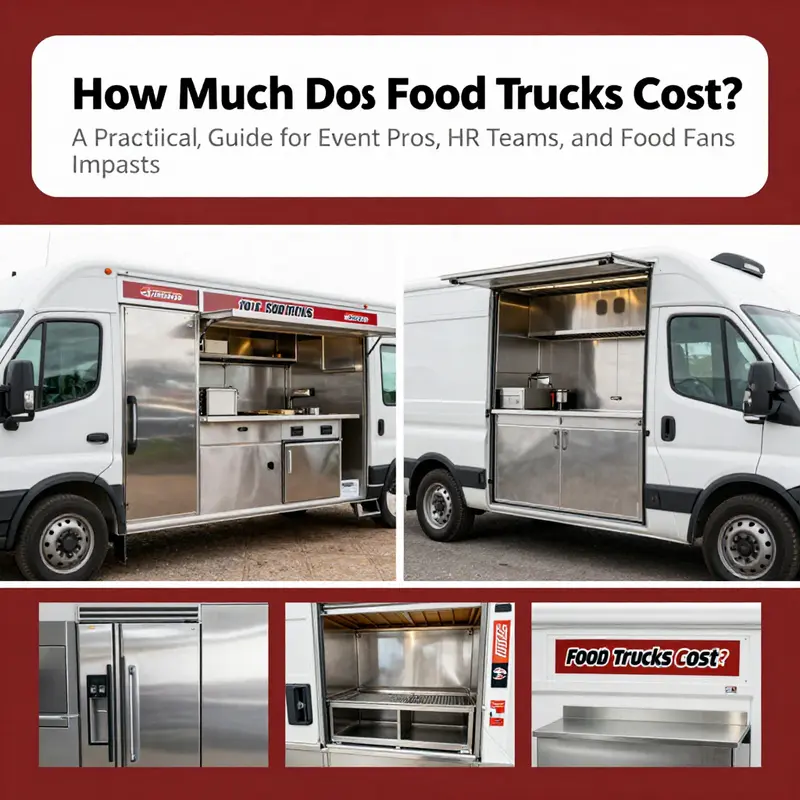
Pricing a food truck is a negotiation between aspiration and practicality. You may dream of a chrome-and-stainless kitchen humming with high efficiency, surrounded by bright branding and a floor plan that reads like a well-rehearsed recipe. Yet the final price tag hinges on three intertwined levers: the equipment you choose, the level of customization you demand, and the build quality of the chassis that carries it. Each lever matters, sometimes dramatically, and each interacts with the others in ways that can either stretch a budget or deliver long-term value. Understanding these dynamics helps entrepreneurs avoid sticker shock and set a plan that matches both ambition and cash flow.
Equipment lies at the heart of the operation. The kitchen is not merely a place to cook; it is a workflow engine. The type and quality of appliances you install determine your menu versatility, service speed, energy use, and compliance with health and safety codes. A fully equipped, premium setup with commercial-grade grills, ovens, refrigeration units, and sinks can push the initial investment well into the six-figure range, often approaching or surpassing the upper end of the commonly cited $150,000 to $200,000 zone. This level of investment is not just about wattage or capacity; it reflects reliability, energy efficiency, and the ability to sustain a high-volume service over long shifts. When every minute of service translates into a sale, the cost of robust equipment can be justified by reduced downtime, fewer emergency repairs, and more consistent food quality.
On the flip side, a basic configuration built around used or lower-tier equipment can bring the price down to roughly $50,000 to $80,000. This lower starting point can be attractive for first-time operators, those testing a concept, or ventures with limited initial capital. However, the trade-offs are real. Cheaper gear can mean higher maintenance costs, more frequent replacements, and greater risk of service interruptions. The decision thus becomes a calculus: will the savings on equipment drive more revenue in the short term, or will the long-term reliability and throughput of a higher-quality setup yield a better return over time? The reality is seldom one-size-fits-all. A fast-casual concept with a limited menu might thrive on a leaner kitchen, while a diverse menu with fried items, grilled specialties, and hot beverages may demand a more expansive, durable system.
Energy efficiency is another critical dimension in this equation. Energy use is part of ongoing operating costs, not just the upfront price. A more efficient refrigeration suite, better insulation, and high-performance venting can reduce monthly utility bills and minimize heat load on the kitchen during peak service. The choice of water heating capacity, waste management, and dishwashing provisions also affects both upfront cost and daily operations. In some cases, investing in a more capable setup from the start reduces the likelihood of expensive upgrades later, especially when a business aims to serve large crowds or operates in areas with strict health and safety expectations. The nuance here is that efficiency and reliability often come with a premium, but the premium can be a hedge against frequent repairs and service downtime.
Beyond what sits inside the truck, the exterior and interior finish contribute meaningfully to total cost. Customization in this area covers aesthetics as well as practicality. A visually striking design—bright graphics, signature colors, illuminated signage, and a layout that communicates your brand at a glance—does more than attract attention. It can streamline operations, guide customers through a smooth ordering flow, and improve worker efficiency. Yet customization is the budget’s leaky faucet at times. Each design decision adds to the price tag, sometimes by tens of thousands of dollars, depending on the scope of branding, the complexity of interior finishes, and the quality of fixtures and cabinetry. The interior layout is equally consequential. A floor plan tailored to your menu can shave minutes off each order, reducing labor costs and error rates. But reconfiguring a shell—adding more storage, shifting work zones, or installing specialized equipment—drives up both upfront costs and project timelines.
There is a meaningful distinction between buying a pre-built, turnkey truck and constructing one from a chassis. A pre-built unit offers a quicker path to operation and the reassurance of a design that’s been field-tested, but it may constrain you to a standard layout that doesn’t perfectly align with your workflow or menu. A custom build delivers maximal alignment with your process and branding, but it comes with higher price points and longer lead times. This choice echoes through every other decision you make: it influences the equipment spec, the interior finish, and even the compliance work needed to pass inspections. If your concept relies on a particular sequence of tasks or requires unusual equipment setups, a bespoke build may be worth the premium for the long-term benefits it yields in efficiency and reliability.
The overall disease-and-safety framework that governs kitchens on wheels also shapes cost. Build quality matters for more than initial aesthetics; it affects resilience against weather, vibration, and constant daily use. Vehicles built with sturdy framing, durable insulation, and robust welds tend to endure the inevitable road bumps and temperature swings of mobile service. They may require a higher upfront investment, but that outlay often translates into lower long-term maintenance costs and fewer unplanned downtimes. Conversely, a cheaper build can save money today but escalate repair bills, safety concerns, and downtime risks in the years ahead. For operators who plan to stay in the business for several seasons, the math often favors a higher-quality build as a strategic investment rather than a mere expense.
To translate these concepts into a practical budget, envision the spectrum of configurations you might consider. A compact 16- to 20-foot truck with a lean but well-planned kitchen can fall in a mid-range price band—roughly $90,000 to $140,000, depending on the extent of customization and the quality of equipment. A larger footprint with premium, energy-efficient appliances and an intricate branding package could push you toward the $150,000 to $190,000 range and beyond, particularly if you pursue a bespoke build and elaborate interior finishes. A lean, heavily used or refurbished unit offers a potential entry point around $40,000 to $70,000, though you should budget for significant upgrades or replacements to meet current health codes and performance expectations. These ranges underscore a broader truth: cost is not a single, fixed figure but a function of intended use, brand strategy, and anticipated service intensity.
Beyond the sticker price, long-term cost considerations deserve equal weight in the planning process. Fuel efficiency and waste management bear on daily operating costs, while maintenance cycles and spare-parts availability influence downtime and cash flow. Permits, licenses, insurance, and compliance with health and safety standards are recurring outlays that scale with the size of the operation and the complexity of the equipment. A high-growth concept might justify a higher up-front spend to minimize mid-career disruptions, whereas a cautious starter may prioritize a more affordable, modular approach that supports experimentation before a full-scale commitment. In either path, a disciplined budgeting approach—forecasting three to five years of costs and potential revenue—clarifies the trade-offs and the expected return on investment.
The decision framework that guides these choices integrates menu design, service model, and location strategy. If your concept centers on high-velocity service with fry-intensive offerings, a robust frying station, powerful ventilation, and ample hot water capacity are essential investments. If your menu emphasizes speed and simplicity, you might opt for a more compact configuration with core cooking capabilities and flexible storage to accommodate daily specials. Space efficiency—both for the kitchen and for customer-facing areas—often determines how many customers you can serve per hour, which directly affects revenue potential. The brand itself also matters, shaping not only customer perception but the efficiency of your storefront operations. A cohesive identity supports faster line assembly and clearer ordering signals, which, in turn, can improve throughput and customer satisfaction. For operators exploring branding strategies and graphic identity in depth, a comprehensive guide on graphics and identity is available in the branding-focused resources linked in this chapter.
As you build your cost model, remember that cost is not merely numeric but also strategic. The right configuration aligns with your menu, your crew’s capabilities, and the routes you plan to run. It supports a dependable schedule, consistent quality, and a brand promise that customers can trust. The precise mix of equipment, customization, and build quality will vary by concept, climate, and competition, but the underlying principle remains constant: your upfront choices set the pace for your operations, your cash flow, and your capacity to scale.
For a broader, official perspective on the financial aspects of starting a food truck—detailed equipment costs, customization options, and build-quality trade-offs—consult the authoritative guidance offered by the Small Business Administration. It provides structured, practical insight into planning, budgeting, and launching a mobile kitchen operation: SBA guide to starting a food truck.
In this landscape of options, a thoughtful, data-informed approach is the most reliable compass. Use your concept’s menu, expected service levels, and target routes to forecast both the initial outlay and the ongoing costs. Couple that with a realistic timeline for installation, training, and permitting. Then, build scenarios that compare a lean, ready-to-operate configuration against a more ambitious, brand-forward build. The reality is that the most cost-effective path isn’t always the cheapest upfront; it’s the option that yields the best balance of reliability, throughput, and brand alignment over the life of the business. If you want to explore how branding nuances can influence customer perception and efficiency on the truck, you can dive into a detailed resource on mobile graphics and identity. branding on wheels: the ultimate guide to food truck graphics and identity.
Toward Transparent Tally: How Geography, Rules, and Market Demand Shape Food Truck Costs
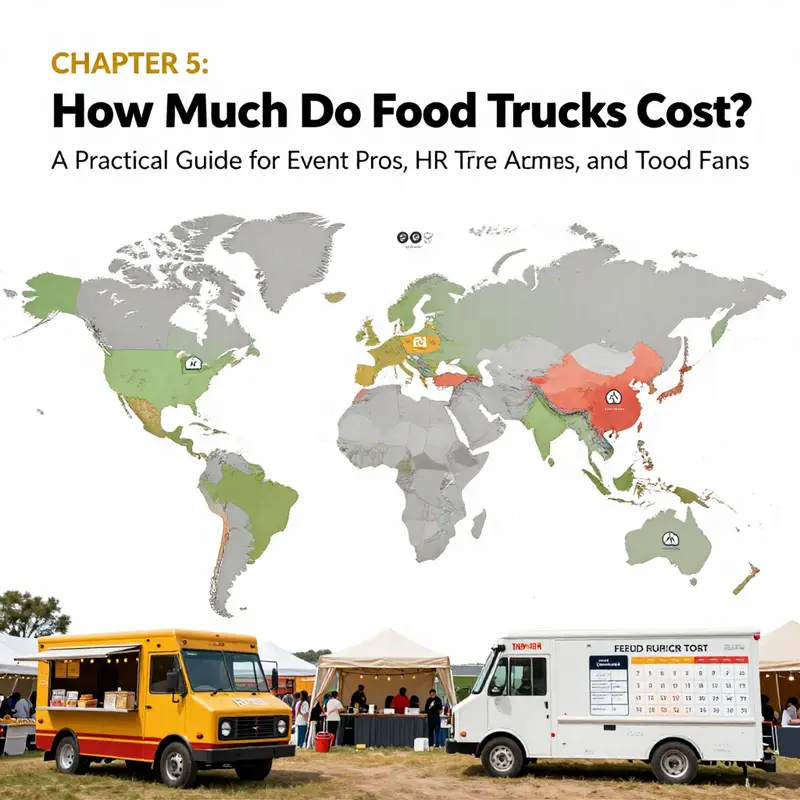
The price tag attached to launching a food truck venture is more than a sticker on a shiny chassis. It is a mosaic built from an initial purchase, ongoing operating expenses, and a web of place-based realities. When people ask, “How much does a food truck cost?” they often focus on the sticker price of the vehicle itself. Yet the most consequential numbers in the long run are the ones that creep in after the truck starts serving customers: the permits that grant a legal perch on a street, the insurance that cushions a world of unpredictable risks, and the way local demand, competition, and regulations sculpt the daily path to profitability. In this sense, cost is less a single figure than a moving equation that shifts with geography, governance, and the tempo of the market. A brand-new unit typically carries a base price in a broad corridor from about seventy-five thousand to two hundred thousand dollars, with the final sum reflecting kitchen equipment, build quality, insulation, refrigeration, branding, and the level of custom fit a concept requires. A used truck tilts the equation toward affordability—often between twenty thousand and sixty thousand dollars—but those lower upfront costs can be a double-edged sword, because repairs, upgrades, and mileage can push the total investment higher than anticipated after the doors open. These upfront figures must be weighed against a slate of ongoing costs that are not tied to the color of a paint job but to where the truck operates and how it is treated by the rules that govern the street. Fuel, insurance, permits, maintenance, food costs, and staffing converge to form monthly expenditures that can mount quickly, sometimes running into several thousand dollars per month even before a single customer steps up to the window. The total cost story, then, is not just the size of the truck but the size of the operation’s ambitions within a given regulatory and market landscape. For a fuller sense of current market pricing and what affects it, many operators look to established industry price guides that summarize the practical realities of new versus used units, and the optional features that buyers choose to include. A reliable touchstone is the broader market coverage available through industry databases and vendor networks that catalog how much a fully equipped unit can cost, and how those costs shift with financing, location, and demand. The cost conversation thus begins with the vehicle and its equipment and then expands to the infrastructural spine that makes the machine run legally and profitably day after day. In urban centers where foot traffic, lunchtime rituals, and tourism collide, the math becomes more intricate. Here, property and parking realities frequently push up the entry price for a permit or a stall, and elevated insurance premiums reflect a perceived higher risk environment. In places like dense coastal cities, the cost to secure a prime operating footprint can escalate because the real estate economics of parking rights, street access, and proximity to dense residential or office populations create a premium on time and space. Zoning rules often require careful map-reading: some neighborhoods allow only specific hours, some blocks permit only certain vehicle classes, and some districts limit the number of mobile vendors in any given period. The effect is twofold: the initial startup cost climbs as operators invest more in compliance and licensing, and the ongoing cost base shifts toward maintaining a legal perch that stays in good standing as regulations evolve. The regulatory layer is not merely a matter of collecting permits; it is a dynamic system that can alter a truck’s revenue potential. Health code standards, inspections, and licensing fees can vary dramatically from city to city and even between neighboring counties. In some jurisdictions, health requirements might demand specialized equipment, precise temperatures for food storage, or specific procedures for waste management, each of which can influence the truck’s design and its ongoing maintenance spend. In others, the oversight is more streamlined, allowing a leaner operational model but potentially exposing an operator to penalties if a tactic drifts out of compliance. The risk calculus extends beyond health codes to include competition and market access. Some places impose rules that effectively limit where a truck can operate in relation to brick-and-mortar restaurants, or that impose cooldown periods between visits to the same block. Such constraints can blunt revenue potential, even when the cost of entry remains high. Conversely, certain jurisdictions actively cultivate mobile food ecosystems by designating high-traffic zones or events where trucks are welcomed as complementary to local commerce. These market dynamics—demand density, tourist footfall, corporate lunch crowds—translate into higher price points and broader margins when an operator can align with peak hours and artfully curate menus that resonate with local tastes. Yet markets can also become oversaturated. In a crowded street-food environment, price competition and margin pressure can erode profitability, forcing operators to differentiate through brand storytelling, culinary specialization, and superior service. The interplay of urban drama and market gravity means a successful truck must do more than spin a batter and flip a taco; it must orchestrate a brand that stands out in a real estate-constrained stage and capture a share of a consumer’s limited discretionary budget. The regulars who find a truck in a predictable cadence—say, near a business district during the lunch rush or near a transit hub during the evening commute—become anchors for revenue, but only if the vehicle can stay there long enough to deliver consistent quality and dependable service. This is where the cost equation becomes a strategic matter. The choice between a new or a used truck interacts with geographic and regulatory realities. In high-cost urban markets, operators may prefer a newer vehicle that meets exacting standards and minimizes the risk of costly repairs at crucial moments. A fresh truck can help simplify insurance negotiations and compliance with the latest health and safety codes, but it requires a larger upfront commitment and often longer payoff timelines. In smaller towns or rural areas, a used truck can unlock a faster path to market, allowing an operator to test concepts with relatively modest risk. The savings on purchase price can be redirected toward marketing, menu development, or a broader venue strategy, such as participating in festivals or farmers’ markets. The decision, however, cannot be made in a vacuum. It must account for the total cost of ownership—maintenance cycles, fuel efficiency, refrigeration reliability, and the potential need for retrofits to meet local health standards. A vehicle’s fuel efficiency or the cost of keeping a generator running through a windy winter can swing monthly expenses by hundreds or even thousands of dollars, depending on local climate and operating hours. Beyond the vehicle, the business infrastructure—permits, licenses, inspections, and ongoing fees—acts as a financial compass. The permit landscape alone can be a hidden tax. In some cities, the cost of obtaining and renewing street vending permits fluctuates with calendar cycles, with additional charges for specialty licenses, street usage, or health department clearances. For operators who intend to park in a given district for an extended period, long-term permit commitments may yield economies of scale, while short-term licenses offer flexibility at higher per-day costs. The interplay of these costs with labor and ingredients completes the cost narrative. Staffing a food truck is not merely a line-item; it is a reflection of labor markets, wage requirements, and the operational tempo required to meet customer demand. In high-demand markets, higher wage floors and benefits can tilt the economics toward higher menu prices or a leaner crew that relies on efficient processes and cross-trained staff. Ingredients, too, respond to location. A truck that sources locally and seasonally might incur different costs than one that relies on national distributors, and the level of waste management and storage efficiency can determine how lean a truck can stay during off-peak periods. In sum, the total cost of running a food truck emerges from a choreography of price tags—from the purchase decision to the daily rhythms of service. A brokered balance exists between upfront expenditure and ongoing resilience. Where the market is robust and the regulatory environment is navigable, ambitious concepts can justify a larger initial investment with higher margins, benefiting from a strong demand cycle that sustains growth. Where regulation is intricate, and the market is volatile or crowded, operators may tilt toward smaller, more flexible setups that emphasize smart branding, menu differentiation, and location strategy. The lesson for prospective owners is to approach cost as a portfolio of decisions rather than a single target number. It is essential to map the regulatory terrain early, identify the likely zones of high traffic, and test the concept in markets that match both taste and tolerance for risk. To deepen the understanding of how regulatory and market forces shape real-world economics, readers can explore guidance that consolidates practical steps and risk management. For a focused guide on navigating industry regulations, see the resource at Navigating Food Truck Industry Regulations. This internal reference explains how to align licensing, health compliance, and parking strategies with local realities, helping to prevent surprises in the launch phase. The broader picture confirms a core takeaway: while price ranges for new and used trucks provide a starting point, the real investment is the capacity to adapt to geography and governance while maintaining a compelling value proposition for customers. In the most successful runs, operators do more than optimize a cost ledger; they choreograph a sustainable business model that thrives in the place and pace of the market. That means validating the concept with real-world pilots, budgeting for permits and insurance as fixed costs, planning for seasonal shifts, and building a brand that can endure the ebbs and flows of demand. It also means looking beyond the numbers to the long arc of growth. A well-tuned system can scale from a single truck to a family of units or a rotating fleet that serves multiple neighborhoods, each contributing to a resilient bottom line. For those who want to compare the broader industry benchmarks and the evolving trends in food truck economics, a comprehensive external resource offers updated insights into how geographic, regulatory, and market dynamics interact. External reference: https://www.restaurant.org/industry-research/food-truck-trends
Final thoughts
Understanding the total cost of ownership for a food truck is about more than the sticker price. Event planners, HR teams, community organizers, and passionate food lovers all benefit from a holistic view: what you pay upfront, what you’ll spend to keep it running, how financing choices affect cash flow, how the kitchen’s equipment and build quality drive long-term value, and how location and local rules shape opportunities and costs. Start by clarifying your objectives—will you host a single large event, or run a rolling kitchen across multiple venues? Then estimate the upfront purchase range that fits your budget, add realistic monthly operating costs, and compare financing or lease options that optimize ROI. In many markets, detailed pricing guides and listings (like those on foodtrucks.com) can help you benchmark regional differences and feature sets before you commit. When you align your financial plan with your event calendar, branding, and service standards, you’ll turn cost awareness into confident, compelling guest experiences.