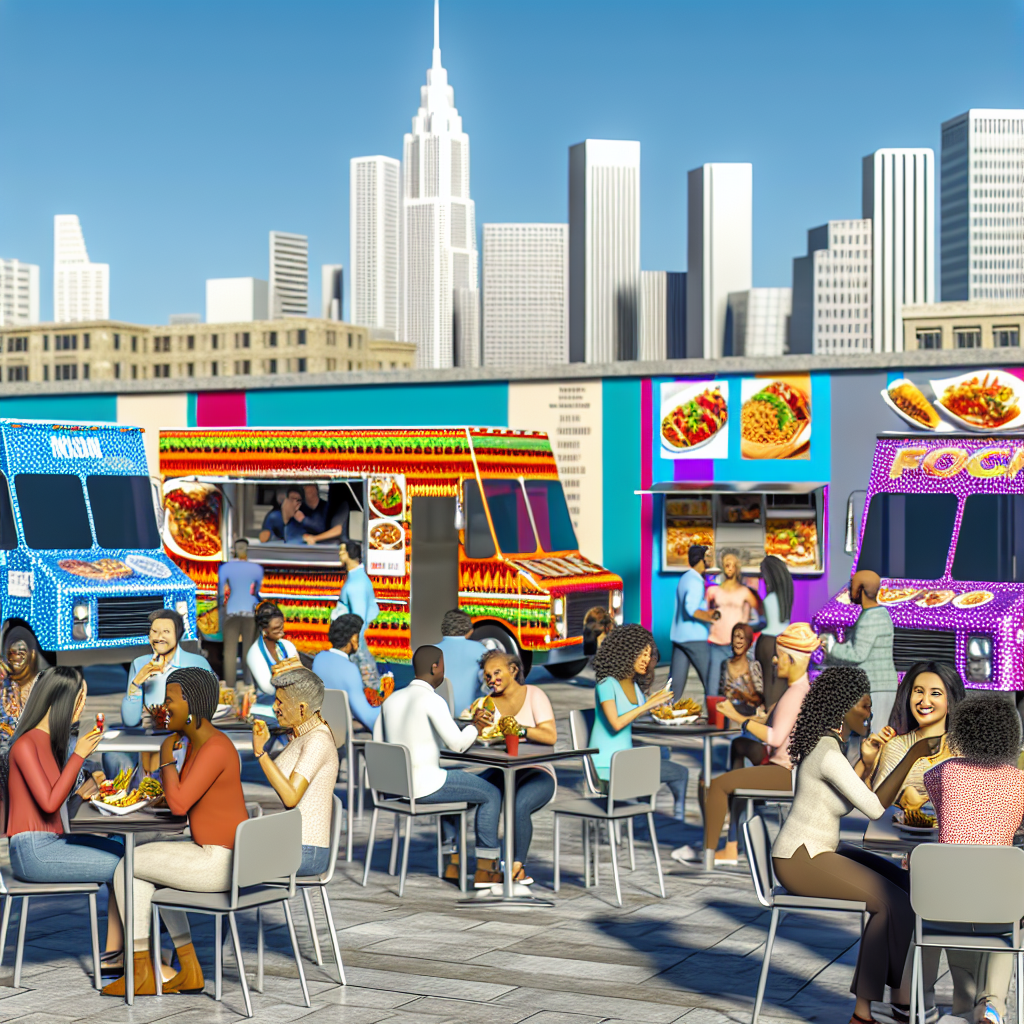
From sunlit parks to buzzing office corridors, food trucks are mobile magnets for communities seeking flavorful, affordable bites. For event planners, corporate teams, community groups, and curious diners, understanding where a food truck can operate unlocks a world of possibilities—opportunities to energize breaks, festivals, and everyday commutes with delicious, on-the-go meals. The right location is more than a backdrop; it’s a partnership between the crew, the crowd, and the local rules that keep neighborhoods thriving. This guide focuses on three proven operating environments that consistently deliver impact: urban centers and business districts, cultural and music festivals, and transport hubs and public transit stations. Each chapter builds on the last, showing how to align permits, parking, electricity access, and waste management with audience needs, event calendars, and organizational goals. For event planners and corporate teams, the path to success lies in selecting spots that maximize foot traffic while delivering memorable experiences. For community groups and individual food enthusiasts, it’s about accessibility, variety, and a shared sense of discovery. Read on to uncover practical insights, real-world patterns, and actionable tips that help you plan smarter, collaborate effectively with vendors, and bring vibrant mobile dining to audiences wherever the next bite happens.
Where a Food Truck Operates: Harnessing the Pulse of Urban Centers and Business Districts
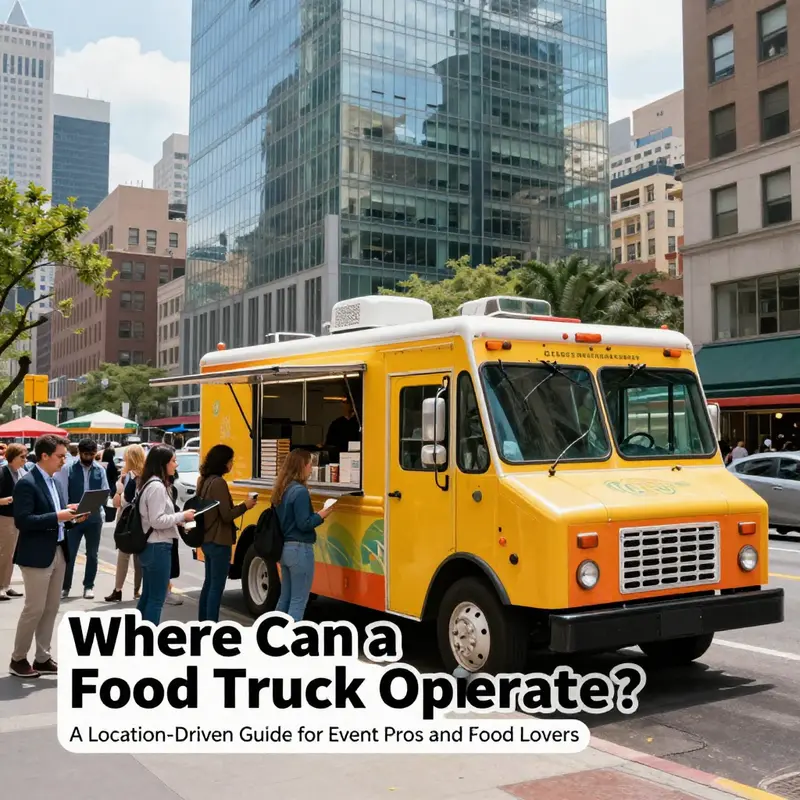
Cities are not just backdrops for food trucks; they are the very arteries that keep the mobile kitchen business alive. In urban centers and business districts, the daily rhythm is a clockwork of commuters, office shifts, and social routines that create predictable pockets of demand. The core appeal of operating in these zones is simple and powerful: high foot traffic, a stream of potential customers who want quick, affordable meals, and a concentration of workers who value efficiency as much as flavor. This is where an operator can turn a smaller footprint into a big return, because the density of people translates into opportunities to serve more meals in a shorter window. It is no accident that fleets of trucks, carts, and pop-up kitchens have become a familiar sight in cities around the world. The urban food-truck phenomenon is not a local oddity; it is a global pattern driven by city life itself. New Yorkers know this instinctively, but the trend extends well beyond any single metropolis. The appeal of urban centers lies not just in numbers but in tempo: the cadence of lunch hours, the expectation of a diverse menu, and the social energy that accompanies street food culture. Operators who understand this tempo design experiences that fit smoothly into the day’s flow, rather than forcing customers to adapt to a rigid timetable. They map routes that align with office clusters, transit hubs, and the spillover crowds that emerge after meetings or on the way to train stations. In practice, this requires more than delicious recipes; it requires a deep understanding of place, time, and movement. The craft becomes a balance between speed and quality, a choreography of proximity, and a readiness to respond to the city’s ever-changing mood. Cities are dynamic theaters, and a food truck that thrives there reads the stage well: it anticipates crowded corridors, knows where to park without obstructing pedestrians, and times its service to hit the peak moments of consumer appetite. The urban setting also offers a built-in advantage: shorter trips between gigs mean fewer miles per day, which translates into lower fuel use and tighter control of maintenance costs. Fuel efficiency and agility become strategic levers when a route can be reweighted to chase lunch crowds across a handful of blocks rather than a single, long stretch. In places where urban cores are dense and time-limited, the operational calculus shifts toward precision. A truck may spend a lunch hour rotating through a corridor of office towers, pausing briefly at each pull-in zone to greet customers who crave a hot, fast meal during a tight break. That tempo compels a design for speed: a streamlined menu with items that can be prepared rapidly, a service lane that minimizes line length, and a payment workflow that keeps customers moving. The logistics of urban operation are nontrivial, and success hinges on mastering them. Curb space is a valuable, contested asset. The art of urban parking for a mobile kitchen is less about finding a spot and more about negotiating a system—loading zones, street-side permits, and permitted vending windows that align with the city’s street-cleaning schedules and traffic patterns. For many operators, this negotiation begins with research into local zoning and permit requirements, then evolves into consistent routines that your neighborhood eventually anticipates. The practicalities extend to infrastructure. In dense cores, access to electrical power or water can be as critical as the ability to park. Some districts have designated feeder points or mobile power supply options that allow a truck to stay on site longer without resorting to loud generators. Operators who leverage these arrangements can sustain a higher throughput, particularly during peak lunch hours when crowds demand quick service. Even in cities with strict rules, there is almost always a path to participation. The key is to understand the rules as living constraints, not rigid barriers. This means documenting how long a truck can stay in a given zone, what equipment is allowed on the curb, how waste is handled, and when the space resets for the next vendor. It also means building relationships with property managers, local business improvement districts, and event organizers who can facilitate smoother access or alternative opportunities during special occasions. The social fabric of urban centers can be leveraged to create recurring collaborations. Office complexes, hospital campuses, and university neighborhoods often maintain formal or informal channels to welcome mobile options during lunch or events. When a truck becomes a familiar presence within a campus or a business park, it builds a steady stream of regular customers who appreciate consistency as much as novelty. In many cities, this regularity translates into a predictable weekly rhythm. A truck may rotate between a handful of clusters on a set schedule, turning a few hours of high-volume service into a sustainable daily operation. That predictability matters not only to the operator’s cash flow but also to the customer’s planning. People do plan; a well-timed lunch route becomes part of their day, a reliable option that they can count on without needing to search. Of course, the realities of urban life also demand flexibility. Weather, traffic, and city events can suddenly alter the flow of foot traffic. A strong operator builds resilience into the business model by maintaining an adaptable roster of locations, a short-term weather contingency, and the capability to pivot to nearby venues when a scheduled spot is blocked or overly congested. This adaptive capacity is not a hazard mitigation tactic alone but a competitive advantage. When a city hosts a conference, a stadium event, or a street festival, the surrounding concentrations of people create surges that can be captured if a truck can adjust its position quickly or move to adjacent blocks with less competition. The urban space rewards agility: a well-timed move from a busy street corner to a quieter plaza just a few blocks away can unlock minutes of efficiency and a new stream of hungry customers. In the larger, global context, the urban food-truck story reflects how cities evolve and how small, mobile kitchens fit into urban ecosystems. The model works wherever there is dense human activity and a desire for fast, flavorful meals. The technicalities may differ—parking rules, permit processes, and waste disposal practices—but the fundamentals remain consistent: proximity to demand, speed of service, and a clear, repeatable process that makes customers feel they are getting value in a busy day. When operators understand the urban tempo, they also recognize the social value of their work. Food trucks transform street corners into communal spaces where people from different neighborhoods can try something new without committing to a full restaurant experience. They become part of the city’s texture, contributing to a sense of place and offering a low-barrier entry point for culinary exploration. This adds intangible value that goes beyond the price of a meal; it fosters a sense of discovery and accessibility that is uniquely urban. In this sense, the strategic case for urban centers is not merely about volume but about the experience. The best operators choreograph a scene that feels both efficient and inviting: a clean, attractive setup; friendly staff who greet regulars by name; and a menu that promises consistent performance during the pressure of peak hours. The psychology of the queue matters as much as the queue itself. A short line and a quick exit create positive feedback loops: satisfied customers return, tell colleagues, and become part of the venue’s daily rhythm. The literature and case studies that document urban trends emphasize the balance between visibility and accessibility. Visibility draws customers, but accessibility makes it possible for them to choose you among many options. Operators who master this balance—who illuminate their presence through a clean, recognizable vehicle design, who position themselves in predictable, walkable paths, and who maintain reliable, quick-service operations—tend to build durable brands in dense markets. Linking back to broader trends, the urban center is an arena where the economics of mobile food service become especially favorable. Short urban routes reduce fuel costs, which is a practical advantage for a business model built on turnover rather than on premium margins alone. The ability to visit multiple venues within a single day increases the leverage of a fixed investment, turning a single truck into a flexible mini-restaurant that can chase demand across a neighborhood, a business district, and even several campuses in a single circuit. The operational reality must also be seen through the lens of regulation and compliance. Cities vary widely in how they govern street vending, curbs, and temporary stalls. A capable operator treats regulation as a living system to be navigated, not as a checklist to be satisfied once. This means continuous learning, participation in local associations, and ongoing dialogue with authorities to stay ahead of changes in street-use rules, health codes, and waste management requirements. It also means building a trackable system for permits, permits renewals, and inspections, so that the business does not experience unnecessary downtime. The commercial opportunity in urban centers is enhanced when a truck can seamlessly align with other demand generators: transit hubs, tech districts, and evening entertainment zones. A truck near a metro line, a financial district, or a university corridor can collect the spillover from commuters and students who crave variety after classes or shifts end. And while the primary aim is to deliver speed and value, there is humor in the urban scene as well. A well-timed line, a friendly greeting, and a little theater around service can turn a routine lunch into a small social event. The city is a stage, and the mobile kitchen is both actor and stagehand, constantly adjusting to new cues while preserving a recognizable identity. For operators looking to test the viability of urban centers, the approach should be layered and iterative. Start with a reconnaissance phase: observe foot traffic patterns at different times, note where pedestrians linger, and identify potential conflicts with other street users. Follow this with a small trial, choosing a couple of zones with strong lunchtime potential and updating the plan weekly based on actual sales, wait times, and customer feedback. The goal is not to saturate a single block but to understand how the city’s micro-geographies translate into demand. In this sense, urban centers and business districts become laboratories for service design, route optimization, and brand building. The insights gained there can inform strategies that apply to other locations—festival streets, university campuses, or corporate parks—yet the urban core remains the most demanding and rewarding proving ground. For those who want to deepen their practice, there are practical resources and communities that help translate regulation into opportunity, and strategy into execution. Check the broader literature on urban food-truck trends for a comprehensive view of how cities regulate, encourage, and monetize this form of mobile dining. As you map a path through a busy city, keep in mind the core lesson: proximity matters, pace matters, and reputation matters more when every minute counts. The sum of these factors is what makes urban centers and business districts not just possible locations but preferred markets for food trucks that aim to consistently serve a high volume of customers with a reliable, fast, and friendly experience. For operators who can orchestrate these elements—smart routing, compliant parking, quick service, and memorable moments—the urban center becomes a scalable asset, a place where a compact, mobile kitchen can thrive because the city itself is designed to reward efficiency, accessibility, and human connection. If readers want to explore related practical considerations, they may find relevant guidance on navigating food-truck regulations and parking strategies at the linked resource on urban mobility and street food dynamics. parking challenges. For a broader external perspective on how urban environments shape and restrain food-truck operations, see the historical and regulatory context outlined in the urban food-truck trends resource: https://www.foodtrucks.org/urban-food-truck-trends.
Feast on the Festival Floor: How Food Trucks Thrive at Cultural and Music Events
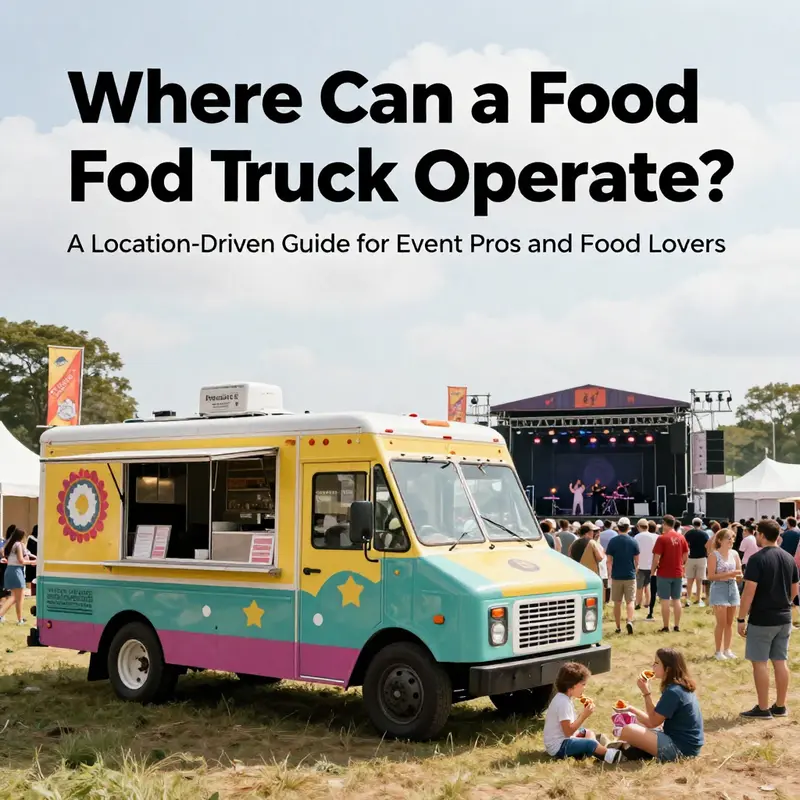
Cultural and music festivals are more than gatherings; they are immersive ecosystems where flavor and rhythm collide, and food trucks stand at the vibrant intersection of those currents. In these environments, a truck is not merely a kitchen on wheels. It becomes a mobile stage where cooks, storytellers, and hosts share a bite-sized piece of a culture or a flavor’s memory with hundreds or even thousands of people who arrive carrying their own expectations, moods, and appetites. Operating in festival settings demands more than excellent cooking; it requires an intentional choreography of mobility, timing, space, and connection. The best trucks move with the rhythm of the event, not in opposition to it. They arrive early, align with the festival’s arteries—entrance gates, main stages, and food courts—and then adapt as the day unfolds from late afternoon to the glow of evening lights. In this chapter we explore how cultural and music festivals create ideal operating environments for food trucks, what makes these venues uniquely challenging, and how savvy operators turn the cacophony of crowds into a coherent, scalable dining experience that remains resilient amid changing weather, shifting crowds, and evolving festival rules.
Festivals are built around movement and gathering, so a food truck’s greatest asset at these events is its mobility. Unlike a static storefront, a festival truck can relocate to optimize line flow, chase live foot traffic around stages, or shift into quieter corners when a performance ends and the crowd disperses. This mobility also allows chefs to curate a dynamic culinary story. A truck can spotlight a cultural concept during a traditional dance showcase, then pivot to a modern reinterpretation during a late-night headline act. The storytelling power of food in these spaces is amplified when each dish is designed to travel well in a crowded environment, maintain consistent quality, and arrive with a clear, focused narrative on a board or screen that passersby can read in seconds. The most successful festival menus are compact but expressive. They avoid overly complex preparations that slow service and risk inconsistency in a high-stress environment. Instead, they lean into a few signature items, each crafted for speed, reliability, and cultural resonance, paired with sides or toppings that reinforce the main motif.
The festival audience is unusually diverse and constantly shifting. Families with young children mingle with college students studying for exams, retirees rediscovering the joys of live music, and international travelers chasing a taste of place. This mix creates a powerful demand for variety, but it also imposes a responsibility to offer options that cater to different dietary needs and comfort levels. A well-rounded festival menu balances familiar favorites with bolder, uncommon flavors. It offers vegan, vegetarian, gluten-free, and dairy-free choices without sacrificing flavor or texture. It should also consider allergen awareness and cross-contact prevention in a way that is practical for quick-service execution. A robust festival strategy, therefore, doesn’t crowd a single stall with an overwhelming number of SKUs. Instead, it distributes complexity across a small, thematically unified set of dishes that can be produced in a streamlined workflow and presented with clarity on the menu board.
A food truck at a cultural or music festival is as much a stage as a kitchen. The vehicle itself—its exterior, lighting, and branding—acts as a beacon in a sea of tents and booths. The most compelling festival trucks tell a story in broad strokes: the colors, the typography, and the way the menu communicates quickly at a glance. Clear, legible signage helps people identify flavors that match their mood, whether they crave spice, comfort, or something authentically regional. Visual storytelling can become the selling point as much as the food itself, especially when a dish is tied to a cultural narrative or festival theme. In turn, the staff must be able to translate that story into fast, friendly service. Polished, approachable hospitality goes a long way here. A well-trained crew can greet a line with warmth, explain a dish in one or two sentences, and keep the pace up without sacrificing accuracy or safety.
The logistical framework of a festival kitchen is distinct from a year-round storefront. Power supply is a perennial concern, as many outdoor venues rely on generators or shared electrical grids with limited capacity. Savvy operators plan for peak demand and contingency scenarios, ensuring that essential equipment—hot holding, cool storage, and essential prep surfaces—receives stable power without overloading the system. Water access is another critical factor; while many festivals provide wash stations, trucks should still carry enough potable water for handwashing, preliminary dish rinsing, and utensil sanitation during peak service windows. Waste management follows suit. A clear plan for trash, recyclables, and compostable waste reduces clutter, speeds turnover, and supports festival sustainability goals. The goal is to maintain a clean presentation that does not interfere with neighboring stalls or clog the event’s waste streams.
From a menu engineering perspective, cultural and music festivals reward simplicity married to diversity. A kitchen that can deliver consistent quality at speed is a kitchen designed around high-velocity workflows. This often means pre-prepared components that finish quickly on site, not full meals cooked from scratch during every service window. For example, a tray of pre-marinated proteins, ready-to-sear vegetables, and a few house sauces can be combined into multiple dishes, offering a sense of variety without introducing chaos in the window. The unit should also be designed for easy staging of orders. Clear ticket visibility, succinct communication between the front-of-house and the kitchen, and a standardized set of assembly steps can dramatically reduce errors under the pressure of a long line and a loud crowd. In such environments, novelty alone rarely sustains volume. Sustainability, consistency, and the ability to tell a concise, compelling story through a handful of dishes become the currency of success.
Staffing is the fulcrum on which festival success balances. The best teams are trained for the tempo and unpredictability of open-air events. They understand the rhythm of the festival floor—the lull between bands, the surge when the main act ends, the momentary pauses created by weather changes or crowd flow adjustments. Multilingual or culturally aware teams can connect with a broader audience, translating dish names, ingredients, and spice levels in real time, which speeds decision-making for first-time festival-goers and repeat visitors alike. Training should emphasize not only food safety and speed but also the art of hospitality. A festival-goer who feels welcomed, informed, and valued is more likely to convert a casual passerby into a repeat customer, even within the frantic environment of a crowded field.
All of this must be anchored by a disciplined approach to safety and compliance. Festivals operate under a dense web of permits, health inspections, and site-specific rules that can differ from one venue to another. A truck that is well-versed in regulatory expectations—local health codes, event-specific health and safety guidelines, and waste disposal requirements—will navigate the day with less friction and more confidence. Training should include allergen management, cross-contact precautions, and clear labeling of ingredients, especially for items that appeal to diverse audiences and dietary restrictions. The physical layout of the stall must foster safe cooking practices, with adequate space for hot equipment, clear pathways for customers, and a waste- management plan that doesn’t impede ingress or egress for attendees.
The revenue dynamics of festivals are distinctive. The crowd is transient, but the volume can be enormous, particularly at peak hours. A well-timed upsell strategy—offering a pairing that aligns with the festival theme or an add-on that complements the main dish—can lift average order value without slowing service. Pricing needs to reflect the special value of festival access while remaining approachable. Bundling offers, time-limited specials tied to acts or performances, and creative portioning can help manage both demand and waste. Timing also matters: some dishes perform best during the first half of the day when attendees are likely to be hungry for brunch or savory snacks, while others shine after dusk when the crowd leans toward heartier or more indulgent options. The interplay between crowd psychology, performance schedules, and culinary timing creates a powerful opportunity to build a memorable, repeatable, and scalable operation.
The cultural dimension of festival dining should not be underestimated. Food is, inherently, a vehicle for cultural exchange. When a truck introduces a dish linked to a region, a festival audience has the chance to discover something meaningful in a compact bite. The most compelling festival operators approach authenticity with humility and curiosity. They share the origin of a dish, describe the preparation in a way that respects the tradition, and invite guests to experience a moment of shared culture through flavor. This approach invites deeper connection beyond the plate and can turn diners into brand ambassadors who seek out the truck in future events or recommend it to friends visiting a new city.
A festival’s dynamic also offers a testing ground for concept iteration. Because events are finite, they can serve as a proving ground for ideas that might evolve into more permanent ventures. A recipe that proves popular at a festival can be refined and adapted for longer seasons, different climates, or other events. Conversely, a concept that underperforms in the festival environment can be retired with less risk than a fixed storefront. This testing agility is valuable for operators who want to diversify their portfolios or to develop a line of specials that pays homage to a particular culture or region without committing to permanent signage or a brick-and-mortar footprint. The festival context is a living, breathing classroom where feedback comes in the form of lines, social media chatter, and the delighted reactions of a crowd that is as diverse as the festival program itself.
In exploring the logistics and psychology of festival operating, the community aspect stands out as a core driver of success. Festivals bring people together who are seeking not only entertainment but a sense of gathering, shared experience, and curiosity about unfamiliar flavors. A food truck can become more than a place to buy a meal; it can be a node of cultural exchange, a conversation starter, and a memory anchor for attendees. The most enduring festival brands cultivate relationships with audiences by listening to feedback, experimenting with language and imagery that honor cultural specificity, and offering a fair, transparent experience that respects festival attendees’ time, money, and curiosity. When a truck demonstrates reliability, warmth, and a genuine interest in the guests’ enjoyment, it earns trust that endures beyond a single event.
Operationally, the festival setting also nudges the entrepreneur toward partnerships and efficiencies. Vendors often co-locate within vendor villages or food courts, benefit from shared infrastructure, and leverage festival-sourced services for things like temporary power, water supply, and waste management. Collaborations with event organizers can yield advantageous placement, longer service windows, and access to premium times when attendance spikes. The relationships built with festival teams—curators, sound engineers, security personnel, and logistics coordinators—become part of a broader network that supports sustainable growth. In this ecosystem, a well-prepared truck is not isolated in a metal shell but integrated into a complex, lively machine that moves with the event’s tempo.
For operators who want to translate festival experience into long-term strategy, a few practical steps can set a solid foundation. Begin with a site-specific plan that identifies the best possible positions within the festival footprint for visibility and accessibility, while respecting safety corridors and neighbor stalls. Prepare a compact, high-velocity menu that highlights a few core dishes with colorful storytelling. Train your team to respond to the rhythm of the crowd with grace and speed, and equip them with language-appropriate scripts and clear allergen communication. Develop a waste and water plan that aligns with the venue’s environmental commitments. Finally, build a narrative that connects your dishes to the festival’s cultural themes, inviting guests to participate in a moment of shared discovery rather than simply perform a transactional exchange.
The world of food trucks thrives on adaptability, and festivals magnify that truth. When a truck can glide through the festival grounds with a clear purpose, a menu that travels well and speaks to a diverse audience, and a team trained to deliver hospitality at speed, it becomes part of the fabric of the event rather than a standalone vendor. The multiplier effect—brand visibility, social media buzz, repeat attendance, and the joy of discovering flavors in a communal setting—transforms a single festival appearance into a potentially enduring thread in the fabric of a food-truck business. For readers seeking further insights into how operators navigate the practicalities and etiquette of festival environments, this approach is explored further on loschifladostruck.com/blog.
In sum, cultural and music festivals offer a resonant, high-energy stage for food trucks. They provide unparalleled exposure and an opportunity to tell a culturally rich story, all while demanding discipline in kitchen design, service speed, and crowd management. The trucks that thrive in these settings are not simply clever cooks; they are strategists who understand the event’s tempo, a hospitality team that welcomes diverse palates, and a kitchen that can scale up or down to meet the moment. They embrace the constraints—limited space, unpredictable weather, and transient audiences—and turn them into advantages by delivering consistent quality, rapid service, and a narrative that invites continual curiosity. For those considering festival routes, the lesson is clear: plan without excess, execute with clarity, and let the festival’s energy amplify your food’s voice. The result is an experience that lingers in memory long after the last encore has faded and the final dish has been enjoyed.
External resources on equipment standards for busy festival environments can offer practical guardrails for risk management and reliability. As you map out your festival strategy, consult industry guides that cover deep-freeze capabilities, power needs, and durable, portable appliances designed for on-site cooking and rapid turnover. This knowledge supports not only compliance but also the ability to maintain quality when service windows are tight and crowds are eager. For a deeper look at equipment standards and common applications in high-traffic mobile kitchens, see the external resource: https://www.foodtrucksupply.com/food-truck-with-deep-freezer-technical-standards/.
Stations on the Plate: Operating a Food Truck in Transport Hubs and Public Transit Stations
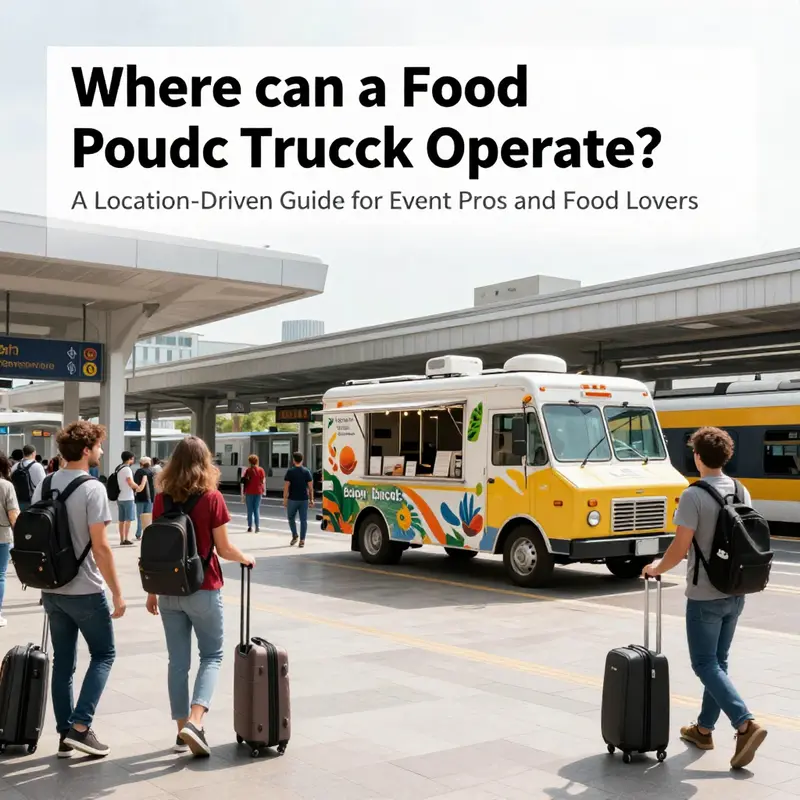
The rhythm of a city often pulses most strongly where people are moving between destinations. Train concourses, bus terminals, airports, and their surrounding precincts become living arteries of daily life, and within these arteries a food truck can tap into a steady stream of potential customers. The idea of steering a mobile kitchen into transport hubs and public transit stations is not merely about catching foot traffic; it is a strategic occupation of space where predictable rhythms, commuter needs, and the improvisation of startup cuisine collide. In many parts of the world, including Nigeria where vendors frequently anchor bustling hubs alongside urban cores, this location offers a unique blend of advantages and constraints. The story of a food truck in such spaces begins with a clear recognition: these are high-traffic environments, but they are also highly regulated ecosystems where moving parts—permits, safety standards, vendor coordination, and the rhythms of travel—must align with precision.
To understand how a mobile kitchen can thrive in transport hubs, one must imagine the day as a choreography. Early morning, the area hums with workers catching their trains and colleagues converging near entry points for the day. Mid-morning and late afternoon bring peak flows as commuters pass through, while the gaps between peak times offer windows to redeploy, restock, and prepare for the next wave. In Nigeria and similar markets, this cadence translates into opportunities to serve dishes that travel well, stay hot, and present quickly to a crowd that values speed and reliability as much as flavor. The most robust operators position themselves not as lone vendors but as integrated parts of the transit ecosystem. They coordinate with station managers, city regulators, and even cleaning crews to ensure that the experience remains smooth for riders and compliant with the rules that govern shared spaces.
Central to this model is the recognition that transport hubs demand permits for every private or designated location that a food truck intends to operate. There is no universal cap on how many permits can exist within a hub, which means that multiple trucks can share the same space if they meet licensing, zoning, and safety requirements. This reality invites a careful calculation of competitive differentiation. In practice, the most successful fleets do not simply chase a spot because it is open; they build a presence that travelers come to recognize as reliable. This reputation grows not only from the taste of the food but also from how well the service is integrated into the transit flow—where queues form, how orders are taken, how pickup happens, and how trash and waste are managed without disrupting the passenger experience.
The operational logic of hub-side food trucks also hinges on logistics that differ from street corners or park venues. Power, water, waste disposal, and access to a level, stable surface are not guaranteed in every corner of a transport complex. When a truck parks near a plaza or under a concourse canopy, the crew must confirm that outlets are compatible with the truck’s electrical needs, that water supply is steady enough for hands-washing and dish rinsing, and that waste containers are sized to match anticipated volume while still complying with municipal recycling and sanitation guidelines. In practice, this means a careful pre-scouting of each potential site: identifying adjacent concessions or vendors with similar hours, assessing whether the location offers protected space during rain or heavy winds, and understanding how security routines mesh with turnover times between trains or buses. The careful planner will also map out the best lanes for customer flow, ensuring that queuing does not block walkways or impede ingress to platforms.
A recurring theme in hub operations is the balance between predictability and adaptability. Commuters have exacting routines, but disruptions—delays, cancellations, or maintenance work—reroute crowds and reshape demand in real time. A successful hub operator builds systems that anticipate these shifts. Menus may include items that reheat well and travel securely in a take-away container, allowing staff to shift from hot, plated meals to compact, high-demand snacks without delay. Pricing must reflect the audience: commuters typically seek value but also quality that justifies the rush. A well-designed hub menu might emphasize affordable staples—rice bowls, flatbreads, wraps, and snackable bites—while offering a signature item that travels across seasons and remains consistent with the brand identity. The craft lies in delivering a culinary voice that resonates with travelers who crave familiarity when they are far from home, yet desire a touch of novelty that makes the daily journey feel regenerated rather than routine.
Safety and compliance emerge as the pragmatic cornerstones of hub operations. The very nature of a transit environment makes attention to hygiene, crowd control, and fire safety non-negotiable. Health codes require rigorous handling of food, water, and waste, and inspectors frequently check for clean surfaces, correct temperatures, and clear separation between food preparation and public spaces. The legal framework for operating in a specific hub often includes a dedicated permit, a separate permit for each location, and explicit guidelines on where a truck can park, how close it can approach transit turnstiles or platforms, and what times of day the vehicle may be active. While some jurisdictions cap the number of permits, others impose flexible allowances that reward responsible operators with expanded opportunities across the same property. The absence of a universal ceiling means that operators can meaningfully scale within a hub by maintaining consistent safety records, keeping sidewalks clear, and cultivating positive working relationships with transit staff, security teams, and municipal inspectors.
From a branding perspective, hub and station locations offer a stage with built-in audience analytics. The flow of commuters provides a living pulse check on what resonates. The brand voice can lean into speed, reliability, and convenience without sacrificing authenticity. A truck front and a simple, legible menu can become a beacon for riders who are rushing to meet a timetable. The visual identity—color schemes, signage, and the degree of polish on a portable storefront—takes on heightened importance here because a clear, confident presentation helps potential customers recognize the truck from a distance and builds trust through consistency. Some operators lean into the transit identity itself, using a design that evokes movement, cadence, and efficiency, while others emphasize a culinary lineage that promises comfort or novelty upon arrival. Either path can work so long as it remains legible at a glance and consistent in every interaction, from the moment a rider approaches the queue to the moment a bag or box is handed over with a friendly thank you.
The day-to-day rhythm in transport hubs also invites collaboration and strategic partnerships. Transit authorities may welcome the energy a food truck brings to the station’s public space, especially if the concept aligns with the station’s mission to enhance the passenger experience. A mature approach to such partnerships involves formalizing a plan with clear responsibilities: designated pickup zones, housekeeping schedules, and a shared code of conduct that covers noise, waste management, and customer accessibility. For a vendor, this translates into a smoother operation and a more predictable revenue stream. For the traveler, it means a more seamless garden of options where a favorite dish is reliably available when a schedule is tight. A well-integrated vendor can become a beloved part of the transit landscape, not merely a temporary visitor under a canopy. The result is a virtuous circle: strong visibility attracts regular customers, regular customers stabilize sales, and stabilized sales justify a more permanent or expanded presence within the hub ecosystem.
On the practical side, readiness is the operative word. Prospective operators should begin with a thorough survey—visiting the hub at different times of day and across days of the week to capture the ebbs and flows of foot traffic. They should compile a dossier that includes parking constraints, the nearest electrical hookups, water access points, and the locations of waste disposal containers. They should also document the route to the nearest restrooms and the best lines of sight for signage. A robust plan will outline emergency procedures, including what to do in the event of a power outage, a medical emergency, or a sudden platform disruption. It is also wise to prepare contingency menus and supply lists that can be deployed without delay should a segment of the operation be temporarily suspended because a platform is closed or a crowd control measure reroutes foot traffic.
Culturally, the hub environment offers a rich tapestry of flavors and culinary traditions. In many markets, food trucks near transport nodes serve more than meals; they deliver storytelling in a portable form. The choice of dishes can reflect the region’s identity, echoing the comfort foods of the home nation while also embracing the culinary dialogue of the city’s diverse commuters. In Nigeria, for instance, vendors might feature jollof rice or other regional staples that evoke familiarity for travelers and workers alike. The challenge lies in balancing authenticity with practicality: ensuring that ingredients travel well, can be prepared quickly, and can be scaled to meet sudden bursts of demand without compromising quality. A truck that masters this balance becomes not just a place to eat but a touchpoint that travelers carry with them beyond the station’s doors.
Another layer of complexity is the need to coordinate with other hub vendors and the station’s management to minimize cross-traffic conflicts. Carving out a space that respects neighboring stalls, walkways, and seating areas requires diplomacy and a willingness to adapt. Some hubs may permit a limited number of vendors in a given corridor, encouraging a curated mix of cuisines to prevent oversaturation. In such environments, the operator’s ability to communicate publicly, manage queues, and deliver a consistently pleasant customer experience becomes as important as the food itself. The best operators treat every shift as a performance, where timing, presentation, and the cadence of service align with the flow of riders. They train staff to greet customers, take orders efficiently, handle payments swiftly, and package food with care so that a meal remains neat and hot across the journey to a railcar or a bus seat.
Towards the end of a busy service window, the thoughtful operator begins the wrap-down with the same discipline that marked the opening. Cleaning, waste removal, and securing the vehicle for the next phase of the day are not afterthoughts; they are integral to sustaining the hub’s environment and preserving the potential for future operations. A clean truck and a respectful interaction with transit staff create goodwill that can translate into smoother renewals of permits, access to better spots, and opportunities to expand into additional terminals or concatenated hubs across the city. This discipline becomes part of the brand’s promise: dependability at a moment’s notice, a meal that arrives hot and ready, and a storefront that respects the public space in which it operates.
For operators seeking to grow within this framework, there is value in learning from both local practice and broader regulatory guidance. While the specifics vary by jurisdiction, the core principles remain consistent: obtain the necessary permits for each location, comply with parking and safety regulations, ensure reliable utilities and waste management, and maintain a level of service that aligns with the expectations of a transit-driven audience. The literature and case studies available through official channels emphasize a careful, proactive stance—one that treats the hub as a partnership rather than a battlefield. In practice, this means engaging with regulators, transit authorities, and fellow vendors to establish routines that keep passengers moving and meals arriving on schedule. It also means building a brand that travelers recognize as a reliable, convenient option when they are navigating the day’s demands. The relationships formed in these spaces can become a durable asset for a food-truck enterprise, enabling more frequent coverage of key transit nodes and the potential to reach a wider, more diverse set of customers who otherwise might not discover the truck in other environments.
As the seasons shift and city life evolves, the hub location continues to offer a compelling case for the food truck. The constant stream of travelers, the predictable peak times, and the opportunity to become a familiar, friendly pit stop in a traveler’s routine create a powerful incentive for operators who are willing to invest in regulatory diligence, logistical planning, and customer-centric service. While it is not a simple path to scale, it is a path that can yield durable engagement with a broad audience. It invites a fusion of street-food artistry and the precision of a well-run operation, a combination that resonates with riders who crave nourishment that respects their time and their experience of the city. In the end, the station or hub becomes more than a venue; it becomes a stage for a mobile culinary story that travels as fast as the city itself.
To explore more about navigating the regulatory landscape for food trucks, and to ground your hub strategy in practical guidelines, you can consult resources on navigating food-truck industry regulations. This kind of guidance helps ensure that your ambition to serve at transport hubs remains sustainable and compliant over time, rather than a fleeting experiment that ends when a permit period expires. For a broader sense of how other operators manage the legal and logistical complexities of hub-based operations, consider reviewing regional guidance and case studies that illuminate how permits are issued, how locations are allocated, and how ongoing compliance is maintained through audits and routine inspections. The balance between ambition and restraint is what ultimately allows a food truck to thrive within the dynamic environment of transport hubs.
Internal link to further guidance: navigating food-truck industry regulations
External resource: https://www.nairaland.com/4685237/food-truck-nigeria-explained-technical-specifications-performance-insights-best-practices
Final thoughts
Across urban cores, festival grounds, and transit terminals, the operating potential of a food truck is deeply tied to how well the location aligns with audience rhythms, event calendars, and practical logistics. Urban centers deliver steady lunch crowds and high visibility, yet demand robust parking, permitted curb space, and reliable utilities. Cultural and music festivals offer explosive exposure and brand lift, but require strong coordination with organizers, on-site power, waste management, and vendor rotation. Transport hubs and transit stations promise constant foot traffic and diverse travelers, but come with security checks, peak-hour constraints, and strict schedules. By pairing location strategy with local regulations, safety standards, and community needs, planners can craft experiences that feel seamless and exciting. The best locations aren’t just spots on a map—they’re opportunities to tell your story through speed, flavor, and connection. Use the insights from these three environments to design a calendar, secure permits, and create a reliable logistics plan that keeps guests happy and operators thriving.