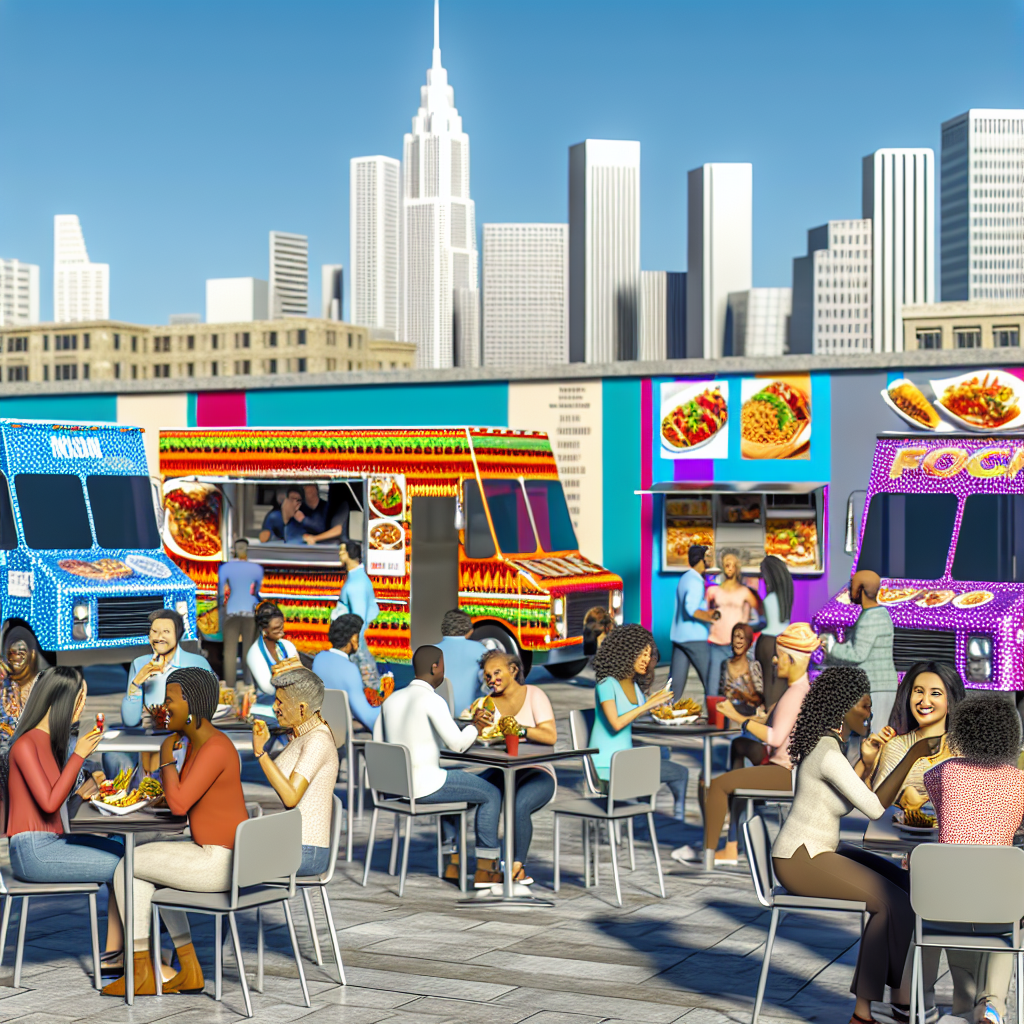
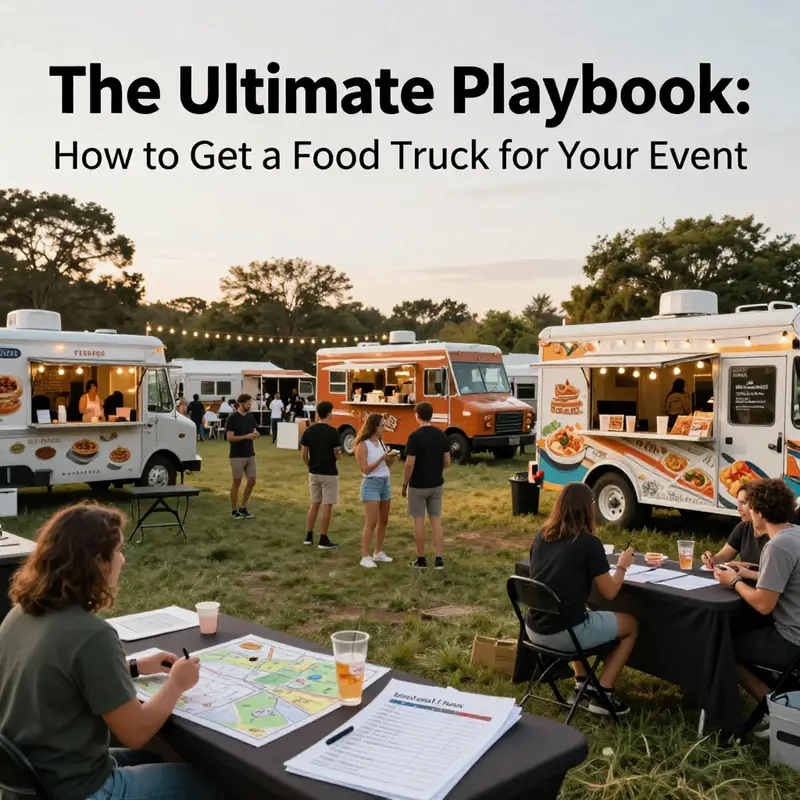
Food trucks aren’t just tasty add-ons; they’re adaptable, on-site kitchens that bring flavor, community, and movement to any gathering. Whether you’re an Event Planner juggling multiple sessions, a Corporate HR team building morale, a Local Community Group energizing neighbors, or an Individual Consumer/Food Enthusiast craving new flavors, getting a truck right starts with clarity and collaboration. The path is practical and repeatable: start with Defining Your Needs, then Research Local Vendors and Platforms, check Availability and Booking Timelines, confirm Licensing and Insurance, and finally finalize Menu, Pricing, and Logistics. Each step builds on the last, turning a great idea into a delicious, seamless experience for guests and organizers alike. The chapters ahead translate this approach into actionable steps, with real-world tips, checklists, and examples you can adapt to your event size, budget, and vibe. Expect a blend of practical must-dos, vendor-smart questions, and creative vendor options that fit budgets from intimate gatherings to large conferences. In short: plan with intention, book early, verify the basics, and celebrate the moment when the first sizzling dish hits the serve window. From crisp tacos at a neighborhood festival to sophisticated sliders at a company retreat, the journey to a fantastic food-truck experience is a team sport—and this guide is your playbook. Expect practical checklists, vendor etiquette, and a shared vocabulary that helps you communicate confidently with kitchens on wheels. Each chapter will tie back to the core aim: delivering a flavorful, stress-free catering experience that matches your event goals, guest needs, and budget—even when the clock is ticking.
Chapter 1: Designing the Perfect Food Truck Setup — Defining Cuisine, Guest Count, and Dietary Needs
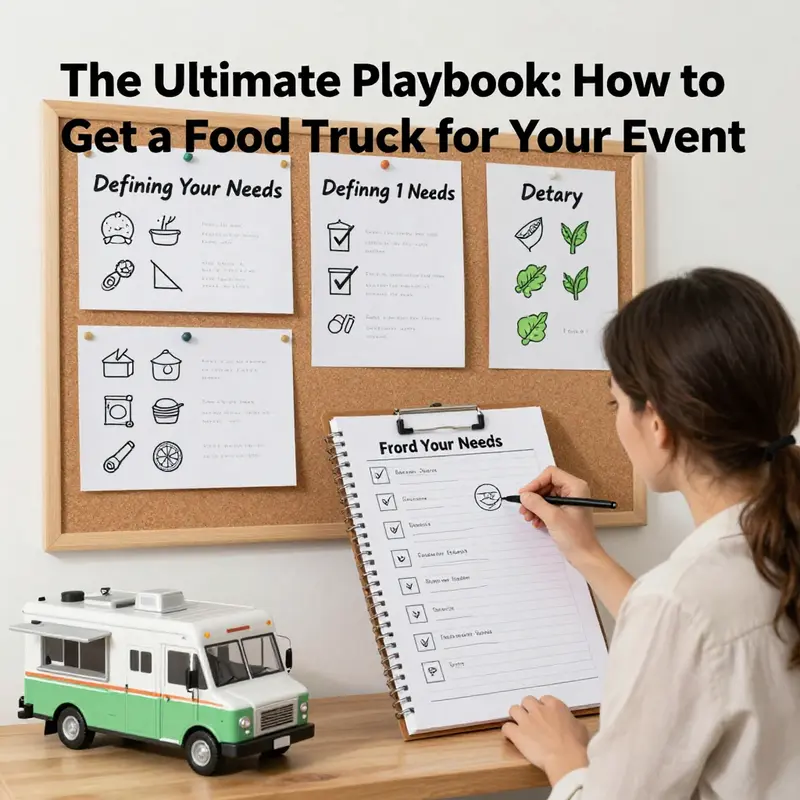
Defining your needs is the first and most decisive step in hiring a food truck for an event. It sets the tone for every other choice you will make, from the look of the service to the pace at which guests move through the line. When you approach this phase with clear intent, you create a recipe that your truck partners can follow with precision. The core of this phase centers on three practical pillars: the cuisine type, the guest count, and the dietary requirements of your attendees. Think of these as the ingredients you will hand to a chef who is not in a kitchen but on wheels, ready to translate your vision into a memorable culinary moment for your guests.
First, contemplate your cuisine type. The choice should feel natural to the event’s vibe and audience. It is not merely about offering something tasty; it is about producing an experience that resonates with guests the moment they arrive. A casual backyard gathering thrives on familiar, comforting flavors—think aroma-filled grills, smoky street-style options, or finger-friendly bites that guests can grab between conversations. A more refined evening under string lights might benefit from a curated menu with a few standout items that feel premium but still maintain the portability of a food truck. The key is to align the cuisine with the event’s mood, the venue’s character, and what guests are likely to crave after a day of activities. As you map this out, you may find that your event benefits from a hybrid approach—one or two signature dishes paired with crowd-pleasers that move quickly. This balance keeps lines reasonable and ensures everyone leaves with a sense of satisfaction rather than a long, slow queue. A practical way to explore how different configurations support your needs is to consider the truck model itself and how it handles cooking styles, service windows, and peak throughput. For a detailed look at translating needs into physical form, you can reference a guide focused on choosing the right food truck model. It helps you think beyond the menu to the space the truck occupies, the equipment it houses, and how staff will work within the constraints of a mobile kitchen. Choosing the Right Food Truck Model provides a helpful bridge from concept to capability, ensuring your cuisine choice is scalable and practical for your footprint.
Next, anchor your planning in a realistic guest count. This figure is more than a number; it is the compass your logistics will follow. Accurate headcounts influence the size of the truck you hire, the menu capacity you require, and the staffing plan you assemble. A small gathering of about fifty people might be perfectly served by a compact yet efficient unit with a lean crew and a shorter service window. In contrast, a large festival with several hundred or more attendees calls for a larger operation: a truck with multiple cooking stations, a longer service period, and perhaps additional staff to keep lines moving smoothly. The guest count also informs your expectations about service pace. If you anticipate a high volume during a fixed peak window, you’ll want to design a menu that can be produced quickly without sacrificing quality. Conversely, if the event spans a broad timeframe with staggered peak moments, you might offer more variety or slower-cooked options that still feel special but don’t bottleneck throughput. In defining the guest count, build in a conservative buffer for no-shows, weather shifts, or last-minute menu requests. This foresight helps you avoid overcommitting kitchen capacity or forcing the truck to stretch its limits beyond what is sustainable for a single service window.
Dietary requirements have become a central design principle for modern events. A thoughtfully planned menu goes beyond pleasing most guests; it demonstrates care for every attendee. The spectrum of dietary needs today ranges from vegetarian and vegan preferences to gluten-free, dairy-free, halal, or kosher requirements, along with a host of allergies that can significantly affect a guest’s ability to enjoy offerings. The practical upshot is that you should communicate these needs early and unambiguously. When you convey dietary constraints to the truck operator, you set expectations about ingredients, cross-contact controls, and labeling. A responsible vendor will already have a process for menu customization and will be able to accommodate diverse requests while maintaining food safety. Expect questions about cross-contamination protocols, separate prep areas, and clear allergen labeling on the menu or at the service line. To minimize confusion on the day of the event, consider a concise pre-event briefing with the vendor that includes a quick run-through of the menu adjustments, allergen notes, and any substitutions you are enabling. The strategic value of this step is not merely compliance; it is confidence. When guests see clear labeling and know that their dietary needs were considered in the planning, they experience the event as inclusive rather than improvisational.
As you translate cuisine, guest count, and dietary requirements into a workable plan, you will naturally move toward forming a provisional picture of your event’s food service ecosystem. This is where you begin to narrow the field of potential partners. You will examine sample menus and ask pointed questions about how flexible the truck can be, what substitutions are possible, and whether the menu can scale to your guest count without eroding service speed. In this phase, you may also begin mapping out the broader logistics: what time the truck should arrive, how long it will need to operate on site, and where the service area will be located in relation to the main event flow. A well-structured brief to a vendor can prevent miscommunications down the line and keep the process moving with fewer back-and-forths. The brief should include your event date, estimated guest count, a snapshot of dietary constraints, and a couple of sample menu ideas that illustrate both the vibe and the pace you’re aiming for. It should also reference the venue’s space parameters, such as parking access and any regulations about vehicle placement. The focus remains practical, concrete, and oriented toward a seamless guest experience rather than abstract perfection.
In closing this defining phase, it’s useful to remember that the definition you establish now will cascade through every subsequent decision. Availability windows, pricing, menu customization, required permits, and even the style of signage and branding your truck uses—all of these depend on the foundational choices you make about cuisine, guest count, and dietary accommodations. Your notes will serve as a compact blueprint for your vendor conversations, ensuring you preserve intent while you navigate the real-world constraints of mobility and service. When you are ready to explore the next layer—availability, lead times, and procurement logistics—you’ll find that your defined needs become a practical checklist that speeds decisions and reduces surprises. And should you want a deeper dive into how specific truck configurations align with your menu and audience, revisiting the model guide can illuminate practical options that match your defined needs. The journey from vision to service is a turn-by-turn process, but it starts with a clear, honest articulation of what your event must deliver. For readers who want a targeted follow-up, the direct link to the model-focused resource provides a concrete bridge from concept to capability. Choosing the Right Food Truck Model is the conduit between intention and implementation, helping you translate cuisine, guest count, and dietary considerations into a logistics-ready plan.
To complement this framework, consider the broader landscape of event planning resources that can support your search and decision-making. Platforms that connect planners with local food vendors can be invaluable for gauging availability, reviewing menus, and comparing pricing. They also offer quick benchmarks for typical lead times and deposit requirements, which helps you create a realistic timeline that aligns with your event date. As you navigate those platforms, keep a simple rule in mind: the better the clarity you offer up front—about cuisine direction, guest flow expectations, and dietary accommodations—the easier it will be for vendors to respond with options that fit your budget and your timeline. And with this clarity, you move confidently from a concept of a food truck at your event to a booked truck delivering on the promise of a cohesive, high-quality guest experience.
External resource for planning reference: https://www.eventbrite.com/
Chapter 2: Mapping Local Vendors and Booking Pathways to Secure a Food Truck for Your Event
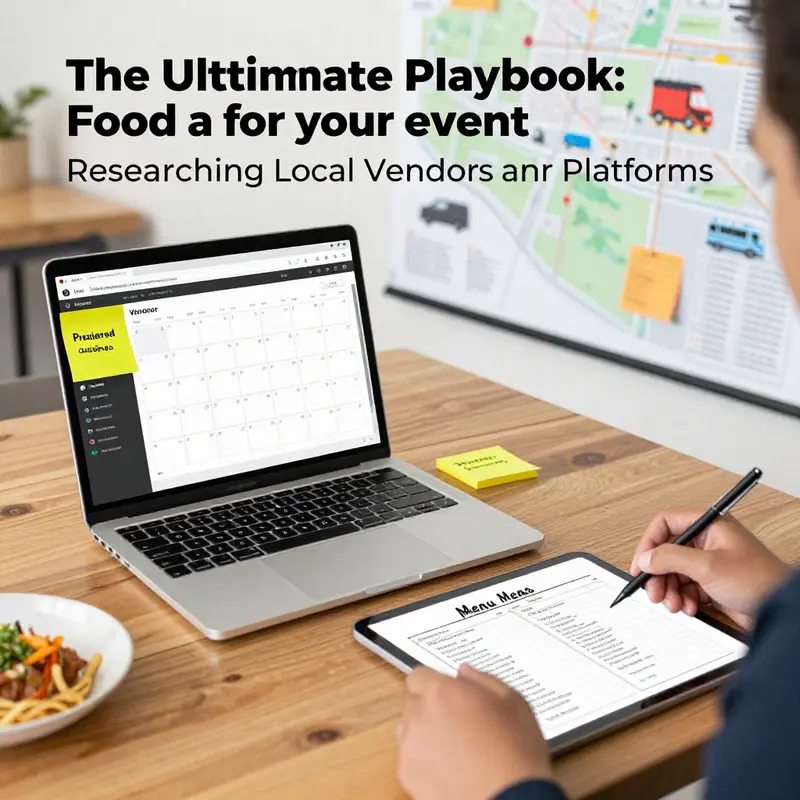
Securing a food truck for an event begins with careful, expansive research. The goal is to identify reliable local vendors and the platforms that connect you to them, so you can compare cuisine, pricing, and service quality with confidence. Start by outlining your needs in practical terms: what kind of cuisine should the truck offer, the expected guest count, and any dietary constraints you must accommodate. A clear brief acts like a compass, guiding you toward vendors who can tailor menus for vegan, gluten-free, or allergy-conscious guests without compromising flavor or service. When you articulate those needs early, you save time later and reduce the risk of misunderstandings that can derail a weekend event.
Finding potential trucks begins with the local ecosystem. In many communities, food truck operators are organized through informal networks, associations, and neighborhood groups. A strategic approach is to search for operators near your event site and to ask trusted venues for recommendations. These channels help you gauge a vendor’s reputation before any contact is made. You want partners who understand event logistics, not just the kitchen. Beyond the people you know personally, expand your search to directory-style listings and community pages where operators regularly post their offerings and calendars. The breadth of options you uncover in this initial sweep increases your chances of landing a truck that aligns with your theme, timing, and budget. When you review a candidate, look for consistency in recent activity, photos that reflect the kind of presentation you want, and a menu that demonstrates versatility, especially if you anticipate late arrivals or dietary adjustments on the day of the event. This groundwork reduces surprises later on and helps you craft a menu that feels cohesive with your event’s mood and setting.
To verify reliability, you should triangulate information from several sources. Begin with the operator’s permits and health compliance status. Reputable vendors carry current health department permits, a valid business license, and liability insurance. These documents protect both you and the vendor by detailing who is responsible for food safety, injuries, or other contingencies that may arise during setup and service. When you encounter a promising candidate, request copies of these documents and verify their validity directly with the issuing agencies where possible. This step is not merely bureaucratic; it is a practical safeguard that helps prevent last-minute complications that could derail your schedule or expose you to risk during larger gatherings. The process of due diligence also reassures your venue and your guests that the event will run smoothly, with a standard of professionalism that matches the occasion.
As you identify potential trucks, you’ll also want to understand how they operate within the event space. A crucial part of planning is confirming logistics—delivery timing, parking access, power needs if the truck requires electrical support, and the layout for safe food service. You should discuss set-up near-silence or near-peak traffic times to minimize disruption while maximizing service speed. Some venues have limited loading zones or strict parking rules, so the alignment between the site plan and the truck’s operational requirements is non-negotiable. A well-coordinated arrangement will allow the truck to function efficiently, keep queues orderly, and preserve the ambiance you are cultivating for your guests. The physical footprint of the truck matters as well; you need adequate space for food preparation that keeps customers at a safe distance from hot equipment and moving vehicles. These details, while logistical, directly influence the guest experience and the event’s overall success.
One practical path through this landscape is to engage with booking platforms and marketplace-style services that curate vendor profiles, menus, and client reviews in one place. These platforms can streamline the process by offering filters for cuisine type, location, and budget, and by providing tools to compare different vendors side by side. Many planners find value in platforms that support contract templates, insurance verification, and direct messaging, because they create a documented flow from inquiry to confirmation. While the landscape of platforms evolves, the underlying goal remains the same: to present dependable operators in a transparent way, so you can focus on designing an event that resonates with your audience rather than chasing down contractual ambiguities. In practice, this means reviewing a profile’s recent event history, tasting notes or photos from recent bookings, and the flexibility of the menu to align with your theme and guest needs. This approach helps you avoid last-minute substitutions and ensures the chosen truck can deliver a consistent quality standard across the service window you’ve scheduled.
Social discovery continues to play a powerful role in identifying distinctive, community-driven options. Independent operators maintain active social channels where they showcase menus, post event photos, and announce appearances. Following city- or event-specific tags, or simply monitoring local food scenes, can reveal candidates who might not rank highly on broad directories but bring character and a distinctive culinary voice to your occasion. Engaging directly with these operators—often through direct messages—can yield tailored proposals, accommodations for dietary requests, and occasional exclusive menu items crafted to fit a particular theme. Yet it remains essential to verify licenses and insurance before settling on any agreement, since the public presentation can be a mix of polished marketing and on-site realities that only a careful check can confirm. A thoughtful balance of online discovery and careful verification tends to produce a shortlist of vendors who not only offer delicious food but also demonstrate reliability and professionalism under event conditions.
An additional, hands-on route to explore is the face-to-face route: farmers’ markets, pop-up food halls, and community festivals. These venues act as live showcases where you can sample offerings, observe service flow, and build relationships with operators who seem open to customized bookings. Meeting operators in person often reveals the intangibles that matter on event day—how they communicate, how quickly they adapt to requests, and what the overall team dynamic feels like when under pressure. A vendor who participates in these recurring gatherings is typically more accustomed to working in dynamic environments, which can translate into smoother service during a large function. Venue staff or festival organizers may even maintain vendor directories or partner with event coordinators to facilitate future bookings, further smoothing the logistics for your event and opening doors to more collaborative possibilities for future occasions.
Throughout this research phase, you should be mindful of the need for clear, proactive communication. Share essential details early: event date, time windows, guest count ranges, and any special accommodations. This reduces the likelihood of misalignment and helps the vendor tailor their setup and menu to your audience. It also positions you as a thoughtful partner, which can pay dividends when negotiating menu customization, staffing levels, or timing—critical levers for creating a cohesive event feast that feels intentional rather than assembled. When you formulate a timeline and a expectations document, you create a reference point for both sides that anchors decisions about permits, insurance, and rush pricing if your event lands in peak season.
In short, the path to a successful food-truck experience begins long before the truck arrives. It starts with defining needs, expands through diligent exploration of local networks and platforms, and matures with careful verification of licenses, insurance, and logistics. The result is not simply a vendor with good food but a collaborative partner who can adjust to dietary needs, theme specifics, and on-the-day realities. You want a vendor who communicates openly, shows flexibility, and arrives on time with a ready-to-serve setup that aligns with your event’s rhythm. As you narrow your list, keep the internal link in mind to stay aligned with broader industry standards and regulations: navigating the food truck industry regulations. This integration of research, verification, and practical planning creates a foundation you can rely on, allowing you to move forward with confidence into menu finalization, logistics coordination, and the day-of execution.
For ongoing insights into industry standards and vetted members, you can consult external resources that specialize in food-truck governance and safety practices. These sources help you stay informed about best practices, licensing norms, and insurance expectations that protect both you and your vendors. External reference: https://www.foodtruckassociation.org
Chapter 3: Securing a Food Truck for Your Event — Navigating Availability, Booking Timelines, and the Pulse of Peak Season
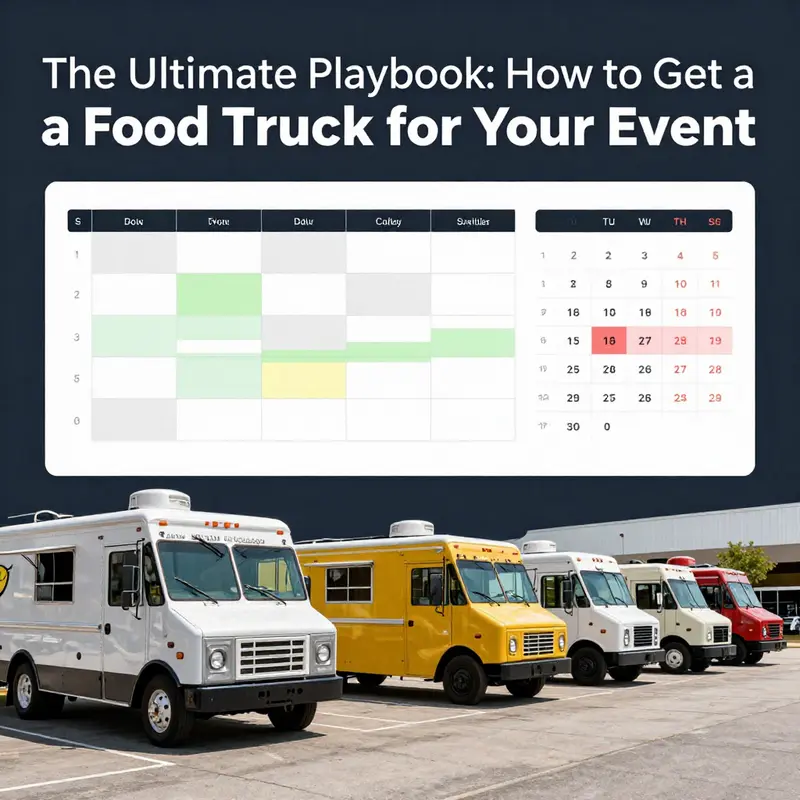
Availability for a food truck is rarely a fixed line on a calendar. It moves with demand, geography, and the rhythm of the season. A seasoned planner treats it like a dynamic conversation, one where timing and flexibility can determine whether a bright, sizzling centerpiece shows up on the day or a helpful alternative takes its place. The core idea is simple: the more time you build into your plan, the more options you’ll have to match the vibe you want with the right truck. The nuance, however, lies in understanding how peak seasons intensify competition, and how small shifts in your timeline can produce big differences in price, menu flexibility, and logistical ease. When you start to map this out, you begin to see why some events come together with a single phone call while others require a longer, steadier cadence of outreach.
Booking timelines are the practical backbone of this cadence. For large-scale celebrations—think weddings, corporate galas, or public events with substantial guest counts—experts consistently recommend aiming for a window of six to twelve months in advance. The reason is simple: top-tier trucks with signature menus or distinctive service setups tend to book early, especially when the event date falls in peak season. Vendors need time not just to pencil you in, but to coordinate the work that underpins a smooth service: securing permits, validating insurance, aligning staff schedules, and arranging any special equipment or setup needs. When your date is fixed and your expectations are high, that six-to-twelve-month horizon becomes less of a suggestion and more of a safeguard against disappointment.
For smaller gatherings, or for dates that offer more flexibility, a three- to six-month window often suffices. This middle ground works well when you’re open to a broader pool of trucks and when your event can accommodate some variation in menu or service format. The key here is to preserve options without letting the clock squeeze you into a choice you don’t love. Early outreach matters in both cases. Calling or emailing several vendors, requesting a clear sense of availability, and sharing a concise brief about guest count, power needs, and site layout will keep you in the running as schedules begin to fill. In practice, this means you should be ready to discuss not just price and menu, but also concrete details about your event: the exact date and time, the venue, the expected guest mix, whether you’ll have a stage or dance floor nearby, and any seasonal considerations that might affect food choices or service pace.
Peak season is the heartbeat of the market for mobile vendors. The period from late spring through early fall brings the most outdoor events, and with it a surge of demand for mobile kitchens. Trucks that operate with full-service BBQ stations, artisan pizza ovens, or high-volume dessert carts routinely reach capacity. The competition is as much about the space available on a calendar as it is about the space on a street corner. When a vendor is juggling multiple weddings, festivals, and corporate events, those dates with the best visibility or the most generous pay become highly coveted. Prices can rise in response to scarcity, and some trucks may introduce minimum guest requirements or premium setup fees to manage peak-day demand. If your event lands in this window, the prudent path is to approach early, be explicit about your priorities, and consider slightly flexible timing or alternative cuisine options that still align with your event’s spirit.
Conversely, the off-peak months—late fall and winter—offer worth considering for those who can move a date or who want to negotiate from a position of greater availability. In slower periods, vendors often have more bandwidth, and the relationship can become more collaborative. It’s not merely about getting a lower price; it can be about getting more attentive service, a longer turnover window, or the opportunity to customize the setup in ways that peak-season constraints would have limited. Budget-conscious planners frequently discover that the strongest value comes not from the cheapest option, but from the best alignment between a truck’s capabilities and the event’s needs—an alignment that can be easier to secure when the market quiets down.
The type of food truck you select also shapes availability, sometimes in surprising ways. If you’re seeking a fully equipped mobile kitchen with a specialized capability—such as a barbecue unit with heavy smoker equipment, a pizza truck with a climate-controlled oven, or a mobile bar that requires a certified beverage operation—the lead times can extend. These units demand more extensive preparation, from power requirements to ventilation considerations, and they may carry additional compliance steps that slow the booking process. In some cases, trucks with these capabilities also require validation of health and safety certifications or other regulatory assurances, which adds a layer of administrative time before a firm commitment can be made. Anticipating these needs early helps you avoid the bottleneck of last‑minute approvals and ensures your chosen truck can operate to your expectations on event day.
The workflow of securing a truck often follows a familiar arc: you define the broad profile of what you want, you source a set of candidates, you confirm their availability and pricing, you finalize a menu and service plan, and you lock in the logistics, including delivery, setup, and power. At every step, communication matters. Sharing your event date, exact location, guest count, dietary considerations, and any special requests at the outset reduces the chance of miscommunication later. This is where a structured but flexible approach pays off: begin with a handful of suitable trucks, note which dates they can accommodate, then explore how their menus and pricing align with your budget and theme. In this early phase, a clear sense of what is non-negotiable—such as accommodating gluten-free options or timing around a keynote—helps you sift options without getting hung up on minor variations.
Given this landscape, you’ll often find it worthwhile to blend approaches. For example, if a preferred truck is unavailable on your exact date but has an earlier or later time slot that still fits the event, you can explore a shift in timing to preserve the core concept. If you are open to a similar cuisine from a different, equally reputable truck, you preserve your budget and attendee experience while expanding the pool of viable options. Some planners also use a staged proposal process: secure a provisional hold with a non-binding agreement when a top choice is available, and then refine the menu and logistics in the ensuing weeks. This creates a corridor of security around your date while allowing you to compare a few strong contenders side by side.
To bring all these threads together in a practical, action-oriented way, consider how the available options weave into the site you’ve chosen. For instance, a venue with limited parking, a strict power policy, or a tight service window will naturally filter the field toward trucks that explicitly align with those constraints. If your site requires a dispersed service area or a quiet power source for a midnight event, you’ll want to prioritize trucks known for reliable power management and flexible setup configurations. The more you translate your site constraints into questions you pose to vendors, the more quickly you’ll reveal which trucks can truly deliver the experience you envision.
A practical note on sourcing beyond word of mouth: explore multiple channels to gauge availability and pricing. In addition to direct outreach, you can use event platforms or local business networks to compare options, ask for references, and verify recent performance at similar events. When vendors respond, request a concise, itemized quote that includes menu pricing, setup and service fees, minimum guest requirements, staff counts, and any additional costs for power, water, or waste management. Having this level of granularity from the outset prevents later surprises and gives you a transparent basis for comparison. If a truck offers a strong fit but cannot meet a specific date, ask about a waitlist or a back-up option that you can activate with minimal disruption if a cancellation occurs.
To connect this planning to a concrete pathway, you can Choosing the right food truck model as a resource that helps map site realities to equipment and service configurations. This reference can help you assess whether your event favors a compact, nimble unit or a more expansive, fully equipped kitchen on wheels. The goal is to ensure your choice scales with your guest experience while fitting your site constraints and budget, rather than forcing a compromise after commitments are in place.
As you near the moment where the truck rolls in, keep your focus on clarity and coordination. Confirm delivery windows, parking access, and the exact service layout. If the venue requires a permit for street access or a temporary exclusion zone for food preparation, resolve those documents early. Ensure the truck’s health and safety paperwork is current, that proof of insurance is on file, and that any required licenses are valid through your event date. This due diligence protects both you and the vendor and reduces the risk of a last-minute snag that can derail an otherwise seamless service.
In sum, securing a food truck for an event rests on three pillars: a thoughtful, early booking posture; responsiveness to peak-season dynamics; and a willingness to adapt without diluting the core guest experience. By understanding how availability shifts with demand and by embracing flexibility in timing, cuisine, and setup, you position yourself to access a broader set of high-quality trucks. Your event can reap the benefits of premium service and memorable flavor without paying a premium in stress or last-minute compromise. The right truck, booked with enough lead time and aligned with your venue’s constraints, becomes not just a service, but a central moment of your event’s storytelling. External resource: https://www.alibaba.com
Chapter 4: Licensing, Insurance, and Compliance—Securing a Legal, Safe Food Truck Experience for Your Event
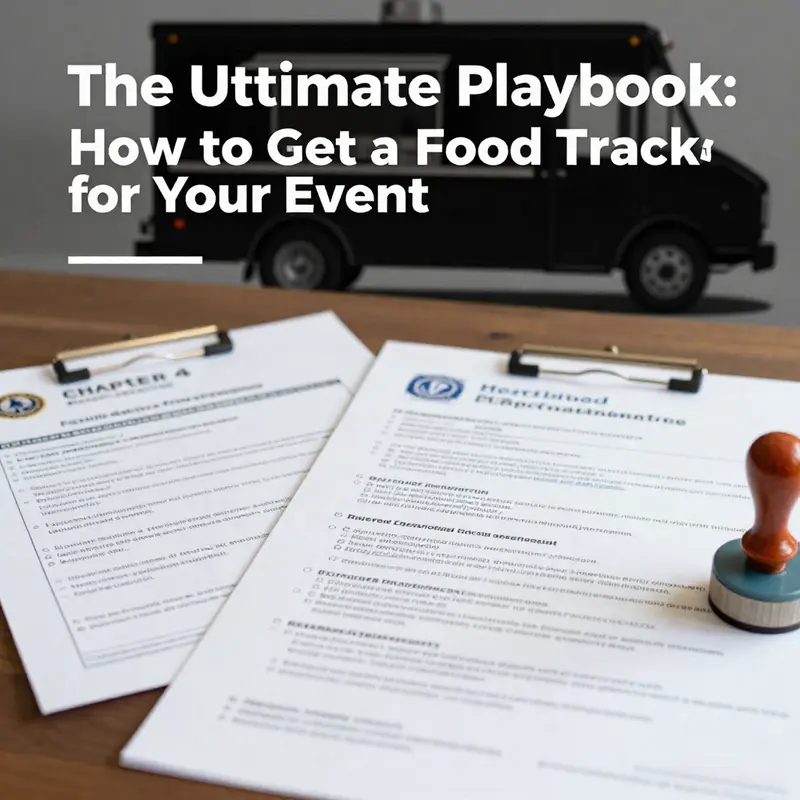
Securing a food truck for your event goes beyond finding a vendor with a tasty menu. It requires a careful alignment of licensing, insurance, and compliance with a matrix of local, state, and federal rules. When these elements are in place, the relationship with the truck becomes a dependable, hassle-free part of your planning rather than a potential point of disruption. The goal is to protect your guests, your venue, and your investment while ensuring a seamless service from the moment the truck pulls into the lot to the moment it leaves with the last happy plate cleared.
Licensing forms the foundation of legal operation and the first gate you must clear before you can even think about a signature on the contract. A licensed vendor demonstrates that the business is registered with the appropriate local authority and is authorized to operate within your jurisdiction. At minimum, expect the vendor to have a valid business license. More importantly, request proof of a current food service permit, which is typically issued by the local health department or department of public health. This permit signals that the truck meets basic sanitary standards for food storage, handling, cooking temperatures, and waste management. In some cities, a separate mobile food vendor permit is required for street-legal operation and for deploying a truck in specific zones or during certain hours. If your event is in a venue with its own rules, you may also encounter a special event permit that authorizes temporary activity at a particular site. The licensing landscape varies by city and county, so start by checking the exact requirements for your event location and then verify that the truck has documentation for each relevant permit. For a practical roadmap that complements these steps, you can consult our guide on navigating food-truck industry regulations, which helps translate regulatory language into actionable steps for event planners. navigating food-truck industry regulations.
Alongside licenses, insurance acts as a safety net that protects both you and the vendor from a spectrum of risks. A reputable food truck should carry several layers of coverage. General liability insurance is standard and protects against claims of bodily injury or property damage that might occur at the site. Product liability insurance covers claims arising from the food itself, including potential contamination or illness. Because the operation involves a vehicle, commercial auto insurance is essential to cover incidents during transport, setup, and teardown. Depending on the venue and the event, you may also encounter or require event insurance that adds an extra layer tailored to the specific gathering. When you review an insurance package, ask for current certificates of insurance and confirm that the policy names your event or venue as an additional insured. Some venues insist on this before they will approve a booking. While insurance costs vary, the robust coverage that a professional vendor maintains is an indicator of reliability and risk consciousness. The National Restaurant Association provides a comprehensive overview of the core policies and their rationale, a resource you can share with your team as you compare bids.
The compliance piece is where safety and accountability come alive on the ground. Compliance encompasses hygiene practices, equipment readiness, and procedural discipline that keep interruptions to a minimum. Health inspections, which are common in most jurisdictions, ensure that the truck maintains sanitary conditions and follows safe food handling practices. Vendors should be able to produce recent inspection results, and it’s reasonable to request copies during the booking process. A HACCP plan—Hazard Analysis and Critical Control Points—can be a strong signal of a vendor’s proactive approach to food safety. While not always mandatory for smaller operators, having a HACCP plan or equivalent risk-control procedures demonstrates that the truck team anticipates hazards in the preparation and service process and has controls in place to prevent them.
Beyond inspections and plans, the practical realities of operating a mobile kitchen demand attention to equipment and sanitation. Confirm that the truck is equipped with reliable refrigeration and hot-holding units for perishable items, a clean and functional handwashing station, and an organized waste disposal system. Clear, legible signage that communicates that the truck is licensed and compliant contributes to guest confidence and regulatory transparency. Staff training is another hallmark of good practice. Look for food handler certificates and health card compliance among crew members. The emphasis should be on clean hygiene, careful temperature monitoring, and strict avoidance of cross-contamination. You don’t need the perfect operation to land a great event, but you do want to see a thoughtful, documented approach to safety.
The alignment between licensing, insurance, and compliance flows directly into your event-day experience. When the vendor brings the right paperwork, you remove a major source of post-booking stress. Yet the process is not a one-and-done check. It’s a dialogue that begins with the initial inquiry and continues through final confirmations and day-of coordination. You’ll want the vendor to provide current license numbers, permit copies, proof of insurance, and a clear description of the food safety measures they practice. Scheduling the delivery, parking, power needs, and setup space should be discussed in parallel with these documents. This is not merely administrative; it is risk management in action. A responsible vendor will welcome this level of scrutiny because it reduces the chance of last-minute obstacles and protects the event’s reputation.
If you’re unsure how to integrate these checks into your procurement timeline, a simple rule of thumb is to start licensing and insurance inquiries as soon as you have a preliminary headcount and a preferred time window. Ask for documents early, but review them with the same care you apply to a menu sample. Look for consistency between the vendor’s stated capabilities and the paperwork they present. When you have confidence in the regulatory posture of the truck, you can shift focus to menu customization, service style, and the overall guest experience without worrying about legal compliance becoming the event’s Achilles’ heel.
To reinforce practical judgment, consider the following approach as you finalize arrangements. Have the vendor share copies of current licenses, health permits, and any mobile or special event permits. Request certificates of general liability, product liability, and commercial auto insurance, with your event and venue named as additional insured where appropriate. Ask for a brief overview of their daily food-safety procedures, including how they handle hot and cold holding, cross-contamination prevention, glove use, and handwashing protocols. If the truck will operate in a location that requires power, verify the electrical requirements and confirm that backup plans exist for outages. Confirm that the venue’s specific regulatory expectations are met, including any allergen signage or waste management rules. In this thorough, collaborative process, you’re not merely satisfying compliance; you’re actively safeguarding guests, staff, and your investment while preserving the event’s momentum from kickoff to dessert course.
External resources provide an additional layer of assurance. For federal food-safety standards, the FDA Food Code offers a framework that many jurisdictions reference in local regulations. This document can guide you in understanding what constitutes proper temperature control, hygiene, and safe handling across retail and mobile food-service settings. You don’t need to memorize every detail, but familiarity with the principles can help you ask informed questions and recognize solid practices when you review the vendor’s plans and certificates.
In sum, licensing, insurance, and compliance are not bureaucratic hurdles to be endured; they are instruments that elevate the entire event experience. They protect guests who trust you to deliver meals under safe conditions, reassure venues that you are a responsible planner, and shield you from the unpredictable margins of risk that come with live service. When you approach the process with clarity and curiosity, you turn a potentially complex regulatory landscape into a straightforward toolkit for great food, smooth logistics, and memorable moments on wheels.
External reference: FDA Food Code 2022 — https://www.fda.gov/food/federal-food-code
null
null
Final thoughts
With needs clearly defined, vetted vendors, and a realistic calendar, you’re positioned to book a food truck that elevates your event rather than complicates it. Prioritize open communication, confirm licenses and safety standards, and keep a flexible mindset for on-site adjustments. A well-planned process reduces stress, curates an on-theme culinary experience, and leaves guests raving about the mobile kitchen on wheels. Remember: the best events aren’t just about great food—they’re about how smoothly everything comes together from the first vendor inquiry to the last bite.