From weddings and corporate celebrations to street fairs and community gatherings, food trucks bring flavor, energy, and a sense of occasion. A frequent question among event planners and organizers is whether these mobile kitchens come with serving staff or bartenders, and if not, how to add them without turning the budget upside down. The reality is nuanced: most food trucks provide the culinary team and some front-of-house support, but staffing for serving and bar service is often an optional add-on that must be requested in advance. Licensing, insurance, and local regulations further shape what’s possible when alcohol is involved. In this guide, we’ll break down four essential areas to help you plan with confidence: (1) staffing models and what’s commonly included, (2) licensing and regulatory considerations for alcohol service, (3) cost structures and add-ons, and (4) best practices for selecting vendors and ensuring service quality. Each chapter builds on the previous one so you can design an event experience that’s delicious, compliant, and smoothly run. Whether you’re coordinating a big corporate gathering, a community festival, or a intimate celebration, understanding how staffing and licensing intersect with budgeting will empower you to choose the right partner and deliver a standout guest experience.
Staff on Wheels: An In-Depth Look at Serving Staff and Bartenders in Event Food Trucks
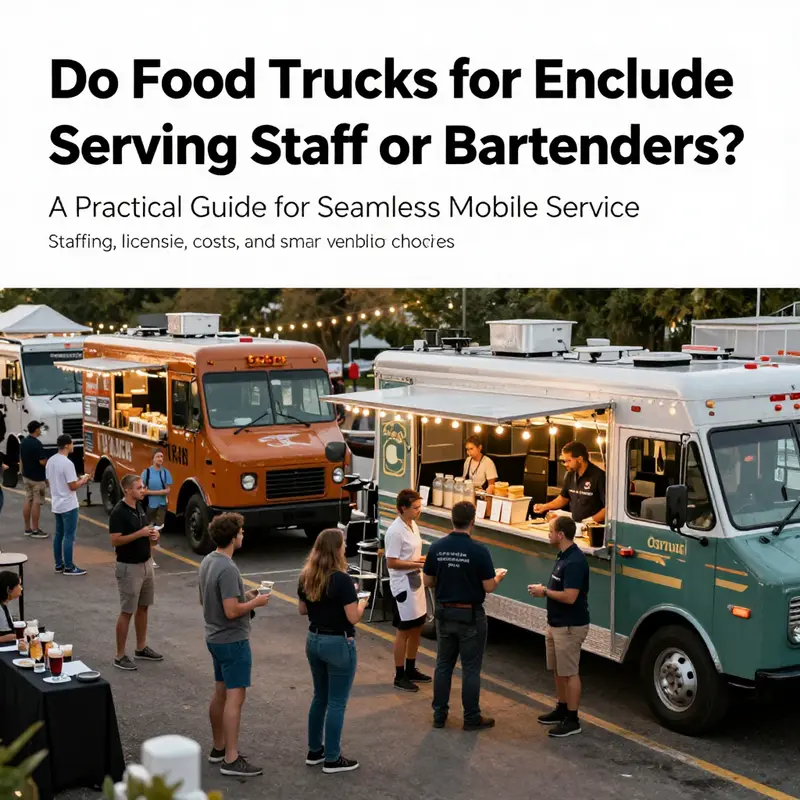
When planners imagine a food truck stationed at a wedding, a festival, or a corporate gala, their first image is often the gleam of the vehicle, the sizzle from the grill, and the line of delighted guests drawn to a distinctive menu. What isn’t always visible is the human system that turns a mobile kitchen into a smoothly functioning service operation. The simple question Do food trucks for events include serving staff or bartenders? opens a broader conversation about staffing models, client expectations, and the operational choreography that makes a meal from a truck feel effortless. The answer, in practice, is nuanced. Staffing is not a universal feature baked into every package, but it is a common add-on that vendors tailor to the type of service, the complexity of the menu, and the scale of the event. In many cases, the decision rests on a balancing act between cost, speed, quality, and guest experience, with the vendor and the client co-designing a staffing solution that aligns with the event’s goals. The bedrock of this arrangement is the recognition that food trucks bring mobility and cuisine, but the service dimension—how guests order, how food is plated, how beverages flow, and how the crowd is managed—depends on the people behind the wheel and behind the counter.
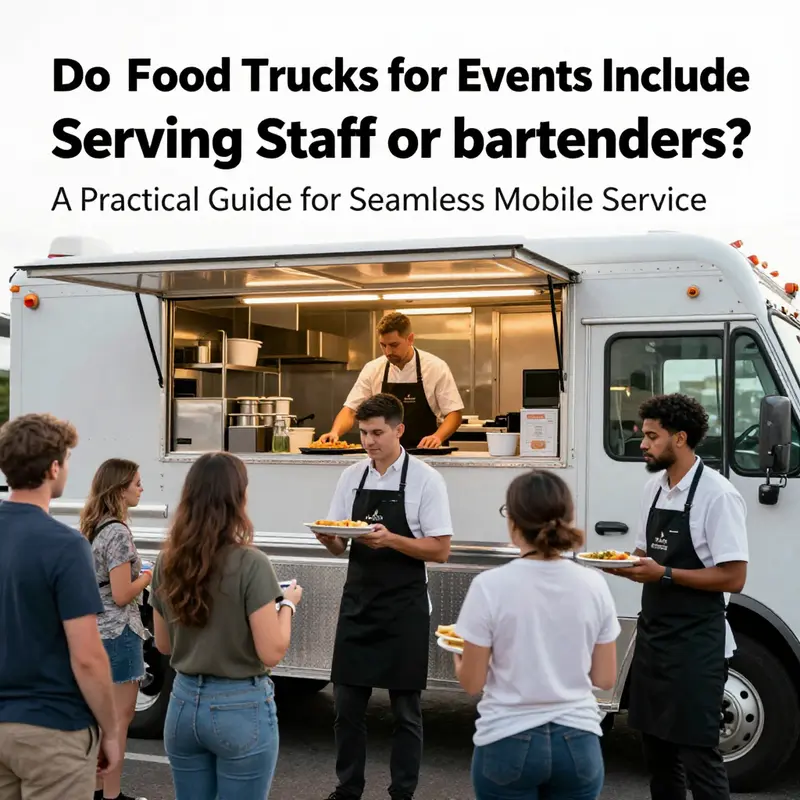
For most operators, the baseline package includes the vehicle, the kitchen equipment, and culinary staff who can cook, assemble, and serve from the truck. This core team typically comprises a lead cook or chef, one or two assistants, and a front-of-house server who handles ordering, line management, and cash handling. In enough of a market, this trio or quartet can meet the demands of a standard service window, ensuring that menu items move quickly and consistently. Yet the range of event formats—pastry and dessert stations, full-service feasts, buffets, or live cooking demonstrations—creates a spectrum of staffing needs. A casual street-food setup at a park or festival may require only a single extra pair of hands to manage a steady stream of orders and maintain quality as demand peaks. A high-end catering truck at a corporate event, by contrast, often calls for more formal staffing: dedicated servers, R.S.V.P.-driven flow management, and sometimes a bartender or beverage specialist when alcohol is part of the program.
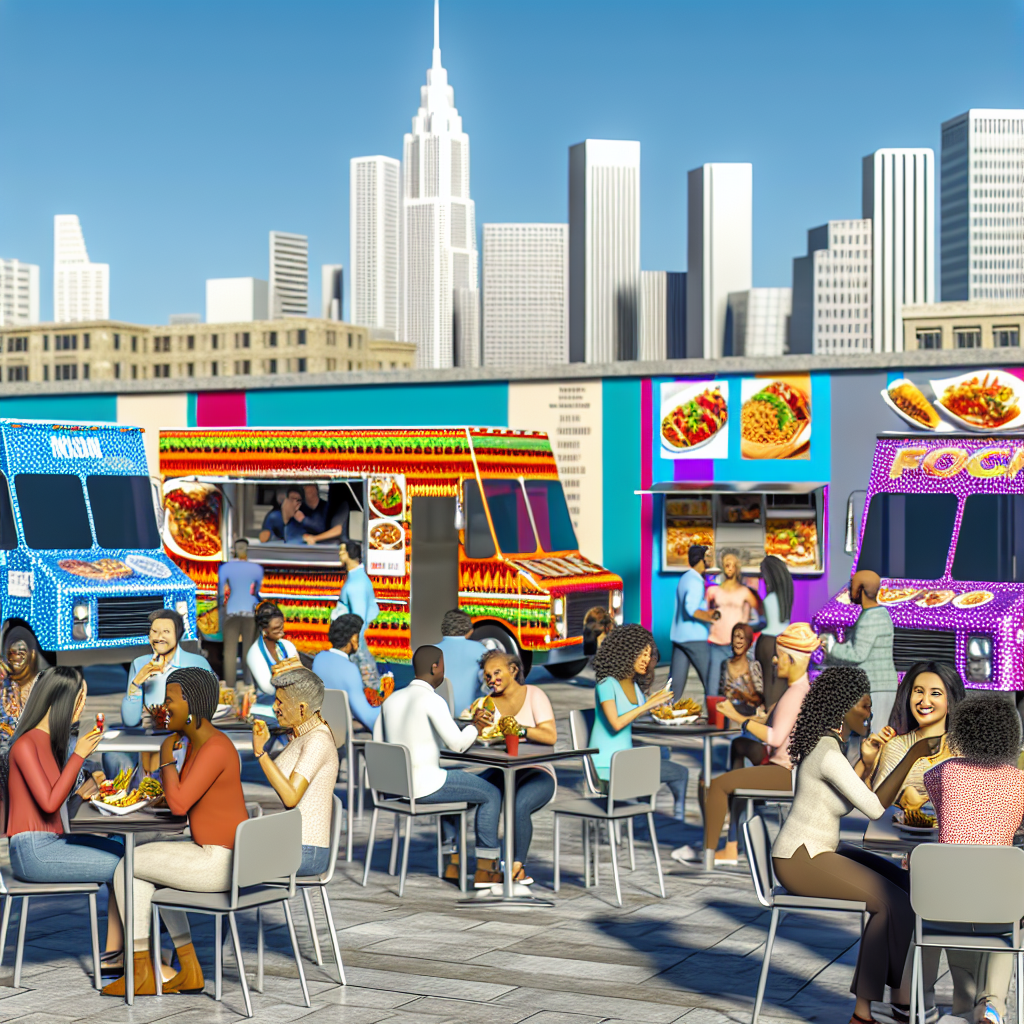
Dessert-driven mobile concepts illustrate how staffing adapts to product characteristics and guest interactions. Mobile dessert kitchens, for instance, are designed to be visually engaging—think bright façades, colorful displays, and a sense of theater that invites guests to approach, observe, and order. In these contexts, staff play multiple roles: they guide queues, explain each dessert option, portion and plate items with care, and ensure that hygiene and product quality are visible in real time. The emphasis on service cadence is particularly important for items with short shelf life or delicate textures, such as artisan pastries, fresh-baked cookies, or soft-serve desserts. Trained servers can manage portioning and plating with precision, preserving texture and flavor while maintaining a clean, appealing presentation under the high-traffic conditions of a central event location.
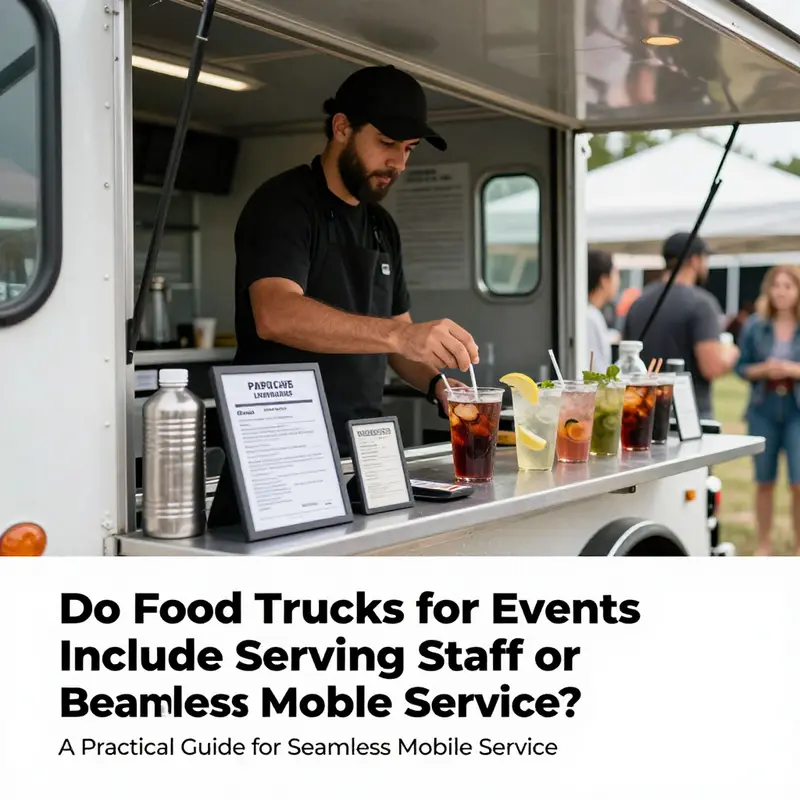
Beyond these standard culinary crews, some operators lean into specialized staffing formats that reflect the needs of modern events. Drink dispenser backpacks, for example, allow mobile bartenders or brand ambassadors to deliver beverages with speed and consistency across a large footprint. These systems, often CO2-driven or pump-based, empower staff to serve cocktails or nonalcoholic specialties directly from a portable unit. They are particularly advantageous at events where guests expect rapid service, where space is constrained, or where the host wishes to minimize traditional bar footprints. The staff operating these backpacks require focused training in dispensing systems, safety practices, and brand-aligned service behavior. While such setups can broaden a truck’s appeal, they also introduce regulatory and liability considerations that must be addressed in the event planning phase.
The regulations surrounding alcohol service are not merely administrative hurdles; they shape whether a truck can offer bar service at all and how staff must operate in the presence of alcohol. In many jurisdictions, serving alcohol from a mobile kitchen hinges on licensing and permits, staff training, and strict adherence to responsible-service protocols. In Texas, for instance, the licensing framework is clearly defined and enforcement is active. A food truck that plans to serve alcohol must obtain a valid permit, and it must designate staff who are trained in responsible service, including age verification and monitoring for over-service. These rules are designed to safeguard guests and to define the permissible environments for alcohol service, such as where service can occur and what venues are eligible for on-site consumption. The practical upshot is that for any event involving alcohol, the vendor may offer a separate bartender package or partner with a licensed bar service to ensure compliance and liability coverage. The regulatory landscape, while it can be navigated successfully, adds a layer of complexity and cost that planners should budget explicitly rather than assume will be included by default.
Cost is another essential axis in the staffing conversation. Most vendors publish a base event cost that covers the core culinary team, the equipment, and the travel required to reach the site. Depending on the market, cuisine, and duration, that base cost can range from a few hundred dollars to several thousand. Staffing add-ons, such as extra servers, a dedicated bartender, or on-site coordinators, typically run a noticeable premium. Alcohol service introduces additional layers of expense, including liability insurance and compliance-related fees. In practice, a wedding or corporate event may attract a full-service package that promises not just food and service but also setup, service, and cleanup along with bar service. For planners, the financial calculus often centers on the guest experience: a more robust staffing model can reduce wait times, elevate service levels, and enhance safety and verification processes, which in turn influences guest satisfaction and the event’s overall success.
The strategic choice about staffing also dovetails with how a client envisions the flow of the event. In high-volume environments, an efficient staffing model is essential for turnover and for maintaining control over line dynamics. A well-staffed truck can handle a rapid sequence of orders, deliver consistent portion sizes, and keep the kitchen area organized, which reduces the risk of cross-contamination or delays. In more intimate settings, a smaller, more intimate staffing approach may be preferred, preserving a sense of personal service and allowing servers to engage with guests, explain menu options, and accommodate special dietary requests. The key truth here is that the staffing model is not a fixed feature of the product; it is a service design choice that vendors and clients negotiate in advance. To achieve the desired balance, experienced operators will ask pointed questions about guest count, service style, menu complexity, and on-site logistics before quoting staffing levels or pricing.
For readers who want a deeper understanding of the regulatory environment that frames these staffing choices, there is value in reviewing the broader framework that governs on-site alcohol service and food-truck operations. Navigating the regulatory landscape helps planners anticipate what is feasible in a given venue, what permits are required, and what kinds of staff credentials are necessary. See Navigating food-truck industry regulations for a practitioner-focused overview of how permits, licensing, and compliance interact with staffing decisions. This kind of information is especially important when a client plans a multi-venue event or a venue with evolving restrictions, as different sites may have distinct requirements for alcohol service, food handling, and crowd management. The aim is not to scare away opportunities but to align expectations with what is legally permissible and logistically practical in a given location.
From a practical standpoint, the process of securing staff for a mobile event should begin with clear documentation. Clients should request a detailed staffing plan that specifies roles, shifts, and coverage for peak times. The plan should also outline how the front-of-house team will interface with guests, how drinks will be served, how cash handling will occur, and how the kitchen will coordinate with serving staff to prevent bottlenecks. A well-structured plan includes a contingency for peak demand, whether that means additional servers stepping in, a second bartender, or a staggered service approach to prevent lines from forming and to maintain food quality. In many cases, vendors partner with external staffing professionals or agencies to fill roles beyond the core culinary team. Such arrangements can offer flexibility and scalability, but they also introduce another layer of contracting, liability, and coordination that must be managed transparently in the lead-up to the event.
The human element is what ultimately distinguishes a good mobile food service from a great one. The best operators invest in staff training, both for the technical aspects of service and for the art of hospitality. Uniforms and presentation—covered in industry studies on catering labor standards—play a part in creating a professional image that resonates with guests and contributes to a smooth workflow. The combination of well-trained staff, clear process design, and thoughtful equipment layout is what turns a mobile kitchen into a reliable hospitality platform rather than a practical but chaotic concession stand. When staff are aligned with the event’s tone and guest expectations, the result is not only efficient service but also a sense of hospitality that reflects the host’s brand values and the moment’s mood.
In the end, the question of whether food trucks for events include serving staff or bartenders cannot be answered with a single yes or no. It is better understood as a spectrum driven by service goals, venue rules, and budget realities. A taco truck catering a casual outdoor party may rely on a lean crew of cooks and a single server, delivering fast, informal service with minimal flair. A gourmet mobile kitchen at a corporate function may deliver a refined experience through a full staff, including a dedicated server team and an on-site bartender, all managed through a coordinated staffing plan that ensures consistent service and compliance with licensing requirements. The most successful events, in turn, are those where the client and the vendor collaborate to design a staffing package that feels seamless to guests, while remaining practical and compliant in the back office. As the research points out, while baseline culinary teams are standard, bartending and alcohol service require careful licensing, trained personnel, and separate fee structures—factors that planners should address early in the procurement process. For readers seeking a practical next step, consider how you want your guests to experience the moment they approach the truck: is speed and volume the priority, or is it a more elevated, seated service with attentive staff? Either path can be realized with the right combination of staffing, logistics, and regulatory awareness.
Internal link: For a deeper look at the regulatory landscape that frames these staffing decisions, see Navigating food-truck industry regulations. This resource helps connect the staffing choices to the permissions that make on-site service possible in specific venues or jurisdictions. By understanding the rules, organizers can avoid surprises and choose a staffing model that aligns with both the event’s ambition and the venue’s constraints. External resources, including official guidance on alcohol service from mobile caterers, provide a grounded reference for the licensing and compliance aspects that often determine whether a bartender can be part of the truck team at all. As you plan, keep in mind that the most successful staffing solutions integrate a clear service design with a realistic budget and a transparent regulatory plan, ensuring guests enjoy both the food and the experience they came to celebrate.
External reference: For licensing and regulatory guidance related to alcohol service through mobile operations, see the official guidance on alcohol service from food trucks. This external resource offers detailed information on permits, allowed activities, and responsible service requirements that influence staffing decisions at events. TABC guidance on alcohol service from food trucks
Wheels of Service: Staffing, Licensing, and the Regulatory Dance of Event Food Trucks
When planners imagine a food truck at an event, they expect the kitchen on wheels and a cook at the pass. What often isn’t explicit is whether serving staff or bartenders are included by default. In practice, staffing beyond the core kitchen crew is typically optional, negotiated separately, and tightly linked to licensing and venue rules. This chapter explains how staffing choices interact with alcohol service, licensing, and liability, and why upfront clarity matters for budgeting and guest experience.
The staffing model should match the event’s pace and space. For high-turnover festivals, a small in-house team—lead cook, a helper, and a server for line flow—can keep service moving efficiently. A more premium package might add dedicated servers and a bartender, with careful attention to how bar service integrates with food delivery to avoid bottlenecks. Licensing and regulatory constraints do not just add cost; they define who may handle alcohol, what training is required, and which permits must be secured.
Budgeting reflects this complexity. Base truck costs are typically supplemented by per-staff fees and potential liquor liability requirements. Vendors may offer all-inclusive packages or modular add-ons; either way, ask for a written staffing outline, confirm licenses and permits, and verify insurance coverage. The result should be a staffing plan that aligns guest experience with compliance and clear responsibilities for all parties.
Staffing on Wheels: Decoding Event Food Trucks, Service, and Bar Options
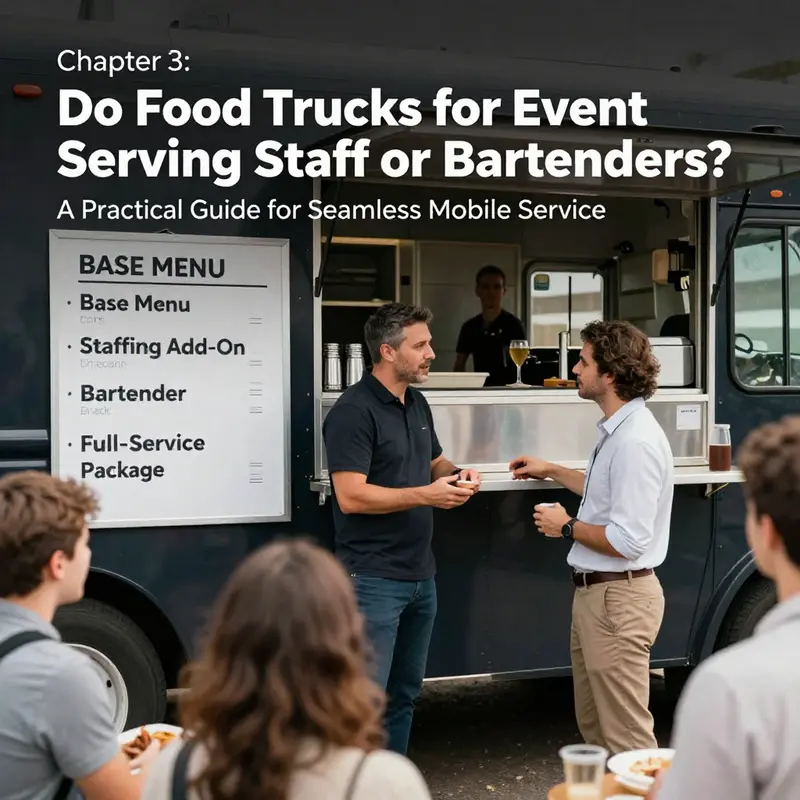
When planners picture a food truck at an event, they often imagine a compact kitchen on wheels, sizzling burners, and a friendly cook handing over plates. Yet behind that compact facade lies a second reality: serving staff and bartenders are not universal features. The standard package typically covers the vehicle, the kitchen equipment, and culinary staff who operate the line and deliver meals, often from inside the truck or at a small pass. But many vendors offer staffing upgrades that can transform a truck into a full-service experience. The decision to include servers or a bartender hinges on the nature of the event, the vendor’s offerings, local regulations, and the client’s willingness to absorb additional costs. This dynamic is not a one-size-fits-all formula; it is a negotiation between what the event needs and what the truck can feasibly provide without compromising food quality or safety.
Staffing models vary widely, and the difference often comes down to the level of service desired. The typical in-house team remains relatively small—two to four people who handle the food preparation, execute orders, and manage the front line. A lead cook or grill master may shoulder the primary cooking responsibilities, while one or two assistants handle prep, routine garnishes, and rapid assembly. A dedicated server may be present to manage guest contact, take orders for any special requests, or ensure guests receive the correct portions. These teams are optimized for speed and accuracy, designed to keep lines moving and mistakes to a minimum in a high-pressure, on-site kitchen environment. When service moves beyond simply handing out plates to coordinating a plated or buffet service, some operators will partner with additional staff to manage the flow, restock items, and clear tables. Even in these scenarios, the primary focus remains on the mobile kitchen’s efficiency rather than a full dining room experience.
For clients seeking a more upscale or hands-off experience, many vendors publish add-ons that escalate service quality. A complete staff package may include additional servers who greet guests and guide them through the service, answer questions about ingredients, and ensure correct distribution of dishes. If alcohol is on the agenda, a bartender can be bundled into the package or supplied through a licensed bar service partner. The bar setup can range from a compact cocktail station with glassware and mixers to a more expansive bar area with seating and a dedicated technician to handle ice, garnishes, and inventory. The appeal is clear: a well-staffed truck can approximate the level of hospitality found at a traditional catered event, while preserving the mobility and novelty that make food trucks appealing. This transition to full-service staffing is not without its complexities, though. Staffing add-ons require careful coordination with licensing, insurance, and the event timeline to prevent bottlenecks or service gaps.
Beyond the immediate staffing question lies the crucial matter of compliance, especially when alcohol is involved. Alcohol service introduces regulatory complexity that can shift a routine catering bill into a broader compliance framework. Many states require specific permits to sell or serve alcohol at events, and a food truck that intends to offer bar service must align with those rules. In practical terms, this often means that the truck operator must hold a valid permit or work in partnership with a licensed bar service that can legally provide alcohol to guests. Responsible service practices become mandatory: verifying ages where required, monitoring for over-service, and maintaining a secure setup to prevent spills and accidents. The licensing reality is not merely bureaucratic trivia; it shapes staffing, pricing, and the overall feasibility of alcohol service from a mobile kitchen. For those considering alcohol at their event, it is essential to talk through licensing with potential vendors and to confirm who is responsible for permits, insurance, and compliance.
The financial layer of staffing is equally consequential. Base costs for hiring a food truck generally fall into a broad range, with the truck and kitchen operations priced to reflect the cuisine, location, and duration of service. A typical starting point for many events might be in the ballpark of a few thousand dollars. From there, staffing add-ons can significantly alter the total. A bartender or extra server can add several hundred dollars to the bill, depending on hours and the level of expertise required. If alcohol is served, some vendors attach an alcohol service fee to cover liability insurance, permit costs, and bartender compensation. In many cases, full-service packages are available that combine menu customization, staffing, on-site setup, and even bar service into a single, all-inclusive price. For planners, the practical takeaway is straightforward: the more comprehensive the service package, the easier it is to predict the guest experience, but the higher the upfront investment.
The decision to pursue full-service staffing is often guided by the event type and guest expectations. Weddings and corporate events frequently benefit from a polished, guest-facing presence that a full staff can provide. A taco truck or gourmet mobile kitchen with an integrated server and a licensed bar service can deliver a seamless experience that rivals traditional catering in coordination and elegance. In more transient settings such as farmers markets or large festivals, the emphasis tends to be on speed and throughput, where fewer staff might be required to sustain high-volume service without sacrificing quality. In those contexts, the right balance between speed and personal attention becomes a determining factor: the more hands on deck, the smoother the guest flow, but the higher the cost. Understanding these dynamics helps planners align expectations with the realities of the event environment.
If you want to approach this thoughtfully, begin with a clear service concept. Do you envision guests ordering at a pass and receiving plated dishes, or do you prefer a more casual, buffet-style service with staff circulating to assist and maintain replenishment? Will you host a bar with cocktails, beer, wine, or perhaps a non-alcoholic beverage station? The answers will shape the staffing model and the required permits. When you reach out to vendors, request a detailed staffing plan that specifies the number of servers, bartenders, and any support personnel, along with their roles and expected hours. Ask whether staff are in-house employees or contracted through a partner, and whether uniforms or branded attire are included. In the vendor dialogue, you can sharpen expectations by requesting a tentative timeline for service, a routing plan to minimize guest wait times, and a contingency approach for weather or peak moments. To stay aligned with best practices in choosing the right setup for your event, you can explore the considerations for selecting a service model in more depth here: choosing the right food truck model.
A key operational consideration lies in how the staff will interact with the crowd and how the service area is laid out. A well-thought-out service plan minimizes bottlenecks and creates a smooth guest journey. The front-of-house team should be versed in a few core competencies: efficient food handling, clear communication, adherence to safety and sanitation standards, and awareness of allergen information. The bartender, if present, adds another layer of complexity—stock management, glassware handling, and the careful conduct of age verification where required. The success of a mobile service hinges on the synergy between the kitchen crew and the service team. If the truck partner cannot provide bar service due to licensing constraints or regional restrictions, consider a coordinated approach with a licensed bar vendor. The two teams then work in tandem so drinks and bites arrive at roughly the same pace, while the staff maintain a clean, orderly service zone.
From a guest-experience perspective, the value of staffing goes beyond simply having more hands on deck. It translates into consistency, reliability, and a sense of occasion. A seasoned server or bartender can adapt to the event rhythm, respond to dietary needs with confidence, and ensure guests feel attended to without feeling crowded. The operational benefit is equally tangible: well-trained staff reduce the risk of misorders, bottlenecks, or miscommunication about beverage choices. For the planner, these advantages must be weighed against the added expense and the complexity of coordinating multiple vendors. If a single mobile partner can deliver both cuisine and bar service, the coordination becomes more straightforward, though cost and licensing considerations should still be carefully reviewed.
The practical path to a well-staffed, compliant, and cost-aware solution begins with transparency. Always confirm what is included in each package and what constitutes an add-on. Get a concrete staffing plan with names, roles, and estimated hours, plus a detailed breakdown of any alcohol-related charges. Ask about insurance coverage, permit responsibilities, and what happens if a staff member falls ill or if weather disrupts service. Such diligence pays off when the day arrives and the team needs to execute the plan with calm precision. A thoughtful client can mitigate surprises by locking in a staffing framework early and revisiting it as the event approaches.
In terms of regulatory references, bar service from a food truck is subject to state and local rules. Specific licensing, permit requirements, and location restrictions can shape both feasibility and cost. Industry guidance emphasizes that alcohol service with a mobile kitchen is not simply a menu addition; it is a regulated activity that requires compliance, trained personnel, and often a licensed partner. This is a crucial line of consideration for any event that contemplates on-site beverages. For a comprehensive look at licensing and operational boundaries around food trucks serving alcohol, see the state authority’s guidance on food trucks and alcohol service: https://www.tabc.texas.gov/food-trucks/. This external resource highlights the essential licensing steps, permit types, and compliance expectations that can influence staffing decisions and overall event planning.
Ultimately, the choice to incorporate serving staff or bartenders with a food truck for events is a balance among guest experience, regulatory compliance, and budget. A basic truck with a skilled cook and efficient line can deliver delicious food quickly, while a fully staffed package can deliver the hospitality experience of a traditional caterer, with the mobility and novelty of a food truck. The better path is the one that aligns with the event’s goals and the expectations of guests, while keeping a clear line of sight to licensing, insurance, and cost structure. As you navigate these decisions, keep your staffing plan as a living document that can adapt to changes in guest count, service style, or beverage plans. Your event will benefit from the clarity that comes with open conversations, precise bills, and a well-coordinated team that treats every guest with attention and care. For further practical planning considerations, you might also explore targeted guidance on choosing the right truck model and staffing approach as you finalize your vendor shortlist.
Chapter 4: Staffing the Mobile Kitchen: Do Event Food Trucks Include Servers and Bartenders—and How to Choose for Flawless Service
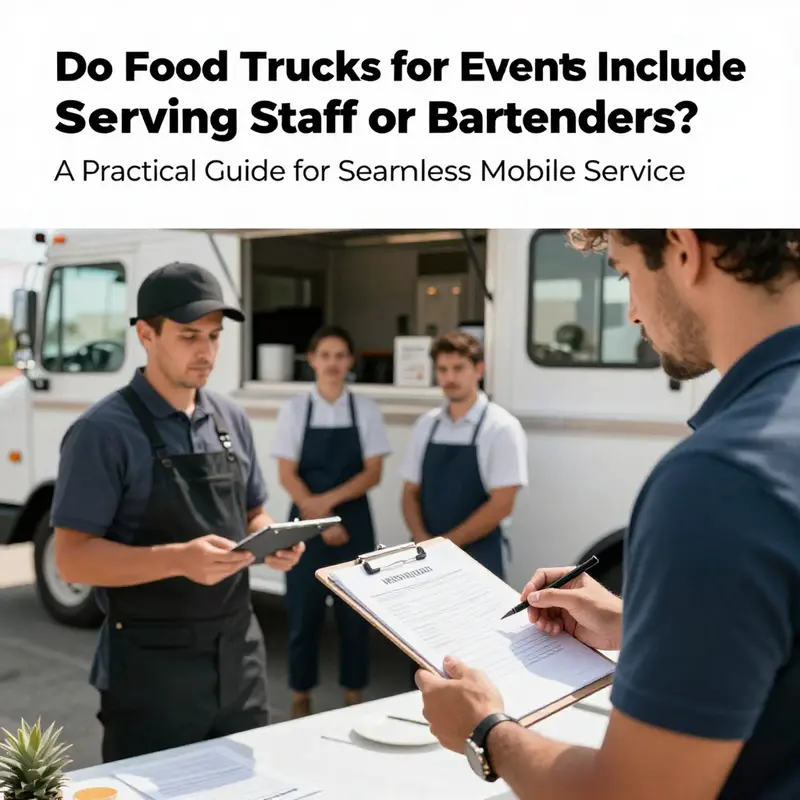
Choosing staffing for an event’s food truck is rarely a simple yes-or-no question. The truth most planners learn is that food trucks for events typically do not include serving staff or bartenders as standard equipment or services. The truck itself is the stage: a compact kitchen, a crew that can cook and plate, and perhaps a line of guests moving through a narrow service window. The broader act of serving guests—plating, bussing, pouring drinks, managing a bar, and coordinating guest flow—often belongs to an add-on package or to a separate catering partner. This separation isn’t a flaw; it reflects how flexible the food-truck model remains in a marketplace that spans intimate backyard celebrations to large corporate galas. Vendors differ widely in what they will package together, and a thorough request-for-services process helps event organizers avoid misalignment between expectations and what actually arrives on site.
When you begin planning, the most reliable starting point is clarity. A basic taco truck, a Mediterranean-inspired concept, or a gourmet mobile kitchen may come with two to four people focused on food preparation, cooking, order fulfillment, and basic front-of-house duties. In such setups, there might be a lead cook who doubles as a food runner, another cook handling grill or fry station duties, and a server or two who manages simple plating and guest questions. Even in these configurations, the staff is primarily focused on the food itself, not on the full spectrum of guest service that a formal catering team would provide. The footprint is cost-conscious and efficient, designed to keep ticket times reasonable as crowds move through a dedicated pickup or order window. The upshot is that you should expect to coordinate separate elements for service beyond the truck’s culinary operation unless you opt into a premium package.
In contrast, premium or full-service food-truck providers may present a different formula. At upscale weddings or high-profile corporate events, some vendors bundle staffing into their offerings. This can mean dedicated servers who handle plate delivery, a host to guide guests through the lineup, and even a licensed bartender if alcohol is part of the floor plan. The added staff is often the differentiating factor between a casual food-pod experience and a polished, venue-like service flow. The distinction matters: alcohol service introduces regulatory steps, liability considerations, and required credentials that are not part of the base culinary package. As a result, bartending services are one of the most sensitive elements to confirm up front, along with the staff’s training in responsible alcohol service, age verification, and crowd management.
For events that include alcohol, licensing becomes the central hinge holding together service quality and legal compliance. State rules vary, but several common threads appear in many jurisdictions. A food truck that wishes to serve alcohol typically must hold a permit specific to mobile or temporary service. In Texas, for instance, the Texas Alcoholic Beverage Commission (TABC) outlines strict boundaries—permits, limitations on where alcohol can be served, and required training for staff. Without the proper permit, a truck risks penalties or shutdowns, and the event organizer risks insurance gaps and liability exposure. Licensing demands aren’t immaterial add-ons; they shape who can staff the bar, what they can pour, and under what conditions. Beyond permits, there is the question of location restrictions and the need for trained personnel who can monitor service quality and safety, prevent over-service, and manage ID checks if alcohol is in play. The practical implication for planners is simple: if you want alcohol service at an event, you should plan for a separate licensed bar service or a vendor who can provide certified bartenders in addition to the food truck crew.
Even when you aren’t serving alcohol, staffing choices still influence the guest experience in meaningful ways. A traditional approach—two to four culinary staff with one or two front-of-house servers—can be highly efficient for steady, mid-size events where guests approach a single window or a couple of service stations. But as crowds grow, or as service expectations rise (for example, when guests expect plated portions rather than self-serve stations), you’ll likely want more structured front-of-house capacity. The cost divisions are important to understand: adding a bartender, a dedicated host, or extra servers raises the baseline spend, but it also broadens the event’s ability to handle larger attendance with smoother throughput and more consistent service quality. The math isn’t merely about paying more people; it’s about ensuring that the guest experience remains seamless as guest flows scale, reducing bottlenecks at the window, minimizing mis-orders, and delivering consistent presentation across multiple service points.
To plan with confidence, most event organizers benefit from a detailed service breakdown. When you request a quote, ask vendors to spell out who is included, how many staff members will be present, and what tasks each person is responsible for. A two-person front-of-house team, for example, can be adequate for a compact lineup, while a larger event might call for a dedicated host or coordinator to guide guests, maintain the line, and address any hiccups before they escalate. If a bartender is on the table, specify whether they will be employed directly by the truck, by a separate bar service, or as part of a joint staffing arrangement. Getting explicit answers in writing helps prevent surprises on event day and gives you a measurable way to compare different proposals.
Vendor selection becomes more reliable when you assess experience with live events. Look for operators who have a track record at events with crowds similar to yours and with logistics that resemble your venue’s constraints—indoor-outdoor flow, street access, or a festival footprint. Experience matters because it translates into rhythms: how quickly can the team set up, how smoothly do they handle a spike in orders, and how well do they integrate with other service providers on site? Even well-executed menus can falter if the staff lacks familiarity with service standards or if the kitchen-to-window throughput isn’t calibrated for post-snack peak times.
Licensing and insurance are not formalities but a shared responsibility between you and the vendor. Ensure the vendor holds proper food service licenses, general liability coverage, and, where applicable, alcohol permits. Confirming insurance is not a defensive move alone; it’s a safeguard that legitimizes the staffing plan, particularly for events with alcohol, children, or complex layouts. Insurers and regulators will want to see that staff have undergone appropriate training and that the operation can respond to incidents without disrupting guests or exposing the venue to risk. A straightforward way to verify is to request copies of licenses, permits, and certificates well in advance and to confirm validity dates ahead of the event.
Menu clarity and food safety protocols are equally essential. The best staffing arrangements align with menus that are practical to execute in a mobile kitchen. A well-rounded provider will share standard operating procedures for food safety, sanitation, and temperature control. They will demonstrate how cross-contamination risks are mitigated, how dishes are held at safe temperatures during peak service, and how waste and recycling are managed to maintain a clean, efficient service line. These elements matter because they influence the perceived professionalism of the event. Guests notice the difference between a well-run, food-safe operation and one that looks rushed or disorganized. A robust staff plan is only as good as the operational discipline that backs it.
References from past events can be surprisingly informative. When possible, ask for references or view galleries of previous events that involved staffing and bar service. Photos and videos can reveal whether the service team presented themselves consistently, whether the food-presentation was neat and intentional, and whether the bar or serving stations looked professional and well-integrated into the overall event aesthetic. Seeing how a vendor handles flow in real-time offers insight that a written quote alone cannot provide. This is especially valuable for weddings or corporate events, where guests expect a certain level of polish and coordination that matches the rest of the program.
For those seeking a turnkey solution that minimizes the number of separate vendors, another viable path is to partner with a full-service catering operation that can coordinate a food truck as part of a broader package. In this model, a single provider oversees the culinary output from the truck, arranges front-of-house staff, manages bar service if alcohol is included, and supplies linens, dishware, and service tools. The consolidation can streamline communication, simplify billing, and create a coherent guest experience from arrival to departure. It also shifts some accountability from you to a single point of contact who has the leverage and expertise to adapt to evolving on-site conditions. If you pursue this route, ensure the contract specifies the scope of the truck’s culinary responsibilities, the exact staffing complement, and the terms of bar service, including licensing compliance and liability coverage. A well-structured agreement will also outline contingency plans for variable guest counts, weather, or other disruptions to service.
In evaluating these options, consider a simple principle: the best staffing arrangement is the one that maintains the integrity and timing of the guest experience without creating unnecessary complexity. If the event’s mood and flow require quick turnover and a casual vibe, a lean culinary team with minimal front-of-house support might be ideal. If the event’s ambiance leans toward seamless sophistication, a more robust staff plan, with trained servers and possibly a licensed bartender, can elevate the experience while still preserving efficiency and safety. The decision should be grounded in the event’s objectives, the venue’s constraints, and the guests’ expectations.
As you read vendor proposals, you’ll also want to weigh the financials with a clear sense of what you’re paying for. The base cost for a food-truck event typically ranges from modest to substantial, influenced by cuisine, duration, and location. Staffing add-ons—servers, hosts, or bartenders—often appear as separate line items, and alcohol service can carry its own fee structure, including insurance and compliance costs. When a vendor offers a full-service package, examine what is included beyond staffing: are setup and cleanup included? Is there coordination with other on-site services? Is there a contingency plan for food safety or staff shortages? These questions help ensure that the price you see aligns with the level of service you expect, and that there are no hidden costs that could complicate budgeting as the event date approaches.
For planners who want a practical roadmap, a concise reference point is helpful: begin with a detailed breakdown of staff roles and numbers; verify licensing, insurance, and food-safety credentials; assess the vendor’s past performance at events with similar scale; and confirm that the proposed staffing plan aligns with the menu and venue logistics. If you decide that you want staff-inclusive service, ask for a written staffing schedule, a map of service stations, and a communication protocol that defines how the kitchen, runners, and bartenders will coordinate during peak periods. When you pair this level of due diligence with a clear contractual outline, you minimize the chances of service gaps and maximize the likelihood that guests experience smooth, timely service that matches the event’s tone.
For additional context on evaluating food truck staffing and service standards, you can consult industry perspectives and best practices here: navigating food-truck industry regulations.
External resources for licensing and compliance are essential in planning, especially when alcohol is involved. For a detailed overview of licensing, permits, and regulatory boundaries for serving alcohol via mobile kitchens, consult the Texas Alcoholic Beverage Commission resource at https://www.tabc.texas.gov/food-trucks/.
Final thoughts
In the world of events, food trucks offer a flexible, flavorful option that can scale from casual to premium experiences. The core culinary team is usually standard, but serving staff and bartenders are commonly available as add-ons—often with necessary licensing, training, and insurance in place. By understanding staffing models, you can craft a service plan that fits your guest experience and your compliance requirements. Pair this with clear licensing details and transparent pricing, and you’ll minimize surprises on event day. When in doubt, ask for a written staffing outline, confirm permit status if alcohol is involved, and request a sample setup from the vendor. With thoughtful planning, your mobile kitchen becomes not just a source of great food, but a seamless hospitality touchpoint that guests remember long after the last bite.