

When you’re planning events—from corporate training days and charity fundraisers to neighborhood food fests and community cook-alongs—the cost of renting a food truck in the UK is a cornerstone of the budget. Prices swing with the truck type, size, condition, included gear, and where you host the event. On average, many operators quote around £950 per day, a figure that often covers the truck itself, fuel, and campsite fees. For more specialized or high-end setups—think event-focused kitchens, premium branding, or luxury finishes—daily rates can push past £1,000. In this guide, we’ll break down the market into three clear chapters: general rental cost and market factors, the price drivers behind premium trucks, and how regional differences, demand, and seasonal trends shape what you’ll pay. Whether you’re an event planner crafting a seamless guest experience, an HR or admin team coordinating a large workforce gathering, a local club rallying support for a cause, or a food enthusiast chasing a dream pop-up, you’ll find practical angles to estimate costs, negotiate smartly, and plan with confidence.
Rolling Budgets on Wheels: Decoding UK Food Truck Rental Costs Across Regions and Durations

The question of how much it costs to rent a food truck in the UK opens a window into a landscape that is anything but uniform. Price is dictated by a braid of factors: the truck’s type and size, its age and condition, the equipment it carries, and the location where you plan to operate. Add the time of year and the demand created by events, and the picture becomes even more nuanced. In broad strokes, the market has settled around a general daily rental that can be described as a starting point rather than a fixed price. On average, a standard, ready-to-go food truck rental hovers around £950 per day, a figure that typically covers the vehicle, fuel, and campsite fees for the duration of the hire. But this is not a ceiling. For more specialized or high-end configurations—trucks designed for high-profile events, premium equipment, or branding-focused setups—daily costs can push past the £1,000 mark. The reality for planners is that you will find a spectrum ranging from more affordable, baseline options to premium, feature-rich configurations that command higher prices. In practice, it is common to see lower-end offerings—older engines, modest equipment, less branding—sit closer to the £600–£750 range, while top-tier setups in peak demand can easily approach or exceed £1,200 per day. The spread matters because it frames what you can expect to invest for your event, festival, or market rotation, and it foregrounds the need to balance short-term availability with longer-term strategic planning. The simple arithmetic of daily rate becomes more complex once you factor in the duration of the rental, the precise location, and the additional terms that come with each contract. The Edinburgh market, for example, reveals both the elasticity and the boundaries of UK pricing. In that city, daily rental rates start at around £300, a floor that suggests a city-specific mix of supply and demand. Yet even there, weekend packages—friday to sunday—are typically priced around £800, while weekly rentals cluster near £1,500 and monthly arrangements may reach about £4,500. A security deposit of roughly £1,200 is commonly required to secure a booking. Several conclusions emerge from this snapshot. First, the headline daily rate—often cited in broader overviews—does not tell the whole story. The total cost of ownership for a given rental stretches across multiple lines: the base rental, any included consumables or services, and the potential for additional charges that can add up if not anticipated. Second, the Edinburgh figures illuminate regional variance that is not limited to Scotland. The price ladder in London, Manchester, or Bristol can differ even when the basic truck model is similar, driven by the density of events, the sophistication of the equipment, and the level of service tied to a rental package. Third, these figures underscore the importance of duration as a lever. Short-term rentals, such as a single weekend, can impose higher per-day costs than longer commitments, while longer-term leases may unlock more favorable daily rates in exchange for longer daytime use, maintenance responsibility, and a larger upfront bond. For anyone planning to operate a food business from a truck, this is not mere trivia; it is the anchor for a credible budget that balances the desire for quality with the practicalities of cash flow and marketing ROI.
To navigate this terrain with confidence, it helps to adopt a mindset that treats rental pricing as a negotiation rather than a fixed price ceiling. The cost drivers begin with the truck itself. A standard unit is generally equipped with a commercial kitchen layout, basic electrical configurations, and a drivetrain that is reliable enough for daily use. More sophisticated builds—think improved workflow with larger prep spaces, higher-output fryers or griddles, premium refrigeration, integrated branding elements, and enhanced ventilation systems—tend to command higher daily rates. The condition of the vehicle also plays a critical role. A truck that has undergone recent refurbishment, maintains its chassis and appliances in top condition, and features a modern interior is more likely to command a premium. In contrast, a vehicle with visible wear or older mechanical components may be priced lower but can incur higher maintenance costs during the rental if reliability becomes a concern. The location of the rental source adds yet another layer of complexity. In regions with dense event calendars and strong footfall—cities with festivals, markets, and food-themed weekends—the demand side pushes prices higher. Conversely, markets with abundant supply and fewer events can offer more modest daily rates, even for well-equipped trucks. The time of year is a practical factor to watch. Peak seasons—when festivals and outdoor markets proliferate—often coincide with tighter availability and higher price tags. Off-peak windows can produce more competitive quotes, with similar equipment offered at a friendlier daily rate. These nuances are why it is not enough to ask what a truck costs per day. Instead, one should inquire about the entire cost of the rental, the inclusions that accompany the base rate, and the penalties or surcharges that could alter the bottom line.
The Edinburgh example also highlights the substantial influence of what is included in the quoted price. In some packages, the daily rate estimates may extend to fuel and campsite fees as standard, imparting a sense of predictability to budgeting. In other arrangements, these items may be billed separately, or there may be a cap on fuel or a policy that requires the renter to procure certain consumables themselves. The need to clarify these terms cannot be overstated. It is equally important to confirm what is not included in the base rate. Cleaning fees, generator hire, water supply, waste management, or waste-water disposal may carry separate charges. Power hookups, the availability of on-site staff for event support, and the provision of grease traps or disposal services may also affect the ultimate cost. The most consequential line items often revolve around insurance and liability. Some rental agreements blanket the truck with insurance coverage, while others require the renter to secure their own policy or to purchase a rider from the rental company. For a business planning to operate at multiple sites, the cost of insurance is a meaningful line item that can influence the decision to rent a truck at all, or to seek longer-term arrangements that include more predictable premiums.
From a practical budgeting standpoint, the spectrum suggested by the Edinburgh data translates into a simple rule of thumb: begin with a baseline daily rate that fits your core needs, then map out how long you will require the vehicle and what extras you will need. If you want a vehicle with standard kitchen equipment and dependable reliability for a weekend event, you might target the £800–£1,000 range in many regions outside major capitals, recognizing that some markets will be cheaper and others more expensive. If, however, your event demands a premium configuration—more cooking capacity, specialized equipment, stronger branding, or a model that has demonstrated reliability at high-traffic festivals—you should budget closer to or beyond £1,000 per day, with careful attention to the inclusions that justify that premium. The numbers in Edinburgh imply a price ladder that can be capitalized upon with a strategic approach. Short-term projects can be viable when you negotiate a fixed weekend rate that bundles services and reduces per-day costs, provided you are prepared for the security deposit and any cancellation penalties. Longer engagements, such as a multi-week or monthly rental aimed at seasonal markets or recurring events, typically unlock favorable daily rates. A month’s commitment may come with a price tag around £4,500 in terms of the base rental with a deposit on top, but you must weigh that against the operational flexibility, the risk of fuel overages, and the potential savings from amortizing branding and transport costs across multiple appearances.
One of the most practical ways to engage with the market is to treat rental pricing as a parameter in planning rather than a hurdle. If you create a cost model that includes a base daily rate, expected fuel or utility charges, a reasonable estimate for campsite or parking fees, insurance considerations, and a contingency for maintenance or incidental repairs, you begin to see how a given event or itinerary shapes its own price. For instance, a weeklong excursion to several regional markets could leverage a discounted weekly or monthly rate and reduce repeated setup costs. In contrast, a one-off festival appearance might require a premium truck with branding opportunities that justify higher daily costs in exchange for a broader audience reach and stronger engagement, which in turn could boost sales. The regional variability of UK pricing also means that a buyer who is flexible about location can pursue a more favorable mix of rate, inclusions, and service level by shopping across regions and comparing what is bundled with each quote. A well-structured comparison takes into account not just the sticker price but the total value delivered. It is not unusual for a higher daily rate to be more economical overall if it includes fuel, consistent power supply, water, waste services, and dedicated event support. Conversely, a lower upfront daily rate might end up costing more when all add-ons and recurring charges are tallied in.
To support the decision-making process, it is wise to consult resources that focus on the financial mechanics of running a food truck, such as guides on budgeting for first-time owners and strategies for optimizing fleet and equipment investments. For example, a practical compendium of financial tips can help you estimate how much you should allocate to a rental in light of your broader business plan. These resources can illuminate how to align rental choices with anticipated revenue, marketing plans, and seasonal demand, ensuring you do not overspend on a truck that does not fit your operational tempo or product mix. If you are exploring this path for the first time, a resource such as financial guidance for first-time truck owners can be a valuable companion as you translate the daily rate into a sustainable financing plan. See the linked guide for practical, actionable tips that translate rental decisions into long-term profitability. financial tips for first-time food-truck owners
In considering the broader picture, one should also acknowledge that prices are not determined in a vacuum. The market is shaped by the number of trucks available for rent, the churn of facilities that host markets and events, and the willingness of vendors to negotiate terms that reflect both demand and the operational realities of running a mobile kitchen. For example, a city with a thriving market ecosystem may exhibit a high baseline price, but if multiple outlets compete for a few prime slots, the negotiation leverage shifts toward the renter. Conversely, in markets with a surplus of rental inventory and fewer events, an operator can negotiate more favorable terms and longer rental periods with lower daily rates. The Edinburgh data points to a mixed picture: a base floor around £300, meaningful weekend premiums, and deeper discounts for longer commitments, albeit with a more pronounced deposit requirement. These patterns offer a blueprint for approaching rental conversations in other UK cities and regions, encouraging prospective renters to ask informed questions and to seek clarity around what is included in the quoted rate and what penalties may apply for extension, early return, or breach of terms.
The process of planning a rental hinges on a few practical steps that keep the focus on execution rather than ambiguity. Start with a clear event calendar and a budget envelope for each location. Gather at least three quotes for any given period, ensuring that each quote specifies inclusions and exclusions in a transparent manner. Ask about fuel, campsite access, water, power, and waste services; confirm the handling of cleaning and the expected condition of the vehicle at the start and end of the rental; verify insurance requirements and what coverage is included or required to be procured separately. Clarify any mileage limits or generator use policies if your itinerary involves travel between multiple sites. In parallel, define a plan for on-site support. If you require additional assistance from the rental company—such as setup help, branding on wheels, or specialized staff for peak hours—include these operational costs in the total calculation. This approach reduces the risk of unpleasant surprises and ensures you pay for the level of service that matches your ambitions.
Alongside the financial considerations, the strategic value of the truck rental must align with your brand and product. A well-chosen truck not only serves as a functional kitchen but also acts as a mobile advertisement and a tangible expression of your culinary identity. A higher investment in a truck that embodies your brand at events, with consistent power and branding ready to deploy, can translate into higher sales, stronger brand recall, and a more efficient on-site workflow. In short, the cost to rent a food truck in the UK is more than a number on a contract; it is a lever that interacts with location strategy, event timing, and the long-term health of a mobile food venture. The Edinburgh example demonstrates that the market rewards thoughtful planning, reliable equipment, and a clear understanding of the value proposition you bring to a crowded service landscape.
For readers who want to explore how these numbers translate into their specific plans, there is value in turning to real-world perspectives and financial planning resources. These insights can guide you through the trade-offs between price, performance, and brand impact, helping you decide whether a cheaper, functionally adequate truck will meet your needs or whether you should invest in a more expensive configuration that can elevate both service quality and market appeal. As you craft your rental strategy, keep your eyes on the long horizon: how the truck you rent now can support a growing business, a repeat customer base at markets, and the ability to scale to events in different regions. The numbers are not merely about covering a cost; they are about enabling a reliable, repeatable, and scalable path to market success. For a more practical dive into the financial planning aspects tailored to first-time truck owners, consider the referenced guide on financial tips for first-time food-truck owners. This resource can help you translate the day rate into a sustainable monthly or seasonal plan, balancing cost control with growth opportunities. financial tips for first-time food-truck owners
External reading for regional context and pricing dynamics can be found in the Edinburgh rental data, which offers a concrete snapshot of how prices and packages can vary within the UK market. See the regional example here for a sense of how a city-specific market can combine starter rates with bundled packages and deposit requirements. Edinburgh pricing data.
Beyond the Basics: What Drives the Cost of Specialized and High-End Food Trucks in the UK

When you consider renting a specialized or high-end food truck in the UK, the headline daily rate is only part of the story. The true cost emerges from capabilities, branding, site requirements, and the timelines you must manage. This chapter unpacks how design, technology, and market dynamics shape prices, and why quotes can swing by the hour and by the mile depending on who you work with, where you operate, and how you intend to use the truck. The aim is to help you have productive conversations with suppliers, insurers, and event organizers so your culinary ambitions meet a sustainable budget.\n\nSpecialization is a major driver of price. A basic burger truck with a straightforward layout will have a different rental tag than a unit built for premium experiences with commercial-grade appliances, advanced ventilation, and a live beverage station. Premium configurations can enable higher throughput and more complex menus, and they often justify higher rates because they deliver reliability during peak service windows. On-board cold-storage, advanced temperature control, and dedicated beverage infrastructure extend the menu reach and reduce waste, contributing to higher day-to-day costs but often improving revenue potential.\n\nBranding and presentation are not cosmetic add-ons. A visually distinctive unit with high-quality graphics, cohesive identity elements, and a professional fit-out can drive demand and command premium pricing at events. The cost lives in the brand equity you carry into the market and the way guests perceive value, which can translate into shorter lines, higher check averages, and more repeat bookings.\n\nSize and capacity matter as well. Larger rigs with multiple cooking stations and more extensive refrigeration demand more power, water, ventilation, and waste management. Higher throughput translates into bigger site footprints and greater operational risk, which is reflected in the daily or hourly rate. A rule of thumb is that throughput for mid-to-large trucks can run in the tens to hundreds of guests per hour, depending on the service model and menu complexity.\n\nLocation and demand are real market forces. In major urban centers and festival hubs, premium units command higher rates and longer lead times. Available inventory, event calendars, and the speed with which organizers need turnkey culinary experiences all push prices toward the top end. Rural locations may offer simpler price points but can also feature less predictable availability for premium configurations.\n\nPermitting and compliance add a meaningful layer to total cost. Licences, insurance, health and safety paperwork, and site-specific requirements can appear as line items on a rental agreement. A fully compliant package that streamlines site approvals can save time and protect margins, especially at larger events with complex regulatory demands.\n\nPower and water are practical constraints. Premium rigs with climate control or beverage operations may require reliable electrical supply and water access. Some events provide power hookups, but the most capable units may need supplemental infrastructure or dedicated power contracts. Knowing what’s included and who pays for additional capacity reduces the risk of costly on-site delays.\n\nThe numbers tell a spectrum, not a single point. Base daily rates in the UK commonly sit in a broad range, with entry-level configurations around the mid-hundreds to the low thousands per day and more premium rigs exceeding two thousand pounds per day on peak dates. Monthly rental frameworks often translate those dynamics into ongoing commitments: roughly £800-£1,500 for basic trucks, £1,500-£2,500 for mid-sized setups, £2,500-£4,000 for specialty coffee or cocktail configurations, and £4,000-£7,000 (or more) for full-capability, event-ready units. These figures depend on maintenance, insurance, delivery, and any bundled services, and seasonality can tighten markets during peak periods.\n\nPractical guidance is to start with a menu assessment that defines the required equipment, anticipated throughput, and the peak event formats you expect to serve. Use that framework to negotiate terms that include flexibility, service commitments, and a clear delineation of what is included in the price. Consider options for used or refurbished units with solid service histories, and require a written maintenance schedule and response-time commitments for on-site issues. Ensure the rate covers power, water, waste, cleaning supplies, spare parts, and back-up systems. And keep branding in mind as a strategic asset: a strong visual identity can lower marketing spend while increasing demand, improving your return on investment even when the headline rate is higher.\n\nIf you want context beyond the UK, you can consult broader market analyses and rental-trend resources to anchor your budgeting in wider benchmarks. Internal resources on choosing the right truck model can further help you align your concept with the technical footprint of a rental asset. Together, these guides provide a practical framework for weighing premium versus economical configurations and for planning a path from rental to ownership or longer-term leasing.\n\nThe overarching message is simple: price is a function of capability, reliability, branding, and the ability to deliver a predictable guest experience under diverse conditions. A premium truck is not just a more expensive asset; it is a platform for consistency, scale, and marketing impact. Align your concept, your timeline, and your financial targets, and the right choice will emerge. The next chapter expands on procurement options, maintenance considerations, and strategies to protect resale value as you move through rental, lease, or ownership.
Chapter 3: Regional Price Currents and Seasonal Winds: Understanding UK Food Truck Rentals
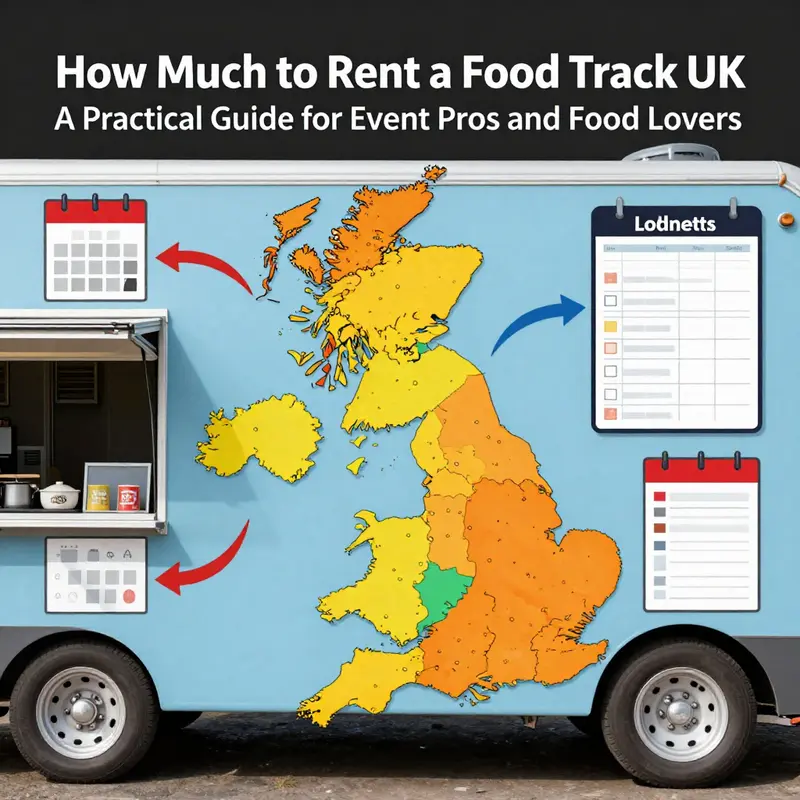
Renting a food truck in the United Kingdom is not a single fixed price. It unfolds as a financial landscape shaped by where the truck operates, how its use is scheduled, and the rhythm of the calendar. For anyone stepping into the mobile kitchen business, there is a practical lesson at the start: regional variation matters as much as your concept. The city center’s appetite is not the same as a rural square, and the peak months of the year can redraw the price map in visible ways. In London, the capital’s appetite is enormous and diversified, and that appetite comes with a premium. A well-maintained, fully equipped truck on a monthly rental in London tends to sit in the £1,500 to £3,000 range. The premium reflects not just the vehicle itself but the location’s dense footfall, the proximity to business districts, and the likelihood that the truck will be in near-constant rotation during a typical week. For operators who want predictability, the higher price can translate into a stable platform—regular hours, dependable maintenance, and reliable access to high-traffic spaces. Yet the premium is not simply about size or city lights; it mirrors the complexity of operating in a city where parking, waste disposal, utilities, licensing, and security all demand careful budgeting and constant attention.
London is the clearest illustration of how regional emphasis shifts cost, but it is not the only pattern to watch. In the major regional hubs—cities such as Manchester, Birmingham, and Bristol—the monthly rental spectrum broadens. Here a well-run, fully equipped truck might command roughly £800 to £1,800 per month. The spread within these cities mirrors the varied neighborhoods and event calendars that define urban life. A truck parked near a university campus or a busy urban business district can command closer to the upper end of that range, particularly when a string of weeknight markets, corporate lunches, or festivals align with your operating window. In other words, the operator’s timing and the truck’s location are every bit as consequential as the truck’s kitchen setup. When a truck is positioned to exploit a high footfall corridor, the economics quickly tilt toward favorable cash flow, even if the base rental is not the highest on the market.
Beyond the metropolises, the price picture shifts again. Rural or less populated areas can offer more accessible entry points, with monthly rents occasionally landing from £500 to £1,000. The draw in these regions is often built on lower overhead, reduced competition, and the ease of landing relatively quiet market days between events. However, this lower price is not a universal signal of easier operation. It typically comes with considerations about travel time to events, the reliability of power and water hookups, and the availability of high-volume venues. The operational arithmetic changes when your customer stream is spread across village fetes, farmers’ markets, and occasional food events rather than stacked in a subsidized event compound or a central business district. The contrast between urban and rural pricing underscores an essential point: the cost of renting a food truck is a function of access—access to customers, access to a consistent operating environment, and access to reliable infrastructure.
The forces that shape rental prices extend beyond the obvious factors of location and event density. Demand and location are the twin engines that push prices upward in city centers, tourist hotspots, and near major event venues. A truck in a prime downtown location is more likely to face competition for space, stricter parking rules, and the necessity for higher-quality branding and presentation. In such places, landlords recognize that the truck’s utilization rate is a critical driver of profitability for both parties. In practice, this translates into shorter leases, higher deposits, and more exacting terms—factors that operators should plan for when negotiating. Conversely, in less congested districts, supply often outpaces demand. Landlords may respond with longer lease terms and friendlier rates, but operators should still scrutinize the contract for hidden charges, maintenance obligations, and any caps on operating hours or vehicle movement. The price dynamic is thus a negotiation between the market’s appetite and the operator’s ability to convert space into predictable revenue, a balance that becomes acutely relevant during seasonal peaks and lulls.
Seasonality introduces a second and equally powerful axis of variation. The high season, roughly May through September, aligns with outdoor events, festivals, and favorable weather. This convergence tends to push rental costs upward, particularly in places where events are tightly scheduled and space is scarce. In practical terms, the same truck that rents for £1,000 per month in the off-season may command significantly higher daily or monthly terms during the peak window. Operators who plan around these dynamics can optimize cash flow by aligning their commitments with the calendar, securing leases or flexible terms ahead of the most active periods, and exploiting shorter-term arrangements when demand spikes. The flip side is winter, when fewer outdoor gatherings and limited festival calendars soften the market. Winter months often bring more negotiation room, discounted terms, or more flexible lease structures that help new entrants test markets without locking in unsustainable overheads. This seasonal rhythm is not a mere backdrop; it is a central determinant of the profitability equation and should be integrated into every pro forma and lease negotiation.
To navigate these price currents effectively, a researcher’s eye for market nuance becomes indispensable. Operators who map the local event calendars, business district activity, and tourist flows can forecast where demand will cluster and adjust their leasing strategy accordingly. This is not about chasing the cheapest rate in every location but about balancing cost with the probability of return. A carefully timed move into a higher-cost city location can be justified if there is a promise of consistent lunch traffic, a predictable line of after-work crowds, or a festival schedule that guarantees repeat customers. Conversely, a lower monthly outlay in a rural area becomes attractive only if the operator can assemble enough pop-up opportunities to sustain a stable cash flow. The nuance is plain: price is not the sole dial to tune; the mix of days, hours, and venues matters as much as the base rent.
For operators who want to approach the market with discipline, a few strategic considerations can change the arithmetic dramatically. First, conduct thorough market research that looks beyond the nominal rent. Ask questions about the frequency and size of local events, the average time a truck spends in a given location, parking and power constraints, and the landlord’s flexibility regarding term length. The right landlord will offer a blend of reliability and flexibility, allowing a business to adjust its footprint as demand shifts. Second, align a rental plan with local event calendars. If a region hosts a handful of annual markets or seasonal festivals, consider locking in spaces or leases that can ride those waves while maintaining optionality for off-peak months. Third, exploit seasonal pricing dynamics to your advantage. If the off-season presents opportunities for lower base rents or flexible terms, treat that period as a time to secure essential equipment or trial new menus without overcommitting. Fourth, weigh the total cost of ownership. The sticker price of a monthly rent is only the tip of the iceberg. You should account for fuel across trips, campsite or parking fees, routine maintenance, insurance, and any required regulatory compliance costs. These elements, when aggregated, can push the true monthly cost well beyond the headline rent, especially if you are operating across multiple sites or rotating between venues frequently.
A practical way to frame these considerations is to imagine a typical calendar. In London, the volume of events and the density of high-footfall areas can sustain a truck that remains in near-constant rotation, yet this reality also presses the operator to manage a higher baseline cost. In other parts of the country, the rhythm is less intense, but the opportunity space can be broader if an operator is willing to travel, set up in a few select markets, and maintain strong relationships with event organizers and market managers. The operator’s success hinges on balancing the daily operational realities with the realities of the contract terms offered by landlords. Some contracts may bundle fuel and campsite fees into the monthly rent, while others may present a base rent with separate charges for utilities, waste management, or parking. In any case, the prudent approach is to quantify every potential line item before signing and to negotiate terms that minimize ambiguity and cost creep over the length of the lease.
To bring this to life, consider the negotiation mindset you would apply in practice. Start with a clear operating plan: how many days a week do you expect to be active, what locations do you anticipate, and what weather windows will you target? With that plan, request a lease that reflects peak and off-peak dynamics. If the landlord offers a fixed monthly rate that seems high, ask for a tiered structure that reduces the rent during the off-season or allows for price adjustments tied to the number of operating days or the truck’s utilization. If the space is premium but underutilized for part of the year, propose a compromise: a higher base rate with a guarantee of a minimum number of days per month, or a cap on additional charges such as parking or waste disposal. In exchange, the landlord gains predictability and a stronger likelihood of tenancy. The negotiation skill is not just about squeezing a lower price; it is about securing a durable framework within which your business can grow.
A relevant thread runs through all this: the practical terms of the lease themselves. Some operators underestimate the importance of car park and site access, the rules around overnight storage, or the responsibilities for waste disposal and utilities. Others overlook the fine print about renewal rights, the ability to relocate the truck to other sites within a defined geographic area, or the landlord’s policy on branding and signage. These details can determine whether you can scale up to multiple sites or whether your expansion is paused by a restriction on location changes. Because the UK market for rented food trucks is not a uniform market, the smartest approach is to frame questions early and document every agreement in writing. A good lease should specify what is included in the rent—whether fuel, campsite fees, or maintenance—and what happens if a site becomes unavailable due to events beyond your control. It should also outline what happens if you decide to scale back or close operations, including terms for ending the lease, returning the vehicle, and settling any outstanding charges.
As you digest these dynamics, it’s valuable to connect the strategy with practical, on-the-ground realities. For operators who want to understand how to navigate the broader industry landscape, a helpful resource on regulations and compliance can guide the early steps of building a compliant operation: navigating food-truck industry regulations. This kind of guidance complements the price conversation by ensuring you are aligned with the rules that govern site access, health and safety standards, and licensing requirements, all of which can influence the cost of doing business and the feasibility of certain rental arrangements.
In this chapter’s arc, the key takeaway is clear: there is no single price for renting a UK food truck. Prices are a function of regional demand, location, and the season. The right rental strategy blends market awareness with disciplined budgeting and careful contract design. A London-based operation can justify a higher fixed cost if it can harvest consistent daily revenue from dense foot traffic and long-running events. A rural operation, by contrast, can thrive on lower baseline rents if it can assemble a reliable slate of markets and maintain travel efficiency. The overlap of these realities means you should treat regional pricing not as a barrier but as a dynamic set of levers you can pull, adjusting your footprint, your timing, and your partnerships to maximize utilization and minimize idle days. The next chapter will deepen this exploration by turning toward the operational decisions that convert a rental agreement into a sustainable, scalable business, including how to align your menu, branding, and schedule with the realities of each market you choose to serve.
External resource note: The broader market data referenced here aligns with industry insights that discuss typical ranges, seasonality, and the influence of location on rental terms. For a broader external perspective on UK food truck rental, see the market overview at https://www.foodtrucks.co.uk/renting-a-food-truck-in-the-uk. This resource offers a complementary view on rental practices, market dynamics, and what operators can expect when negotiating leases across the regions described above.
Final thoughts
Understanding the cost landscape for renting a food truck in the UK helps you craft compelling proposals, secure the right truck for your event, and stay within budget without compromising guest experience. Start with a realistic baseline, recognize the value of premium features when needed, and plan around regional dynamics and seasonal demand. With thoughtful planning and clear questions for providers, you’ll align quality, timing, and cost to deliver memorable mobile dining moments.