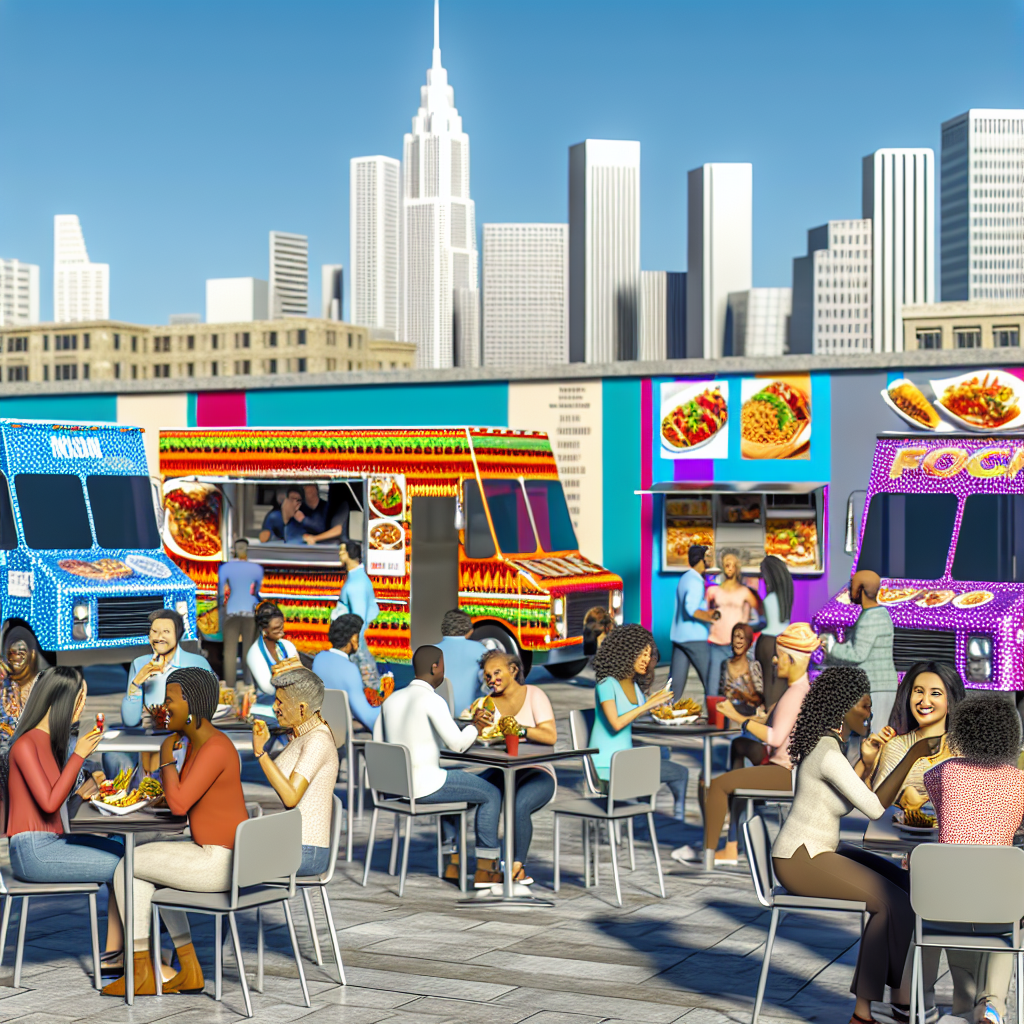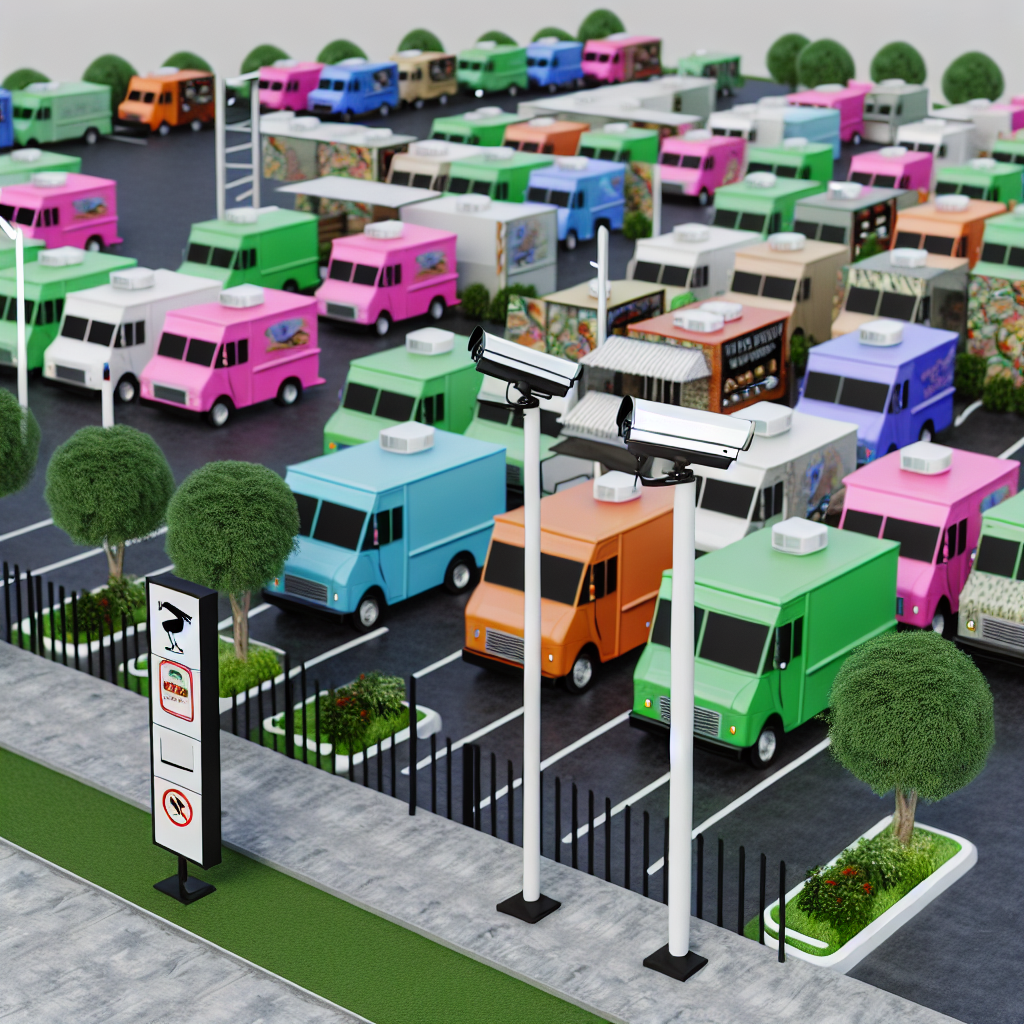
Southern California pulses with sunshine, festival vibes, and a hungry, diverse audience ready to embrace the next great bite. Launching a mobile kitchen here means more than dreaming up a killer menu—it requires smart navigation through permits, startup costs, safety standards, and day-to-day operations. This guide speaks directly to event planners and organizers coordinating unforgettable experiences, Corporate HR and Admin teams organizing staff perks and catering, local community groups building vibrant neighborhoods, and individual food lovers chasing new flavors. We’ll map the distinct regulatory terrain across LA County, San Diego County, and Orange County, lay out realistic budgets for 2024–2025, unpack compliance and safety inspections, and finish with practical strategies for site selection, procurement, branding, and sustainable success. Each chapter ties back to the core question: how do you turn a hungry crowd into a thriving food truck reality in Southern California?
In LA, San Diego, and Orange counties, permits are your gateway—and your accountability. You’ll hear about Mobile Food Facility Permits, health inspections, staff training, vehicle design, and ongoing reporting, plus the occasional Temporary Food Facility Permit for special events. Across all jurisdictions, strong food-safety training (like ServSafe), clean equipment, precise water management, waste handling, and reliable refrigeration aren’t just best practices—they’re requirements you’ll meet with confidence as you grow. This article speaks to different stakeholders who can help make your truck a local staple: planners who curate experiences, HR teams optimizing employee perks through food, community organizers boosting local economies, and curious food fans who crave memorable tastes.
We’ll move through four chapters that build on one another: (1) navigating permits and regulations in key Southern California counties, (2) forecasting startup costs and financing strategies for 2024–2025, (3) staying compliant with health, fire, and insurance requirements, and (4) executing operations with smart site selection, procurement, and branding. By the end, you’ll have a practical blueprint to bring your delicious concept to life while honoring the rules, the audience, and the community you serve.
Launching on Wheels: Mastering Permits and Regulatory Pathways for a Southern California Food Truck
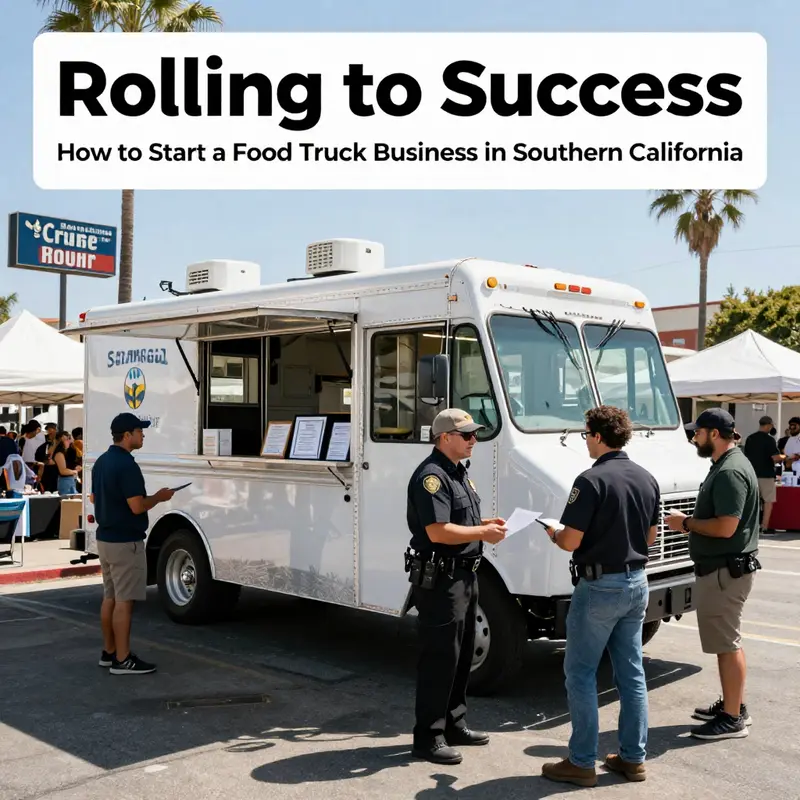
Dreams of a rolling kitchen meet the hard math of permits and policies in Southern California. The landscape is vast, diverse, and highly regulated, with rules that vary by county and city, yet share a common core: food safety, proper facilities, and clear operating footprints. If you’re planning a food truck that can move from one block to the next or park at a popular weekend market, you will spend as much time navigating paperwork as you do refining recipes. The good news is that a structured, thoughtful approach to permitting can shorten the learning curve, reduce costly delays, and give your brand a solid foundation from day one. The starting point is rarely the most glamorous part of the venture, but it is the part that determines how smoothly you can run your truck, where you can park, and how confidently you can scale over time. In Southern California, the permit maze starts with a Mobile Food Facility Permit or its county-specific equivalent and then branches into a broader set of registrations, inspections, and ongoing reporting. Understanding this framework is not simply about ticking boxes; it’s about designing a kitchen-on-wheels that meets health standards, protects your staff, and respects the communities you serve.
Across Los Angeles County, San Diego County, and Orange County, the common thread is clear: an operator must prove that the vehicle, the food preparation areas, and the people involved meet state and local health requirements. In practical terms, this means a combination of certifications, vehicle inspections, and continuous compliance. For a prospective owner, the path begins with a careful assessment of where you want to operate, how long you plan to be there, and what kind of cuisine you intend to offer. A well-conceived concept makes the permit process smoother, because it guides the design of your mobile kitchen, the placement of sinks and handwashing stations, and the layout of cold storage. The first rule of thumb is to map out a plan that aligns with the rules you will be asked to follow, rather than conforming after you’ve built the truck and chosen the site. This is not about limiting creativity; it is about creating a dependable foundation that makes your business scalable rather than stranded by bureaucratic obstacles.
To illustrate how this works in practice, imagine you start with a concept that emphasizes fresh, locally sourced ingredients served during lunch hours near office parks in LA County. The county’s public health department requires a Mobile Food Facility Permit to operate a food truck within its jurisdiction. The permit process begins with a formal application that captures your business details, proposed operating locations, and detailed information about the vehicle itself. A health inspection follows, checking that surfaces are clean, refrigeration is adequate, waste disposal is properly managed, and water systems are properly designed. Importantly, every person who handles food must hold a valid food handler permit, a credential that attests to basic food safety knowledge and hands-on understanding of safe preparation practices. The permit also hinges on proof of appropriate insurance, typically liability coverage of at least one million dollars, which protects both the public and your business in the event of an accident or contamination issue. These requirements are not negotiable; they are the guardrails that ensure a mobile kitchen does not compromise public health while it brings a vibrant dining option to neighborhoods.
In practice, the LA County process asks for documentation of your food safety training, proof that the vehicle meets California health and safety code standards, and an operating plan that demonstrates how you will handle daily routines such as waste water disposal, backflow prevention, and handwashing. After passing the health inspection, you’ll need to show evidence that you are compliant with local zoning ordinances, which restrict where a food truck can operate and when. Some sites are off-limits or require special permissions because they are near schools, residential communities, or protected zones. The lesson here is straightforward: start with the constraints, not the opportunities. When you design your truck and pick your sites, you are effectively designing your compliance path.
San Diego County presents a parallel but distinct set of requirements. The key permit is the Mobile Food Service Permit. The environmental health services department administers this process, and the emphasis is on training, facility design, and ongoing oversight. A common thread with LA County is the need for trained staff; every employee who touches food must complete a food safety training course and obtain a certificate. Vehicle design must support safe handling of hot and cold foods, with a cleanable surface layout, a dedicated cold storage area, and functional water and waste systems. San Diego also flags the dynamics of temporary events. If you plan to operate at fairs, festivals, or pop-up markets, you may need a Temporary Event Permit in addition to your standard permit, and you must apply well in advance, often around thirty days prior to the event. Environmental considerations can also come into play, particularly if you will operate near parks or residential zones where the public impact is a concern. The cost for this permit ranges roughly from two hundred to four hundred dollars, depending on the specifics of your truck and the scope of operations. The official path for San Diego County is best navigated by submitting through the county’s online portal and ensuring you stay on top of renewals and annual reporting, which sustain your eligibility to operate.
Orange County frames its requirements through the Orange County Department of Public Health. The Mobile Food Facility Permit here emphasizes that at least one person on staff should hold a valid California food handler card or have completed an approved food safety training program. The unit itself must pass a health inspection before the permit is granted, with checks on equipment like refrigeration, cooking surfaces, and handwashing stations. Insurance remains a cornerstone in Orange County as in LA and San Diego, with a minimum of one million dollars in general liability coverage typically required. Location and schedule compliance are also highlighted; permits are issued for specified sites and operating hours, and operators are expected to adhere precisely to those parameters. The cost range in Orange County tends to be between roughly one hundred eighty and three hundred fifty dollars, with additional annual reporting and potential site-based restrictions layered on top. Taken together, these county-level requirements create a consistent framework for mobile food ventures, while still allowing enough latitude for local flavor and community context.
What connects these county narratives is not uniform form numbers but shared principles. A successful permit strategy hinges on three pillars: readiness, responsiveness, and ongoing compliance. Readiness means preparing a complete, accurate application, a compliant vehicle design, and a robust food safety program before you even park for the first time. Responsiveness means staying ahead of renewal deadlines, keeping your staff up to date on training, and being prepared for any surprise inspections. Ongoing compliance means maintaining equipment, documenting temperature logs, cleaning schedules, and waste disposal procedures so that your operation remains in good standing without interrupting service. The practical takeaway is that the permits are not mere hurdles to clear; they are the backbone of a trustworthy, safe, and dependable mobile kitchen. The better you align your operations with the health department’s expectations from the outset, the more confidently you can pursue growth opportunities—whether that means extending your daily hours, adding a second truck, or moving into new neighborhoods that welcome your cuisine.
In addition to the county permits, there are broader administrative steps that are essential to a compliant and successful launch. In California, many jurisdictions require a Business Tax Registration Certificate from the state’s tax authority, a Seller’s Permit for collecting sales tax, and potentially a Federal Employer Identification Number for payroll and vendor relationships. For many operators, a zoning permit or special use permit may be necessary if you intend to operate in parks, near certain business districts, or within specific mixed-use zones. While these requirements might feel like bureaucratic detours, they are designed to prevent conflicts with existing land use, ensure revenue channels are clear, and maintain orderly commercial activity on the streets. A practical approach is to assemble a simple compliance kit that consolidates your permits, training certificates, insurance documents, and standard operating procedures. This “Food Truck Compliance Kit” becomes a portable, ready-to-show bundle that you can present to inspectors, park managers, market organizers, or landing-site hosts. By cultivating a habit of organization, you reduce the risk of on-site delays while you build your brand.
Beyond license numbers and inspection checklists, another layer of preparation involves the financial dimension. Startup costs for a food truck business in Southern California can vary widely, with a used truck costing between forty thousand and eighty thousand dollars and a custom-built unit potentially exceeding one hundred fifty thousand dollars. Equipment is a major investment: a commercial-grade kitchen with reliable grills, fryers, refrigerators, sinks, and a compliant handwashing station; plus a point-of-sale system, adequate storage, and proper waste disposal gear. Licensing and insurance add ongoing annual costs, and there is always the plumbing, electrical, and gas work that must meet code requirements. The branding, menu development, and initial inventory represent the creative and marketing side, which must be supported by a realistic operations plan and a cash flow model that accounts for permit renewals, insurance premiums, and employee wages. A thoughtful budget includes not only the truck and equipment, but also the costs of training, compliance, and contingency funds for unexpected inspections or site changes.
The core message for anyone contemplating this step is simple: begin with the regulatory map before finalizing the menu. The permit reality is that you do not simply show up at a spot and open the window. You arrive with a clearly defined, regulator-approved plan for where you will operate, how you will prepare food, how you will protect customers and staff, and how you will stay in good standing with the licensing authorities who watch over public health and safety. The better you prepare, the more smoothly the operation can scale. To deepen your understanding of regulatory navigation, you can explore resources that center on how the industry adapts to changing rules and enforcement realities. For a broader view of the regulatory landscape as you plan, consider the guide that discusses the typical hurdles and the practical steps of staying compliant while growing a food truck brand. As you review these considerations, remember that your concept—its location strategy, its menu, and its service model—will be shaped by the permit realities of the counties where you intend to operate. A careful, proactive approach yields a more resilient business, less downtime, and more time delivering food to satisfied customers.
For readers who want to dig deeper into the regulatory landscape and how it shapes daily operations, a concise resource explores the broader context of regulations and industry compliance. This deeper dive can help you connect the dots between preparing the truck, training staff, and choosing sites that maximize your chances of staying within the rules while still reaching your target audience. It’s not merely about following rules; it’s about designing a business that thrives within the framework that keeps communities safe and markets thriving. With a solid permitting plan in place, your food truck can become a consistent, reliable presence in Southern California’s vibrant street-food ecosystem, rather than a moving issue of paperwork and potential delays.
Internal link note: for a focused discussion on the regulatory landscape and practical navigation tips, you can consult the guide on navigating food-truck industry regulations, which provides a broader view of how permits intersect with daily operations. navigating-food-truck-industry-regulations
External resource: detailed permit requirements and official procedures are outlined in state and county publications. For a comprehensive overview of mobile food facility permitting and related health-safety standards, refer to the California Department of Public Health and County health department documents.
External resource end: https://www.cdph.ca.gov/Programs/CFR/CDPH%20Document%20Library/Mobile%20Food%20Facility%20Permitting.pdf
Rolling Toward Success in Southern California: Mastering Startup Costs, Financing, and Budgeting for a Food Truck (2024–2025)
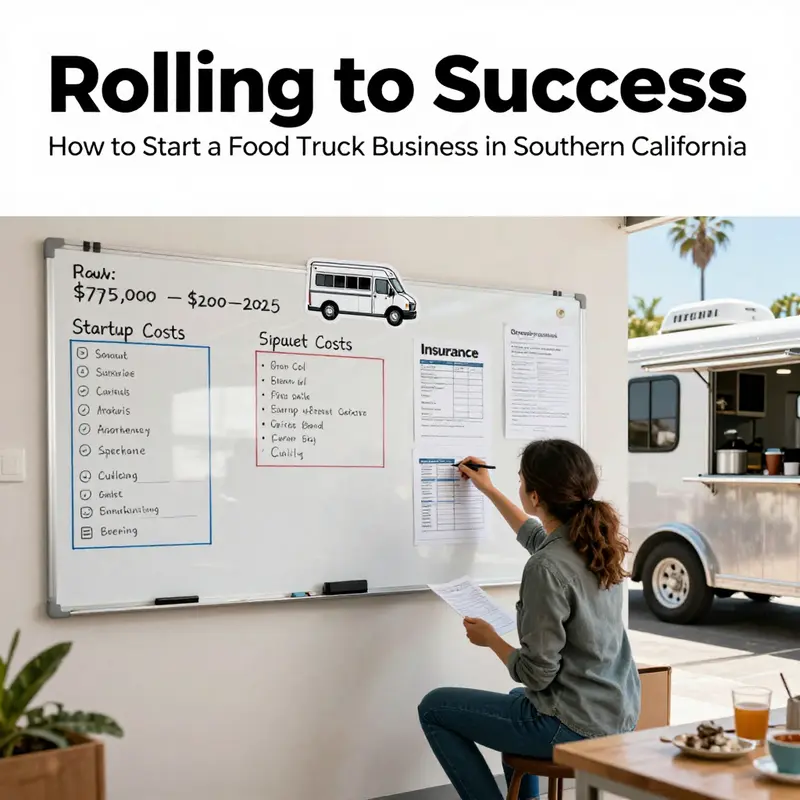
The dream of launching a food truck in Southern California is as inviting as a sunlit street at noon, yet it rests on a foundation of careful planning, smart budgeting, and an understanding of a complex regulatory landscape. In 2024–2025, the region’s appetite for diverse, sizzling offerings is matched by high costs and fierce competition. A successful truck isn’t built on flair alone; it rests on a solid financial plan, a practical grasp of permits, and a strategy for steady growth that can weather the inevitable bumps of a mobile, city-driven business. The journey begins with a concept that can travel well, a route that makes sense economically, and a back-end structure robust enough to absorb taxes, inspections, and insurance without losing momentum. As with any venture that blends gastronomy with mobility, the road to launch is as much about compliance as it is about flavor, and the two have to be woven together from day one.
The regulatory terrain in Southern California is a mosaic. Los Angeles County, San Diego County, and Orange County each operate their own permitting systems, and every city within those counties can layer on additional requirements. At the heart of the process in many jurisdictions is the Mobile Food Facility Permit, a credential that signals the vehicle’s compliance with health and safety standards. In Los Angeles County, for example, the Department of Public Health oversees the permit and conducts regular inspections to confirm that food safety training is current, that the truck’s equipment is up to code, and that sanitation practices are sound. A typical prerequisite is proof of food safety training—often in the form of a ServSafe certificate—and demonstrations that the vehicle has appropriate cold storage, cleanable surfaces, an independent handwashing station, and a proper waste and drainage setup. The permit itself involves a fee that commonly sits in the range of roughly $150 to $300, depending on the size and use of the vehicle. While these costs may seem straightforward, the reality is that the application packet is a compact dossier: a clear operations plan, proof of food safety training, evidence of vehicle compliance, and a plan for routine inspections.
In neighboring jurisdictions, the framework mirrors this seriousness but adjusts the numbers and specifics. San Diego County Environmental Health Services requires a Mobile Food Service Permit with emphasis on staff training, vehicle design, and environmental considerations that may include, in some cases, temporary permits for special events. Fees tend to hover around $200 to $400, and the process often invites operators to file online while preparing for inspection visits that validate cleanliness, separation of raw and ready-to-eat surfaces, and the availability of adequate handwashing facilities. Orange County follows a parallel path through its Department of Public Health, stressing not only the certificate status of operators but also the structural aspects of the truck—cleanable surfaces, independent cold storage, and waste management tools. The annual cycle of regulatory compliance may demand ongoing reporting, with permit renewals and occasional updates requiring attention. Across these counties, the common thread is the demand for thorough preparation, a readiness to adapt to local rules, and a willingness to invest time and resources upfront to prevent disruption down the line.
To navigate this regulatory labyrinth with confidence, many operators assemble a practical toolkit—a “Food Truck Compliance Kit”—that bundles up training certificates, vehicle compliance documents, inspection checklists, and a clear path to annual renewals. Those who map out their routes and permits before a single ingredient is purchased tend to minimize downtime and avoid late starts tied to regulatory delays. As you map your concept and your first routes, a disciplined approach to permitting becomes as essential as sourcing the right chow. For deeper, jurisdiction-specific guidance, it helps to consult the official health department pages and local city portals early in the planning process, and to keep a running log of renewal dates and inspection milestones. If you want a consolidated primer on where things stand in the regulatory landscape, you can explore resources that compile these steps across counties and municipalities and, when you’re ready for a more targeted roadmap, check resources that focus specifically on Southern California regulation adoptions. Details on navigating this terrain are often summarized in guidance that is regularly updated in response to new health codes and urban ordinances. For a more direct reference, see resources dedicated to navigating food truck industry regulations.
Navigating Food Truck Industry Regulations
With permits notched into place, the other side of the startup equation comes into sharper focus: the costs. Even in a market known for high demand, the true task is converting a concept into a mobile kitchen that can be deployed reliably and profitably. Startup costs in 2024–2025 typically fall within a broad band. A new, purpose-built truck with a full commercial kitchen can push the total well beyond $150,000 and may even approach $200,000 or more when you factor branding, custom interiors, and a robust on-site setup for events or high-traffic locations. A used truck can present a more accessible entry point, often between $40,000 and $80,000, but it brings with it the need for careful evaluation of wear, compliance, and the potential for hidden modernization costs. The equipment inside the truck is a non-negotiable line item: commercial-grade grills and fryers, refrigerators, sinks, a cleanable work surface, a properly plumbed handwashing station, and a system for hot and cold storage that aligns with health codes. In many cases, equipment costs alone run somewhere between $20,000 and $40,000, depending on the level of sophistication and the volume you anticipate.
Beyond the kitchen, the branding and the vehicle’s presentation can lift a concept from a good idea to a memorable experience. Signage, menu design, and a distinctive color story aren’t cosmetic add-ons; they are core elements of a competitive strategy, especially in crowded markets where customers choose quickly and repeatedly based on first impressions. Even with a lean build, you should earmark a portion of your budget for storefront-style branding, a quality POS system, and reliable food-safety supplies. Then there are the “soft” but unavoidable costs: licensing fees, insurance coverage (liability, vehicle, and workers’ compensation, where applicable), initial inventory purchases for your opening days, and the costs associated with hiring and training staff if you plan to operate with a team.
The total financial commitment, then, is a sum with a long tail. Licensing and permits are recurring obligations that must be renewed, sometimes annually, sometimes on a rolling basis tied to the permit type and your operating footprint. Insurance is ongoing and can be a meaningful line item, especially when you consider the exposed and mobile nature of a food truck. Marketing and initial inventory also demand front-end investment, and those expenses can influence the speed at which you reach break-even and start generating meaningful cash flow. In practical terms, a prudent approach is to build a conservative budget that recognizes the high upfront cost, yet also anticipates the slower burn rate in the months of early testing and route experimentation. The goal is not to minimize risk by stalling progress, but to align ambition with a financing plan and a cash-flow strategy that keeps the doors open during the most fragile phase of a startup.
If you’re seeking a credible financial pathway into this business, there are several avenues to explore. Traditional banks and credit unions offer small business loans, including lines of credit that can smooth out the recurring expenses that ride on a monthly calendar. The Small Business Administration (SBA) is a frequent ally for first-time entrepreneurs, with microloan and 7(a) loan programs that can offer attractive terms for growing ventures. The emphasis, as lenders assess any new business, is a well-thought-out plan: a credible business model, a realistic revenue forecast, and a history or expectation of steady cash flow. For those who want to blend community support with their funding strategy, some local nonprofit organizations in Southern California provide grants or low-interest loans specifically for minority- or women-owned businesses. Crowdfunding platforms, while not a guarantee of success, can help validate demand and bring in early customers while you scale up operations. In all cases, a robust business plan that lays out revenue streams, break-even analysis, and sensitivity testing for key costs stands alongside a strong personal credit history as a central pillar of your financing approach.
Budgeting, the backbone of execution, deserves even greater emphasis. Create a monthly budget that accounts for fuel and maintenance for a vehicle that already travels. Plan for ingredient costs, which will rise and fall with menu changes and supplier relationships. Then layer on labor costs if you hire staff, and remember to budget for permit renewals and occasional inspections. The mathematics of a successful truck isn’t a constant pressure on one line item; it’s a balancing act across multiple costs, each with its own cadence. A widely cited benchmark from the broader restaurant industry suggests dedicating roughly 10–15 percent of revenue to marketing. In a mobile context, this rule translates into a targeted mix of social media engagement, local events, and partnerships with venues where your truck can become a familiar, trusted presence.
The financial cushion is not a luxury; it’s a necessity. Many operators advise maintaining at least six months’ worth of operating expenses in reserve before you scale beyond a single truck or begin pursuing aggressive growth. This cushion helps weather slow traffic periods, unexpected repairs, and seasonal dips. It also affords you the flexibility to iterate on your menu and your service model without rushing to cut corners on quality or safety. In a region where competition is steep and site selection is critical, the luxury of time becomes a strategic asset. The insights from industry associations underscore the importance of a deliberate, informed approach to marketing and customer retention. Strong branding will help your truck become a traveling storefront, and that storefront is strongest when it’s supported by a predictable, disciplined financial plan.
When you start sketching your plan, let the numbers guide your choices. If you can secure a mid-range vehicle with dependable equipment at the outset, you open room to invest gradually in branding, staff training, and route development. If a used truck presents a quicker path to launch, set aside a portion of the savings to upgrade critical components—like refrigeration or food safety infrastructure—before you begin heavy-duty operation. In all cases, the regulatory framework you’ve mapped out is inseparable from the financial framework you build. The efficiency of your permitting process can influence your timing for opening doors, the speed with which you can market your first days, and the early revenue you can expect from your initial routes. Keeping permits current, renewing insurance, and maintaining a clean compliance record will not only protect you legally but also enhance your ability to attract lenders or investors who want to see a fact-based, reliable enterprise rather than a hopes-and-dreams endeavor.
To help you ground this chapter in real-world steps, consider a practical sequence for your first year. Begin with concept refinement that aligns with demand in your target neighborhoods and events. Parallel to that, assemble your permitting checklist: determine whether you’ll operate under a county-wide mobile food facility permit or a municipal variation, identify the exact health agency responsible for your jurisdiction, and prepare the documentation needed for inspections. When you’ve got a handle on permits, move to securing financing. Create a business plan with clear milestones: a launch date, a two-month cumulative revenue target, and a plan for incremental expansion—such as adding a second day of operation or a second route—once you’ve established your core route network and brand presence. Then, finalize the build plan for your truck, including the kitchen layout and the branding package. Your marketing plan should begin before the truck hits the road. Build a social footprint, design promotional offers for opening days, and seek collaborative events that position your truck alongside complementary vendors for mutual customer reach. And throughout all phases, keep a running risk register that flags potential regulatory changes, supply chain disruptions, or shifts in local event calendars that could affect your route planning.
As you prepare to launch, remember that the core of this enterprise is not merely the food you serve but the consistency with which you deliver it, the safety with which you operate, and the reliability of the system that supports your day-to-day decisions. The numbers will shift with location, menu, and season, but the discipline of budgeting, the clarity of a robust financing plan, and the foresight to navigate permits will stay constant. The regulatory map you’ve studied is not a barrier; it is a path that, when followed meticulously, protects your business and sets the stage for sustainable growth. If you want a concise, jurisdictional overview to complement this narrative, revisit the regulatory sections and the permitting guides as you map your first weeks on the road. And as you sink deeper into the planning, keep that rhythm of action—one permit, one financing step, one route—steady, deliberate, and scalable.
External resource: For a comprehensive, jurisdiction-specific reference on the Los Angeles area, consult the Los Angeles County Department of Public Health’s Food Truck Permitting Guide, which outlines key steps, inspections, and compliance with mobile food vendor rules. This guide is regularly updated and a reliable touchstone as you finalize your launch plan. https://www.publichealth.lacounty.gov/food/safety/foodtruck.htm
On Wheels and in Good Standing: Mastering Compliance, Safety Standards, and Inspections for Southern California Food Trucks
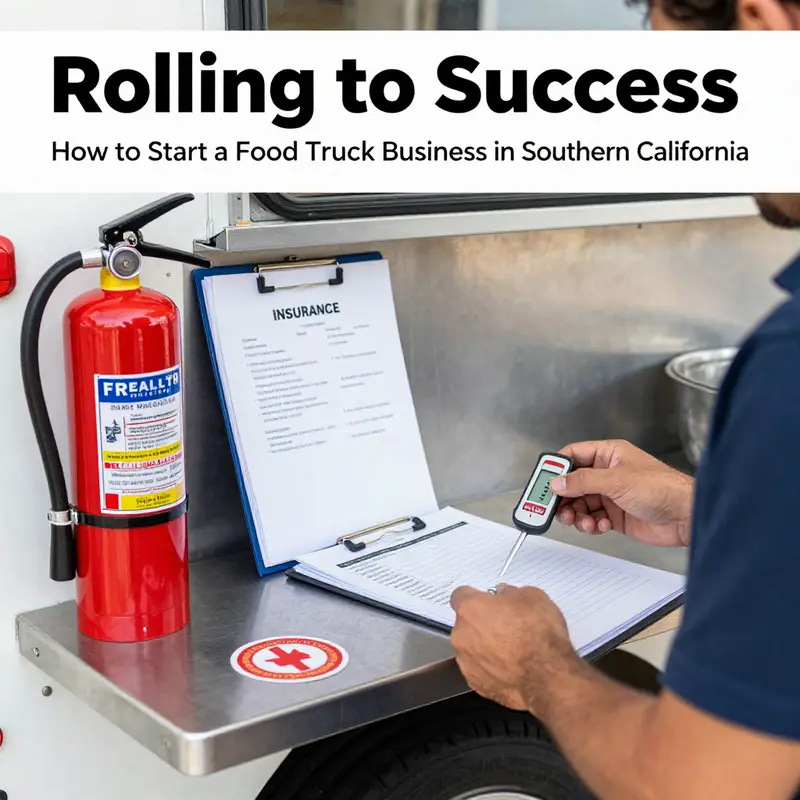
Launching a food truck business in Southern California is as much a legal and safety journey as it is a culinary one. The region’s sunny streets and bustling events attract hungry customers while its regulators maintain high standards to protect public health and safety. The path to opening a mobile kitchen is not a single permit, but a tapestry of licenses, inspections, and ongoing compliance that varies from county to county and even from city to city. The good news is that a clear plan, early coordination with the right agencies, and a disciplined approach to safety can transform a costly obstacle course into a predictable, repeatable launch. When you start with compliance as a core operating principle, you create trust with customers, event organizers, and vendors, and you pave a smoother road for future expansion.
The backbone of any Southern California food truck is a mobile food facility that is legally licensed, physically safe, and financially protected. In practical terms, that means a health permit for the vehicle, a solid base or commissary arrangement for storage and sanitation, fire-safety compliance, and comprehensive insurance coverage. Across the major counties—Los Angeles, San Diego, Orange, Riverside, and San Bernardino—the spirit is similar, even though the exact forms, fees, and inspection cadences differ. Health departments focus on food safety, cleanliness, and proper facilities for handwashing, cleaning, and waste management. Fire departments guard against hazards that arise from commercial kitchen equipment, fuel sources, and ventilation systems. The state’s tax and business authorities ensure you collect and remit sales taxes and manage your entity correctly. Understanding how these pieces fit together is less about memorizing every rule and more about building a workflow that keeps your truck compliant, from prep to service and beyond.
Begin with a practical planning frame. Decide your business structure—whether you’ll operate as a sole proprietorship, an LLC, or a corporation—and obtain an EIN from the IRS. Register your business with the California Secretary of State if you’re forming an entity. A fixed base, often called a commissary, is more than a convenient parking spot. Most jurisdictions require access to electricity, water, waste disposal, and dishwashing facilities at a licensed site. Securing a reliable commissary agreement early, and obtaining written confirmation of the base’s approval by the health department, helps avert last-minute surprises during plan review. As you sketch the menu and the workflow, you’ll see how the equipment you choose—griddles, fryers, refrigeration, hot holding, a handwashing sink, and the occasional three-compartment sink—defines not only your kitchen capabilities but also your compliance footprint. A well-thought-out space plan, attached to the permit application, can streamline reviews and inspections later on.
Health compliance is the heartbeat of a mobile food operation. In most Southern California jurisdictions, the gateway is the Mobile Food Facility permit or its local equivalent. This permit ties together the vehicle’s design, the food safety program, and the people who will operate it. One of the first questions inspectors ask is whether the management team has a valid food safety certification. In many counties, at least one trained manager must hold a certified food protection manager (CFPM) credential, with staff also completing basic food handler training. The plan review process will scrutinize your truck layout and commissary setup. Inspectors want to see that potable water is readily accessible, that wastewater is properly collected and disposed of, and that surfaces are arranged to minimize cross-contamination. They will look for a clearly designated handwashing station with soap and drying towels, appropriate soap dispensers, and a setup that makes cleaning routine and traceable. Temperature control is non-negotiable: hot foods must be held above safe thresholds, cold foods under proper limits, and logbooks should chronicle temperatures at the start and end of every shift.
Even within the same region, there is a mosaic of local requirements. In Los Angeles County, for instance, the health department’s Mobile Food Facility permitting process emphasizes vehicle compliance with the California Health and Safety Code, a thorough plan review, and periodic inspections. San Diego County focuses on mobile food service permits that require employee training and vehicle design that includes independent cold storage and dedicated water sinks. Orange County’s approach mirrors these elements but may invoke annual reporting or temporary facility permits for certain events. Riverside and San Bernardino counties share a similar framework, though their fee schedules, inspection cadences, and specific documentation requests can differ. The takeaway is not to chase a single universal form but to map your target county or city’s exact steps and fees, then build your timeline and budget around them. A protracted delay at the health department is rarely caused by one missing item; it’s usually a cascade of small gaps—unfiled plans, missing manager certificates, or a commissary letter that hasn’t seen the right sign-offs.
Fire safety is the other critical pillar. A commercial kitchen on wheels creates fire risks that demand a proportionate, professional response. The local fire department or the authority having jurisdiction will typically require a hood and ventilation system rated for the cooking methods you’ll employ. If you’re frying, searing, or grilling, a UL-listed, NFPA-compliant fire suppression system is a must. It should be installed by a licensed contractor, and you’ll need regular maintenance records and service reports that prove the system is functional. Portable extinguishers—Class K for commercial kitchens and ABC for broader protection—should be readily accessible and serviced annually. Propane storage and line safety are commonly scrutinized too. Inspectors want to see proper cylinder storage, immediate shut-off access, leak detection, and clear signage. Hood cleaning frequency is another touchpoint; many AHJs require hood and duct cleaning in line with NFPA guidelines, with records kept for inspection and quick reference during events. Keeping a disciplined hood and extinguisher maintenance routine makes audits smoother and reduces the risk of a mid-service emergency.
Insurance is the bridge between risk and resilience. A comprehensive package typically includes general liability, commercial auto coverage for the truck, workers’ compensation if you employ staff, and equipment coverage for kitchen gear and POS systems. Product liability is not always mandatory, but it’s prudent if you sell prepared foods with potential allergen exposure, a common reality in Southern California’s diverse food scene. Some venues or event organizers will require COIs naming them as additional insured, so you should plan for tailored certificates that reflect the realities of your operations—from daily street vending to large private events. Think of insurance not as a cost to endure but as a foundation that allows you to bid on opportunities with confidence. It also provides a protective layer if a customer’s claim arises from a foodborne illness, a slip-and-fall, or accidental property damage. Your insurance advisor can help you tailor coverage to your menu, service model, and the events you plan to attend, while keeping premiums reasonable as you scale.
Equipment and vehicle outfitting demand careful alignment with compliance goals. The truck you purchase or retrofit should be designed to accommodate a workflow that minimizes risk. A well-planned space includes a food-safe surface layout, clearly demarcated raw and ready-to-eat zones, color-coded utensils, separate cutting boards for raw and cooked foods, and a reliable waste management plan. Water systems must supply potable water for cooking, cleaning, and handwashing, while wastewater must be collected in approved tanks and disposed of at permitted facilities. The floor plan submitted during plan review should clearly show the placement of appliances, sinks, and the drainage plan so inspectors can verify that everything complies with safety standards. The commissary agreement is not merely a lease; it is a critical regulatory document that confirms the base’s capacity to provide regular water, electricity, and waste handling, and it should be signed off by both the health department and the facility owner. As you assemble your equipment list, keep manufacturer specifications handy—these documents prove proper installation and provide the essential technical details for inspections and potential future upgrades.
Once you move from the design stage into daily operations, the discipline of record-keeping becomes your best ally. Operational hygiene hinges on routine training, audits, and meticulous logs. At a minimum, you should maintain temperature logs for refrigeration and hot holding, a sanitation schedule, pest-control records, maintenance logs for kitchen equipment and the hood system, and waste disposal logs if your jurisdiction requires them. Training should be ongoing, with at least one trained manager on each shift and periodic refreshers for all staff. The goal is not just passing a one-time inspection; it is maintaining a living system that makes it obvious to inspectors that safety and cleanliness are embedded in your culture. You should also prepare for periodic re-inspections or license renewals. Changes to your equipment, menu, or commissary arrangement can trigger new rounds of review, so keeping a running file of floor plans, equipment lists, and service records is a smart safeguard.
Launch planning in this environment is as much about logistics as it is about flavor. If you intend to participate in farmers markets, street festivals, or private events, you will likely encounter additional event-specific permits or insurance requirements. You may need temporary food facility permits for special events, proof of a base of operations, and COIs that cover the venue and organizers. Pricing and tax compliance come into view here as well. You’ll need to register with the California Department of Tax and Fee Administration for sales tax collection and ensure you’re collecting and remitting accurately. A clean, auditable trail of purchases, payroll, and equipment investments will simplify year-end tax reporting and reduce the likelihood of compliance gaps.
In a place as dynamic as Southern California, progress depends on how well you coordinate across agencies and how deeply you embed safety into your branding. The language of compliance is not a barrier to creativity; it is a framework that supports consistent quality and repeatable service. A concept that plans for a commissary, a plan for water and waste, a kitchen designed around safe handling, and a staffing structure built on safety training creates a business that can weather inspections with dignity and efficiency. As you begin to walk this regulatory landscape, you’ll notice a rhythm emerges. Health permits are not a hurdle to be endured but a baseline of trust; fire safety is a guardrail that protects your team and customers; and insurance is a cushion that keeps your business resilient when the unexpected arises. The result is a food truck that can operate from the first day of service to the last day of a long season, with a predictable cadence of checks, audits, and renewals that keep you in good standing and in business.
For readers seeking a broader view of the regulatory landscape across California, you can consult the ongoing guide on navigating-food-truck-industry-regulations, which frames practical steps and common pitfalls in a concise, jurisdiction-aware way. This resource complements the detailed county-by-ccounty guidance that follows as you pick a launch locale and begin to assemble your compliance toolkit. While the exact forms and fees may differ, the core principles—plan review, facility readiness, staff training, documented safety practices, and robust risk transfer through insurance—remain consistent across Southern California’s vibrant food truck ecosystem. When you bring those principles into your daily operations, you don’t just meet code—you exceed it in a way that supports reliable service, loyal customers, and sustainable growth.
External resource for deeper standards and official guidance: https://www.cdph.ca.gov/Programs/CFR/CDPH%20Document%20Library/Mobile%20Food%20Facility%20Permitting.pdf
On the Road to Flavor: A Foundational Guide to Launching and Sustaining a Southern California Food Truck
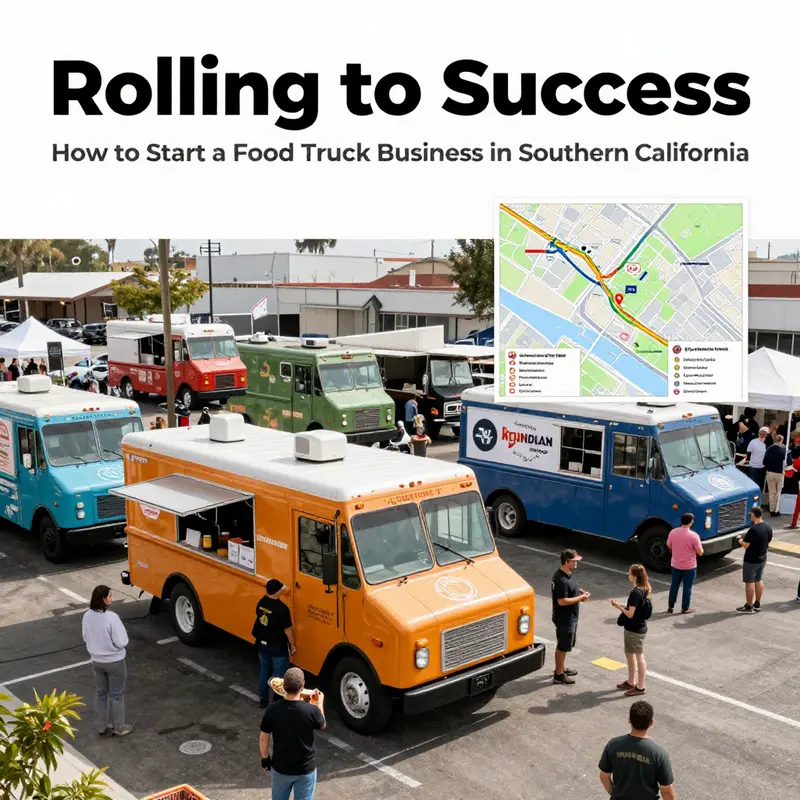
The allure of a food truck in Southern California is more than the sizzle of a plancha or the aroma of street-side tacos. It’s a compact business, a mobile kitchen, and a rule-bound engine all at once. The region’s climate, diverse population, and event-filled calendar create a hungry market, but they also demand disciplined planning. A successful truck isn’t built on a great recipe alone; it’s engineered through careful operations, smart site choices, reliable procurement, a strong brand, and a framework for ongoing success. The journey begins with a clear concept and ends with a reliable system that delivers consistent quality on busy afternoons and quiet weekdays alike. In this chapter, the path from idea to sustainable operation unfolds as a seamless narrative—one that threads together the daily rhythm of service, the art of choosing where to serve, and the mechanics that keep a truck profitable while staying compliant with local rules that vary from county to county.
Operations form the backbone of every day, and the way a truck runs from sunup to sundown often determines whether it becomes a favorite or a fleeting novelty. Start with the menu, but design the kitchen around the realities of a mobile footprint. Space is precious in a trailer, so equipment must be modular and purpose-built for speed and sanitation. A compact setup should still accommodate a robust workflow: mise en place that travels with you, cold storage that keeps ingredients fresh, and distinct zones for cooking, assembling, cleaning, and waste. Beyond the physical layout, there is a human element. Every person handling food should be trained in safe practices, and in California this means meeting local requirements for food safety training before service begins. In Los Angeles County, for example, the standard is a Mobile Food Facility Permit that presupposes credentials such as a valid food safety certificate. This isn’t a one-and-done hurdle; it’s an ongoing accountability framework. The permit process includes a vehicle inspection and an operational plan, and inspections are regular enough to keep a truck honest and customers safe. The practical implication is straightforward: your preparation must anticipate audits, not merely avoid them.
The daily workflow also hinges on insurance and business registration. Liability coverage protects the operation when a pot boils over or a spill occurs, while property and workers’ compensation policies shield the venture as it scales. In a region where weather can be cooperative but business complexity unforgiving, this financial cushion becomes part of the operating plan. You’ll also want to register your business with the California Secretary of State and secure a Seller’s Permit to collect sales tax, along with a Business Tax Registration Certificate where required by county authorities. The regulatory landscape is not a roadblock; it’s a map that guides you toward sustainable, compliant operation. The map is specific, too. In San Diego County, for instance, the Mobile Food Service Permit requires a clean vehicle design, independent cold storage, a proper handwashing station, and certified food safety training for staff. In Orange County, the rules emphasize annual reporting and a mandate for a continuous permit, with certain events requiring a temporary facility permit. The differences matter because a truck that plans for the common thread—sanitation, safety, and traceability—will navigate these local variations with less friction. It’s a quiet advantage to build into the daily routine rather than chase later.
In practice, the operational cadence grows out of a well-defined model. Define the menu around items that travel well, maintain heat, and require minimal last-minute prep when you reach a site. The Korean-Mexican fusion idea that works in a brick-and-mortar kitchen can still thrive on wheels with thoughtful limits and efficient timing. The key is to design processes that reduce cooking and assembly time without sacrificing flavor. As orders accumulate, the pace of service must be predictable enough to minimize wait times while leaving room for the inevitable rush. This balance is achieved not by luck but by training, a carefully engineered kitchen workflow, and pre-set stations that keep every action purposeful. For the crew, a concise, illustrated standard operating procedure becomes the playbook of the day, ensuring each shift can hit the same mark that customers expect. A well-run operation also takes into account the source of ingredients and how they move from supplier to truck. Local procurement matters in southern California as much as it does in any other market. Relationships with regional distributors and farms can secure fresh produce, proteins, and dairy while supporting communities nearby. The resulting menu remains vibrant, seasonal, and aligned with consumer preferences that change with trends and weather but remain rooted in quality. The procurement plan must also factor in space for dry goods, paper goods, and cleaning supplies, all stored in clean, accessible locations that do not impede the work area.
Site selection emerges as the companion craft to operations. In a landscape as varied as Southern California, where a single block can host a dozen different income opportunities, selecting locations is less about chasing the biggest crowd than about aligning with permits, foot traffic, and the ability to maintain a consistent schedule. The practical approach is to research city and county rules for where a truck can operate and how long it can stay parked. Some locations require permanent designation in a park or plaza, while others permit temporary or mobile operations during events. The art is to create a map of permitted spots, then layer on data about foot traffic, demographics, and competition. The LA region, with its dense office cores and entertainment districts, rewards trucks that anchor their plans to reliable, repeatable sites—places where people come for a routine lunch, a weeknight bite, or weekend gatherings. The experience of a driver who knows a route by heart translates into speed, consistency, and fewer delays. The timing, too, matters. A route that hits a string of high-traffic areas during lunch hours, followed by a shift toward evening crowds near entertainment venues, can maximize utilization of a single asset. To identify permitted locations, many operators tap into official resources such as county maps or health department tools that show where trucks are allowed and where they must refrain. An example is the LA County food truck information map, which helps paddock a plan that reduces the risk of parking violations and the costly downtime that follows a halt in service. This structured approach to site selection not only sustains revenue but also shapes how a brand is perceived. A truck that shows up consistently in busy, predictable places earns visibility and trust. The branding is reinforced by the physical presence of the truck and by the social channels that announce the location and daily specials.
Procurement and branding walk hand in hand, because a strong brand is a promise that your customers can feel as they stand in line and as they bite into the first sample. The branding strategy begins with a name and a visual identity that speak to the cuisine and the experience you want to deliver. A vehicle wrap is not simply a decorative feature; it’s a moving billboard that can attract curious passersby and convert them into repeat customers. The cost of a wrap can range in the mid-thousands, depending on the complexity of the graphics and the size of the truck. A sharp, cohesive design helps the truck stand out in crowded lots and at busy events, where first impressions count in a matter of seconds. Beyond visuals, your branding should translate into consistent packaging, signage, and menu boards that reinforce the concept and help staff upsell or guide customers to popular items. Social media becomes the amplification engine. Real-time location updates, behind-the-scenes glimpses, and seasonal menus create a living narrative that draws people from different neighborhoods. The challenge is to keep the story authentic and the updates timely so that followers know where to find you and what they can expect on any given day. The procurement chain must mirror this brand story: select ingredients that support a distinct flavor profile while ensuring supply reliability. This is where relationships with local producers and distributors matter. It’s common to leverage regional networks that balance cost, quality, and speed of delivery. A well-structured procurement plan also anticipates seasonal shifts and supply disruptions, offering alternatives that preserve taste and consistency. In Southern California’s fast-moving market, versatility becomes a competitive edge: a flexible menu aligned with seasonal produce, and a kitchen built to accommodate change without sacrificing efficiency.
As the business grows, the idea of ongoing success shifts from a single launch to a continuing practice. The daily numbers—items sold, peak hours, margins, and labor costs—become your compass. A data-driven approach helps you spot patterns and respond with discipline. Loyalty programs, crafted to reward repeat customers, can form a predictable revenue stream that supports cash flow during off-peak periods. Collaborations with other food trucks and local venues extend reach and reduce risk, with cross-promotions that benefit both sides. The planning horizon then widens: some operators eventually explore a brick-and-mortar presence, while others expand into delivery or a rotating pop-up concept that keeps the brand fresh. Weather and events will still shape demand, but a well-built framework for adapting to these variables becomes the core of long-term resilience. The final success story is not simply about earning a living; it is about cultivating a brand that people seek out, a team that operates with pride, and a business that can survive the inevitable shifts in the market. In the dynamic lanes of Southern California, the road to flavor is long and winding, yet it rewards those who blend a clear operational philosophy with a relentless commitment to safety, compliance, and customer delight.
For readers who want to anchor their compliance journey, the official guidance from state and local authorities remains essential. The California Department of Public Health’s resources on mobile food facilities provide the baseline standards for licensing, training, and facility design. The practical takeaway is to approach permits as a project with milestones rather than a singular hurdle. Gather your training certificates, assemble vehicle specifications, prepare an operating plan, and schedule the required inspections in advance. The permit ecosystem might feel dense, but it is built to protect customers and support operators who run clean, transparent, and well-managed operations. In short, your crawl from concept to cover-to-cover plan should reflect a rhythm that aligns with regulations and a pace that keeps service smooth, friendly, and financially viable. The stronger your systems, the more your truck becomes a trusted fixture in the community, a mobile kitchen whose aroma travels as far as your schedule permits.
Whether you are starting with a used chassis or a custom-built rig, the core message remains consistent: success in Southern California hinges on thoughtful design, deliberate location strategy, reliable sourcing, a strong brand, and a disciplined approach to growth. The road ahead invites experimentation, but it rewards preparation that respects local laws and the people who choose to eat with you. If you ever doubt the value of a well-reasoned plan, remember that a great concept will wither without the systems that keep it safe, consistent, and profitable day after day. So begin with the foundations—permissions, protections, and planning—and let your culinary concept ride the waves of a vibrant market, guided by a simple rule: flavor travels fastest when every mile is mapped for safety, efficiency, and customer delight.
Internal resource: For further guidance on navigating the regulatory landscape, explore the detailed article on Navigating Food Truck Industry Regulations.
External resource: For official guidance and licensing information, consult the California Department of Public Health’s Food Truck Information page at https://www.cdph.ca.gov/Programs/CFH/CDPH-Programs/Pages/Food-Truck-Information.aspx
Final thoughts
Launching a food truck in Southern California is a journey that blends culinary creativity with careful planning, people skills, and regulatory know-how. By understanding the permit landscape across LA, San Diego, and Orange counties, you gain a foundation for compliant operations from day one. A thoughtful budget and financing plan helps you scale without surprises, while a rigorous approach to safety, health, and insurance keeps your crew and customers protected. Finally, smart site selection, reliable procurement, and a compelling brand turn that first voyage into a lasting relationship with communities, venues, and food lovers. Ready to roll? Your mobile kitchen can become a beloved fixture in Southern California with clear steps, practical partnerships, and a commitment to excellence.