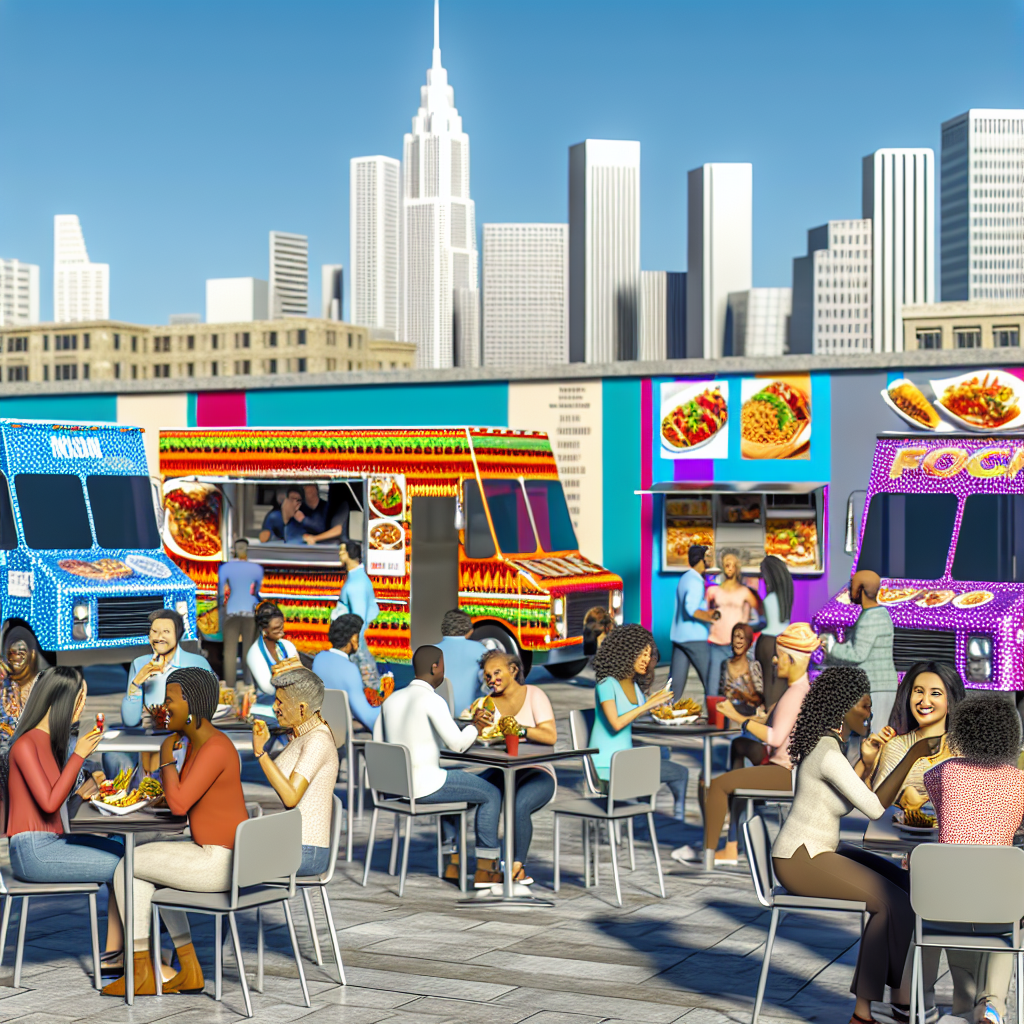
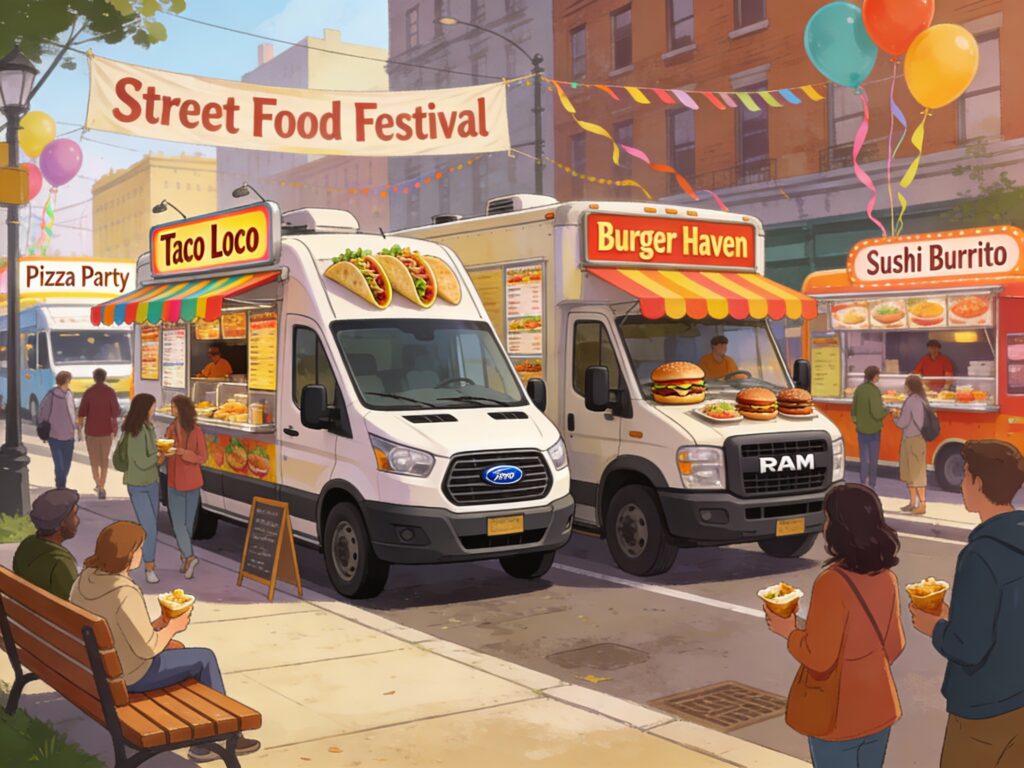
The aroma of gourmet food wheeling down city streets and the vibrant atmosphere of food truck festivals are more than just fleeting trends; they represent a booming industry that has witnessed remarkable growth in recent years. As of 2023, there are over 36,000 food trucks operating in the U.S., contributing to a market valued at approximately $1.5 billion—a sharp increase fueled by a 7.2% annual growth rate since 2018.
With startup costs ranging from $50,000 to upwards of $200,000, potential entrepreneurs must navigate a landscape filled with financial considerations and pricing strategies to ensure their mobile kitchens succeed. From understanding the costs associated with purchasing a vehicle to pricing menu items competitively, every aspect of launching a food truck requires careful planning and strategic insights.
To thrive in this dynamic culinary scene, aspiring food truck owners need to leverage smart financial planning and innovative pricing strategies that resonate with their target clientele, setting the stage for sustainable growth and profitability.
User Statistics on Food Trucks in the U.S.
- As of 2023, there are approximately 36,324 food trucks in service across the U.S., showcasing a significant 9.9% year-over-year growth.
- The U.S. food truck market was valued at approximately USD 4.3 billion in 2023, with expectations to grow at a compound annual growth rate (CAGR) of around 5% from 2024 to 2032.
- By 2024, the number of food truck businesses is projected to reach around 58,064, indicating an estimated increase of 10.3% compared to 2023.
- Millennial consumers aged 25-44 are leading the spending demographic, accounting for 43% of monthly expenditures on food trucks, along with an additional 20% from those under 25.
- Popular menu items are primarily comprised of tacos, sandwiches, and fries, which resonate well with consumer preferences.
User Statistics on Food Trucks in the U.S.
- As of 2023, there are approximately 36,324 food trucks in service across the U.S., showcasing a significant 9.9% year-over-year growth.
- The U.S. food truck market was valued at approximately USD 4.3 billion in 2023, with expectations to grow at a compound annual growth rate (CAGR) of around 5% from 2024 to 2032.
- By 2024, the number of food truck businesses is projected to reach around 58,064, indicating an estimated increase of 10.3% compared to 2023.
- Millennial consumers aged 25-44 are leading the spending demographic, accounting for 43% of monthly expenditures on food trucks, along with an additional 20% from those under 25.
- Popular menu items are primarily comprised of tacos, sandwiches, and fries, which resonate well with consumer preferences.
Essential Startup Costs for a Food Truck Business
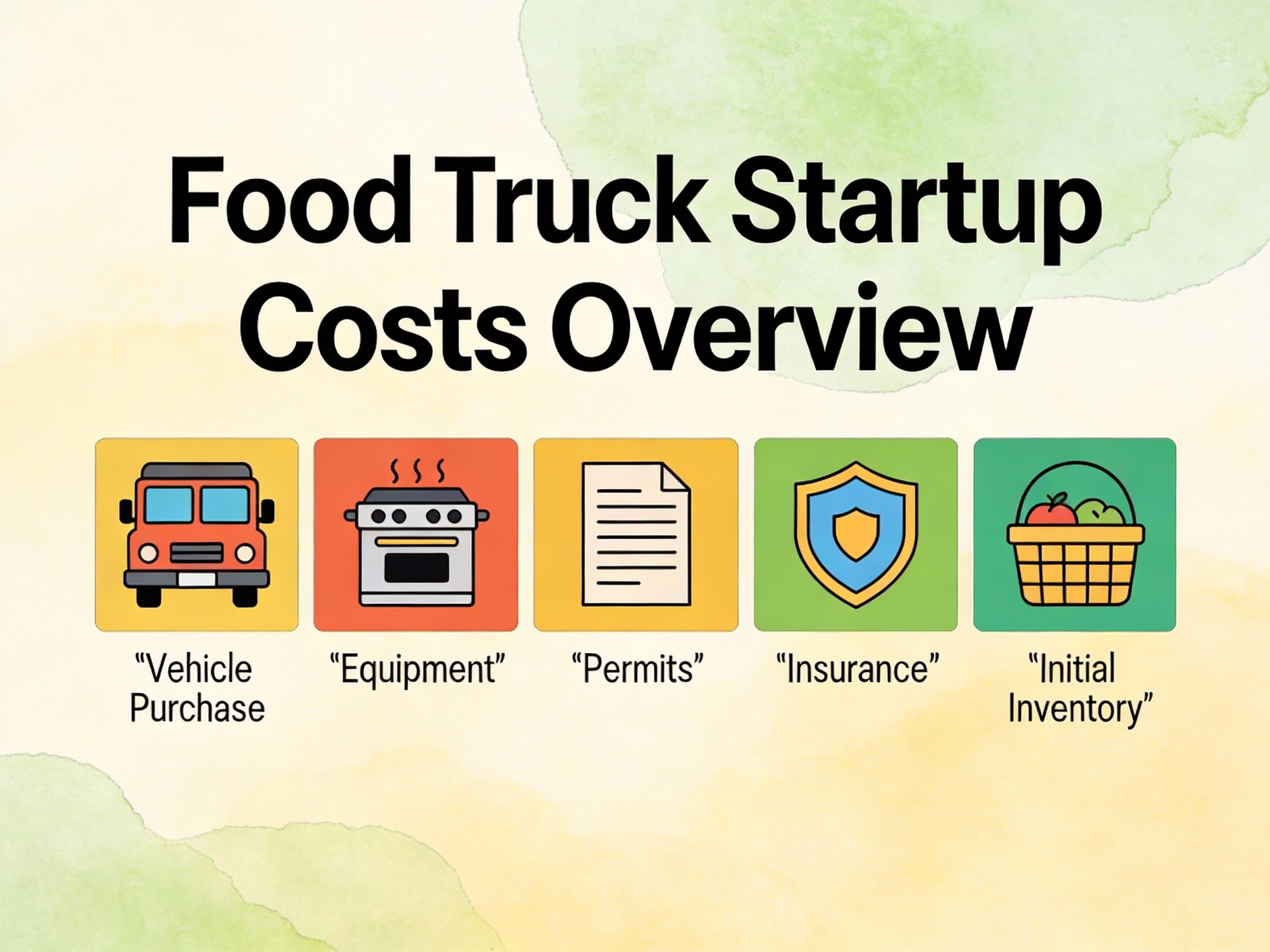
Starting a food truck business involves several essential costs that entrepreneurs must consider carefully. Below is a breakdown of the primary expenses that new food truck owners can expect to encounter:
- Purchase of Vehicle:
The main expense is acquiring a food truck or a vehicle suitable for conversion. Cost ranges for different types of vehicles include:- New step vans: $30,000 to over $100,000
- New Ford Transit: approximately $46,000
- RAM ProMaster: around $44,000
- Diamond Cargo Trailer: less than $6,000
- Equipment Costs:
Necessary kitchen equipment varies depending on the menu but typically includes:- Commercial grade kitchen appliances: $10,000 to $20,000
- Cooking tools, utensils, and storage: $2,000 to $5,000
- Permits and Licenses:
Local regulations often require numerous permits to operate a food truck. Costs can vary significantly but expect to pay between:- Business licenses: $50 to $500
- Health permits: $100 to $1,000
- Food handler permits: generally $10 to $100 each
- Insurance:
Protecting your business from risks is essential. Typical insurance costs may include:- Vehicle insurance: $1,200 to $3,000 per year
- General liability insurance: $500 to $2,500 per year
- Initial Inventory:
Stocking the truck with food and beverages is crucial for a successful launch. Costs for initial inventory will depend on your menu but plan for:- Food ingredients: $1,000 to $3,000 depending on menu variety
- Marketing:
Building your brand and reaching customers will require some investment:- Website development: $500 to $3,000
- Branding materials (logo, business cards): $500 to $1,500
- Miscellaneous Costs:
Other essential operational costs can include:- Fuel and maintenance costs: Variable, but budgeting $200 to $400 per month is advisable
In conclusion, the total startup costs for a food truck can range significantly, averaging between $50,000 and $200,000, depending on your choices and local regulations. Entrepreneurs must plan thoroughly to ensure they have the funding needed for a successful launch.
Essential Startup Costs for a Food Truck Business
Starting a food truck business involves key costs that entrepreneurs must consider. Here’s a breakdown of primary expenses new food truck owners can expect:
-
Vehicle Purchase:
The largest investment involves buying a food truck or a vehicle for conversion. Cost ranges for various vehicles include:- New step vans: $30,000 to over $100,000
- New Ford Transit: around $46,000
- RAM ProMaster: about $44,000
- Diamond Cargo Trailer: under $6,000
-
Equipment Costs:
The kitchen equipment needed varies by menu but often includes:- Commercial kitchen appliances: $10,000 to $20,000
- Cooking tools, utensils, and storage: $2,000 to $5,000
-
Permits and Licenses:
Local regulations typically require various permits to operate a food truck. Expect to pay:- Business licenses: $50 to $500
- Health permits: $100 to $1,000
- Food handler permits: generally $10 to $100 each
-
Insurance:
Insuring your business is important for protection. Typical insurance costs can include:- Vehicle insurance: $1,200 to $3,000 annually
- General liability insurance: $500 to $2,500 per year
-
Initial Inventory:
Stocking the truck with food and beverages for a successful launch involves costs depending on your menu. Plan for:- Food ingredients: $1,000 to $3,000, depending on menu choices
-
Marketing:
Building your brand and reaching customers requires investment:- Website development: $500 to $3,000
- Branding materials (logo, business cards): $500 to $1,500
-
Miscellaneous Costs:
Other essential operational costs may include:- Fuel and maintenance costs: Variable, but budgeting $200 to $400 per month is recommended
In conclusion, total startup costs for a food truck typically range from $50,000 to $200,000, depending on your choices and local regulations. Ensuring thorough planning will prepare entrepreneurs for a successful launch.
Comparison of Food Truck Models
Before venturing into the financial aspects of launching a food truck, it is essential to first consider which model suits your business vision. The choice of a food truck significantly impacts your operations, costs, and overall business strategy. In this section, we will explore several popular food truck models, breaking down their costs, features, pros, and cons.
| Food Truck Model | Cost Range | Features | Pros | Cons |
|---|---|---|---|---|
| Chevy P30 | $30,000 – $60,000 | Durability, customizable interior | Strong engine performance | May require frequent repairs |
| Freightliner MT45 | $50,000 – $100,000 | Large cargo space, suited for extensive menus | Excellent freight capacity | Higher upfront cost |
| Ford P700 | $45,000 – $85,000 | Versatile, high reliability | Great maneuverability | Limited visibility for operator |
| RAM ProMaster | $44,000 – $70,000 | Good fuel efficiency, spacious cargo area | Easy to drive, low maintenance | Lower resale value compared to others |
| Ford Transit | $46,000 – $92,000 | Versatile design, various cargo configurations | Modern technology features | Limited engine options |
| Mercedes Sprinter | $60,000 – $120,000 | High-end build quality, many configurations | Premium feel, efficient and reliable | Expensive parts and service |
| Nissan NV Cargo | $38,000 – $68,000 | Strong towing capacity, ample cargo space | Affordable with good features | Limited availability in some regions |
| Workhorse W62 | $75,000 – $120,000 | Flexible use, powerful engines | Suitable for larger operations | Heavyweight can compromise gas mileage |
| Diamond Cargo Trailer | Less than $6,000 | Affordable, customizable options | Low initial investment | Lack of mobility compared to trucks |
Understanding the strengths and weaknesses of each food truck model sets the foundation for the next important step—planning your finances. Proper financing strategies will facilitate a smooth startup process, allowing you to choose the right model comfortably without compromising your operational efficiency.
Financing Options for Aspiring Food Truck Owners
Starting a food truck business often requires substantial capital, and understanding the various financing options available can help aspiring entrepreneurs make informed decisions. Here’s a practical overview of some prevalent financing methods:
-
Bank Loans
Bank loans are a traditional way to secure funds, often providing large sums at relatively low interest rates. However, a good credit score (typically above 680) and two years of operational history are often required. The approval rate for new food businesses tends to be around 15%. While this option can provide significant funding (averaging $50,000 to $75,000), the potential consequence of high debt repayment obligations must be considered.
- Pros: Relatively low-interest rates, substantial funding.
- Cons: Strict approval criteria, deep documentation requirements.
-
Crowdfunding
Crowdfunding platforms like Kickstarter or GoFundMe can be effective for raising initial capital while simultaneously building a customer base. Successful food truck campaigns typically raise between $15,000 and $25,000, with Kickstarter showing a success rate of approximately 68% for food projects. However, these campaigns require significant effort in marketing and engagement to ensure success.
- Pros: Market validation, community engagement.
- Cons: Platform fees (5-8%), time-intensive.
-
Personal Investments
Many food truck owners rely on personal savings or investments from family and friends. This route allows for greater control and flexibility as it does not incur debt. However, it also comes with increased personal financial risk, especially if the business falters. Reports indicate that around 62% of food truck owners utilize personal savings as their primary funding source.
- Pros: More control, no debt obligations.
- Cons: Financial risk, potential strain on personal relationships.
-
Equipment Financing
Specific loans designed to cover equipment costs can facilitate purchasing essential kitchen appliances without depleting cash reserves. Approval rates for equipment financing can be higher (up to 45%) compared to traditional business loans, and the costs are typically lower than those associated with bank loans.
- Pros: Easier to secure, preserves working capital.
- Cons: Limited to equipment costs, often requires collateral.
In conclusion, aspiring food truck owners should carefully analyze these options, considering their financial situations and business plans, to determine the most suitable financing strategies for launching their food trucks.
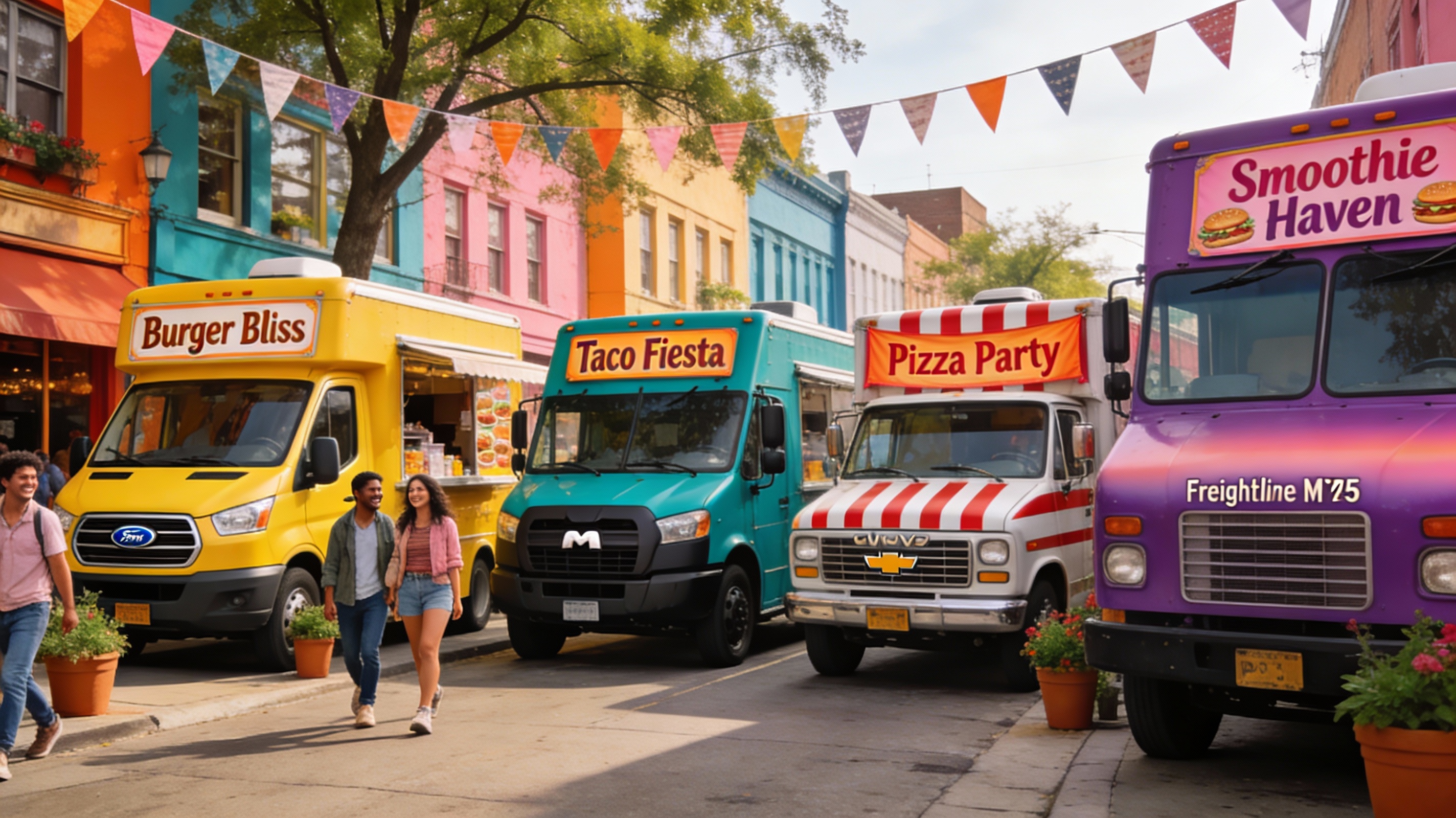
Revenue Strategies for Food Trucks
Food trucks have become a popular and lucrative business model, thanks to diverse revenue strategies that enable owners to maximize their earnings through effective food truck marketing strategies and robust customer retention techniques. Here, we explore three primary revenue avenues: catering, festivals, and regular locations. Each of these strategies provides unique benefits and opportunities for substantial earnings.
1. Catering
Catering is a highly profitable revenue stream for food trucks, especially those focusing on corporate events and private parties. According to Toast, catering gigs can bring in anywhere from $1,000 to $5,000 per event, depending on the size and scale of the occasion. For instance, food trucks like The Cinnamon Snail in NYC have successfully tapped into corporate catering contracts, generating impressive revenue through tailored menus for professional gatherings.
Catering is appealing because of its potential for high earnings per transaction. Moreover, it allows food truck owners to create preset menus, which simplifies food preparation and costs, making it easier to manage overhead. The profit margins for catering typically range from 20% to 30%, which is significantly higher than regular food service. This strategy’s success often depends on building relationships with local businesses and networking at corporate functions, aligning with effective food truck marketing strategies and enhancing customer retention.
2. Festivals
Participating in food festivals can yield considerable profits for food trucks, although competition and vendor fees must be factored in. Festival earnings can range from $2,000 to $10,000 for a weekend, depending on the event’s popularity and foot traffic. For example, Kogi BBQ Truck in Los Angeles has harnessed the power of festivals to generate over $2 million annually through a mix of scheduled locations and special events.
While festivals provide an excellent opportunity for high volume sales, owners must prepare for upfront fees, which can be anywhere from $500 to $2,000. These events attract large crowds, making them ideal for building brand recognition and expanding customer reach. However, successful vendors need to have quick service and appealing menu items to stand out in the competitive festival environment, utilizing food truck marketing strategies effectively.
3. Regular Locations
Setting up at consistent and strategic locations allows food trucks to build a loyal customer base while generating stable income. These spots, such as business parks, college campuses, or brewery partnerships, can often yield $800 to $2,000 per day, which translates to a reliable weekly revenue stream. Businesses like Cousins Maine Lobster have effectively leveraged regular locations and lucrative contracts to create a robust multiple revenue stream structure, reportedly earning over $1 million annually.
Establishing a regular location helps to create familiarity and repeat customers, which is essential for long-term sustainability. Furthermore, minimal logistics are needed for such setups, allowing owners to focus on quality food service and customer satisfaction, and enhancing customer retention tactics.
In conclusion, food trucks that diversify their revenue sources across catering, festivals, and regular locations find greater success and potentially higher annual earnings. Each strategy has its unique appeal and can be adapted to fit the food truck’s niche and operational strengths.
“Your menu determines the equipment you’ll have to have, as well as how much space you need for food prep and storage.”
This quote highlights how crucial it is for food truck entrepreneurs to plan not only their menu but also their financial structure and operational needs very carefully. Understanding these aspects can guide them in making informed decisions about their startup costs and ultimately contribute to the long-term success of their business.
In conclusion, understanding financial planning and pricing strategies is essential for anyone looking to embark on the exciting journey of starting a food truck business. The key takeaways from this guide emphasize:
- Thorough preparation helps navigate the costs associated with purchasing the right vehicle and equipment.
- Setting competitive pricing is crucial to reflect market demand while ensuring profitability.
- Leveraging smart financial tactics increases the chances of success in this dynamic industry.
If you are contemplating launching your own food truck, now is the time to:
- Reflect on your business plan.
- Evaluate your financing options.
- Take the leap into the flavorful world of mobile cuisine.
Start planning today, and turn your culinary dreams into a thriving reality!
Comprehensive Review of Financial Planning and Pricing Strategies for Food Truck Business Startup
The vibrant aroma of gourmet food wafting through city streets and lively food truck festivals have transformed from fleeting trends to a booming industry, with over 36,000 food trucks in operation across the U.S. as of 2023. This burgeoning market contributes roughly USD 4.3 billion annually and is expected to grow significantly in the coming years. As an aspiring food truck owner, understanding the multitude of financial considerations and pricing strategies is essential for success.
Startup costs for food trucks generally range from USD 50,000 to USD 200,000. The financial landscape encompasses the purchase of vehicles—varying in cost based on model and condition—necessary equipment, and compliance with local regulations regarding permits and licenses. Moreover, owners should also consider factors like insurance, permits, and initial inventory as they create budgets and financial plans.
Potential food truck entrepreneurs can explore various financing options, such as traditional bank loans, crowdfunding initiatives, and personal investments. By leveraging personal connections or engaging the community through platforms like Kickstarter, owners can cultivate the financial backing required for starting their businesses.
A diversified revenue strategy is critical for sustainability and growth. Catering services, participation in food festivals, and establishing regular locations serve as primary avenues for generating income. Successful food trucks utilize their menus strategically to enhance profitability, often generating higher margins through catering compared to regular sales.
In terms of operational strategy, selecting the right vehicle is pivotal. Models like the Chevy P30, Freightliner MT45, and RAM ProMaster offer different advantages and capacities, allowing food truck owners to choose based on their unique needs and business model. Each vehicle’s pros and cons should be weighed carefully against the projected revenue streams, market demand, and cost-efficiency.
As industry trends evolve, staying informed through research and analysis of market data is crucial. The food truck industry is projected to thrive over the next several years, with expanding opportunities for entrepreneurs willing to innovate and navigate the challenges of financial planning and market dynamics. With strategic insights into pricing, successful marketing, and customer engagement, new food truck owners can position themselves for long-term success in this competitive landscape.
The journey to launching a food truck business may be challenging, but with comprehensive financial planning and the right strategies, your culinary dreams can become a thriving reality!